Places

Cultural places in Portugal

Browse LxDiscover places across monuments, museums, palaces, viewpoints, gardens, churches and historic sites. Use this hub to start planning, then open the app for map-based routes, saved places and short cultural audio guides.

81 places

Featured cultural places

Explore on the map
Planetário de Marinha3.8

Planetário de Marinha

Science Centre • Lisboa, Lisboa

Beside the Jerónimos Monastery, the Navy Planetarium has the rare grace of places that still teach us to look up. Opened in 1965, from an idea by Commander Eugénio Conceição Silva and designed by the architect Frederico George, it was born from the meeting of scientific purpose, naval tradition and the support of the Calouste Gulbenkian Foundation. Its great dome turned it into a true theatre of the sky, where generations of visitors discovered constellations, nebulae and the old art of guiding a journey by the stars. The renovation at the start of the twenty-first century strengthened that immersive experience without erasing the building’s character. It is worth noticing the contrast between the sober exterior and the sense of scale inside the auditorium, where Lisbon seems to disappear for a while. In Belém, among monuments linked to the sea, this planetarium reminds us that navigation has always depended on reading the heavens.

Museu FC Porto4.7

Museu FC Porto

Museum • Porto, Porto

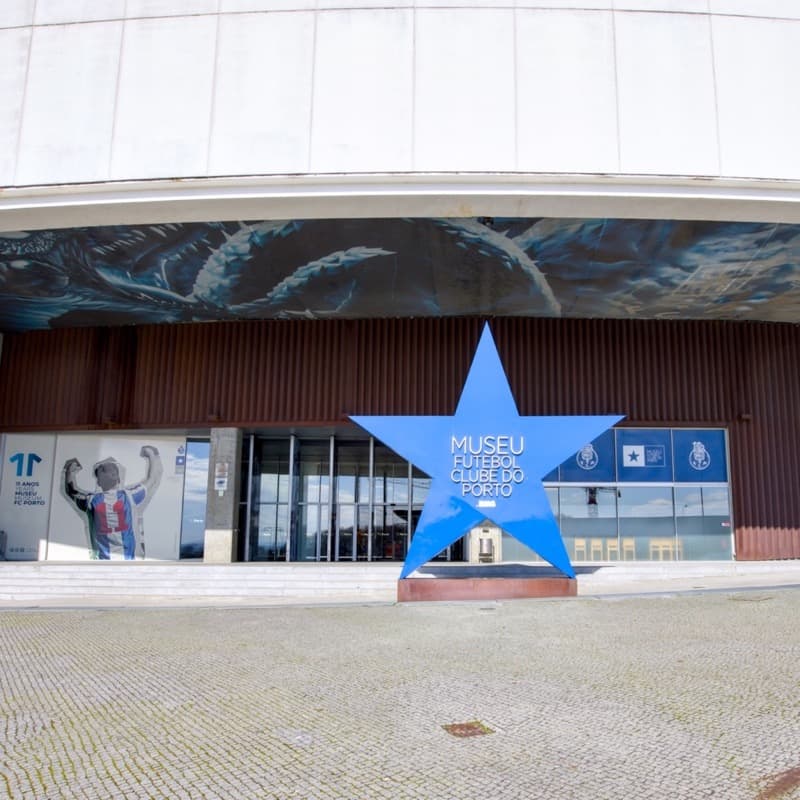
The Museu FC Porto is located in Estádio do Dragão, in the eastern area of the city of Porto. Inaugurated on 28 September 2013, on the day when Futebol Clube do Porto marked 120 years, it occupies around 7,000 square metres dedicated to the history and heritage of the club. The permanent exhibition is spread across 27 thematic areas, where trophies, documents, images, objects and interactive resources build a narrative that brings together football, other sports, institutional memory and the life of the city. Among the most visible pieces is Valquíria Dragão, a work by Joana Vasconcelos installed in the reception area. The museum also presents temporary exhibitions, an educational service and spaces supporting its cultural programme. More than a celebration of sporting results, it offers an organised reading of collective identity, made of victories, symbols, protagonists and belonging.

Museu do Ar4.7

Museu do Ar

Museum • Sintra, Lisboa

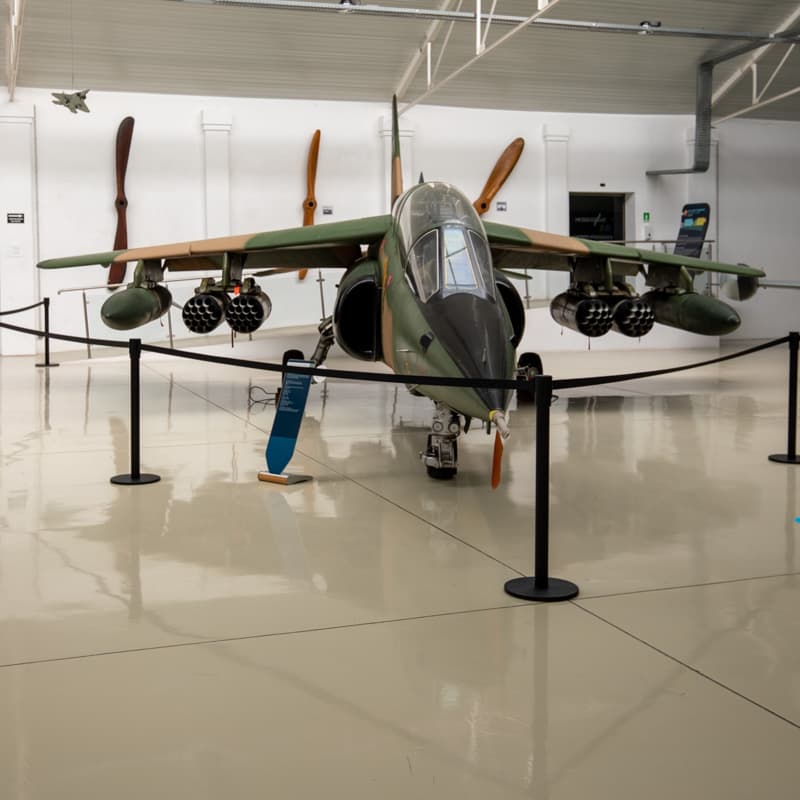
At Granja do Marquês, near Sintra, the Air Museum preserves the Portuguese history of flight as a blend of ingenuity, risk and imagination. The idea of creating an aviation museum dates back to the early twentieth century, but the museum opened to the public in 1971, in Alverca, before gaining a new scale in its present Sintra site, inaugurated in 2009. Between spacious hangars and aircraft from different periods, the visit links military and civil aviation and shows how flying changed the country, from the feats of the pioneers to the era of TAP and ANA. One of its most curious details is the replica of Santos Dumont’s 14-bis, presented as the second one in the world. More than a technical collection, the museum preserves a deeply physical memory of the human desire to rise into the air and turn that ambition into history.

Casa-Museu de Santa Maria4.5

Casa-Museu de Santa Maria

Museum • Cascais, Lisboa

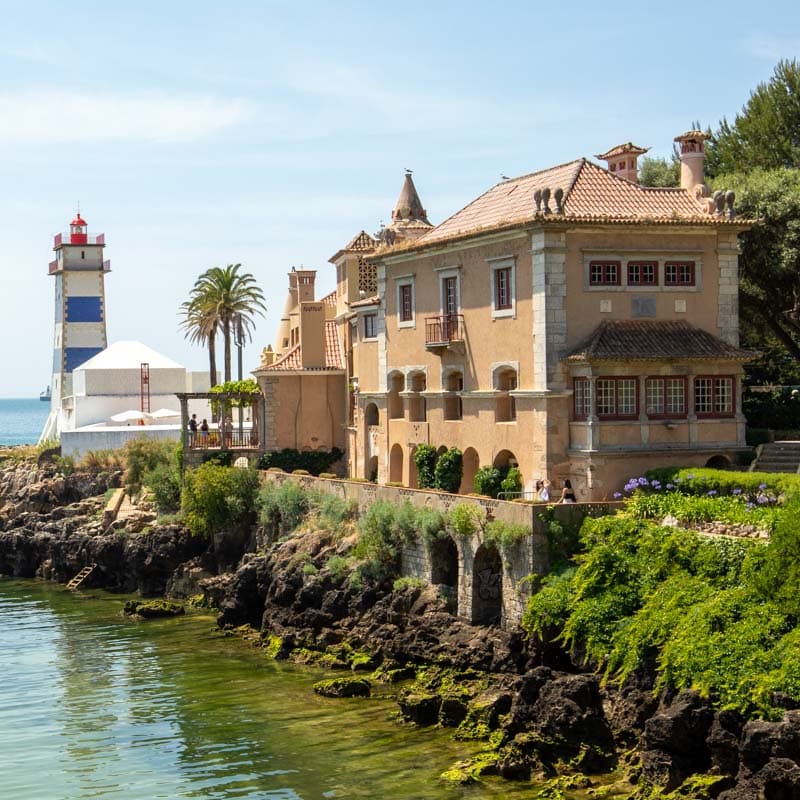
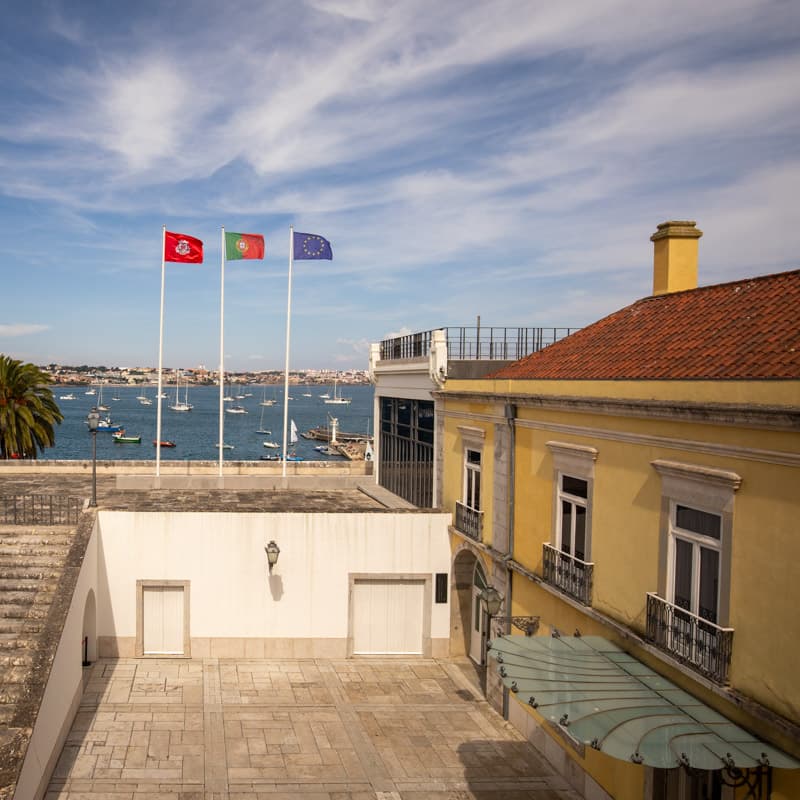
In Cascais, almost above the Santa Marta cove, the Casa-Museu de Santa Maria seems to rise from the rock and the light of the sea. Raul Lino designed it in 1902 for Jorge O’Neill, as a gift for his daughter Maria Teresa, in one of the earliest moments of a body of work that already suggests his idea of the Portuguese house, with Mediterranean and Moorish echoes. For about a century it remained a private residence; today, as part of the Museum Quarter, it still keeps that intimate character, more like a lived-in house than a small palace. The interior surprises with its decorative richness: the Hall of Arches, the terrace facing the water, the tiles designed by the architect and, above all, the late seventeenth-century panels brought from a chapel in Frielas give the whole place a quiet and very distinctive beauty. Between windows open to the Atlantic, painted wood and silence, one senses that this house was not meant to dominate the landscape, but to converse with it.

Fragata D. Fernando II e Glória4.7

Fragata D. Fernando II e Glória

Museum Ship • Almada, Setúbal

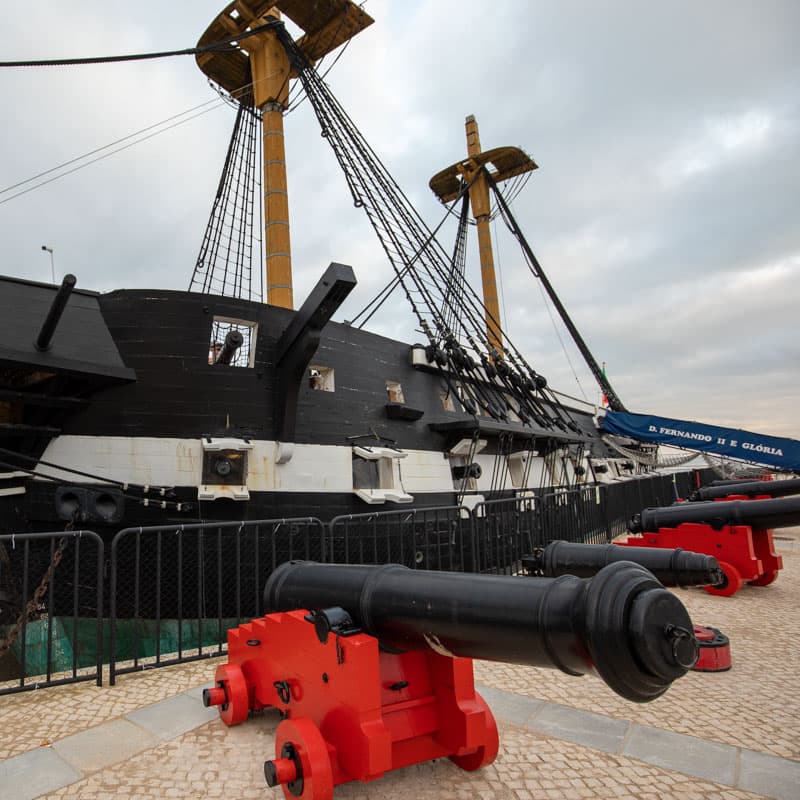
Some ships seem to contain an entire empire within them, and the frigate D. Fernando II e Glória is one of them. Built in Daman and launched in 1843, it was the last great ship of the Portuguese Navy to sail entirely under canvas and the last to serve the India Run. Over 33 years it covered more than 100,000 nautical miles in a succession of voyages linking Lisbon to Portugal’s overseas world. It later served as the Naval Artillery School, housed a social institution for disadvantaged boys and, in 1963, was nearly lost in a fire that left it half-submerged. Restored and opened to the public in 1998, it returned as a museum ship. During a visit, it is worth lingering on the main deck, the gun deck and the cabins: among the masts, the teak wood and the cramped spaces, the hardship and scale of life on board become easier to grasp. Remarkably, it never entered combat.

Museu Municipal de Faro4.3

Museu Municipal de Faro

Museum • Faro, Faro

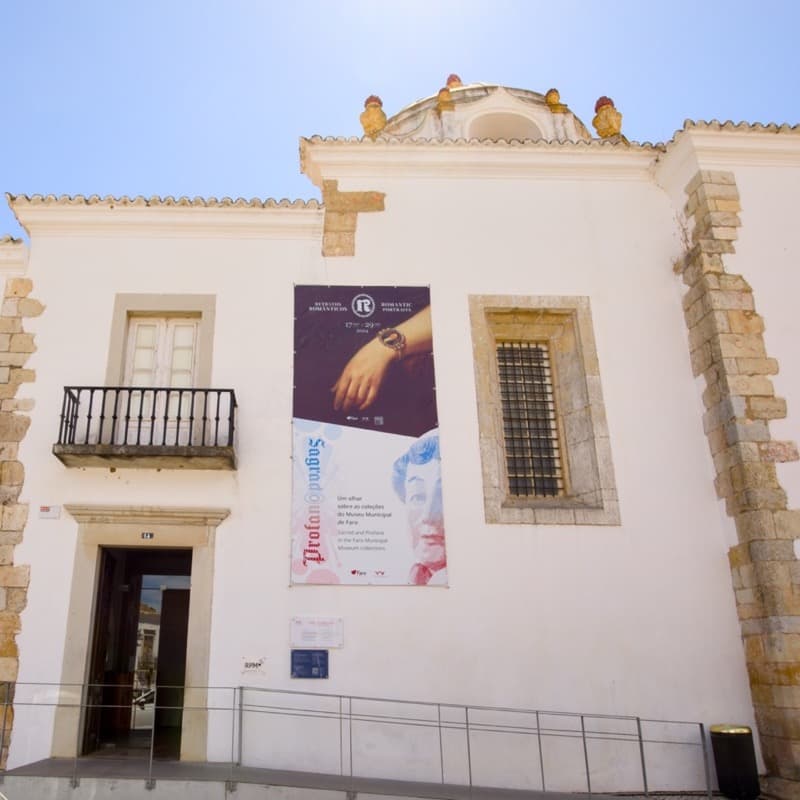
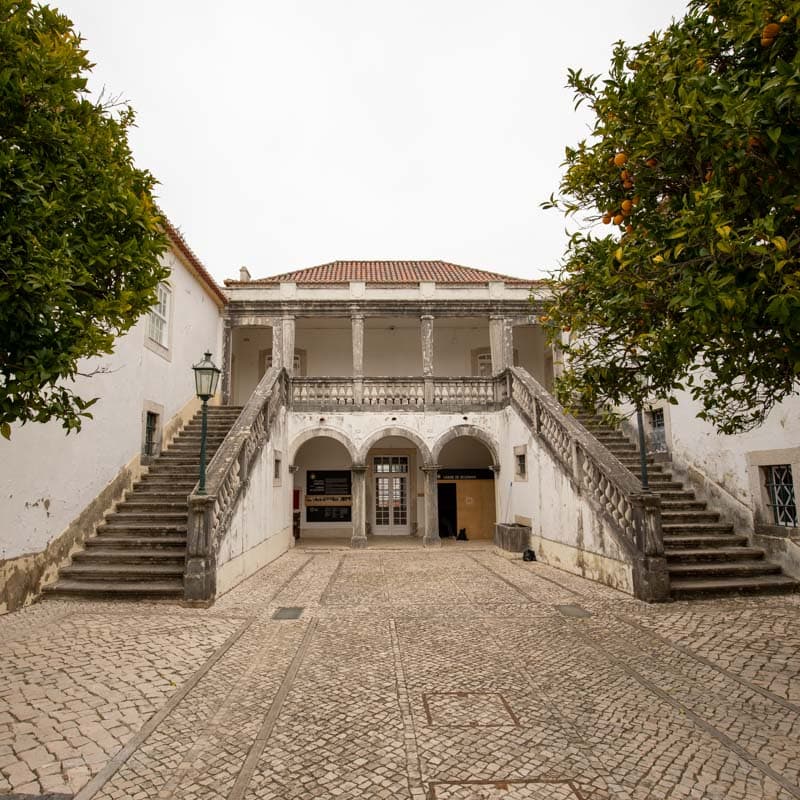
In Faro’s Vila-Adentro, the Museu Municipal de Faro occupies the former Convent of Nossa Senhora da Assunção, classified as a National Monument. The convent was founded by D. Leonor, wife of King João II, and construction began in 1519, continuing until the cloister was completed in 1550. After the extinction of the religious orders, the building had several uses and even housed a cork factory. In 1960, the Municipal Council acquired it to install the Museu Arqueológico e Lapidar Infante D. Henrique, which had operated in the Town Hall since 1894. Today, the quadrangular cloister, with its boxwood garden, organises a route between convent architecture and urban memory. The collection highlights archaeological materials from prehistory to the Roman and medieval periods, including the Ocean Mosaic, from the 2nd/3rd centuries, busts of Hadrian and Agrippina, inscriptions from Ossonoba, Islamic art and painting from the 16th to the 19th centuries.

Galeria Municipal do Banco de Portugal4.3

Galeria Municipal do Banco de Portugal

Museum • Setúbal, Setúbal

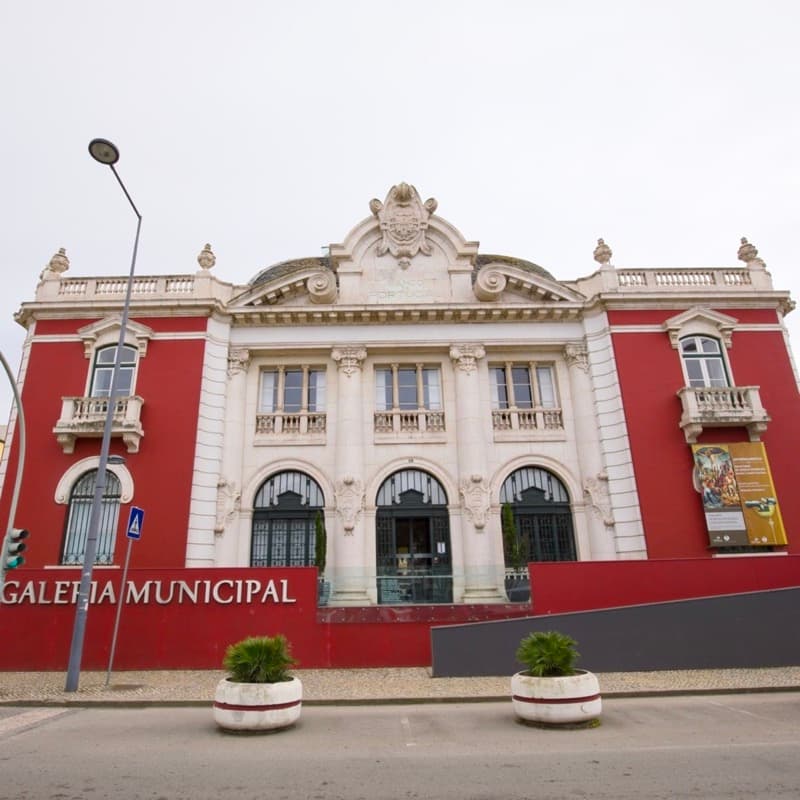
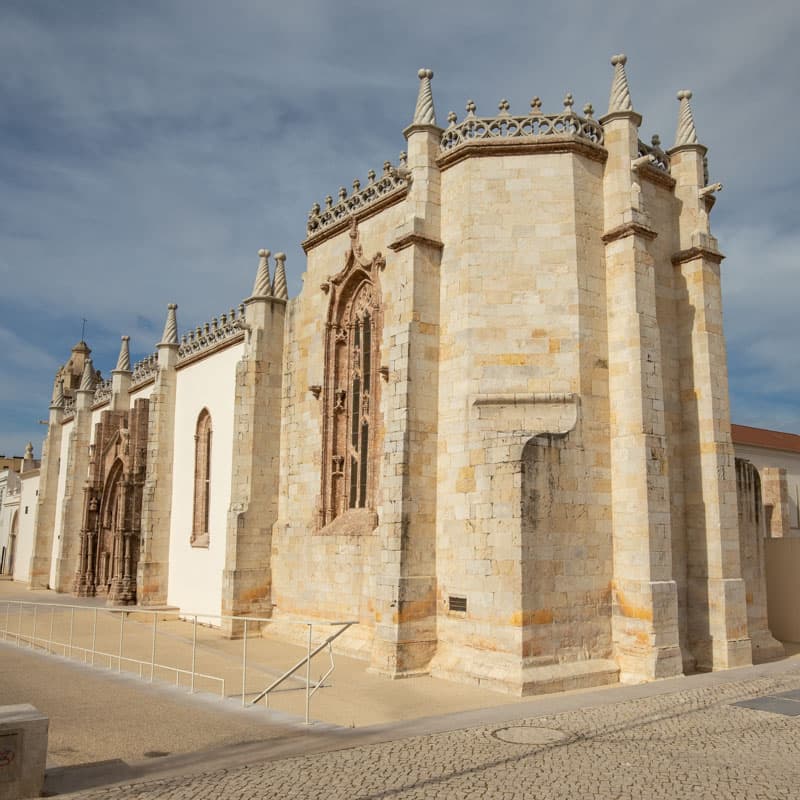
On Avenida Luísa Todi, the Banco de Portugal Municipal Gallery shows just how well Setúbal has reused its urban memory. Designed by Arnaldo Adães Bermudes in the early decades of the twentieth century, the building served for a long time as the local branch of the Bank of Portugal and still retains the solemn air of a former banking house. The two stone columns at the entrance, the eclectic composition and the revivalist echoes, with discreet Art Nouveau touches, give it a sober yet distinctive presence. In 2013, the property began a new life as a municipal gallery and started hosting exhibitions from the Museum of Setúbal. Among them was the celebrated altarpiece from the Convent of Jesus, one of the great works of sixteenth-century Portuguese painting. It is worth studying the building closely before you even step inside: few transformations tell the story of a city so well, turning a place once meant to guard wealth into one that preserves and shares heritage.

Museu Nacional Ferroviário4.7

Museu Nacional Ferroviário

Museum • Entroncamento, Santarém

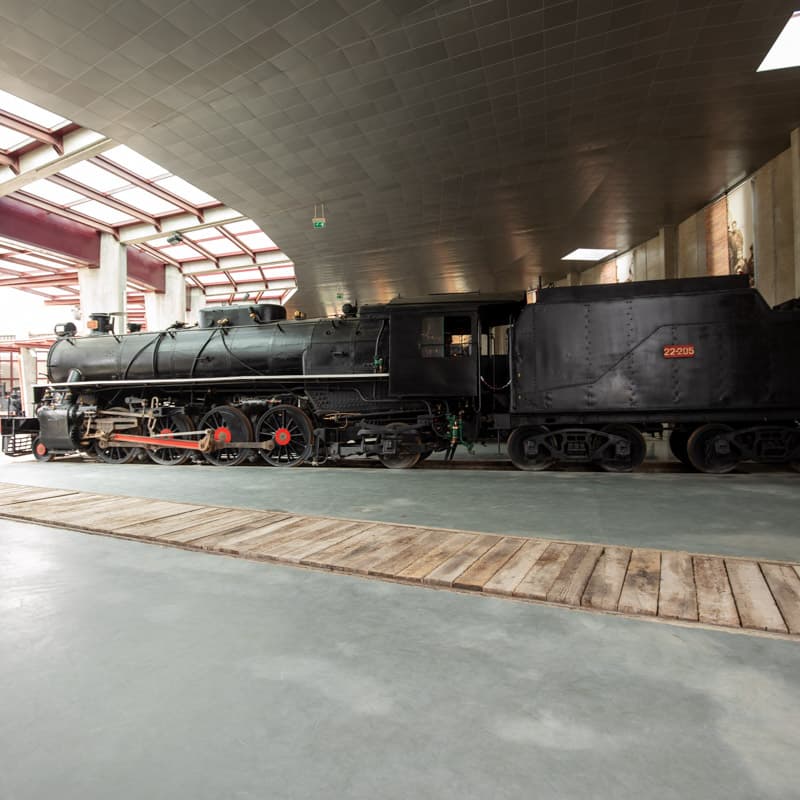
At the Entroncamento Railway Complex, the National Railway Museum tells more than 160 years of railway history in Portugal. Its headquarters are in Entroncamento, but the museum has a national scope and includes centres in several parts of the country. The collection brings together around 36,000 objects, from rolling stock, such as locomotives, carriages and wagons, to track, workshop, signalling, station, ticketing, safety, catering, health and documentary material. The route occupies historic buildings linked to the former railway complex, now transformed into exhibition spaces. Among its most evocative pieces are the Royal Train, the Presidential Train, the Steam Workshops and the Locomotive Roundhouse. Created in 2005, the Fundação Museu Nacional Ferroviário Armando Ginestal Machado safeguards this technical and social heritage, where machines, objects and memories show how the train transformed territories, work and everyday life.

Museu Militar de Elvas4.6

Museu Militar de Elvas

Museum • Elvas, Portalegre

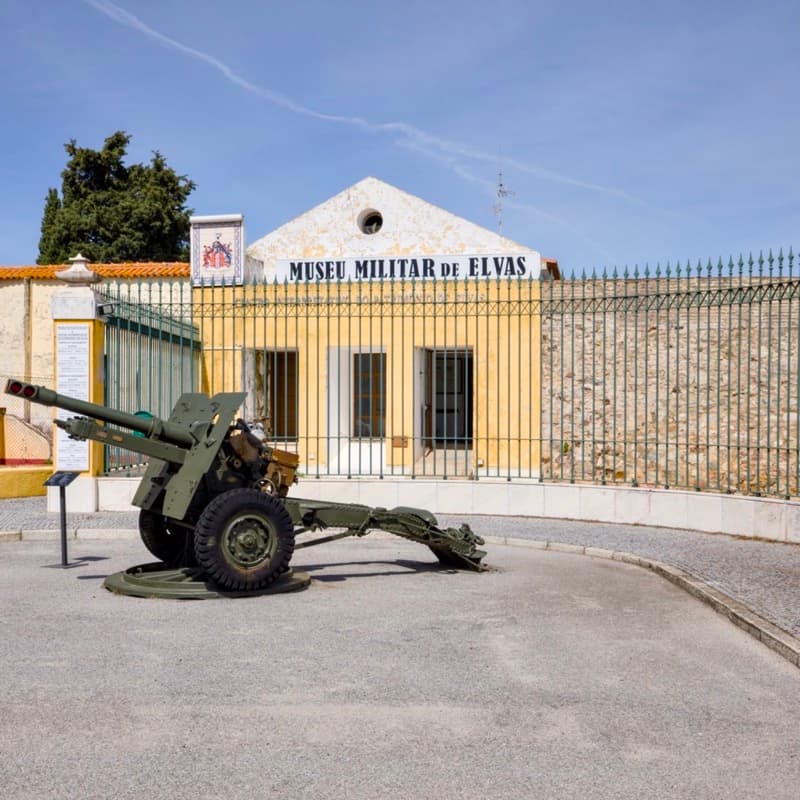
In Elvas, the Military Museum occupies the former premises of Infantry Regiment No. 8, in the Quartéis do Casarão and the São Domingos Barracks, a space made available by the Army restructuring completed in 2006. Its mission and staff structure were approved in 2007, the museological project in 2008, and the official inauguration took place on 29 October 2009. The building also preserves an earlier memory: it includes the Convent of São Domingos, the Fernandine Wall and part of the 17th-century wall, elements linked to the fortified system of Elvas, inscribed by UNESCO in 2012. The collections give form to the material history of the Portuguese Army, with sections dedicated to the Health Service, vehicles, horse-drawn equipment, harnesses, transmissions, heavy weapons and the Portuguese Colonial War. Since 2014, the museum has been part of the Portuguese Museum Network, strengthening its role as a place for preserving and studying military culture.

Aldeia Museu José Franco4.6

Aldeia Museu José Franco

Museum • Mafra, Lisboa

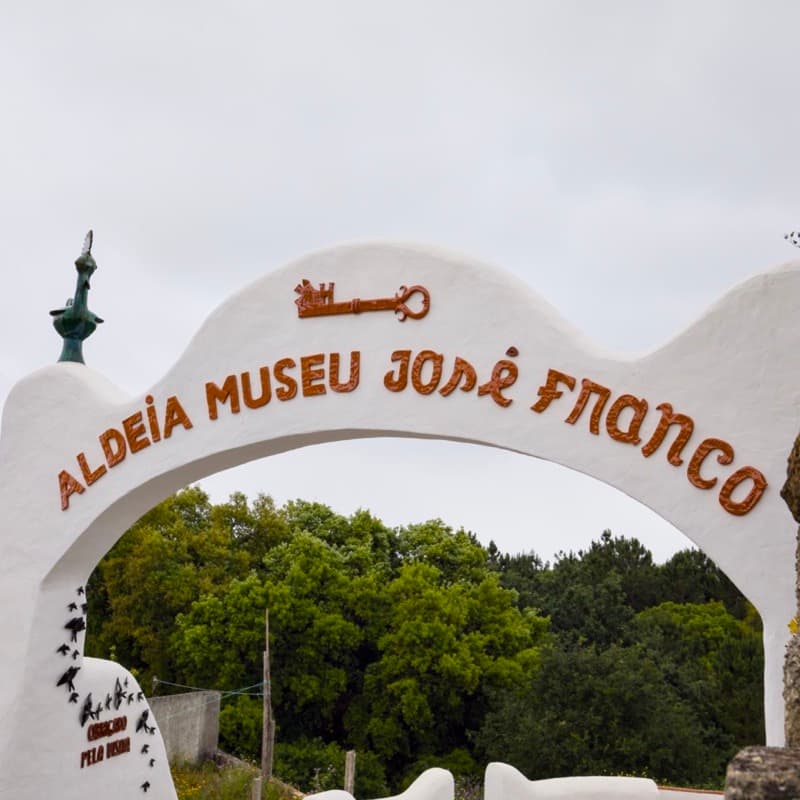
In Sobreiro, between Mafra and Ericeira, the José Franco Museum-Village recreates, in clay, stone and memory, the rural saloio life of former times. Also known as the José Franco Typical Village or Saloia Village, it was born from the dream of the potter and sculptor José Franco, who in the early 1960s wanted to turn his childhood memories into a space of ethnographic character. The village combines replicas of old workshops, shops and furnished houses with real objects, evoking the customs and work of the Mafra region. A windmill, watermill, blacksmith, threshing floor, tavern and carpentry workshop help identify trades that gradually disappeared. Beside this life-size world, miniatures appear, inhabited by small figures, with scenes of fields, schools, chapels, grocery shops and even a recreation of fishing Ericeira. The whole preserves, with artisanal simplicity, a collective memory shaped by the hands of a popular artist.

Centro Ciência Viva de Lagos4.6

Centro Ciência Viva de Lagos

Science Centre • Lagos, Faro

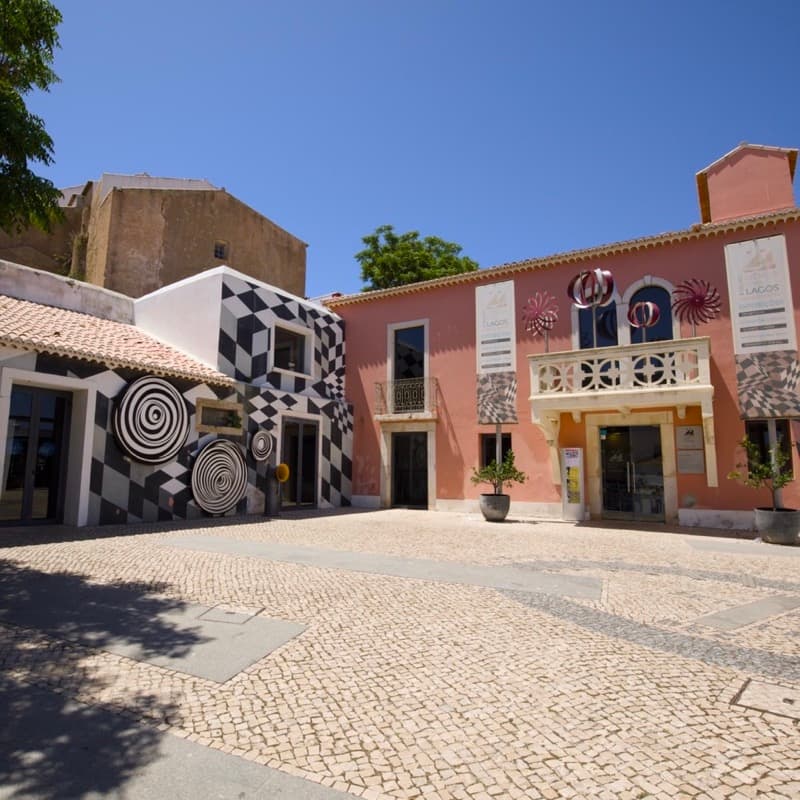
In the centre of Lagos, overlooking Avenida dos Descobrimentos, the Centro Ciência Viva de Lagos brings science close to the city’s maritime history. Housed in Casa Fogaça, an 18th-century manor house, it combines the memory of the building with a contemporary visual language, marked on the façades by cubes and illusion discs. The permanent exhibition, “From the Astrolabe to GPS”, links the great ocean voyages to the science of navigation, exploring themes such as cartography, shipbuilding and astronomy in the 15th and 16th centuries. In addition to its indoor galleries, the centre has almost 2,000 square metres of outdoor spaces dedicated to science, including the Lighthouse Garden and the Discoveries Garden, both facing the bay of Lagos. Among instruments, experiments and interactive modules, this is a place where the past of voyages becomes questioning, observation and discovery.

Museu Municipal de Arqueologia de Silves4.4

Museu Municipal de Arqueologia de Silves

Museum • Silves, Faro

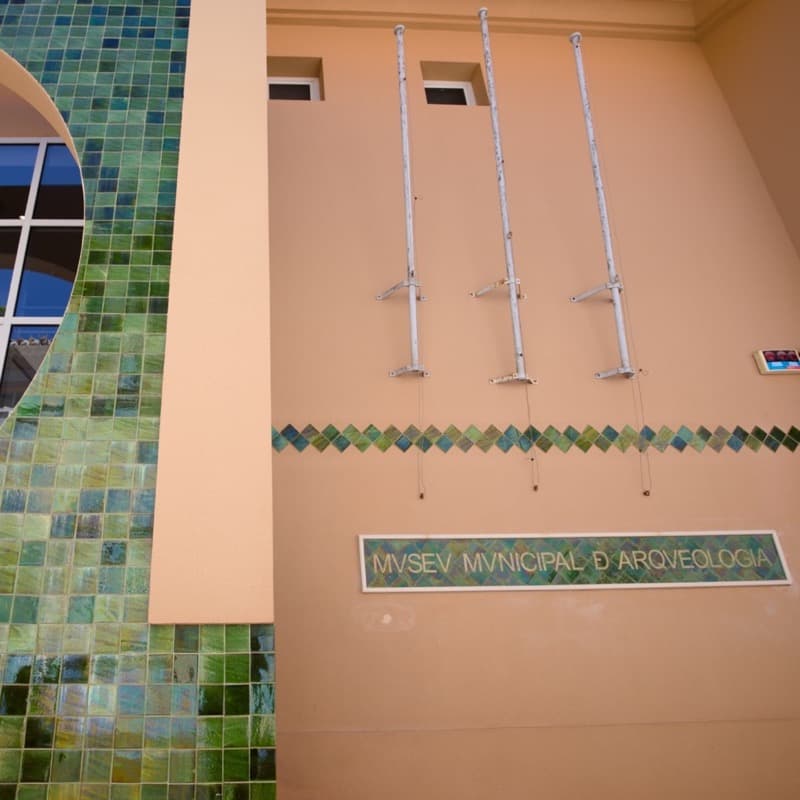
In the historic centre of Silves, the Municipal Archaeology Museum organises the city’s memory around an exceptional feature: the Arab Well-Cistern, classified as a National Monument. Identified in late 1979, this Almohad well-cistern, built between the end of the 12th century and the beginning of the 13th, was integrated into the museum route, inaugurated in 1990. Its circular structure descends more than eighteen metres and is accompanied by a spiral staircase, with windows opened at different heights to provide access to the water. The building also incorporates, on its southern elevation, a section of the Almedina wall, from the 12th century. The exhibition traces the history of the Silves territory from prehistory to the 18th century, with particular emphasis on Islamic materials collected during decades of excavations in the city. Here, archaeology and architecture make Silves’ long continuity visible.

Museu da Música Mecânica4.7

Museu da Música Mecânica

Museum • Palmela, Setúbal

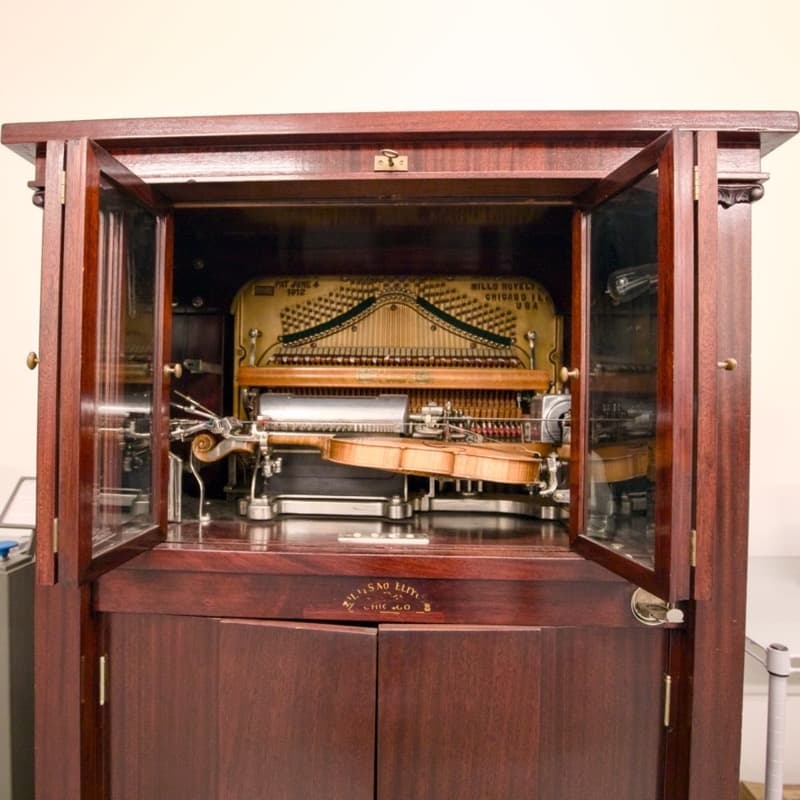
The Museu da Música Mecânica is located in Arraiados, in the parish of Pinhal Novo, municipality of Palmela. Inaugurated in 2016, it is a private museum created from the collection assembled by Luís Cangueiro, dedicated to instruments capable of producing sound through exclusively mechanical systems. The collection brings together more than 600 pieces, all in working order, dating from the late 18th century to the first half of the 20th century. Music boxes, gramophones, mechanical organs, phonographs and other devices reveal a history in which music is linked to engineering, entertainment and sound memory. The building, designed by the architect Miguel Marcelino, was conceived as a large closed box, with a concavity at the entrance that evokes the horns of phonographs and gramophones. The five exhibition galleries are arranged around a central courtyard, turning the visit into a listening experience of the past in motion.

Fábrica - Centro Ciência Viva de Aveiro4.5

Fábrica - Centro Ciência Viva de Aveiro

Science Centre • Aveiro, Aveiro

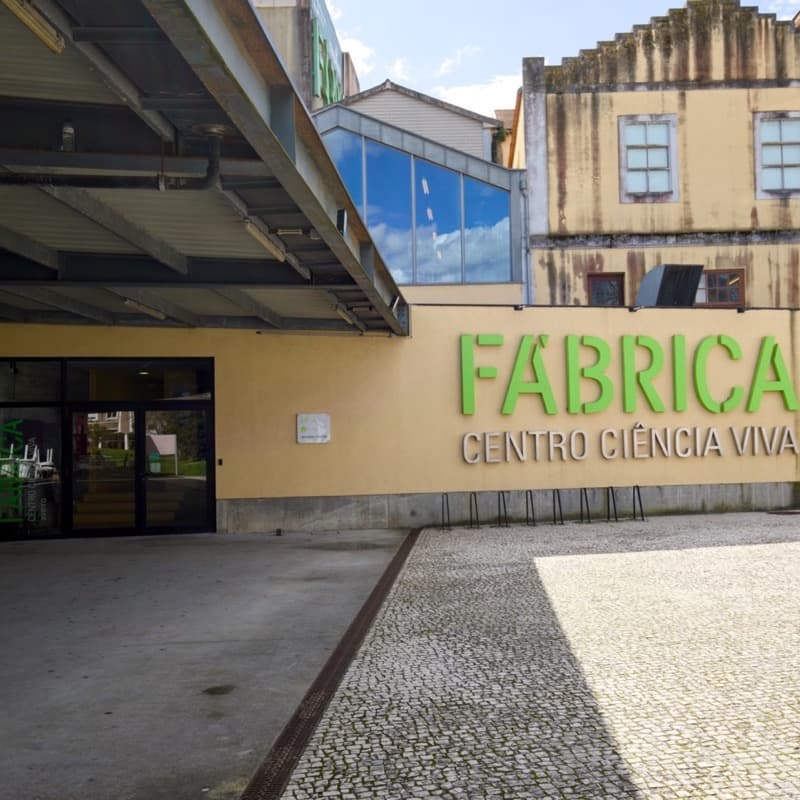
Fábrica — Centro Ciência Viva de Aveiro, in Aveiro, occupies the building of the former Companhia Aveirense de Moagens and transforms an industrial space into a place dedicated to scientific culture. Opened to the public in 2004, it results from a partnership between the University of Aveiro and Ciência Viva, bringing research, schools and the community closer together. The name “Fábrica” preserves the memory of the building, but also expresses its current function: producing curiosity, experiments and questions. The interactive exhibitions explore themes such as science in the kitchen, robotics and holography, with modules designed to be touched, tested and observed. Its activity also extends beyond the building, through educational programmes and collaborations with scientific institutions, companies, municipalities and teaching bodies. Between imagined machinery and science in action, the former mill has become a public workshop of knowledge.

Museu Marítimo de Sesimbra4.7

Museu Marítimo de Sesimbra

Museum • Sesimbra, Setúbal

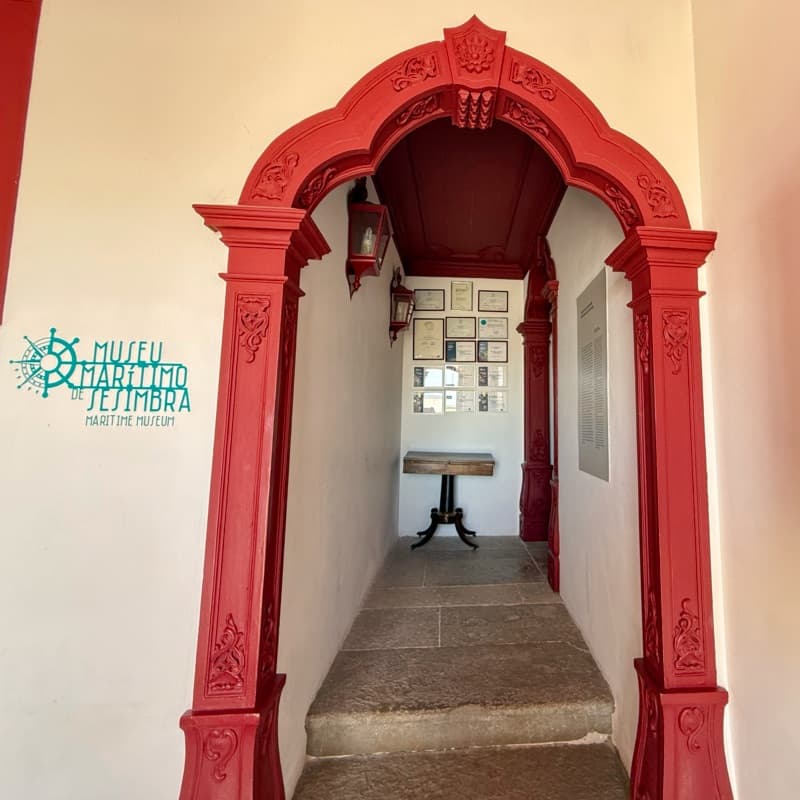
The Maritime Museum of Sesimbra, housed in the Fortress of Santiago, presents the town’s long relationship with the sea and fishing. Opened to the public in 2016, it forms part of the Municipal Museum of Sesimbra and organises its route through several spaces within the fortress. The exhibition brings together material heritage and memories collected with the fishing community, giving voice to the knowledge of seafarers. Among the oldest objects are an anchor stock around five thousand years old, and hooks and net weights dated between 2500 and 200 BC. The route addresses fishermen’s journeys, routes, fishing grounds, fishing techniques, boatbuilding, maritime devotions, the Professor Luiz Saldanha Marine Park and the relationship of King Carlos with Sesimbra. With models, films, documents and interactive technology, the museum turns local history into a narrative of work, identity and continuity.

Centro Cultural de Belém4.6

Centro Cultural de Belém

Cultural Centre • Lisboa, Lisboa

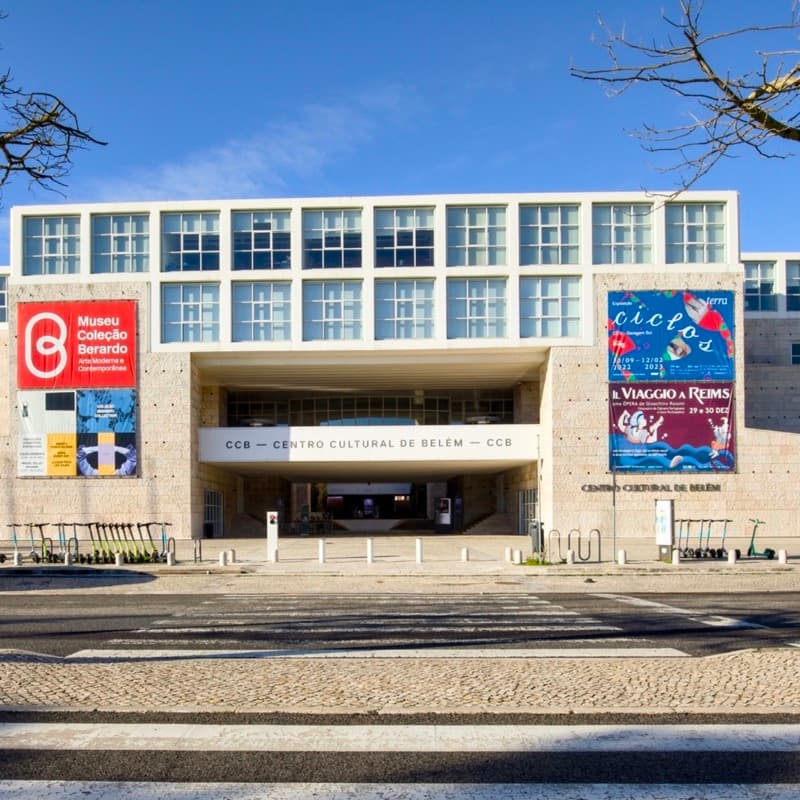
Among Belém’s great historic symbols, the Belém Cultural Centre marks the moment when Lisbon decided to inscribe its modernity too into the city’s monumental landscape. Its construction was decided in 1988, in the context of Portugal’s European presidency in 1992, and the project by Vittorio Gregotti and Manuel Salgado imagined a kind of open city, made of buildings, streets, squares and bridges, in dialogue with Praça do Império, the Jerónimos Monastery and the Tagus. During a visit, it is worth exploring the outdoor spaces as much as the auditoriums and exhibition rooms, because the CCB is not understood only from within: it also lives in the light, the voids and the relationship between pale stone and the river. Today, listed as a Monument of Public Interest, it remains one of the places where Lisbon shows, with remarkable ease, that contemporary architecture can also create memory.

Museu da Misericórdia do Porto4.2

Museu da Misericórdia do Porto

Museum • Porto, Porto

The Museu da Misericórdia do Porto, or MMIPO, is located on Rua das Flores, in Porto’s Historic Centre, in the building that served as the headquarters of the Santa Casa da Misericórdia do Porto from the mid-16th century until 2013. The institution, founded in 1499, is linked to a long history of assistance, charity and artistic heritage. The museum presents this memory through collections of painting, sculpture, sacred art and objects related to the work of the Misericórdia. The route includes the Igreja da Misericórdia, a 16th-century construction deeply transformed in the 18th century by Nicolau Nasoni, and the Galeria dos Benfeitores, marked by iron-and-glass architecture. Among the works on display, Fons Vitae stands out, an oil painting on oak panel, attributed to Colijn de Coter and dated to around 1515-1517. Between devotion, assistance and art, the museum makes visible a long-standing institutional memory in Porto.

Museu de História Natural de Sintra4.5

Museu de História Natural de Sintra

Museum • Sintra, Lisboa

The Museu de História Natural de Sintra is located on Rua do Paço, in the Historic Centre of Sintra’s Old Town, in a building dating from 1893. Inaugurated on 1 August 2009, it grew out of the collection assembled over around 50 years by Miguel Barbosa and his wife, Fernanda Barbosa, later donated to the Municipality of Sintra. The long-term exhibition follows the formation of the Earth and the evolution of life, from the Precambrian to the Quaternary, through the municipal collections of palaeontology, mineralogy, malacology and petrography. Among fossils, minerals, shells, rocks and meteorites, the museum displays pieces from different continents. One of its most relevant elements is the type specimen of a pterosaur whose scientific name honours Miguel Barbosa. Small in urban scale, the museum opens in Sintra an unexpected window onto the deep history of the planet.

Museu dos Condes Castro Guimarães4.6

Museu dos Condes Castro Guimarães

Museum • Cascais, Lisboa

In Cascais, almost above the Santa Marta cove, the Condes de Castro Guimarães Museum shows how a summer residence can become public memory without losing its private charm. The former Tower of São Sebastião was built between 1897 and 1900 on the initiative of Jorge O’Neill, and it became a museum thanks to the legacy of Manuel Inácio de Castro Guimarães, who left the house, the books and its artistic contents to the town for public use. Opened on 12 July 1931, the ensemble preserves a rare atmosphere: rooms with painting, Oriental porcelain, furniture, silver and an organ installed for the Counts’ musical gatherings coexist with the theatrical quality of a revivalist architecture shaped by Neo-Romanesque, Neo-Gothic and Neo-Manueline echoes. The library also holds a quiet treasure: the Chronicle of Afonso Henriques, an illuminated manuscript from 1505 with one of the earliest known representations of Lisbon.

Casa da Cerca4.7

Casa da Cerca

Museum • Almada, Setúbal

High above Almada Velha, facing Lisbon and the Tagus, Casa da Cerca brings together an old leisure estate and one of the most distinctive cultural projects on the south bank. Built between the late seventeenth and early eighteenth centuries, the manor house was enlarged over time; in the chapel survive tile panels attributed to Master P.M.P., and in the oldest part there are still traces of a blocked sixteenth-century doorway. After decades of private use and a period of neglect, the building was restored by the municipal council and opened in 1993 as a Centre for Contemporary Art, through the initiative of Rogério Ribeiro, with special attention to drawing. The garden deepens that rare identity: O Chão das Artes, inaugurated in 2001, brings together botany, art and science through plants linked to pigments, fibres, oils and other materials used in artistic creation. Between the white house, the walls and the light on the river, the place has the calm of a belvedere and the curiosity of a laboratory.

Centro Ciência Viva do Algarve4.4

Centro Ciência Viva do Algarve

Science Centre • Faro, Faro

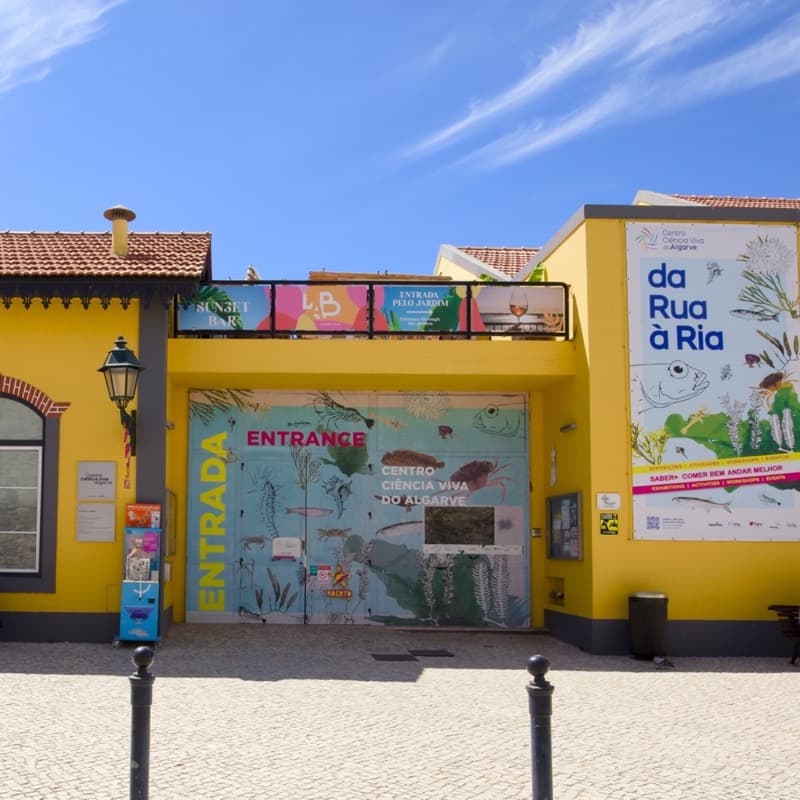
Next to Faro Marina, the Centro Ciência Viva do Algarve turns the closeness of the Ria Formosa into a starting point for scientific discovery. Housed in a century-old building originally built to accommodate the Algarve’s first power station, it opened on 3 August 1997 as the first interactive centre in the National Network of Ciência Viva Centres. Its main exhibition is dedicated to the sea, with aquariums and modules that bring natural, environmental and physical-chemical phenomena close to the regional reality. The Apalpário, a tank dedicated to species typical of the Algarve coast and the Ria Formosa, allows close observation of organisms from the intertidal zone, with support from monitors. The centre also includes spaces on light, the brain and the senses, a garden with energy modules, a technological greenhouse and a rooftop terrace facing the Ria Formosa, used for observing wading birds.

Museu do Dinheiro4.6

Museu do Dinheiro

Museum • Lisboa, Lisboa

Set inside the former church of Saint Julian, the Money Museum is one of those places where Lisbon reveals itself in layers. Open to the public since 2016, it occupies a building restored as part of the rehabilitation of the Bank of Portugal’s headquarters, and that long biography gives depth to a museum devoted to money, its history and the ways people exchange value. Along the route, coins, banknotes, machines and multimedia displays show how money has shaped trade, power and everyday life, without losing sight of the human scale. Yet two details make the visit especially memorable: the Wall of King Dinis, preserved within the museum, and the gold bar that visitors can touch. Between medieval remains, the old nave of Saint Julian and contemporary museography, the place achieves something rare: it speaks about economics without coldness and shows that behind every coin there is always a story of city, power and imagination.

World of Discoveries4.4

World of Discoveries

Museum • Porto, Porto

World of Discoveries is located in Porto’s riverside area, a few metres from the Douro and the Alfândega. Inaugurated in 2014, it presents itself as an interactive museum and theme park dedicated to the Portuguese Discoveries. The route combines exhibition, scenography and immersive experience to recreate episodes of Portuguese navigation, maritime routes and encounters with other territories. Among the proposed moments are the Conquest of Ceuta, the figure of Adamastor, the exploration of the inside of a vessel and the evocation of spices. One of its distinctive components is the journey along a water channel, designed to follow, in a staged setting, routes associated with Portuguese maritime expansion. With multilingual content, audio guides and an educational service, the space brings history, adventure and pedagogy together in an accessible format. More than presenting old objects, it seeks to transform the narrative of the Discoveries into a visual, sound and participatory experience.

Museu da Água e Resíduos de Sintra4.3

Museu da Água e Resíduos de Sintra

Museum • Sintra, Lisboa

The Museu da Água e Resíduos, in Ribeira de Sintra, is managed by SMAS de Sintra and is dedicated to environmental education and awareness. Installed in the former tram garage, it occupies a building linked to the history of the line that connected Sintra to Colares and Praia das Maçãs. Its technical memory remains visible: essential parts of the structure have been integrated into interactive modules, such as the original pulley system, once used to lift coal wagons and heavy materials. The route combines indoor and outdoor areas, bringing themes such as the urban water cycle, recycling, waste and sustainability closer through games, models and tactile experiences. Among the most expressive elements are the interactive model of the urban water cycle, the modules on waste separation and the outdoor tank reused for water-related experiments. The museum turns infrastructure and pedagogy into a practical reading of environmental heritage.

Showing 24 places. Use the filters or map to continue exploring.

Get the app

Take LxDiscover with you

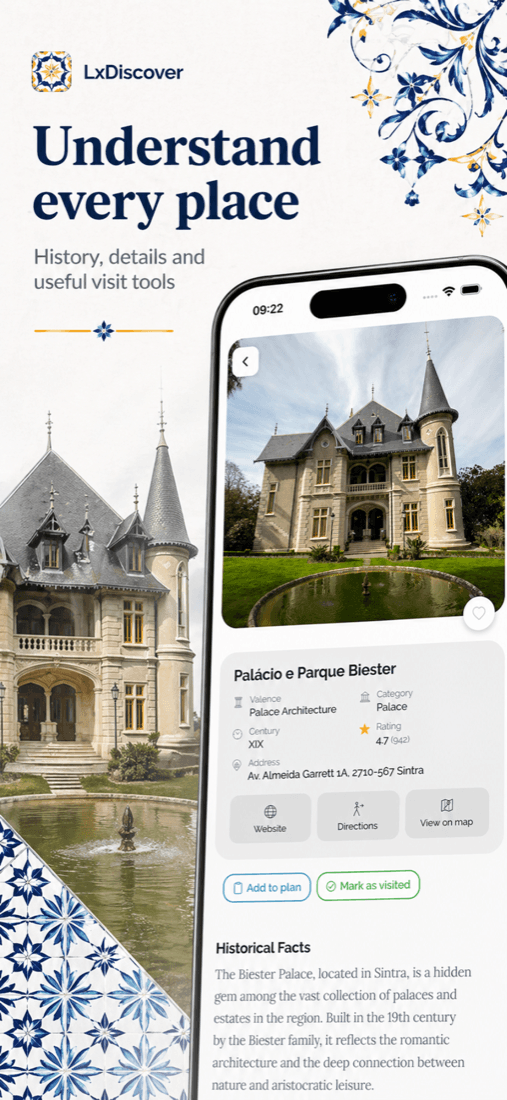
Explore Portugal with a cultural guide for monuments, museums, gardens, palaces, viewpoints, and historic places in Lisbon, Porto, Sintra, and other regions.

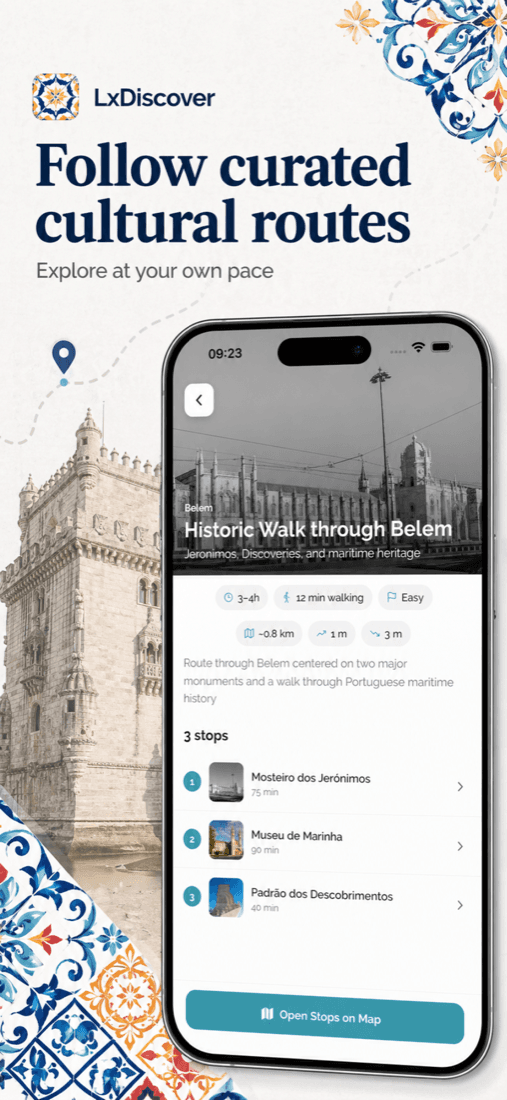
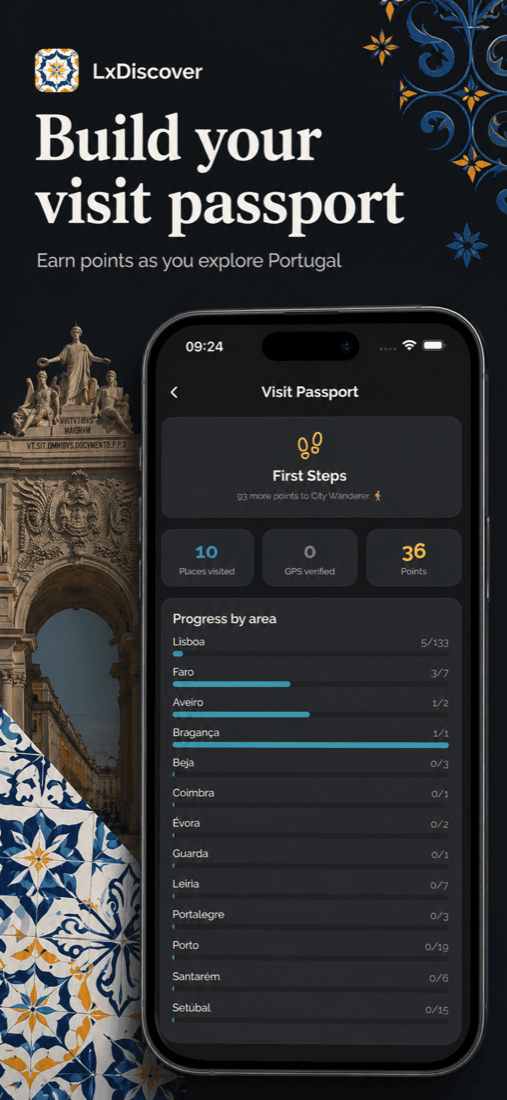
Use the map, follow cultural routes, read editorial context, save places, and track your visits with the visit passport.

Free features

  • Interactive map to discover places of interest
  • Detailed information about monuments, museums, and cultural sites
  • Favorites for the places you want to visit
  • Selected routes to start exploring

Premium subscription

  • Curated routes with ordered stops, duration, and difficulty
  • Thematic collections with editorial context for each area
  • Visit passport for progress, visited places, and achievements
  • Advanced map, planning, and proximity alert tools
LxDiscover map screen
LxDiscover routes screen
LxDiscover visit passport screen