Places

Cultural places in Portugal

Browse LxDiscover places across monuments, museums, palaces, viewpoints, gardens, churches and historic sites. Use this hub to start planning, then open the app for map-based routes, saved places and short cultural audio guides.

26 places

Featured cultural places

Explore on the map
Jardim da Estrela4.6

Jardim da Estrela

Garden/Park • Lisboa, Lisboa

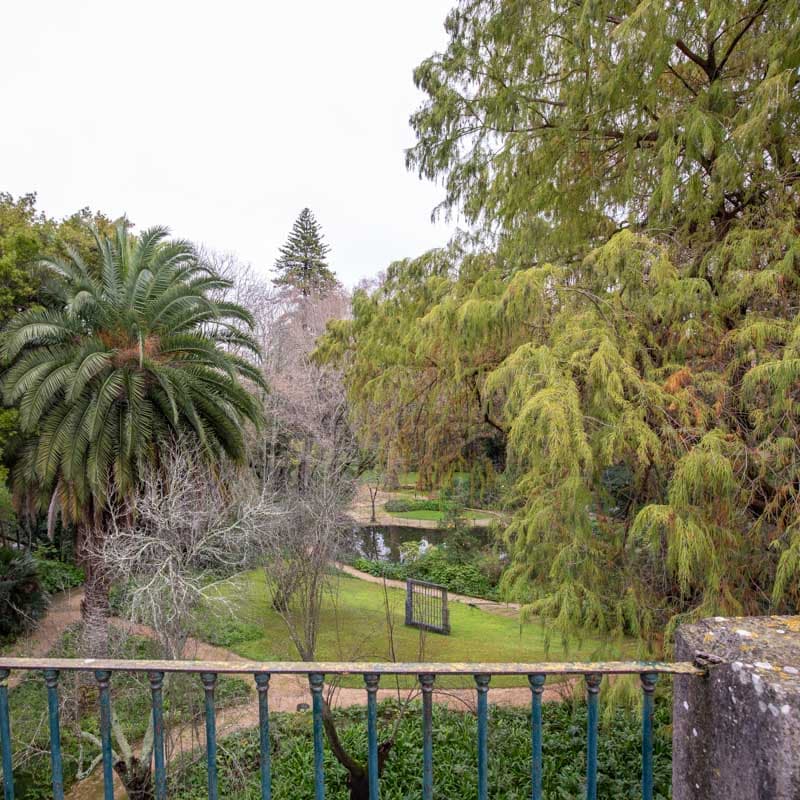
Jardim da Estrela has the rare calm of a romantic garden that still feels like the city’s living room. Commissioned in 1842 and inaugurated in 1852, opposite the basilica, it created a refuge of winding paths, lakes and shade where Lisbon also learned how to stroll. Its English-style layout, varied vegetation and wrought-iron bandstand of 1884 give it elegance, yet what lingers most is the way it brings together nature and urban life: ducks and carp on the water, readers at the library kiosk, families on the grass and concerts that restore the garden’s old public vocation. There is also a particularly charming detail: the white chalet of Casa do Jardim da Estrela, now a cultural venue, opened in 1882 as the first kindergarten in Portugal, joining nature and education in an idea far ahead of its time. To walk here is to feel Lisbon soften, almost held in suspension.

Jardim Botânico do Porto4.5

Jardim Botânico do Porto

Botanical Garden • Porto, Porto

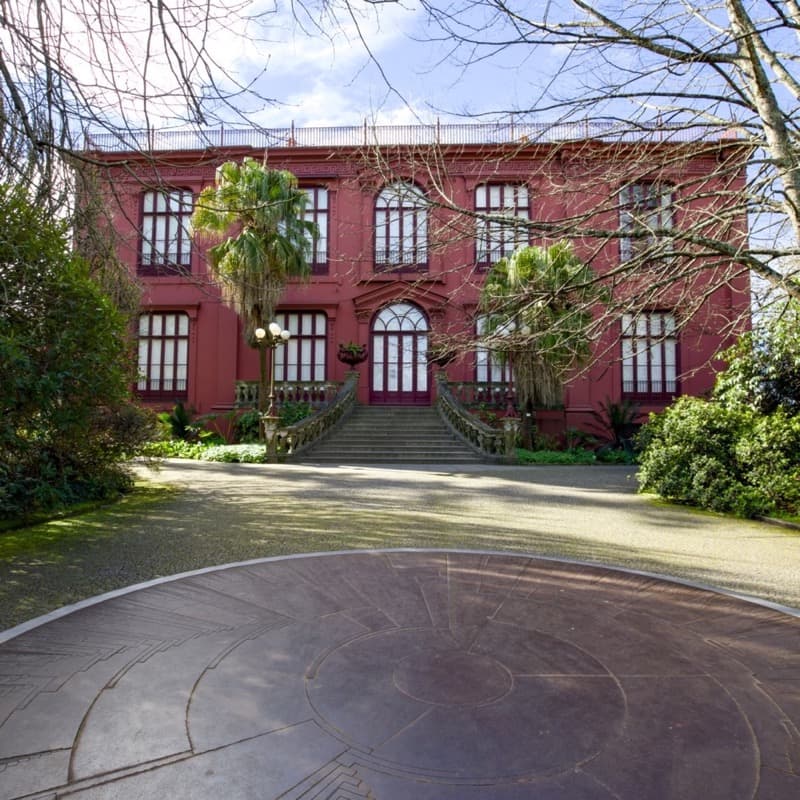
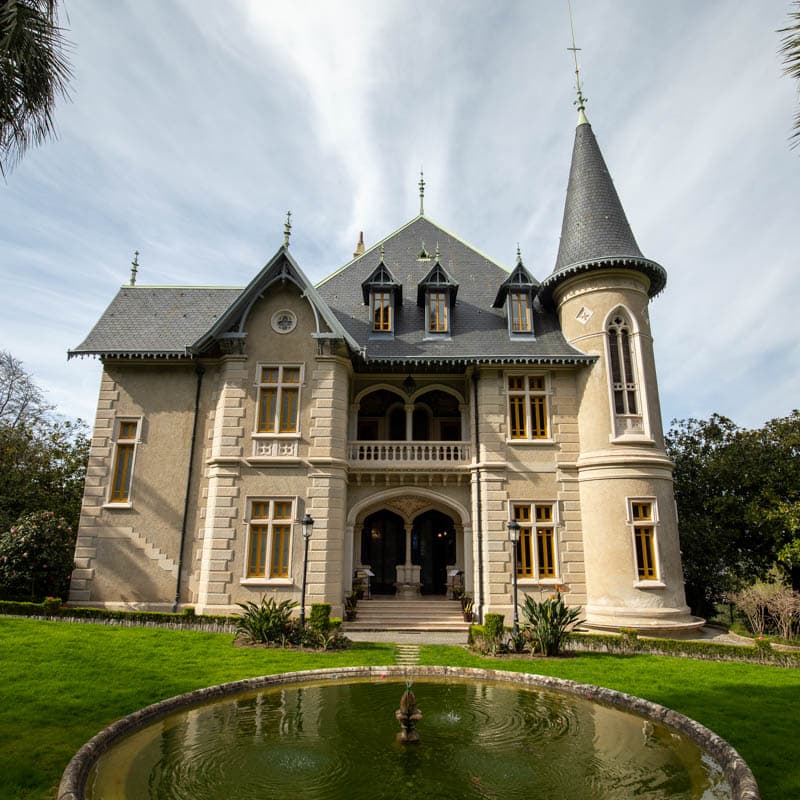
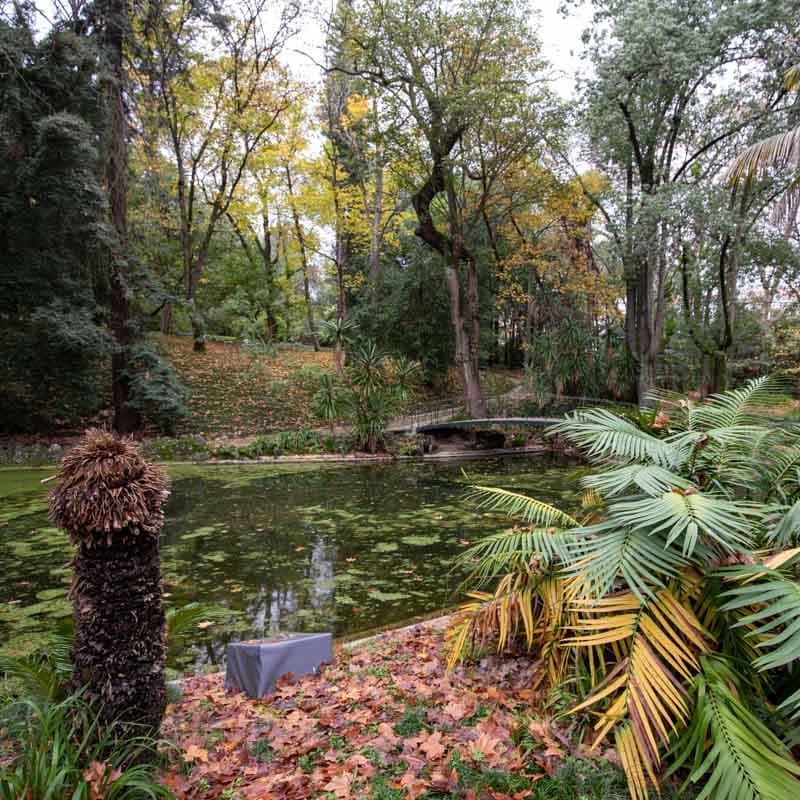
The Jardim Botânico do Porto is located on Rua do Campo Alegre, in the former Quinta do Campo Alegre, now part of the Museum of Natural History and Science of the University of Porto. With more than four hectares and a layout defined in the late 19th century, it preserves the memory of a recreational estate transformed into a scientific space. In 1895, João Henrique Andresen and Joana Lehmann Andresen acquired the property and altered the gardens and the small palace, creating the Jardim dos Jotas, the Rose Garden and the former tennis court, now the Jardim do Xisto. As the grandparents of Sophia de Mello Breyner Andresen and Ruben A., they also connected the place to Portuguese literature. In 1949, the State bought the estate, and in 1951 the Botanical Garden was installed here. Among camellias, groves, lakes, greenhouses, cacti, succulents and arboretum, the garden brings together a living collection, family memory and botanical knowledge.

Brickopolis4.4

Brickopolis

Theme Park • Lourinhã, Lisboa

Brickopolis Lourinhã, in Abelheira, transforms LEGO® bricks into a playful and meticulous reading of Portugal in miniature. The permanent exhibition includes the LEGO® brick diorama recognised by Guinness World Records as the largest in the world: a 70.614-square-metre construction, achieved on 3 April 2025 by Brickopolis Lourinhã, from PDL — Parque dos Dinossauros da Lourinhã. The ensemble features Portuguese places and references, such as the great wave of Nazaré, Lisbon Airport in the 1950s, the houses of Costa Nova and Dino Parque Lourinhã. Its scale impresses through detail: the record registered by Guinness identifies 239,444 bricks, 366 vehicles, 176 trees and 2,328 flowers. Among streets, buildings, figures and successive scenes, Brickopolis presents creativity as a way of observing the territory.

Zoomarine4.6

Zoomarine

Theme Park • Guia, Faro

In Guia, near Albufeira, Zoomarine opened in 1991 as a theme park devoted to the marine world, but over time it has taken on a broader meaning. Through zoological presentations, aquariums, habitats and water attractions, the site brings together entertainment and environmental awareness, seeking to draw visitors closer to ocean life. That mission becomes especially tangible at Porto d’Abrigo, created in 2002: it was the first Marine Species Rehabilitation Centre in Portugal and it continues to rescue, treat and return animals to the wild in partnership with ICNF. During a visit, the contrast between the park’s lively atmosphere and this quieter conservation work gives the place a distinctive identity. More than a leisure venue, Zoomarine shows how curiosity, when guided well, can turn into knowledge and care for the sea.

Badoca Safari Park4.4

Badoca Safari Park

Garden/Park • Vila Nova de Santo André, Setúbal

On the Alentejo coast, between the plain and the sea, Badoca Safari Park creates an unexpected meeting with the savannah. Across 90 hectares, around 600 animals from more than 80 species live here, and the safari is the heart of the visit: along the route, zebras, giraffes, buffalo, oryx and wildebeest appear in a setting designed to bring visitors closer to wildlife. But the park is not only about the thrill of spotting animals. Conservation and environmental education lie at the centre of its project, through educational programmes, preservation partnerships and work focused on threatened species. That side is especially clear on Madagascar Island, where Badoca keeps lemurs and takes part in the European Association for the Study and Conservation of Lemurs; it is also the only zoological park in Portugal with red-bellied lemurs. Between the excitement of the safari and this steady work, the place gains depth and meaning.

Portugal dos Pequenitos4.3

Portugal dos Pequenitos

Theme Park • Coimbra, Coimbra

In Coimbra, beside Rossio de Santa Clara, Portugal dos Pequenitos turns the scale of architecture into a pedagogical language. Conceived by Bissaya Barreto as part of his work in defence of children, it was created as a playful and educational extension of the Casa da Criança Rainha Santa Isabel, which still operates there today. The park-garden opened on 8 June 1940 and was designed by the architect Cassiano Branco. Its first phase brought together Portuguese regional houses; the following ones added areas dedicated to the country’s main monuments and to the ethnographic and monumental representation of the Portuguese-speaking African countries, Brazil, Macau, India and Timor. Among houses, pavilions, gardens and small volumes, the ensemble presents styles and typologies of Portuguese architecture, linked to regional characteristics and traditional crafts. It is a place designed for children, but also a visual synthesis of Portuguese material culture.

Jardim do Cerco4.6

Jardim do Cerco

Garden/Park • Mafra, Lisboa

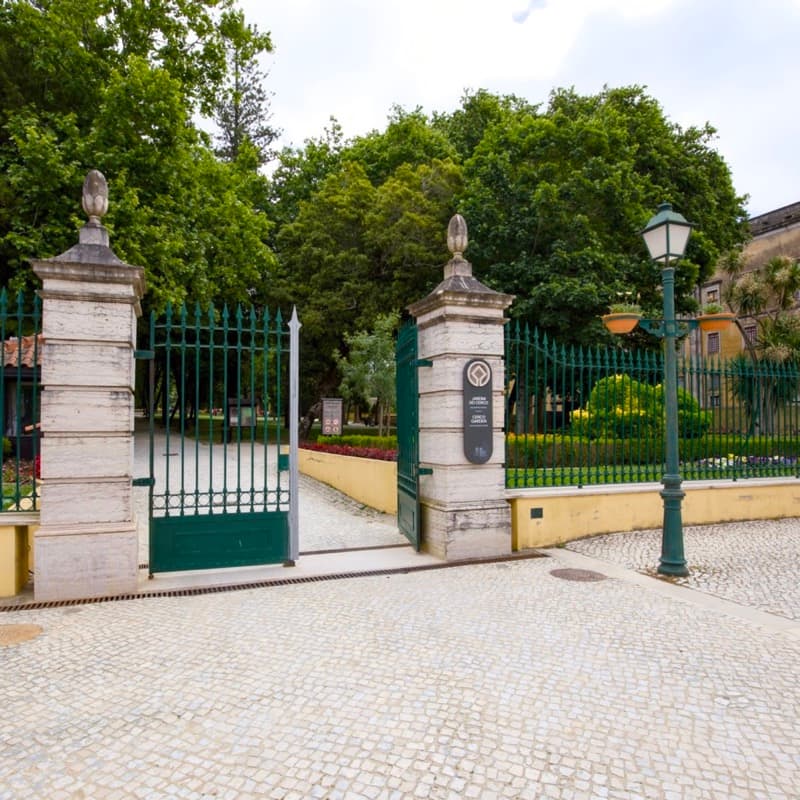
In Mafra, the Cerco Garden follows the scale of the Royal Building, which brings together the Palace, Basilica, Convent, garden and Tapada, inscribed by UNESCO in 2019. It began as a convent enclosure serving the friars and also the court. In 1718, King João V ordered wild trees from the empire to be planted in well-distributed plots, linked by wide paths that encouraged a symmetrical organisation; its present layout, however, is the result of later adaptations. Between the monumentality of the National Palace of Mafra and the walled vastness of the Royal Tapada, the garden combines woodland and formal garden across eight hectares. Water features, leafy trees, a century-old noria still in operation, the large central lake and the old Ball Game Field give it variety. In the Aromatic Garden, around 39 species recall medicinal and culinary uses, bringing the history of the place close to the botany of everyday life.

Sand City4.3

Sand City

Theme Park • Lagoa, Faro

Sand City, in Lagoa, in the Algarve, turns sand into an open-air artistic space. Its origin is linked to FIESA — the International Sand Sculpture Festival — created in 2003; after more than two decades of themed exhibitions, the project moved from the Pêra area to its current site, next to the EN125. The grounds cover around 50,000 square metres and bring together more than 120 works sculpted by over 60 national and international artists. The current exhibition, “Around the World in Sand”, recreates scenes from everyday life around the world, well-known figures, pop culture, fantastic imagery and recognisable buildings. The sculptures are made by compacting sand with water; some reach five or six metres in height and weigh several tens of tonnes. In the open air, among paths of sand and gravel, the whole setting makes visible the scale, detail and firmness that the sun gives, over time, to a simple material.

Bacalhôa Buddha Eden4.7

Bacalhôa Buddha Eden

Garden/Park • Bombarral, Leiria

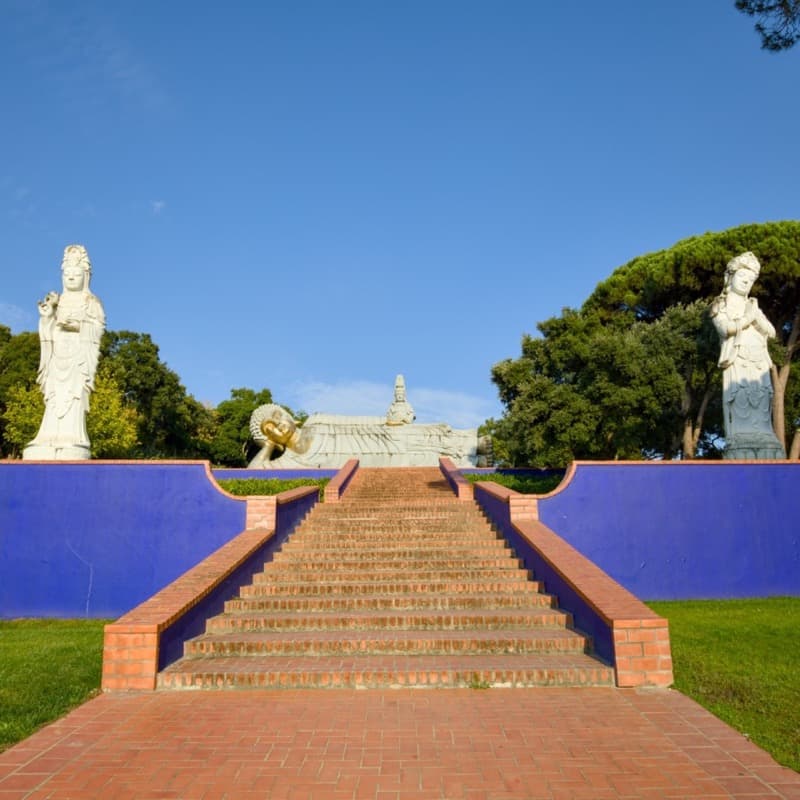
In Carvalhal, in the municipality of Bombarral, Bacalhôa Buddha Eden turns Quinta dos Loridos into a vast open-air sculpture garden. Created in response to the destruction of the giant Buddhas in Afghanistan, it covers around 35 hectares and is presented as the largest oriental garden in Europe. Among lakes, pagodas, sculpted dragons and large golden Buddhas, the route gathers sculptures spread across the landscape, for which more than six thousand tons of marble and granite were used. The site is not limited to Buddhist imagery: it also includes a modern and contemporary sculpture garden and another devoted to African Shona sculpture from Zimbabwe. The scale of the place and the alternation of water, vegetation and stone create a very distinctive landscape, where art and nature coexist with deliberate calm, in a place born from a cultural response to destruction.

Jardim Botânico de Lisboa4.0

Jardim Botânico de Lisboa

Botanical Garden • Lisboa, Lisboa

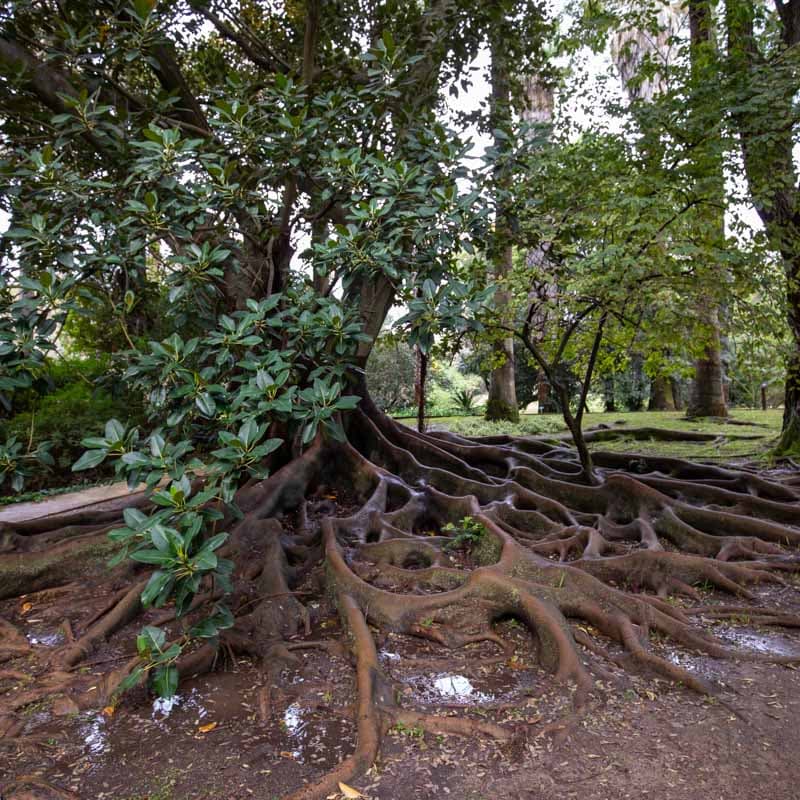
The Botanical Garden of Lisbon is an unexpected refuge in the heart of the city, yet it was born with a very clear scientific purpose. Designed in the mid nineteenth century to support the teaching and study of botany at the Polytechnic School and inaugurated in 1878, it still retains the charm of a garden created to observe, learn and wonder. The more geometric upper area, known as the Classe, opens out with order and light; then the ground falls into the Arboreto, darker and more immersive, where the Avenue of Palms deepens the feeling of stepping away from the city’s noise. Among species from many parts of the world, the collections of cycads, araucarias, palms and tropical figs deserve particular attention, giving the walk a rare botanical richness. Classified as a National Monument, it is a place where Lisbon seems to breathe more slowly.

Jardins do Palácio de Cristal4.6

Jardins do Palácio de Cristal

Garden • Porto, Porto

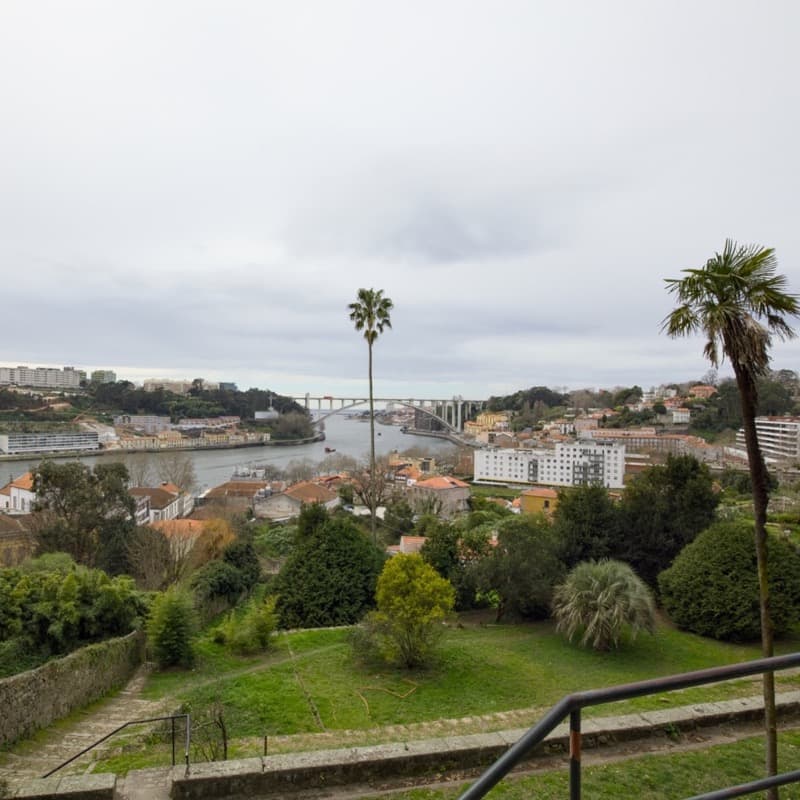
The Jardins do Palácio de Cristal, in Porto, preserve the memory of a place that has changed its face several times. The former Campo da Torre da Marca, known since 1542 for a tower used as a reference point for ships at the Douro bar, received the Palácio de Cristal Portuense in the 19th century. Inaugurated by D. Luís in 1865 for the Portuguese International Exhibition, the iron-and-glass building was designed by Thomas Dillens Jones; the romantic gardens were entrusted to Émile David. The palace was demolished in 1951 and replaced by the Sports Pavilion, today the Pavilhão Rosa Mota. From the original design, the Émile David Garden, the Lime and Plane Tree avenues, the woodland and the terraces over the Douro still remain. Among camellias, fountains, sculptures and viewpoints, the garden keeps alive the bond between city, leisure and landscape.

Dino Parque da Lourinhã4.5

Dino Parque da Lourinhã

Garden/Park • Lourinhã, Lisboa

Dino Parque Lourinhã, in Abelheira, in the municipality of Lourinhã, turns the region’s palaeontological richness into an open-air journey through the history of life. Opened in February 2018, it is presented as the largest open-air museum in Portugal. The route brings together more than 200 life-size models of dinosaurs and other animals, scientifically verified, distributed across six themed trails that cover major stages in the history of the Earth, from the Palaeozoic to the Cenozoic, including Sea Monsters and the Ice Age. The museum space presents fossils, original dinosaur eggs and replicas from the Museu da Lourinhã, including material associated with Torvosaurus and the Lourinhanosaurus nest. In the Live Lab, fossil preparation makes the patient work of palaeontology visible. Among pine woods, walkways and monumental figures, the park brings science, territory and imagination together without losing its link to local Jurassic finds.

Jardim do Torel4.6

Jardim do Torel

Garden/Park • Lisboa, Lisboa

Jardim do Torel has the discretion of places that do not impose themselves and, for that very reason, stay in the memory. Born on the grounds of an early eighteenth-century estate, it takes its name from the magistrate Cunha Thorel and became a public garden and viewpoint when the site was handed to the City Council in 1928. Today, among trees, shade and a sheltered atmosphere, it opens onto a broad view over the valley of Avenida da Liberdade, the hill of São Roque and part of old Lisbon. Around it, the noble houses of the eighteenth and nineteenth centuries deepen the feeling of an urban retreat, almost secret. Reaching it by the Lavra funicular or by Rua do Telhal is part of the charm: the approach prepares the surprise. More than a simple viewpoint, Torel keeps the quiet elegance of a less hurried Lisbon, where the city seems to reveal itself slowly.

Miradouro de São Pedro de Alcântara4.6

Miradouro de São Pedro de Alcântara

Viewpoint • Lisboa, Lisboa

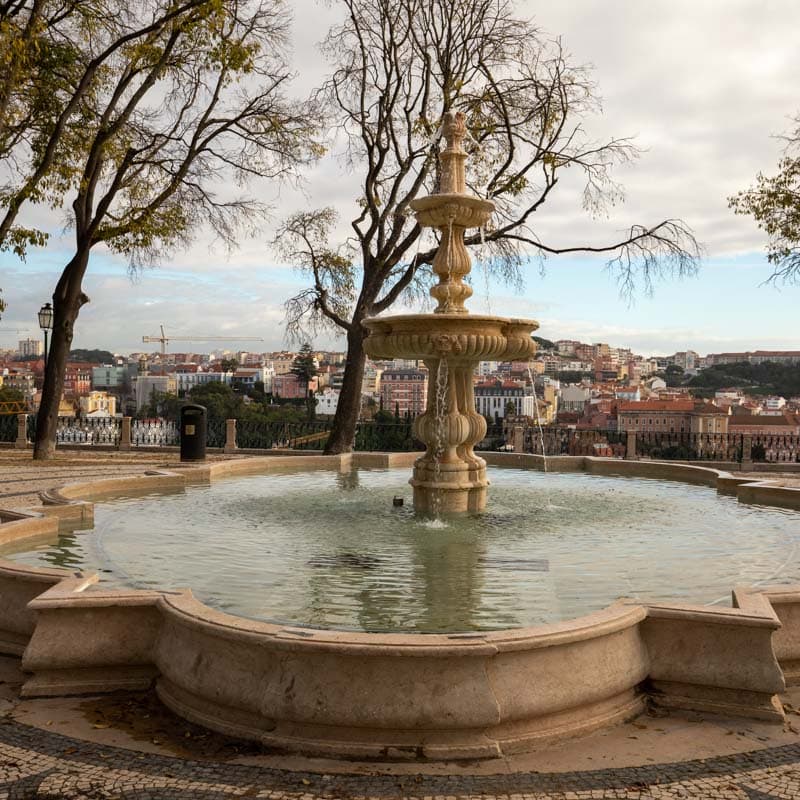
From the top of the São Pedro de Alcântara Viewpoint, Lisbon opens out like a city built in layers. Part of António Nobre Garden, this romantic space is arranged on two terraces linked by stairs and offers one of the broadest panoramas in the capital, from São Jorge Castle and the Cathedral to Baixa, Graça and the valley of Avenida da Liberdade. The power of the place lies both in the view and in the way it frames it. On the upper terrace, among trees and a central fountain, a tile panel designed by Fred Kradolfer helps visitors identify the main landmarks in the landscape. On the lower level, geometric flowerbeds and busts of historical figures and characters from classical mythology extend the atmosphere of romantic Lisbon. More than a viewing point, this is a place that invites you to pause, direct your gaze and understand the city with time and attention.

Estufa Fria4.7

Estufa Fria

Botanical Garden • Lisboa, Lisboa

Hidden on the slope of Eduardo VII Park, the Estufa Fria is one of Lisbon’s most unexpected refuges. It was created from an old basalt quarry, transformed into a sheltered garden and opened to the public in 1933, a fine example of how the city reinvented a scar in the landscape. Today it is divided into the cold, hot and sweet greenhouses, bringing together more than 300 species from several continents, including tree ferns, camellias, begonias and rare or threatened plants. Yet what makes the visit especially memorable is its atmosphere: damp paths, ponds, shade and a silence that feels almost improbable in the middle of the city. There is even a detail that captures the spirit of the place: in the cold greenhouse, the wooden slatted cover lets the rain fall through. It is worth walking slowly and noticing how water, stone and vegetation seem to have found a natural balance here.

Amoreiras 360° Panoramic View4.5

Amoreiras 360° Panoramic View

Viewpoint • Lisboa, Lisboa

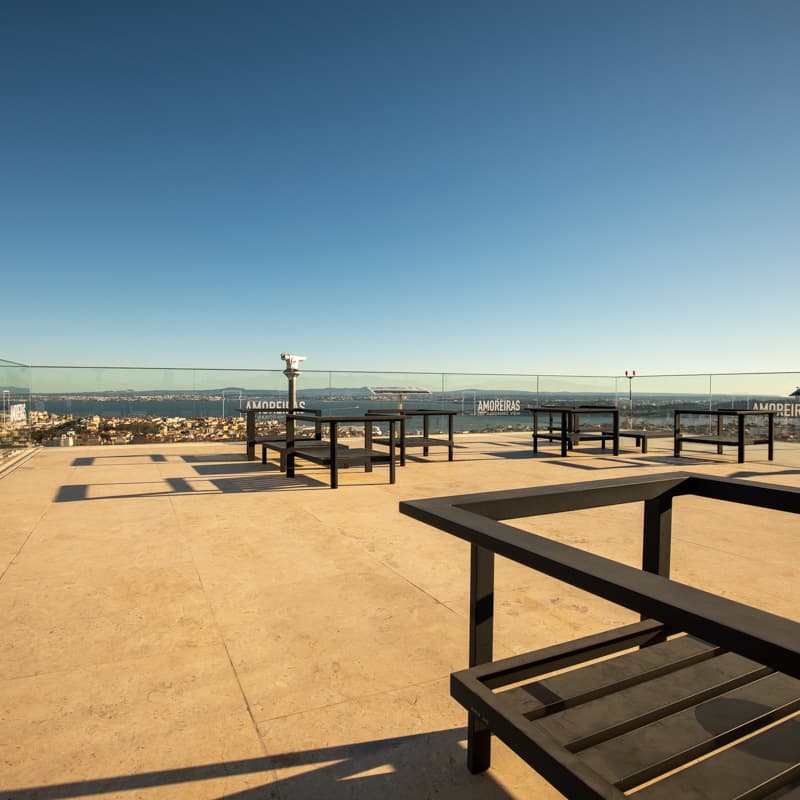
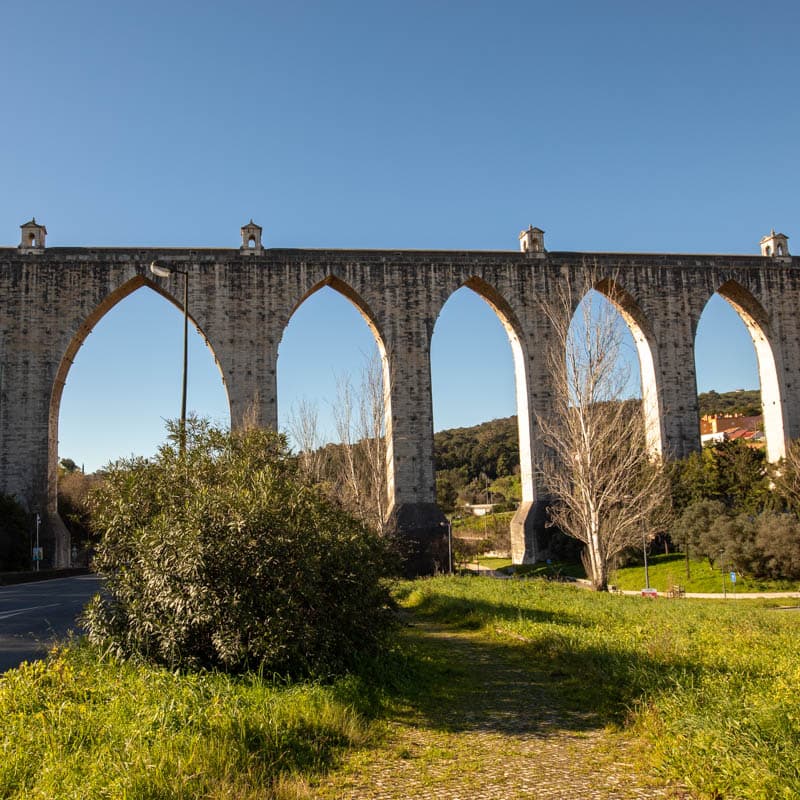
At the top of the Amoreiras Towers, the Amoreiras 360° Panoramic View reveals Lisbon in a way the city rarely allows itself to be seen: whole, wide and surprisingly legible. At 174 metres above sea level, on one of the highest points in the city, this viewpoint offers a continuous reading of the Tagus, São Jorge Castle, the Águas Livres Aqueduct, the Estrela Basilica and the rolling shape of Lisbon’s hills. More than a simple lookout, it is a place that helps you understand the scale and variety of the capital, between old neighbourhoods, major monuments and areas of urban expansion. Set within the Amoreiras Towers complex, opened in 1985 and awarded the Valmor Prize, it has earned a distinctive place in the city’s skyline. It is worth using the viewing scopes and following the maps slowly: from above, Lisbon seems to arrange itself before your eyes, as if the whole city became, for a moment, clearer.

Jardim Botânico Tropical4.3

Jardim Botânico Tropical

Botanical Garden • Lisboa, Lisboa

In Belém, the Tropical Botanical Garden brings together, in a single place, the elegance of an old royal estate and the more complex memory of Portugal’s colonial past. The landscape still bears traces of the eighteenth century, when King João V acquired these grounds, but the scientific garden was born in 1906 as the Colonial Garden, created for teaching and experimentation in tropical agriculture, and moved here a few years later. In 1940, the Portuguese World Exhibition left marks that are still visible, such as the Macau Arch and the fourteen busts scattered through the grounds, recalling another layer of its history. Between the long avenue of palm trees, the lakes, the greenhouses and around six hundred tropical and subtropical species, the walk feels both exuberant and meditative. What makes this garden singular is not only its botanical collection: it is the way nature, science, art and memory meet in a place that shows, quietly, that gardens too can tell the story of a country.

Jardim do Palácio de São Bento4.8

Jardim do Palácio de São Bento

Garden • Lisboa, Lisboa

Behind the solemn façade of Parliament, the Garden of São Bento Palace reveals a more secluded and theatrical side of this place of power. Designed by Cristino da Silva, it is arranged with French-inspired symmetry, in flowerbeds and statues set across small terraces that overcome the steep slope of the ground. A long wall, opened by sixteen niches with fountains, separates it from the Prime Minister’s official residence; at the centre, a double staircase built in the 1940s rises to the upper garden, watched over by sphinxes bearing the Portuguese shields, sculpted by Leopoldo de Almeida. On either side, the allegories of Strength and Justice extend, outdoors, the symbolic language of the parliamentary building. More than a simple green space, this garden seems to turn the rhetoric of politics into stone, water and design, with a serene order that contrasts with the bustle of the city just beyond it.

Tapada das Necessidades4.3

Tapada das Necessidades

Garden/Park • Lisboa, Lisboa

At Tapada das Necessidades, Lisbon keeps a garden where the idea of a Romantic park still lives alongside traces of court life. Created in 1742 beside the complex of Our Lady of Necessities, it began as a walled enclosure linked to the palace and convent, and for a long time it remained a space reserved for monarchs. In the nineteenth century, the grounds gained lakes, exotic vegetation and the character of an English garden, which still gives the place the feeling of a discreet retreat within the city. Between 1855 and 1861, the circular greenhouse commissioned by King Pedro V was added; later, Casa do Regalo and other small pavilions strengthened the site’s theatrical quality. Today, among clearings, shaded paths and Romantic structures, it becomes clear that this is not simply a large garden: it is a rare fragment of Lisbon where landscape and royal memory still mingle.

Torre Vasco da Gama4.5

Torre Vasco da Gama

Viewpoint • Lisboa, Lisboa

The Vasco da Gama Tower rises beside the Tagus, in Lisbon’s Parque das Nações, as one of the most visible traces of the former Expo’98. At 145 metres, it was built as part of the world exposition and housed the European Union Pavilion on its lower floors. Designed by the architects Leonor Janeiro and Nick Jacobs, it began as an observation tower, with panoramic lifts, a viewpoint and a restaurant at the top. Its silhouette was conceived as a nautical evocation: the vertical body suggests a mast and the metal structure recalls a sail, in dialogue with the name of Vasco da Gama and with the maritime theme of Expo’98. In 2012, the tower gained new life with the opening of the MYRIAD by SANA hotel, in a project by Nuno Leónidas that was integrated into the existing structure. Today, the elevated view over the river and eastern Lisbon continues to define its urban presence.

Miradouro da Senhora do Monte4.8

Miradouro da Senhora do Monte

Viewpoint • Lisboa, Lisboa

The Senhora do Monte Viewpoint, in Lisbon, opens beside the Chapel of Nossa Senhora do Monte, on the old Monte de São Gens. From this elevated balcony, the city appears in recognisable layers: São Jorge Castle, the River Tagus, the Pombaline Baixa, the hill of São Roque with the ruins of the Carmo Convent, Mouraria, the Castle Hill, the avenues and recent buildings stretching northwards, and several gardens. The proximity of the chapel adds an ancient devotional memory to the panorama: municipal sources place its origin in the time of the Christian reconquest, linked to the hermitage of the Calced Augustinians. Thus, the viewpoint is not only a high point from which to observe Lisbon. It brings together landscape, topography and religious tradition, showing how the city can be read both through the shape of its hills and through the places that remained upon them.

Miradouro Sophia de Mello Breyner Andresen4.2

Miradouro Sophia de Mello Breyner Andresen

Viewpoint • Lisboa, Lisboa

The Sophia de Mello Breyner Andresen Viewpoint, in Lisbon, is the former Graça Viewpoint and opens beside the Church and former Convent of Graça. The paved space, marked by the shade of stone pines, has benches that extend a slow reading of the landscape. From here, the eye travels along the Castle Slope, the rooftops of Mouraria, Martim Moniz Square, the Baixa, the ruins of the Carmo Convent and the São Pedro de Alcântara Viewpoint. Senhora do Monte, Avenidas Novas and more recent buildings can also be distinguished, reminding us that Lisbon grows in layers. Sophia’s bronze bust is a replica of a stone piece from the 1950s, by António Duarte. Between convent, city and poetry, the viewpoint turns the view into a serene form of memory.

Miradouro das Portas do Sol4.7

Miradouro das Portas do Sol

Viewpoint • Lisboa, Lisboa

The Portas do Sol Viewpoint, in Lisbon, owes its name to an old city gate, facing east, that once stood on this site. Today, the place works as an open balcony over the historic slope of Alfama and the Tagus. From here, the National Pantheon, Azurara Palace, traces of the Moorish Wall and the Church of São Vicente de Fora can be distinguished, forming a clear reading of old Lisbon. In the centre of the space stands the statue of São Vicente, Lisbon’s patron saint, represented with the boat and two ravens that form part of the city’s symbols. Between vanished walls, houses descending the hill and monuments that still organise the horizon, the viewpoint shows how the urban landscape preserves names, devotions and memories much older than the present.

Miradouro de São Vicente4.6

Miradouro de São Vicente

Viewpoint • Lisboa, Lisboa

The São Vicente Viewpoint, beside Largo das Portas do Sol, in Lisbon, belongs to the group of balconies that open Alfama towards the Tagus. The place is connected to the old city entrance that gave its name to the Portas do Sol square and viewpoint, a gate facing east. From here, the eye crosses the rooftops and churches of Alfama and identifies the National Pantheon, Azurara Palace, traces of the Moorish Wall and the Church of São Vicente de Fora. The presence of São Vicente is marked by the statue placed and inaugurated in October 1970, a work associated with Raul Xavier. Lisbon’s patron saint appears with the boat and two ravens, symbols linked to the tradition of the translation of his relics to the city. Between old city, river and civic devotion, this viewpoint shows how the landscape preserves names that cross the centuries.

Showing 24 places. Use the filters or map to continue exploring.

Get the app

Take LxDiscover with you

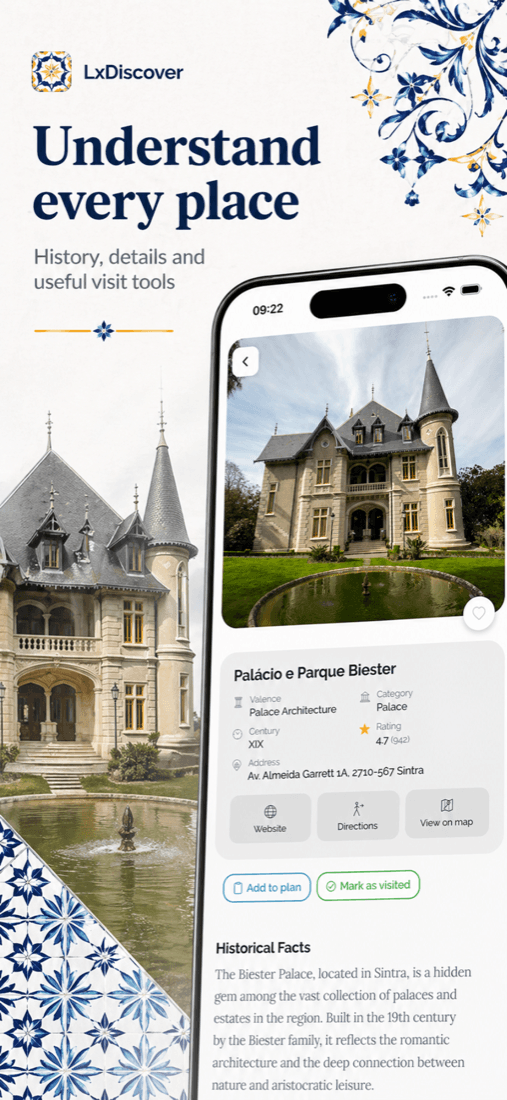
Explore Portugal with a cultural guide for monuments, museums, gardens, palaces, viewpoints, and historic places in Lisbon, Porto, Sintra, and other regions.

Use the map, follow cultural routes, read editorial context, save places, and track your visits with the visit passport.

Free features

  • Interactive map to discover places of interest
  • Detailed information about monuments, museums, and cultural sites
  • Favorites for the places you want to visit
  • Selected routes to start exploring

Premium subscription

  • Curated routes with ordered stops, duration, and difficulty
  • Thematic collections with editorial context for each area
  • Visit passport for progress, visited places, and achievements
  • Advanced map, planning, and proximity alert tools
LxDiscover map screen
LxDiscover routes screen
LxDiscover visit passport screen