Places

Cultural places in Portugal

Browse LxDiscover places across monuments, museums, palaces, viewpoints, gardens, churches and historic sites. Use this hub to start planning, then open the app for map-based routes, saved places and short cultural audio guides.

34 places

Featured cultural places

Explore on the map
Tapada das Necessidades4.3

Tapada das Necessidades

Garden/Park • Lisboa, Lisboa

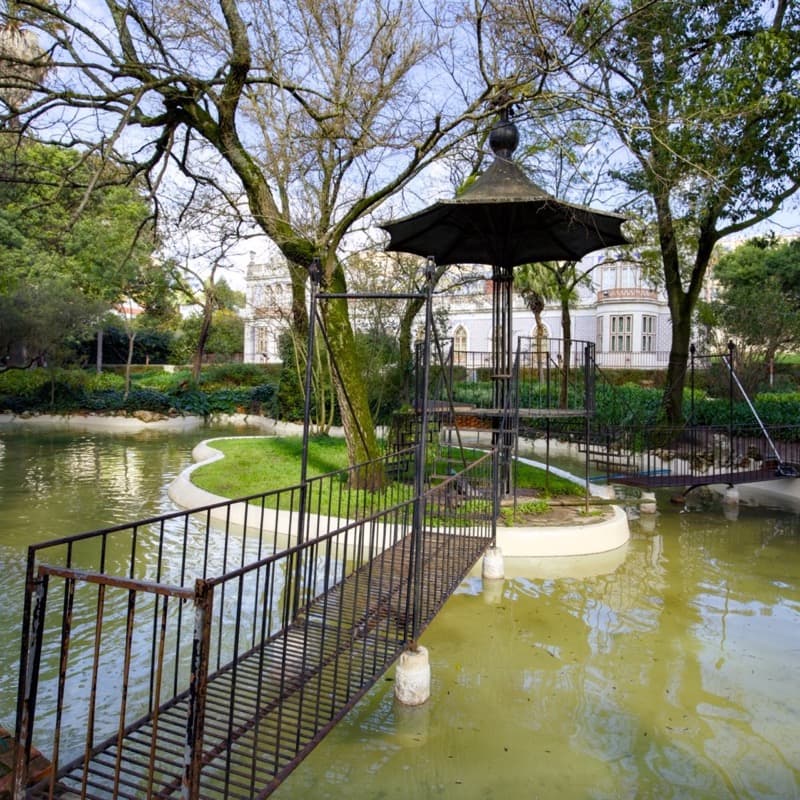
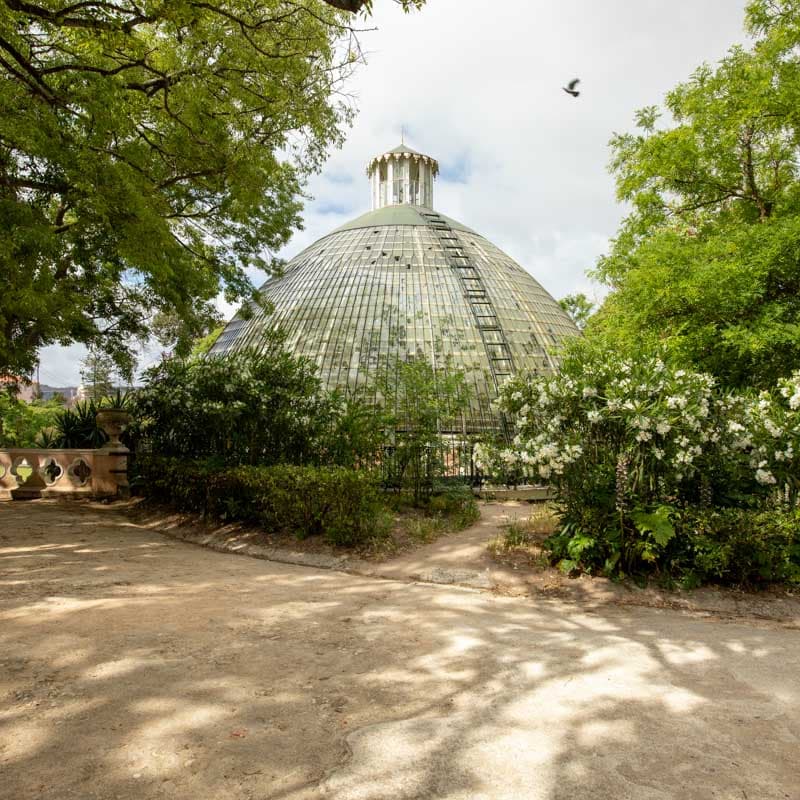
At Tapada das Necessidades, Lisbon keeps a garden where the idea of a Romantic park still lives alongside traces of court life. Created in 1742 beside the complex of Our Lady of Necessities, it began as a walled enclosure linked to the palace and convent, and for a long time it remained a space reserved for monarchs. In the nineteenth century, the grounds gained lakes, exotic vegetation and the character of an English garden, which still gives the place the feeling of a discreet retreat within the city. Between 1855 and 1861, the circular greenhouse commissioned by King Pedro V was added; later, Casa do Regalo and other small pavilions strengthened the site’s theatrical quality. Today, among clearings, shaded paths and Romantic structures, it becomes clear that this is not simply a large garden: it is a rare fragment of Lisbon where landscape and royal memory still mingle.
Museu de Lisboa Palácio Pimenta4.6

Museu de Lisboa Palácio Pimenta

Museum • Lisboa, Lisboa

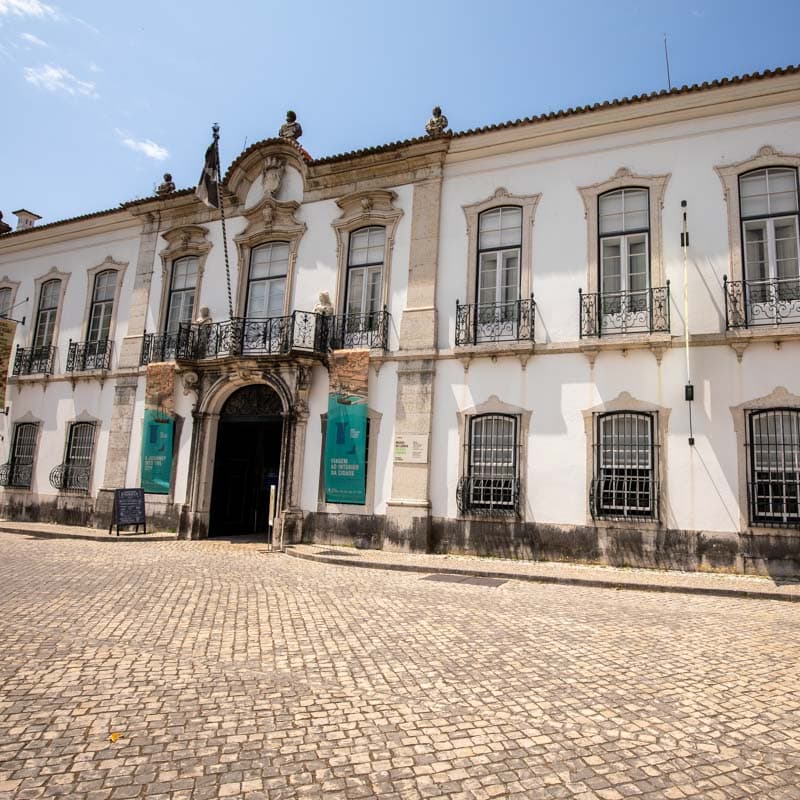
In Campo Grande, Palácio Pimenta reveals Lisbon from within a place that is itself already part of the city’s history. Built between 1744 and 1748 as an eighteenth-century summer residence, probably on the initiative of King João V, it still preserves the memory of the old estate and of the aristocratic taste for gardens and retreat beyond the centre. Since the building was adapted into a museum in the 1970s, it has become the headquarters of the Museum of Lisbon, with a journey that follows the city from prehistory and Roman times to Baroque, Pombaline and contemporary Lisbon. Among archaeology, painting, cartography, tiles and the great model of Lisbon before the 1755 earthquake, visitors sense that the city cannot be told through a single monument, but through successive layers of life, destruction and reinvention. Outside, the gardens extend that reading with an unexpected calm.

Torre Vasco da Gama4.5

Torre Vasco da Gama

Viewpoint • Lisboa, Lisboa

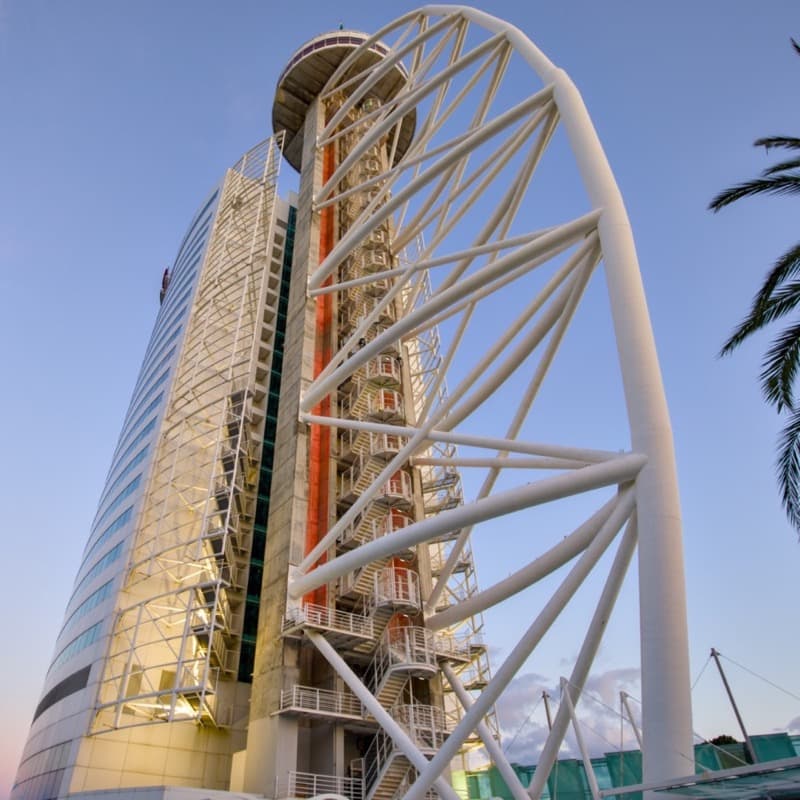
The Vasco da Gama Tower rises beside the Tagus, in Lisbon’s Parque das Nações, as one of the most visible traces of the former Expo’98. At 145 metres, it was built as part of the world exposition and housed the European Union Pavilion on its lower floors. Designed by the architects Leonor Janeiro and Nick Jacobs, it began as an observation tower, with panoramic lifts, a viewpoint and a restaurant at the top. Its silhouette was conceived as a nautical evocation: the vertical body suggests a mast and the metal structure recalls a sail, in dialogue with the name of Vasco da Gama and with the maritime theme of Expo’98. In 2012, the tower gained new life with the opening of the MYRIAD by SANA hotel, in a project by Nuno Leónidas that was integrated into the existing structure. Today, the elevated view over the river and eastern Lisbon continues to define its urban presence.

Palácio e Quinta de Beau-Séjour4.3

Palácio e Quinta de Beau-Séjour

Palace • Lisboa, Lisboa

The Palácio e Quinta de Beau-Séjour is located in São Domingos de Benfica, Lisbon, on the former Quinta dos Loureiros. In 1849, D. Ermelinda Allen Monteiro de Almeida, Baroness and Viscountess of Regaleira, acquired the property, gave it the name Beau-Séjour and commissioned a summer house surrounded by exotic vegetation. In 1859, the estate was bought by António José Leite Guimarães, Baron of Glória, who introduced improvements, including the tile covering of the façade and the enlargement of the lake. Later, his nephews, José Leite Guimarães and Maria da Glória Leite, commissioned the interior decoration from artists connected to the Grupo do Leão. Classified as a Monument of Public Interest, the ensemble brings together a small palace, a romantic garden and agricultural memory. Today it houses the Gabinete de Estudos Olisiponenses, dedicated to the study of Lisbon’s history and culture.

Miradouro da Senhora do Monte4.8

Miradouro da Senhora do Monte

Viewpoint • Lisboa, Lisboa

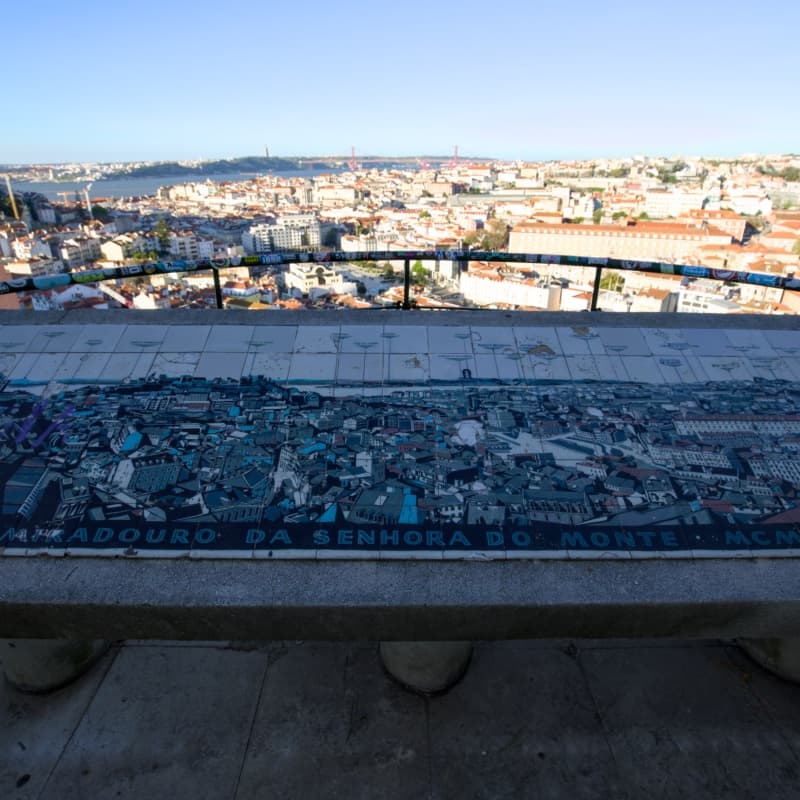
The Senhora do Monte Viewpoint, in Lisbon, opens beside the Chapel of Nossa Senhora do Monte, on the old Monte de São Gens. From this elevated balcony, the city appears in recognisable layers: São Jorge Castle, the River Tagus, the Pombaline Baixa, the hill of São Roque with the ruins of the Carmo Convent, Mouraria, the Castle Hill, the avenues and recent buildings stretching northwards, and several gardens. The proximity of the chapel adds an ancient devotional memory to the panorama: municipal sources place its origin in the time of the Christian reconquest, linked to the hermitage of the Calced Augustinians. Thus, the viewpoint is not only a high point from which to observe Lisbon. It brings together landscape, topography and religious tradition, showing how the city can be read both through the shape of its hills and through the places that remained upon them.

Miradouro Sophia de Mello Breyner Andresen4.2

Miradouro Sophia de Mello Breyner Andresen

Viewpoint • Lisboa, Lisboa

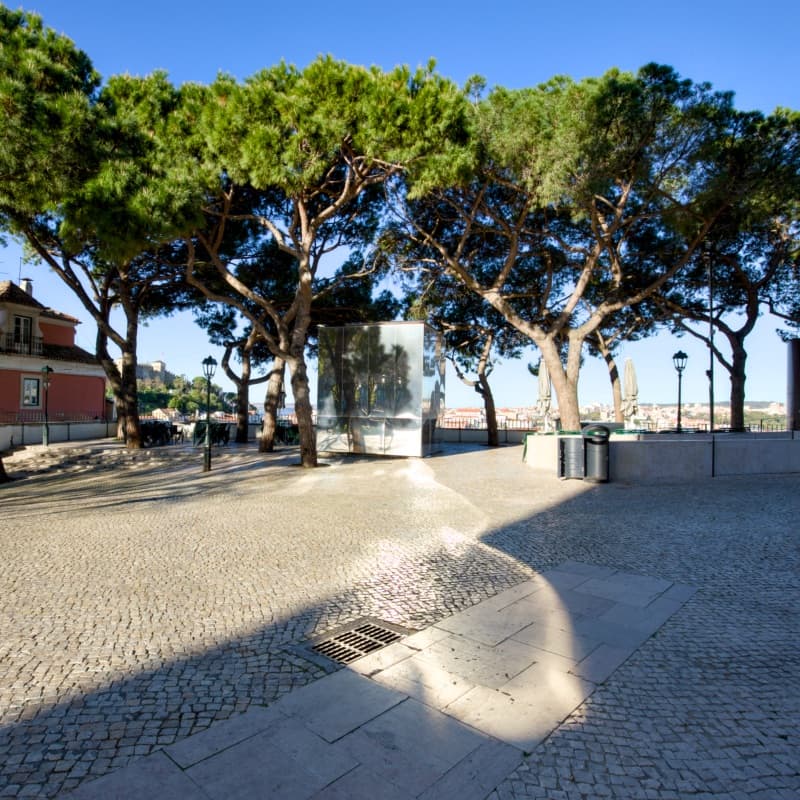
The Sophia de Mello Breyner Andresen Viewpoint, in Lisbon, is the former Graça Viewpoint and opens beside the Church and former Convent of Graça. The paved space, marked by the shade of stone pines, has benches that extend a slow reading of the landscape. From here, the eye travels along the Castle Slope, the rooftops of Mouraria, Martim Moniz Square, the Baixa, the ruins of the Carmo Convent and the São Pedro de Alcântara Viewpoint. Senhora do Monte, Avenidas Novas and more recent buildings can also be distinguished, reminding us that Lisbon grows in layers. Sophia’s bronze bust is a replica of a stone piece from the 1950s, by António Duarte. Between convent, city and poetry, the viewpoint turns the view into a serene form of memory.

Miradouro das Portas do Sol4.7

Miradouro das Portas do Sol

Viewpoint • Lisboa, Lisboa

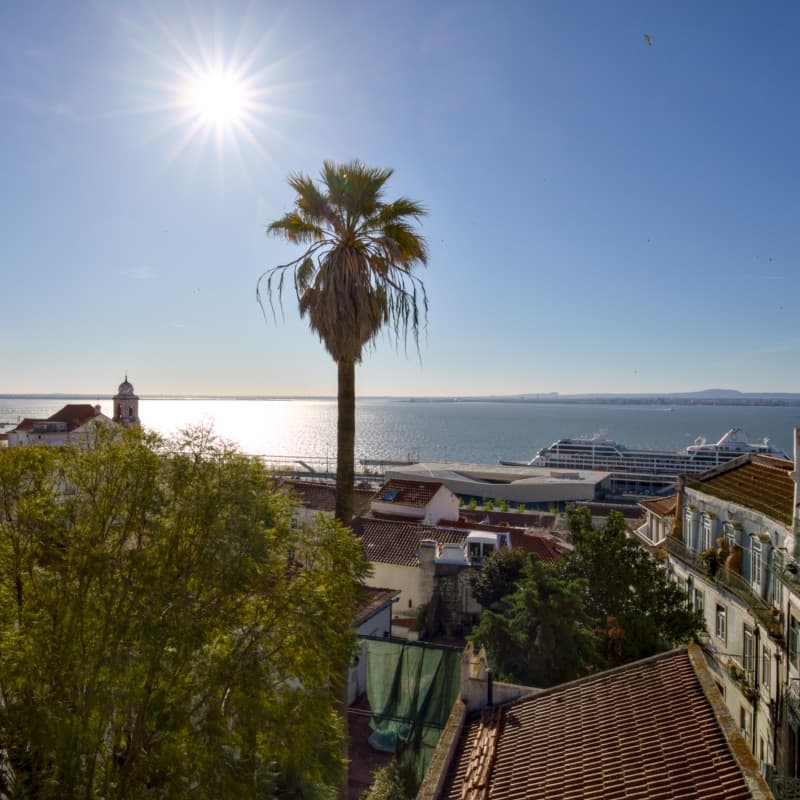
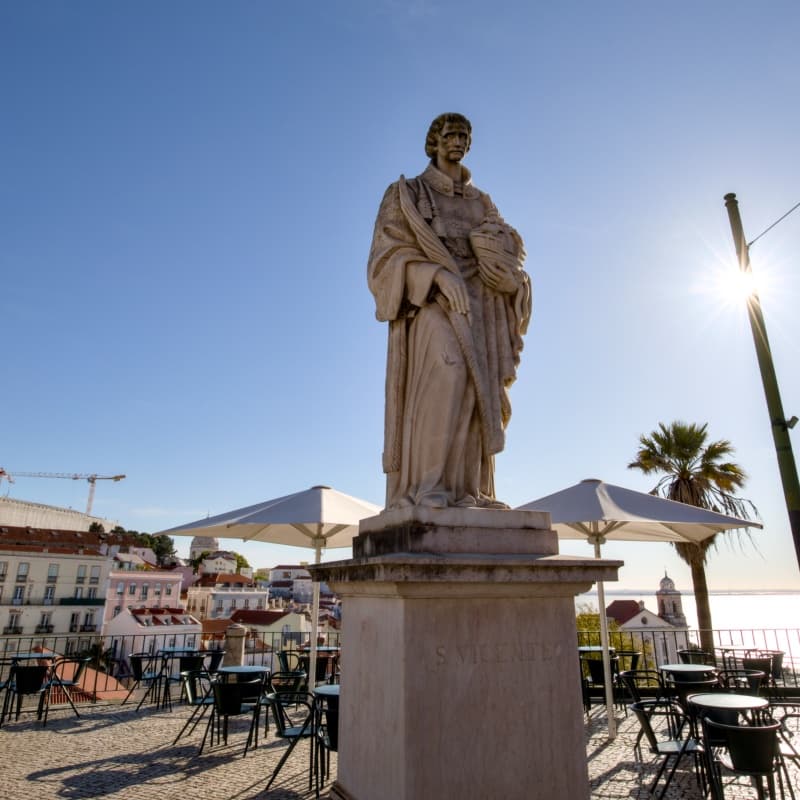
The Portas do Sol Viewpoint, in Lisbon, owes its name to an old city gate, facing east, that once stood on this site. Today, the place works as an open balcony over the historic slope of Alfama and the Tagus. From here, the National Pantheon, Azurara Palace, traces of the Moorish Wall and the Church of São Vicente de Fora can be distinguished, forming a clear reading of old Lisbon. In the centre of the space stands the statue of São Vicente, Lisbon’s patron saint, represented with the boat and two ravens that form part of the city’s symbols. Between vanished walls, houses descending the hill and monuments that still organise the horizon, the viewpoint shows how the urban landscape preserves names, devotions and memories much older than the present.

Miradouro de São Vicente4.6

Miradouro de São Vicente

Viewpoint • Lisboa, Lisboa

The São Vicente Viewpoint, beside Largo das Portas do Sol, in Lisbon, belongs to the group of balconies that open Alfama towards the Tagus. The place is connected to the old city entrance that gave its name to the Portas do Sol square and viewpoint, a gate facing east. From here, the eye crosses the rooftops and churches of Alfama and identifies the National Pantheon, Azurara Palace, traces of the Moorish Wall and the Church of São Vicente de Fora. The presence of São Vicente is marked by the statue placed and inaugurated in October 1970, a work associated with Raul Xavier. Lisbon’s patron saint appears with the boat and two ravens, symbols linked to the tradition of the translation of his relics to the city. Between old city, river and civic devotion, this viewpoint shows how the landscape preserves names that cross the centuries.

Miradouro de Santa Luzia4.7

Miradouro de Santa Luzia

Viewpoint • Lisboa, Lisboa

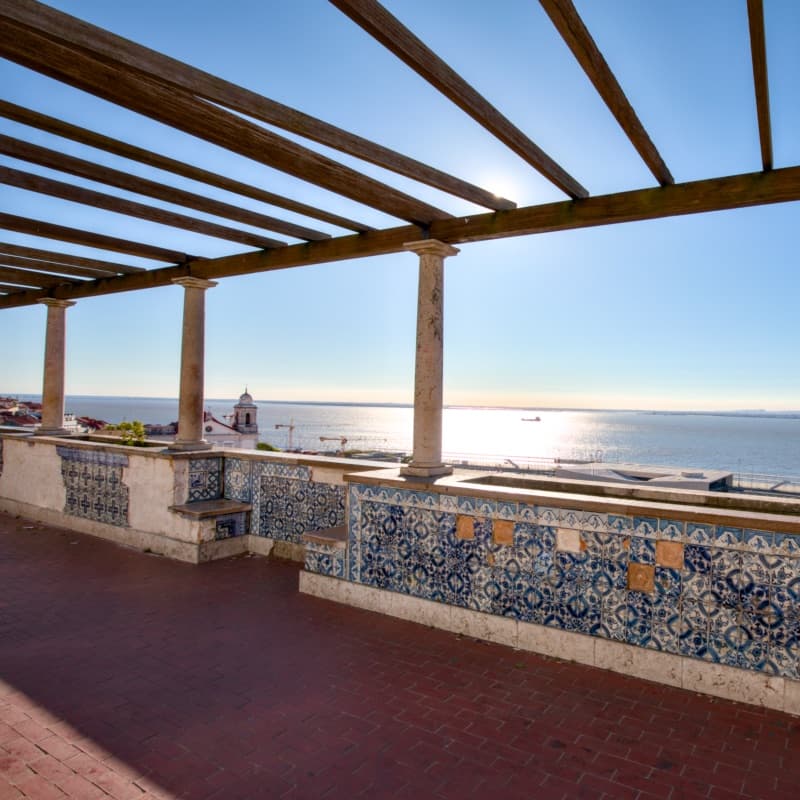
The Santa Luzia Viewpoint, in Lisbon, opens beside the Church of Santa Luzia and São Brás, over the neighbourhood of Alfama and the Tagus. Integrated into the Júlio de Castilho Garden, it combines the role of an urban balcony with a strong decorative presence. The façade and walls are covered with historic tiles, many produced by the Viúva Lamego Factory. On the southern wall, two panels by António Quaresma preserve episodes from Lisbon’s memory: Praça do Comércio before the 1755 earthquake and Christians attacking São Jorge Castle. Another figurative panel, made up of 20 by 80 tiles, occupies the lower level of the garden. Between the view over neighbourhood and river, and the narrative painted in tiles, the viewpoint turns Alfama into a landscape read in depth.

Miradouro de Santa Catarina4.6

Miradouro de Santa Catarina

Viewpoint • Lisboa, Lisboa

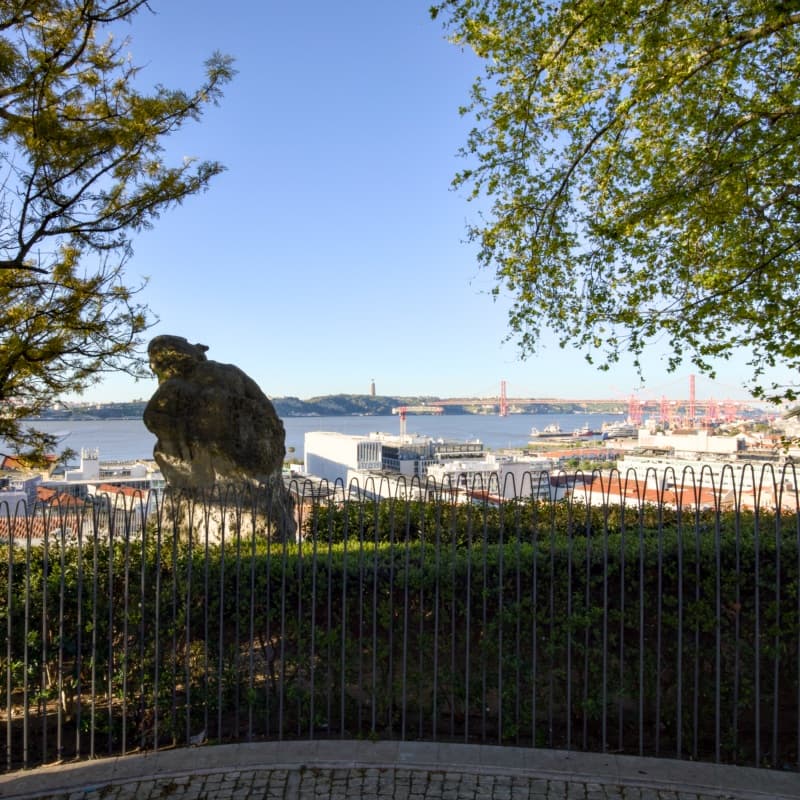
The Santa Catarina Viewpoint, in Lisbon, is also known as the Jardim do Alto de Santa Catarina or the Jardim do Adamastor. Built in 1883, it opens over the Tagus estuary, the 25 April Bridge and the rooftops of the former parish of São Paulo. The space combines a small garden with a wide terrace, where the city is observed towards the river. Its most striking presence is the sculpture of Adamastor, inaugurated on 10 June 1927 on the initiative of Lisbon City Council. The figure, created by Luís de Camões in “The Lusiads”, symbolises the Cape of Storms and the fears associated with Atlantic navigation. Between garden, literature and maritime horizon, the viewpoint turns a view over Lisbon into a visible memory of the Portuguese epic imagination.

Showing 25-34 of 34

Discover by category

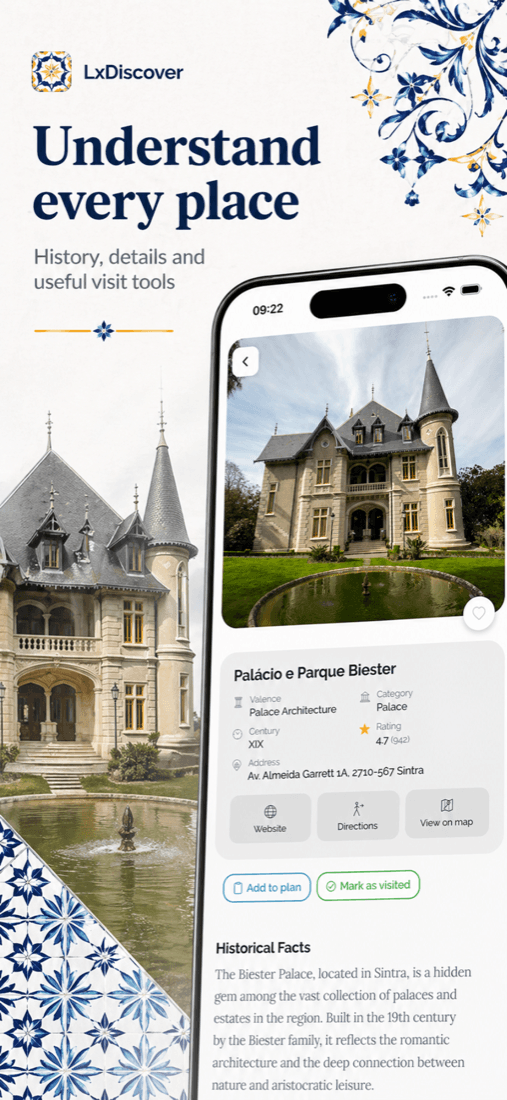
Take the LxDiscover App with you

Explore Portugal with a cultural guide for monuments, museums, gardens, palaces, viewpoints, and historic places in Lisbon, Porto, Sintra, and other regions.

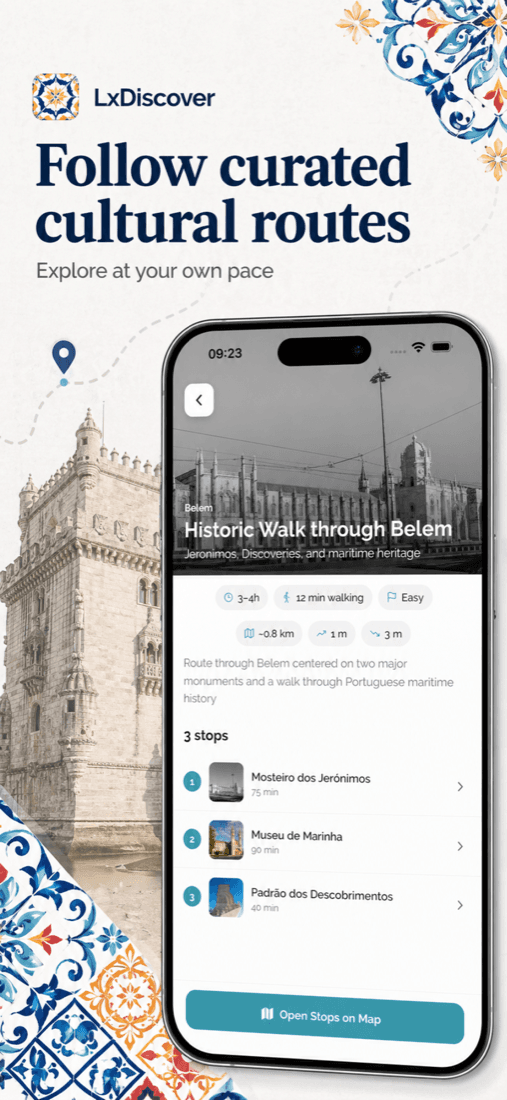
Use the map, follow cultural routes, read editorial context, save places, and track your visits with the visit passport.

Free features

  • Interactive map to discover places of interest
  • Detailed information about monuments, museums, and cultural sites
  • Favorites for the places you want to visit
  • Selected routes to start exploring

Premium subscription

  • Curated routes with ordered stops, duration, and difficulty
  • Thematic collections with editorial context for each area
  • Visit passport for progress, visited places, and achievements
  • Advanced map, planning, and proximity alert tools
LxDiscover map screen
LxDiscover routes screen
LxDiscover visit passport screen