Portugal

Castles in Portugal

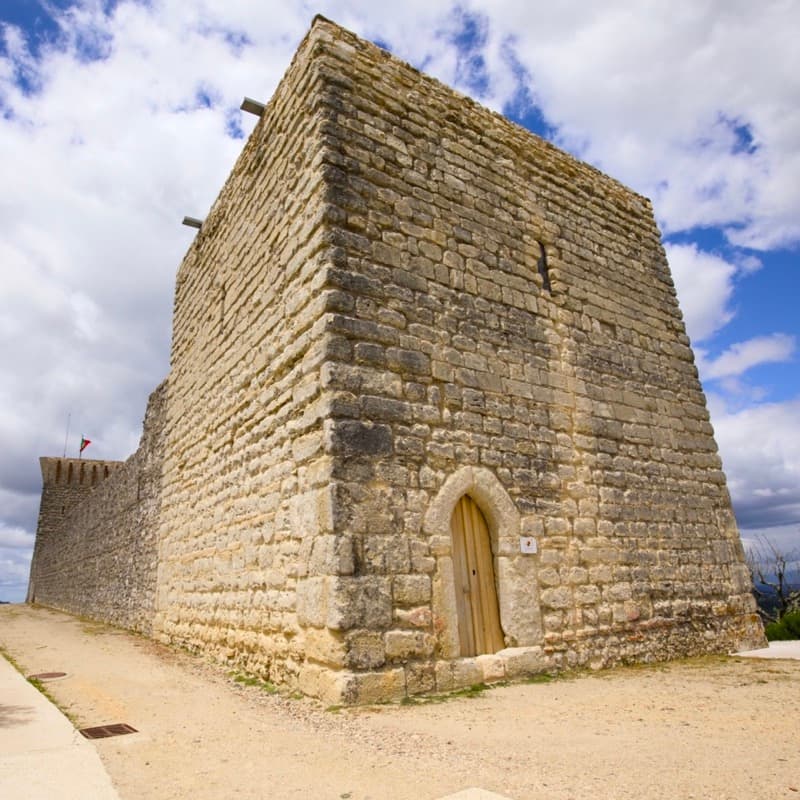
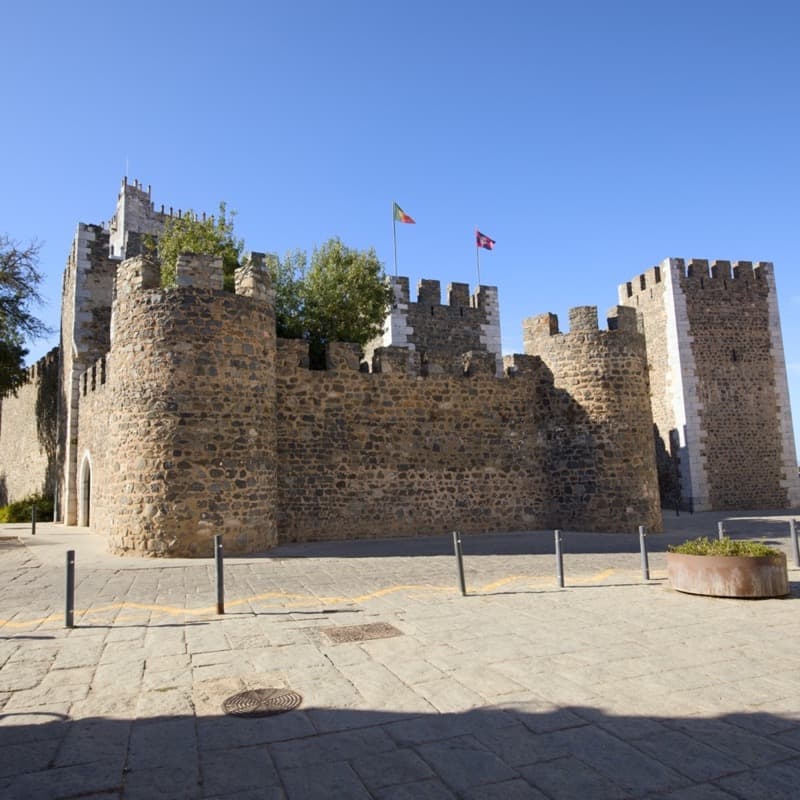
Portugal's medieval castles form an unbroken line along the country's borders and inland heights — the physical evidence of the Reconquista campaigns that, between the 12th and 13th centuries, pushed Christian rule from Porto in the north to the Algarve in the south. Almost every castle here belongs to one of two phases: the original Moorish hilltop fortification, captured and adapted; or the rebuild under King Dinis around 1300, when the kingdom systematically fortified its eastern frontier with Castile.

The strongest single survivor is the Castelo dos Mouros in Sintra, its serrated walls following the granite ridge above the village. In Lisbon, the Castelo de São Jorge crowns the medieval city. The Castelo de Óbidos still encloses an entire walled village within its walls and gates. The Castelo de Bragança in the far north-east is the most complete medieval keep in the country.

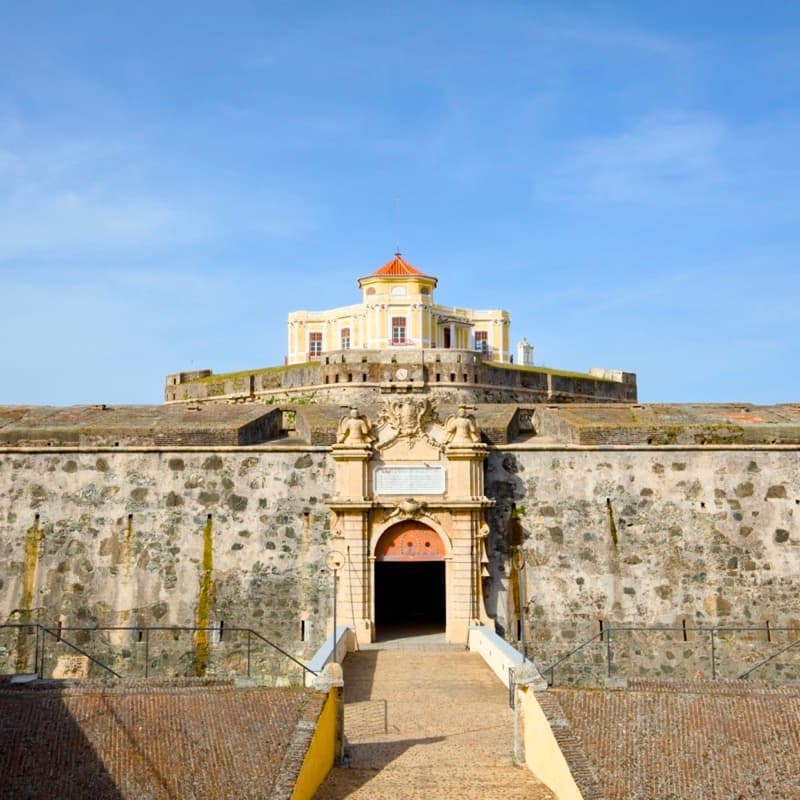
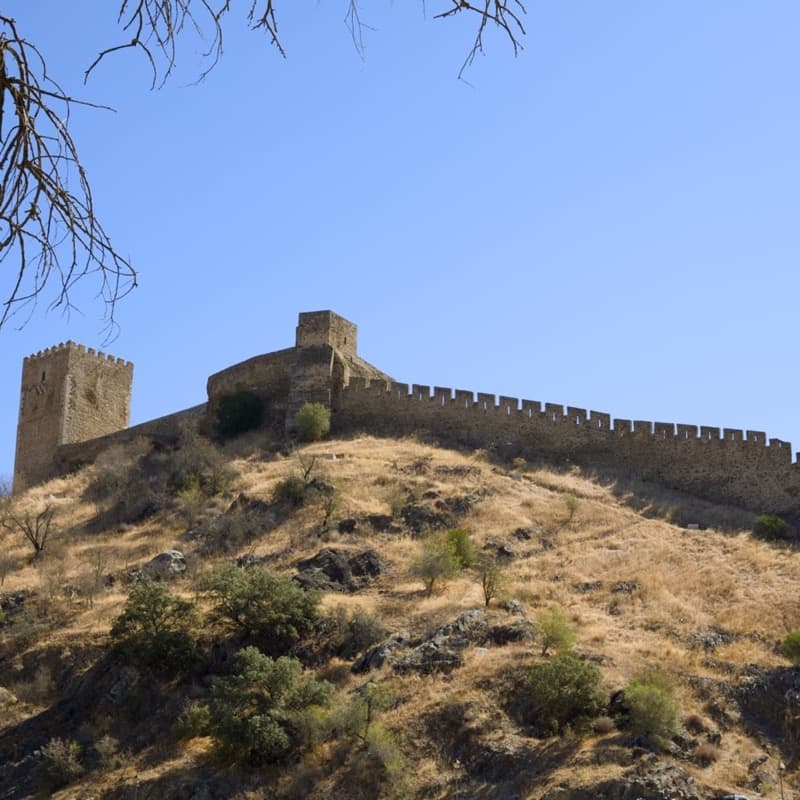
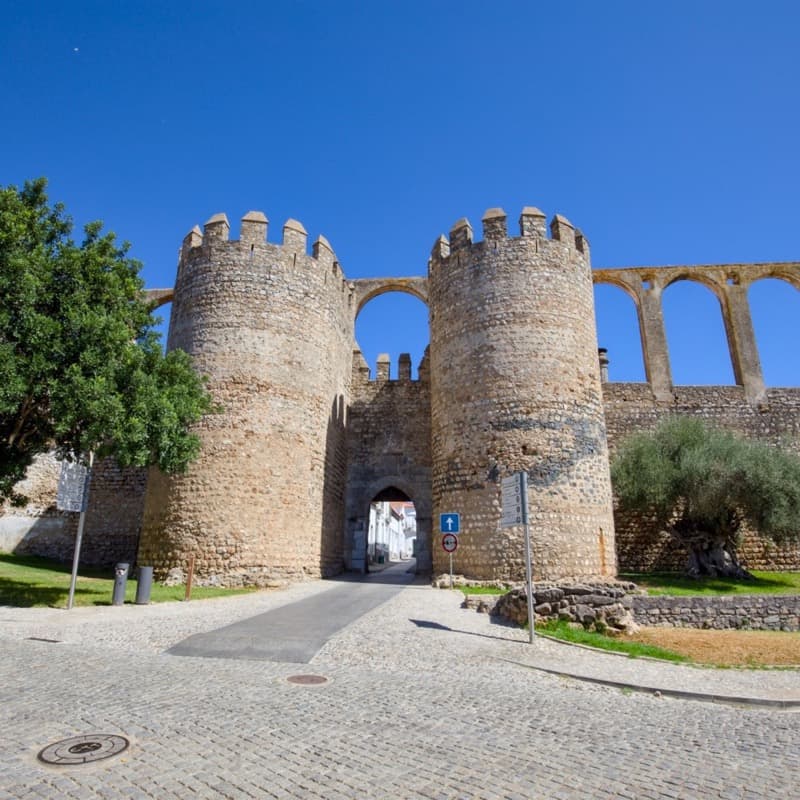
Frontier castles like Elvas, Marvão, Mértola and Serpa retain their strategic geography intact — most are dramatic on approach and modest inside. Coastal forts (São Filipe in Setúbal, the various Cascais fortifications) belong to a later early-modern phase against Atlantic raiders. The LxDiscover app organises them by region.

24 places

Get the app
Castelo de S. Jorge4.5

Castelo de S. Jorge

Castle • Lisboa, Lisboa

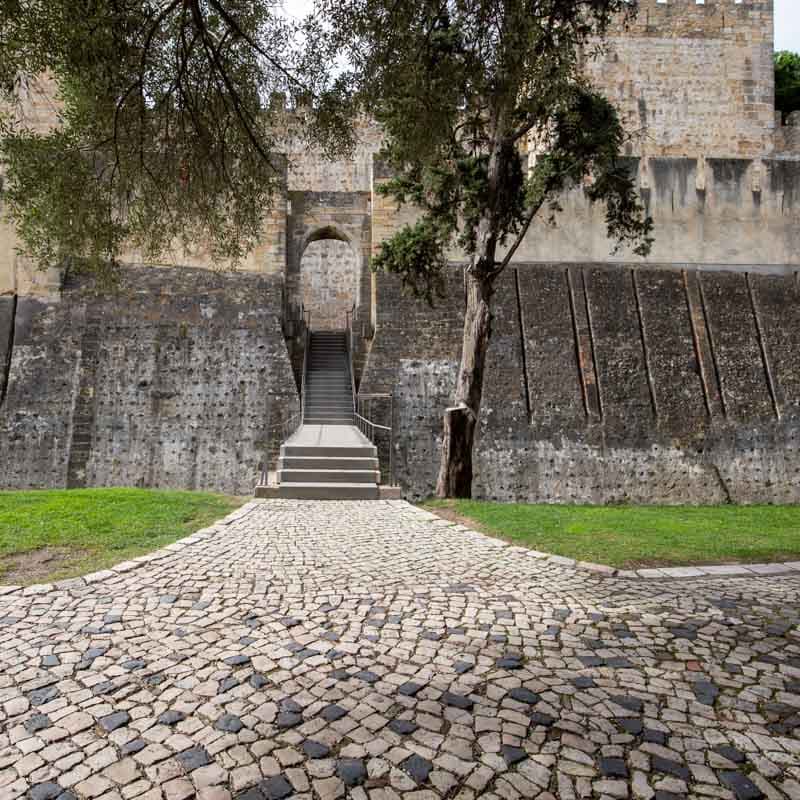
Castelo de São Jorge brings together two histories of different ages: the early occupation of Lisbon's hilltop and the building of its medieval defences. Traces of inhabitants date back to the seventh century before Christ, but the castle's present form owes much to work in the thirteenth and fourteenth centuries. A bent entrance, walls and a moat show how attackers' progress was hindered. At the archaeological site, the focus shifts to domestic life. Islamic houses arranged around courtyards had kitchens, storerooms and drainage. Between the great defences and the vessels used to keep provisions, the site preserves traces of warfare, power and everyday tasks.
Castelo de Palmela4.7

Castelo de Palmela

Castle • Palmela, Setúbal

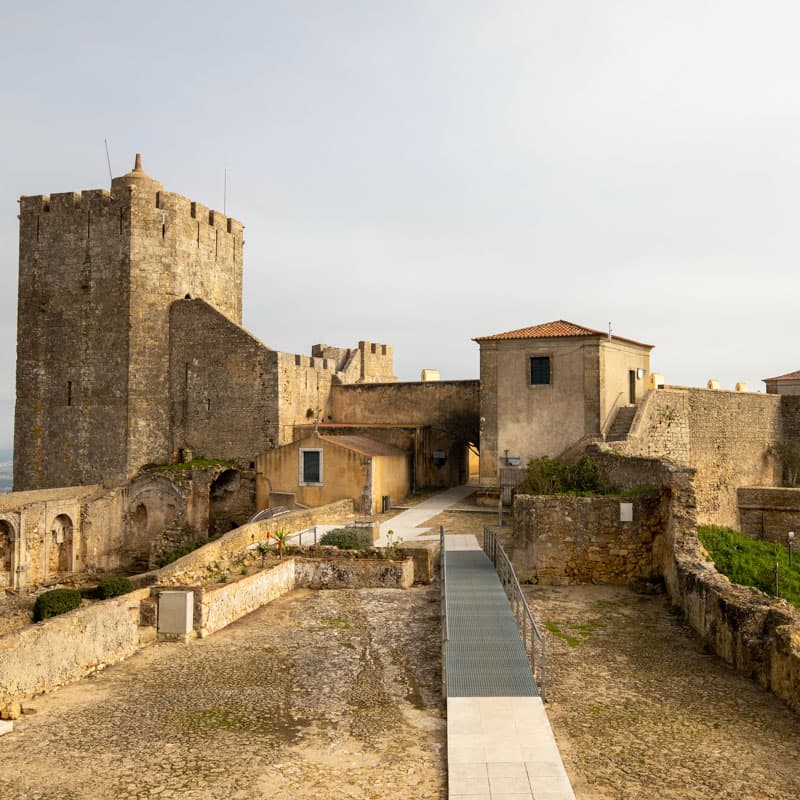
Palmela Castle connects the landscapes of the Sado and Tagus. From its hill, views take in Arrábida, Setúbal, Tróia and, in the other direction, Lisbon. The fortress passed from Islamic to Christian rule through conquests and further conflict. It later became the headquarters of the Order of Santiago, bringing together defence, religious life and residence. Santiago church and the former convent belong to that history. Within the enclosure are also ruins and museum spaces devoted to archaeology and military communications. The castle shows how a strategic position became a group of buildings with successive uses, retaining a clear relationship with the surrounding territory.

Castelo de Sesimbra4.6

Castelo de Sesimbra

Castle • Sesimbra, Setúbal

Sesimbra Castle preserves the site of the medieval town. Later, fishing and shipbuilding drew inhabitants towards the bay, leaving the settlement within the walls abandoned by the early sixteenth century. The fortress has Islamic origins and changed hands several times before Christian control became established. Its layout follows the hill, separating the alcáçova and keep from the old town's enclosure. Twentieth-century restoration helped recover the complex. The church, former cemetery and coastal view connect the history of this defensive position with the town that grew beside the sea.

Forte de São Filipe4.6

Forte de São Filipe

Fort • Setúbal, Setúbal

São Filipe Fort overlooks Setúbal and the entrance to the Sado. Built from 1582 by order of Filipe the First of Portugal, it defended the coast and watched the town itself. Its star-shaped plan, with six bastions, adapts to the hillside and helps explain the site's military purpose. Inside, a small chapel changes the scale of observation: tiles cover the walls and vault, some depicting episodes from Saint Philip's life. The chancel panels, signed by Policarpo de Oliveira Bernardes, date from 1736. Between defensive walls and painting on tiles, the fort brings together two periods and two very different kinds of construction.

Castelo de Óbidos4.7

Castelo de Óbidos

Castle • Óbidos, Leiria

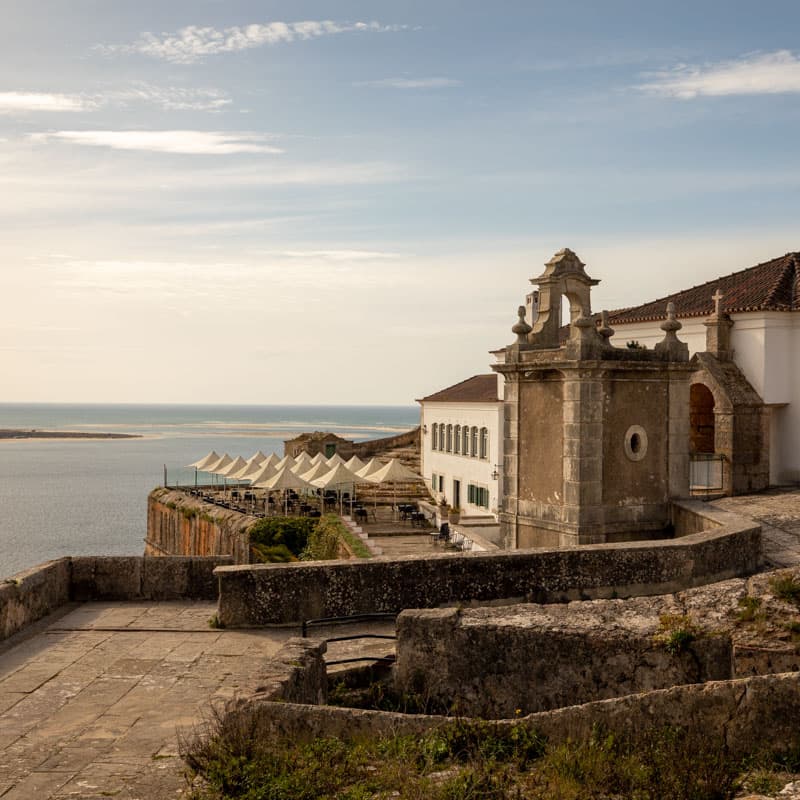
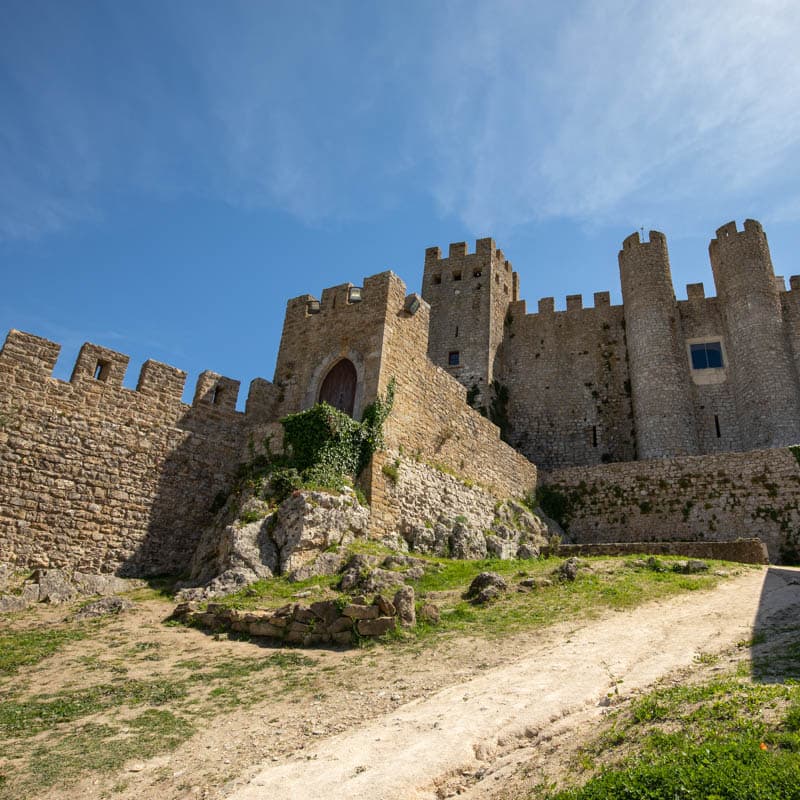
Óbidos Castle preserves traces of a manor house within its military history. After the Christian conquest of 1148, the fortification was repaired and enlarged. Later, the governors' residence received Manueline windows and a portal bearing the Noronha arms and armillary spheres. The main hall's chimney recalls domestic life inside the castle. The 1755 earthquake and subsequent deterioration left the residence in ruins. In the twentieth century, restoration brought a new purpose: it became the first state pousada established in a historic building. The surviving complex therefore brings together defence, habitation and modern conservation choices.

Castelo de Porto de Mós4.4

Castelo de Porto de Mós

Castle • Porto de Mós, Leiria

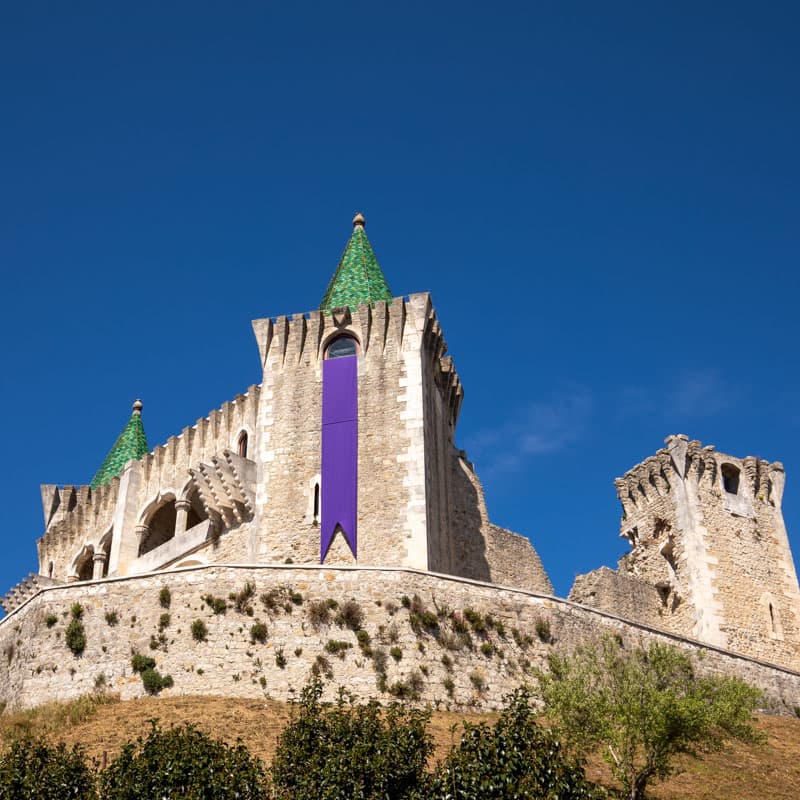
Porto de Mós Castle is recognisable for its green tower roofs and its combination of fortress and palatial residence. The medieval building was associated with defence and regional routes, but was also adapted for habitation. In the fifteenth century, Afonso, the fourth Count of Ourém, gave it a residential character influenced by his experience in Italy. The 1755 earthquake and later abandonment caused serious damage. Its current appearance owes much to twentieth-century restoration campaigns. Cultural uses now add another stage to the story. The building retains traces of territorial defence, aristocratic life and the decisions made to restore it.

Castelo de Bragança4.6

Castelo de Bragança

Castle • Bragança, Bragança

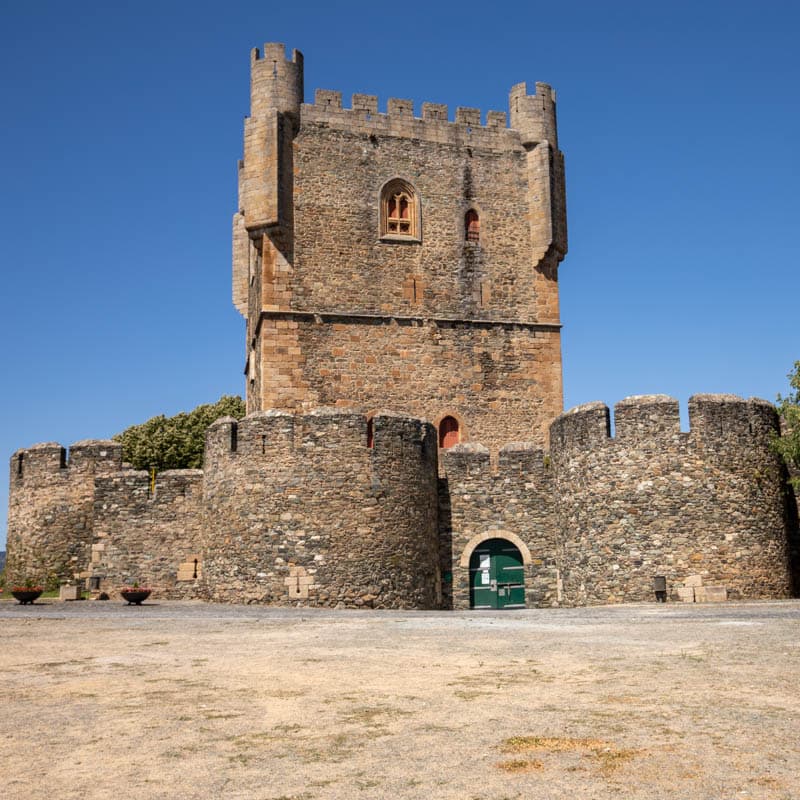
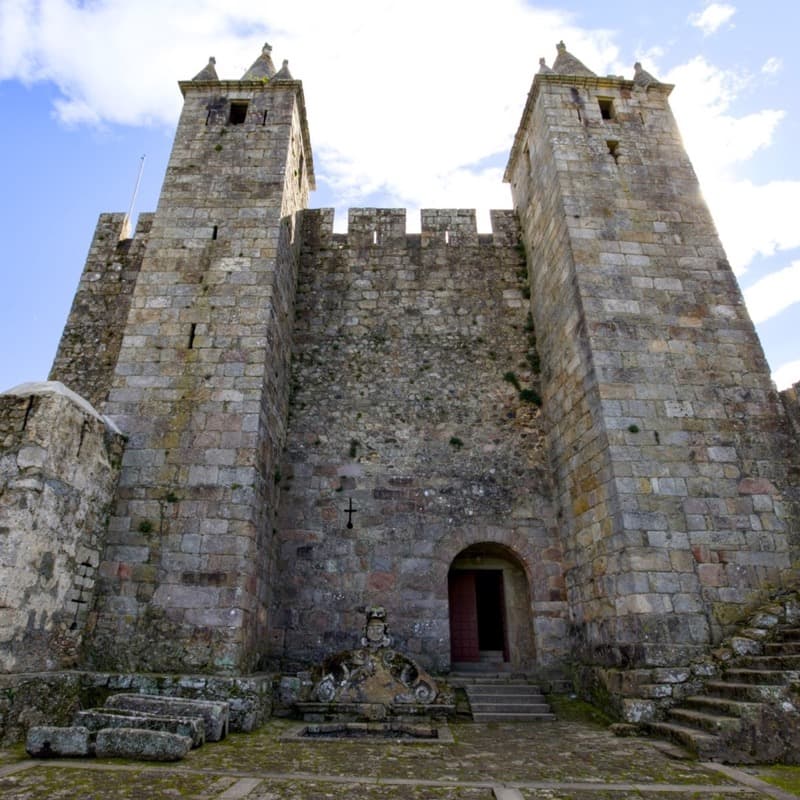
Bragança Castle encloses a citadel with streets, houses and buildings associated with municipal life. The keep, built during the works of King João the First, rises around 33 metres above the walls. Gothic windows and the Avis arms recall its period and royal authority. Inside is the Military Museum, founded in 1932 from a private collection and donations by servicemen. Its objects tell a story extending far beyond the Middle Ages. Between the tower and the inhabited streets, the ensemble shows how defence, urban life and later military uses coexisted in the same place.

Castelo de Tomar4.6

Castelo de Tomar

Castle • Tomar, Santarém

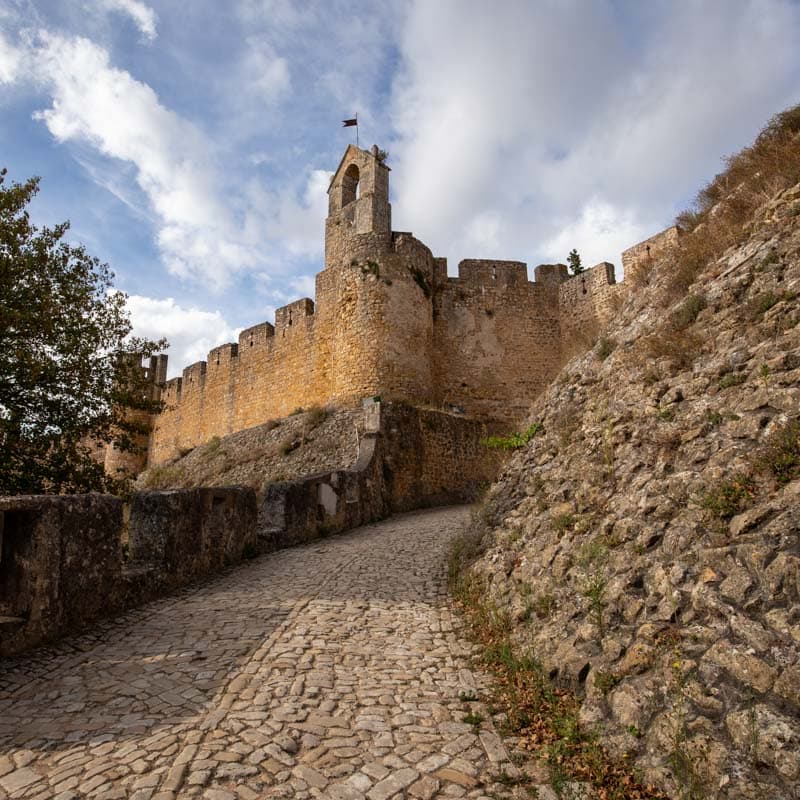
Founded by Gualdim Pais in 1160, Tomar Castle brought defence, housing and worship together within one Templar fortification. The almedina sheltered the settlement, while the parade ground and inner citadel had other roles within the enclosure. Military features include the alambor, a sloping base beside the walls. The rotunda served religious life and would become part of the Convent of Christ's church. After the Templars, the Order of Christ continued to occupy and transform the site. The castle reveals an early phase of Tomar, when the community, military spaces and religious house shared the same protected ensemble.

Castelo dos Mouros4.6

Castelo dos Mouros

Castle • Sintra, Lisboa

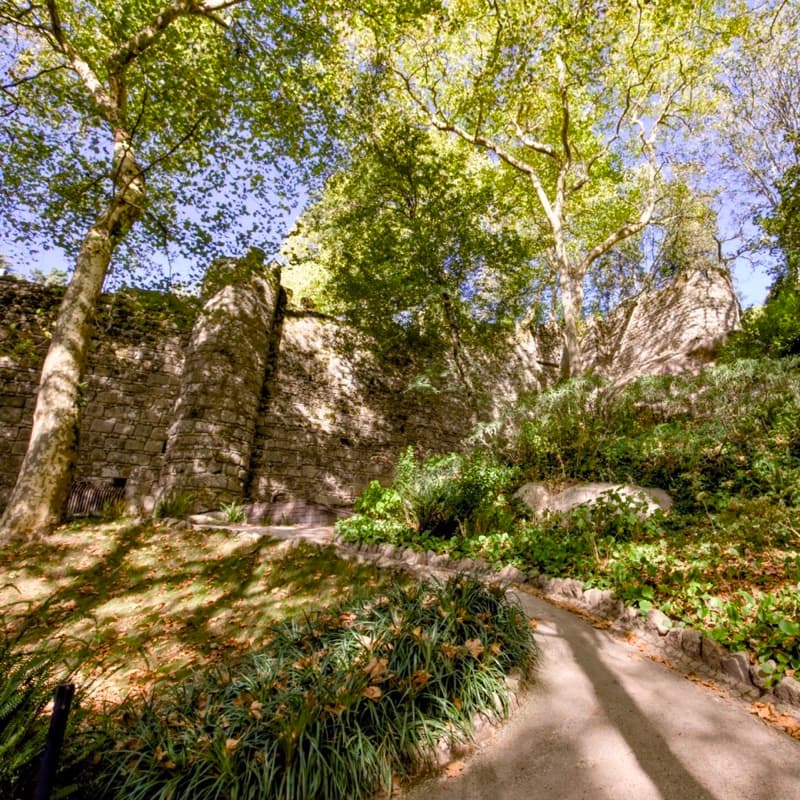
High in the Sintra hills, the Castelo dos Mouros holds more than a history of defence. Silos cut into the rock recall the grain stored by the settlement beside the walls. The fortress was founded in the tenth century under Muslim rule and became part of the Portuguese kingdom in 1147. Between its defences, the Igreja de São Pedro de Canaferrim now houses archaeological finds that help explain the lives of its former inhabitants. Restoration by King Fernando the Second in the nineteenth century also shaped the castle. From the wall walk, Sintra, Pena and the Atlantic reveal the extent of the territory that could be watched from this summit.

Castelo de Santarém4.5

Castelo de Santarém

Castle • Santarém, Santarém

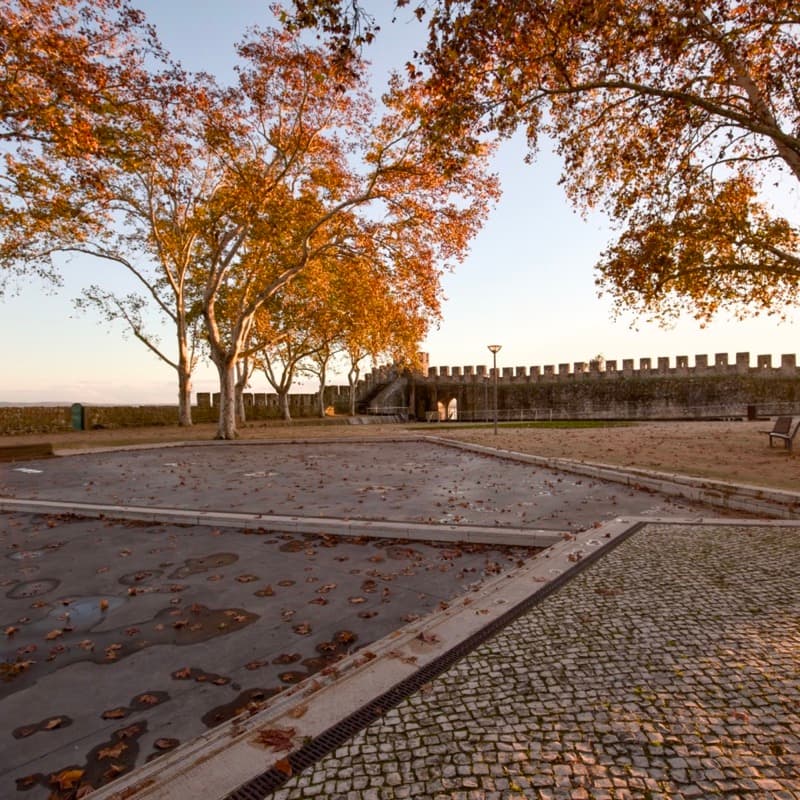
The Castelo de Santarém survives in an unusual form: its former citadel is now the Jardim das Portas do Sol. The walls recall the town's defences, while the viewpoint opens onto the Tagus and its floodplain. The fortifications underwent medieval alterations and lost several gates and towers as the town grew. Later, the garden gave the high enclosure a new purpose. Among trees, planting beds and tiled benches, that change becomes clear. The Urbi Scallabis interpretation centre adds the history of successive occupations. This place brings together what remains of the castle and the ways Santarém turned it into a public space.

Castelo de Elvas4.3

Castelo de Elvas

Castle • Elvas, Portalegre

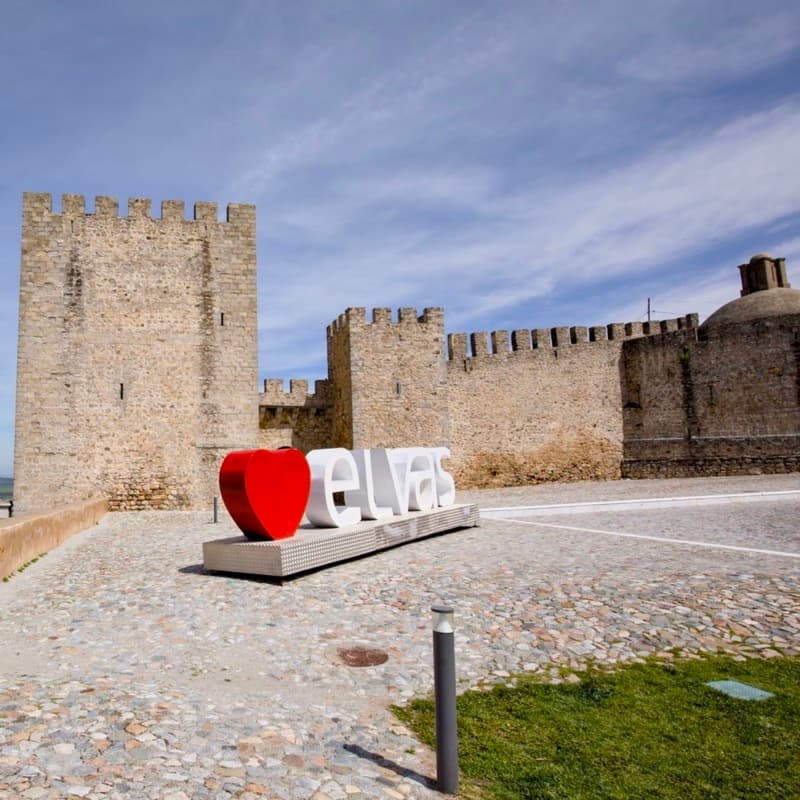
At the highest point in Elvas, the castle combines a history of defence and residence. Its governor lived here, and the complex hosted diplomatic occasions and royal banquets. Built over an Islamic structure, it was repeatedly rebuilt and adapted. The keep and King João the Second's arms above the entrances help identify some of those campaigns. The medieval castle is distinct from the town's later bastioned fortifications. After losing its military purpose in the nineteenth century, it deteriorated. Residents' efforts to recover it marked a new chapter: preserving a building that no longer defended the town but still told its history.

Forte de Nossa Senhora da Graça4.6

Forte de Nossa Senhora da Graça

Fort • Elvas, Portalegre

The Forte de Nossa Senhora da Graça occupies a hill once used to attack Elvas. Spanish forces established a redoubt there in 1658. Construction of the present fort began in 1763, turning that position into a defence for the town. Outer works, four bastions and a central redoubt organise the complex, with the governor's house at its highest point. The cistern, chapel and quarters recall life inside the fortification. Later, the site acquired disciplinary functions and held political prisoners. Restored and reopened in 2015, it preserves both the history of defence and traces of the uses that followed.

Castelo e Paço dos Condes de Ourém4.5

Castelo e Paço dos Condes de Ourém

Castle • Ourém, Santarém

Ourém's castle and counts' palace show two ways of expressing power in the same place. The medieval castle has a triangular plan and three towers. The palace, built around 1450 by Afonso, fourth Count of Ourém, combines an aristocratic residence with bastion towers and Italian and North African references. Look for the brick frieze and the cistern in the older enclosure. Earthquakes, war and the movement of administration to the valley left their marks. Today, the complex forms part of Ourém's Municipal Museum, where the surviving architecture, ruins and conservation work can be read as successive chapters of the same story.

Castelo de Silves4.4

Castelo de Silves

Castle • Silves, Faro

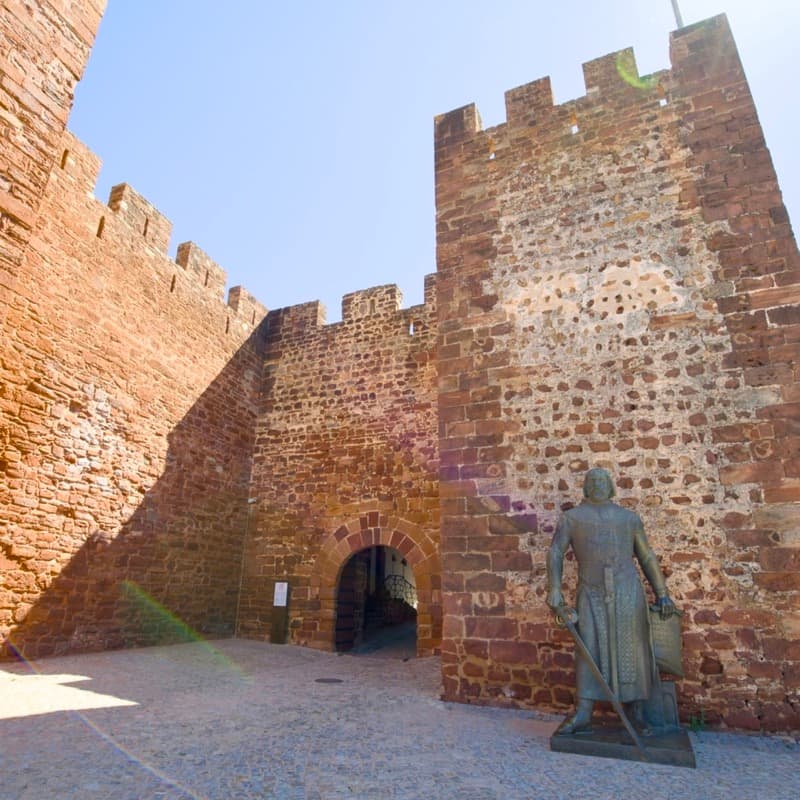
Silves Castle stands out for the red sandstone facing its walls. Eleven towers protect the hilltop citadel, but a visit reveals more than a defensive structure. The great vaulted cistern, the Poço dos Cães well and underground silos show how water and grain were stored. In the eastern area, an Almohad residence, probably a palace, preserves traces of a garden and baths. At the entrance, a statue of King Sancho the First recalls the conquest of 1189. Towers, living spaces and stores reveal the different needs of those inside the walls, alongside the changes that brought the castle into the present.

Castelo de Mértola4.5

Castelo de Mértola

Castle • Mértola, Beja

The keep at Mértola Castle preserves a precise clue to its history. Built in 1292, it has an inscription above the entrance naming João Fernandes, the Order of Santiago's first master in Portugal, as its patron. After the Christian conquest, Mértola became the Order's first national headquarters. Two exhibitions now explore that presence and the castle's development. Standing on a rocky rise above the historic centre, the fortress forms part of Mértola Museum's heritage circuit. Walls, towers and the inscription connect the building to the institutions and changes that shaped the town around it.

Castelo de Serpa4.5

Castelo de Serpa

Castle • Serpa, Beja

Serpa Castle belonged to a defensive system extending around the town. In 1295, King Dinis granted a charter and ordered the Almohad walls rebuilt, adding another phase to an earlier structure. Inside, an entrance between two towers leads to the parade ground and cistern. The square keep and remains of the barbican reveal different forms of protection. To the north, the wall walk joins the town wall. Conservation since 1958 also belongs to the complex's history. A visit connects the military enclosure with the city that still surrounds it, from individual gateways and water reserves to the wider defensive line.

Castelo de Beja4.5

Castelo de Beja

Castle • Beja, Beja

Beja Castle's keep is striking for its height, approaching forty metres. Inside, another scale awaits: vaulted rooms, carved figures, plant motifs and masons' marks. Diamond-shaped merlons distinguish the top, connecting the building with views across the city and plain. The complex began taking shape in the thirteenth century and underwent many changes. At the Governor's House, twentieth-century restoration incorporated pieces from demolished buildings, including a window from Casa dos Corvos. The castle consequently preserves both its own history and fragments of other places in Beja, rewarding attention to small details as well as its commanding outline.

Castelo de Montemor-O-Novo4.3

Castelo de Montemor-O-Novo

Castle • Montemor-o-Novo, Évora

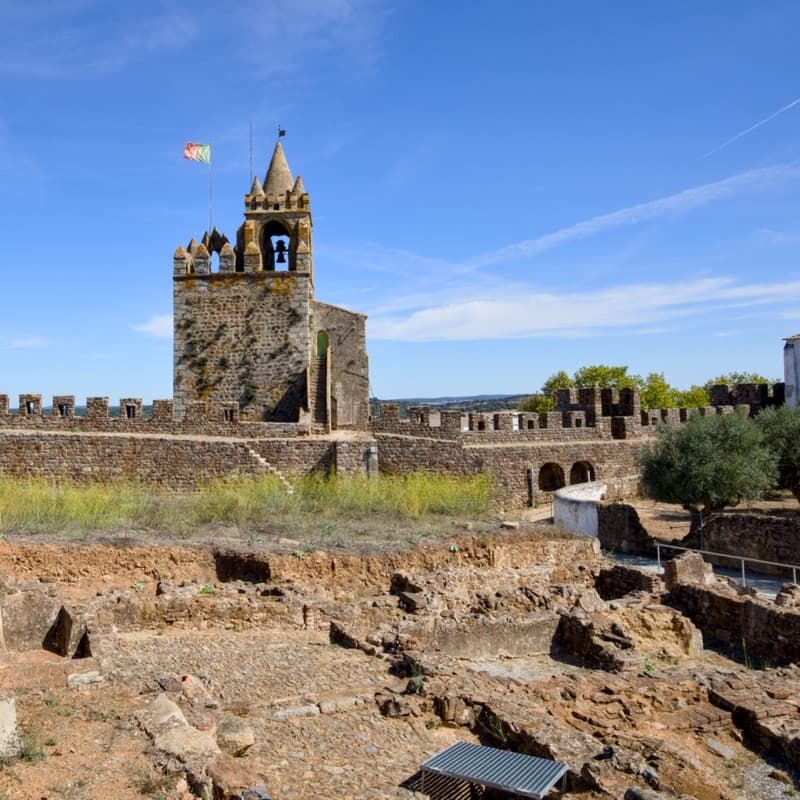
Montemor-o-Novo Castle preserves the site of an old town. In the Middle Ages, four parishes operated within its walls, among homes, churches and administrative buildings. From the sixteenth century, people gradually moved to the outer settlement where today's city developed. Administrative services later followed. Gateways, towers and ruins reveal the earlier arrangement. The Church of Santiago houses the Castle Interpretation Centre, connecting the remains with the site's history. Looking across the enclosure and then towards the surrounding city traces a change that unfolded over centuries, as an inhabited hilltop became a place where traces of that earlier life survive.

Castelo de Arraiolos4.2

Castelo de Arraiolos

Castle • Arraiolos, Évora

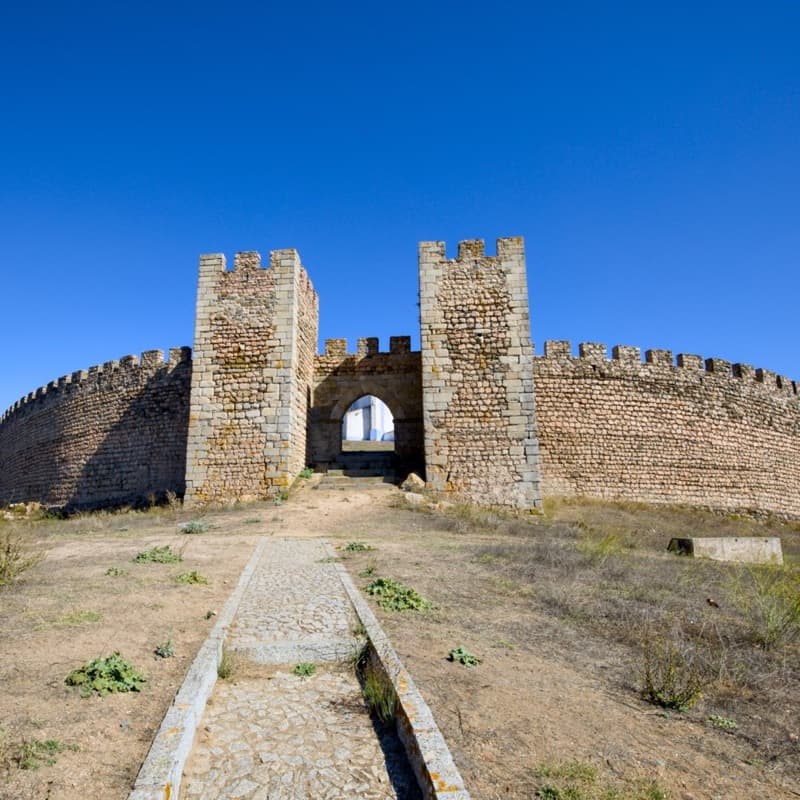
Arraiolos Castle's wall follows the hill in an elliptical shape. Commissioned by King Dinis in the early fourteenth century, it enclosed a settlement as well as the governors' palace and keep. The Barbacã and Santarém gates reveal its organisation, while the Church of Salvador adds a later phase. There is also a less military story: residents complained of wind and isolation and increasingly chose homes beyond the walls. Deterioration began long before the earthquake of 1755. Today, the site connects defence, habitation and the gradual movement of town life outside the enclosure.

Forte de São Francisco Xavier4.4

Forte de São Francisco Xavier

Fort • Porto, Porto

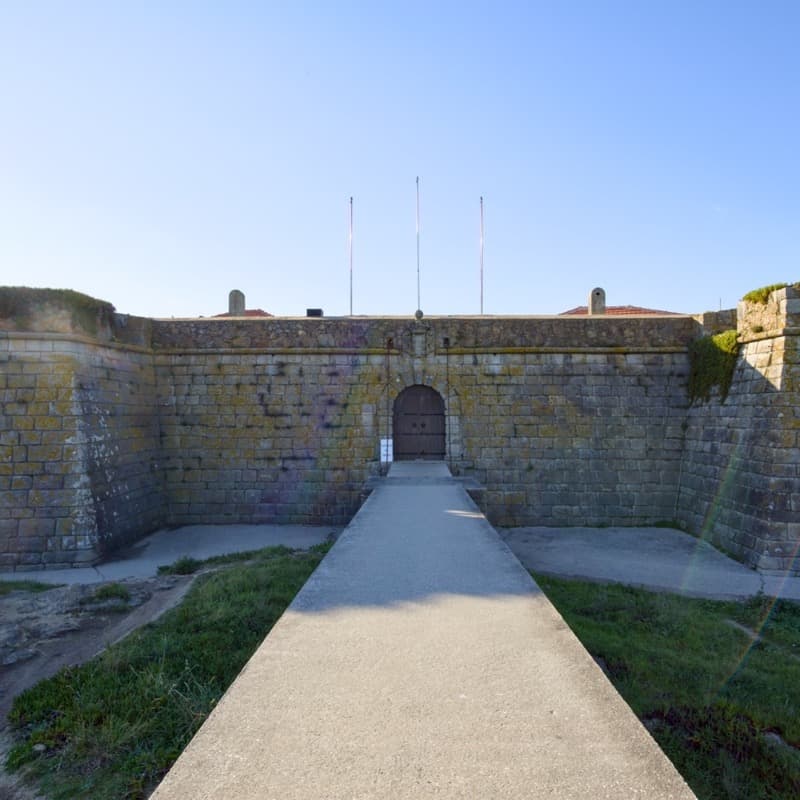
The Castelo do Queijo is actually the Fort of São Francisco Xavier. Tradition connects its nickname, Cheese Castle, with the rounded shape of the rock beneath it. Built around 1661 to a design by Miguel de L’École, it formed part of Porto’s coastal defences. In 1717, the council asked to deactivate it, but King João the Fifth refused. The moat, entrance bridge, gun embrasures and sentry boxes show how the enclosure worked. Inside, the governor’s house and former barracks recall garrison life. Restored for historical military use, the fort preserves a much more serious story than its popular nickname might suggest.

Castelo de Santa Maria da Feira4.6

Castelo de Santa Maria da Feira

Castle • Santa Maria da Feira, Aveiro

Santa Maria da Feira Castle has roots older than Portugal. The municipality places its origins in the tenth century, associated with defence and administration of the Terra de Santa Maria. Later, it became the Counts of Feira’s residence and adapted to new military requirements, including firearms. Beside the barbican, the Chapel of Our Lady of the Incarnation stands out through its six-sided plan. Joana Forjaz Pereira had it rebuilt in 1656 on the site of an earlier chapel. The complex combines periods and functions: fortress, noble residence and religious space. Its present form results from those changes rather than a single building campaign.

Castelo de Almourol4.6

Castelo de Almourol

Castle • Vila Nova da Barquinha, Santarém

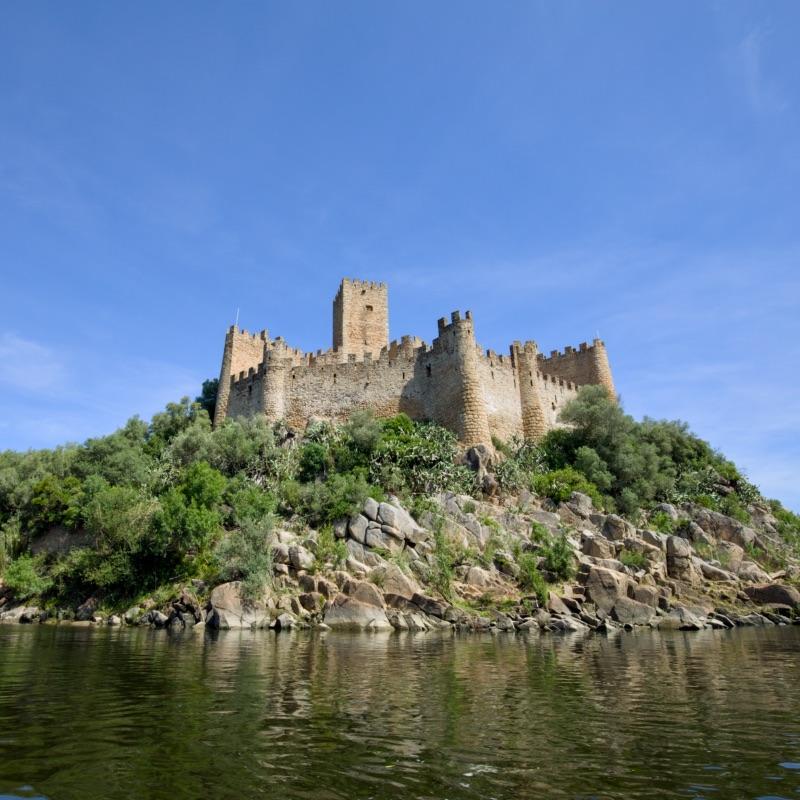
Castelo de Almourol stands on a small island in the Tagus, retaining the marks of its twelfth-century Templar reconstruction. An inscription above the main entrance records work completed in 1171 under Gualdim Pais. Nine circular towers reinforce the walls, and the keep stands prominently within them. Today's image includes other periods: the regular battlements come from nineteenth-century Romantic interventions, and the castle was later adapted as an official residence of the Republic. Its interest lies both in rock and water and in the history of preservation and transformation that shaped its familiar outline.

Castelo de Torres Novas4.4

Castelo de Torres Novas

Castle • Torres Novas, Santarém

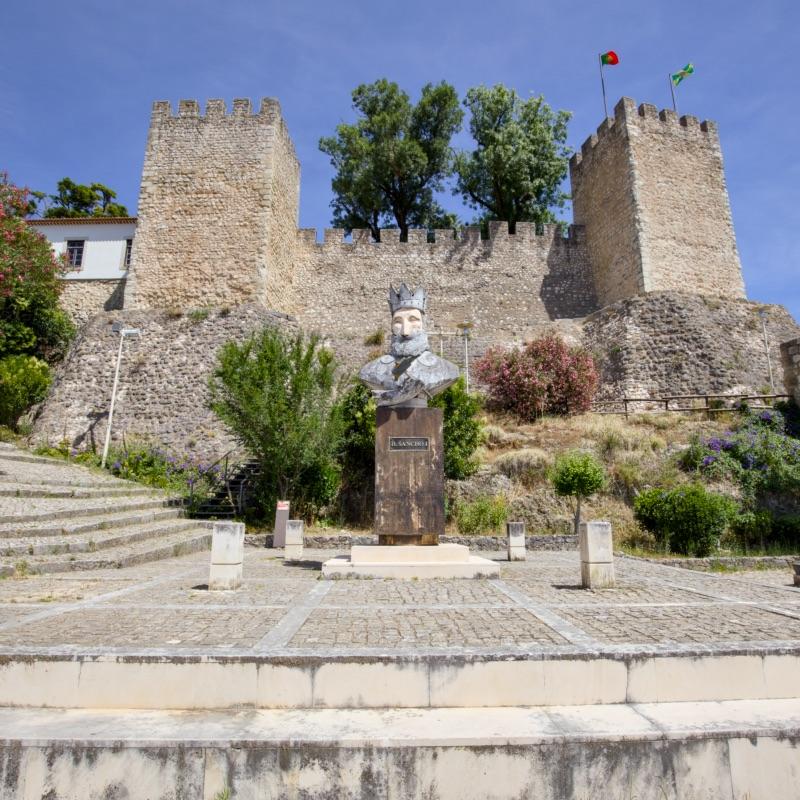
Castelo de Torres Novas encloses a garden within eleven towers and an almost pentagonal wall. Its history connects with Dom Sancho the First, who captured the castle and granted the town's first charter in 1190. Destruction and adaptation followed: the enclosure once contained a cemetery, while the former governor's house became a prison. Today, the towers frame views of the city and Serra de Aire. João Cutileiro's statue recalls the king through an interpretation inspired by an old engraving. The monument reveals the transition from fortress to public space while retaining its military form.

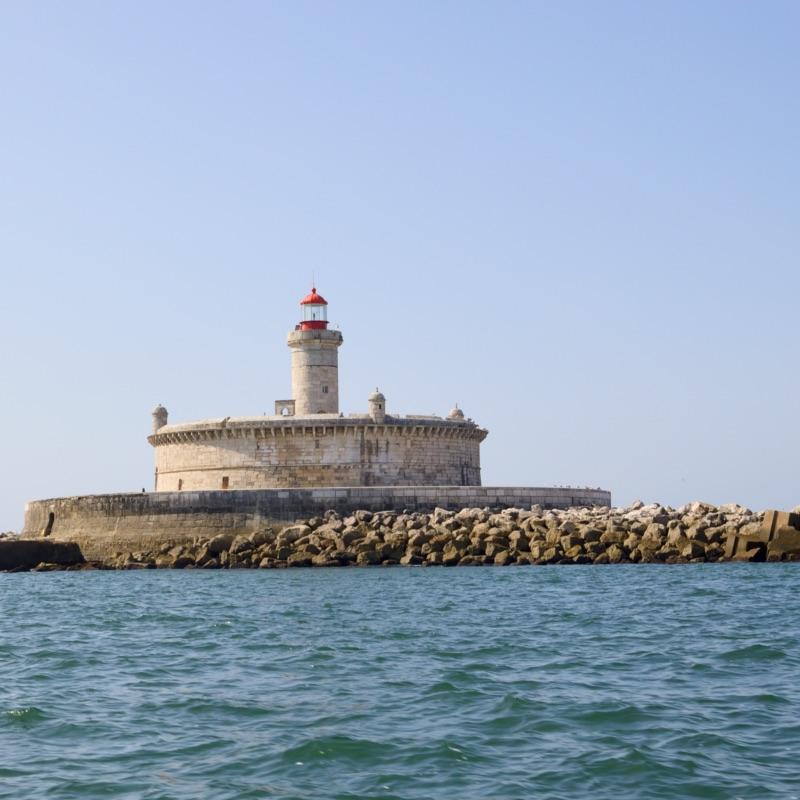
Farol do Bugio4.8

Farol do Bugio

Lighthouse • Oeiras, Lisboa

The Farol do Bugio stands within a circular fortress on the Cabeça Seca sandbank, at the entrance to the Tagus. Its guns were intended to provide crossfire with those of São Julião da Barra and protect Lisbon. The rounded design helped withstand the sea and made it easier to move the artillery. But this place was also a home. Some lighthouse keepers lived here with their families, going ashore once a month to buy supplies. Later, their work was organised into shifts, with changeovers dependent on sea conditions. Automation eventually removed the need for keepers to remain permanently on site. Today, the tower continues to guide coastal navigation above the walls of the old fort.

Related guides

Take the LxDiscover App with you

Explore Portugal with a cultural guide for monuments, museums, gardens, palaces, viewpoints, and historic places in Lisbon, Porto, Sintra, and other regions.

Use the map, follow cultural routes, read editorial context, save places, and track your visits with the visit passport.

Free features

  • Interactive map to discover places of interest
  • Detailed information about monuments, museums, and cultural sites
  • Favorites for the places you want to visit
  • Selected routes to start exploring

Premium subscription

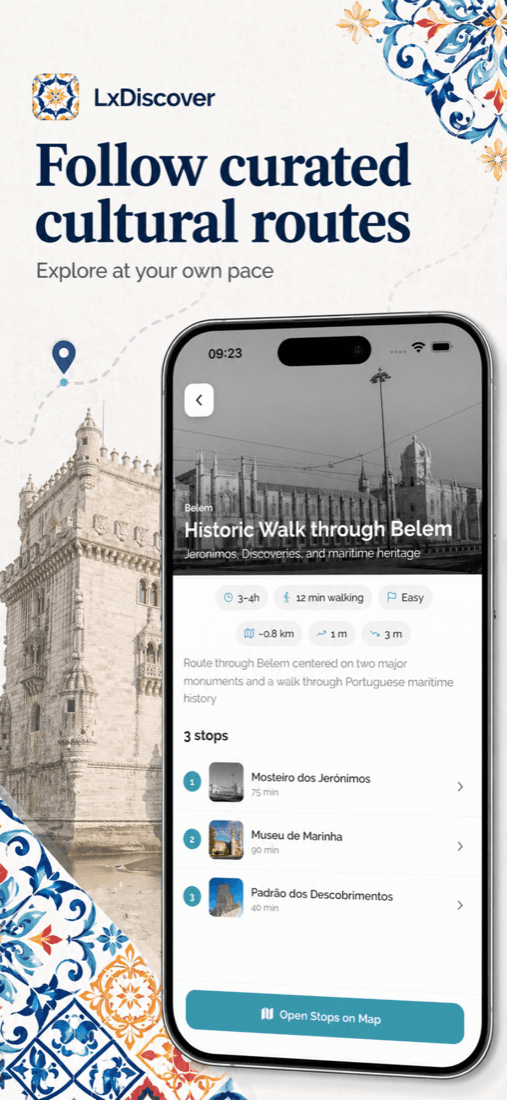
  • Curated routes with ordered stops, duration, and difficulty
  • Thematic collections with editorial context for each area
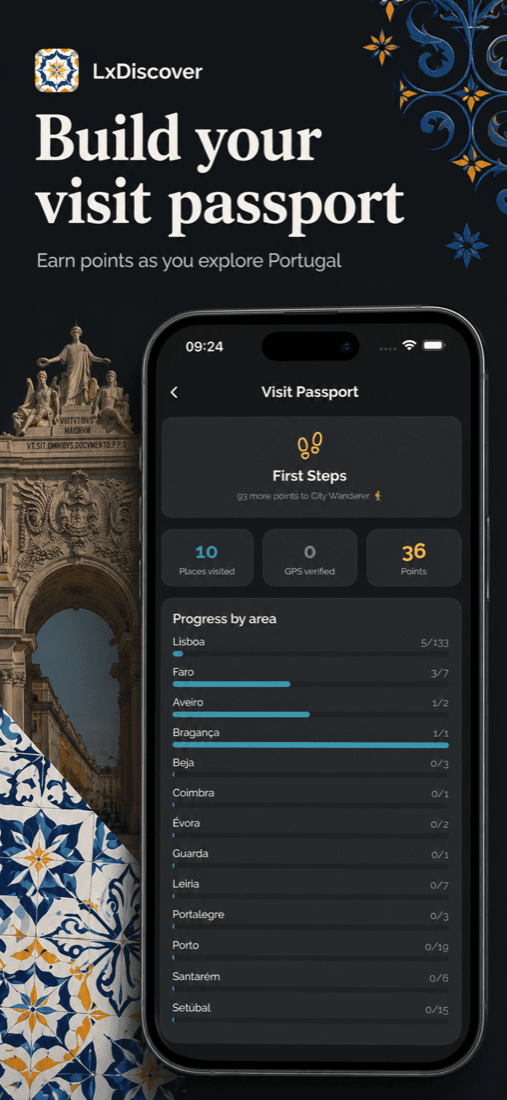
  • Visit passport for progress, visited places, and achievements
  • Advanced map, planning, and proximity alert tools
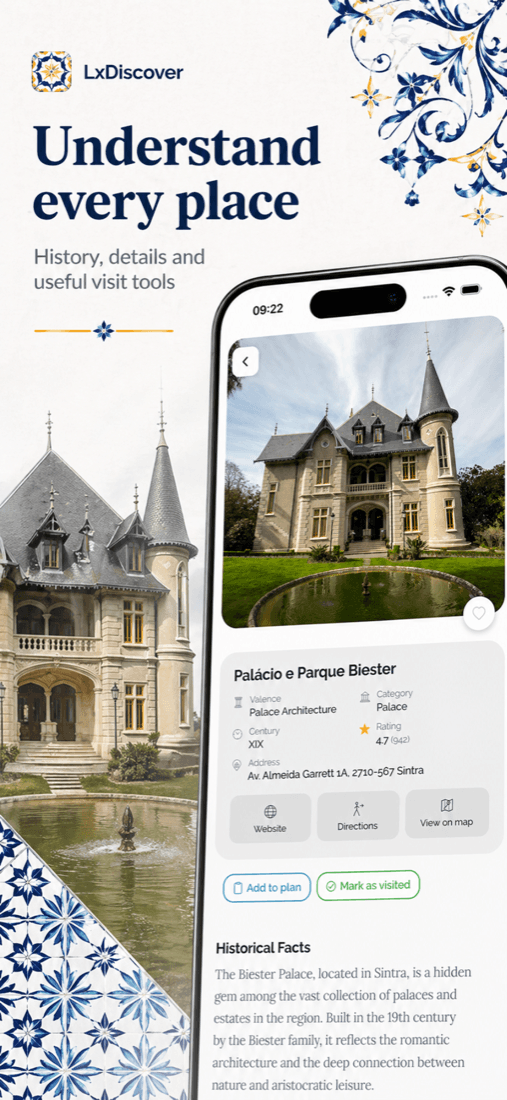
LxDiscover map screen
LxDiscover routes screen
LxDiscover visit passport screen