
Places

Cultural places in Portugal

Browse LxDiscover places across monuments, museums, palaces, viewpoints, gardens, churches and historic sites. Use this hub to start planning, then open the app for map-based routes, saved places and short cultural audio guides.

26 places

Featured cultural places

Explore on the map
Mosteiro dos Jerónimos4.5

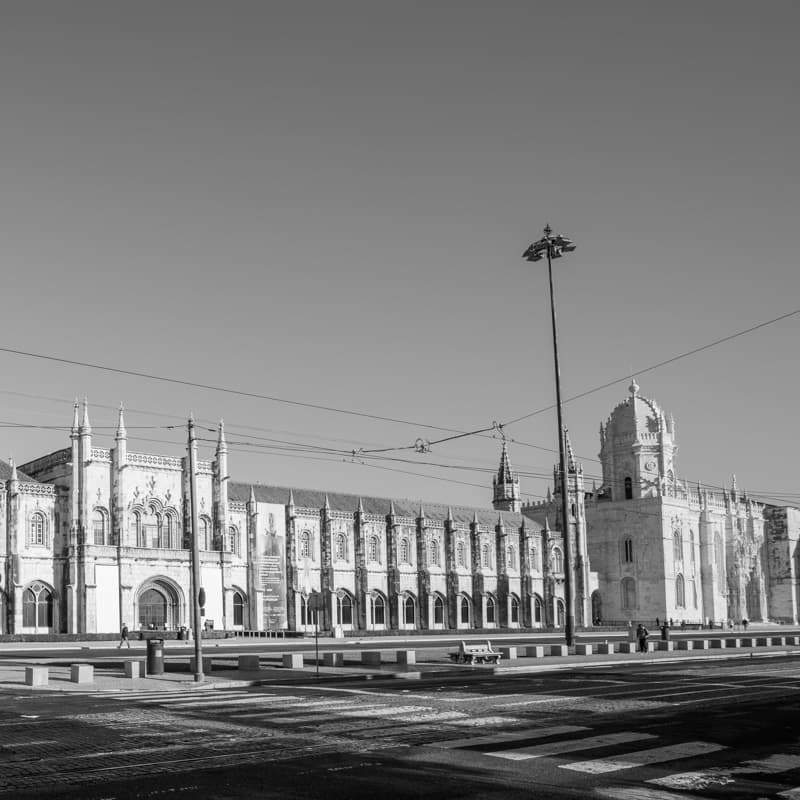
Mosteiro dos Jerónimos

Monastery • Lisboa, Lisboa

On the edge of the Tagus, Jerónimos Monastery seems to turn into stone the moment when Lisbon opened itself to the world. Commissioned by King Manuel the First at the end of the fifteenth century, beside Restelo, where ships and caravels set out, it was entrusted to the monks of Saint Jerome, who were meant to pray for the king and offer spiritual support to navigators. Work began in fifteen hundred and one and continued for about a century, leaving one of the finest examples of the Manueline style, exuberant yet precise, filled with royal, Christian and natural symbols. During a visit, it is worth slowing down in the sixteenth-century cloister and before the south portal, where the sculpture seems almost like lace in stone. In the church lie Vasco da Gama and Luís de Camões, a detail that deepens the monument’s bond with the country’s maritime and literary memory. Few places tell Portugal’s story with such clarity and beauty.
Igreja e Museu de São Francisco4.4

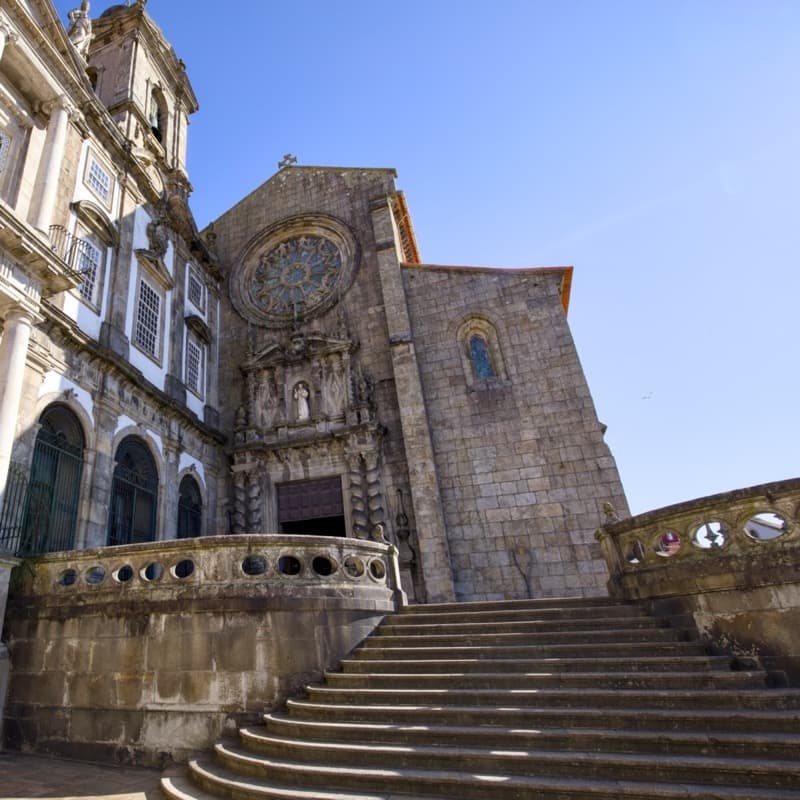
Igreja e Museu de São Francisco

Church • Porto, Porto

The Igreja e Museu de São Francisco are located on Rua da Bolsa, in Porto’s historic heart. The Church of the Convent of São Francisco, classified as a National Monument since 1910, began to be built in 1383, linked to the Franciscan presence in the city. Its Gothic architecture, with three naves, received over the centuries an interior decoration of great intensity, marked by Baroque gilded woodcarving from the 17th and 18th centuries. This contrast between the sobriety of the medieval structure and the ornamental brilliance is one of the ensemble’s strongest features. Among the works, the mural painting of Senhora da Rosa and the Tree of Jesse altarpiece stand out. The museum route continues in the Casa do Despacho, designed by Nicolau Nasoni and completed in 1749, with the Treasury Room, the Sessions Room and the Catacomb Cemetery. Stone, gold and funerary memory reveal here several layers of Porto’s religious and artistic history.

Museu de Setúbal/Convento de Jesus4.6

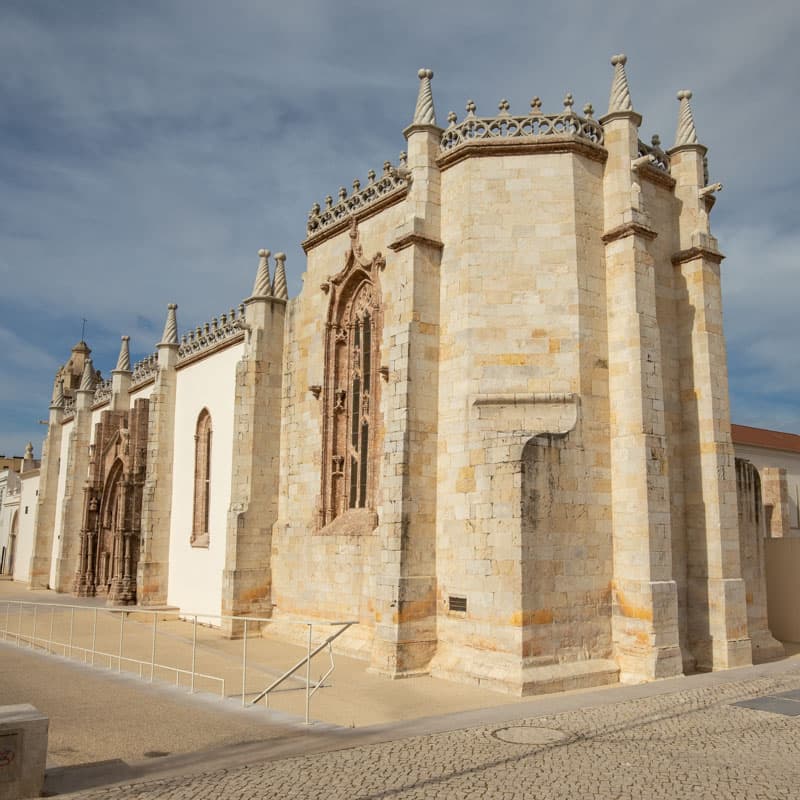
Museu de Setúbal/Convento de Jesus

Convent • Setúbal, Setúbal

In the heart of Setúbal, the Convent of Jesus reveals a decisive moment in Portuguese art. Founded in 1490 by Justa Rodrigues Pereira and enlarged under the patronage of King John II, it was entrusted to Diogo Boitaca, who carried out his first work in Portugal here. The church is seen as a landmark in the beginnings of the Manueline style: its three vaulted aisles at the same height create a rare, bright and continuous space, supported by twisted columns that stay in the memory. Over the centuries, the complex changed its life: a convent for Poor Clare nuns, later a hospital, and since 1961 the city museum. Today, moving between the cloister, the Chapter House, the Upper Choir and the Gallery of 16th-century Art, one senses how the building preserves very different layers of time. Among them, the fourteen panels of the former altarpiece, attributed to Jorge Afonso’s workshop, stand out as a treasure linking Setúbal to the great cycle of Portuguese Renaissance painting.

Cabo Espichel4.5

Cabo Espichel

Church • Sesimbra, Setúbal

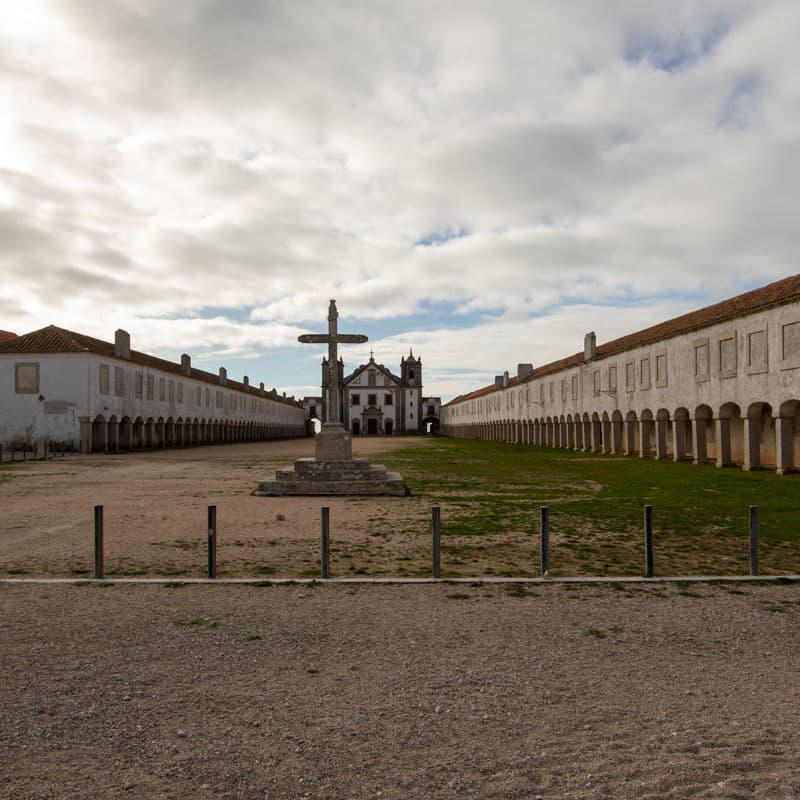
At the western edge of the municipality of Sesimbra, Cabo Espichel is striking for the way it brings together faith, vertigo and geological time. Devotion to Our Lady of the Cape is documented at least from 1366, and the sanctuary seen today, rare for its planned composition of church, forecourt and long pilgrims’ lodgings, took shape mainly between 1701 and 1770. The Ermida da Memória marks the place where, according to tradition, the image of the Virgin appeared in 1410, an episode that fed centuries of pilgrimages and cireos that are still alive today. But the cape does not speak only of pilgrims. On the limestone cliffs of Pedra da Mua, tracks of Jurassic sauropod dinosaur footprints survive, as if the landscape held a memory far older than the human one. Between the constant wind, the austere Baroque complex and the Atlantic stretching into the distance, Espichel feels like a place where devotion and nature enlarge one another.

Mosteiro da Batalha4.7

Mosteiro da Batalha

Monastery • Batalha, Leiria

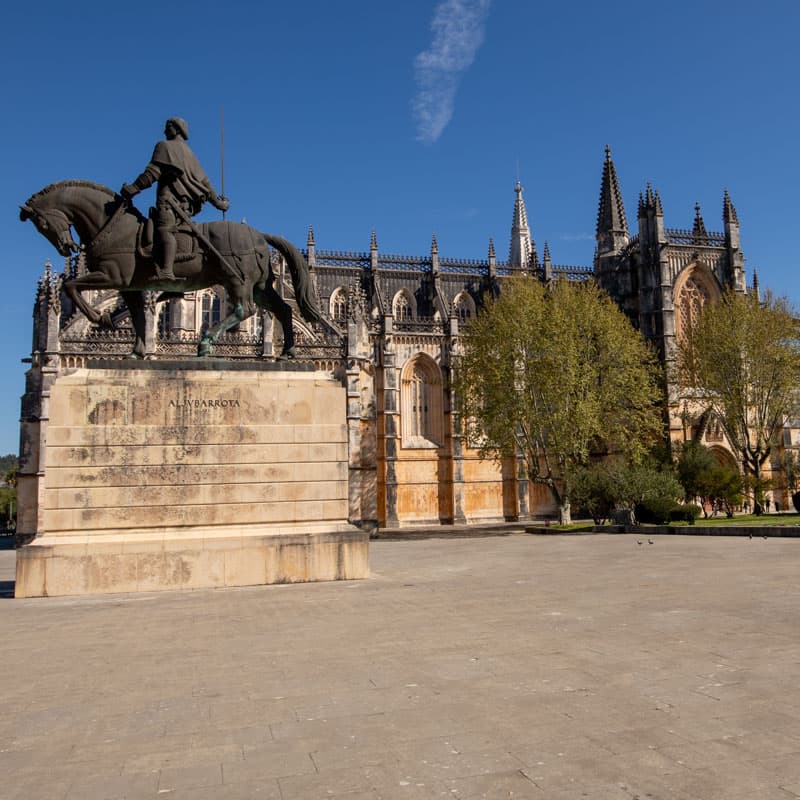
At the Monastery of Batalha, the memory of a victory was turned into stone. King João I ordered it to be built in fulfilment of the vow he made after Aljubarrota, and what began as an act of thanksgiving became, for more than a century and a half, the great building site of the Portuguese monarchy. Here the late Gothic and the Manueline styles took shape, yet the place impresses as much for its history as for its form: the soaring nave, the lace-like Royal Cloister and the Unfinished Chapels give the whole complex a solemn, restless beauty. In the Founder’s Chapel, the tomb of João I and Philippa of Lancaster, surrounded by the tombs of their children, also makes the monastery the symbolic heart of the Avis dynasty. Between convent silence, filtered light and golden stone, one understands why this monument is at once a memory of independence, a royal pantheon and one of the most striking creations of Portuguese art.

Mosteiro de Alcobaça4.6

Mosteiro de Alcobaça

Monastery • Alcobaça, Leiria

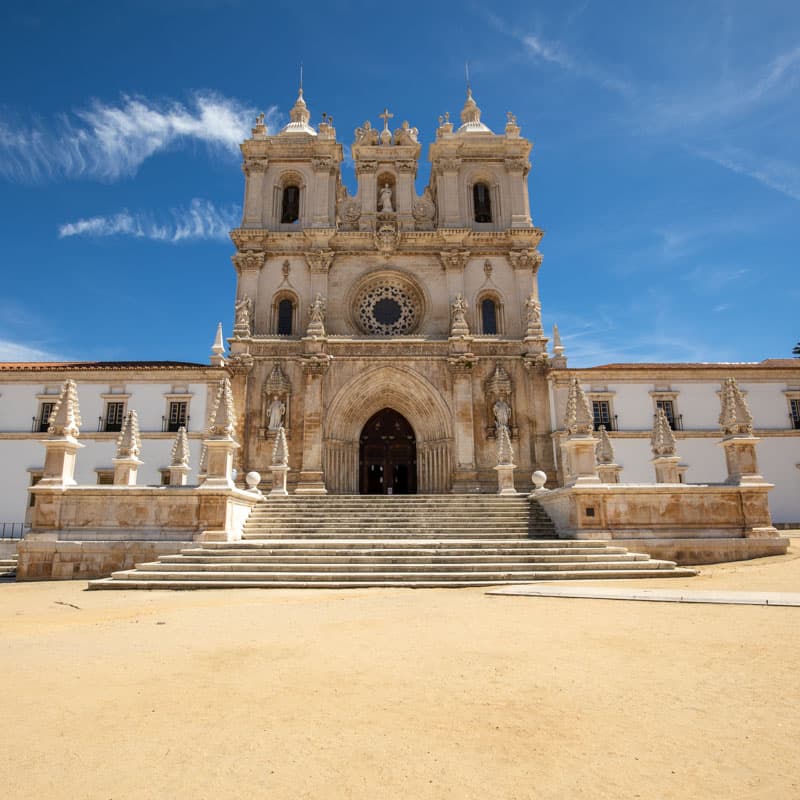
In Alcobaça, monumental scale rises from an ideal of discipline and silence. Founded in 1153 by King Afonso Henriques and entrusted to the Cistercians, the monastery became the order’s main house in Portugal and one of the most remarkable monastic complexes in Europe. Building began in 1178, and the church introduced the new Gothic language here with an almost severe clarity, faithful to the spirit of Cister. That austerity takes on another intensity before the tombs of King Pedro and Inês de Castro, fourteenth-century masterpieces in which love, death and Christian hope were carved with rare symbolic force. The monastery is also a complete organism, made up of cloister, refectory, chapter house and the famous eighteenth-century kitchen, where one senses how monastic life joined prayer, study and work. Between luminous stone and the order of its spaces, Alcobaça preserves the ambition of turning daily life into a form of eternity.

Sé Catedral da Guarda4.6

Sé Catedral da Guarda

Church • Guarda, Guarda

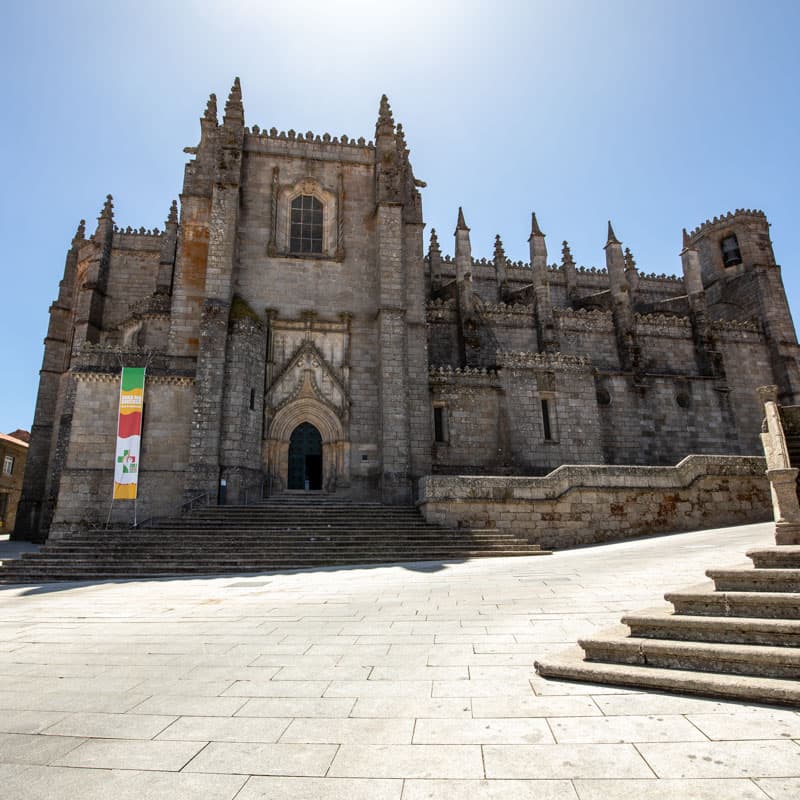
In the heart of Portugal’s highest city, Guarda Cathedral stands with the luminous severity of granite. Work began around 1390, in the reign of King John I, on the initiative of Bishop Vasco de Lamego, and continued for about a century and a half; from that long process came a building where Gothic and Manueline forms live together with remarkable ease. On the outside, its massive volumes, buttresses, octagonal towers and lace-like outline give it an almost military air, well suited to an old frontier city. Inside, the surprise is different: twisted columns, the vaulting and above all the great altarpiece in Ançã stone, made by João de Ruão in the sixteenth century, bring an unexpected richness of form. The cathedral is not striking only because of its scale. It is striking because it seems to gather, in one single body, the harshness of the mountain, the ambition of a royal building site and the patient faith of several generations.

Santuario do Senhor Jesus da Pedra4.4

Santuario do Senhor Jesus da Pedra

Church • Óbidos, Leiria

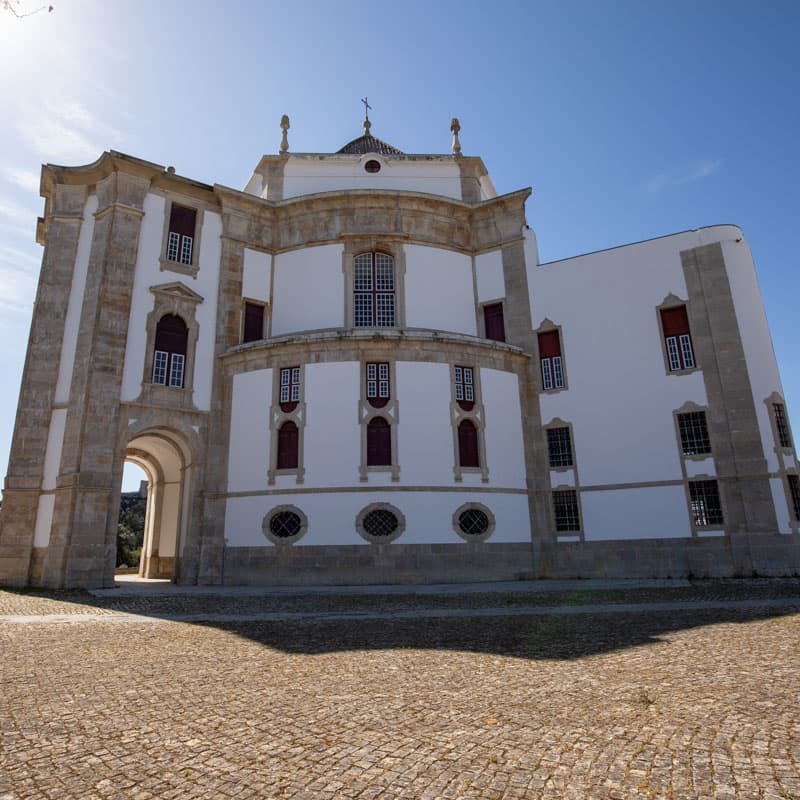
Outside the walls of Óbidos, beside the road to Caldas da Rainha, the Sanctuary of Senhor Jesus da Pedra stands out for its unusual form and for the devotion that gave rise to it. The present church was built between 1740 and 1747, to a design by Captain Rodrigo Franco, architect of the Patriarchal See, in a period associated with the patronage of D. Tomás de Almeida and King João V. Its centralised plan combines a cylindrical exterior body with a hexagonal interior; around it are arranged the chancel, the sacristy and the bell towers. In the churchyard remain the pilgrims’ lodging house and a Rococo fountain. Inside, the chancel holds the stone image of the Crucified Christ, placed in a small shrine within the altarpiece, accompanied by a painting of Calvary by André Gonçalves. Classified as a Monument of Public Interest in 2013, it preserves, in its open forecourt, a direct visual relationship with the town of Óbidos.

Convento de Cristo4.7

Convento de Cristo

Convent • Tomar, Santarém

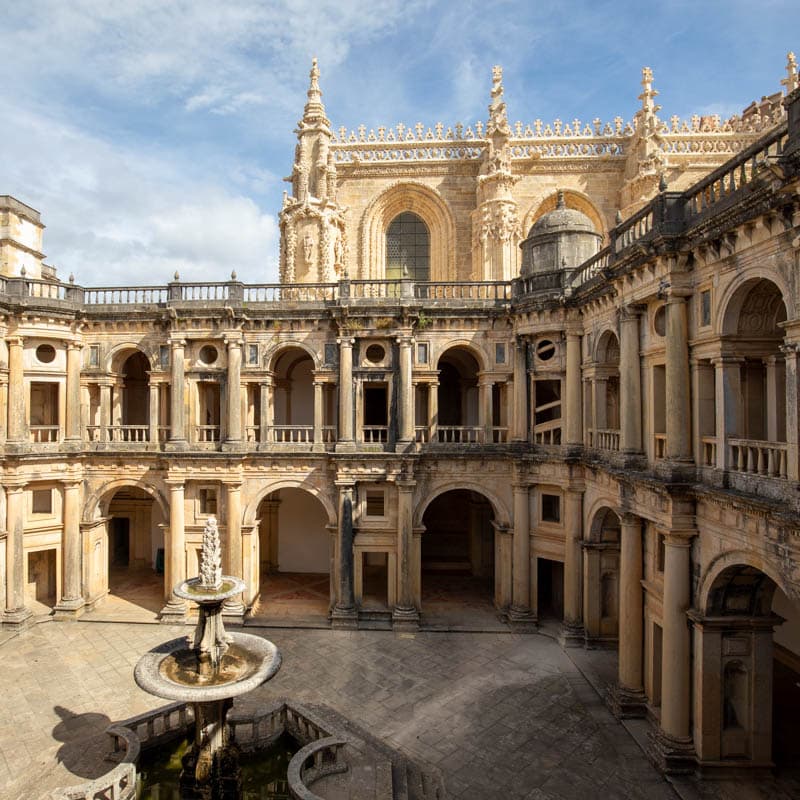
On a hilltop overlooking Tomar, the Convent of Christ brings together the former Templar Castle, the convent of the Order of Christ and other spaces connected with its historic enclosure. Its history begins in 1160, with the foundation of the castle by the Templars. At its centre stands the Charola, a Romanesque oratory inspired by the Holy Sepulchre in Jerusalem, later enriched with painting, sculpture and gilded woodcarving. After the extinction of the Templars, the Order of Christ received this heritage; under Prince Henry the Navigator new cloisters were built, and King Manuel I enlarged the convent church, where the celebrated Chapter House Window stands out. Built over several centuries, the complex brings together Romanesque, Gothic, Manueline, Renaissance, Mannerist and Baroque elements. Inscribed on the UNESCO World Heritage List in 1983, it remains a monumental reading of Portuguese history.

Convento dos Capuchos4.5

Convento dos Capuchos

Convent • Almada, Setúbal

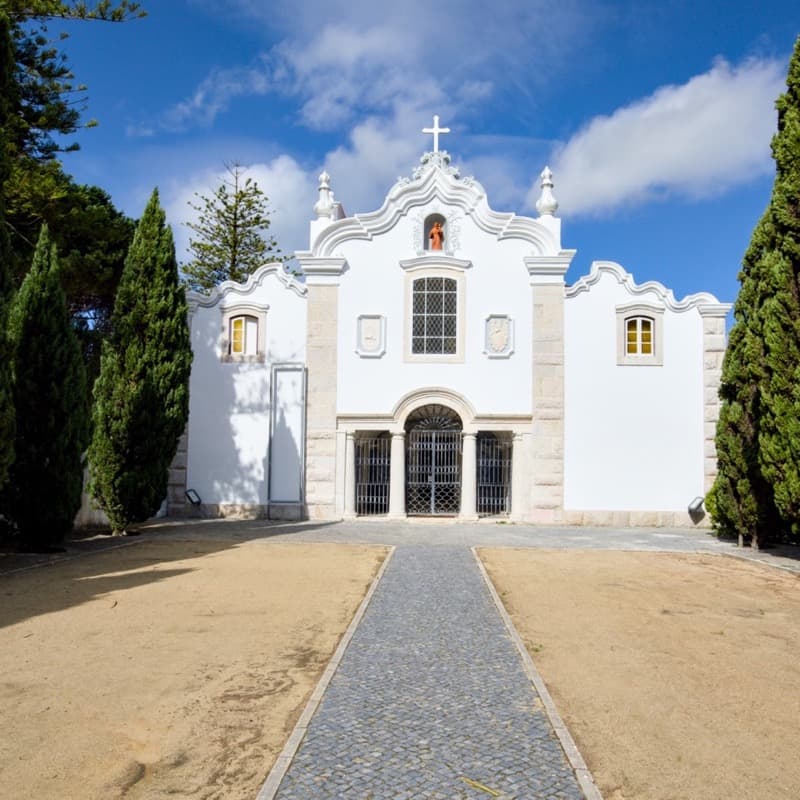
The Convento dos Capuchos is located in Caparica, in the municipality of Almada, within the area of the Protected Landscape of the Fossil Cliff of Costa de Caparica. Built in 1558 on the initiative of Lourenço Pires de Távora, it was intended for a community of friars of the Order of Saint Francis, under the invocation of Our Lady of Piety. Its architecture was designed for retreat, prayer and poverty: a modest, austere and stripped-back construction, with small cells on the upper floor and spaces connected to worship and daily life on the lower floor. Outside, the former enclosure included agricultural land, niches, a tank, a small hermitage dedicated to Saint Peter, a porch, a clock tower and a cemetery. Shaken by the 1755 Earthquake, the convent closed after the extinction of the religious orders in 1834. Acquired in ruins by Almada City Council in 1950, it was restored and integrated into the cultural life of the municipality.

Basílica da Estrela4.6

Basílica da Estrela

Church • Lisboa, Lisboa

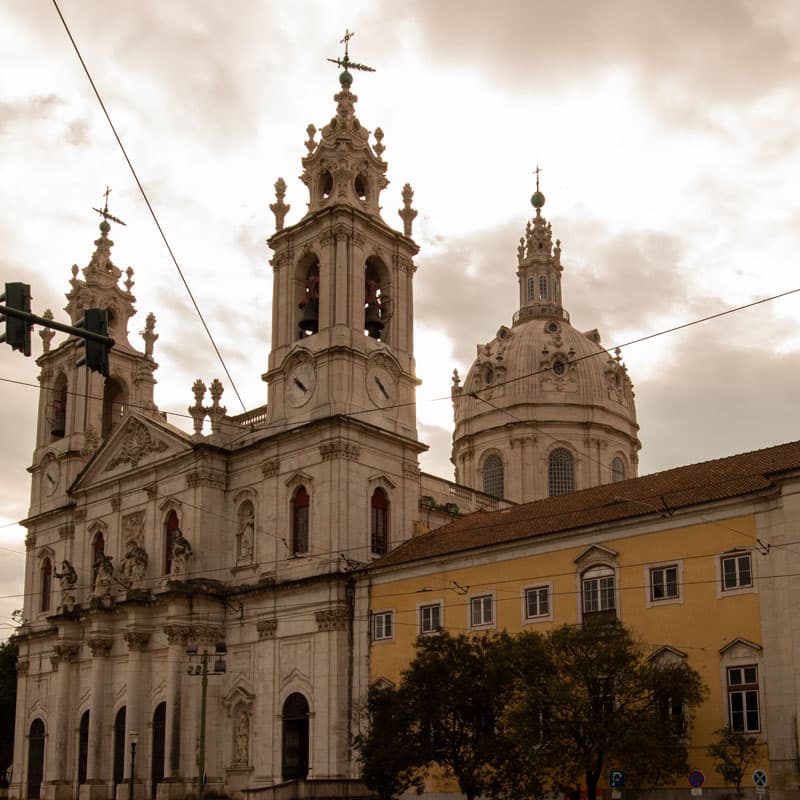
The Basilica da Estrela rises above the hill as a serene, luminous presence, one of those places that seem to shape Lisbon’s skyline. Born from a vow made by Queen Maria the First in the late eighteenth century, it became the first church in the world dedicated to the Sacred Heart of Jesus. Inside, its grandeur never feels heavy: the coloured marbles, the broad nave and the light falling from the dome create a clear, almost musical solemnity. It is worth pausing at the queen’s tomb and at one of the basilica’s most unexpected treasures, the nativity scene by Machado de Castro, made up of hundreds of terracotta and cork figures, where the sacred and everyday life meet with remarkable delicacy. And if you climb to the dome, the visit takes on another scale: Lisbon opens out all around you, as if the whole city were answering the harmony of this place.

Torre e Igreja dos Clérigos4.6

Torre e Igreja dos Clérigos

Church • Porto, Porto

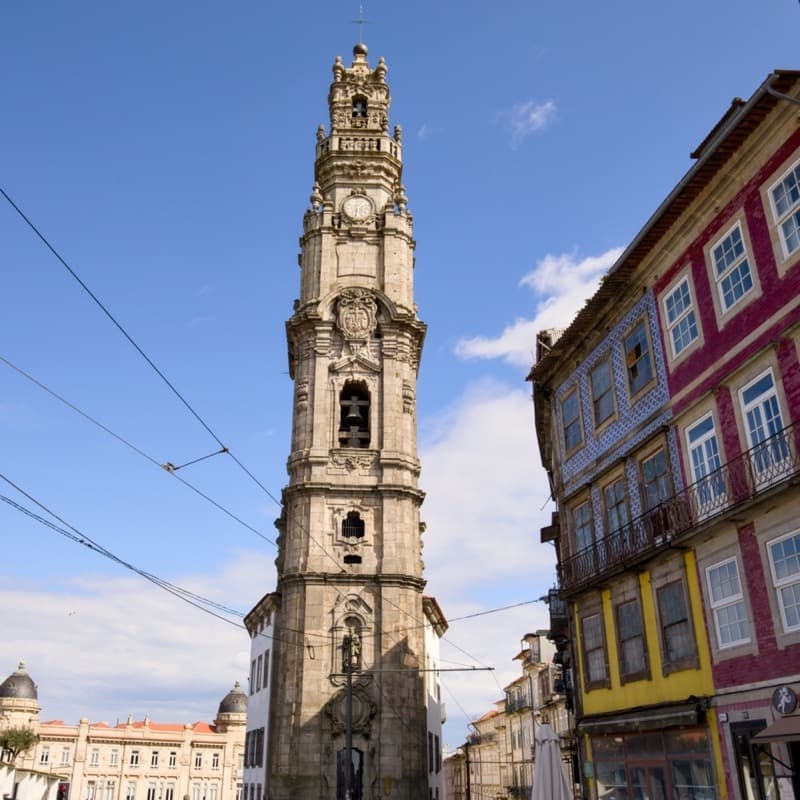
The Torre e Igreja dos Clérigos rise in the heart of Porto, between Rua dos Clérigos, Rua de São Filipe de Nery and Rua da Assunção. The ensemble was designed by the Italian architect Nicolau Nasoni for the Irmandade dos Clérigos, founded in 1707. The first stone of the church was laid in 1732, and construction of the tower began in 1754, being completed in 1763. Classified as a National Monument since 1910, the ensemble is one of Nasoni’s most prominent works in northern Portugal. The church reveals an elliptical plan and a Baroque façade with a strong scenic quality. The granite tower rises in six storeys to a height of 75 metres, with 225 steps to the top. Between the verticality of stone, Baroque decoration and the view over the Douro, the Clérigos condense Porto’s architecture, devotion and urban image.

Panteão Nacional4.5

Panteão Nacional

Church • Lisboa, Lisboa

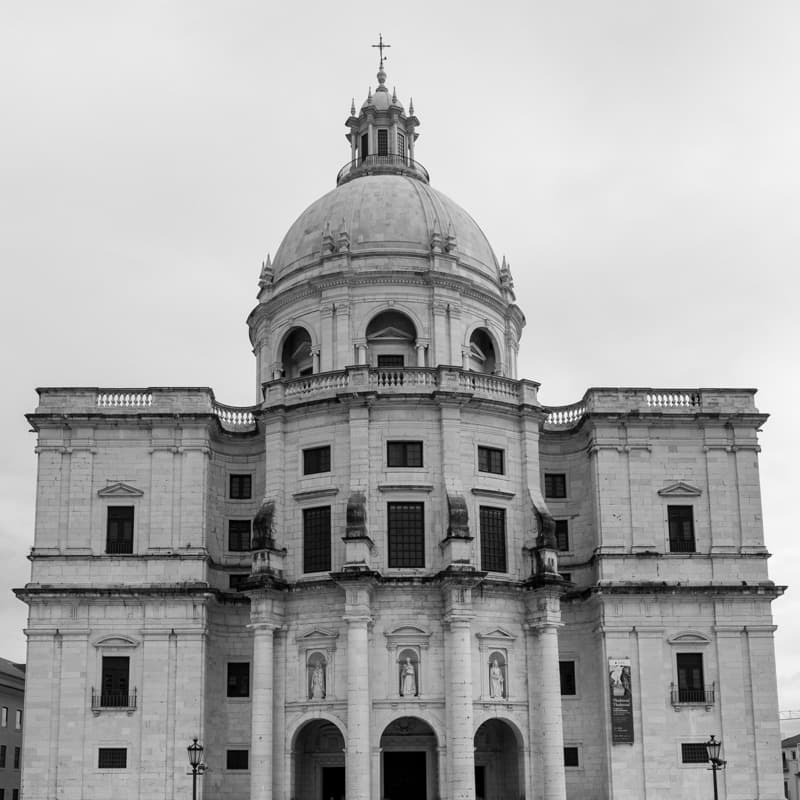
High above Santa Clara, the National Pantheon stands over Lisbon like a monument of stone memory. The building was originally intended to be the church of Santa Engrácia and began to rise in the late seventeenth century, to a design by João Antunes, but it took so long to be completed that it gave rise to the famous Portuguese expression “works of Santa Engrácia”, used for something that never seems to end. Only in the twentieth century was it adapted into the National Pantheon and finally completed, with its great dome and restored interior. Today, among coloured marbles, curved walls and a central space of striking scale, it honours major figures of Portuguese history and culture, including Almeida Garrett, Sophia de Mello Breyner Andresen and Amália Rodrigues. It is well worth climbing to the terrace, where the view over Alfama, the Tagus and Lisbon’s rooftops shows why this place feels both solemn and open to the city.

Igreja do Carmo4.5

Igreja do Carmo

Church • Porto, Porto

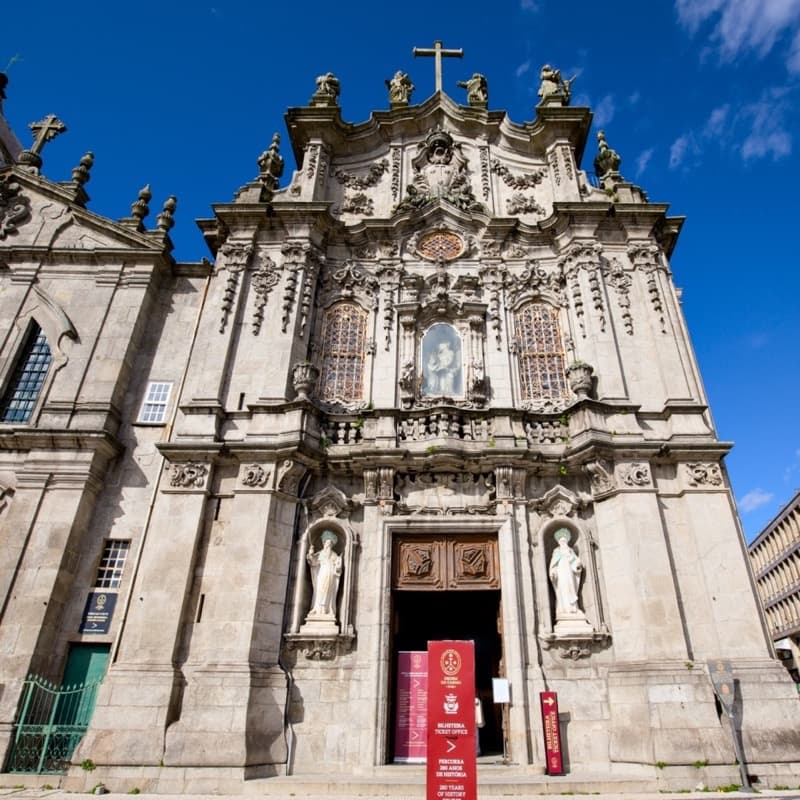
The Igreja do Carmo, in Porto, stands beside the Igreja dos Carmelitas, between Rua do Carmo and Praça de Carlos Alberto. The church belongs to the Venerable Third Order of Our Lady of Mount Carmel, established in 1736. The first stone was laid in 1756, with a design by José de Figueiredo Seixas, and the church was completed in 1762, after Nicolau Nasoni had endorsed the architectural plan. Part of the ensemble classified as a National Monument in 2013, it is distinguished by its Rococo façade, full of decorative movement, with images of the prophets Elijah and Elisha, Saint Anne and the four Evangelists. Inside, the gilded woodcarving of the chapels and high altar extends the ornamental richness. The side façade, covered with blue and white tiles in 1907 and 1912, represents Carmelite devotion and has become one of the city’s most recognisable surfaces.

Museu Arqueológico do Carmo4.5

Museu Arqueológico do Carmo

Convent • Lisboa, Lisboa

Few places in Lisbon bring together ruin and memory as eloquently as the Carmo Archaeological Museum. Housed in the former church of the convent founded by Nuno Álvares Pereira at the end of the fourteenth century, it preserves the great Gothic arches left open to the sky since the 1755 earthquake, making it one of the city’s most striking witnesses to the disaster. In 1864, Joaquim Possidónio Narciso da Silva created here the first museum of art and archaeology in Portugal, with the aim of saving endangered works and fragments of heritage. The result is a singular museum, where medieval tombs, Roman inscriptions, objects from the Castro de Vila Nova de São Pedro and pre-Columbian mummies coexist beneath the same wounded arches. Between the silence of the stone and the strangeness of the collection, Carmo seems to preserve more than objects: it preserves the very idea of Lisbon as a city shaped by loss, survival and reinvention.

Sé do Porto4.6

Sé do Porto

Church • Porto, Porto

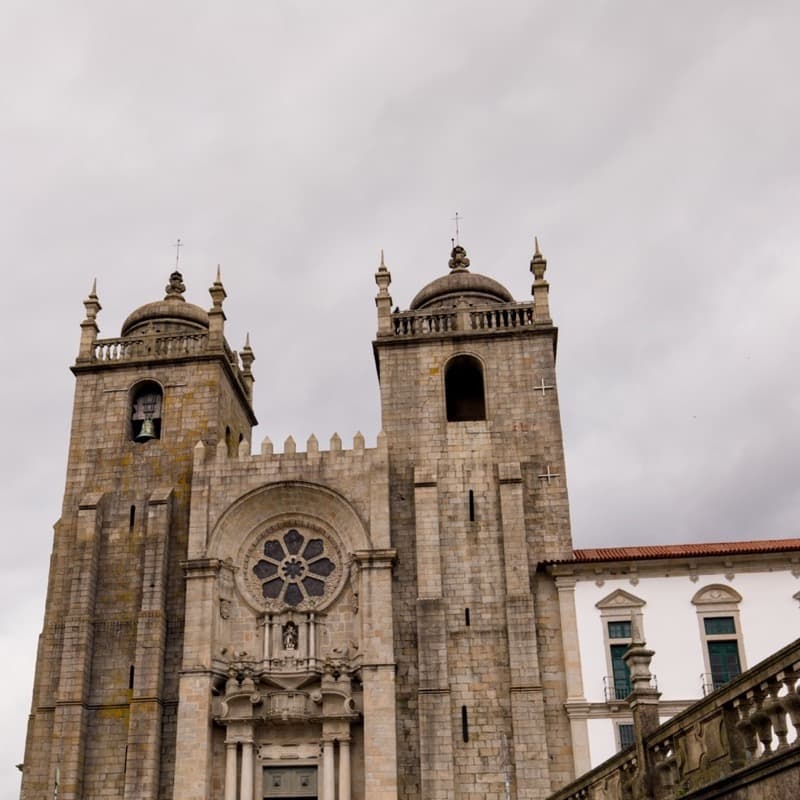
Porto Cathedral rises on the Terreiro da Sé, in the historic heart of the city, as a Romanesque-Gothic cathedral marked by successive transformations. Classified as a National Monument in 1910, it preserves traces of the Romanesque building begun in the first half of the 12th century and continued until the early 13th century. Its fortress-church silhouette, with a façade flanked by two towers, battlements and a rose window, reveals the austere strength of the medieval construction. The building received Mannerist and Baroque alterations, among them the lateral galilee of 1736, by Nicolau Nasoni, facing the city. The Gothic cloister, associated with the time of King João I, contains 18th-century tile panels. Between ancient stone, gilded woodcarving and open views over Porto, the Cathedral shows the city’s religious, artistic and urban continuity.

Sé de Lisboa4.4

Sé de Lisboa

Church • Lisboa, Lisboa

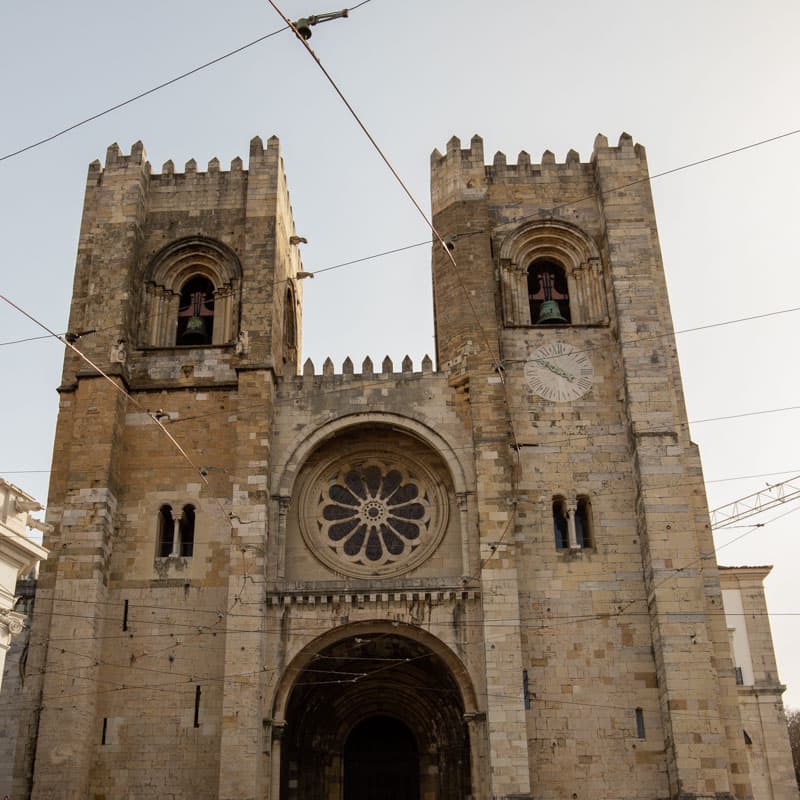
Between Alfama and the Baixa, Lisbon Cathedral seems to gather whole centuries of the city into a single building. Construction began in 1147, just after the Christian conquest of Lisbon, and the Romanesque church changed over time with the same upheavals that shaped the capital itself. To the Gothic cloister commissioned by King Dinis was added, in the fourteenth century, the ambulatory chevet ordered by Afonso IV to receive pilgrims coming to venerate the relics of Saint Vincent, a rare solution that still sets the cathedral apart. The 1755 earthquake destroyed important parts of the complex, and the restorations of the twentieth century gave it the Neo-Romanesque appearance we know today, with the rose window and twin towers dominating the square. Inside, medieval stone lives alongside traces of other periods; and in the baptistry, one is reminded that Saint Anthony was baptised here, a detail that links the Sé not only to Lisbon’s history, but also to its most intimate devotion.

Museu Igreja de São Roque4.5

Museu Igreja de São Roque

Church • Lisboa, Lisboa

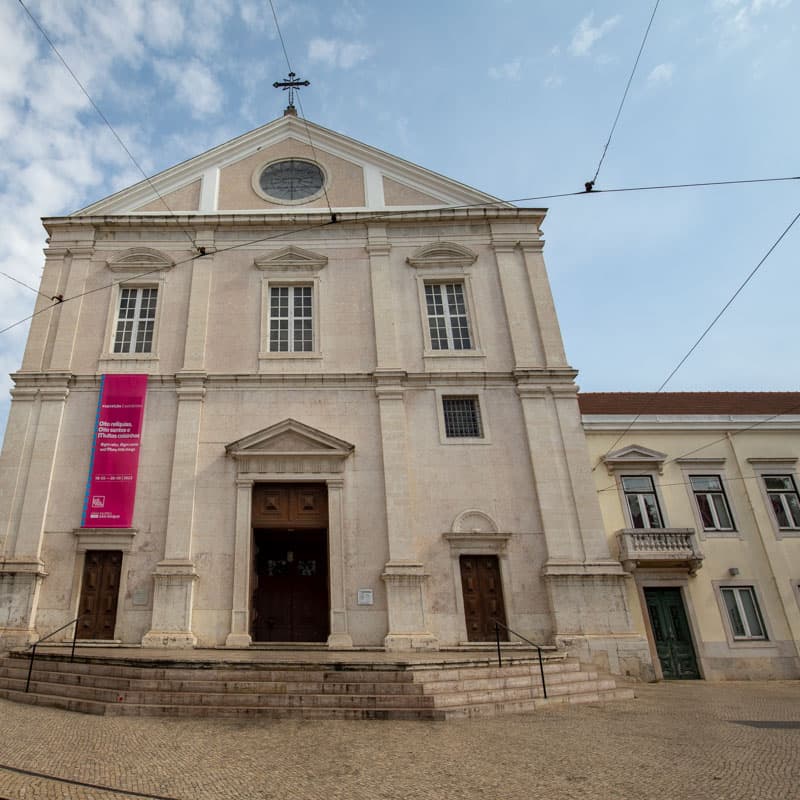
In Bairro Alto, the Church and Museum of São Roque show how a sober façade can conceal one of Lisbon’s greatest artistic surprises. Linked to the former Jesuit professed house, the church was the first Jesuit church in Portugal and one of the rare buildings in the city to survive the 1755 earthquake almost intact. Its single nave, designed for preaching, opens onto richly decorated side chapels filled with Mannerist tiles, painting and gilded woodwork. The most famous is the Chapel of St John the Baptist, commissioned by King João V in Rome, blessed by Pope Benedict XIV and brought to Lisbon in three ships, in an episode that gives the site an unexpectedly European scale. Next door, the São Roque Museum, founded in 1905, extends the visit with sacred art, objects from Asia and the treasure connected to the chapel, showing how faith, power and global circulation also shaped this Lisbon hill.

Convento de São Pedro de Alcântara4.6

Convento de São Pedro de Alcântara

Convent • Lisboa, Lisboa

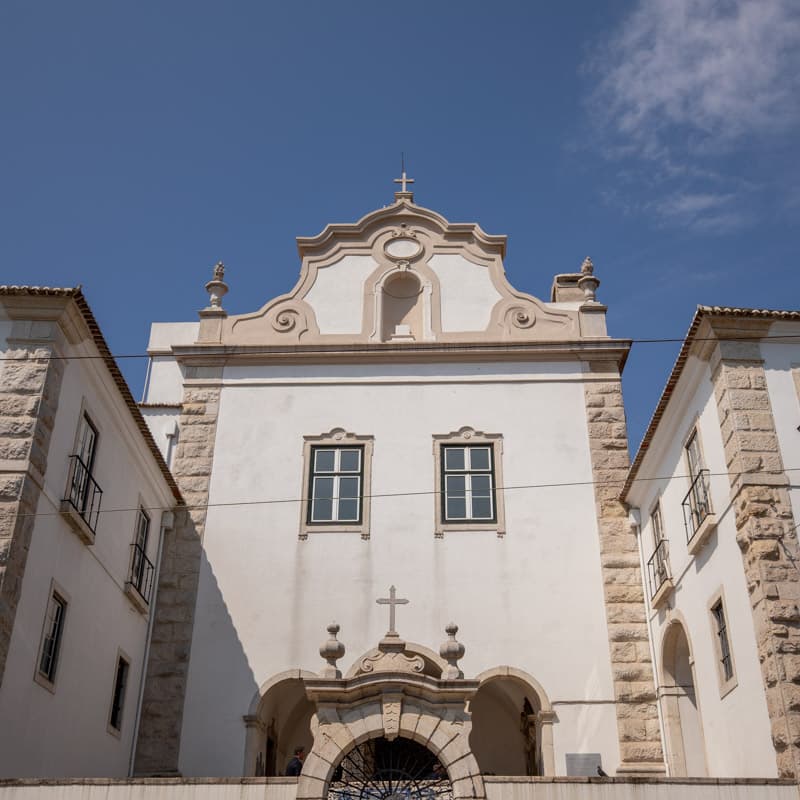
In Bairro Alto, the Convent of São Pedro de Alcântara preserves the memory of a war vow turned into architecture. It was founded in the seventeenth century by António Luís de Meneses, first Marquis of Marialva, after the Battle of Montes Claros, and entrusted to the Arrábidos, the most austere branch of the Franciscan family. The 1755 earthquake destroyed almost the whole complex, but the rebuilding begun in 1783 left a church where the Baroque speaks through gilded woodwork, monochrome eighteenth-century tiles and ceiling frescoes. There is also a rarer surprise: the Chapel of the Lencastres, added to the complex between 1686 and 1692, celebrated for its refined decoration and polychrome marbles. After the extinction of the religious orders, the convent passed to the Santa Casa da Misericórdia de Lisboa, which gave it new uses. Between courtyards, stairways and silence, the building shows how Lisbon rebuilt its memory without freezing it in place.

Igreja de São Vicente de Fora4.6

Igreja de São Vicente de Fora

Convent • Lisboa, Lisboa

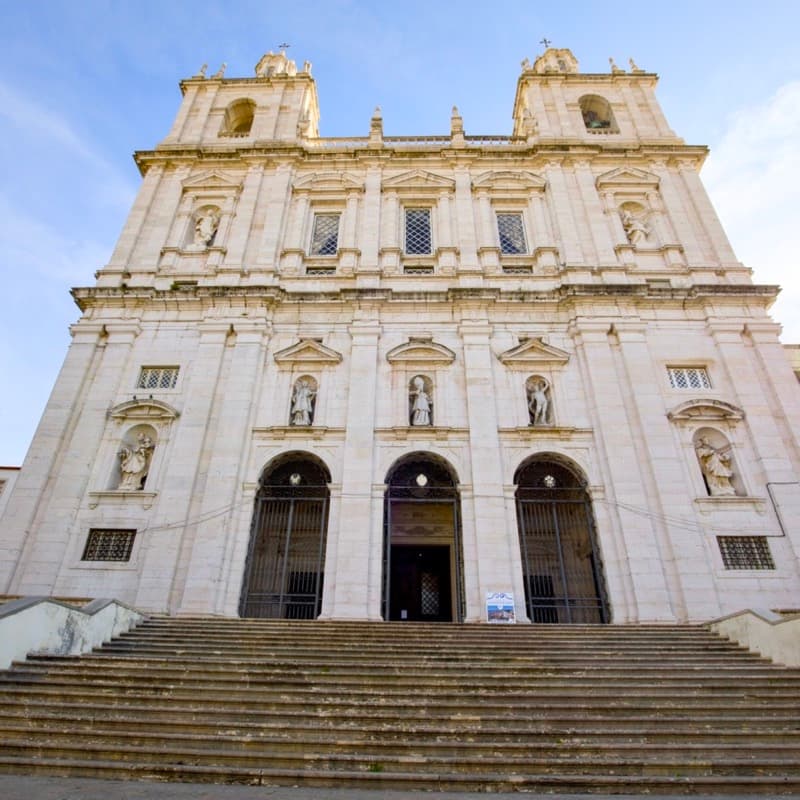
In Largo de São Vicente, in Lisbon, the Church of São Vicente de Fora stands as one of the great architectural statements of the Philippine period. The origin of the complex dates back to 1147, when King Afonso Henriques ordered the foundation, outside the city walls, of a monastery dedicated to Saint Vincent, after the conquest of the city. The reconstruction of the church and monastery advanced at the beginning of the reign of Philip I, with work associated with Juan de Herrera, Filipe Terzi and Baltazar Álvares. The sober façade, with two towers integrated into the frontispiece, announces an interior with a single nave, transept and deep chancel, covered by a barrel vault with coffers. The crossing lost its dome in the 1755 earthquake. In the 17th and 18th centuries, the complex received inlaid marbles and tile panels. Classified as a National Monument since 1910, the church preserves a severe and monumental presence on the hill of São Vicente.

Igreja da Graça4.6

Igreja da Graça

Church • Lisboa, Lisboa

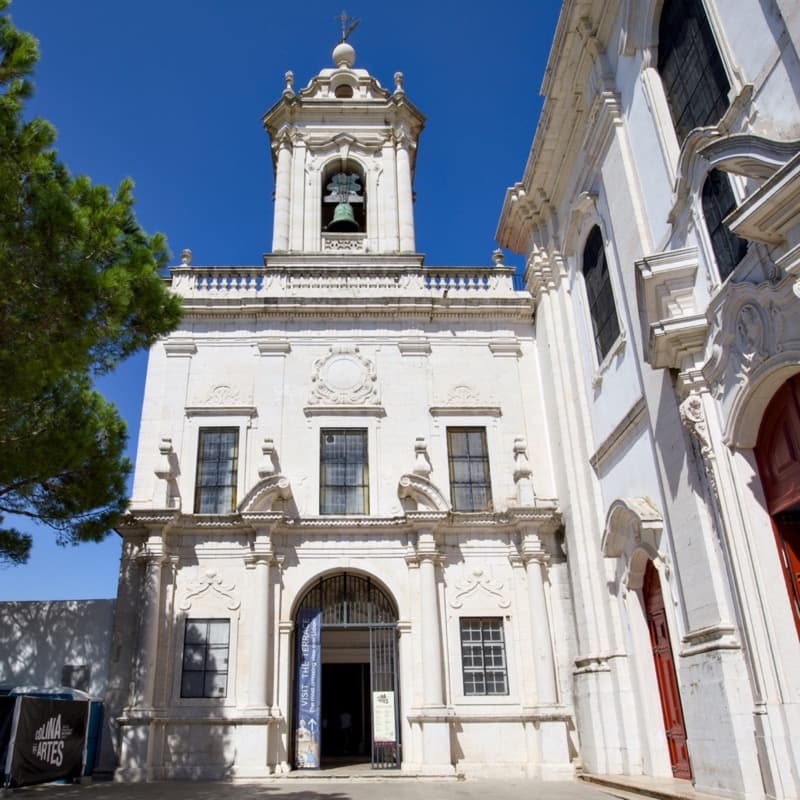
High on Graça hill, in Lisbon, the Church of Graça and the former Convent of Nossa Senhora da Graça preserve a history that spans more than seven centuries. Construction of the convent began in 1271, for the shod hermit friars of Saint Augustine, under the patronage of King Afonso III. The complex was rebuilt in the 16th century and suffered severe ruin in the 1755 earthquake, before being reconstructed with the late-Baroque character that marks the church today. The double façade brings together the church and the former convent entrance, above which rises the bell tower, dated 1738. Inside, the Rococo gilded-wood altars, tiles from several centuries and 18th-century sculptures stand out. The sacristy preserves Baroque decoration, the tomb of D. Mendo de Fóios and the allegorical ceiling by Pedro Alexandrino de Carvalho. The complex is classified as a National Monument.

Igreja de Santos-o-Velho4.5

Igreja de Santos-o-Velho

Church • Lisboa, Lisboa

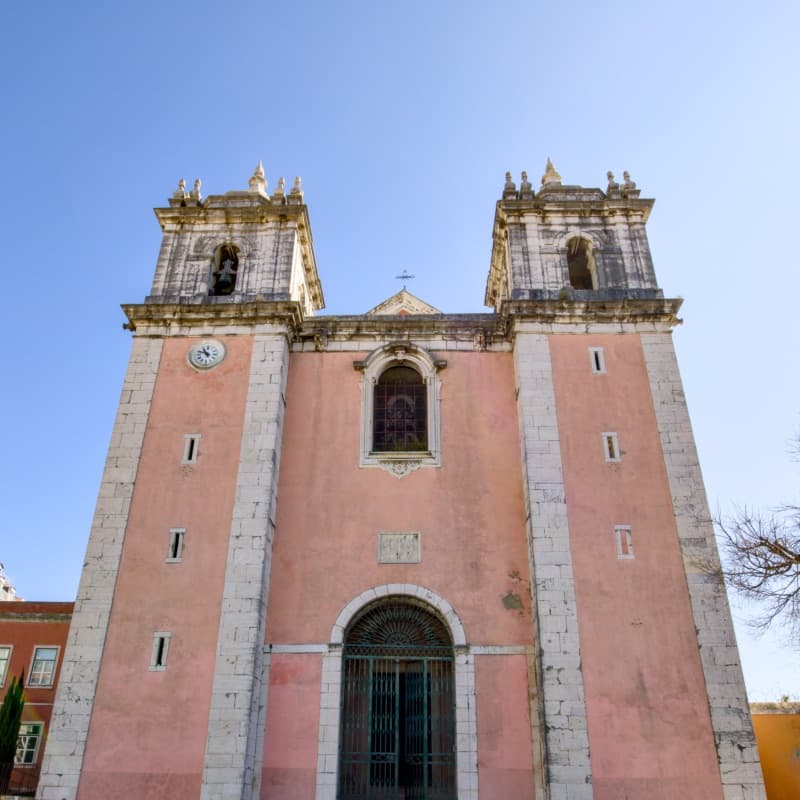
The Church of Santos-o-Velho, in Lisbon, holds a very ancient religious memory, associated with the Holy Martyrs Veríssimo, Máxima and Júlia. Municipal sources refer to remains on the site of a presumed Late Roman temple from the 4th century; in 1147, after the conquest of the city, King Afonso Henriques ordered a new church to be built there. The parish was established in 1566 by Cardinal Henrique, and the church was built during the reign of King Sebastião. Its present appearance results mainly from reconstructions carried out in the 17th and 19th centuries. The façade, flanked by two bell towers, opens through a portal with a relief of the martyrs and leads to a galilee. Inside the single nave, the false wooden barrel vault stands out, decorated with 72 painted and gilded panels on the Eucharist. Side chapels, a choir resting on corbels and a stucco chancel complete a space where devotion, memory and art overlap in discreet layers.

Igreja de Nossa Senhora da Conceição Velha4.6

Igreja de Nossa Senhora da Conceição Velha

Church • Lisboa, Lisboa

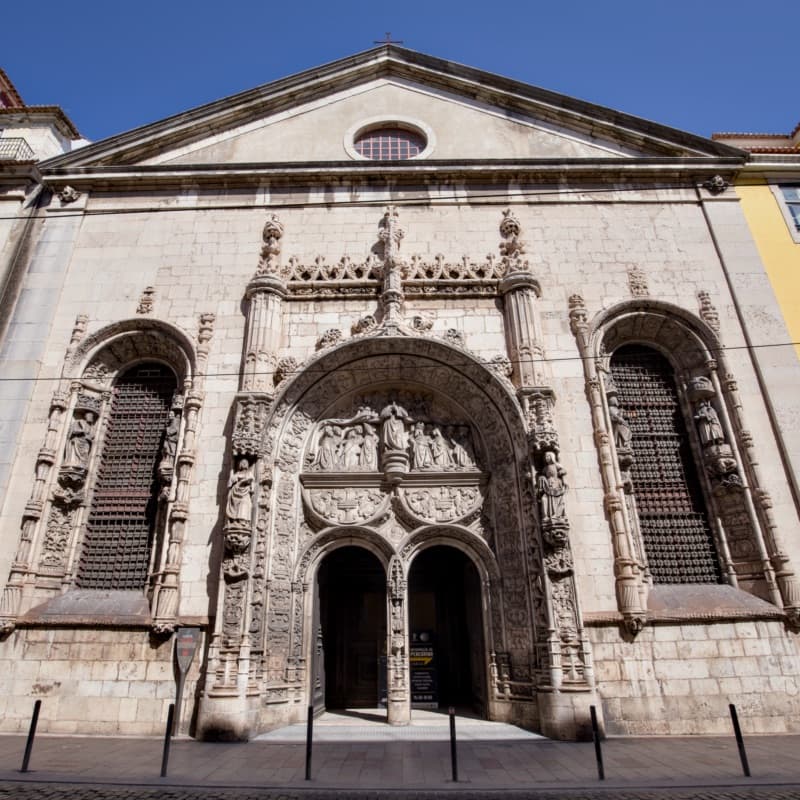
The Church of Nossa Senhora da Conceição Velha, in Lisbon, concentrates the memory of several churches in a single façade. The present building was born from the Pombaline reconstruction of the former Church of the Misericórdia, destroyed by the 1755 earthquake. That church had been the seat of the country’s first Misericórdia, a confraternity instituted in 1498 on the initiative of Queen Leonor and Frei Miguel Contreiras. In the 1770 rebuilding, led by Francisco António Ferreira with the collaboration of Honorato José Correia, surviving elements of the Manueline construction were incorporated. For this reason, the exterior preserves a richly ornamented portal, with a mullioned arch, armillary sphere, cross of the Order of Christ and a tympanum where Our Lady of Mercy shelters kneeling figures beneath her mantle. Inside the single nave, side chapels, tiles, 18th-century stucco and gilded woodwork extend the dialogue between devotion, catastrophe and reconstruction.

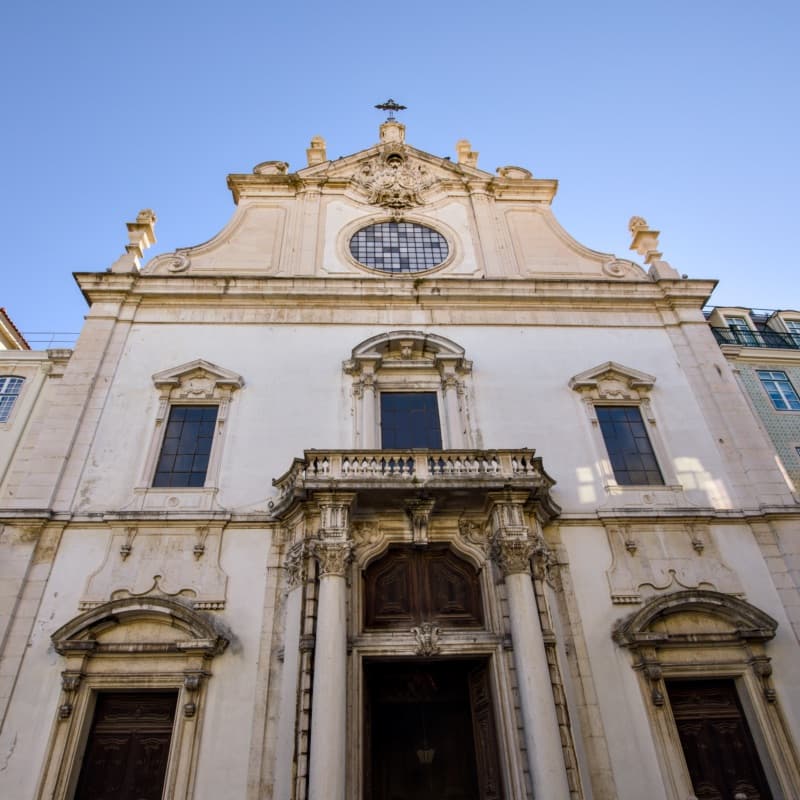
Igreja de São Domingos4.6

Igreja de São Domingos

Church • Lisboa, Lisboa

The Church of São Domingos, in Lisbon, is a place where history can be seen in stones marked by fire. The first stone was laid in 1241, in the former Dominican convent, and the building passed through successive building campaigns. Classified as a National Monument since 1918, it saw its chancel reformed in 1748 by João Frederico Ludovice; this would be the area spared by the 1755 earthquake. The later reconstruction, associated with Manuel Caetano de Sousa, incorporated the portal and balcony that came from the Royal Chapel of the Ribeira Palace. The Baroque church, with a Latin-cross plan and a single nave, preserves an interior scale marked by monumental columns and the polychromy of its marbles. On 13 August 1959, a fire destroyed much of the interior. Reopened in 1994, it keeps those marks visible, turning loss into material memory.

Showing 24 places. Use the filters or map to continue exploring.

Get the app

Take LxDiscover with you

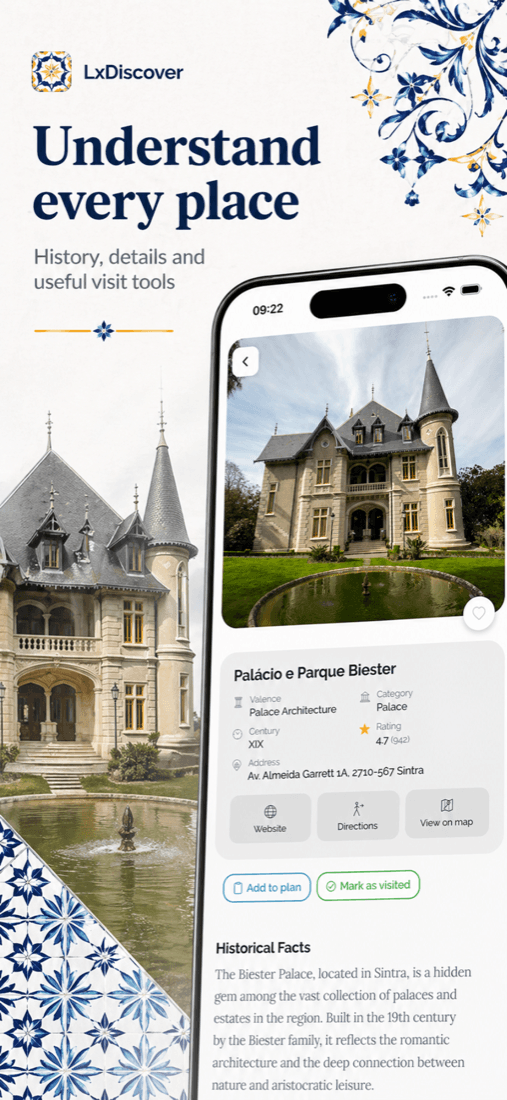
Explore Portugal with a cultural guide for monuments, museums, gardens, palaces, viewpoints, and historic places in Lisbon, Porto, Sintra, and other regions.

Use the map, follow cultural routes, read editorial context, save places, and track your visits with the visit passport.

Free features

  • Interactive map to discover places of interest
  • Detailed information about monuments, museums, and cultural sites
  • Favorites for the places you want to visit
  • Selected routes to start exploring

Premium subscription

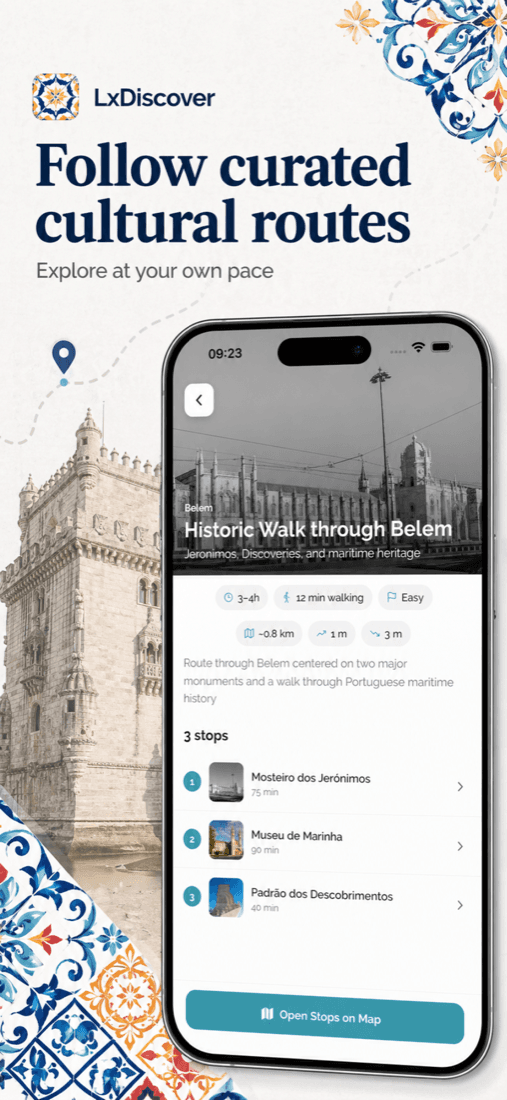
  • Curated routes with ordered stops, duration, and difficulty
  • Thematic collections with editorial context for each area
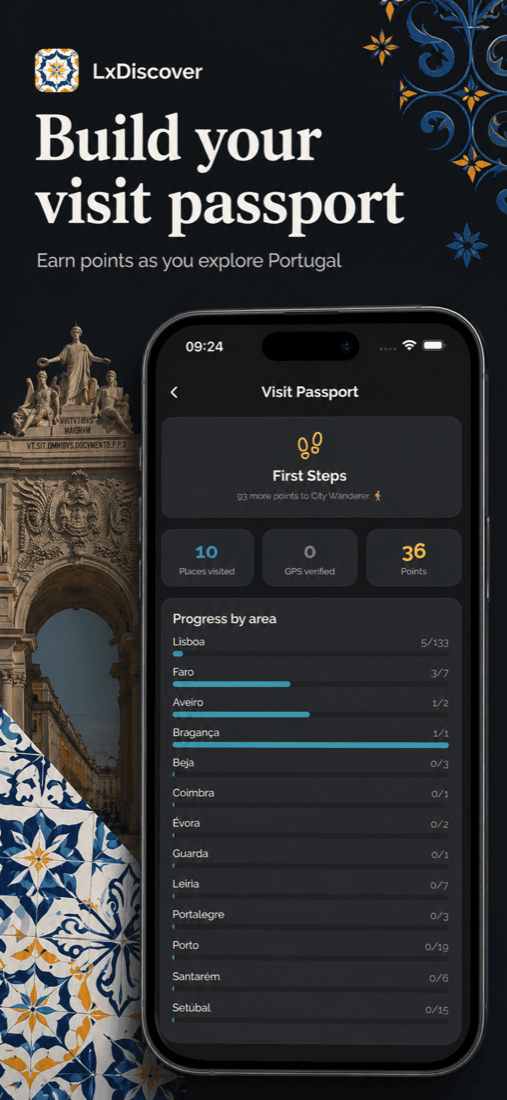
  • Visit passport for progress, visited places, and achievements
  • Advanced map, planning, and proximity alert tools
LxDiscover map screen
LxDiscover routes screen
LxDiscover visit passport screen