
Lisbon

Lisbon Monuments

Lisbon's monumental heritage tells a single, ambitious story: the wealth of a small Atlantic kingdom that once reached India, Brazil and the Pacific. The city's most iconic monuments cluster in two zones. Belém, where the Tagus meets the Atlantic, holds the Manueline masterpieces — Jerónimos Monastery and Torre de Belém — built from the spice money brought back by Vasco da Gama. Inland and uphill, the Castelo de São Jorge crowns the medieval city, while the triumphal Arco da Rua Augusta marks the post-earthquake Pombaline rebuild that gave Lisbon its grid downtown.

Beyond the famous five, lesser-known monumental sites are worth the detour: the Aqueduto das Águas Livres, which carried clean water across 14 kilometres of valley; the Igreja de São Vicente de Fora with its royal pantheon; and the Padrão dos Descobrimentos, a 1960 limestone tribute to the navigators carved into the riverbank.

Visit them in any order — Lisbon's monuments don't sit on a single tourist trail. The LxDiscover app maps each site, links it to nearby cultural places, and tells you what to look for once you arrive.

Selected editorial picks · 8 places

Get the app
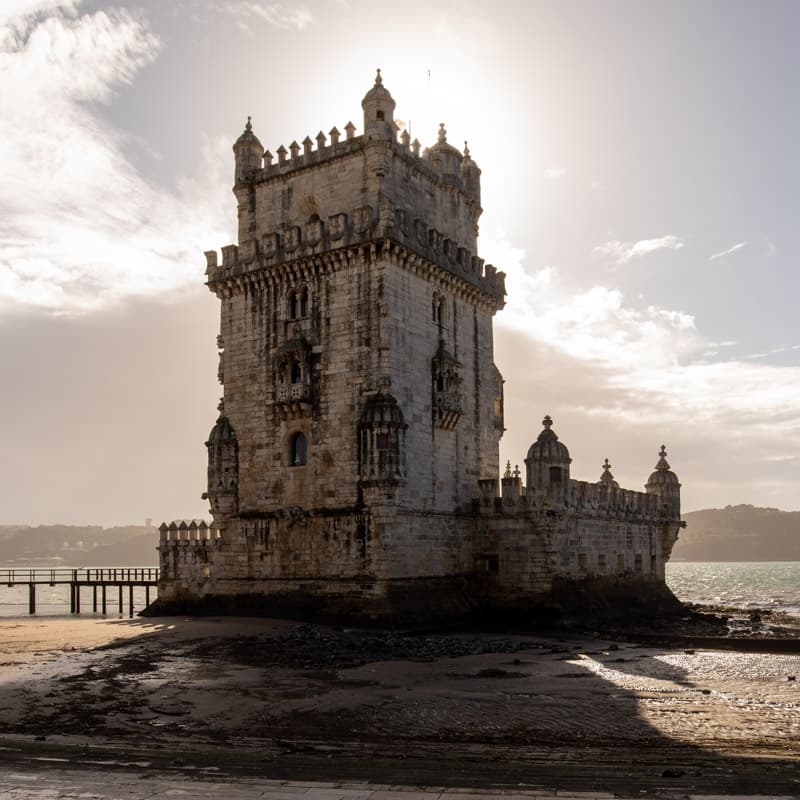
Torre de Belém4.5

Torre de Belém

Monument • Lisboa, Lisboa

Belém Tower has the grace of a Manueline jewel and the firmness of a fortress built to guard the entrance to the Tagus. Raised in the reign of King Manuel the First, from 1514 onwards, and designed by Francisco de Arruda, it grew closely tied to the port of Lisbon, Jerónimos Monastery and the imagination of the Discoveries. Its form combines a medieval-looking tower with a modern bulwark, while the exterior is covered with ropes, knots, armillary spheres, crosses of the Order of Christ and other motifs that make the stone feel almost like lace. It is worth lingering over the balcony facing the river and one surprising detail: the small rhinoceros carved into one of the façades. From above, the Tagus and Belém come into sharper focus. It then becomes clear why this tower has become one of Lisbon’s great symbols and a UNESCO World Heritage site.
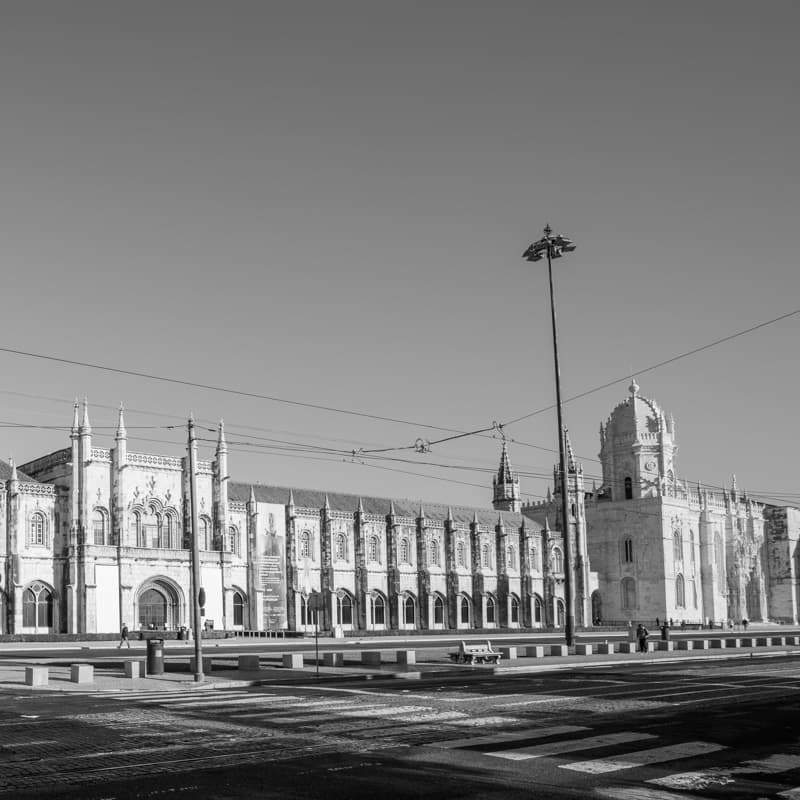
Mosteiro dos Jerónimos4.5

Mosteiro dos Jerónimos

Monastery • Lisboa, Lisboa

On the edge of the Tagus, Jerónimos Monastery seems to turn into stone the moment when Lisbon opened itself to the world. Commissioned by King Manuel the First at the end of the fifteenth century, beside Restelo, where ships and caravels set out, it was entrusted to the monks of Saint Jerome, who were meant to pray for the king and offer spiritual support to navigators. Work began in fifteen hundred and one and continued for about a century, leaving one of the finest examples of the Manueline style, exuberant yet precise, filled with royal, Christian and natural symbols. During a visit, it is worth slowing down in the sixteenth-century cloister and before the south portal, where the sculpture seems almost like lace in stone. In the church lie Vasco da Gama and Luís de Camões, a detail that deepens the monument’s bond with the country’s maritime and literary memory. Few places tell Portugal’s story with such clarity and beauty.

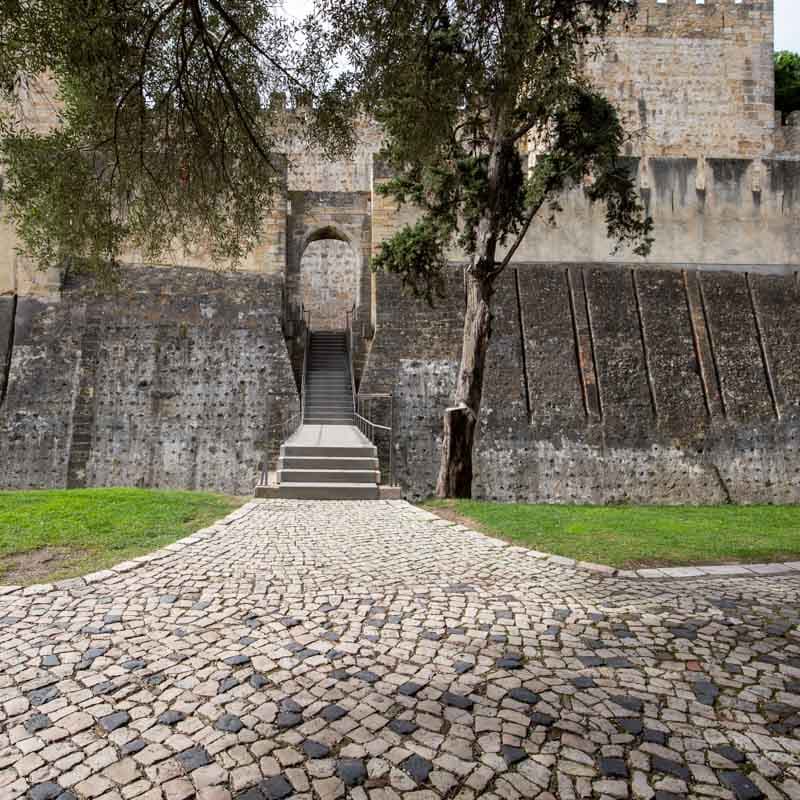
Castelo de S. Jorge4.5

Castelo de S. Jorge

Castle • Lisboa, Lisboa

Rising from the highest point of old Lisbon, São Jorge Castle seems to gather almost the whole biography of the city into one place. The hill had been occupied since very early times, but the fortification we recognise today took shape in the Islamic period, as the last defensive stronghold of the citadel. After the conquest of 1147 by Afonso Henriques, the castle entered its brightest age: it became a royal palace, housed the court, the royal archive and major ceremonies, and from here the city’s rooftops, estuary and gateways could be watched over. When the royal residence moved down to the riverside, the complex lost its central role, was turned to military use and suffered after the 1755 earthquake, before being rediscovered in the great restoration campaigns of the twentieth century. Today, among walls, archaeological remains and the Camera Obscura in the Tower of Ulysses, it remains a rare place to understand Lisbon in layers, between stone, memory and horizon.

Arco Triunfal da Rua Augusta4.7

Arco Triunfal da Rua Augusta

Arch • Lisboa, Lisboa

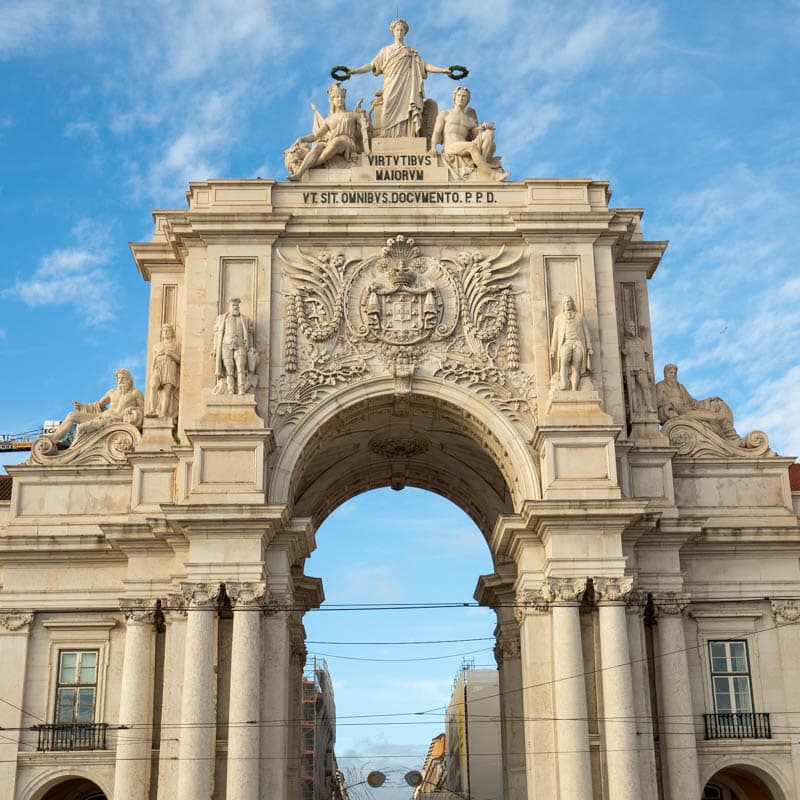
More than a monumental entrance, the Rua Augusta Triumphal Arch is the great symbolic gateway to the Lisbon that rose again after the 1755 earthquake. Conceived in the context of the Pombaline reconstruction, it took more than a century to reach its final form, and that delay says much about the city’s slow reinvention. At the top, Glory crowns Genius and Valour; below, figures such as Vasco da Gama, Viriato, Nuno Álvares Pereira and the Marquis of Pombal turn the monument into a statement of memory and power. It is also worth noticing the Latin inscription, dedicated to the virtues of the ancients, and the way the arch frames the Baixa, Praça do Comércio and the Tagus. Seen up close, it impresses with its scale and sculptural relief; seen from above, it offers one of the clearest readings of the Pombaline plan and of Lisbon’s deep bond with the river.

Padrão dos Descobrimentos4.6

Padrão dos Descobrimentos

Monument • Lisboa, Lisboa

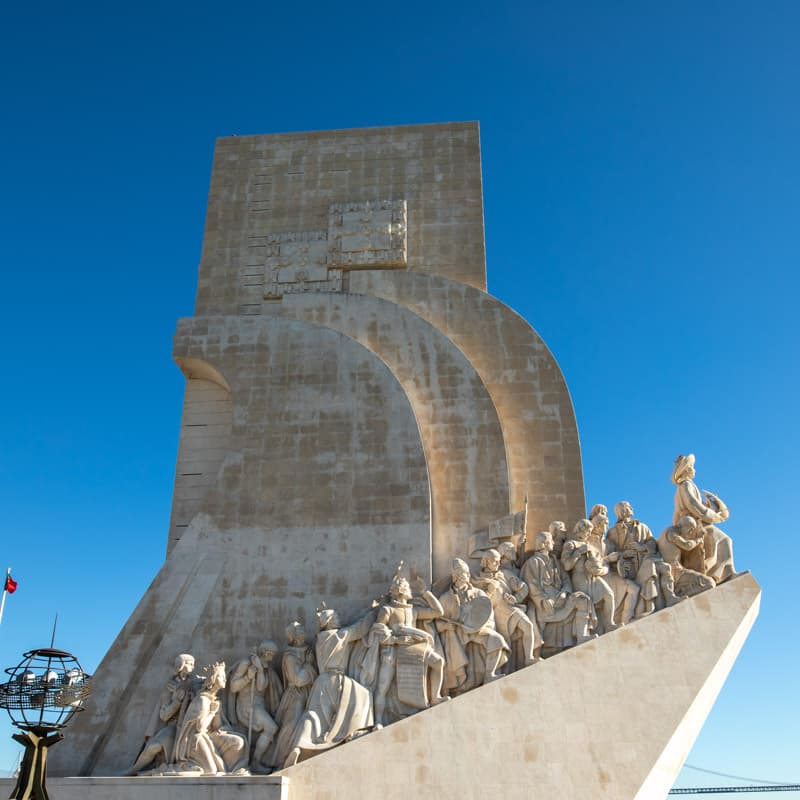
Facing the Tagus, the Monument to the Discoveries has the theatrical force of a ship ready to depart, yet it speaks as much about Portuguese memory in the twentieth century as about the voyages of the fifteenth and sixteenth centuries. It was first built as an ephemeral structure for the Portuguese World Exhibition of 1940 and rebuilt in 1960, for the fifth centenary of the death of Prince Henry the Navigator, the figure who advances at the prow of this stone caravel. Behind him come navigators, cartographers, missionaries and men of culture, in a sculptural procession conceived by Cottinelli Telmo and Leopoldo de Almeida. It is worth seeing the monument from a distance, to feel its scale and forward thrust, and then noticing the Compass Rose on the ground, a gift from South Africa. From the viewpoint, the panorama over Belém, the Tagus and the monumental riverfront helps explain why this is a place where landscape, history and memory meet with rare clarity.

Aqueduto das Águas Livres4.5

Aqueduto das Águas Livres

Aqueduct • Lisboa, Lisboa

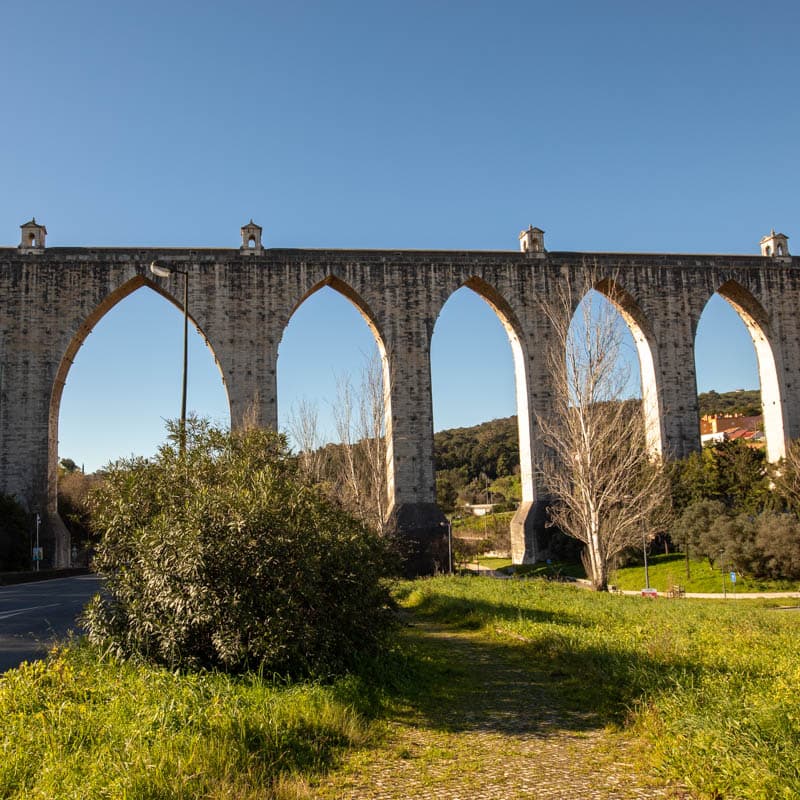
More than a monumental work, the Águas Livres Aqueduct is Lisbon’s grand answer to an old problem: the lack of water. Commissioned by King João V in 1731, the system brought into the city water collected in the Belas area and, throughout the eighteenth century, supplied reservoirs, galleries and fountains that transformed urban life. Its most famous stretch is the one crossing the Alcântara valley: 35 arches over 941 metres, with the largest pointed stone arch in the world, so solid that it survived the earthquake of 1755. During a visit, what impresses most is not ornament but the intelligence of the engineering and the feeling of walking suspended above Lisbon. Between the austerity of the stonework, the scale of the valley and the memory of water entering the capital, it becomes clear why this is one of the city’s most extraordinary monuments.

Palácio Nacional da Ajuda4.7

Palácio Nacional da Ajuda

Palace • Lisboa, Lisboa

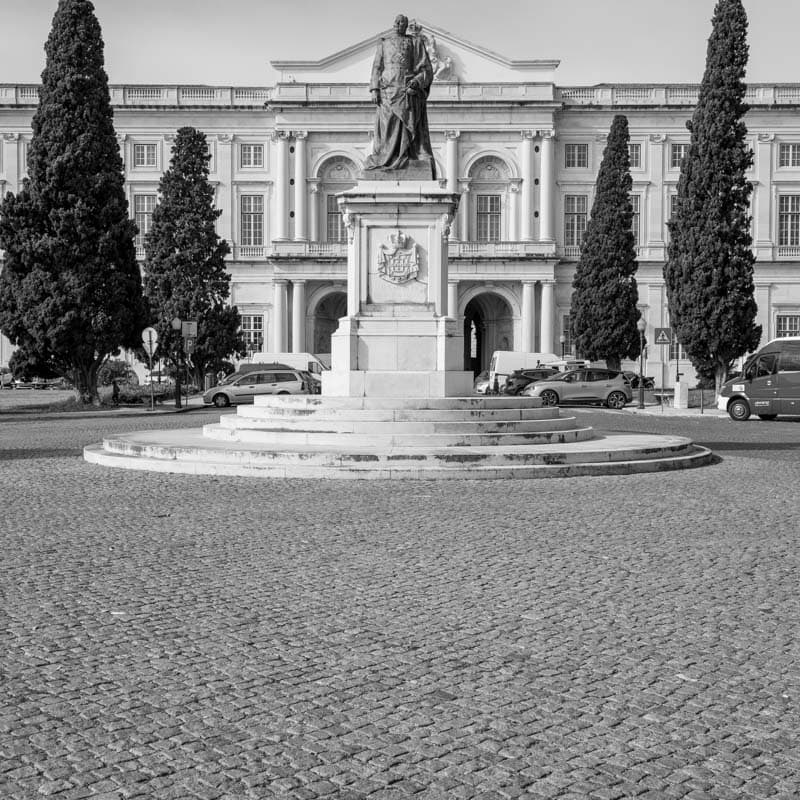
High on Ajuda hill, this neoclassical palace speaks less of completed triumph than of ambition, interruption and endurance. Conceived at the start of the nineteenth century to replace the wooden Real Barraca built after the earthquake, it was never fully finished, held back by the court’s departure to Brazil and by repeated financial difficulties. Even so, it became the royal family’s official residence from the reign of King Luís the First, and it was under Queen Maria Pia that it gained the domestic and ceremonial brilliance still felt in its interiors today. During a visit, it is worth lingering in the Throne Room, the state salons and the private apartments, because few places in Lisbon preserve so authentically the taste and protocol of nineteenth-century court life. Between its view over the Tagus, its splendour and its intimacy, Ajuda National Palace leaves the rare impression of a royal home suspended in time, made even more compelling by the fact that it was never entirely completed.

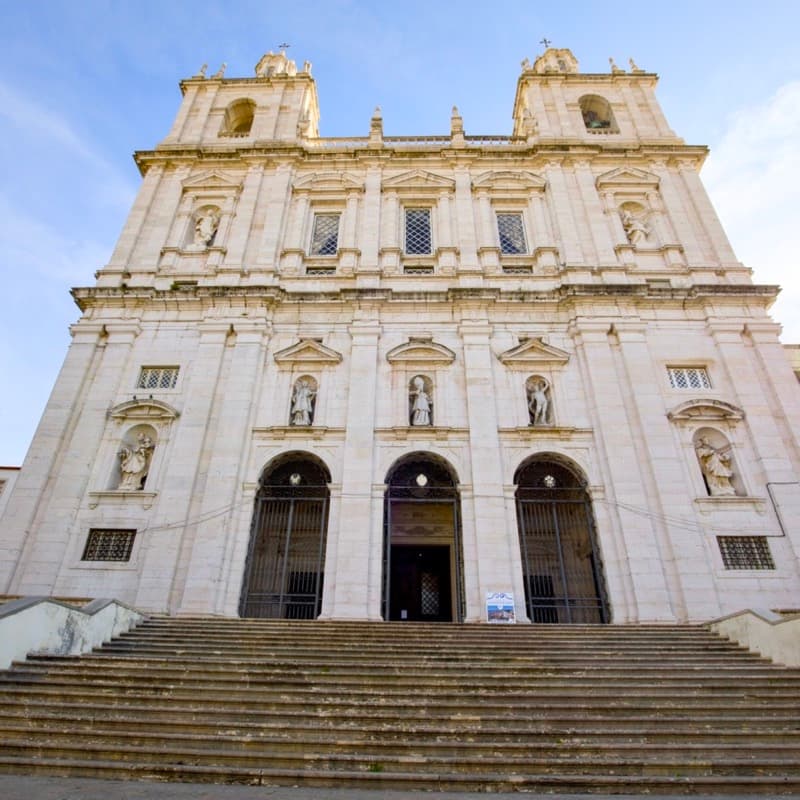
Igreja de São Vicente de Fora4.6

Igreja de São Vicente de Fora

Convent • Lisboa, Lisboa

In Largo de São Vicente, in Lisbon, the Church of São Vicente de Fora stands as one of the great architectural statements of the Philippine period. The origin of the complex dates back to 1147, when King Afonso Henriques ordered the foundation, outside the city walls, of a monastery dedicated to Saint Vincent, after the conquest of the city. The reconstruction of the church and monastery advanced at the beginning of the reign of Philip I, with work associated with Juan de Herrera, Filipe Terzi and Baltazar Álvares. The sober façade, with two towers integrated into the frontispiece, announces an interior with a single nave, transept and deep chancel, covered by a barrel vault with coffers. The crossing lost its dome in the 1755 earthquake. In the 17th and 18th centuries, the complex received inlaid marbles and tile panels. Classified as a National Monument since 1910, the church preserves a severe and monumental presence on the hill of São Vicente.

Related guides

Take the LxDiscover App with you

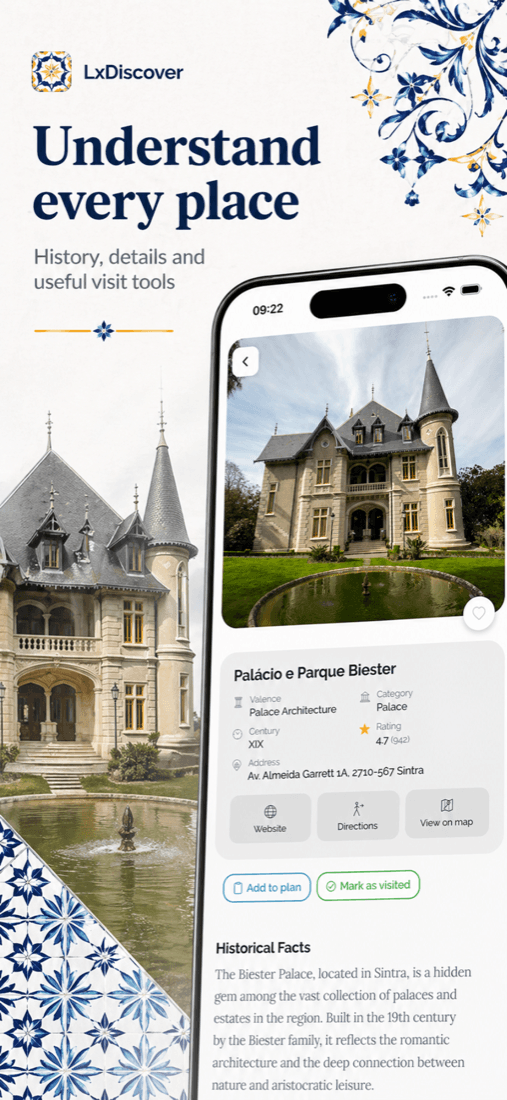
Explore Portugal with a cultural guide for monuments, museums, gardens, palaces, viewpoints, and historic places in Lisbon, Porto, Sintra, and other regions.

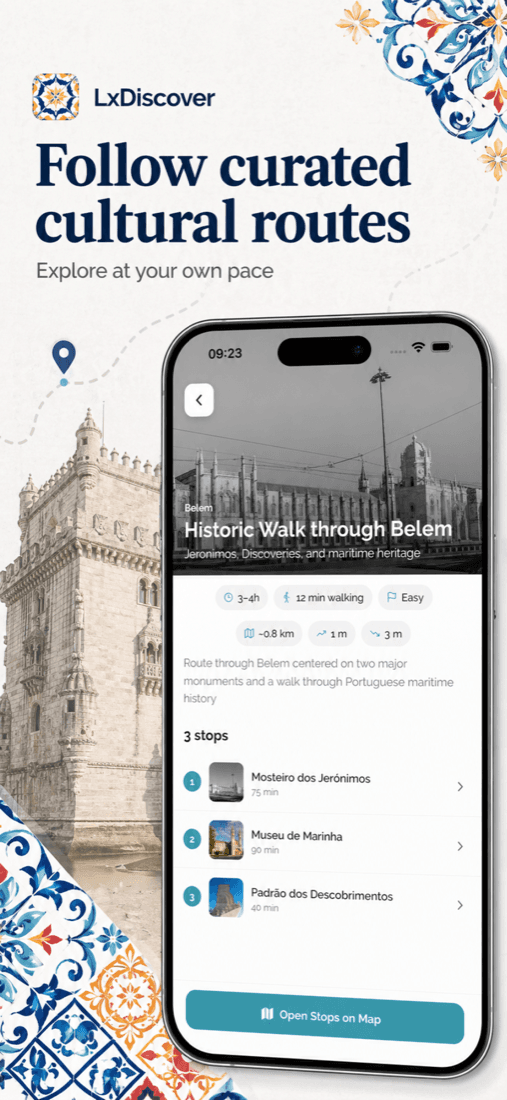
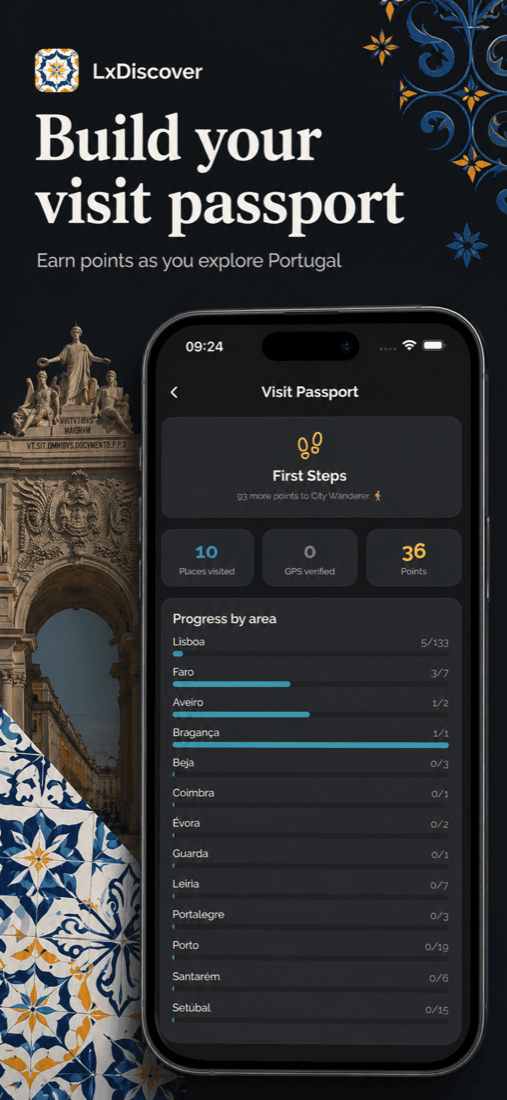
Use the map, follow cultural routes, read editorial context, save places, and track your visits with the visit passport.

Free features

  • Interactive map to discover places of interest
  • Detailed information about monuments, museums, and cultural sites
  • Favorites for the places you want to visit
  • Selected routes to start exploring

Premium subscription

  • Curated routes with ordered stops, duration, and difficulty
  • Thematic collections with editorial context for each area
  • Visit passport for progress, visited places, and achievements
  • Advanced map, planning, and proximity alert tools
LxDiscover map screen
LxDiscover routes screen
LxDiscover visit passport screen