Lisbon

Lisbon Museums

Lisbon has one of the densest concentrations of museums in southern Europe — more than sixty institutions covering everything from early modern painting to puppet-making, from the African Atlantic to the history of medicine. The collections are mostly the result of two impulses: royal collecting from the 16th to 19th centuries, and republican reorganisation after 1910, when the new state pulled together holdings from dissolved monasteries, royal palaces and private bequests into national museums.

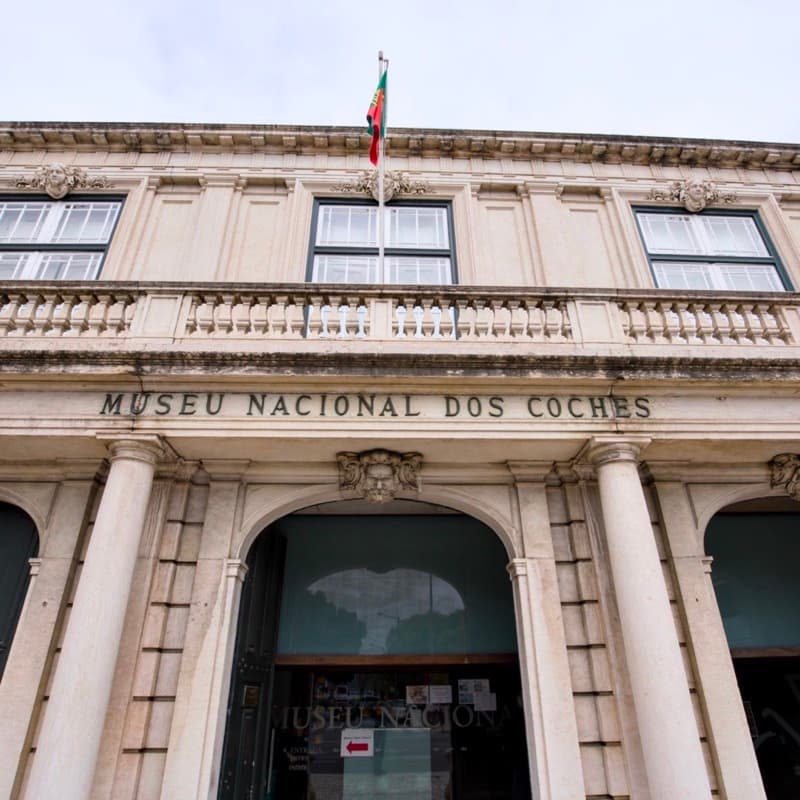
The unmissable cluster is in Belém — Museu Nacional dos Coches with its royal carriages, Museu de Marinha telling the maritime story, MAAT Central in a converted electricity plant — but the strongest single collection in the city remains the Museu Nacional de Arte Antiga, an unhurried walk through six centuries of Portuguese painting and the European masters acquired alongside them.

Other essentials: Museu Nacional do Azulejo for the tile tradition that defines the city visually; Museu do Oriente for the imperial Asian story; the Museu Nacional de História Natural for natural sciences in an early-20th-century building. Smaller museums are often more memorable: marionettes, money, costume, theatre and dance, ancient archaeology. The LxDiscover app lists each museum's location and editorial context.

61 places

Get the app
Palácio Nacional da Ajuda4.7

Palácio Nacional da Ajuda

Palace • Lisboa, Lisboa

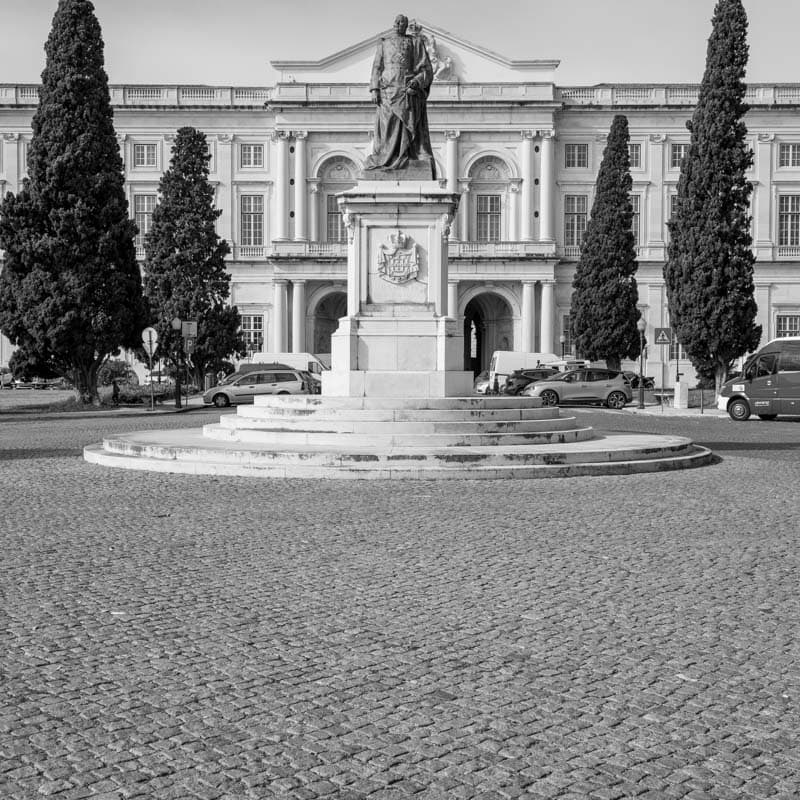
High on Ajuda hill, this neoclassical palace speaks less of completed triumph than of ambition, interruption and endurance. Conceived at the start of the nineteenth century to replace the wooden Real Barraca built after the earthquake, it was never fully finished, held back by the court’s departure to Brazil and by repeated financial difficulties. Even so, it became the royal family’s official residence from the reign of King Luís the First, and it was under Queen Maria Pia that it gained the domestic and ceremonial brilliance still felt in its interiors today. During a visit, it is worth lingering in the Throne Room, the state salons and the private apartments, because few places in Lisbon preserve so authentically the taste and protocol of nineteenth-century court life. Between its view over the Tagus, its splendour and its intimacy, Ajuda National Palace leaves the rare impression of a royal home suspended in time, made even more compelling by the fact that it was never entirely completed.
Centro Cultural de Belém4.6

Centro Cultural de Belém

Cultural Centre • Lisboa, Lisboa

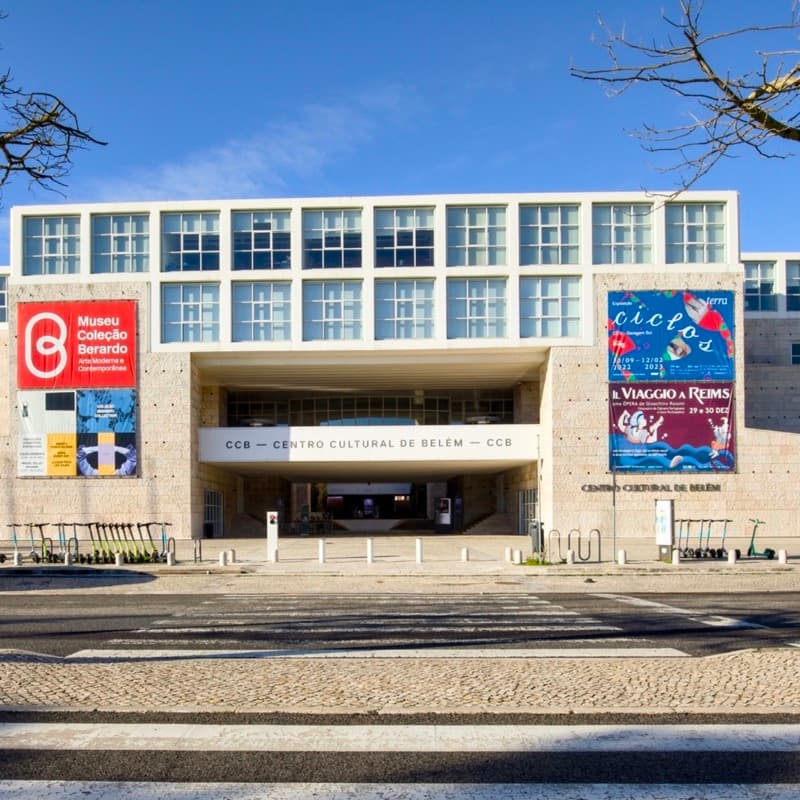
Among Belém’s great historic symbols, the Belém Cultural Centre marks the moment when Lisbon decided to inscribe its modernity too into the city’s monumental landscape. Its construction was decided in 1988, in the context of Portugal’s European presidency in 1992, and the project by Vittorio Gregotti and Manuel Salgado imagined a kind of open city, made of buildings, streets, squares and bridges, in dialogue with Praça do Império, the Jerónimos Monastery and the Tagus. During a visit, it is worth exploring the outdoor spaces as much as the auditoriums and exhibition rooms, because the CCB is not understood only from within: it also lives in the light, the voids and the relationship between pale stone and the river. Today, listed as a Monument of Public Interest, it remains one of the places where Lisbon shows, with remarkable ease, that contemporary architecture can also create memory.

Museu do Dinheiro4.6

Museu do Dinheiro

Museum • Lisboa, Lisboa

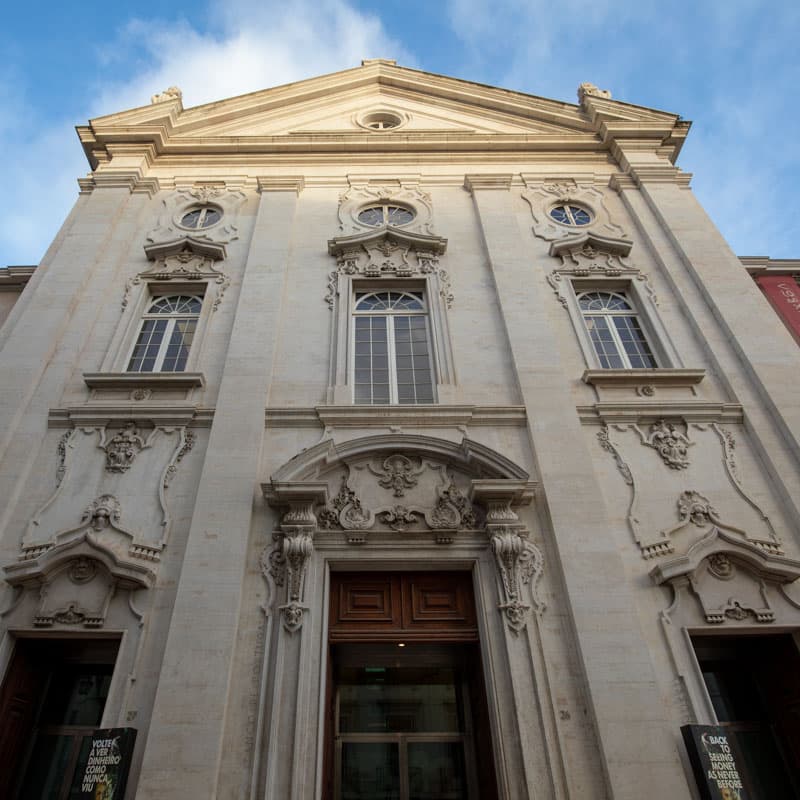
Set inside the former church of Saint Julian, the Money Museum is one of those places where Lisbon reveals itself in layers. Open to the public since 2016, it occupies a building restored as part of the rehabilitation of the Bank of Portugal’s headquarters, and that long biography gives depth to a museum devoted to money, its history and the ways people exchange value. Along the route, coins, banknotes, machines and multimedia displays show how money has shaped trade, power and everyday life, without losing sight of the human scale. Yet two details make the visit especially memorable: the Wall of King Dinis, preserved within the museum, and the gold bar that visitors can touch. Between medieval remains, the old nave of Saint Julian and contemporary museography, the place achieves something rare: it speaks about economics without coldness and shows that behind every coin there is always a story of city, power and imagination.

Museu da Marioneta4.6

Museu da Marioneta

Museum • Lisboa, Lisboa

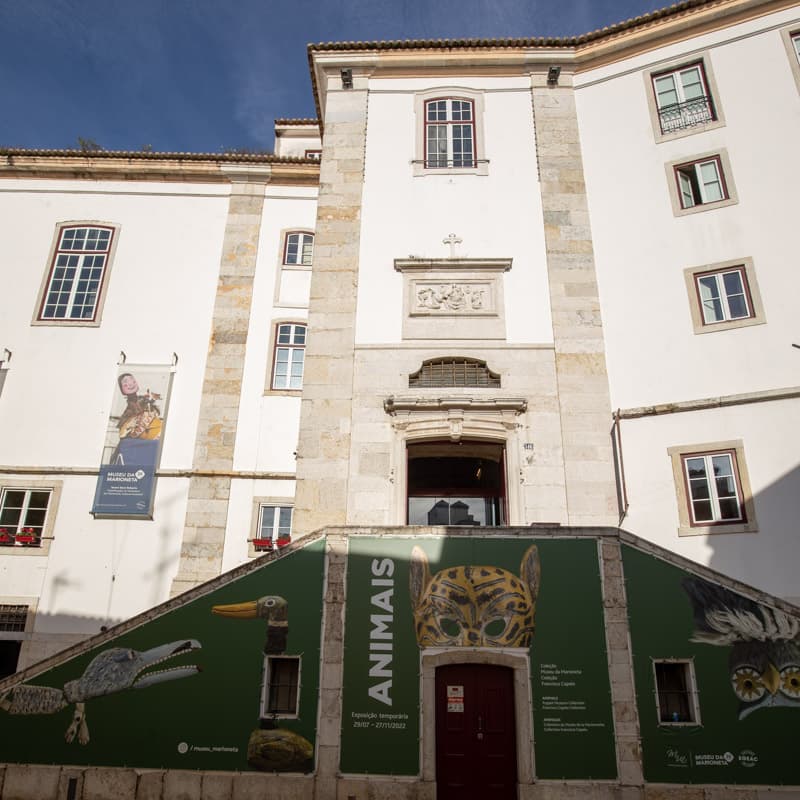
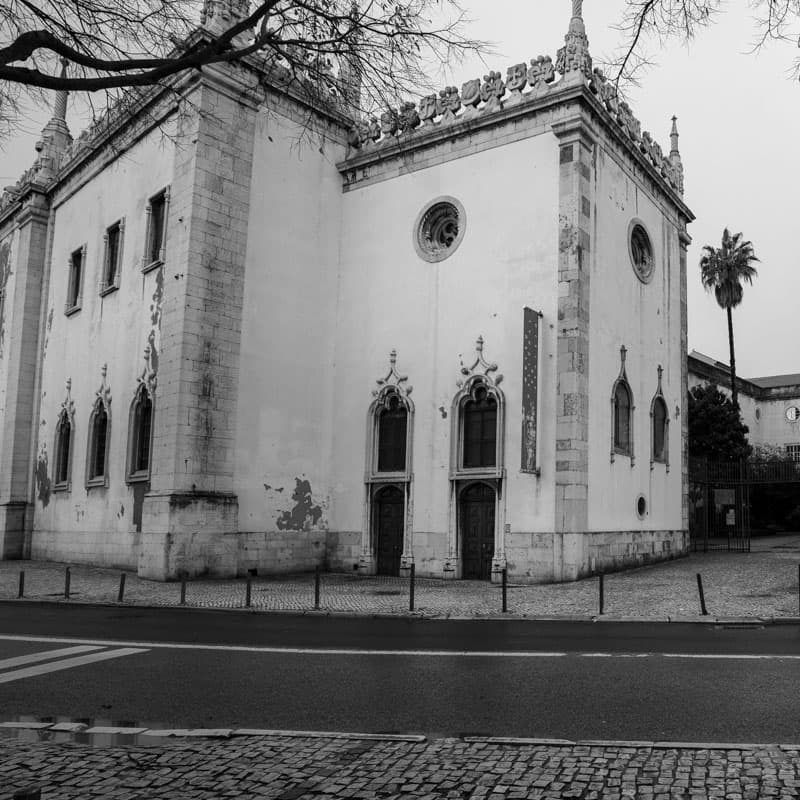
In the Convento das Bernardas, in Madragoa, the Puppet Museum shows how a small object can hold an entire world. Founded in 1987, it was the first museum in Portugal entirely devoted to puppetry and, since 2001, it has been housed in this former seventeenth-century convent, almost destroyed by the 1755 earthquake and later rebuilt. The collection brings together more than 3,000 pieces across different places, techniques and periods, yet the heart of the visit beats most strongly in the Portuguese traditions, from the Robertos to the Bonecos de Santo Aleixo. Along the way appear shadow puppets, string puppets, rod puppets, African and Asian masks, and even a section linked to animation cinema. It is also worth slowing down to feel the building itself: the cloister, the adapted former church and the atmosphere suspended between theatre and retreat. It is a museum that speaks of childhood, certainly, but also of memory, artifice and the old human desire to give soul to things.

Museu Nacional de Arte Antiga4.6

Museu Nacional de Arte Antiga

Museum • Lisboa, Lisboa

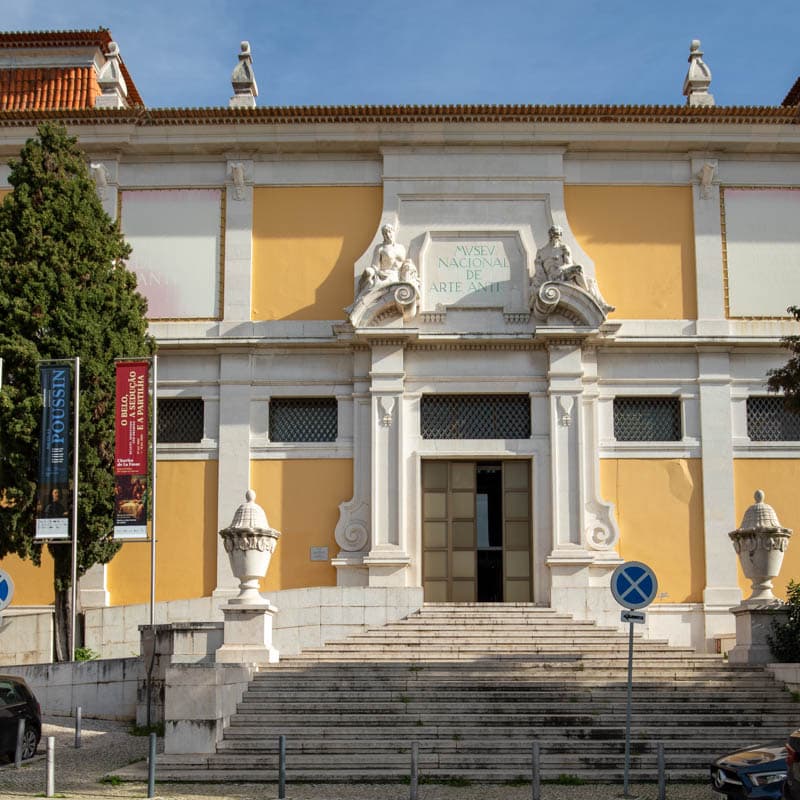
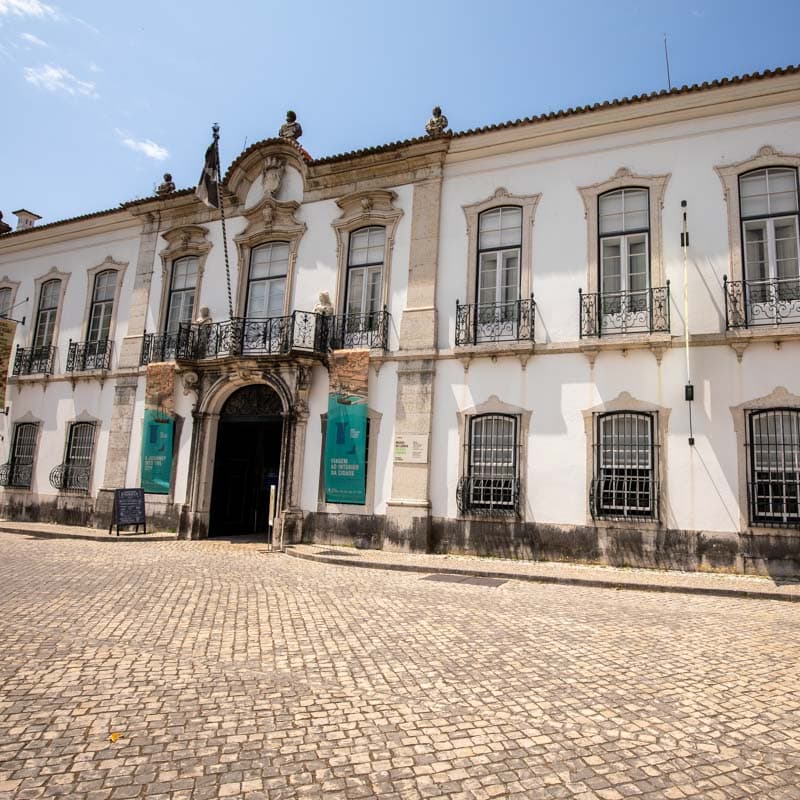
High on Rua das Janelas Verdes, the National Museum of Ancient Art is one of those places where Portugal seems to tell its own story with unusual clarity. Opened in 1884, to give a home to many works that came from convents and monasteries after the extinction of the religious orders, it was installed in the former Palace of the Counts of Alvor and became the country’s great house of ancient art. Its collection crosses centuries and geographies, from painting to goldsmithing, from sculpture to works from Europe, Africa and the East, yet some encounters ask for real pause: the Panels of Saint Vincent, the Belém Monstrance, the Namban screens. During a visit, it is also worth slowing down in the garden facing the Tagus, where the city seems to breathe differently. Between palace, collection and horizon, the museum leaves a rare impression: that history, when well kept, remains alive.

Museu do Oriente4.5

Museu do Oriente

Museum • Lisboa, Lisboa

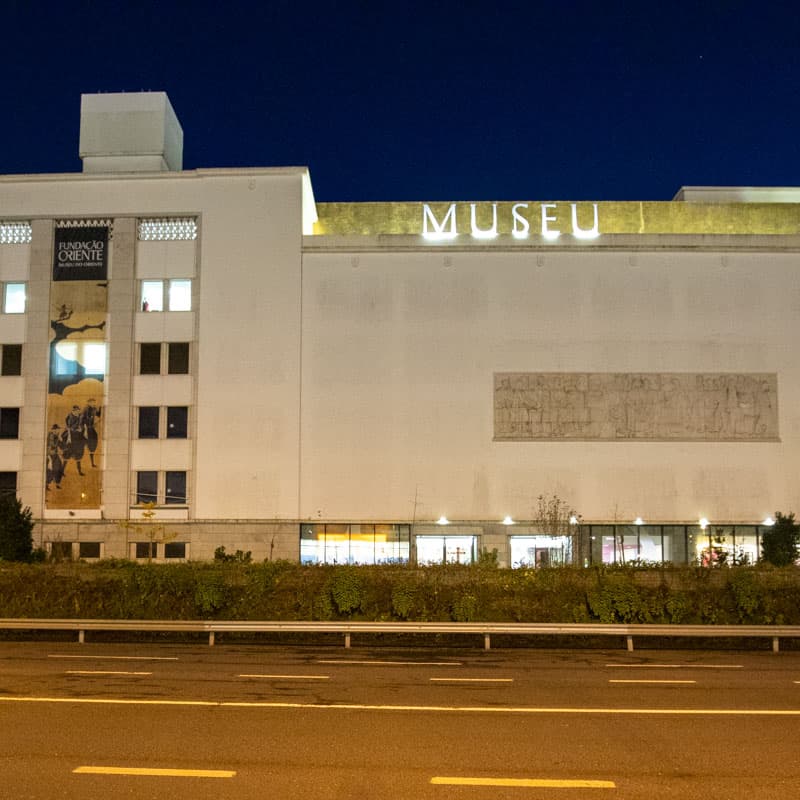
On Alcântara’s waterfront, the Orient Museum shows how a former dockside warehouse can become a place where worlds meet. Opened in 2008 inside the modernist building of the former refrigerated cod warehouses, designed from 1939 onwards, it holds two collections that define its character with unusual clarity. On one side, Portuguese Presence in Asia brings together thousands of objects and reveals the fascination, exchange and curiosity that shaped the relationship between Portugal and the East. On the other, the Kwok On collection, regarded as one of the most representative of its kind in Europe, opens a path into the performing arts, rituals and popular religions of a much wider Asia. During a visit, it is worth noticing the contrast between the building’s industrial sobriety and the richness of puppets, masks, folding screens, ivories and ritual objects. Few museums in Lisbon manage to feel at once so calm, so layered and so open to dialogue.

Museu da Carris4.5

Museu da Carris

Museum • Lisboa, Lisboa

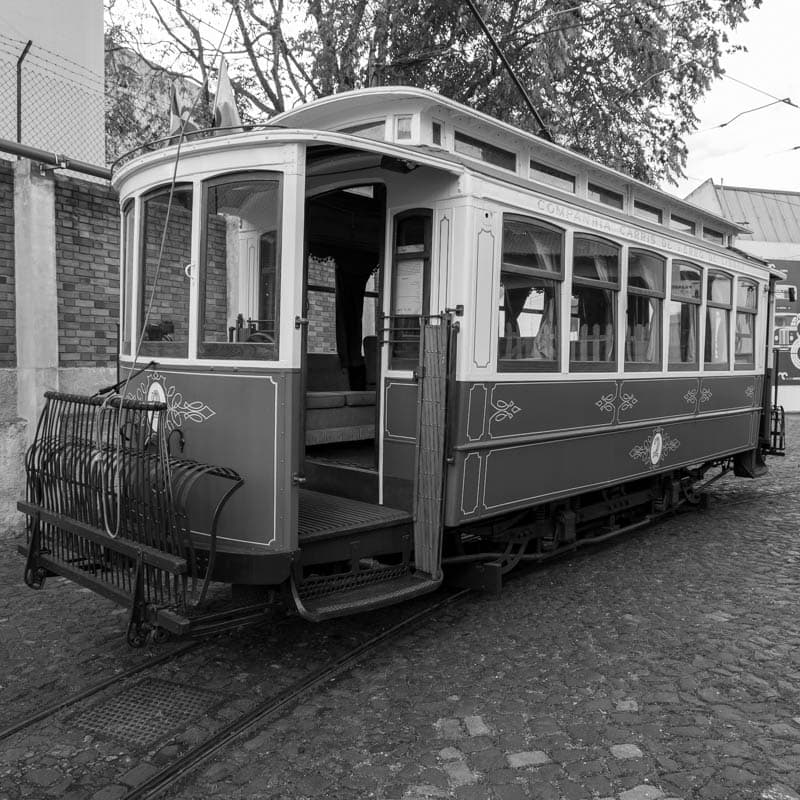
Stepping into the Carris Museum is like understanding Lisbon in motion. Housed in Santo Amaro Station, Carris’s first station, the museum preserves the memory of a company founded in 1872, intriguingly in Rio de Janeiro, before it transformed the way the capital expanded and overcame its hills. Here, the history of public transport meets the history of the city itself: from horse-drawn streetcars to the funiculars, from the electrification of the network to twentieth-century buses. Among photographs, uniforms, tickets, machinery and historic vehicles, visitors follow the technical, social and urban changes that shaped everyday life in Lisbon. One of the most memorable moments is the journey between the two exhibition areas on a tram from 1901, which gives the visit a rare sense of authenticity. More than a transport museum, this is a place where Lisbon can be seen growing along its rails.

Museu de Marinha4.5

Museu de Marinha

Museum • Lisboa, Lisboa

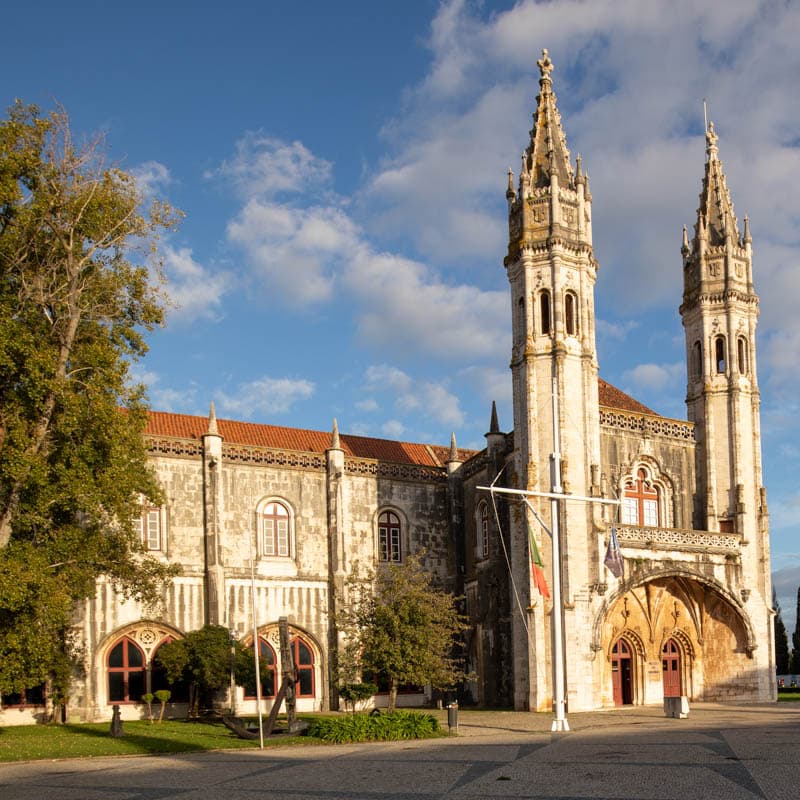
The Maritime Museum, housed since 1962 in the wings of Jerónimos Monastery, does more than display vessels: it tells the long intimacy between Portugal and the sea. Created on the initiative of King Luís in 1863, it began with a didactic purpose, yet today the visit feels like a journey through time. Among models, charts, instruments and paintings, visitors sense how the ocean was a route for trade, science, war and imagination. The most striking moment awaits in the Barge Pavilion, built to house full-size boats. There, the Royal Brig stands out for its gilded carving, mythological figures and the Venetian mirrors in its stern cabin, but also for its story: in 1808 it carried the royal family to the squadron that sailed to Brazil and, already in the twentieth century, it returned to the water for the official visit of Queen Elizabeth the Second. Few places show so clearly how the sea helped shape Portuguese power and memory.

Museu Nacional dos Coches4.6

Museu Nacional dos Coches

Museum • Lisboa, Lisboa

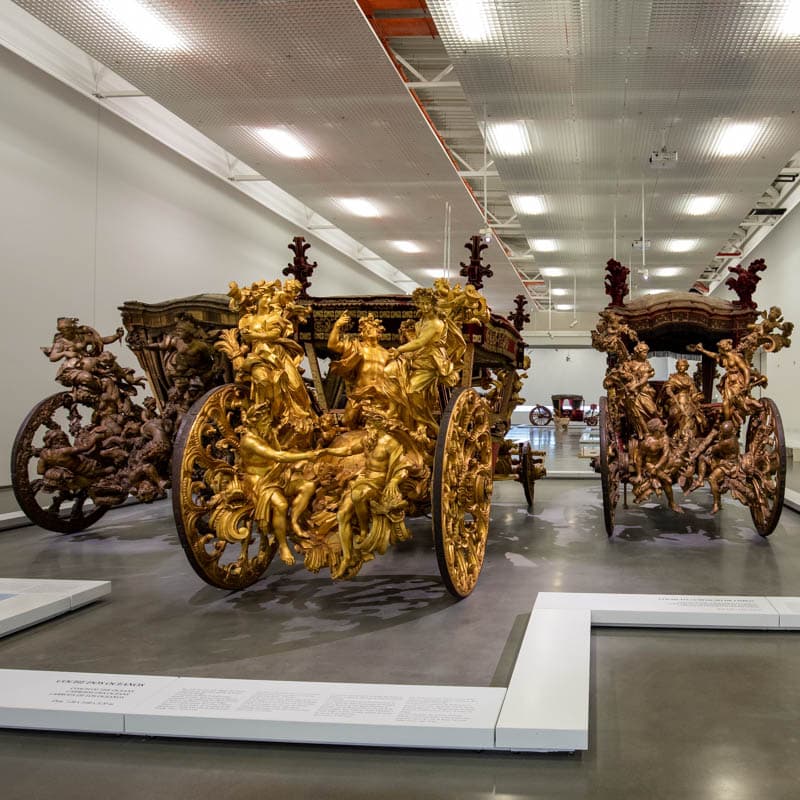
The National Coach Museum is one of those places where history seems to pass before your eyes in procession. Created on the initiative of Queen Amélia in 1905 to gather and preserve the royal vehicles scattered across different palaces, it began in the former Royal Riding School of Belém and, more than a century later, gained a new building designed by Paulo Mendes da Rocha. The collection, regarded as unique in the world, shows how power was displayed on wheels, through luxury, ceremony and diplomacy. Among coaches, berlins and litters, the eye is drawn to the celebrated Coach of the Oceans, one of the museum’s treasures, built for the embassy sent by King João the Fifth to Pope Clement the Eleventh in 1716. Its exuberant carving and allegories linked to the sea and the Discoveries reveal the grand image Portugal wished to project. Visiting this museum is like stepping into a theatre of splendour where memory moves at the solemn pace of horses.

MAAT Central4.6

MAAT Central

Museum • Lisboa, Lisboa

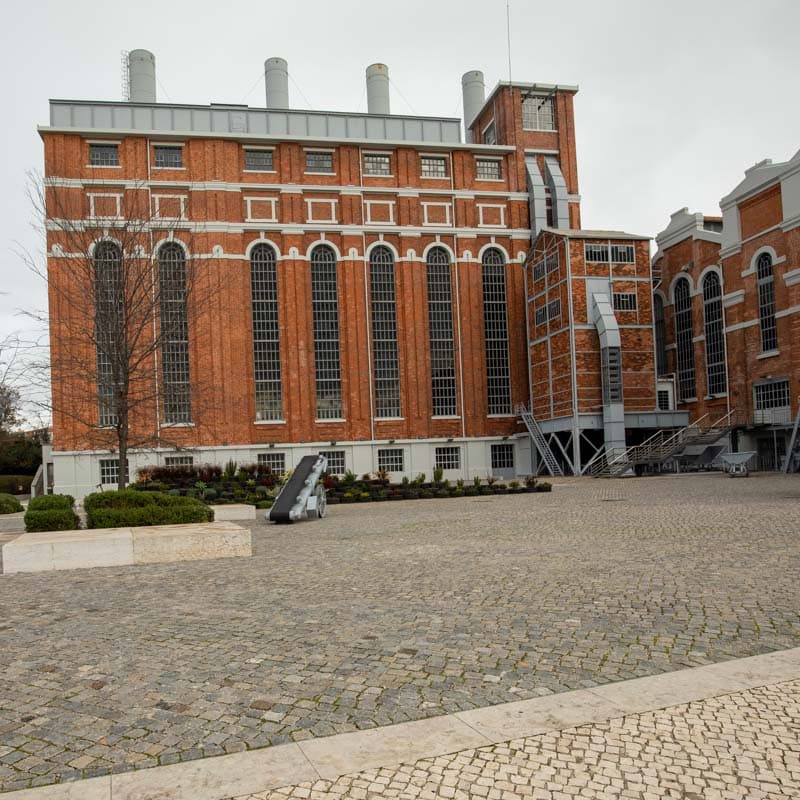
MAAT Central is one of those places where Lisbon can be understood as a modern city. Formerly the Tejo Power Station, this thermoelectric plant began operating in 1909 and supplied the capital for decades, first continuously and later as a reserve station, before being reborn as a museum space. The building, with its red brick, iron and vast windows, is one of the landmarks of Portuguese industrial architecture, yet what impresses most is stepping inside and finding the original machinery still in place. In the exhibition The Electricity Factory, boilers, turbo-alternators and walkways reveal the almost theatrical scale of energy production and recall the time when coal helped to light Lisbon. Today, as part of the MAAT campus, the former plant has gained a new life without losing its raw force. It is a rare place, where technology, memory and city still speak to one another.

Torre de Belém4.5

Torre de Belém

Monument • Lisboa, Lisboa

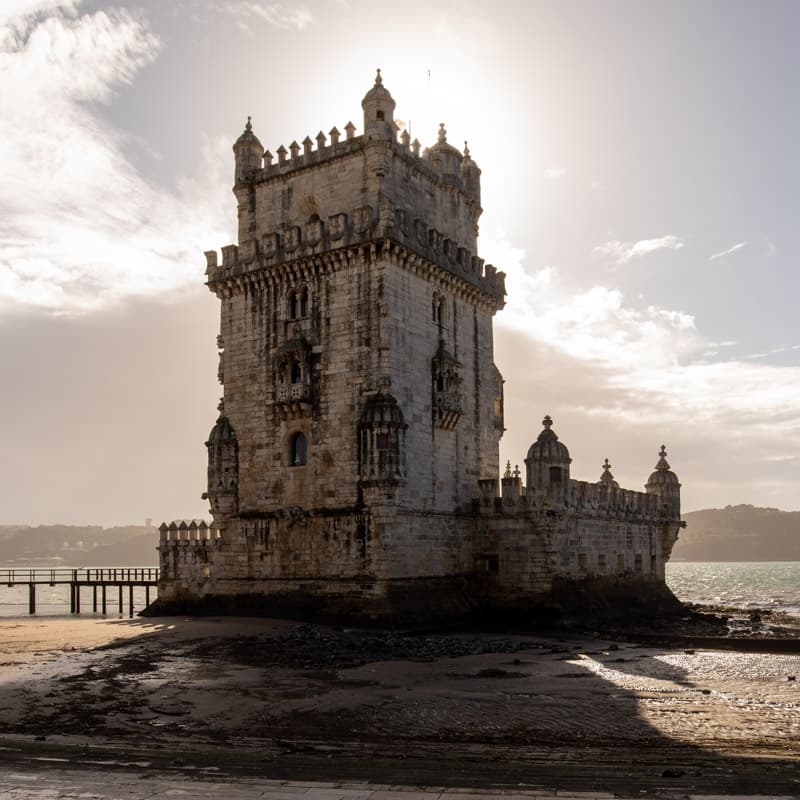
Belém Tower has the grace of a Manueline jewel and the firmness of a fortress built to guard the entrance to the Tagus. Raised in the reign of King Manuel the First, from 1514 onwards, and designed by Francisco de Arruda, it grew closely tied to the port of Lisbon, Jerónimos Monastery and the imagination of the Discoveries. Its form combines a medieval-looking tower with a modern bulwark, while the exterior is covered with ropes, knots, armillary spheres, crosses of the Order of Christ and other motifs that make the stone feel almost like lace. It is worth lingering over the balcony facing the river and one surprising detail: the small rhinoceros carved into one of the façades. From above, the Tagus and Belém come into sharper focus. It then becomes clear why this tower has become one of Lisbon’s great symbols and a UNESCO World Heritage site.

Museu Nacional de História Natural e da Ciência4.4

Museu Nacional de História Natural e da Ciência

Museum • Lisboa, Lisboa

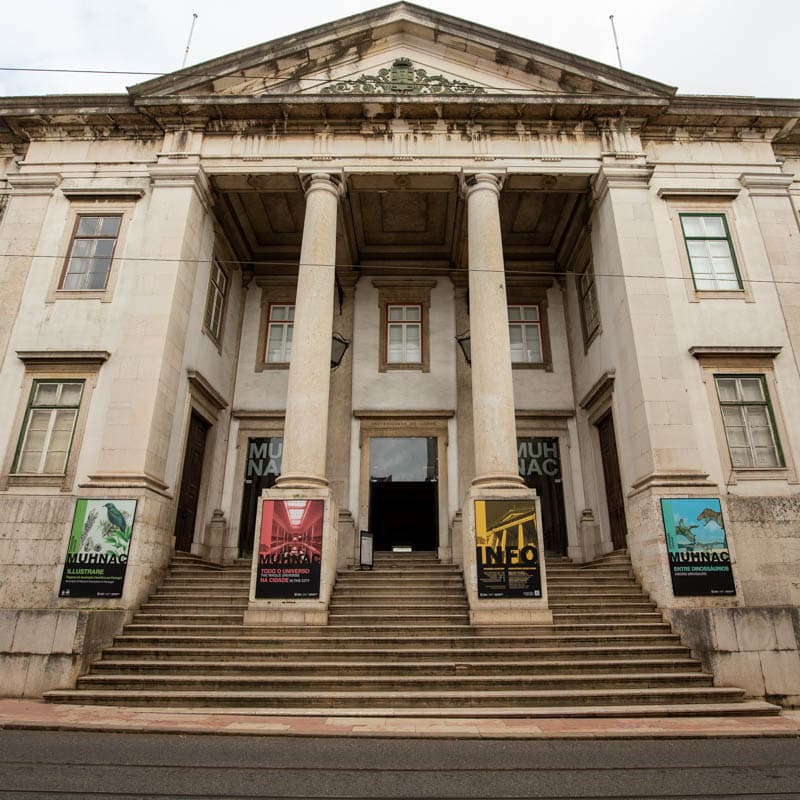
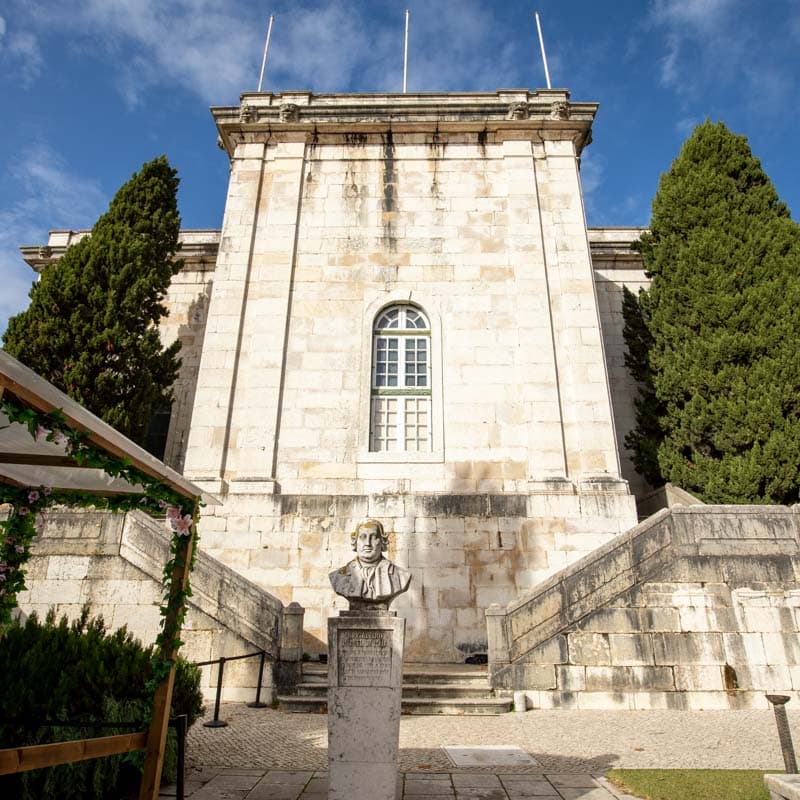
The National Museum of Natural History and Science is one of Lisbon’s most unexpected places: behind the solemn façade of the former Polytechnic School, the city opens itself to curiosity. Heir to the Royal Museum of Natural History and Botanical Garden created in the second half of the eighteenth century, the museum preserves more than 250 years of scientific activity and brings together collections with more than three million objects. Yet the visit never feels like stepping into a static archive. Between galleries, the Lisbon Botanical Garden, integrated into the complex, and the magnificent Laboratorio Chimico, you sense how knowledge was observed, classified and taught. It is worth lingering in that laboratory, a true historical and scientific jewel, where the scale of the space still makes you imagine lessons, experiments and wonder. Few museums show so clearly that science also has architecture, memory and imagination.

Reservatório da Mãe d'Água das Amoreiras4.6

Reservatório da Mãe d'Água das Amoreiras

Museum • Lisboa, Lisboa

The Mãe d’Água das Amoreiras Reservoir has the silent grandeur of a place built to protect what a city depends on. At the point where the Águas Livres Aqueduct enters Lisbon, it began to be designed by Carlos Mardel in the mid eighteenth century and was only completed in the following century, which helps explain the striking blend of sobriety and scale it still conveys today. Inside, the deep tank, the four sturdy pillars, the vaults and the water falling from the mouth of a dolphin create an unexpectedly solemn space, almost like a church devoted to engineering. It is also worth noticing the Casa do Registo, where the distribution of water to fountains, convents and noble houses was controlled. And on the terrace, Lisbon opens out with rare clarity. Few places show so well how urban history is also written through water.

Museu Nacional do Azulejo4.6

Museu Nacional do Azulejo

Museum • Lisboa, Lisboa

In the former Madre de Deus Convent, founded by Queen Leonor in 1509, the National Tile Museum shows how an apparently simple material became one of the most distinctive expressions of Portuguese culture. The route follows the history of the azulejo from the second half of the fifteenth century to the present day, helping visitors understand how this art decorated churches, palaces, houses and public spaces, while also preserving memory. Among the most striking spaces is the Church of Madre de Deus, where gilded woodcarving, painting and tiles create an interior of remarkable richness. There is also one work that holds the eye for a long time: the Grande Panorama de Lisboa, attributed to Gabriel del Barco, a monumental panel that shows the city before the 1755 earthquake. More than a museum visit, coming here feels like reading Lisbon and Portugal surface by surface, century by century.

Museu Nacional do Traje4.4

Museu Nacional do Traje

Museum • Lisboa, Lisboa

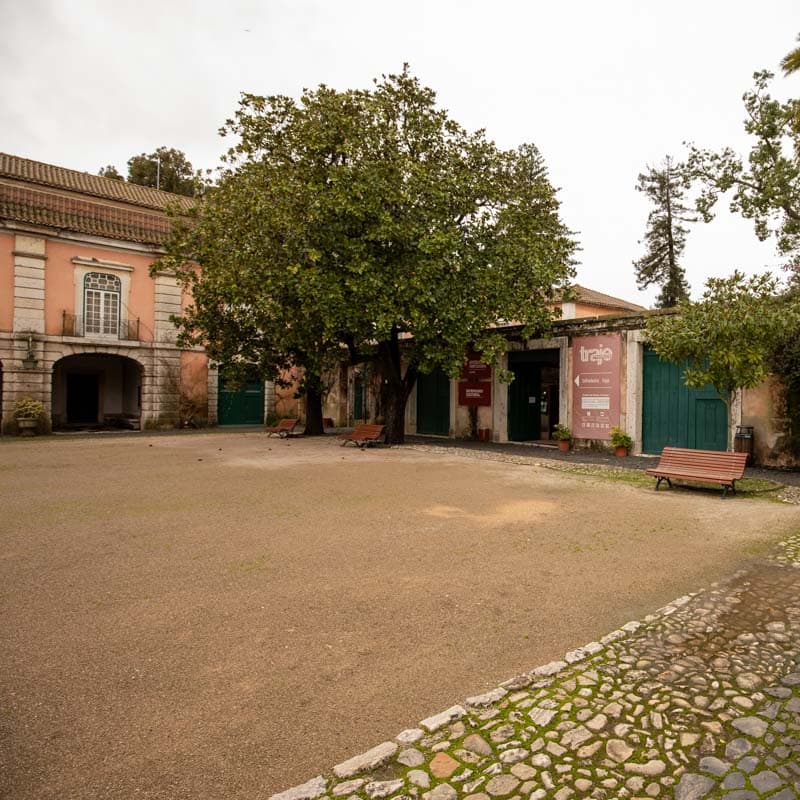
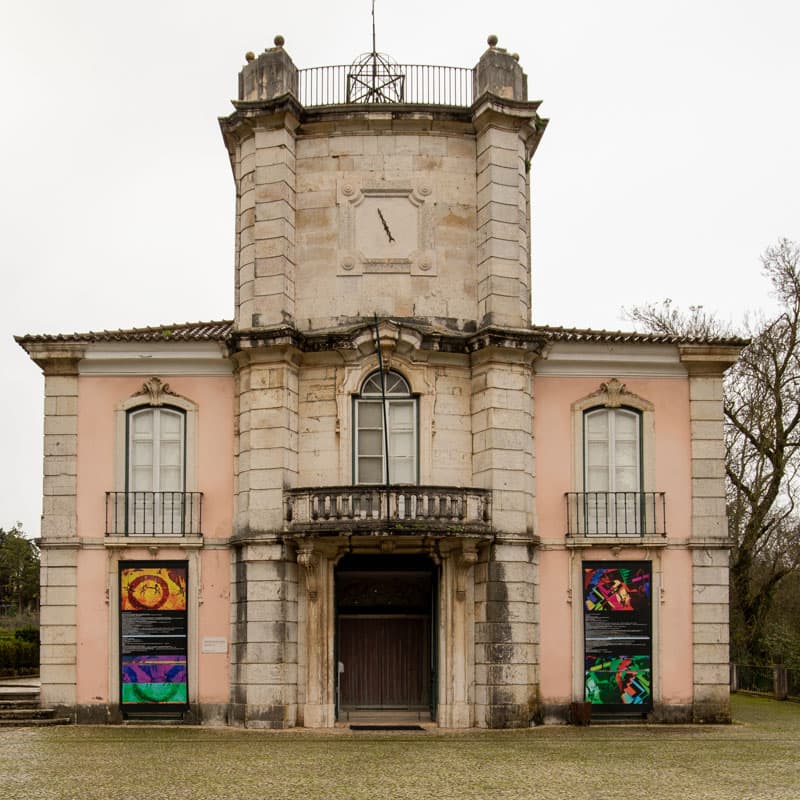
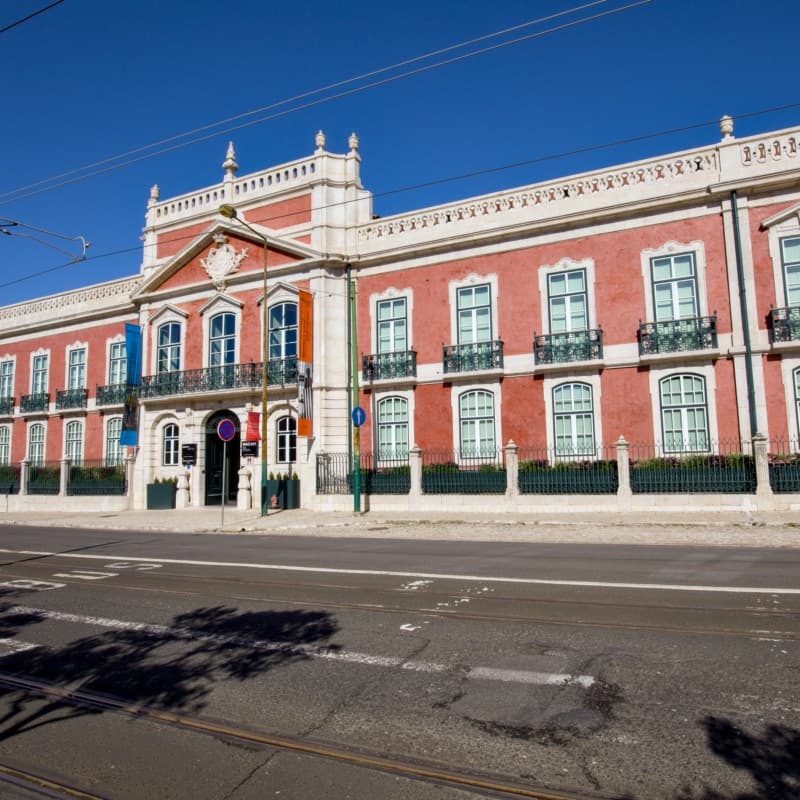
In the Angeja-Palmela Palace, a former leisure estate in Lumiar, the National Costume Museum shows how clothing can tell the story of a country. Opened in 1977, it brings together around forty thousand garments and accessories, from the eighteenth century to the present day, and follows above all the ways in which the aristocracy, the upper bourgeoisie and the middle classes dressed, represented themselves and changed over time. The original core came from the National Coach Museum and included pieces linked to the Royal Household, a detail that helps explain the richness of the collection. Yet the place does not end in the galleries: the museum extends into the Monteiro-Mor Botanical Park, created in the eighteenth century, with lakes, woodland, a kitchen garden and the first known araucaria in mainland Portugal. Here, costume stops being mere fashion and becomes a living reading of Portuguese society.

Museu Nacional do Teatro e da Dança4.3

Museu Nacional do Teatro e da Dança

Museum • Lisboa, Lisboa

In Lumiar, the National Museum of Theatre and Dance keeps the living memory of the Portuguese stage. Housed in the eighteenth-century Monteiro-Mor complex, it brings together the country’s most extensive collection on the performing arts, with costumes, set models, props, posters, scores, photographs and archives that reveal centuries of creation, rehearsal and applause. The museum has the rare ability to show theatre not as distant art, but as work shaped by body, voice and imagination. Since the important donation made by José Sasportes in 2015, dance has gained an even more central place here, strengthening the museum’s very identity. During a visit, it is also worth noticing the atmosphere of old Monteiro-Mor: an eighteenth-century aristocratic setting linked to gardens with tropical species and exotic birds. Between memory, study and invention, this is a place that brings us closer to what happens before the curtain rises.

Fundação Calouste Gulbenkian4.8

Fundação Calouste Gulbenkian

Cultural Centre • Lisboa, Lisboa

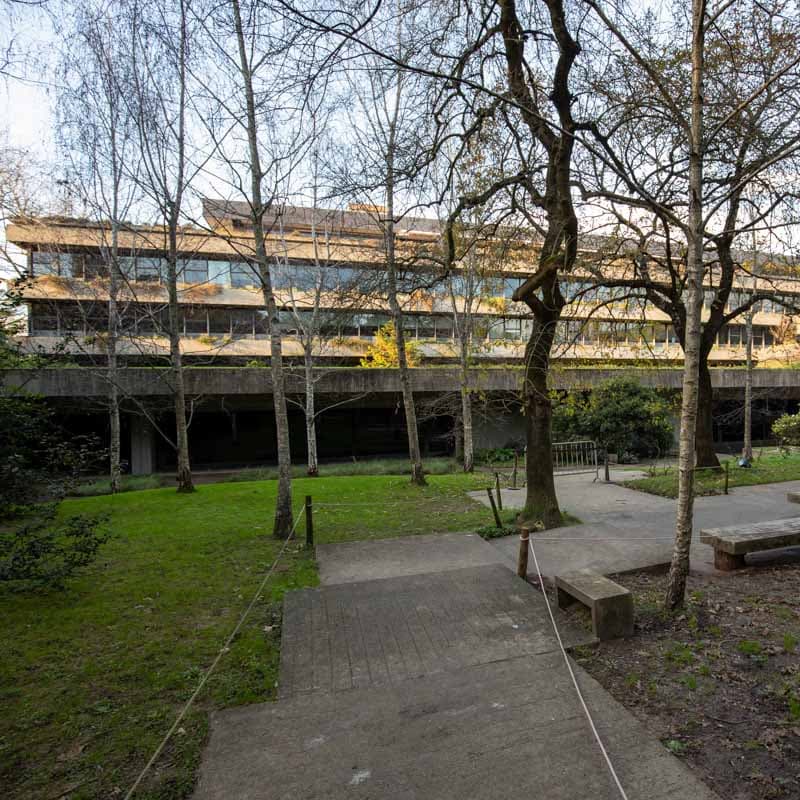
More than a museum or a foundation, Gulbenkian is a rare place where Lisbon seems to slow down. Created in 1956 through the will of Calouste Sarkis Gulbenkian, the collector and philanthropist of Armenian origin who chose Lisbon for the last years of his life, the institution brought together art, science, education and charity within a single cultural project. The complex of headquarters, museum and garden, inaugurated in 1969, is a landmark of Portuguese modernism: its restrained volumes of concrete and glass seem to rest upon the greenery, in constant dialogue with the garden designed by Gonçalo Ribeiro Telles and António Viana Barreto, one of the most emblematic modern gardens in Portugal. It is worth noticing that rare fusion of architecture, water, trees and silence. Not by chance, the complex received the Valmor Prize and was classified as a National Monument, becoming the first contemporary work to receive that protection in Portugal.

Casa Museu Dr. Anastácio Gonçalves4.4

Casa Museu Dr. Anastácio Gonçalves

Museum • Lisboa, Lisboa

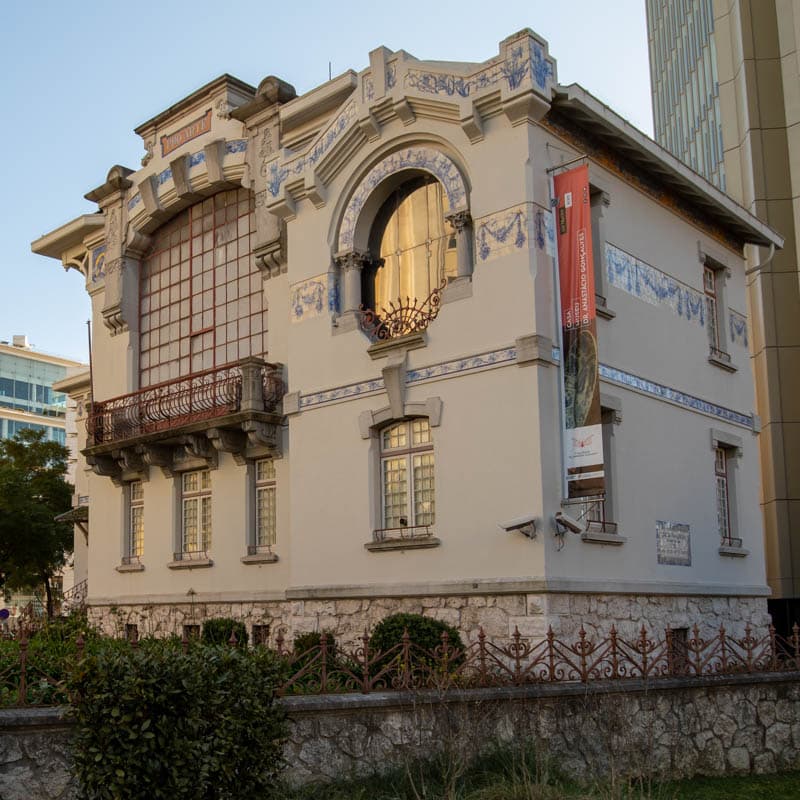
On Avenida Cinco de Outubro, the Dr Anastácio Gonçalves House-Museum has something rare about it: even before you step inside, it already feels like a work of art. Built in 1904 and 1905 as the home and studio of the painter José Malhoa, it was designed by Norte Júnior and became Lisbon’s first artist’s house, receiving the Valmor Prize as early as 1905. The façade, with the great window of the former studio, the tile friezes and the Art Nouveau details, reveals an architecture conceived for light, for creation and for the pleasure of looking. In 1932, the doctor and collector Anastácio Gonçalves bought the house and turned it into the setting for his remarkable collection, now numbering around three thousand works. During a visit, it is worth sensing that meeting between domestic intimacy and cultivated taste: Portuguese painting, Chinese porcelain, furniture and small objects live together here as though the house were still inhabited by art.

Museu Medeiros e Almeida4.7

Museu Medeiros e Almeida

Historic House • Lisboa, Lisboa

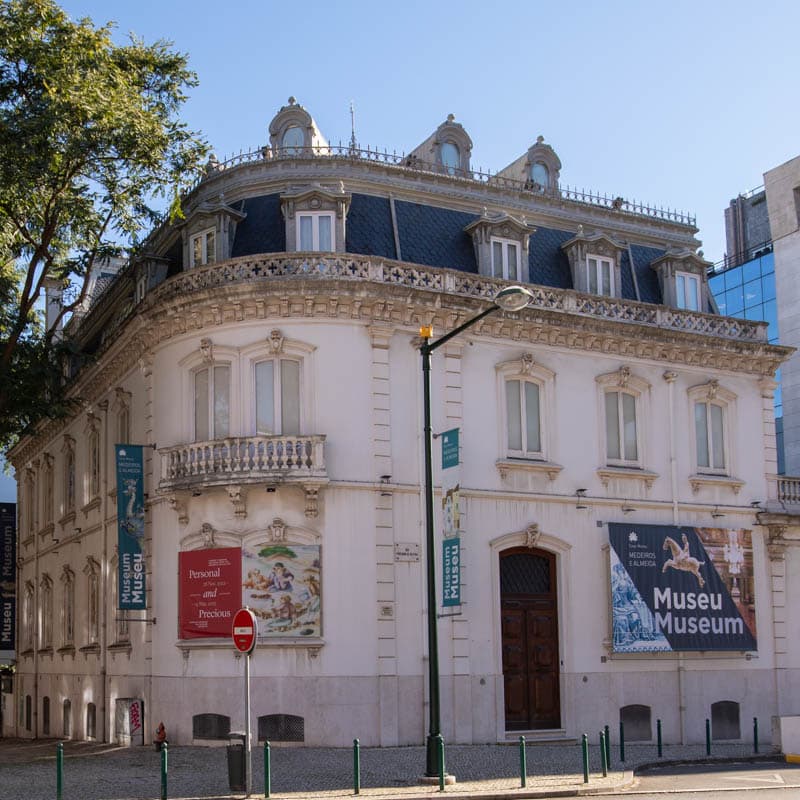
Hidden near Avenida da Liberdade, the Medeiros e Almeida Museum feels less like a museum than a house where taste still lives. António de Medeiros e Almeida began collecting in the 1930s and, to keep the whole ensemble together, created a foundation in 1972 and turned his own residence into a museum, which opened to the public in 2001. Today, the route runs through 27 rooms and around two thousand works, divided between the wing once lived in by the couple, preserved with domestic intimacy, and the extension built over the former garden, where grand decorative settings were recreated. The collection is deliberately eclectic, yet some groups stand out at once, such as the clocks, Chinese ceramics, silver and fans. It is also worth lingering in the Lake Room, conceived as an evocation of the lost garden: among tiles, marble and silence, one understands how this place turned a collector’s private passion into a rare experience of beauty and memory.

Estação Elevatória a Vapor dos Barbadinhos / Museu da Água4.3

Estação Elevatória a Vapor dos Barbadinhos / Museu da Água

Water Reservoir • Lisboa, Lisboa

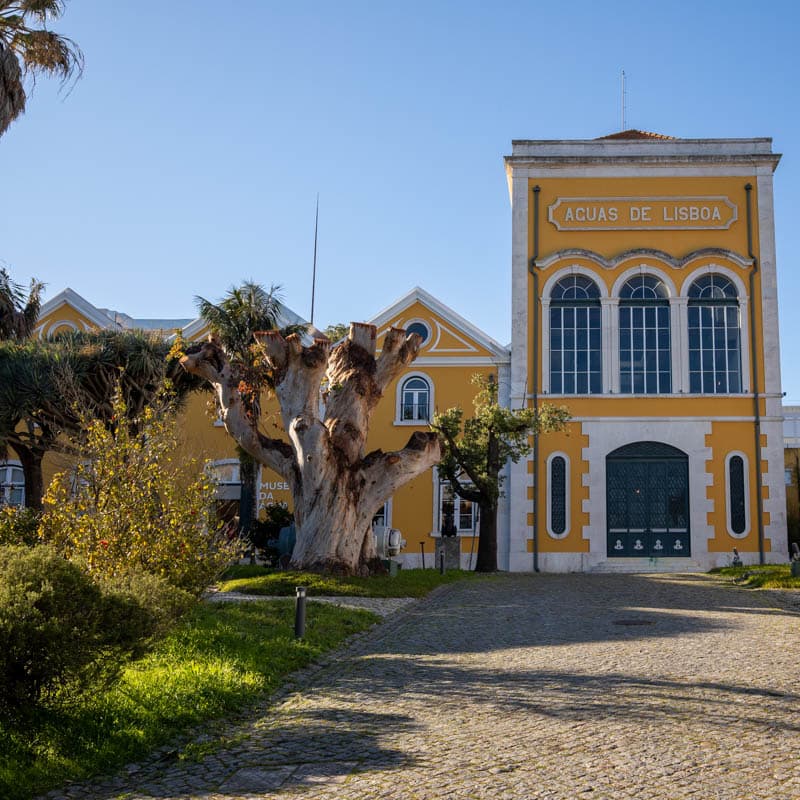
In Barbadinhos, the Water Museum occupies a place where engineering took on the scale of a monument. The former steam pumping station was inaugurated in 1880, beside the reservoir that received water from the Alviela aqueduct, and it was created to answer a very practical need: bringing more water to a growing Lisbon. For decades, it played a decisive role in the city’s supply system, lifting water to higher areas and allowing the domestic network to expand. Today, what makes the visit memorable is the striking Machine Hall, where four steam engines and their pumps are still preserved among iron structures, walkways and volumes that still convey the force of the industrial age. The building, classified as a Property of Public Interest ensemble, shows how a utilitarian infrastructure can become living heritage. Here, Lisbon is also told through water, coal and ingenuity.

Museu Militar de Lisboa4.6

Museu Militar de Lisboa

Museum • Lisboa, Lisboa

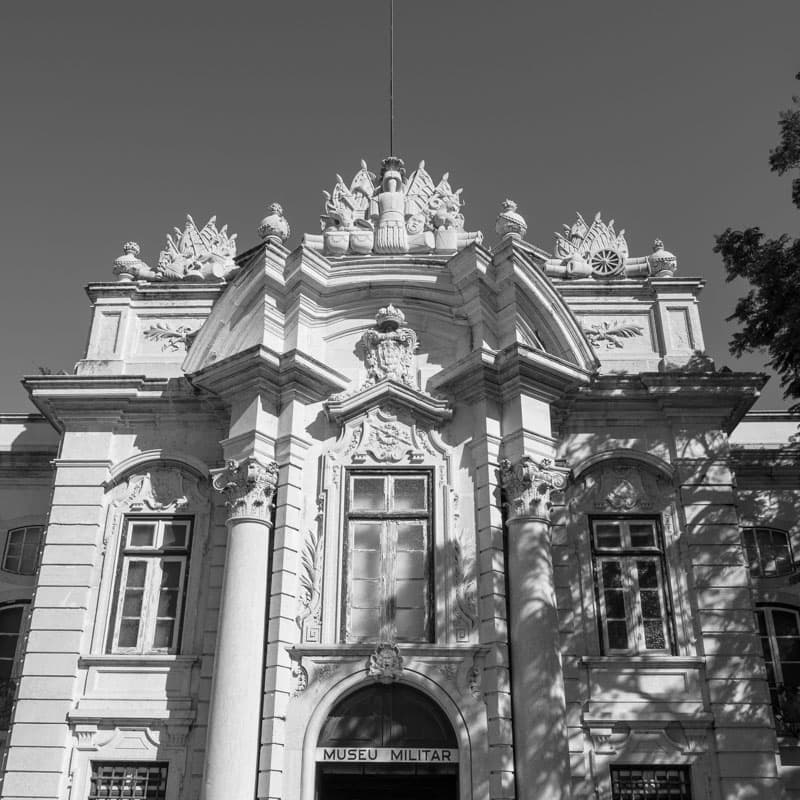
In Santa Apolónia, the Lisbon Military Museum is surprising because it is not only a museum of weapons: it is also a place where Portuguese military history meets art and the memory of the city. The institution began to take shape in 1842 and was created as the Artillery Museum in 1851, occupying a building linked to the former Royal Army Arsenal, rebuilt in the eighteenth century and later adapted for museum use. Its rooms, richly decorated with painting, carved wood and tilework, give the visit an unexpected solemnity, while collections of weapons, uniforms and military equipment live alongside painting and sculpture. Its collection of bronze artillery pieces is considered one of the most complete in the world. It is also worth lingering in the Plaster Room, where the mould of the statue of King José I in Praça do Comércio is kept. Here, war also appears as culture, image and representation.

Museu Arqueológico do Carmo4.5

Museu Arqueológico do Carmo

Convent • Lisboa, Lisboa

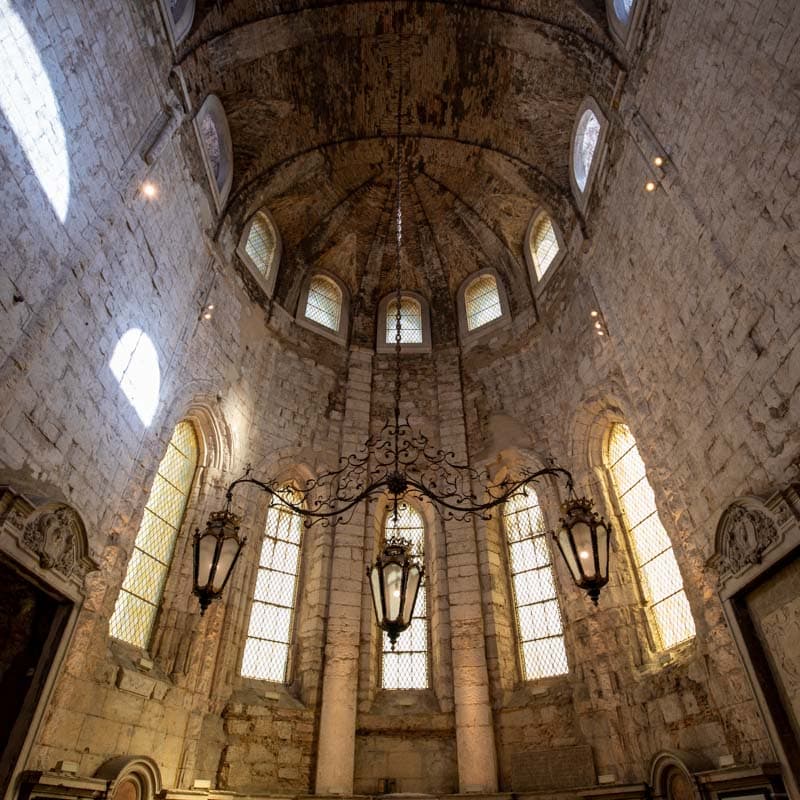
Few places in Lisbon bring together ruin and memory as eloquently as the Carmo Archaeological Museum. Housed in the former church of the convent founded by Nuno Álvares Pereira at the end of the fourteenth century, it preserves the great Gothic arches left open to the sky since the 1755 earthquake, making it one of the city’s most striking witnesses to the disaster. In 1864, Joaquim Possidónio Narciso da Silva created here the first museum of art and archaeology in Portugal, with the aim of saving endangered works and fragments of heritage. The result is a singular museum, where medieval tombs, Roman inscriptions, objects from the Castro de Vila Nova de São Pedro and pre-Columbian mummies coexist beneath the same wounded arches. Between the silence of the stone and the strangeness of the collection, Carmo seems to preserve more than objects: it preserves the very idea of Lisbon as a city shaped by loss, survival and reinvention.

Cinemateca Portuguesa - Museu do Cinema4.6

Cinemateca Portuguesa - Museu do Cinema

Theatre/Cinema • Lisboa, Lisboa

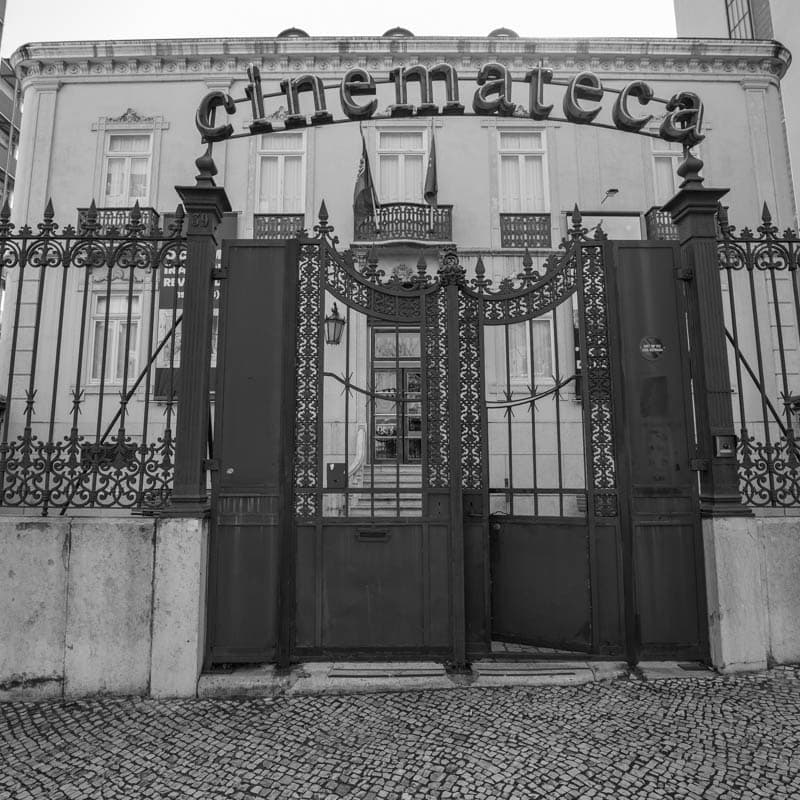
On Rua Barata Salgueiro, the Cinemateca Portuguesa - Museu do Cinema shows that cinema also has a home, a memory and a material presence. The institution was born in the late nineteen-forties and gained its identity through the drive of Manuel Félix Ribeiro; in the early nineteen-eighties it moved into an 1887 townhouse that still preserves stucco work, mythological frescoes and rooms with unexpected names, such as the Cupids and the Oaks. The major refurbishment completed in 2003 added two underground screening rooms and new museum spaces without erasing the building’s domestic character. That contrast helps define the place: it is not only an archive, nor only a cinema. In its collections are magic lanterns, cameras, projectors and other devices that trace the history of moving images, from pre-cinema to the twentieth century. Among objects, books and screenings, it becomes clear that films do not live only on the screen: they also live in the mechanisms that made them possible and in the patient work of preserving them for the future.

Museu de Arte Popular4.2

Museu de Arte Popular

Museum • Lisboa, Lisboa

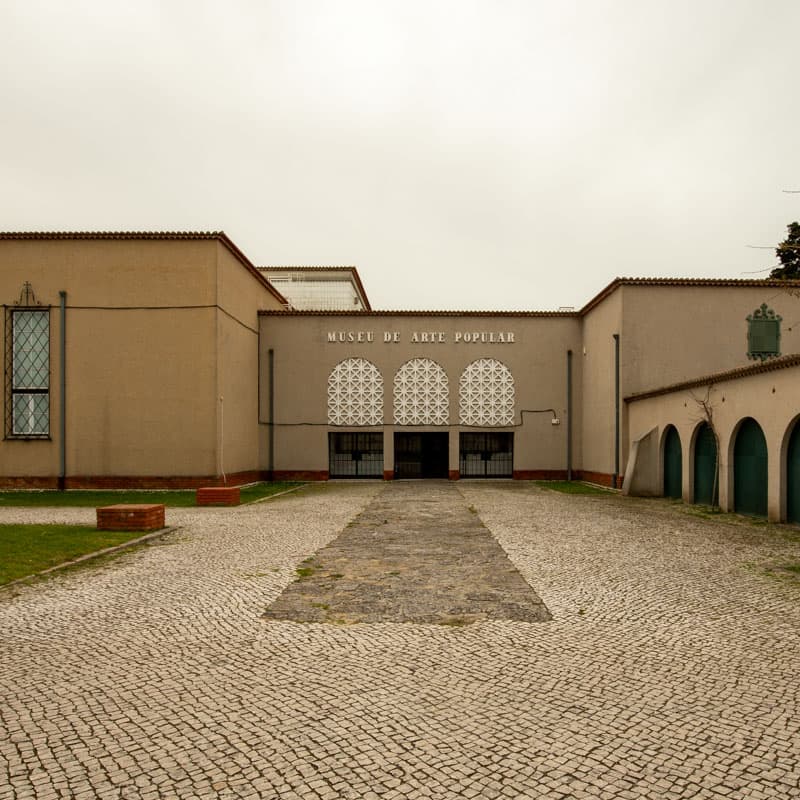
On the edge of the Tagus, the Popular Art Museum preserves one of the clearest images of how Portugal chose to represent itself in the twentieth century. The building grew out of the pavilions of the Popular Life Section of the 1940 Portuguese World Exhibition and opened as a museum in 1948, reshaped by Jorge Segurado from a programme defined by Francisco Martins Lage and Tomás de Mello. What makes it singular is not only its collection of ceramics, textiles, musical instruments and agricultural tools: it is also the mural compositions and the dialogue between modernism and tradition, designed to give form to a rural, colourful and idealised country. To step inside is therefore to encounter both an ethnographic collection and a historical document about the aesthetics and political vision of the Estado Novo. Beside the Espelho de Água and the Monument to the Discoveries, the building still suggests that popular memory can also be staged.

Museu Nacional de Etnologia4.2

Museu Nacional de Etnologia

Museum • Lisboa, Lisboa

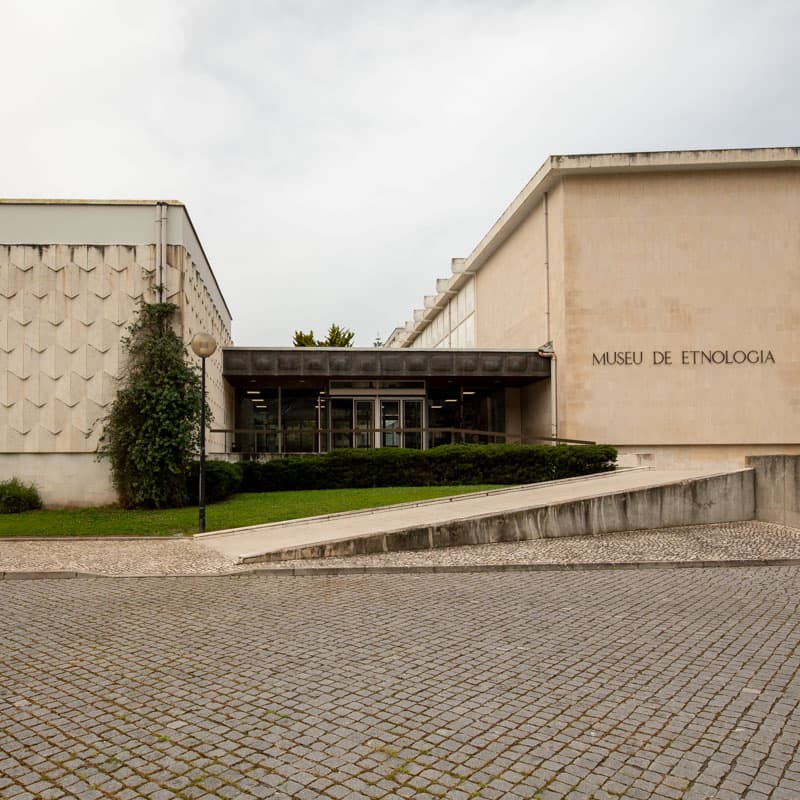
In Lisbon, the National Museum of Ethnology shows how a museum can preserve objects and, at the same time, the very history of Portuguese anthropology. Created in 1965 under the impetus of Jorge Dias and a decisive generation of researchers, it was born with an unusual ambition: to represent the cultures of the world without limiting itself to Portugal or to the former overseas territories. The current building, inaugurated in 1976, houses collections gathered through fieldwork and accompanied by photographic, film and sound archives that give them context and depth. More than a parade of rarities, the visit gains strength in the visible storage galleries and the small permanent displays, where rural tools, popular instruments, masks, puppets and dolls reveal very different ways of living, celebrating and imagining. Between the Rural Life Gallery, Amazonia and pieces from Indonesia, it becomes clear that this museum does not look at cultures as distant curiosities: it brings gestures, knowledge and memories closer together, and makes that closeness its true strength.

MAAT: Museu de Arte, Arquitetura e Tecnologia4.3

MAAT: Museu de Arte, Arquitetura e Tecnologia

Museum • Lisboa, Lisboa

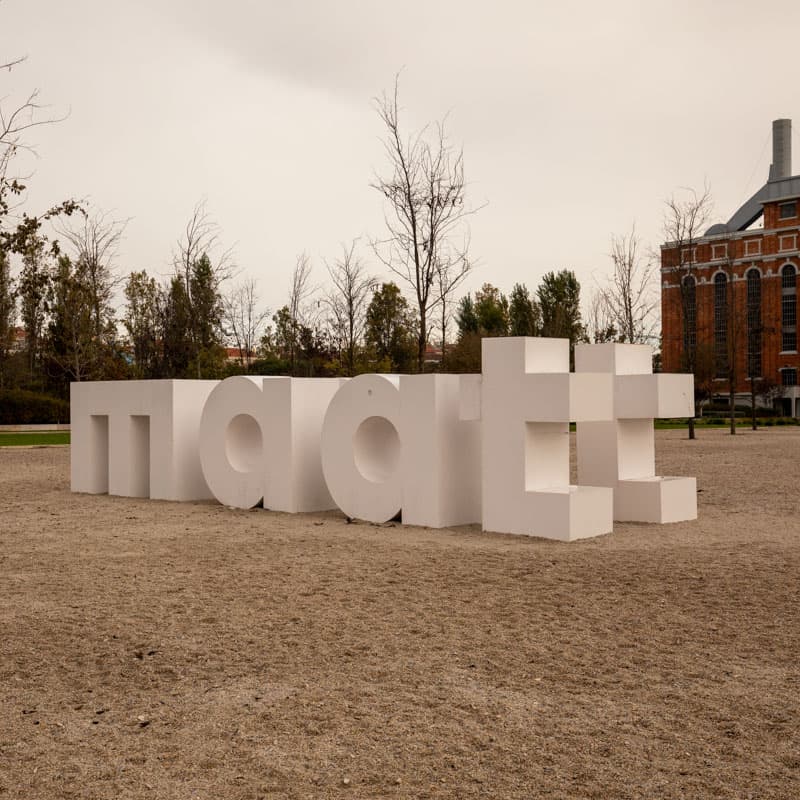
On the banks of the Tagus, in Belém, MAAT shows how the idea of the future can rise from the city’s industrial memory. Opened in 2016, the museum brings together the former Tejo Power Station, a thermoelectric plant built in 1908 that supplied Lisbon with electricity for decades, and MAAT Gallery, designed by Amanda Levete to open the building to the river and to the movement of pedestrians. Between the preserved machinery of The Electricity Factory and the temporary exhibitions of art, architecture and technology, the visitor encounters two very different modernities: that of the energy that powered urban expansion, and that of today’s questions about how we live, build and imagine the future. The accessible roof, conceived as an extension of public space, strengthens this rare idea of a museum that is crossed through as much as it is visited. Along the same route, the brick of the power station and the low profile of the gallery seem to speak to one another about light, labour and transformation.

Quake4.7

Quake

Museum • Lisboa, Lisboa

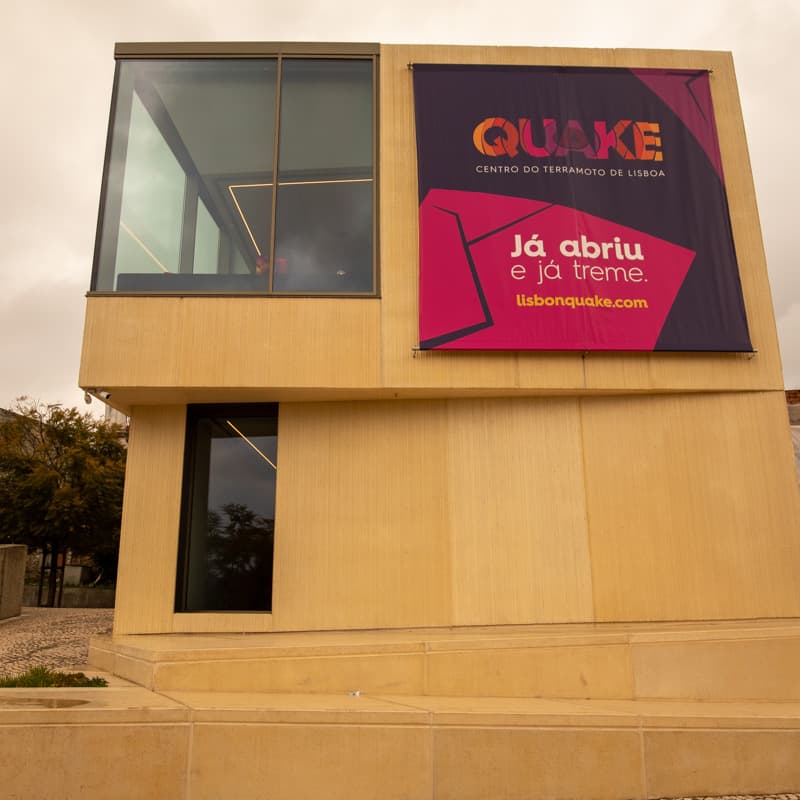
In Belém, Quake turns the most traumatic day in Lisbon’s history into an experience that brings together memory, science and imagination. Dedicated to the earthquake of 1755, it follows the chain of events that destroyed much of the city - the tremor, the tsunami and the fires - and shows how, from that ruin, a new Lisbon emerged, with the Pombaline rebuilding and the systematic use of anti-seismic solutions. Rather than simply displaying objects, the visit uses immersive rooms, simulators, video and interactive devices to convey the human and urban scale of the catastrophe. But Quake does not look only to the past. Its mission is also to explain seismic phenomena and to remind visitors that Portugal remains in an active zone, where preparation can make a difference. Between the lost city of the eighteenth century and the questions of the present, this is a place where the past appears not as a distant ruin, but as warning, knowledge and transformation.

Museu da Farmácia4.5

Museu da Farmácia

Museum • Lisboa, Lisboa

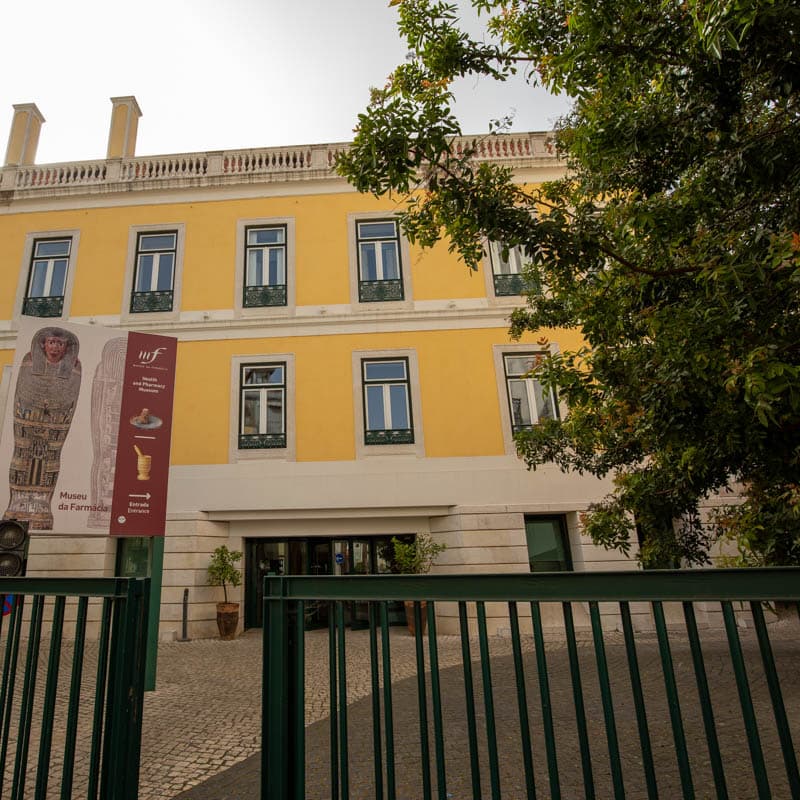
In the Palacete de Santa Catarina, the Pharmacy Museum tells the story of healthcare as a long human adventure. Opened in Lisbon in 1996 on the initiative of the Portuguese Pharmacies, it grew out of a collecting campaign launched in 1981 to save the objects, memories and techniques of a discreet yet essential profession. The visit is distinctive because it blends science, display and history: from the eighteenth-century apothecary to the Liberal Pharmacy of the early twentieth century, from a traditional pharmacy from Macao to the area devoted to military pharmacy, each reconstruction shows how ways of preparing, storing and trusting remedies have changed. Among pieces from very distant civilisations and objects linked to the Endeavour space shuttle and the Mir station, it becomes clear that the museum is not only about jars and formulas; it is about how each age tried to overcome pain, fear and disease.

Sport Lisboa e Benfica4.6

Sport Lisboa e Benfica

Stadium • Lisboa, Lisboa

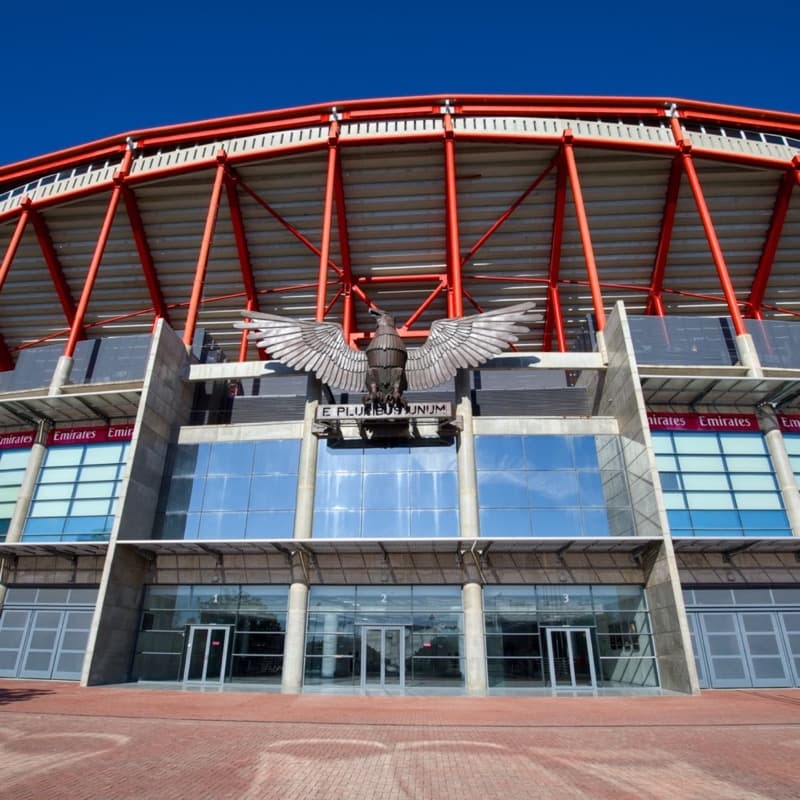
At Luz, the world of Sport Lisboa e Benfica shows how a club founded in 1904 grew beyond the pitch and became a place of memory in Lisbon. The current stadium, opened in 2003 beside the former ground of 1954, was built for Euro 2004 and quickly gained international weight: it hosted the final of that tournament and later staged the Champions League finals of 2014 and 2020. Its arched roof, designed to let light enter, helps explain why the space is experienced almost like a civic cathedral. Next door, the Benfica Museum Cosme Damião extends that story through trophies, documents and objects that tell more than a century of sporting history. Between the stands, the tunnel and the memory held here, it becomes clear that this is not only the home of a club: it is a place where collective passion, architecture and a sense of belonging have taken lasting form.

Sporting Clube de Portugal4.7

Sporting Clube de Portugal

Stadium • Lisboa, Lisboa

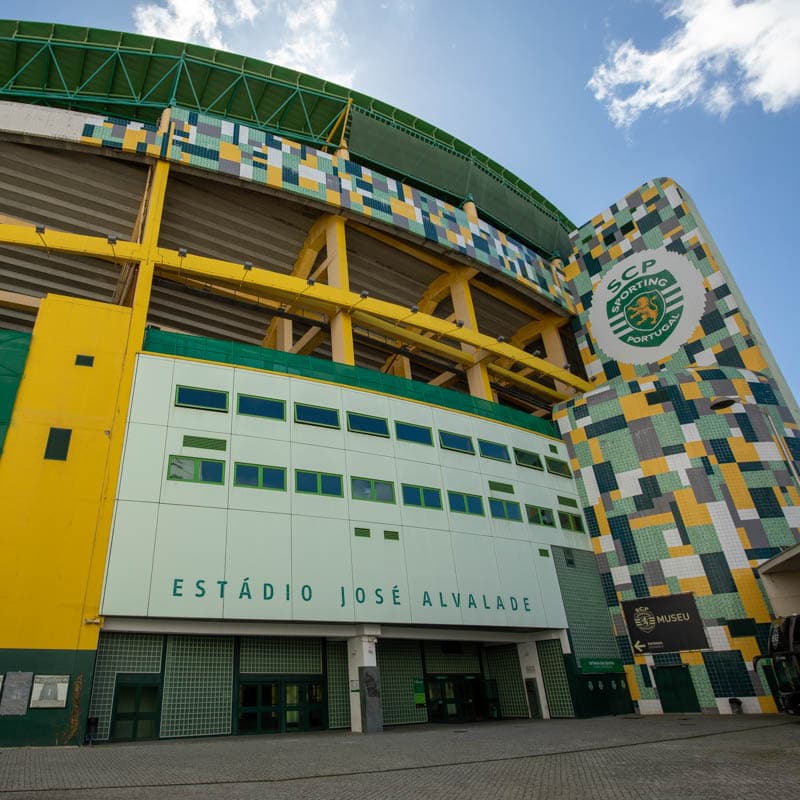
In Alvalade, the stadium of Sporting Clube de Portugal shows how football architecture can become part of a city’s memory. Opened in August 2003, next to the club’s former ground, it was created to give Sporting a home equal to its ambition, and it quickly gained international prominence by hosting five matches of Euro 2004 and, the following year, the UEFA Cup final. Yet what leaves the strongest impression is not only the calendar of major fixtures. It is the way the stands, the pitch and the inner corridors preserve the identity of a club founded in 1906 and deeply linked to the idea of sporting eclecticism. Between the dominant green, the closeness of the crowd and the memory of decisive nights, the stadium appears not only as a stage for competition: it stands as a place where belonging, emotion and collective history continue to find a very physical expression.

Lisboa Story Centre4.3

Lisboa Story Centre

Museum • Lisboa, Lisboa

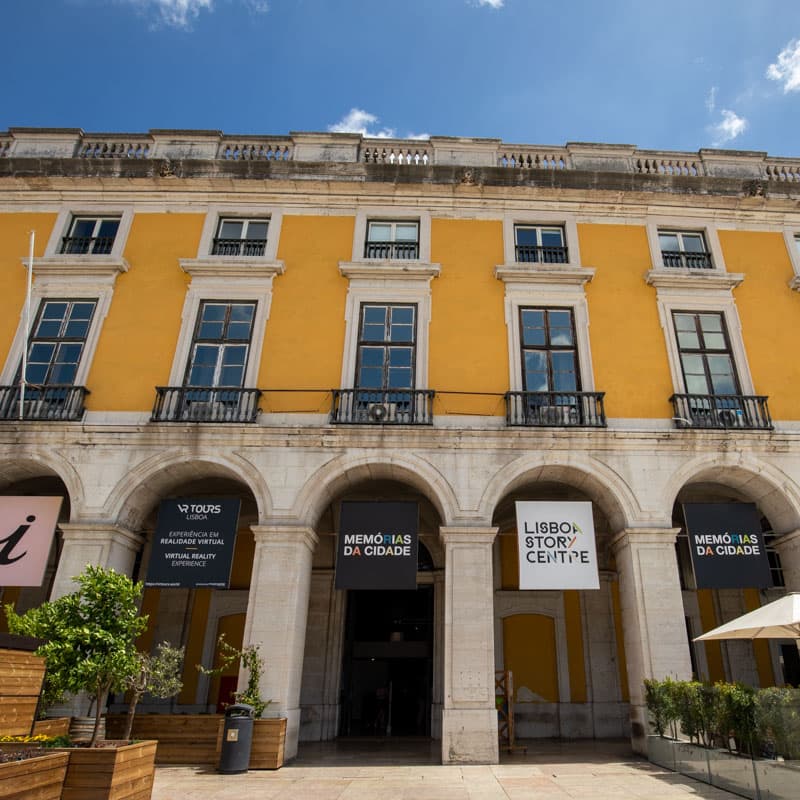
In Terreiro do Paço, Lisboa Story Centre tells the story of the city without display cases or excessive solemnity: here, Lisbon appears as a living narrative. The visit, organised into six areas and seventeen chapters, follows the city from its founding myths and early peoples to global Lisbon, the earthquake of 1755 and the Pombaline rebuilding, all guided through audio and scenic, visual and sensory devices. Its most striking moment is usually the immersive experience devoted to the earthquake, which gives visitors a sense of the shock’s violence and the scale of the destruction. But the centre is not confined to catastrophe. Ending beside Praça do Comércio, it recalls that this square was a stage for power, trade and public life, and that the city itself was shaped by successive layers of destruction, reinvention and memory. More than displaying objects, Lisboa Story Centre stages the biography of Lisbon.

Museu de Lisboa Palácio Pimenta4.6

Museu de Lisboa Palácio Pimenta

Museum • Lisboa, Lisboa

In Campo Grande, Palácio Pimenta reveals Lisbon from within a place that is itself already part of the city’s history. Built between 1744 and 1748 as an eighteenth-century summer residence, probably on the initiative of King João V, it still preserves the memory of the old estate and of the aristocratic taste for gardens and retreat beyond the centre. Since the building was adapted into a museum in the 1970s, it has become the headquarters of the Museum of Lisbon, with a journey that follows the city from prehistory and Roman times to Baroque, Pombaline and contemporary Lisbon. Among archaeology, painting, cartography, tiles and the great model of Lisbon before the 1755 earthquake, visitors sense that the city cannot be told through a single monument, but through successive layers of life, destruction and reinvention. Outside, the gardens extend that reading with an unexpected calm.

Museu Igreja de São Roque4.5

Museu Igreja de São Roque

Church • Lisboa, Lisboa

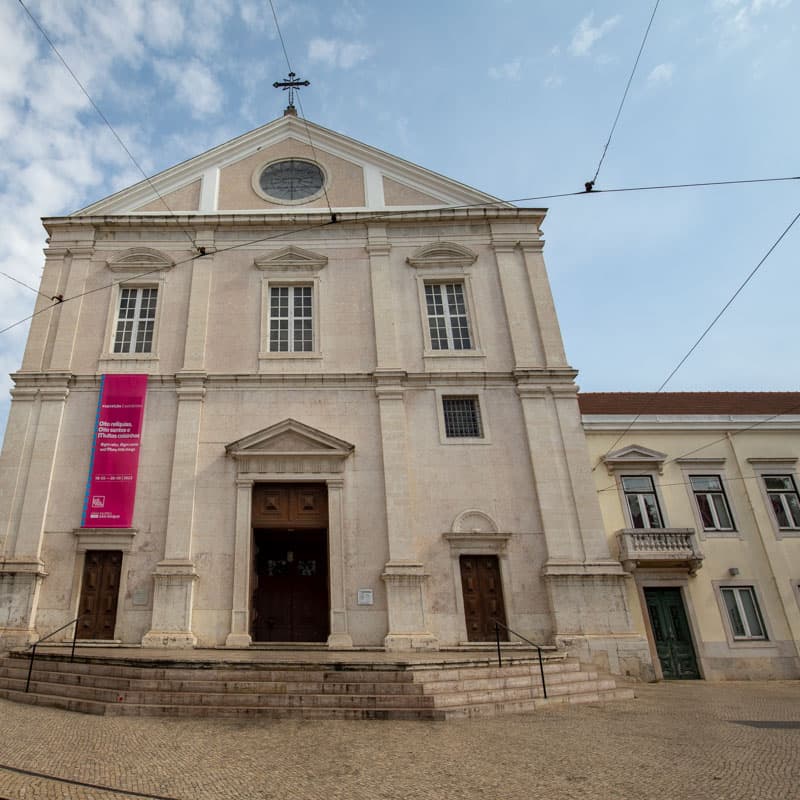
In Bairro Alto, the Church and Museum of São Roque show how a sober façade can conceal one of Lisbon’s greatest artistic surprises. Linked to the former Jesuit professed house, the church was the first Jesuit church in Portugal and one of the rare buildings in the city to survive the 1755 earthquake almost intact. Its single nave, designed for preaching, opens onto richly decorated side chapels filled with Mannerist tiles, painting and gilded woodwork. The most famous is the Chapel of St John the Baptist, commissioned by King João V in Rome, blessed by Pope Benedict XIV and brought to Lisbon in three ships, in an episode that gives the site an unexpectedly European scale. Next door, the São Roque Museum, founded in 1905, extends the visit with sacred art, objects from Asia and the treasure connected to the chapel, showing how faith, power and global circulation also shaped this Lisbon hill.

Museu do Tesouro Real4.5

Museu do Tesouro Real

Museum • Lisboa, Lisboa

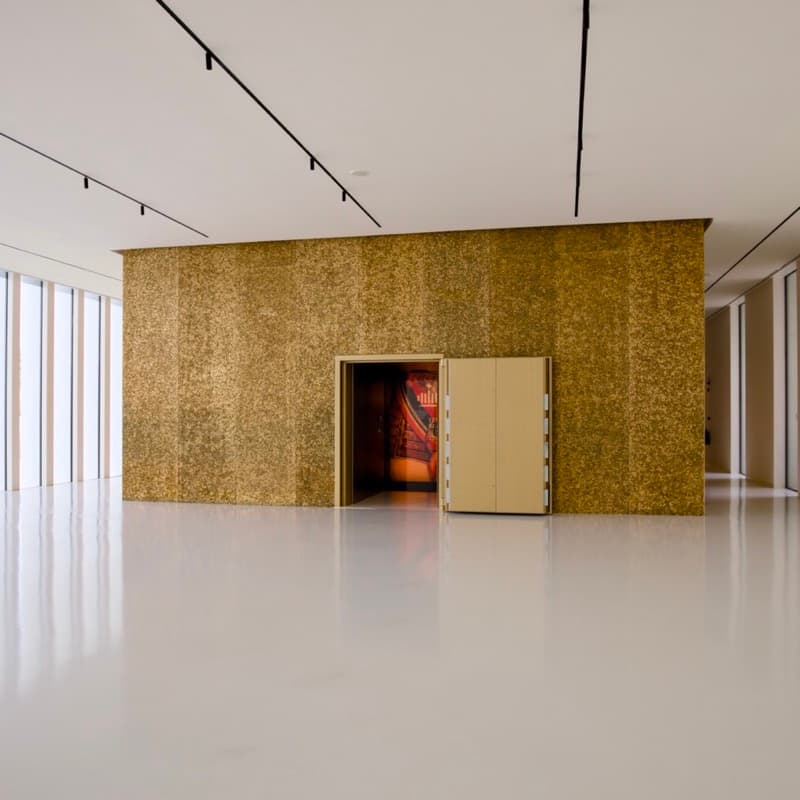
In the west wing of the National Palace of Ajuda, in Lisbon, the Royal Treasure Museum preserves an essential part of the material memory of the former Portuguese Royal House. Opened on 1 June 2022, it presents more than one thousand pieces, including Crown jewels, insignia, decorations, coins and works of civil and religious goldsmithery. The permanent exhibition is organised into eleven sections, arranged over three floors of a large vault, following themes such as the gold and diamonds of Brazil, Crown coins and medals, honorary orders, the Royal Chapel, the Royal Table and the journeys of the Treasure. The jewellery section recalls that the “Crown Jewels” were created in 1827, after the division of King João VI’s estate, and used by successive sovereigns until 1910. In the former palace of Portugal’s last kings, the brilliance of the pieces reveals power, ceremony and private life.

Museu Geológico4.5

Museu Geológico

Museum • Lisboa, Lisboa

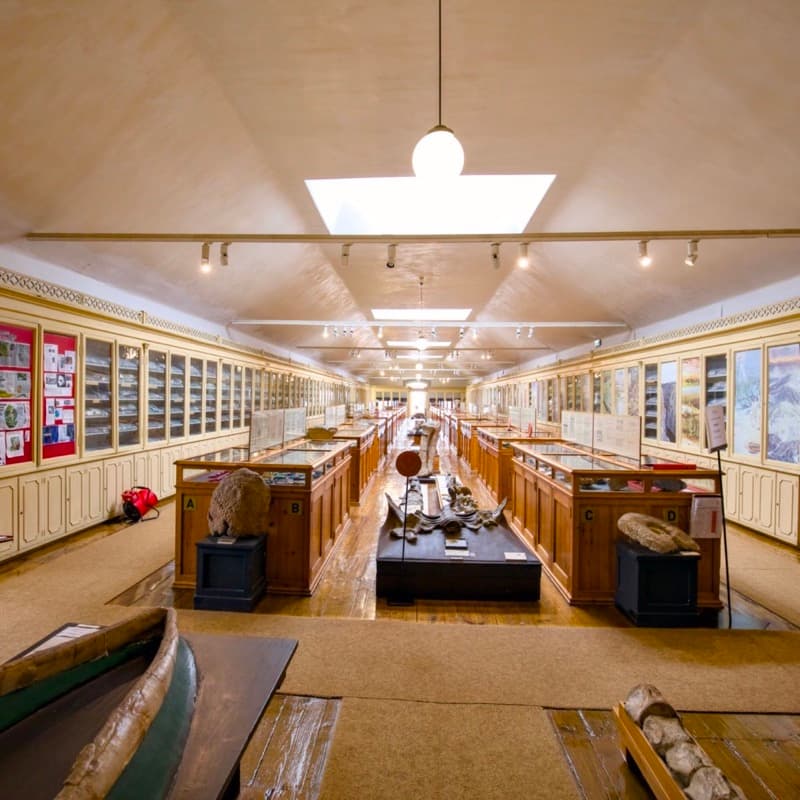
In the Convent of Nossa Senhora de Jesus, in Lisbon, the Geological Museum preserves a chapter of Portuguese scientific history. Its origins date back to 1859, when the Geological Commission of the Kingdom settled in this building and gathered specimens collected during the country’s geological work. Fossils, rocks, minerals and archaeological objects formed collections that remain connected to research, inherited from the Geological Commissions, the Geological Services of Portugal, the Geological and Mining Institute and today’s LNEG. Among the names associated with this early impulse are Carlos Ribeiro, Nery Delgado, Pereira da Costa and Paul Choffat. This is identified as the place where Portuguese Geology and Archaeology were born. The museum’s interest lies not only in its pieces: the arrangement of the collections, the display furniture and the interior architecture preserve the museological language of the 19th century. Part of the Portuguese Museum Network and classified in 2010 as a Property of Public Interest, it is also a rare testimony to the scientific museography of that time.

Museu das Comunicações4.5

Museu das Comunicações

Museum • Lisboa, Lisboa

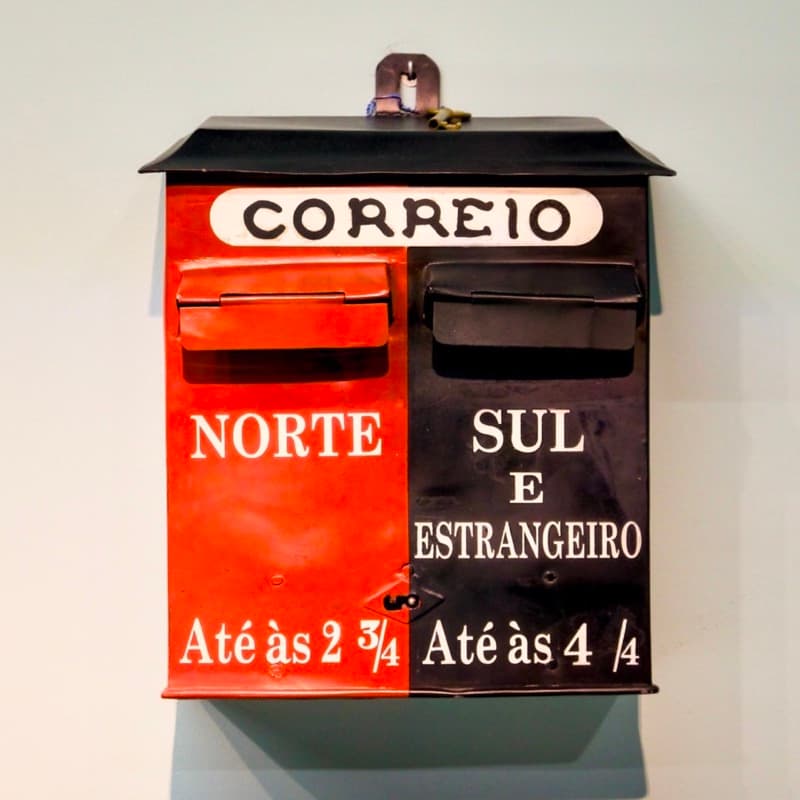
The Museum of Communications, in Lisbon, is the public face of the Portuguese Communications Foundation and preserves the material memory of a sector that has accompanied the country’s history for centuries. The collection has deep roots: in 1878, guidelines from the Ministry of Public Works, Commerce and Industry led to the creation of the “Postal Museum”, begun with thirty pieces. Today, the heritage includes objects from the 16th century to the present day and is organised into three major areas: postal collections, telecommunications collections, and artistic and philatelic collections. The permanent exhibition “Overcoming Distance – Five Centuries of Communications in Portugal” shows how writing, the post, the telegraph, the telephone and other technologies changed the relationship between people and territories. Along the route there are also the Mail Coach, linked to the transport of mail and passengers, and submarine cables, essential to understanding contemporary global communication. It is a museum about the human need to overcome distance.

Museu Bordalo Pinheiro4.6

Museu Bordalo Pinheiro

Museum • Lisboa, Lisboa

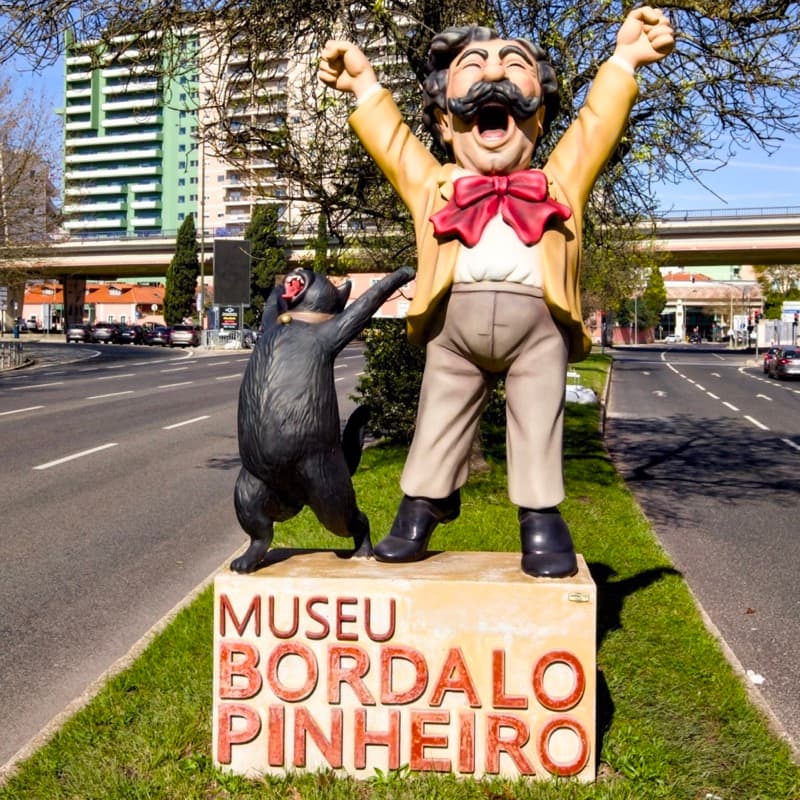
In Campo Grande, Lisbon, the Bordalo Pinheiro Museum was born from the dedication of Arthur Ernesto Santa Cruz Magalhães, a collector and admirer of Rafael Bordalo Pinheiro’s work. The house intended to receive the collection was designed by Álvaro Augusto Machado, and the museum opened to the public on 6 August 1916. According to EGEAC, it was the first museum in Portugal built from the ground up to house the work of an artist. Its collection brings together the creations of Rafael and his son Manuel Gustavo, including drawing, engraving, painting, ceramics, tiles, photography, documentation and other objects. The collection, now numbering around 13,200 pieces, shows Bordalo’s satirical, graphic and decorative power, including the famous Zé Povinho, created in 1875. More than a house of homage, the museum preserves a critical and inventive view of Portuguese society in the late 19th century.

Fundação Arpad Szenes-Vieira da Silva4.6

Fundação Arpad Szenes-Vieira da Silva

Cultural Centre • Lisboa, Lisboa

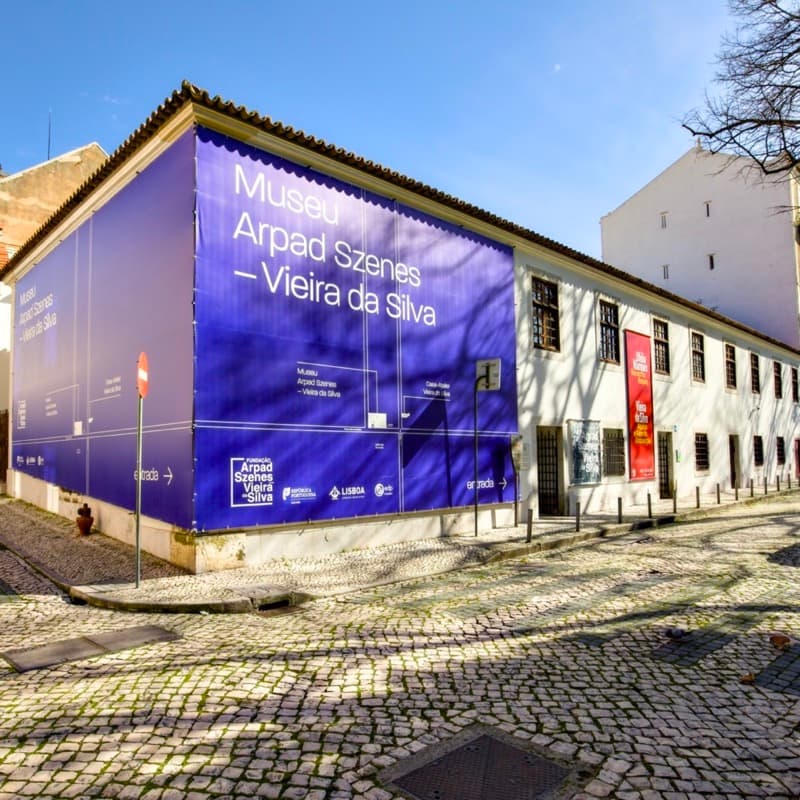
In Praça das Amoreiras, Lisbon, the Arpad Szenes-Vieira da Silva Foundation occupies the former Silk Textile Factory, a spacious Pombaline house linked to an early 20th-century industrial structure. It was Maria Helena Vieira da Silva who chose this building to hold her memory, that of Arpad Szenes and an essential part of her artistic legacy. The idea emerged after Arpad’s death in 1985 and developed from a study centre into a museum dedicated to the two painters. The Foundation was established in 1990 and opened to the public on 4 November 1994. The collection brings together painting, drawing and printmaking, covering Arpad Szenes’s production from 1911 to 1985 and Vieira da Silva’s from 1926 to 1986, with later prints by the artist. The Documentation and Research Centre preserves photographs, correspondence, manuscripts and other materials that extend the study of the couple’s work.

Pavilhão do Conhecimento - Ciência Viva4.7

Pavilhão do Conhecimento - Ciência Viva

Science Centre • Lisboa, Lisboa

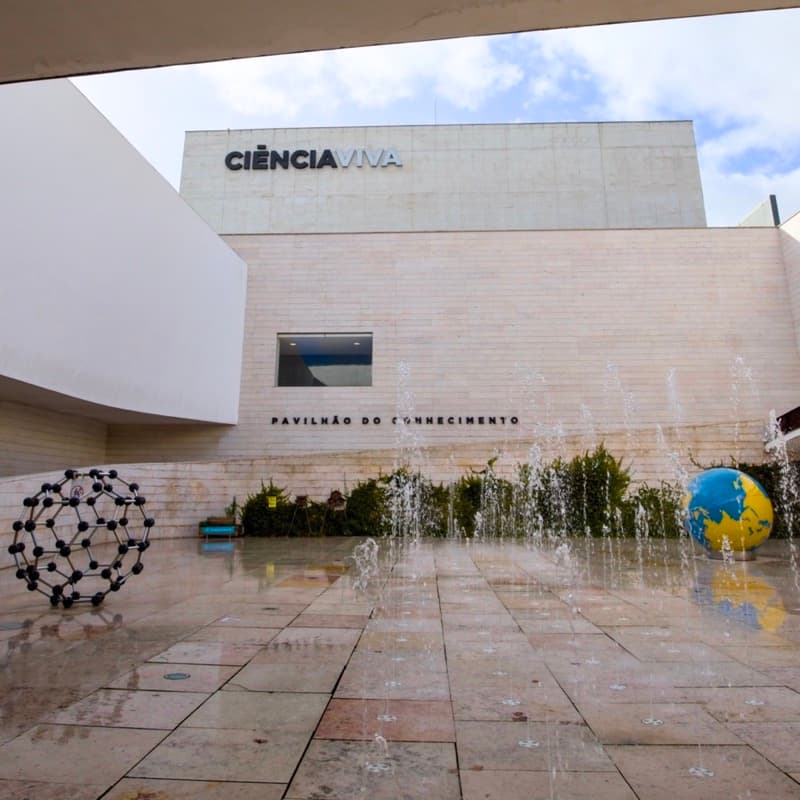
In Parque das Nações, Lisbon, the Pavilion of Knowledge – Ciência Viva occupies the building that, during the 132 days of EXPO’98, housed the Pavilion of Knowledge of the Seas. Designed by João Luís Carrilho da Graça’s studio, it was one of the most visited thematic pavilions of the exhibition, with 2,543,914 visitors. In 1999, the building was assigned to the creation of a space for scientific and technological outreach and reopened to the public, on 25 July, as the Pavilion of Knowledge. Today it is part of the National Network of Ciência Viva Centres and is presented by the network itself as the country’s largest science and technology centre. Across some 4,000 square metres, exhibitions on Physics, Mathematics, Chemistry, Biology and Social Sciences are combined with interactive modules, laboratories, talks and experimental activities. The architecture received the Valmor and Municipal Architecture Prize in 1998.

Casa Museu Amália Rodrigues4.7

Casa Museu Amália Rodrigues

Museum • Lisboa, Lisboa

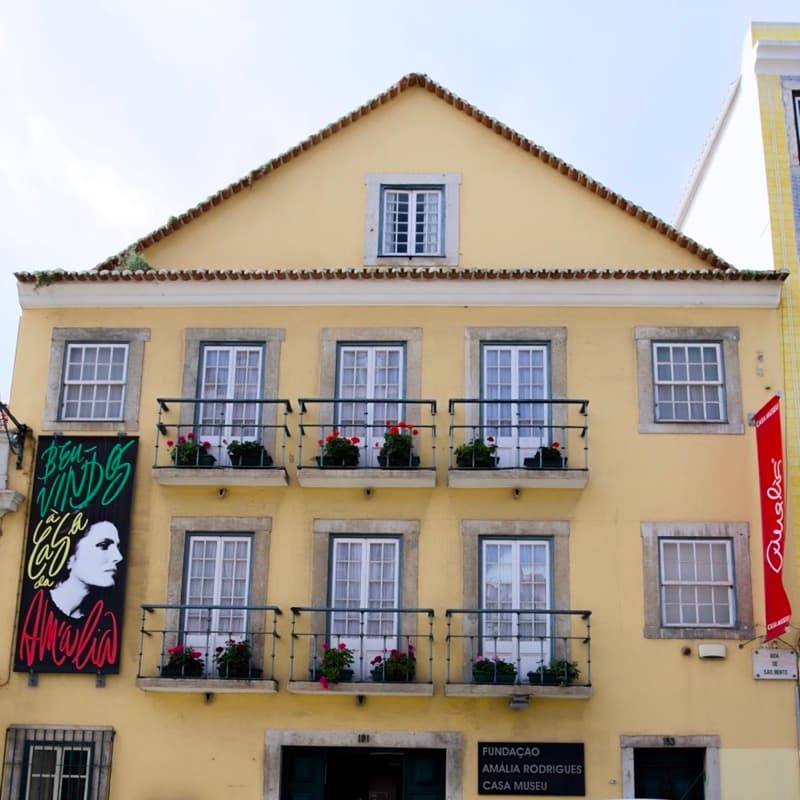
On Rua de São Bento, in Lisbon, the Amália Rodrigues House-Museum preserves the house where the artist lived for more than four decades. Open to the public since 2001, it maintains the domestic atmosphere connected to her personal and artistic life, giving concrete form to the wish to preserve and share her legacy. The Amália Rodrigues Foundation, established by the singer’s own will, has the mission of protecting, studying and disseminating her work, her contribution to fado and Portuguese culture. Inside, memory appears through personal objects, documents, photographs, letters, press cuttings, decoration diplomas, manuscripts and poems. Among these materials are versions of lyrics such as “Ó Gente da Minha Terra” and “Quando Se Gosta d’Alguém”. More than a biographical evocation, the house reveals the link between Amália’s public voice and the intimacy of a preserved daily life.

Museu do Fado4.4

Museu do Fado

Museum • Lisboa, Lisboa

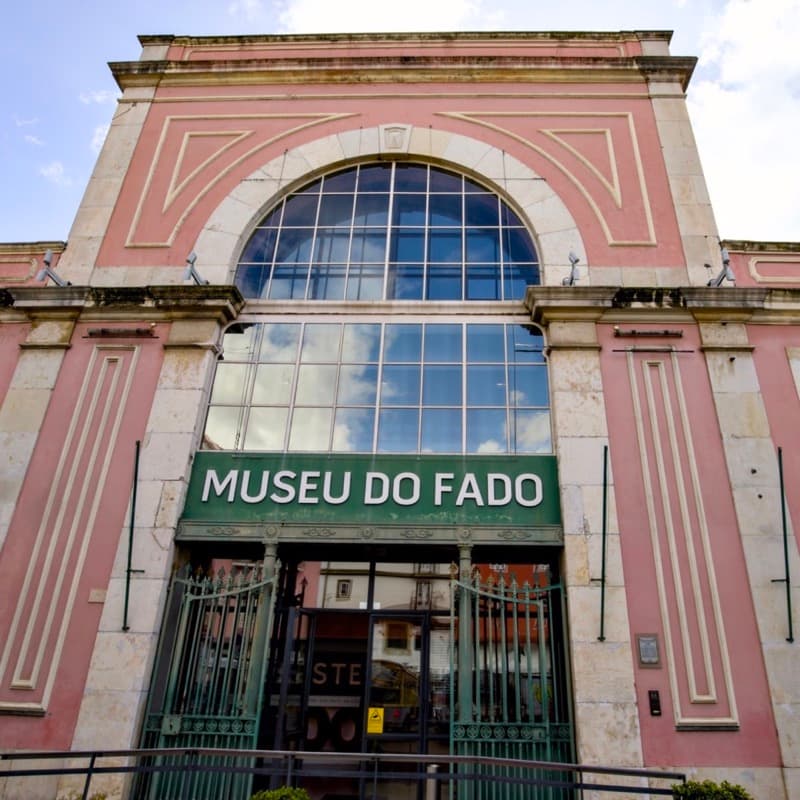
In Largo do Chafariz de Dentro, Lisbon, the Fado Museum is entirely dedicated to Lisbon’s urban song and to the Portuguese Guitar. It opened to the public on 25 September 1998, celebrating fado as an expression linked to the city’s identity and to the country’s cultural history. Housed in a former Water Pumping Station, built in the second half of the 19th century, the building was restored and extended by the architects João and José Daniel Santa-Rita. The permanent exhibition follows the history of fado and the Portuguese guitar, while the documentation centre, auditorium and school extend research, learning and practice. The collection brings together estates of performers, authors, composers, musicians, instrument makers, scholars and researchers. Since 2011, fado has been included on UNESCO’s Representative List of the Intangible Cultural Heritage of Humanity, and the museum played a central role in the nomination.

Museu do Aljube4.7

Museu do Aljube

Museum • Lisboa, Lisboa

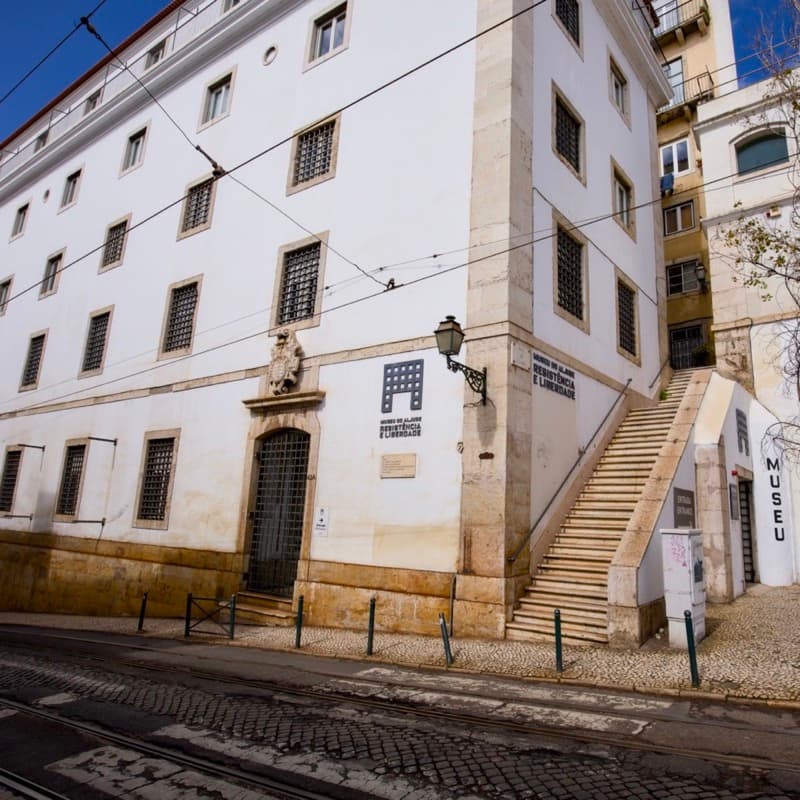
Near Lisbon Cathedral, the Aljube Museum — Resistance and Freedom occupies a building marked by a long prison history. The name Aljube itself comes from the Arabic al-jubb, associated with a dry well, cistern, dungeon or prison. According to the museum, the building dates back to the Roman and Islamic periods and was, over time, an ecclesiastical jail, a women’s prison and, between 1928 and 1965, a political prison. Created in 2015, the museum is dedicated to the memory of the struggle against the Portuguese dictatorship, which lasted from 1926 to 1974, and to resistance in the name of freedom and democracy. The long-term exhibition presents the history of the building, the regime’s mechanisms of repression and oppression, the opposition movements, the anti-colonial struggle and the path to 25 April 1974. On the lower floor, archaeological remains recall that this place of memory has roots far older than the dictatorship.

Museu da Presidência da República4.5

Museu da Presidência da República

Museum • Lisboa, Lisboa

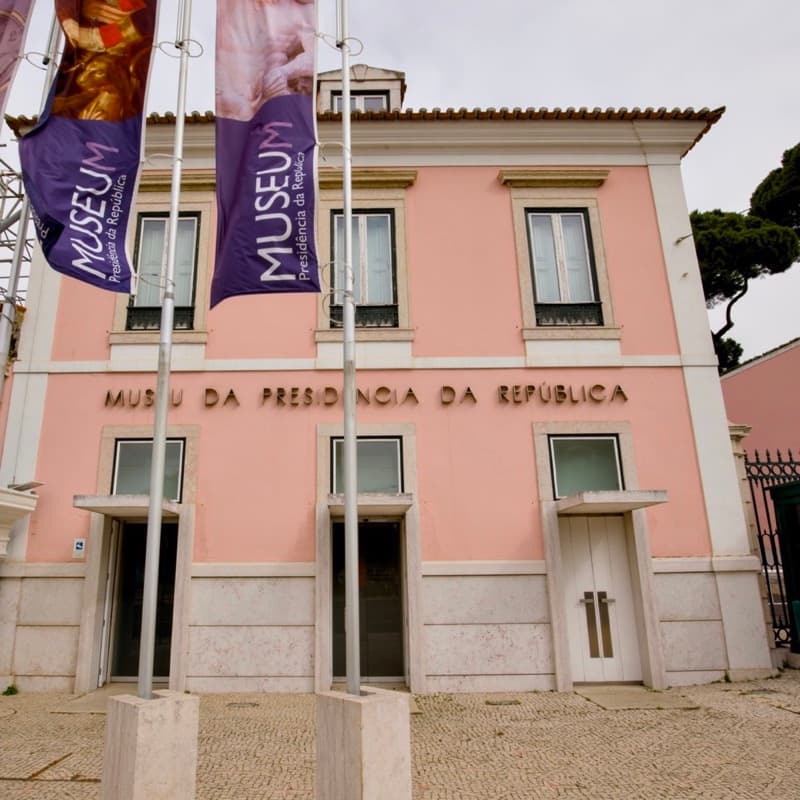
Housed in the former stables and warehouses of Belém Palace, in Lisbon, the Museum of the Presidency of the Republic brings republican history closer to the country’s public life. The idea emerged at the end of António Ramalho Eanes’s term: in 1986, the President opened a section in the Palace with 84 State gifts. In 2000, the Organic Law of the General Secretariat of the Presidency of the Republic formally created the Museum, dedicated to the dissemination and historical research of the presidential institution. The present building was inaugurated by Jorge Sampaio on 5 October 2004. The collection contains around 4,500 pieces, including State gifts, personal objects, decorations, vehicles and movable heritage from the presidential palaces. The route presents, among other sections, the Gallery of Official Portraits, the Portuguese Honorary Orders and the powers of the President of the Republic. In the same complex, Belém Palace has been the official presidential residence since the establishment of the Republic.

Picadeiro Real4.5

Picadeiro Real

Museum • Lisboa, Lisboa

In Praça Afonso de Albuquerque, in Belém, the Royal Riding Hall preserves the equestrian memory of the Portuguese court and the museological birth of the National Coach Museum. The building was constructed in 1787 by the Italian architect Giacomo Azzolini and, in 1905, became the space chosen to house the Royal Coach Museum, inaugurated on the initiative of Queen D. Amélia. For this new function, the former riding hall was adapted by the court architect Rosendo Carvalheira, with the collaboration of the painters José Malhoa and Conceição e Silva. After the establishment of the Republic in 1910, the collection grew with vehicles from the former Royal House and Church property; in 1911, the museum became known as the National Coach Museum. The hall designed by Raul Lino, inaugurated in 1944, expanded the exhibition space. Today, the Royal Riding Hall retains coaches, berlins, portraits of the royal family and cavalry accessories.

Museu Nacional de Arte Contemporânea (MNAC)4.0

Museu Nacional de Arte Contemporânea (MNAC)

Museum • Lisboa, Lisboa

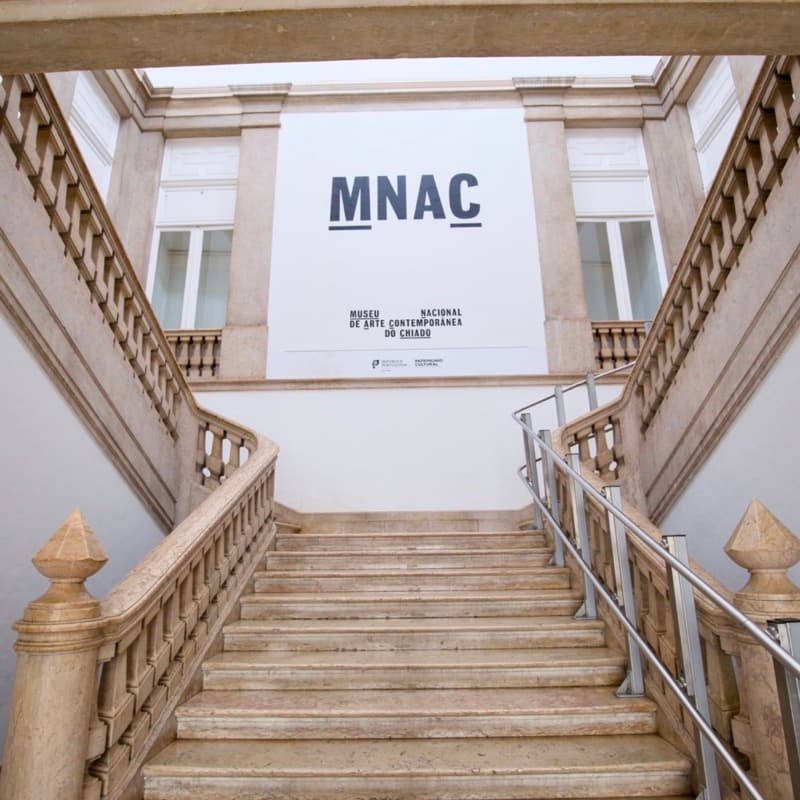
In the heart of Chiado, the National Museum of Contemporary Art – Museu do Chiado follows Portuguese art from 1850 to the present day. It was founded by decree of the Republic on 26 May 1911, when the former National Museum of Fine Arts was divided between art produced before 1850, assigned to the National Museum of Ancient Art, and later works, installed in the Convent of São Francisco. Its location links the museum to an area of Lisbon frequented by artists and intellectual circles from the generations represented in the collection. After the Chiado fire in 1988, the works were removed as a precaution, and the museum reopened on 12 July 1994, renovated by Jean-Michel Wilmotte. The collection brings together painting, sculpture, drawing, video, photography and installation, spanning Romanticism, Naturalism, Modernism and contemporary creation. Between building, collection and urban memory, the MNAC reads Lisbon through the history of Portuguese art.

Museu de Lisboa - Casa dos Bicos4.4

Museu de Lisboa - Casa dos Bicos

Museum • Lisboa, Lisboa

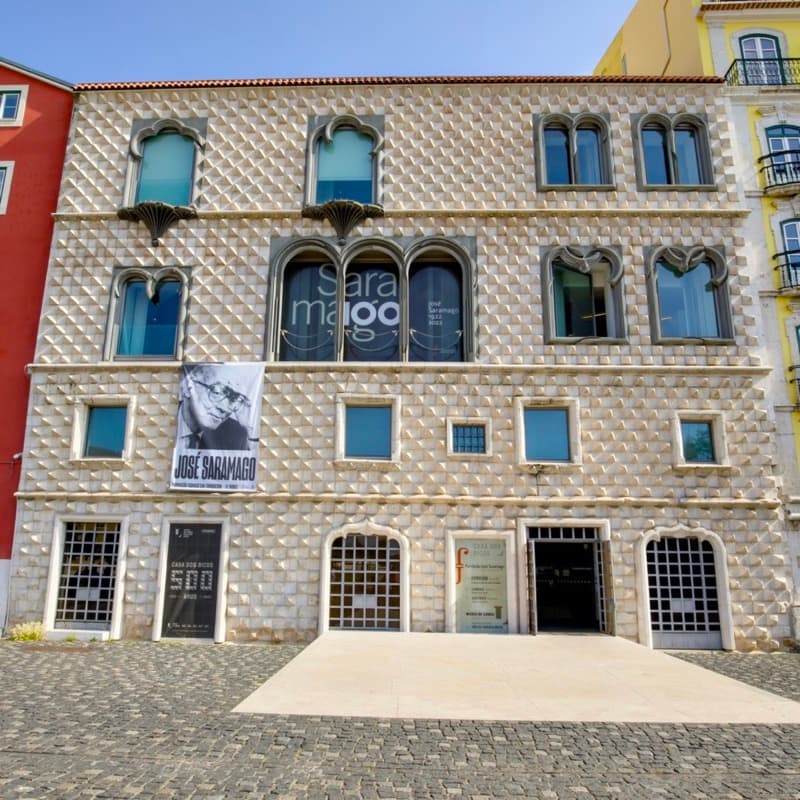
On Rua dos Bacalhoeiros, Casa dos Bicos is one of the five branches of the Museum of Lisbon and houses, on the ground floor, an archaeological centre devoted to the city’s history. The building was constructed in the 16th century by order of D. Brás de Albuquerque, inspired by Italian Renaissance models, among them the Palazzo dei Diamanti in Ferrara. The façade, classified as a National Monument, owes its name to the stones carved into diamond points, whose texture contrasts with the irregular arrangement of the openings. Inside, the remains reveal several layers of Lisbon, from the Roman occupation to the 18th century. Sections of wall, fish-salting tanks and everyday objects can be seen. On the upper floors, granted to the José Saramago Foundation, the house extends its cultural life. Between architecture, archaeology and urban memory, Casa dos Bicos shows Lisbon as a city built upon successive histories.

Museu da Polícia4.5

Museu da Polícia

Museum • Lisboa, Lisboa

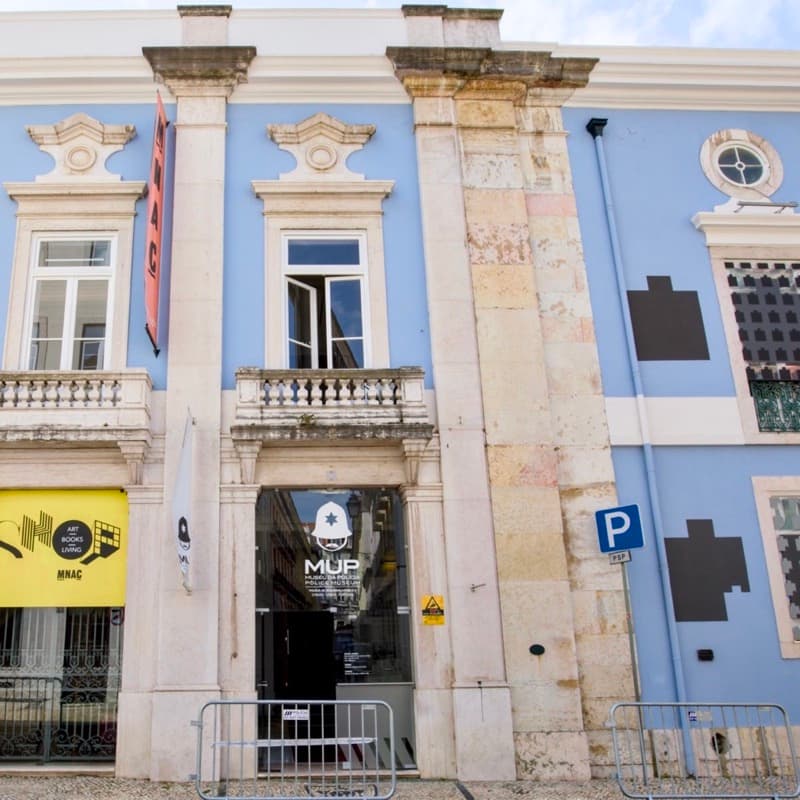
In Chiado, Lisbon, the MUP – Police Museum occupies part of the former Convent of São Francisco, a building that served as the headquarters of the PSP’s Lisbon Metropolitan Command. Inaugurated in July 2023, it presents the exhibition “The Public Security Police in History”, devoted to the PSP’s path from the creation of the civil police in 1867 to the present day. The museum grew out of the project “Public Security Police: History and Heritage”, developed in partnership between the PSP National Directorate and NOVA FCSH, with the aim of studying, organising and musealising the institution’s historical collections. The route connects the police’s organisational, functional and cultural evolution with the political and social history of contemporary Portugal. Among documents, photographs, objects, videos and multimedia resources, the idea of the “giro” stands out: the urban round that marked the police’s earliest duties in the streets of the cities.

Fundação José Saramago4.5

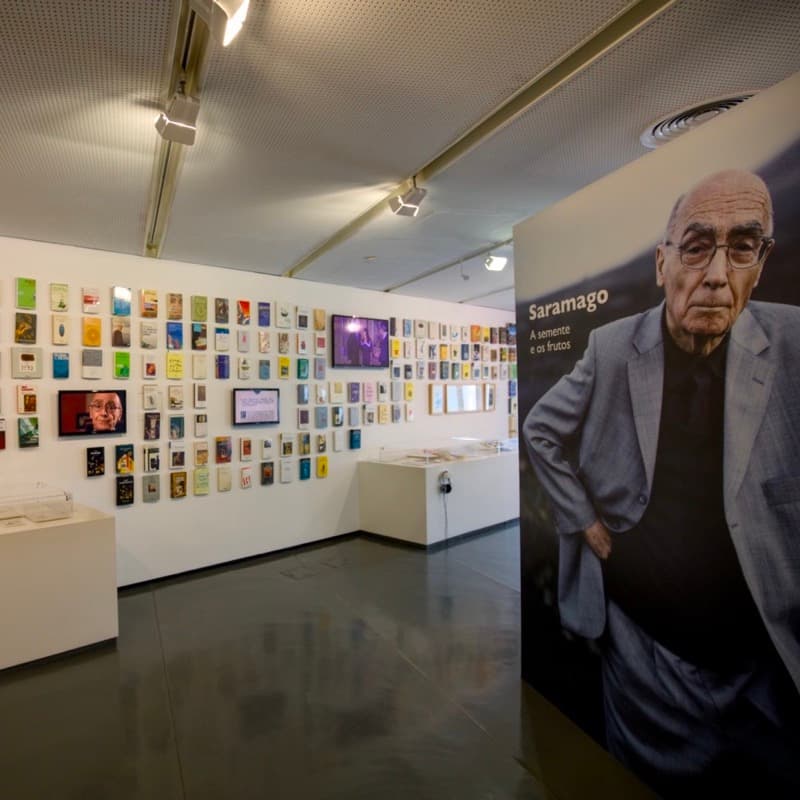
Fundação José Saramago

Cultural Centre • Lisboa, Lisboa

At the Casa dos Bicos, in Lisbon, the José Saramago Foundation brings together the writer’s memory and a long urban history. Established by José Saramago in June 2007, the foundation is dedicated to literature and culture in the Portuguese language, to promoting the Universal Declaration of Human Rights and to defending the environment. Since June 2012, it has been based in this building on Rua dos Bacalhoeiros, commissioned in 1523 by Brás de Albuquerque, son of Afonso de Albuquerque, after a journey to Italy. The façade, classified as a National Monument, is distinguished by stones carved into diamond points, in Renaissance taste, and by windows inspired by the Manueline language. The house has had private and public uses, was once used as a cod warehouse, and today hosts the permanent exhibition dedicated to Saramago’s life and work. On the ground floor, the archaeological centre reveals traces of Lisbon from the Roman occupation to the present day.

Museu da GNR4.6

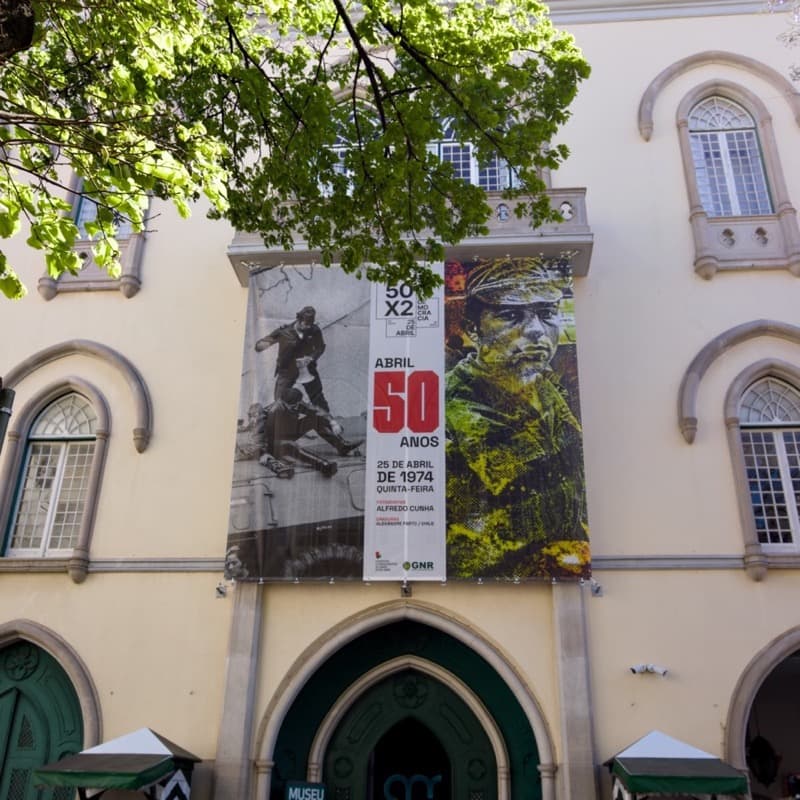
Museu da GNR

Museum • Lisboa, Lisboa

Housed on the ground floor of the Carmo Barracks, in Lisbon, the Museum of the Guarda Nacional Republicana occupies a place where institutional history intersects with the country’s political history. The barracks correspond to the former Carmo Convent, completed in 1423, and have been the headquarters of the military guard forces since 1845. It was also in this building that, on 25 April 1974, the transfer of power from Marcelo Caetano to General António de Spínola was completed. Prepared from 2005 onwards, the museum had its first section inaugurated in 2014 and opened regularly to the public in 2015. The exhibition follows a chronological route: it begins with D. Nuno Álvares Pereira and Carmo, moves through the former police guards and reaches the creation of the GNR, decreed in 1911. Objects, documents, uniforms and the recreation of a rural station show how security, memory and public service are inscribed in Portuguese everyday life.
Museu Banksy4.7

Museu Banksy

Museum • Lisboa, Lisboa

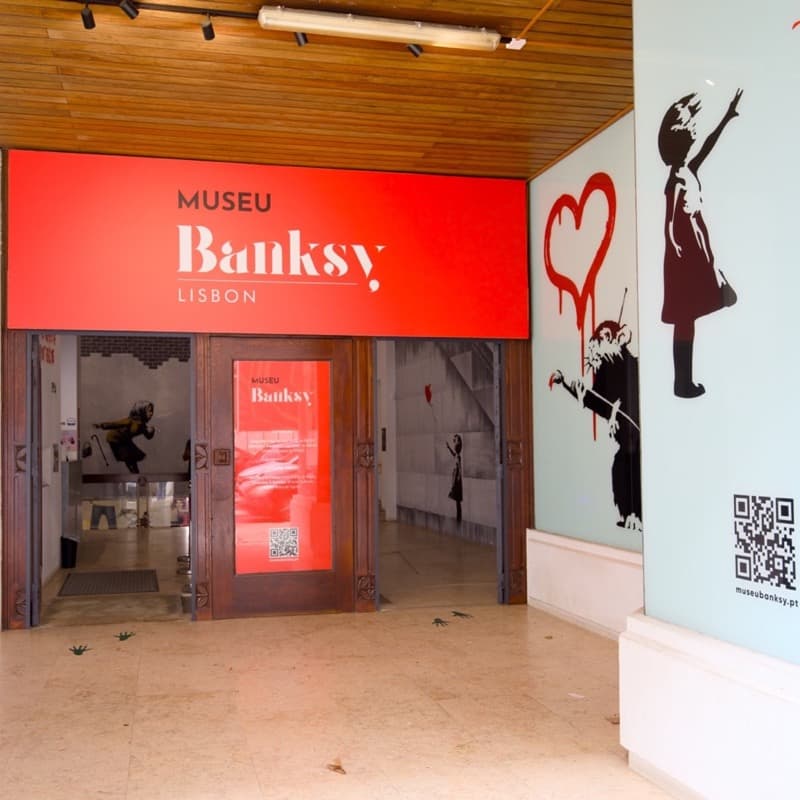
The Museu Banksy in Lisbon presents an immersive reading of Banksy’s work through more than 100 reproductions, arranged as video installations, graffiti, canvases, projections and murals. It is not a museum authorised by the artist: the exhibition itself states that it was organised without his involvement, a detail consistent with Banksy’s critical relationship with authorship, the market and institutions. The route brings together works associated with different geographies, from the United Kingdom to France, from the United States to Palestine/Israel and Ukraine, creating a kind of visual map of the political and social issues that run through his work. Instead of presenting originals, the space focuses on scale, staging and the contextualisation of the images, bringing the public closer to a language born in the street and marked by satire, denunciation and contrast. In Lisbon, the Museu Banksy acts as an entry point into an artistic universe that is recognisable, provocative and deliberately uncomfortable.

Fundação Ricardo do Espírito Santo Silva4.4

Fundação Ricardo do Espírito Santo Silva

Museum • Lisboa, Lisboa

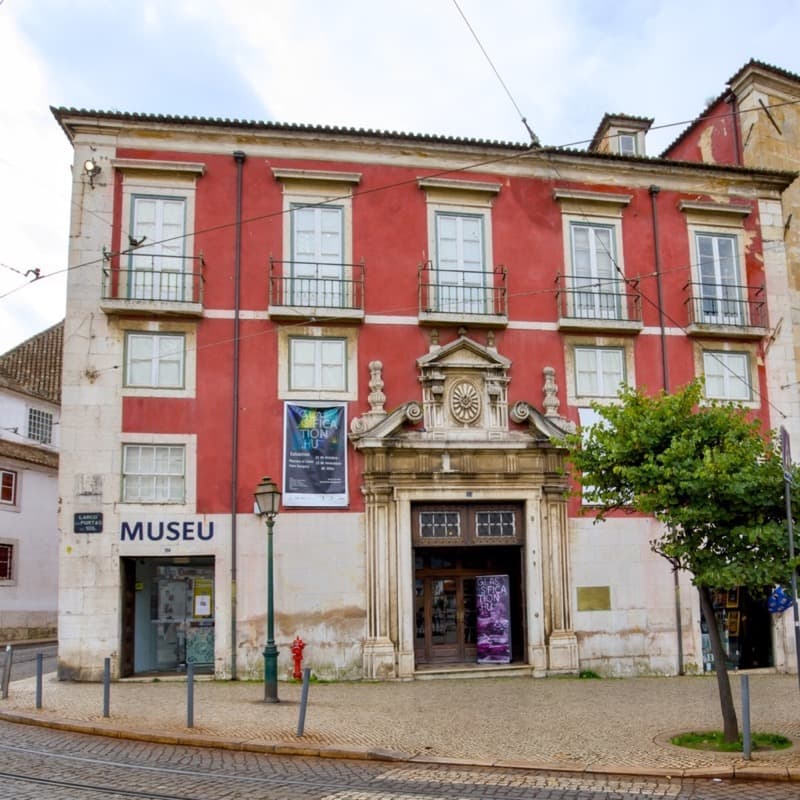
The Ricardo do Espírito Santo Silva Foundation occupies the Azurara Palace, in Largo das Portas do Sol, Lisbon. Created in 1953 by the banker and collector Ricardo do Espírito Santo Silva, it began as a Museum-School of Decorative Arts, based on the donation of the palace and a collection assembled by its founder. The building, classified as a Property of Public Interest, is a palace with a 17th-century character and was once home to noble families, having belonged to the Viscount of Azurara in the late 18th century. Inside, the Museum of Portuguese Decorative Arts guides visitors through decorative arts from the 15th to the 18th century, with sections devoted to furniture, textiles, silverware, Chinese porcelain, Portuguese faience, tiles, painting, sculpture and bookbinding. The foundation also maintains arts and crafts workshops, training, and conservation and restoration, preserving traditional techniques through transmission between masters, trainers and apprentices.

Museu de Lisboa - Santo António4.3

Museu de Lisboa - Santo António

Museum • Lisboa, Lisboa

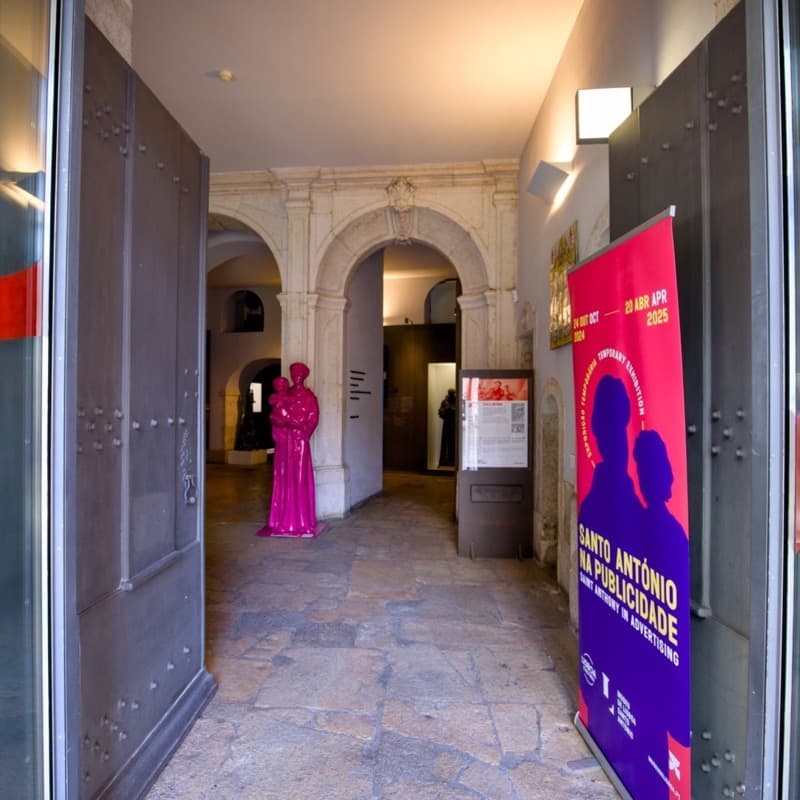
The Museu de Lisboa - Santo António stands in the historic centre, beside the church dedicated to the saint and close to the Cathedral. It is one of the five sites of the Museu de Lisboa and focuses on Saint Anthony, who was born in the city and lived here until the age of 20. The exhibition presents his relationship with Lisbon through iconography, devotion, popular traditions and the festivities that grew around him. Along the route, it becomes clear how the saint’s image was built over the centuries: the Franciscan preacher, the miracle-worker, the familiar presence in domestic devotions and in the celebrations of June. The museum includes a long-term exhibition area and a documentation centre. Small in scale, but dense in meaning, it brings together religious history, urban memory and popular culture around one of the most present figures in Lisbon’s imagination.

Museu de Lisboa - Teatro Romano4.4

Museu de Lisboa - Teatro Romano

Archaeological Site • Lisboa, Lisboa

The Museu de Lisboa - Teatro Romano reveals, on the slope of São Jorge Castle, one of the great remains of ancient Felicitas Iulia Olisipo. The theatre was built in the time of Emperor Augustus and remodelled in AD 57, during Nero’s rule. It is estimated to have held around four thousand spectators, a sign of the public importance of performances in the Roman city. Abandoned in the 4th century, it remained buried until 1798, when the ruins emerged during the reconstruction of Lisbon after the 1755 Earthquake. Only in the second half of the 20th century did the monument begin to be studied again through systematic archaeological campaigns. The present route brings together an exhibition area, an archaeological field and the ruins of the theatre, where parts of the orchestra, seating, stage front and stage can still be recognised. Between excavated stone and the urban fabric, the museum reveals a Lisbon older than the city’s own medieval memory.
Museu Benfica - Cosme Damião4.8

Museu Benfica - Cosme Damião

Museum • Lisboa, Lisboa

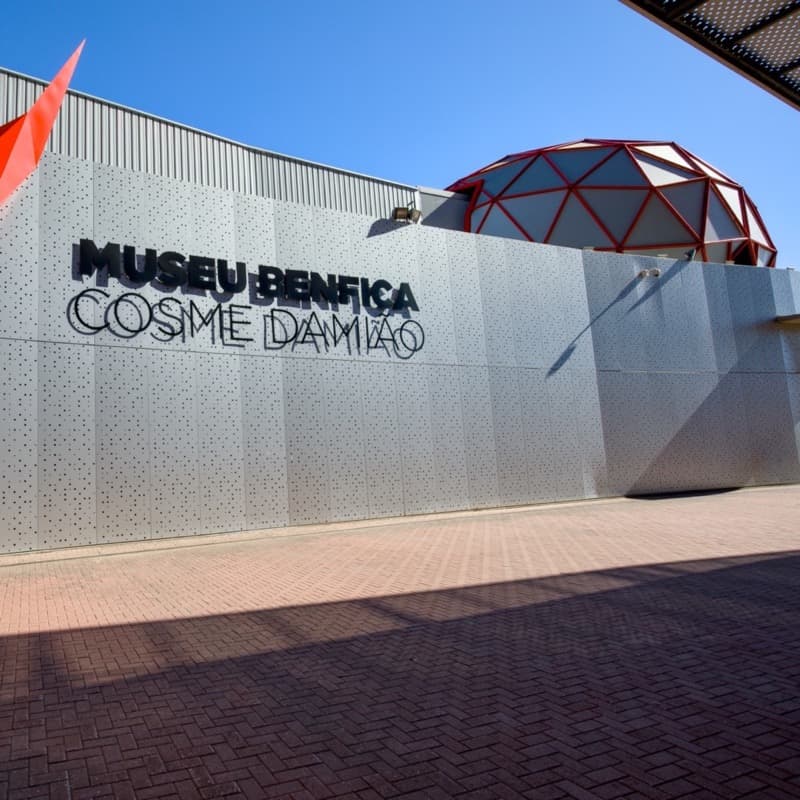
The Museu Benfica - Cosme Damião stands beside Estádio da Luz, in Lisbon, and turns the history of Sport Lisboa e Benfica into a large-scale museum route. Inaugurated in 2013, it was named after Cosme Damião, a central figure in the club’s history and often presented as its “father”. The exhibition links Benfica memory with the history of Lisbon, Portugal and the world, creating a broader setting for trophies, names, facts and images. With around 4,000 square metres, spread over three floors, the museum is organised into 29 thematic areas and uses interactivity and technology as an essential part of the visit. Around a thousand pieces from the club’s collection are on display. More than a gallery of victories, the museum shows how sport, collective identity and urban memory can meet in the same space.

3D Fun Art Museum4.6

3D Fun Art Museum

Museum • Lisboa, Lisboa

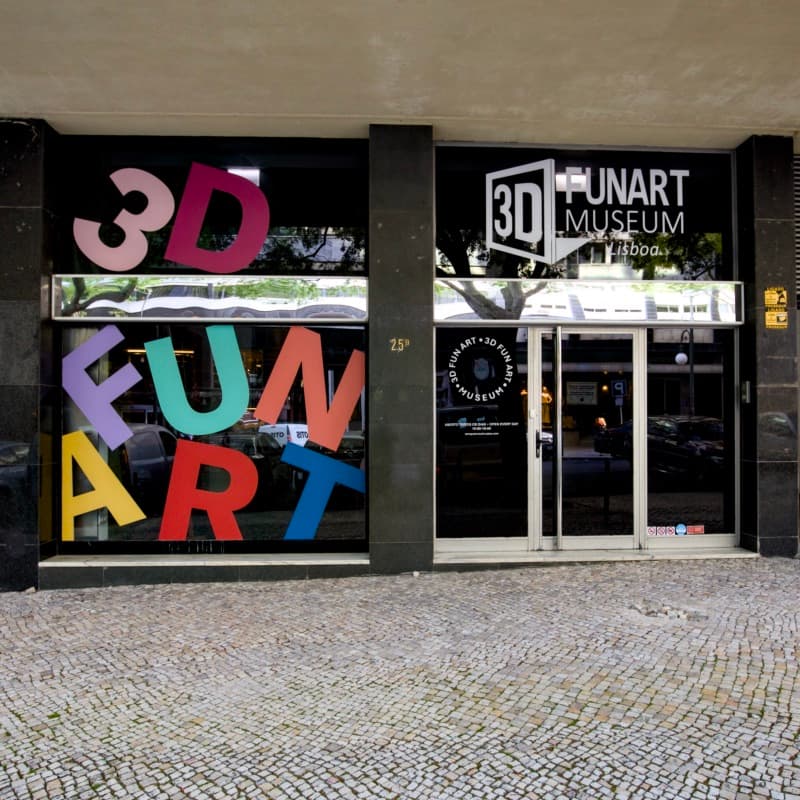
The 3D Fun Art Museum in Lisbon offers a light and participatory way of looking at images. The space brings together around 40 scenarios with 3D images and optical illusions, combining the science of visual perception with the play of illusion. Here, the artwork does not remain only in front of those who observe it: it asks for presence, movement and framing. The compositions are designed to integrate the body into the scene and turn photography into an essential part of the experience. Between trick-art paintings, illusion rooms and games of scale, unexpected situations appear, such as entering Van Gogh’s world, taking part in a safari or living alongside a dinosaur. The result is a contemporary and accessible museum, where perspective, depth and imagination meet in a sequence of images built in the moment.

MUDE - Museu do Design3.9

MUDE - Museu do Design

Museum • Lisboa, Lisboa

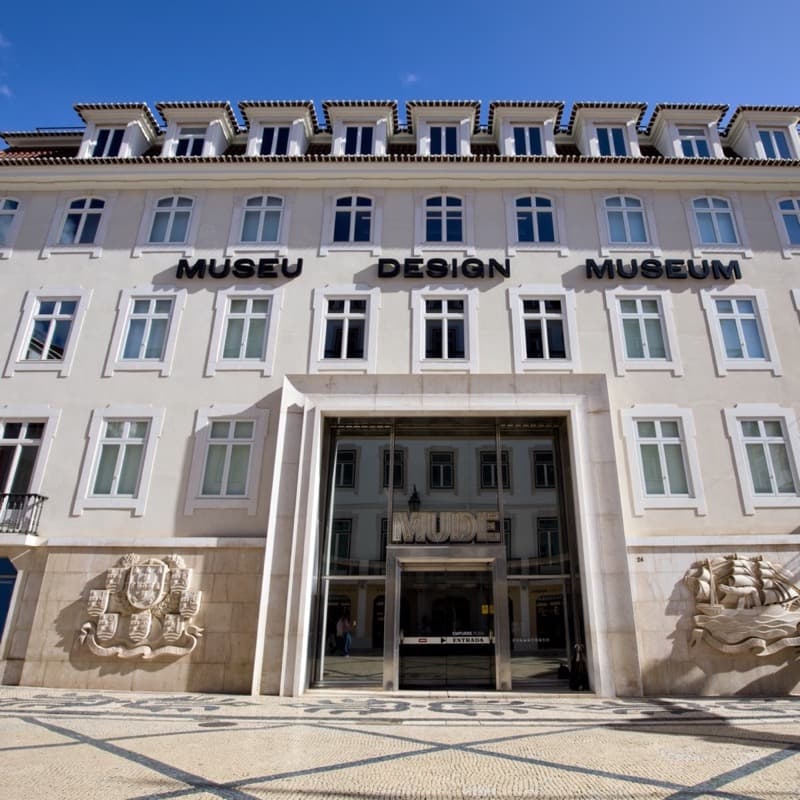
MUDE — Design Museum, in Lisbon, occupies a building that preserves the memory of the former headquarters of Banco Nacional Ultramarino. Today, that financial past coexists with a museum dedicated to the many expressions of design. The building itself is treated as a living archive: its movable and integrated heritage forms part of the collection, and its architectural evolution is understood as material to be read. The collection brings together documentary and museum inventory entries organised into areas such as graphic design, fashion, contemporary jewellery, product, editorial and stage design. The long-term exhibition “What are things for? Pieces from the MUDE Collection 1900-2020” proposes looking at design not only as form, but as process, use, communication and consumption. Between the display depot, specialised library and exhibition spaces, MUDE shows how objects also tell the history of ideas.
MACAM - Museu de Arte Contemporânea Armando Martins4.7

MACAM - Museu de Arte Contemporânea Armando Martins

Museum • Lisboa, Lisboa

MACAM — Armando Martins Contemporary Art Museum, in Lisbon, makes public the private collection assembled by Armando Martins over five decades. Opened to the public on 22 March 2025, it occupies the former Palace of the Counts of Vila Franca, later Counts of Ribeira Grande, a building with origins in the early 18th century. The history of the site remains legible in the long façade, the former chapel, the noble staircase and the traces recovered during the rehabilitation. The collection, begun in 1974, brings together more than 600 works, from the late 19th century to the present day, spanning painting, sculpture, drawing, photography, video and installation. The route places modern Portuguese art in dialogue with national and international contemporary creation. Between palace, museum and hotel, MACAM presents the private collection as public matter, open to observation and conversation.

Centro Interpretativo da História do Bacalhau4.0

Centro Interpretativo da História do Bacalhau

Interpretive Center • Lisboa, Lisboa

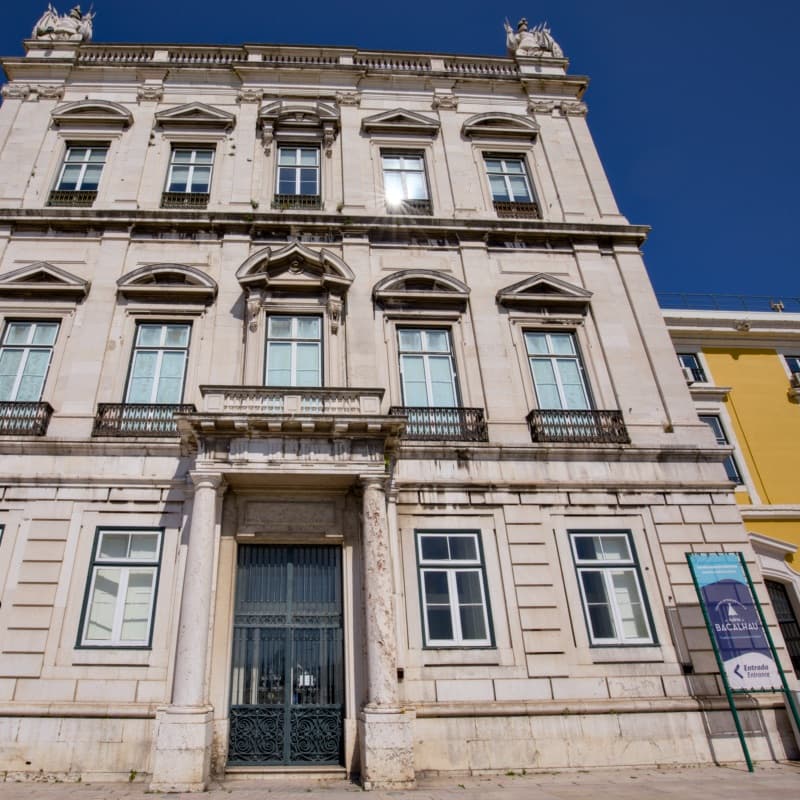
The Codfish History Interpretation Centre, in Lisbon, turns an everyday food into a theme of maritime and cultural memory. The exhibition presents cod as a symbol of Portuguese gastronomy, but also as the result of long voyages, hard work and Atlantic connections. The route is organised into two major sections, “The Sea” and “At the Table”, and combines images, films, animations and interactive experiences. In the rooms dedicated to the fishing saga appear the luggers, the dories, the White Fleet and life on board, including campaigns that could last around six months. The narrative also passes through the propaganda of the Estado Novo and the place of cod on the Portuguese table. In the end, “Cod 20.20” opens a reflection on marine resources, climate change and the future of fishing, showing that this history is still changing.

Museu da Saúde4.5

Museu da Saúde

Museum • Lisboa, Lisboa

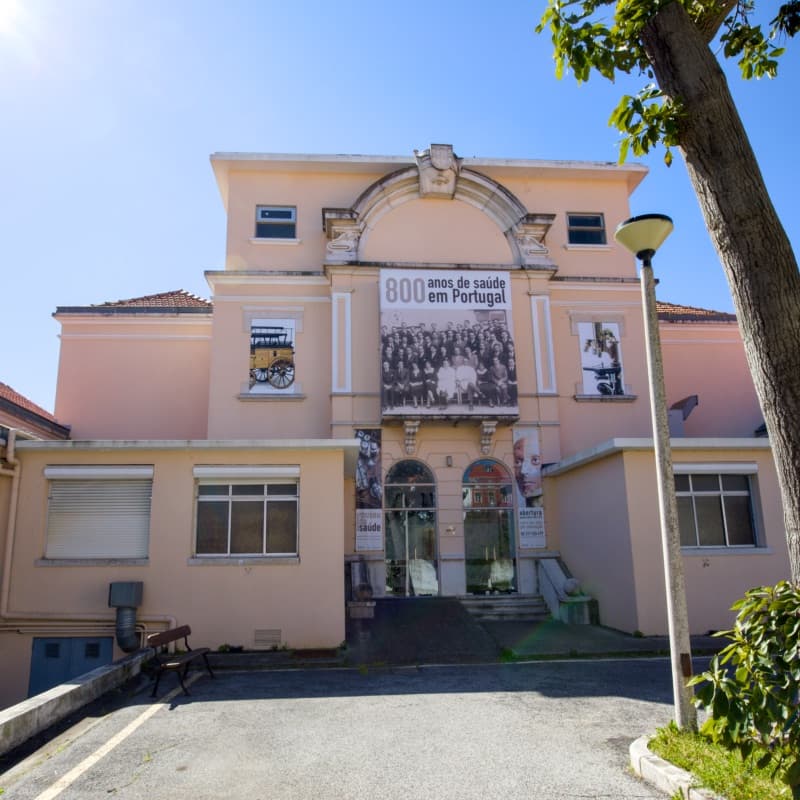
The Health Museum, in Lisbon, belongs to the National Institute of Health Doutor Ricardo Jorge and gives museological form to the memory of health in Portugal. Created by the Ministry of Health in 2007, it has been presented since April 2017 in the former Neurosurgery Service of Santo António dos Capuchos Hospital, with the exhibition “800 Years of Health in Portugal”. The route follows the history of health from the foundation of the nation to the creation of the National Health Service, bringing together around 400 pieces from its collections and from partner institutions. The narrative moves through the first medieval services, royal hospitals, pharmacopoeia, health policies, technical and scientific innovations and the fight against endemic diseases. The museum also preserves collections linked to tuberculosis, malaria, urology, psychology and anaesthesia, showing how science, care and heritage intersect in collective life.

Casa Fernando Pessoa4.5

Casa Fernando Pessoa

Museum • Lisboa, Lisboa

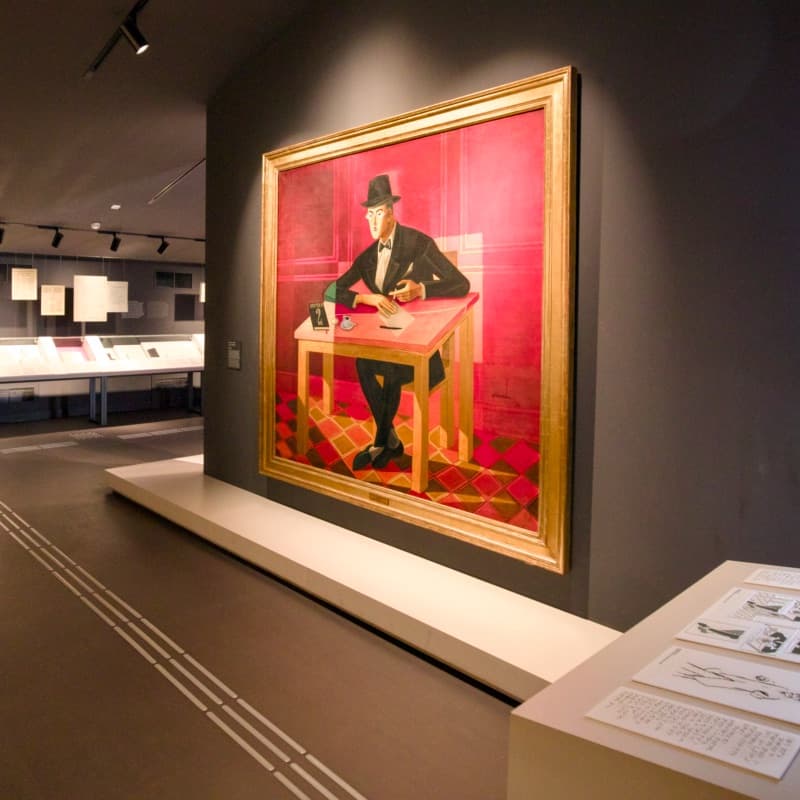
Casa Fernando Pessoa, in Lisbon, occupies the writer’s last home, where he lived with his family from 1920 until a few days before his death on 30 November 1935. The building was acquired by Lisbon City Council in the late 1980s, when it was in poor condition, and opened to the public on 30 November 1993. Rebuilt while preserving original elements, the House keeps personal objects, some furniture and a large part of the books that belonged to Pessoa. The long-term exhibition is organised around memory, literary creation, reading and home. Across three floors, it presents the heteronyms, documents, works of art and the Private Library, classified as a National Treasure. More than preserving a reconstructed bedroom, the House shows how reading nourished one of the most plural literary works of the 20th century.

Museu do Lactário4.9

Museu do Lactário

Museum • Lisboa, Lisboa

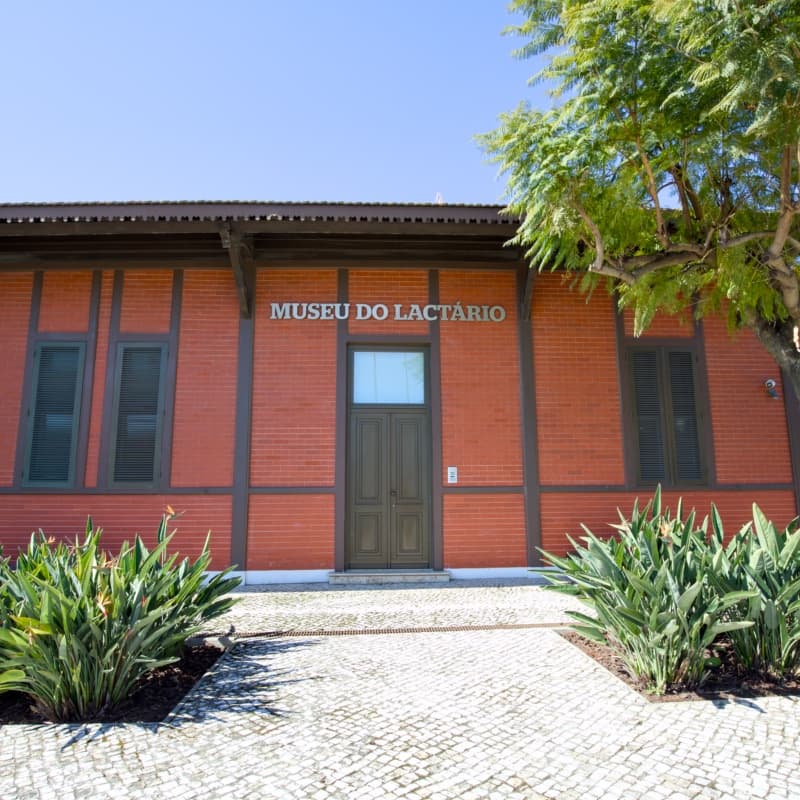
The Museu do Lactário, in Lisbon, preserves the memory of the first milk dispensary created in Portugal. Established in 2019 by the Fundação Aboim Sande Lemos, it tells the story of a social work begun in 1901 with the Associação Protectora da Primeira Infância. The Lactário began operating in 1903, supporting disadvantaged children from Alfama and their families. The help was daily and free: controlled-quality cow’s milk, paediatric care, hygienic, social and neonatal support. The museum brings together objects, documents, photographs, painting, sculpture, tilework and scientific and technical pieces linked to that activity. Among the most expressive items are four incubators for premature babies, acquired in 1903, Alexandre Lion models. By reconstructing services such as Lacticology, the Lactário, the Medical Service and the Social Service, the museum reveals a discreet history of care, science and child protection.

Related guides

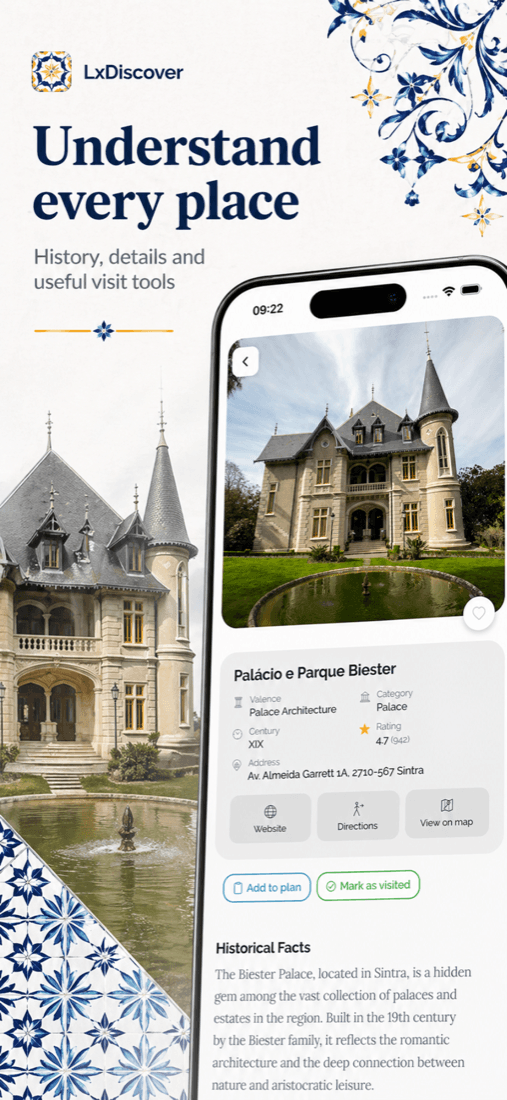
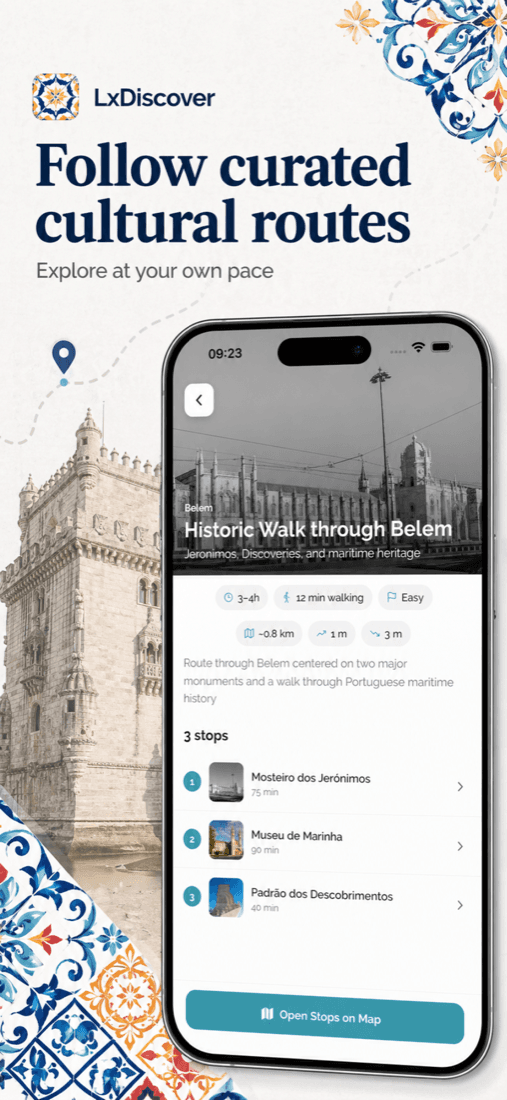
Take the LxDiscover App with you

Explore Portugal with a cultural guide for monuments, museums, gardens, palaces, viewpoints, and historic places in Lisbon, Porto, Sintra, and other regions.

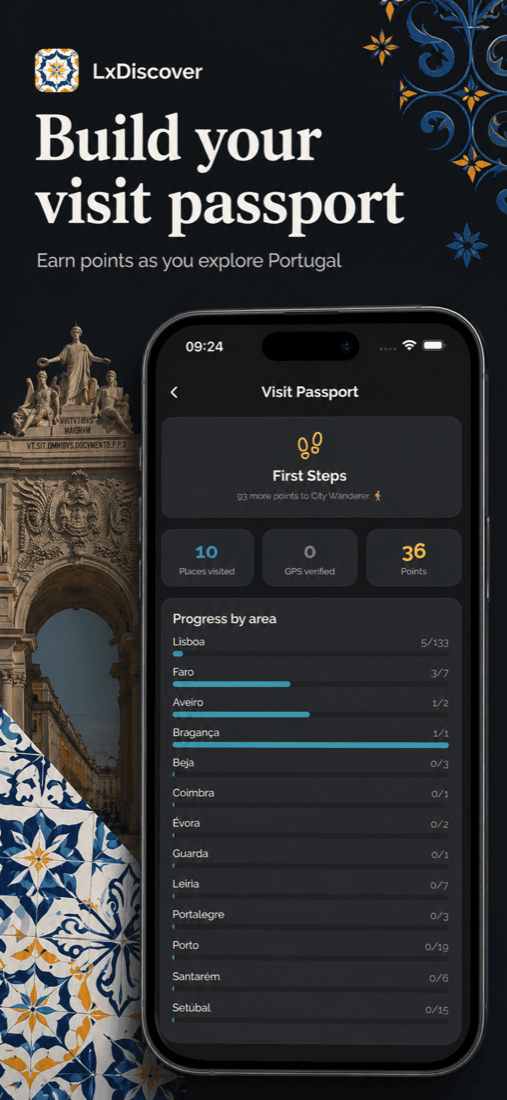
Use the map, follow cultural routes, read editorial context, save places, and track your visits with the visit passport.

Free features

  • Interactive map to discover places of interest
  • Detailed information about monuments, museums, and cultural sites
  • Favorites for the places you want to visit
  • Selected routes to start exploring

Premium subscription

  • Curated routes with ordered stops, duration, and difficulty
  • Thematic collections with editorial context for each area
  • Visit passport for progress, visited places, and achievements
  • Advanced map, planning, and proximity alert tools
LxDiscover map screen
LxDiscover routes screen
LxDiscover visit passport screen