
Lisboa areas

Lisboa

Sintra

12 places in Lisboa.

Map
CastleHistoric HouseInterpretive CentreMuseumPalace
Palácio Nacional de Sintra4.5

Palácio Nacional de Sintra

Palace • Sintra, Lisboa

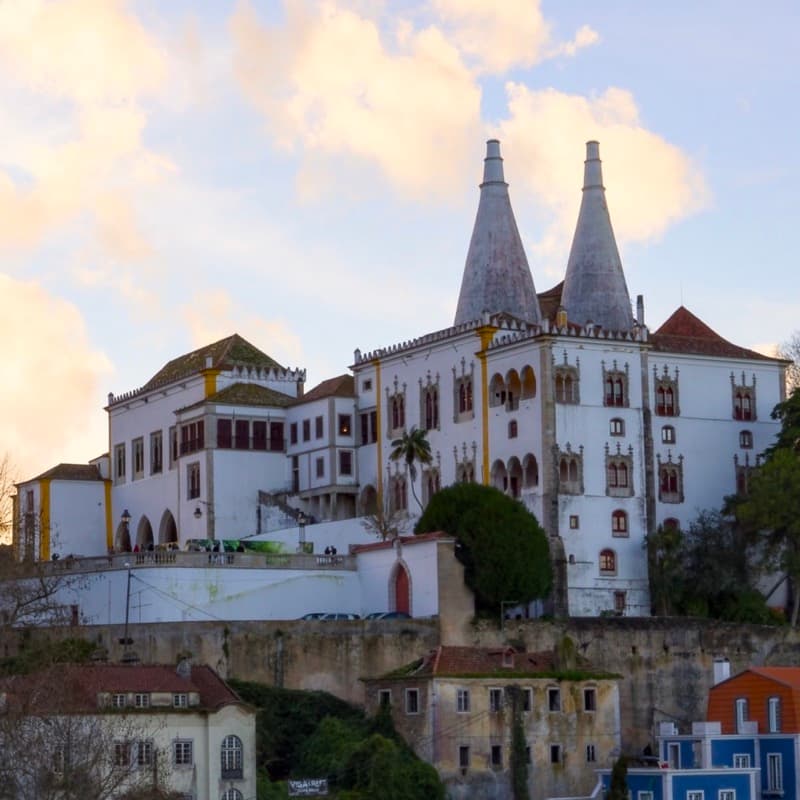
The two white chimneys of the Palácio Nacional de Sintra belong to the kitchen built during King João the First's reign. It served a court of hundreds and banquets associated with local hunts. The palace grew through several reigns, combining Gothic, Manueline and Mudéjar elements. Its interiors therefore tell stories from different periods. In the Sala dos Brasões, King Manuel the First's arms crown the dome, accompanied by symbols of seventy-two noble families. Below, the tiles represent a later addition. Through kitchens and ceremonial rooms, this residence reveals both the work supporting court life and the ways royal authority was displayed.
Palácio Nacional da Pena4.4

Palácio Nacional da Pena

Palace • Sintra, Lisboa

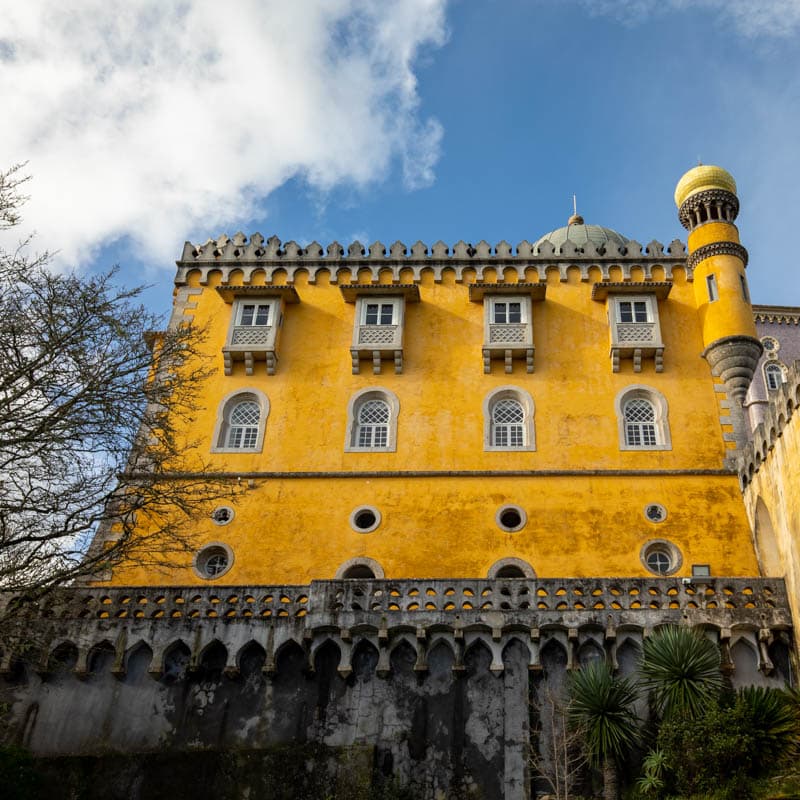
The Palácio da Pena grew from a converted monastery. King Fernando the Second bought the old religious house in 1838, initially imagining a summer residence. The project expanded, preserving the monks' church, cloister and other spaces while adding new rooms. Towers, battlements and a drawbridge borrow medieval castle forms for a nineteenth-century royal home. The park extended this freedom of composition through paths and plants from different regions of the world. Its collections include Asian camellias planted from the 1840s onwards. Together, these elements bring together an adapted monastery, a new palace and a landscape constructed around them.

Palácio Nacional e Jardins de Queluz4.6

Palácio Nacional e Jardins de Queluz

Palace • Sintra, Lisboa

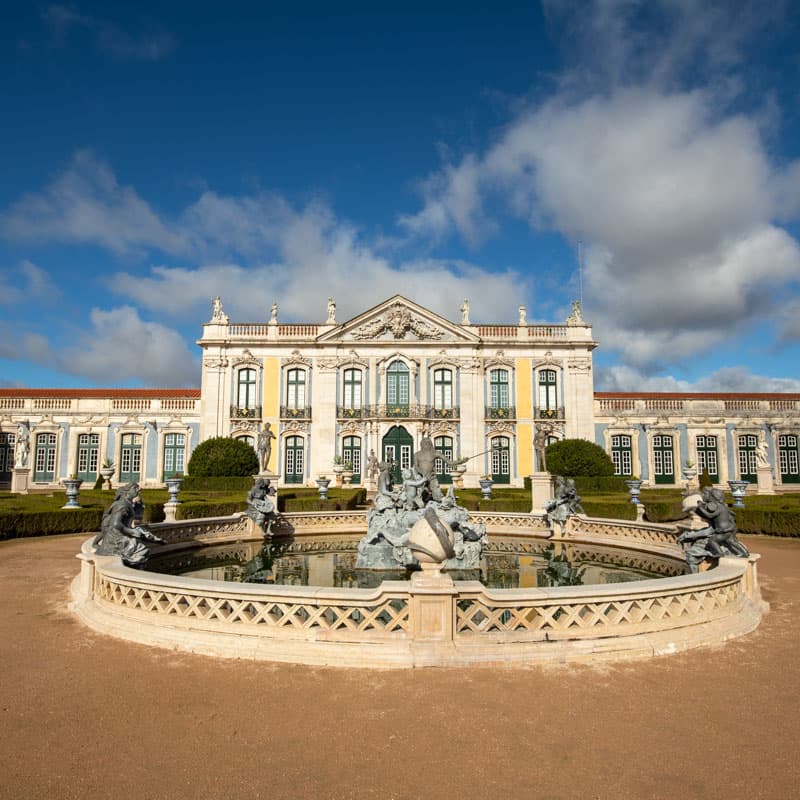
At Queluz Palace, the River Jamor once became a place for courtly outings. Gates in the tiled canal retained water for boats and gondolas, extending royal recreation into the gardens. The residence began to expand in 1747 at the initiative of the future King Pedro the Third. Later, a fire at the Real Barraca in Ajuda brought the court here permanently. Among ceremonial rooms, fountains and mythological sculptures, the palace also preserves a personal connection with Brazil: Pedro the Fourth was born and died in the Don Quixote Room. The blue recovered on its façades belongs to another chapter, the history of conserving the building.

Parque e Palácio de Monserrate4.7

Parque e Palácio de Monserrate

Palace • Sintra, Lisboa

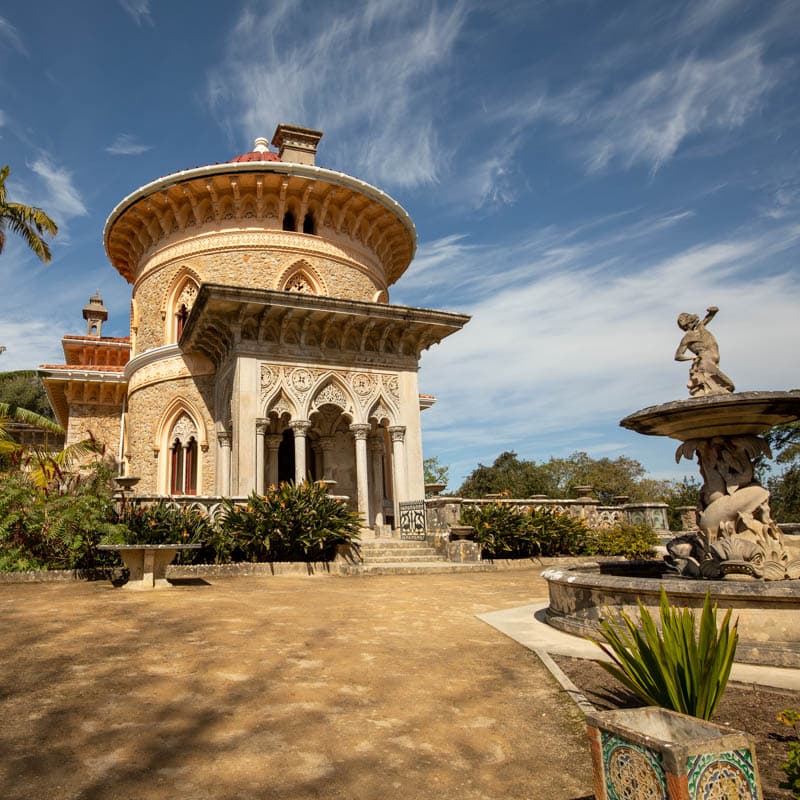
Monserrate Park and Palace in Sintra connect architecture and botany through choices drawn from different parts of the world. Francis Cook's nineteenth-century palace combines Gothic, Indian and Moorish references, with ornament inspired by plants. In the gardens, plants associated with Mexico and Japan grow alongside cork oaks, strawberry trees and other species from Portugal's landscape. The estate had already held a chapel and other residences before this transformation. Later restoration of the palace and its interiors continued that long history. Monserrate reveals a particular Romantic taste: gathering forms, plants and objects of diverse origins and giving them a place within the same estate.

Palácio e Parque Biester4.7

Palácio e Parque Biester

Palace • Sintra, Lisboa

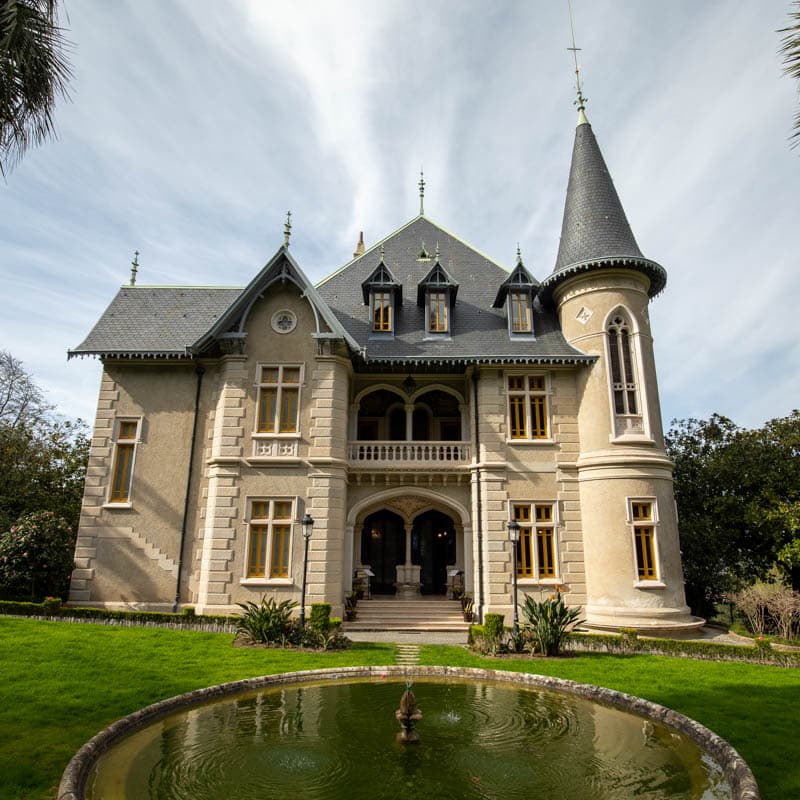
Palácio Biester in Sintra was built in the late nineteenth century to a design by José Luiz Monteiro. Its library, music room, ballroom and chapel reveal the different functions of this former residence. Artists including Luigi Manini and Leandro de Souza Braga contributed to the decoration, while a lift recalls the attention given to comfort and technology. Outside, the park designed by François Nogré combines vegetation and watercourses. Two viewpoints connect the estate with the Castelo dos Mouros and the landscape towards the sea. Together, house and garden show how architecture, decoration and landscape design formed parts of the same vision of a home.

Palácio e Quinta da Regaleira4.7

Palácio e Quinta da Regaleira

Palace • Sintra, Lisboa

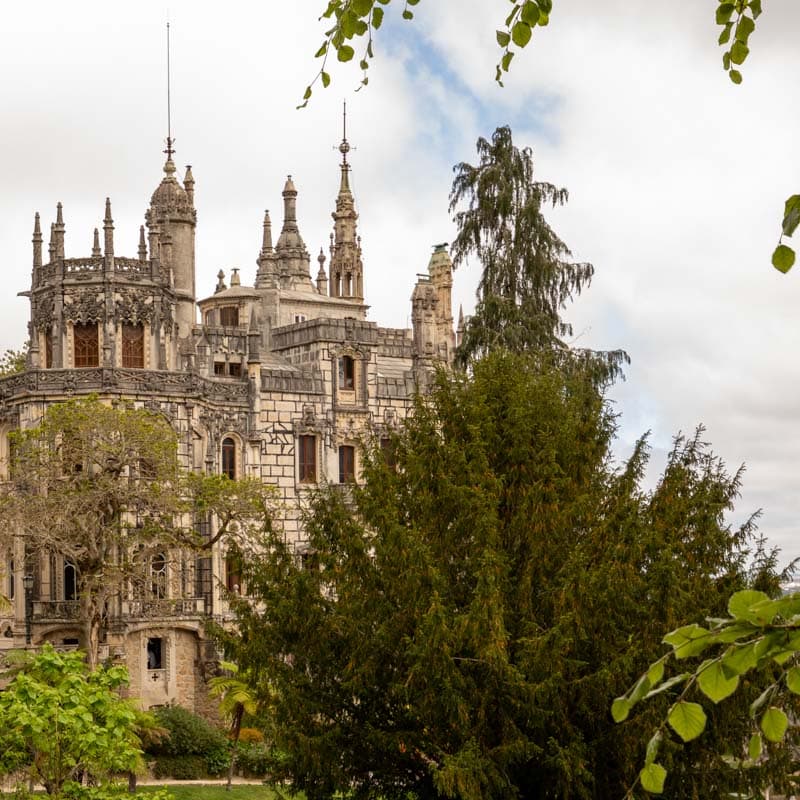
Quinta da Regaleira in Sintra was transformed by António Augusto de Carvalho Monteiro and architect and stage designer Luigi Manini. Completed in 1910, their project extended from the palace to gardens, grottoes, lakes and other structures. Gothic, Manueline and Renaissance references were combined in a revivalist work conceived for its own time. The Poço Iniciático and Gruta de Leda connect architecture, routes and cultural references within the estate. The property later had other inhabitants and passed to the municipality in 1997. Its history therefore combines a major artistic project with successive adaptations of an inhabited estate.

Museu do Ar4.7

Museu do Ar

Museum • Sintra, Lisboa

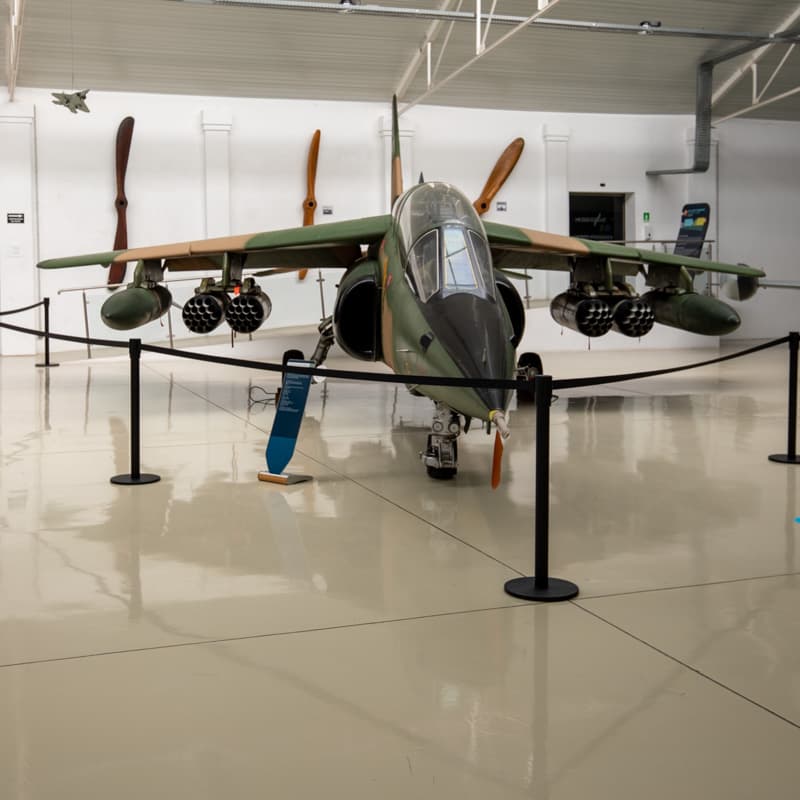
The Museu do Ar in Sintra brings together aircraft, engines and instruments, but also objects that tell the story of work on the ground. Founded in Alverca in 1971, the museum opened its Sintra Air Base site in 2009. The collection combines military and civil aviation, with aircraft for transport, training and other missions. Material associated with Gago Coutinho and Sacadura Cabral reveals the importance of navigation. A model of Lisbon airport in 1942, equipment from its first control tower and TAP objects add the history of facilities and people. The route shows that every flight depended on much more than the aircraft.

Castelo dos Mouros4.6

Castelo dos Mouros

Castle • Sintra, Lisboa

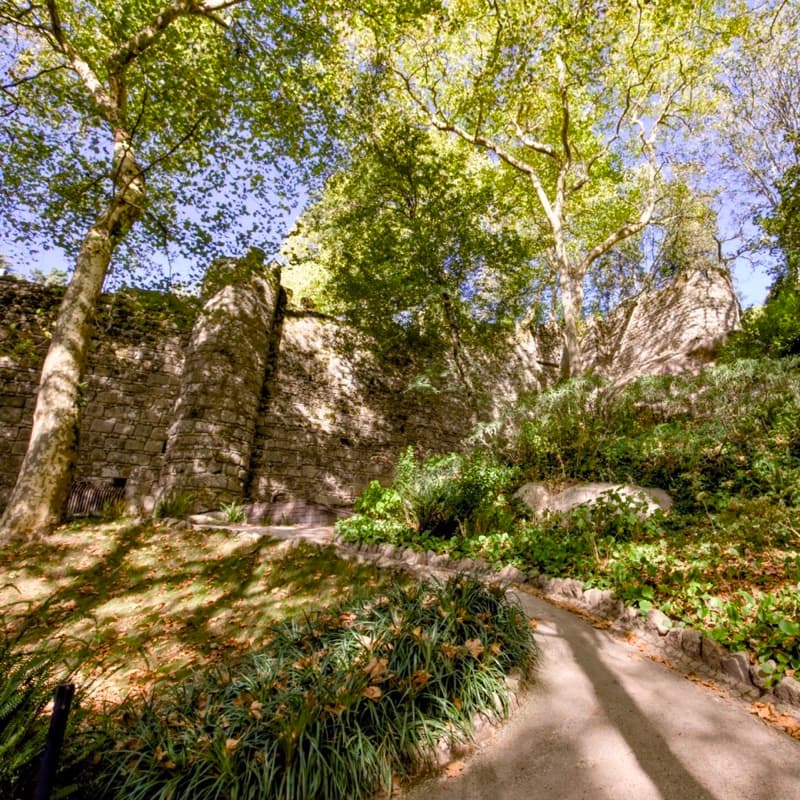
High in the Sintra hills, the Castelo dos Mouros holds more than a history of defence. Silos cut into the rock recall the grain stored by the settlement beside the walls. The fortress was founded in the tenth century under Muslim rule and became part of the Portuguese kingdom in 1147. Between its defences, the Igreja de São Pedro de Canaferrim now houses archaeological finds that help explain the lives of its former inhabitants. Restoration by King Fernando the Second in the nineteenth century also shaped the castle. From the wall walk, Sintra, Pena and the Atlantic reveal the extent of the territory that could be watched from this summit.

Museu de História Natural de Sintra4.5

Museu de História Natural de Sintra

Museum • Sintra, Lisboa

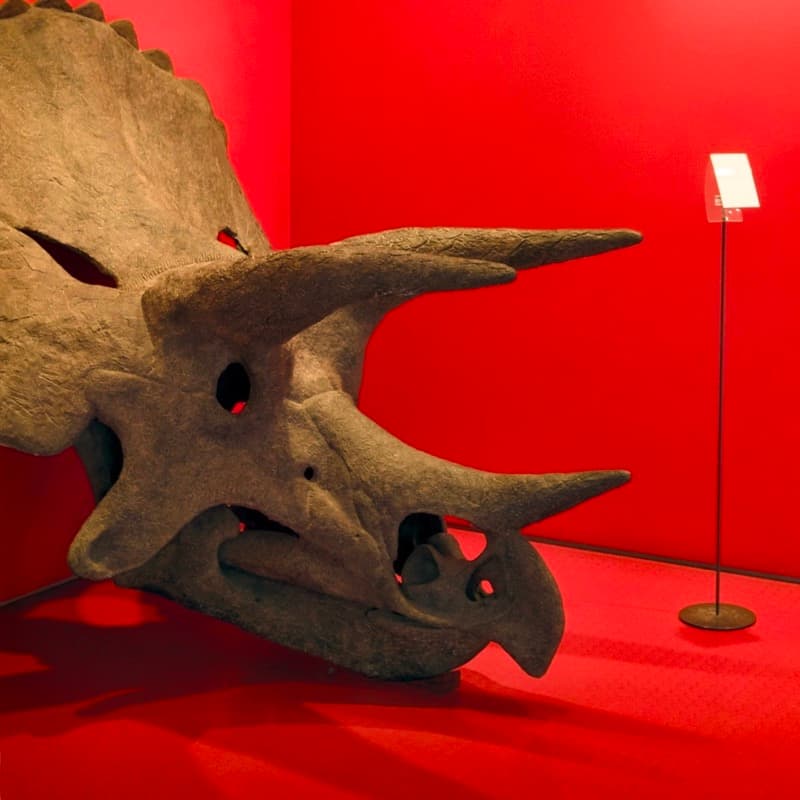
At Sintra’s Natural History Museum, a collection assembled over roughly fifty years opens a window onto much older times. Miguel and Fernanda Barbosa brought together more than ten thousand specimens, associated with four fields: fossils, minerals, shells and rocks. They include trilobites, dinosaur remains and a pterosaur from Brazil’s Chapada do Araripe. A Nantan meteorite adds matter that arrived from space. Housed in a building dating from 1893, the museum makes it possible to compare objects from different places and periods. Between a shell, a polished rock and a fossil, the interest lies in discovering what each specimen can reveal about nature and the passage of time.

Museu da Água e Resíduos de Sintra4.3

Museu da Água e Resíduos de Sintra

Museum • Sintra, Lisboa

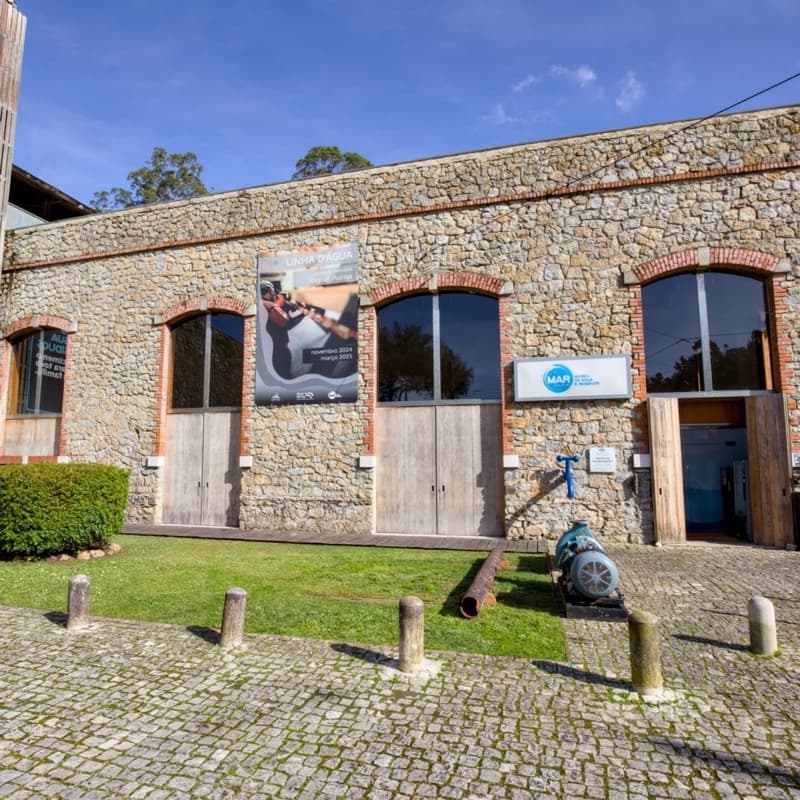
At the Water and Waste Museum in Ribeira de Sintra, a tap and a bin are only two points in much longer journeys. This SMAS de Sintra space explains the urban water cycle and the destination of waste through experiences, games and environmental education. The visit extends outdoors, where a restored tank and water-collection tunnel recall ways of collecting and storing water. A pond encourages biodiversity, while reused materials demonstrate choices applied to the site itself. The aim is to bring usually hidden processes closer to everyday actions: consuming water, using materials and deciding what to do with the things we no longer need.

Vila Sassetti4.6

Vila Sassetti

Historic House • Sintra, Lisboa

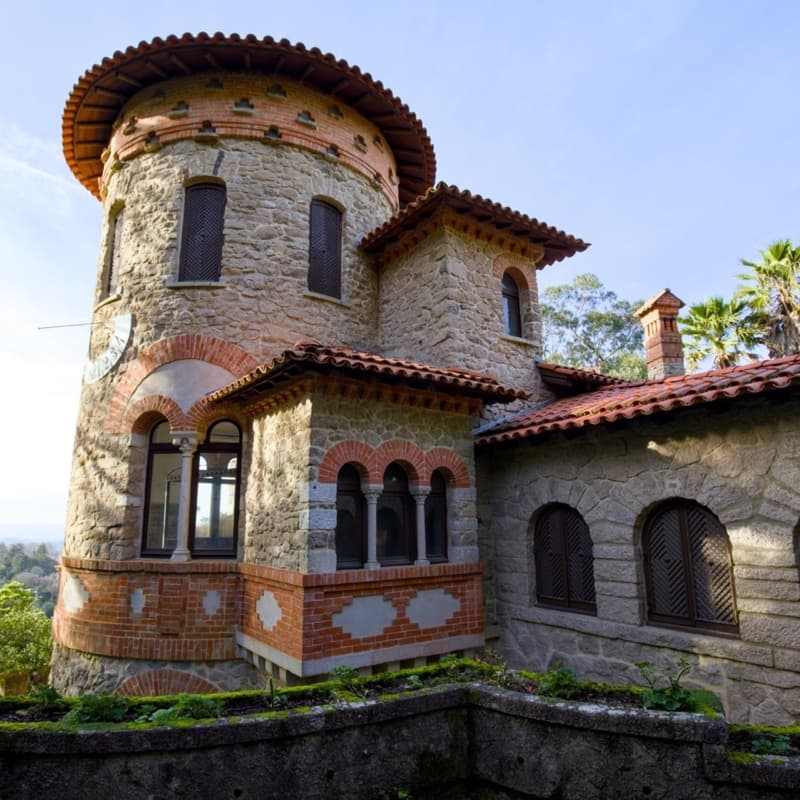
At Vila Sassetti, a circular terracotta-coloured tower connects Sintra with northern Italian architecture. Victor Carlos Sassetti bought the property in 1885 and asked his friend Luigi Manini to design the house, begun in 1890. The garden follows the hillside with winding paths and an artificial stream designed to appear natural in the landscape. Later, Calouste Gulbenkian leased the estate and used it occasionally. The property acquired additions and was also known as Quinta da Amizade. Its appeal remains in the way house and garden were conceived together: the tower can be recognised among the vegetation, while every bend in the path changes its setting.

Sintra Mitos e Lendas3.6

Sintra Mitos e Lendas

Interpretive Centre • Sintra, Lisboa

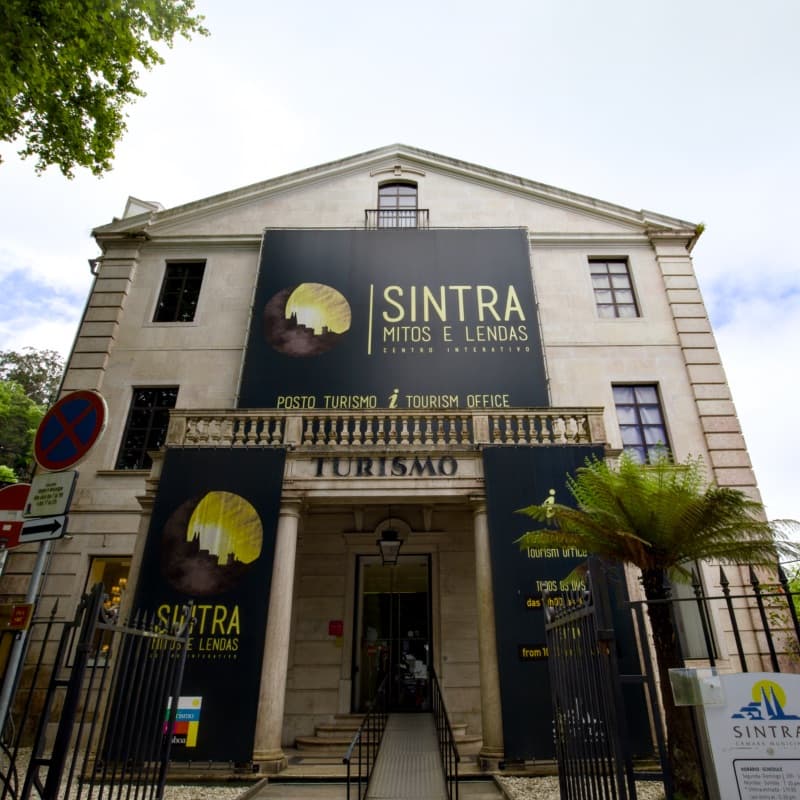
Sintra Myths and Legends presents the town’s imaginative world across seventeen spaces. History, music and literature meet in an itinerary using scenery, holograms, augmented reality and three-dimensional films. Architects, scenographers, scriptwriters and historians helped create the experience. The centre acknowledges the coexistence of reality and fiction, so legends should be understood as narratives rather than proof of historical events. Their interest lies in how a place becomes known through the stories surrounding it. Images, sound and sensory effects give that imagination a contemporary expression, offering another way into Sintra and encouraging curiosity about the origins and meanings of its narratives.