Explore Portugal by region

Regions

Setúbal

15 places across Almada, Palmela, Sesimbra, Setúbal, Vila Nova de Santo André.

Map
CastleChurchConventFortGarden/ParkMonumentMuseumMuseum ShipPalace
Cristo Rei4.6

Cristo Rei

Monument • Almada, Setúbal

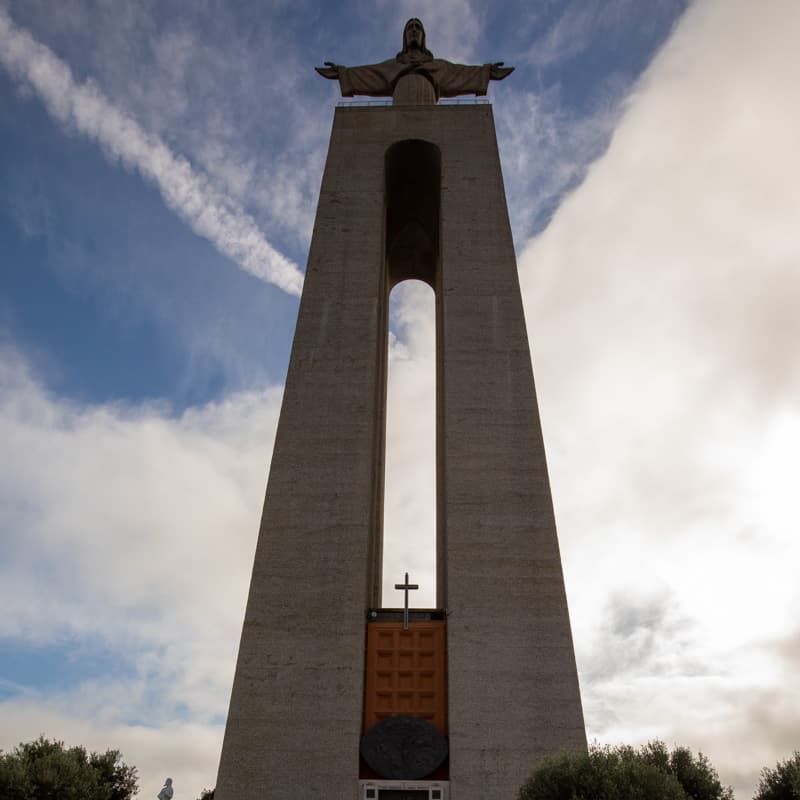
High above Pragal, with arms open over the Tagus, Cristo Rei has become one of the most striking shapes in Lisbon’s skyline, although it already belongs to Almada. The idea was born when Cardinal Cerejeira saw Christ the Redeemer in Rio de Janeiro, yet the monument gained its deepest meaning in the vow made by the Portuguese bishops in 1940: if the country were spared from the Second World War, a great sign of gratitude and peace would be raised here. Inaugurated in 1959, with a design by António Lino and sculpture by Francisco Franco, the ensemble joins the solemn scale of a sanctuary to the simple force of a figure turned towards the city. It is worth noticing the void between the four pillars and letting your eyes rise to the open arms before lingering at the viewpoint, where the Tagus and Lisbon seem to unfold in a single breath.
Fragata D. Fernando II e Glória4.7

Fragata D. Fernando II e Glória

Museum Ship • Almada, Setúbal

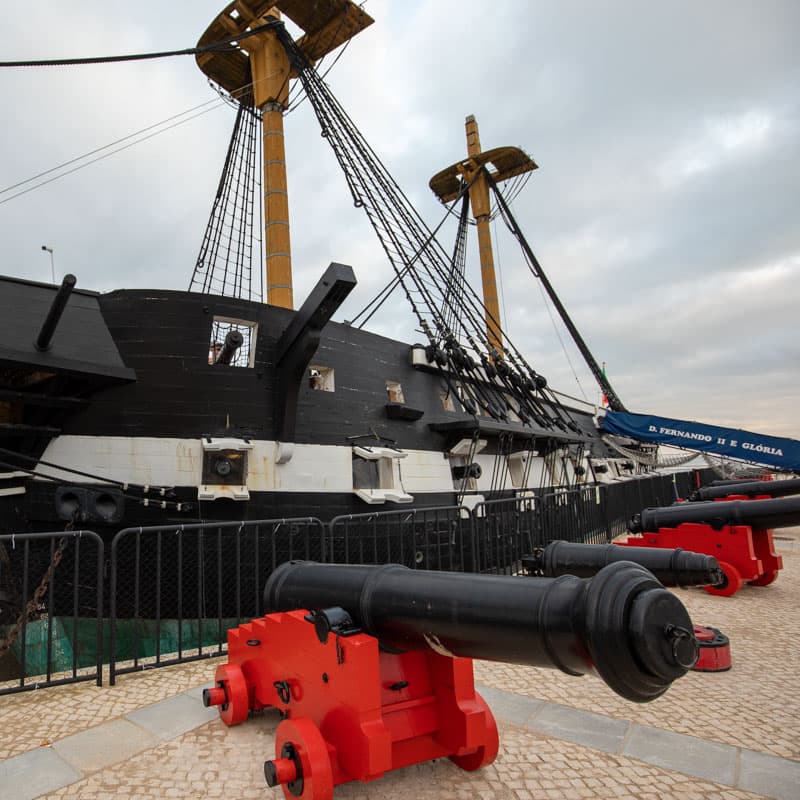
Some ships seem to contain an entire empire within them, and the frigate D. Fernando II e Glória is one of them. Built in Daman and launched in 1843, it was the last great ship of the Portuguese Navy to sail entirely under canvas and the last to serve the India Run. Over 33 years it covered more than 100,000 nautical miles in a succession of voyages linking Lisbon to Portugal’s overseas world. It later served as the Naval Artillery School, housed a social institution for disadvantaged boys and, in 1963, was nearly lost in a fire that left it half-submerged. Restored and opened to the public in 1998, it returned as a museum ship. During a visit, it is worth lingering on the main deck, the gun deck and the cabins: among the masts, the teak wood and the cramped spaces, the hardship and scale of life on board become easier to grasp. Remarkably, it never entered combat.

Castelo de Palmela4.7

Castelo de Palmela

Castle • Palmela, Setúbal

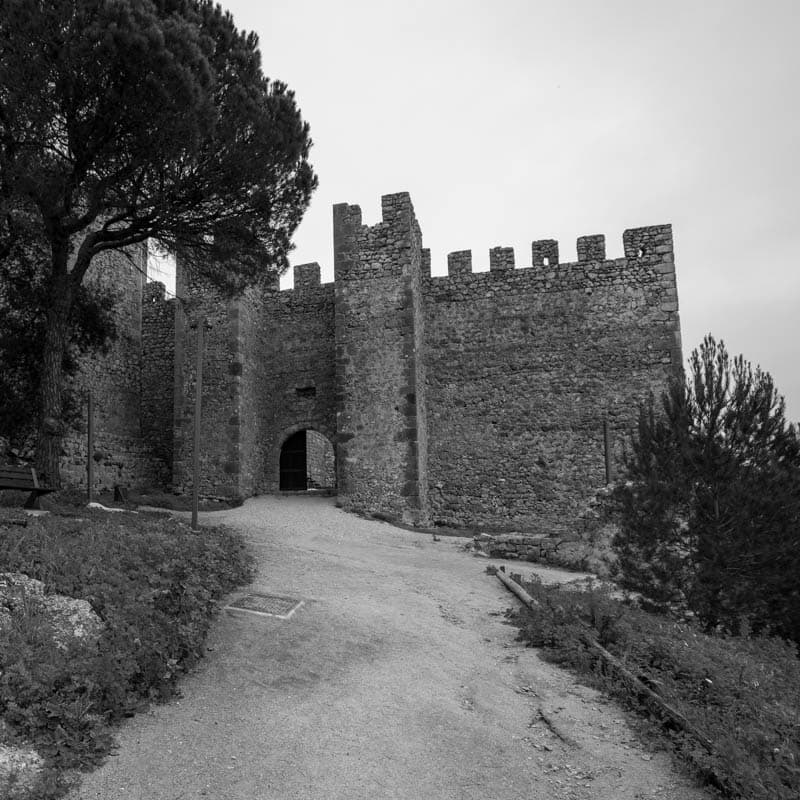
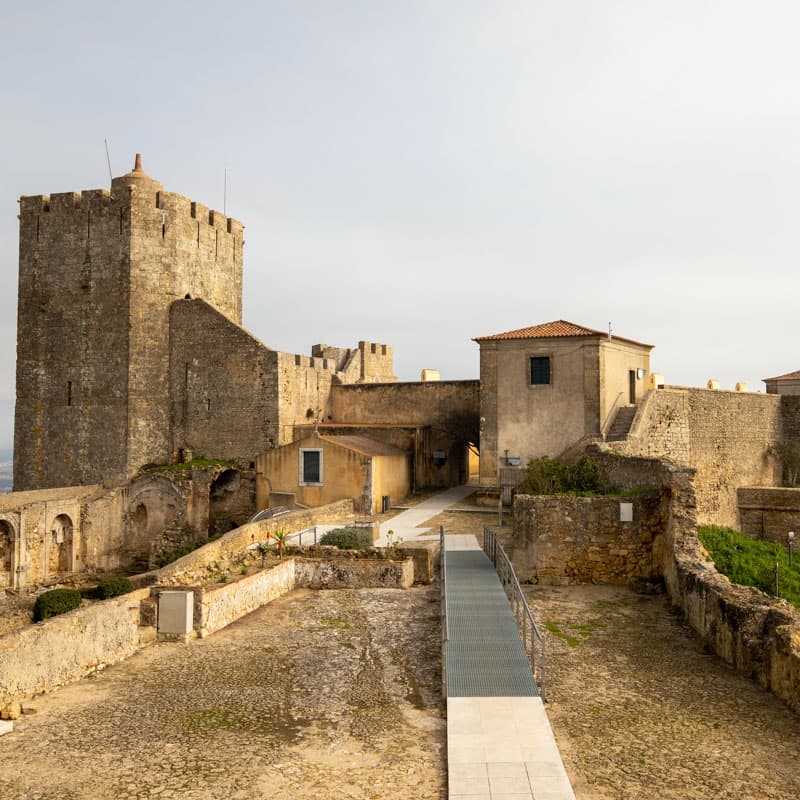
From the top of the hill, Palmela Castle commands one of the widest views in the region, between Arrábida, the Tagus and the Sado. Archaeological excavations have confirmed its Islamic origin, between the eighth and ninth centuries, before the successive captures and recaptures of the Christian Reconquest. Granted to the Knights of Santiago at the end of the twelfth century and linked to the Order for centuries, it became a military, religious and political centre that was crucial to the organisation of the territory. Even now, the keep, the ruins of Santa Maria and the austere Church of Santiago reveal that layering of periods and powers. It is worth climbing slowly and lingering on the walls: from there, it becomes clear why Palmela was such a strategic lookout. One episode is especially memorable — from here, great warning fires were lit to announce the approach of the troops of D. Nuno Álvares Pereira.

Castelo de Sesimbra4.6

Castelo de Sesimbra

Castle • Sesimbra, Setúbal

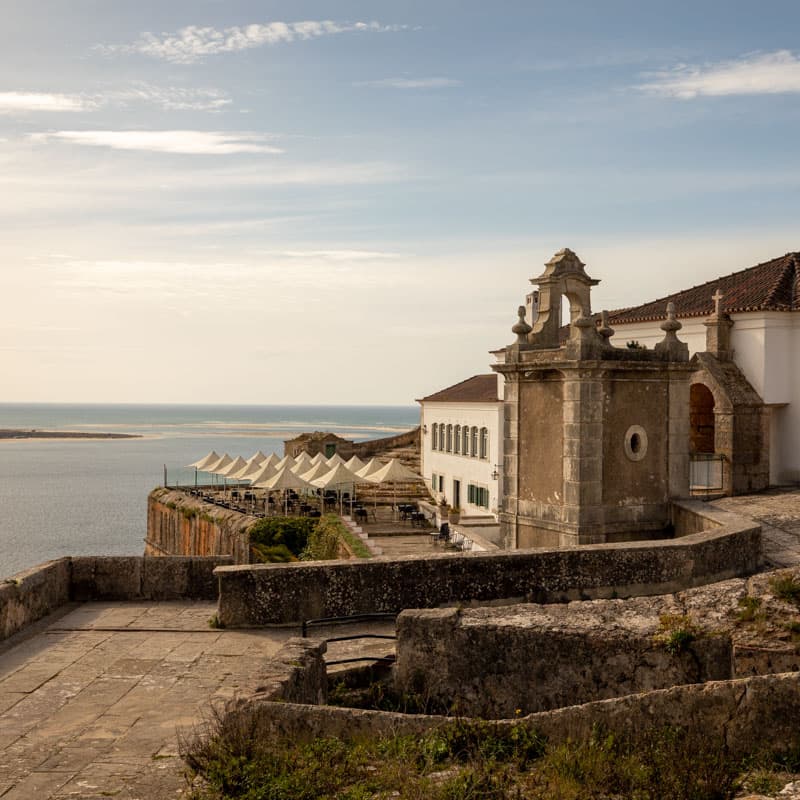
Perched above the bay, Sesimbra Castle is the last Portuguese castle over the sea to preserve its medieval layout, and that singular quality is felt at once in its walls opening towards the horizon. Of Islamic origin, it passed through conquest and reconquest until it was definitively secured on the Christian side at the beginning of the thirteenth century, when the town received its charter; soon afterwards, it was entrusted to the Order of Santiago, which strengthened the enclosure and its defensive role. Throughout the Middle Ages, it was a key stronghold in guarding the coast, but from the fifteenth century onwards the population gradually moved down towards the bay, drawn by fishing and shipbuilding. Today, as you walk through the alcáçova, the keep, the wall walk and the church within the ramparts, that long shift of centre and outlook becomes clear. Above all, linger over the view: between the town and the sea, Sesimbra seems to tell its whole story at once.

Galeria Municipal do Banco de Portugal4.3

Galeria Municipal do Banco de Portugal

Museum • Setúbal, Setúbal

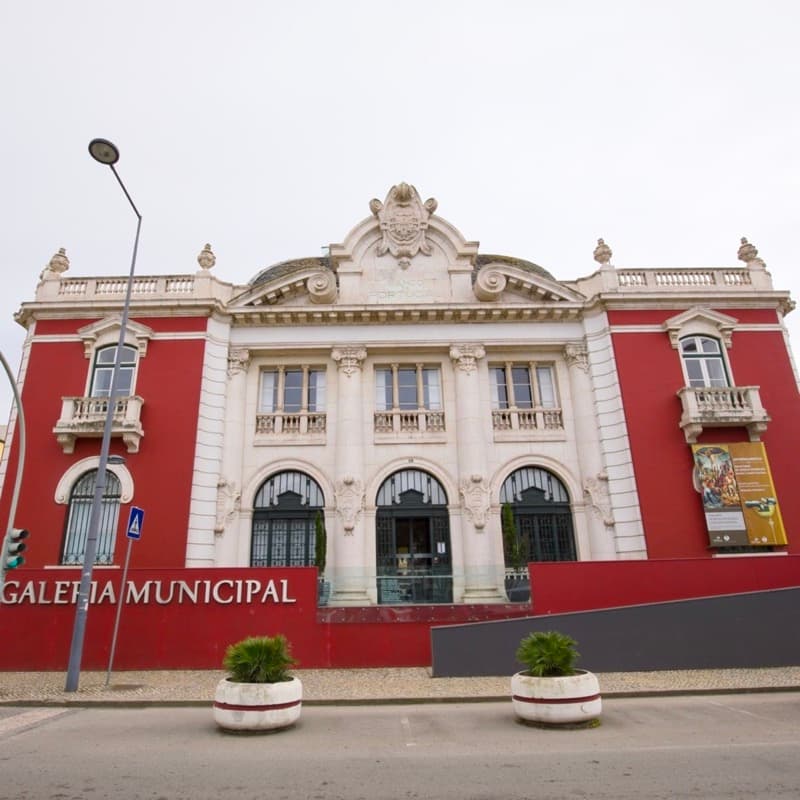
On Avenida Luísa Todi, the Banco de Portugal Municipal Gallery shows just how well Setúbal has reused its urban memory. Designed by Arnaldo Adães Bermudes in the early decades of the twentieth century, the building served for a long time as the local branch of the Bank of Portugal and still retains the solemn air of a former banking house. The two stone columns at the entrance, the eclectic composition and the revivalist echoes, with discreet Art Nouveau touches, give it a sober yet distinctive presence. In 2013, the property began a new life as a municipal gallery and started hosting exhibitions from the Museum of Setúbal. Among them was the celebrated altarpiece from the Convent of Jesus, one of the great works of sixteenth-century Portuguese painting. It is worth studying the building closely before you even step inside: few transformations tell the story of a city so well, turning a place once meant to guard wealth into one that preserves and shares heritage.

Forte de São Filipe4.6

Forte de São Filipe

Fort • Setúbal, Setúbal

Perched on the hill above Setúbal, the Fort of São Filipe watches over both the Sado estuary and the city it was meant to keep under guard for centuries. It was commissioned by Philip I in the aftermath of the crisis of 1580, when the weakness of the town’s defences had become clear and control over Setúbal had gained new political importance. Its six-pointed star plan, fitted to the steep terrain, gives it the stern character of military architecture designed to deter. After the Restoration, the fort took on a different meaning and even served as a prison. Today, beyond the sweeping view over Setúbal, Tróia and the Arrábida hills, one detail deserves special attention: the small Baroque chapel, lined with blue-and-white tiles by Policarpo de Oliveira Bernardes, showing scenes from the life of Saint Philip. Few places reveal so clearly how war, power and landscape meet in a single setting.

Museu de Setúbal/Convento de Jesus4.6

Museu de Setúbal/Convento de Jesus

Convent • Setúbal, Setúbal

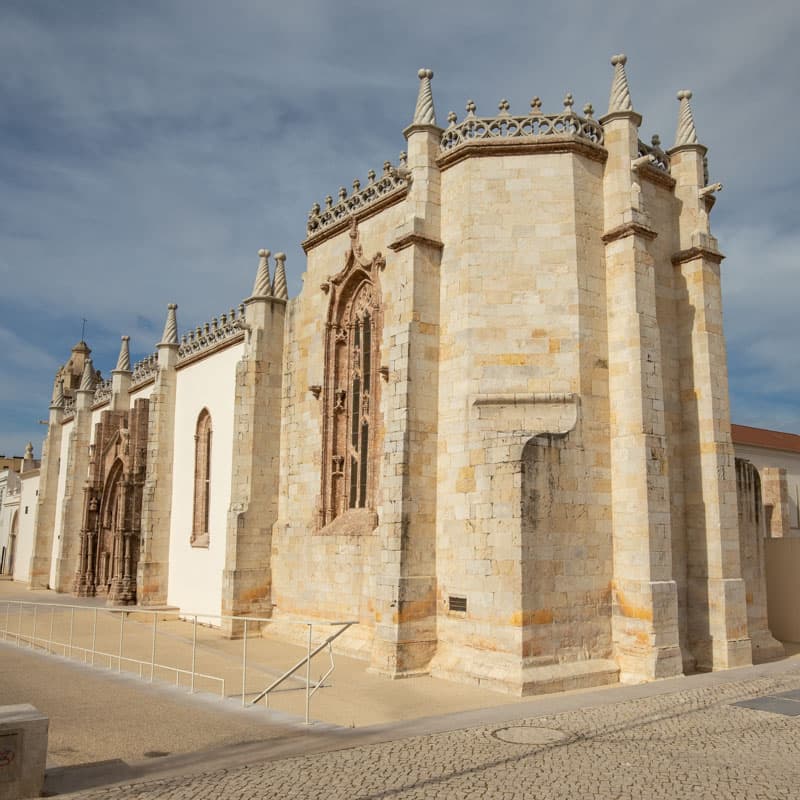
In the heart of Setúbal, the Convent of Jesus reveals a decisive moment in Portuguese art. Founded in 1490 by Justa Rodrigues Pereira and enlarged under the patronage of King John II, it was entrusted to Diogo Boitaca, who carried out his first work in Portugal here. The church is seen as a landmark in the beginnings of the Manueline style: its three vaulted aisles at the same height create a rare, bright and continuous space, supported by twisted columns that stay in the memory. Over the centuries, the complex changed its life: a convent for Poor Clare nuns, later a hospital, and since 1961 the city museum. Today, moving between the cloister, the Chapter House, the Upper Choir and the Gallery of 16th-century Art, one senses how the building preserves very different layers of time. Among them, the fourteen panels of the former altarpiece, attributed to Jorge Afonso’s workshop, stand out as a treasure linking Setúbal to the great cycle of Portuguese Renaissance painting.

Casa da Cerca4.7

Casa da Cerca

Museum • Almada, Setúbal

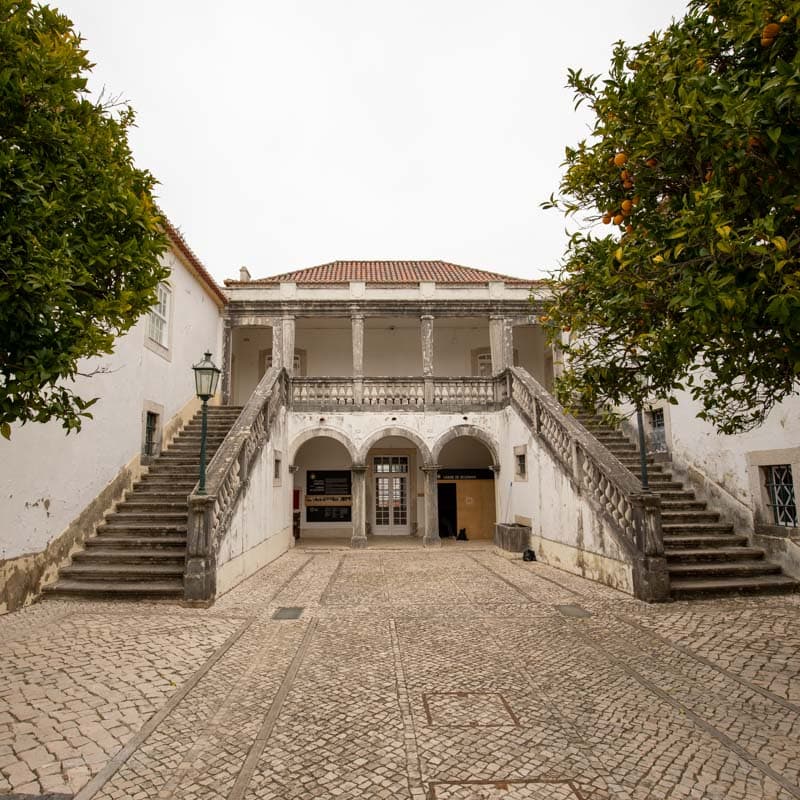
High above Almada Velha, facing Lisbon and the Tagus, Casa da Cerca brings together an old leisure estate and one of the most distinctive cultural projects on the south bank. Built between the late seventeenth and early eighteenth centuries, the manor house was enlarged over time; in the chapel survive tile panels attributed to Master P.M.P., and in the oldest part there are still traces of a blocked sixteenth-century doorway. After decades of private use and a period of neglect, the building was restored by the municipal council and opened in 1993 as a Centre for Contemporary Art, through the initiative of Rogério Ribeiro, with special attention to drawing. The garden deepens that rare identity: O Chão das Artes, inaugurated in 2001, brings together botany, art and science through plants linked to pigments, fibres, oils and other materials used in artistic creation. Between the white house, the walls and the light on the river, the place has the calm of a belvedere and the curiosity of a laboratory.

Cabo Espichel4.5

Cabo Espichel

Church • Sesimbra, Setúbal

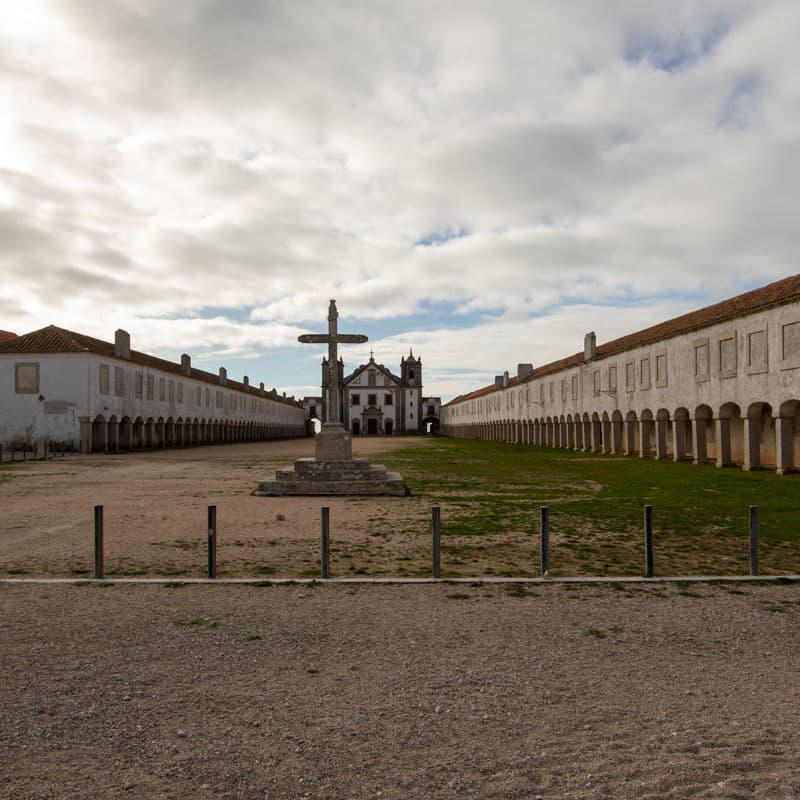
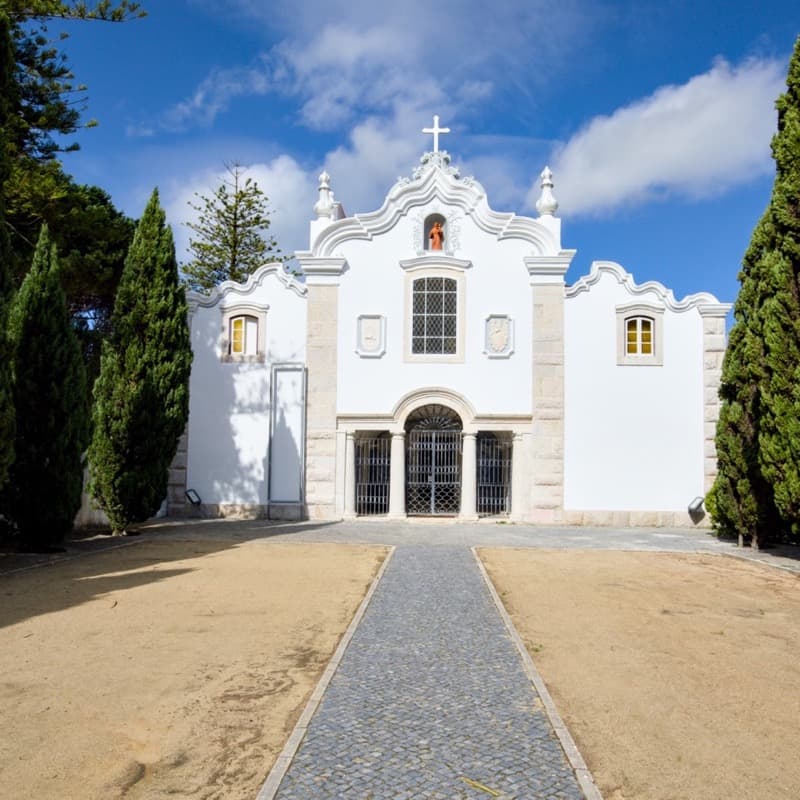
At the western edge of the municipality of Sesimbra, Cabo Espichel is striking for the way it brings together faith, vertigo and geological time. Devotion to Our Lady of the Cape is documented at least from 1366, and the sanctuary seen today, rare for its planned composition of church, forecourt and long pilgrims’ lodgings, took shape mainly between 1701 and 1770. The Ermida da Memória marks the place where, according to tradition, the image of the Virgin appeared in 1410, an episode that fed centuries of pilgrimages and cireos that are still alive today. But the cape does not speak only of pilgrims. On the limestone cliffs of Pedra da Mua, tracks of Jurassic sauropod dinosaur footprints survive, as if the landscape held a memory far older than the human one. Between the constant wind, the austere Baroque complex and the Atlantic stretching into the distance, Espichel feels like a place where devotion and nature enlarge one another.

Badoca Safari Park4.4

Badoca Safari Park

Garden/Park • Vila Nova de Santo André, Setúbal

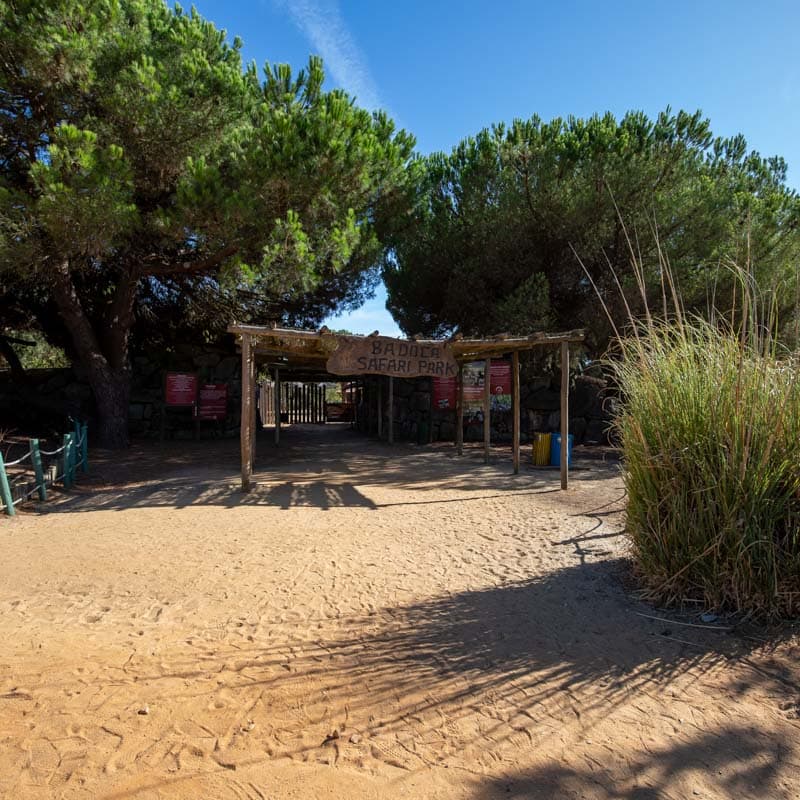
On the Alentejo coast, between the plain and the sea, Badoca Safari Park creates an unexpected meeting with the savannah. Across 90 hectares, around 600 animals from more than 80 species live here, and the safari is the heart of the visit: along the route, zebras, giraffes, buffalo, oryx and wildebeest appear in a setting designed to bring visitors closer to wildlife. But the park is not only about the thrill of spotting animals. Conservation and environmental education lie at the centre of its project, through educational programmes, preservation partnerships and work focused on threatened species. That side is especially clear on Madagascar Island, where Badoca keeps lemurs and takes part in the European Association for the Study and Conservation of Lemurs; it is also the only zoological park in Portugal with red-bellied lemurs. Between the excitement of the safari and this steady work, the place gains depth and meaning.

Submarino Barracuda4.6

Submarino Barracuda

Museum Ship • Almada, Setúbal

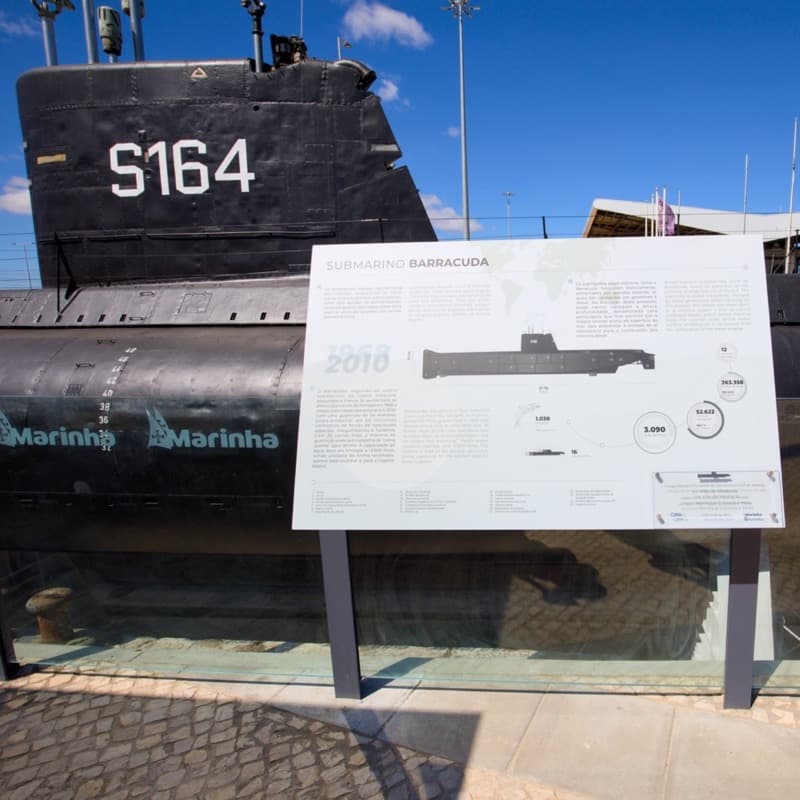
In Cacilhas, in the municipality of Almada, the Barracuda Submarine returned to public contact as a museum ship of the Portuguese Navy. Inaugurated in this new role on 9 May 2024 and open to visitors since 11 May, it forms part of the Cacilhas dry dock, alongside the Frigate D. Fernando II e Glória. Built in France, it was the second of four Albacora-class submarines in the Portuguese Navy. It entered service on 4 May 1968 and completed its last mission in 2010, after 42 years of operational life. With a length of 54 metres, a submerged displacement of 1,038 tonnes and a crew of 54 servicemen, it could operate down to 300 metres and carry 12 torpedoes. Over its career, it carried out national and international missions and covered 263,358 nautical miles. Today, the dark hull and compact interior reveal the technical precision and discipline required by submarine navigation.

Convento dos Capuchos4.5

Convento dos Capuchos

Convent • Almada, Setúbal

The Convento dos Capuchos is located in Caparica, in the municipality of Almada, within the area of the Protected Landscape of the Fossil Cliff of Costa de Caparica. Built in 1558 on the initiative of Lourenço Pires de Távora, it was intended for a community of friars of the Order of Saint Francis, under the invocation of Our Lady of Piety. Its architecture was designed for retreat, prayer and poverty: a modest, austere and stripped-back construction, with small cells on the upper floor and spaces connected to worship and daily life on the lower floor. Outside, the former enclosure included agricultural land, niches, a tank, a small hermitage dedicated to Saint Peter, a porch, a clock tower and a cemetery. Shaken by the 1755 Earthquake, the convent closed after the extinction of the religious orders in 1834. Acquired in ruins by Almada City Council in 1950, it was restored and integrated into the cultural life of the municipality.

Solar dos Zagallos4.4

Solar dos Zagallos

Palace • Almada, Setúbal

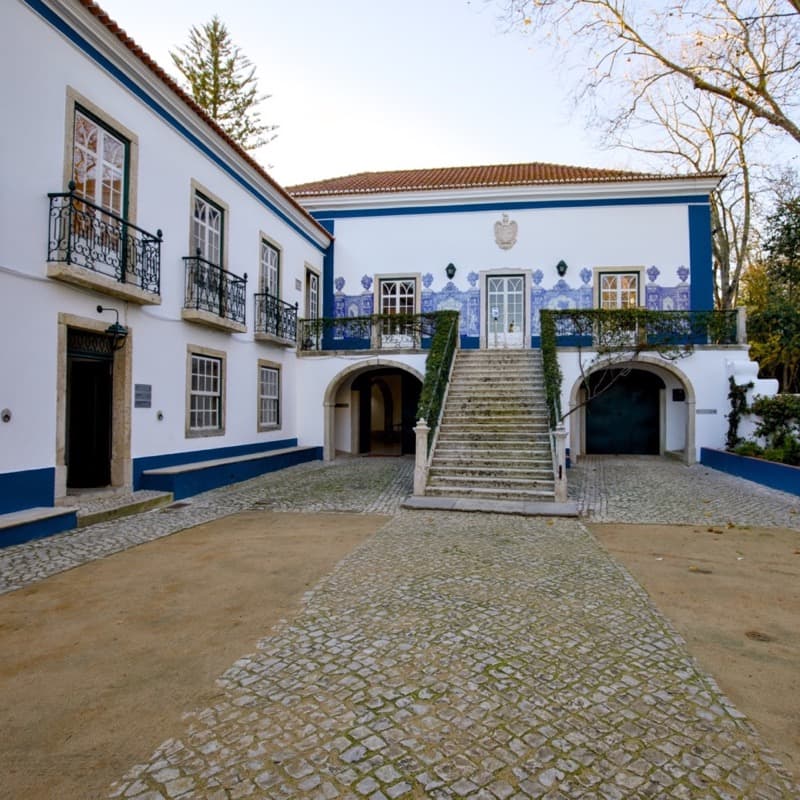
The Solar dos Zagallos is located in Sobreda, in the municipality of Almada, and preserves the memory of an old manor estate. Construction began in the 18th century, linked to the Zagallo family and to the Morgado da Sobreda, established in 1745. The house, with the character of a small palace, brings together civil and religious architecture, with Baroque, Rococo, Pombaline, Neoclassical and modern elements. Inside, the two noble halls, the courtyard, the chapels and a remarkable set of tile panels stand out, appearing in corridors, religious spaces and passage areas. Outside, the gardens, avenue, ponds, orchard and Casa da Água extend the reading of the former agricultural property. Restored by Almada City Council in 1994, while preserving its original character, the solar is now a cultural space, where family history, architecture and contemporary creation meet on an intimate scale.

Museu da Música Mecânica4.7

Museu da Música Mecânica

Museum • Palmela, Setúbal

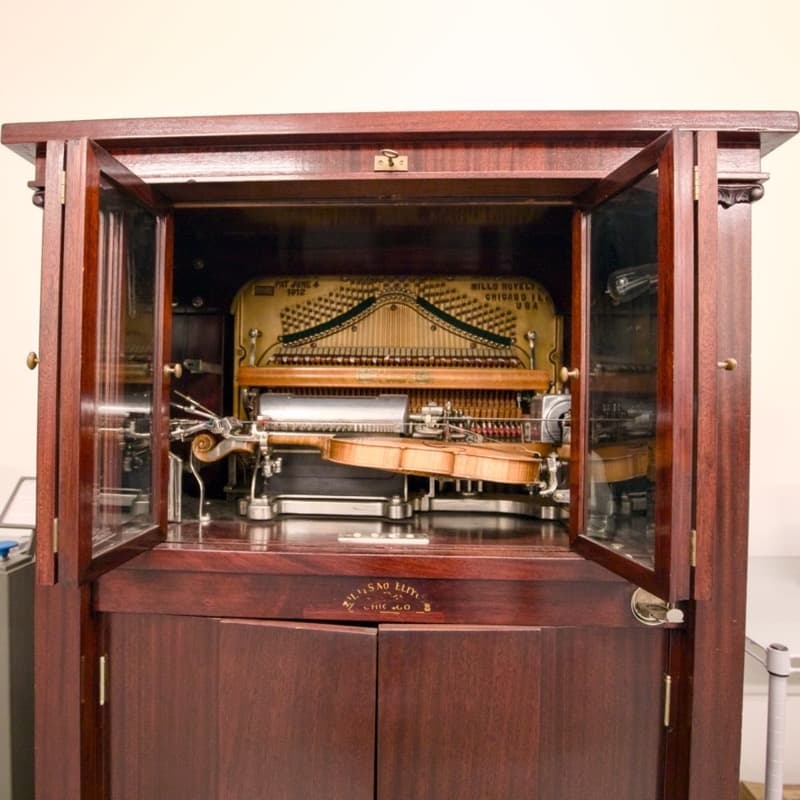
The Museu da Música Mecânica is located in Arraiados, in the parish of Pinhal Novo, municipality of Palmela. Inaugurated in 2016, it is a private museum created from the collection assembled by Luís Cangueiro, dedicated to instruments capable of producing sound through exclusively mechanical systems. The collection brings together more than 600 pieces, all in working order, dating from the late 18th century to the first half of the 20th century. Music boxes, gramophones, mechanical organs, phonographs and other devices reveal a history in which music is linked to engineering, entertainment and sound memory. The building, designed by the architect Miguel Marcelino, was conceived as a large closed box, with a concavity at the entrance that evokes the horns of phonographs and gramophones. The five exhibition galleries are arranged around a central courtyard, turning the visit into a listening experience of the past in motion.

Museu Marítimo de Sesimbra4.7

Museu Marítimo de Sesimbra

Museum • Sesimbra, Setúbal

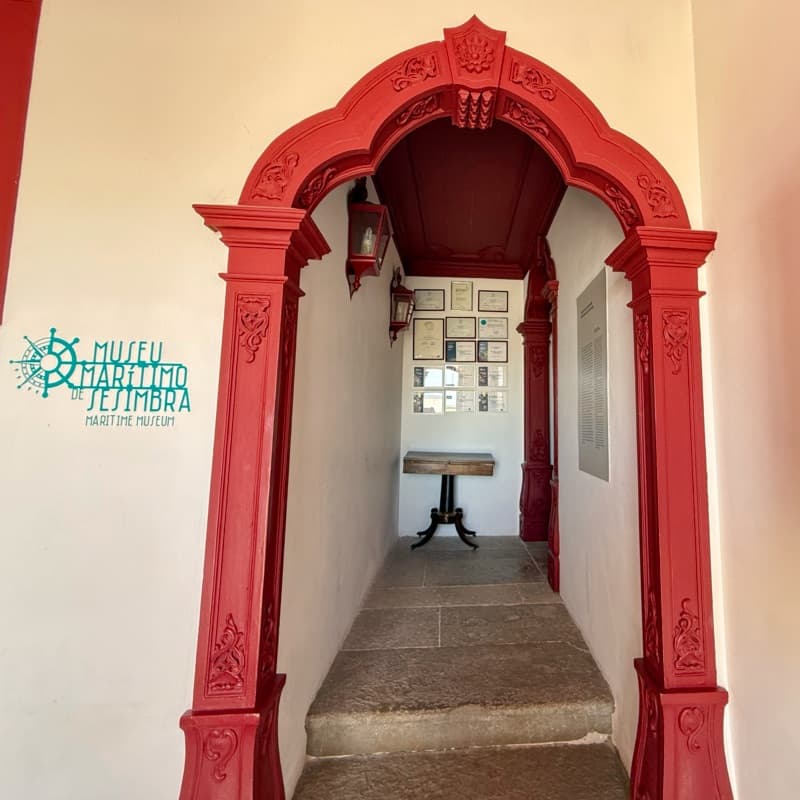
The Maritime Museum of Sesimbra, housed in the Fortress of Santiago, presents the town’s long relationship with the sea and fishing. Opened to the public in 2016, it forms part of the Municipal Museum of Sesimbra and organises its route through several spaces within the fortress. The exhibition brings together material heritage and memories collected with the fishing community, giving voice to the knowledge of seafarers. Among the oldest objects are an anchor stock around five thousand years old, and hooks and net weights dated between 2500 and 200 BC. The route addresses fishermen’s journeys, routes, fishing grounds, fishing techniques, boatbuilding, maritime devotions, the Professor Luiz Saldanha Marine Park and the relationship of King Carlos with Sesimbra. With models, films, documents and interactive technology, the museum turns local history into a narrative of work, identity and continuity.