Places

Cultural places in Portugal

Browse LxDiscover places across monuments, museums, palaces, viewpoints, gardens, churches and historic sites. Use this hub to start planning, then open the app for map-based routes, saved places and short cultural audio guides.

61 places

Places in Lisboa

Explore on the map
Museu da GNR4.6

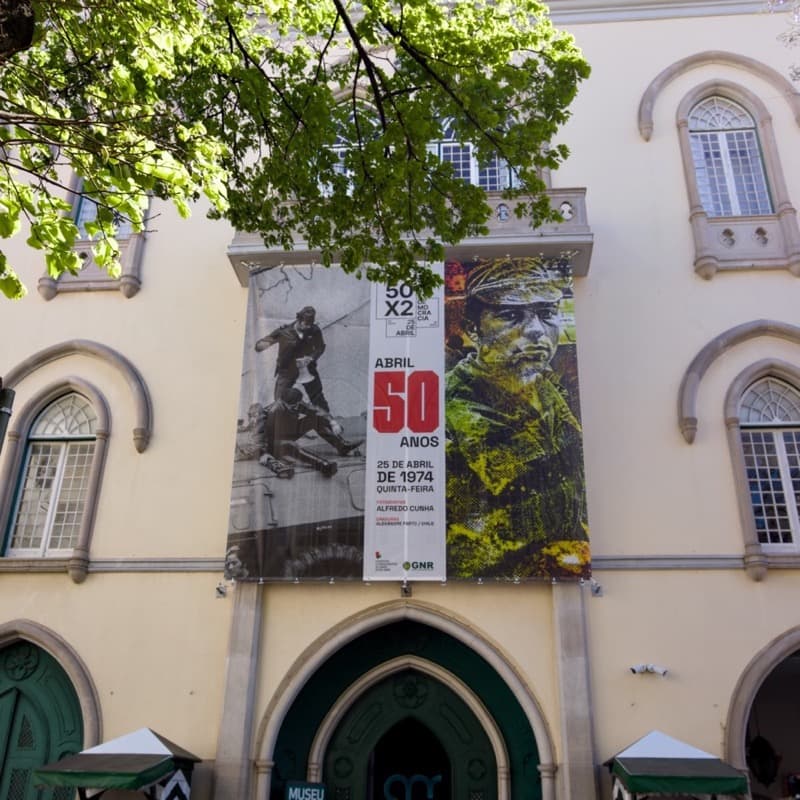
Museu da GNR

Museum • Lisboa, Lisboa

Housed on the ground floor of the Carmo Barracks, in Lisbon, the Museum of the Guarda Nacional Republicana occupies a place where institutional history intersects with the country’s political history. The barracks correspond to the former Carmo Convent, completed in 1423, and have been the headquarters of the military guard forces since 1845. It was also in this building that, on 25 April 1974, the transfer of power from Marcelo Caetano to General António de Spínola was completed. Prepared from 2005 onwards, the museum had its first section inaugurated in 2014 and opened regularly to the public in 2015. The exhibition follows a chronological route: it begins with D. Nuno Álvares Pereira and Carmo, moves through the former police guards and reaches the creation of the GNR, decreed in 1911. Objects, documents, uniforms and the recreation of a rural station show how security, memory and public service are inscribed in Portuguese everyday life.
Museu Banksy4.7

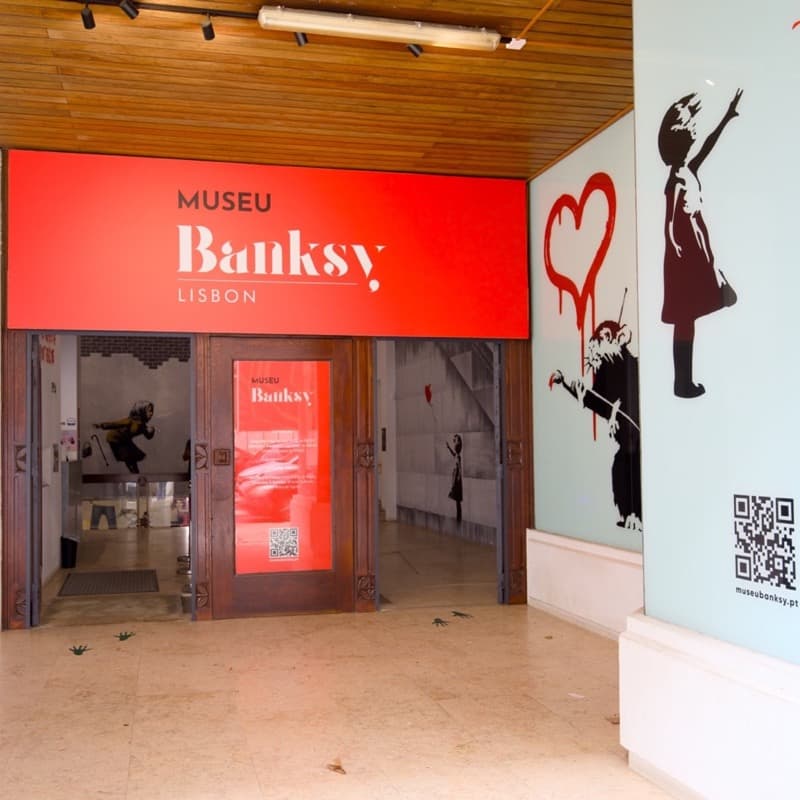
Museu Banksy

Museum • Lisboa, Lisboa

The Museu Banksy in Lisbon presents an immersive reading of Banksy’s work through more than 100 reproductions, arranged as video installations, graffiti, canvases, projections and murals. It is not a museum authorised by the artist: the exhibition itself states that it was organised without his involvement, a detail consistent with Banksy’s critical relationship with authorship, the market and institutions. The route brings together works associated with different geographies, from the United Kingdom to France, from the United States to Palestine/Israel and Ukraine, creating a kind of visual map of the political and social issues that run through his work. Instead of presenting originals, the space focuses on scale, staging and the contextualisation of the images, bringing the public closer to a language born in the street and marked by satire, denunciation and contrast. In Lisbon, the Museu Banksy acts as an entry point into an artistic universe that is recognisable, provocative and deliberately uncomfortable.

Fundação Ricardo do Espírito Santo Silva4.4

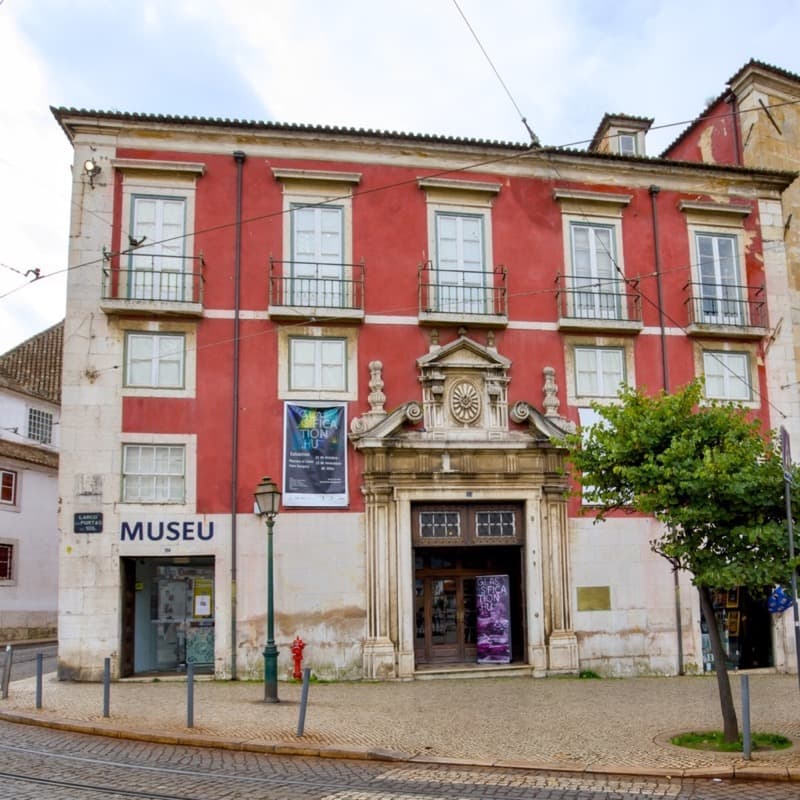
Fundação Ricardo do Espírito Santo Silva

Museum • Lisboa, Lisboa

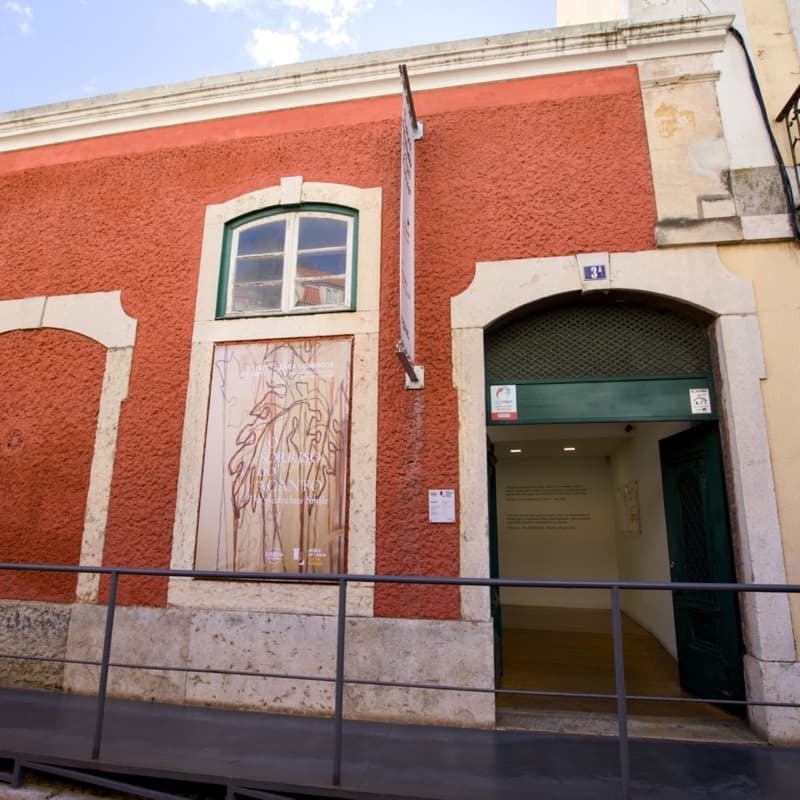
The Ricardo do Espírito Santo Silva Foundation occupies the Azurara Palace, in Largo das Portas do Sol, Lisbon. Created in 1953 by the banker and collector Ricardo do Espírito Santo Silva, it began as a Museum-School of Decorative Arts, based on the donation of the palace and a collection assembled by its founder. The building, classified as a Property of Public Interest, is a palace with a 17th-century character and was once home to noble families, having belonged to the Viscount of Azurara in the late 18th century. Inside, the Museum of Portuguese Decorative Arts guides visitors through decorative arts from the 15th to the 18th century, with sections devoted to furniture, textiles, silverware, Chinese porcelain, Portuguese faience, tiles, painting, sculpture and bookbinding. The foundation also maintains arts and crafts workshops, training, and conservation and restoration, preserving traditional techniques through transmission between masters, trainers and apprentices.

Museu de Lisboa - Santo António4.3

Museu de Lisboa - Santo António

Museum • Lisboa, Lisboa

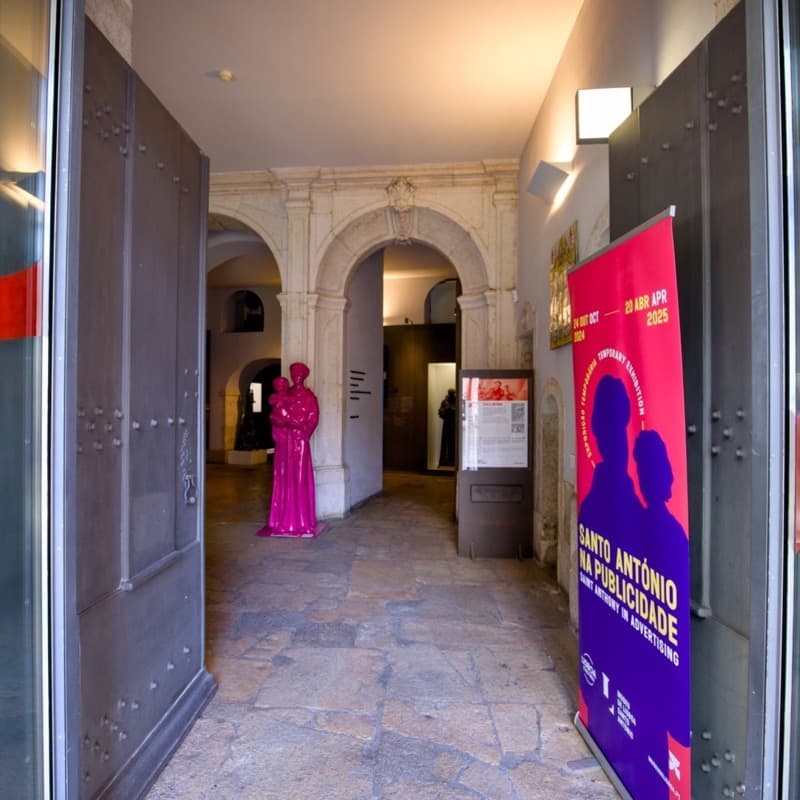
The Museu de Lisboa - Santo António stands in the historic centre, beside the church dedicated to the saint and close to the Cathedral. It is one of the five sites of the Museu de Lisboa and focuses on Saint Anthony, who was born in the city and lived here until the age of 20. The exhibition presents his relationship with Lisbon through iconography, devotion, popular traditions and the festivities that grew around him. Along the route, it becomes clear how the saint’s image was built over the centuries: the Franciscan preacher, the miracle-worker, the familiar presence in domestic devotions and in the celebrations of June. The museum includes a long-term exhibition area and a documentation centre. Small in scale, but dense in meaning, it brings together religious history, urban memory and popular culture around one of the most present figures in Lisbon’s imagination.

Museu de Lisboa - Teatro Romano4.4

Museu de Lisboa - Teatro Romano

Archaeological Site • Lisboa, Lisboa

The Museu de Lisboa - Teatro Romano reveals, on the slope of São Jorge Castle, one of the great remains of ancient Felicitas Iulia Olisipo. The theatre was built in the time of Emperor Augustus and remodelled in AD 57, during Nero’s rule. It is estimated to have held around four thousand spectators, a sign of the public importance of performances in the Roman city. Abandoned in the 4th century, it remained buried until 1798, when the ruins emerged during the reconstruction of Lisbon after the 1755 Earthquake. Only in the second half of the 20th century did the monument begin to be studied again through systematic archaeological campaigns. The present route brings together an exhibition area, an archaeological field and the ruins of the theatre, where parts of the orchestra, seating, stage front and stage can still be recognised. Between excavated stone and the urban fabric, the museum reveals a Lisbon older than the city’s own medieval memory.

Museu Benfica - Cosme Damião4.8

Museu Benfica - Cosme Damião

Museum • Lisboa, Lisboa

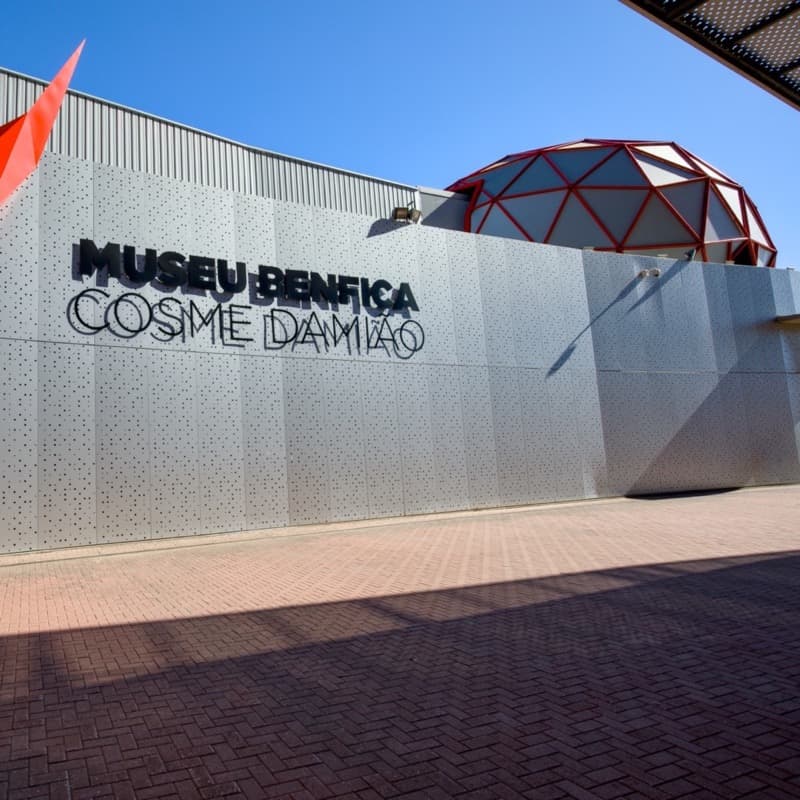
The Museu Benfica - Cosme Damião stands beside Estádio da Luz, in Lisbon, and turns the history of Sport Lisboa e Benfica into a large-scale museum route. Inaugurated in 2013, it was named after Cosme Damião, a central figure in the club’s history and often presented as its “father”. The exhibition links Benfica memory with the history of Lisbon, Portugal and the world, creating a broader setting for trophies, names, facts and images. With around 4,000 square metres, spread over three floors, the museum is organised into 29 thematic areas and uses interactivity and technology as an essential part of the visit. Around a thousand pieces from the club’s collection are on display. More than a gallery of victories, the museum shows how sport, collective identity and urban memory can meet in the same space.

3D Fun Art Museum4.6

3D Fun Art Museum

Museum • Lisboa, Lisboa

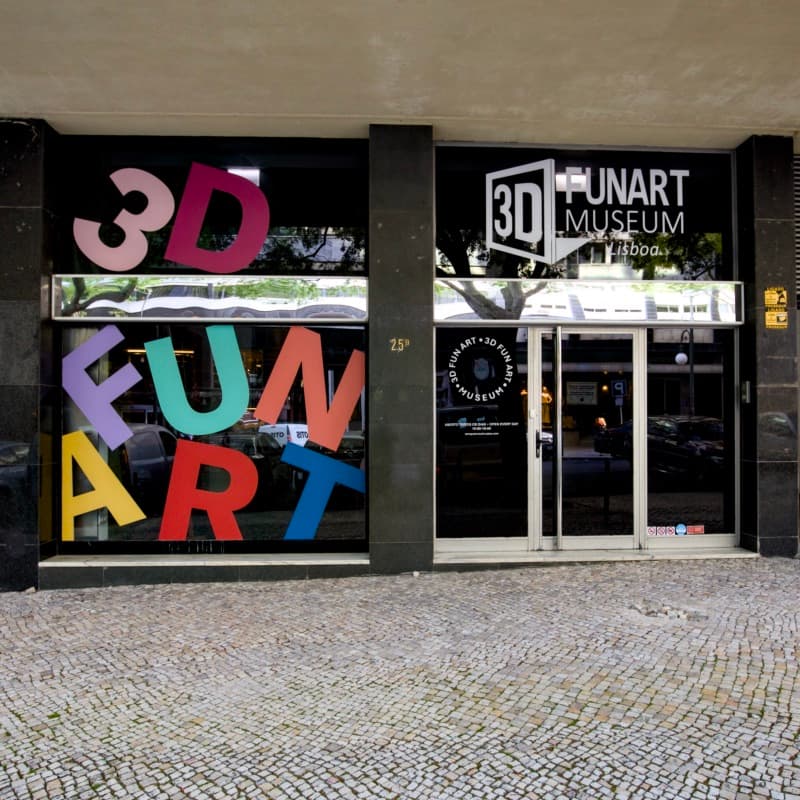
The 3D Fun Art Museum in Lisbon offers a light and participatory way of looking at images. The space brings together around 40 scenarios with 3D images and optical illusions, combining the science of visual perception with the play of illusion. Here, the artwork does not remain only in front of those who observe it: it asks for presence, movement and framing. The compositions are designed to integrate the body into the scene and turn photography into an essential part of the experience. Between trick-art paintings, illusion rooms and games of scale, unexpected situations appear, such as entering Van Gogh’s world, taking part in a safari or living alongside a dinosaur. The result is a contemporary and accessible museum, where perspective, depth and imagination meet in a sequence of images built in the moment.

MUDE - Museu do Design3.9

MUDE - Museu do Design

Museum • Lisboa, Lisboa

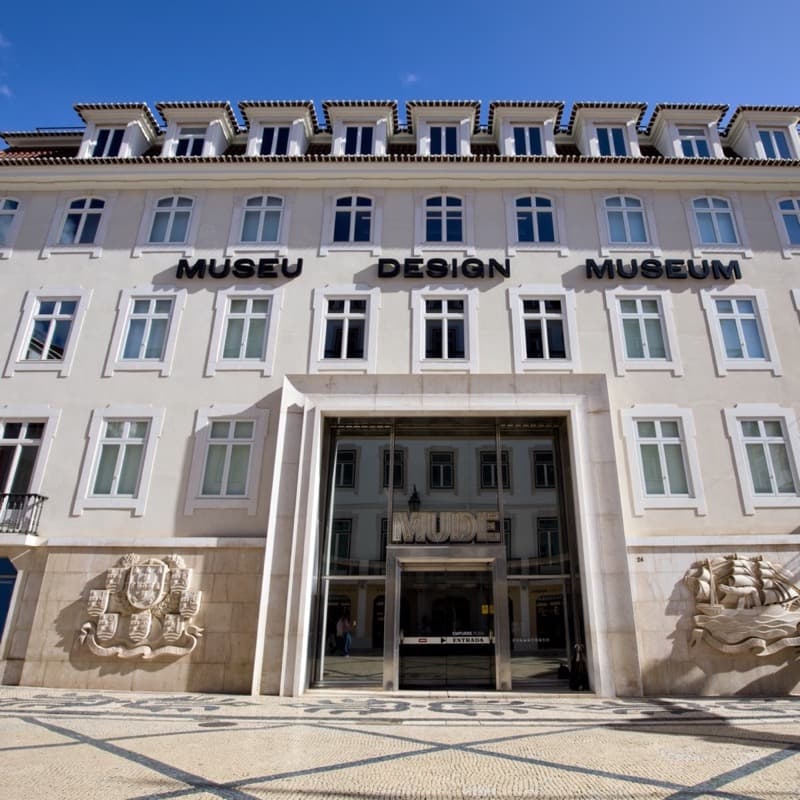
MUDE — Design Museum, in Lisbon, occupies a building that preserves the memory of the former headquarters of Banco Nacional Ultramarino. Today, that financial past coexists with a museum dedicated to the many expressions of design. The building itself is treated as a living archive: its movable and integrated heritage forms part of the collection, and its architectural evolution is understood as material to be read. The collection brings together documentary and museum inventory entries organised into areas such as graphic design, fashion, contemporary jewellery, product, editorial and stage design. The long-term exhibition “What are things for? Pieces from the MUDE Collection 1900-2020” proposes looking at design not only as form, but as process, use, communication and consumption. Between the display depot, specialised library and exhibition spaces, MUDE shows how objects also tell the history of ideas.

MACAM - Museu de Arte Contemporânea Armando Martins4.7

MACAM - Museu de Arte Contemporânea Armando Martins

Museum • Lisboa, Lisboa

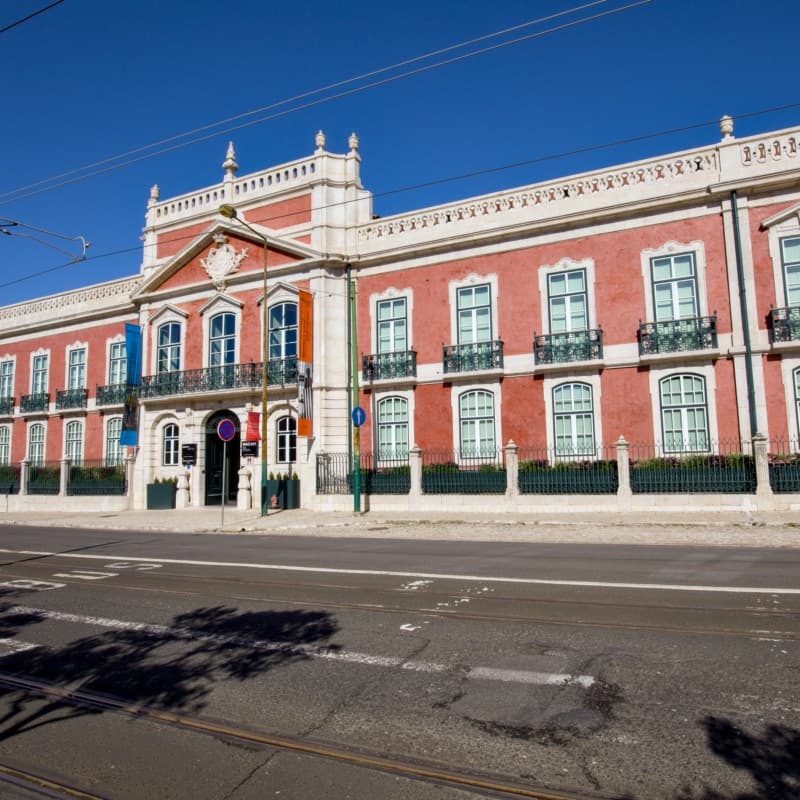
MACAM — Armando Martins Contemporary Art Museum, in Lisbon, makes public the private collection assembled by Armando Martins over five decades. Opened to the public on 22 March 2025, it occupies the former Palace of the Counts of Vila Franca, later Counts of Ribeira Grande, a building with origins in the early 18th century. The history of the site remains legible in the long façade, the former chapel, the noble staircase and the traces recovered during the rehabilitation. The collection, begun in 1974, brings together more than 600 works, from the late 19th century to the present day, spanning painting, sculpture, drawing, photography, video and installation. The route places modern Portuguese art in dialogue with national and international contemporary creation. Between palace, museum and hotel, MACAM presents the private collection as public matter, open to observation and conversation.

Centro Interpretativo da História do Bacalhau4.0

Centro Interpretativo da História do Bacalhau

Interpretive Center • Lisboa, Lisboa

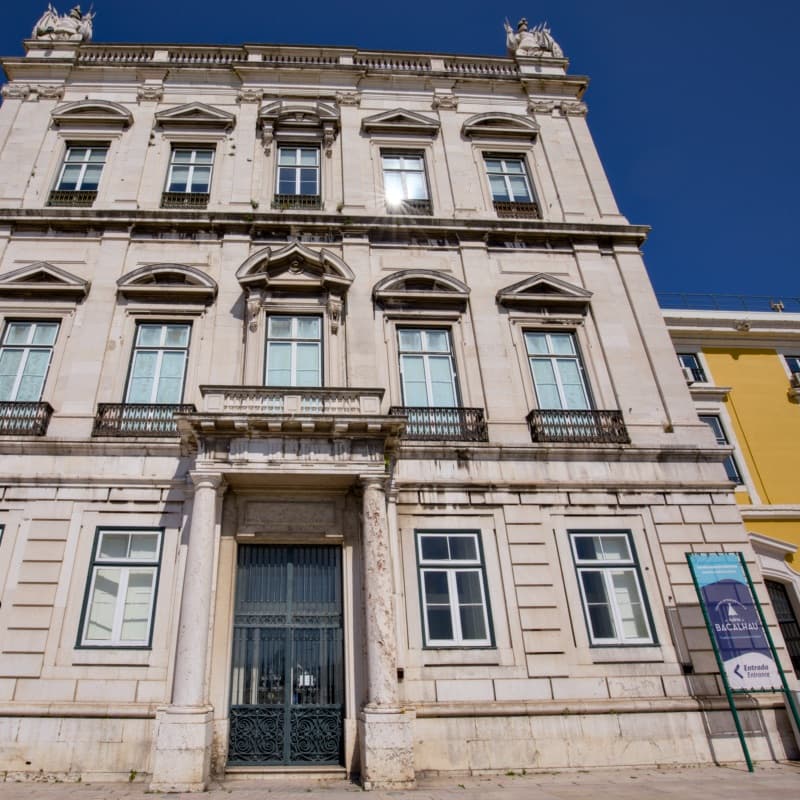
The Codfish History Interpretation Centre, in Lisbon, turns an everyday food into a theme of maritime and cultural memory. The exhibition presents cod as a symbol of Portuguese gastronomy, but also as the result of long voyages, hard work and Atlantic connections. The route is organised into two major sections, “The Sea” and “At the Table”, and combines images, films, animations and interactive experiences. In the rooms dedicated to the fishing saga appear the luggers, the dories, the White Fleet and life on board, including campaigns that could last around six months. The narrative also passes through the propaganda of the Estado Novo and the place of cod on the Portuguese table. In the end, “Cod 20.20” opens a reflection on marine resources, climate change and the future of fishing, showing that this history is still changing.

Museu da Saúde4.5

Museu da Saúde

Museum • Lisboa, Lisboa

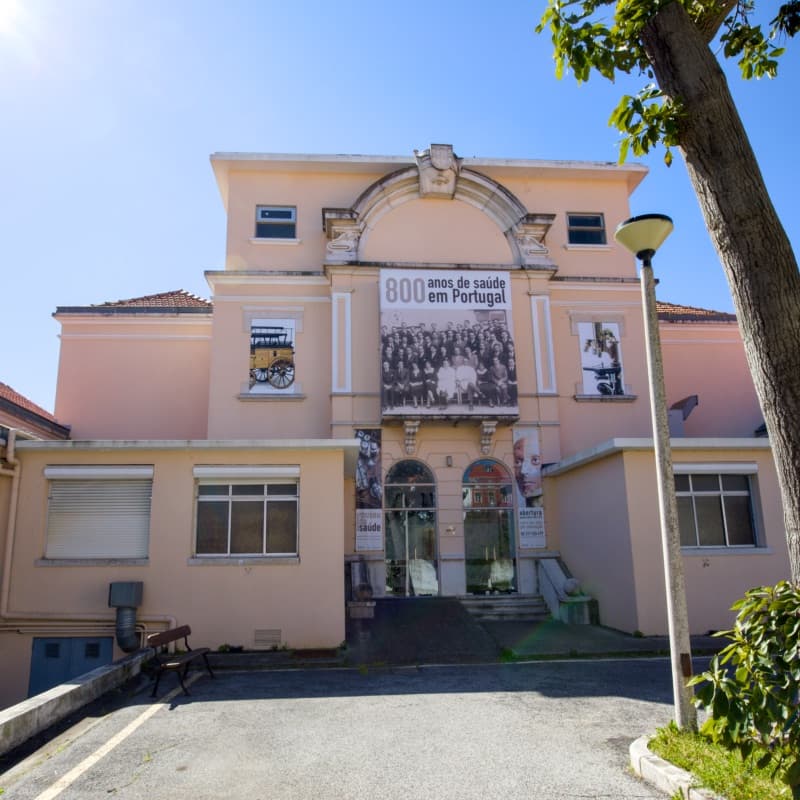
The Health Museum, in Lisbon, belongs to the National Institute of Health Doutor Ricardo Jorge and gives museological form to the memory of health in Portugal. Created by the Ministry of Health in 2007, it has been presented since April 2017 in the former Neurosurgery Service of Santo António dos Capuchos Hospital, with the exhibition “800 Years of Health in Portugal”. The route follows the history of health from the foundation of the nation to the creation of the National Health Service, bringing together around 400 pieces from its collections and from partner institutions. The narrative moves through the first medieval services, royal hospitals, pharmacopoeia, health policies, technical and scientific innovations and the fight against endemic diseases. The museum also preserves collections linked to tuberculosis, malaria, urology, psychology and anaesthesia, showing how science, care and heritage intersect in collective life.

Casa Fernando Pessoa4.5

Casa Fernando Pessoa

Museum • Lisboa, Lisboa

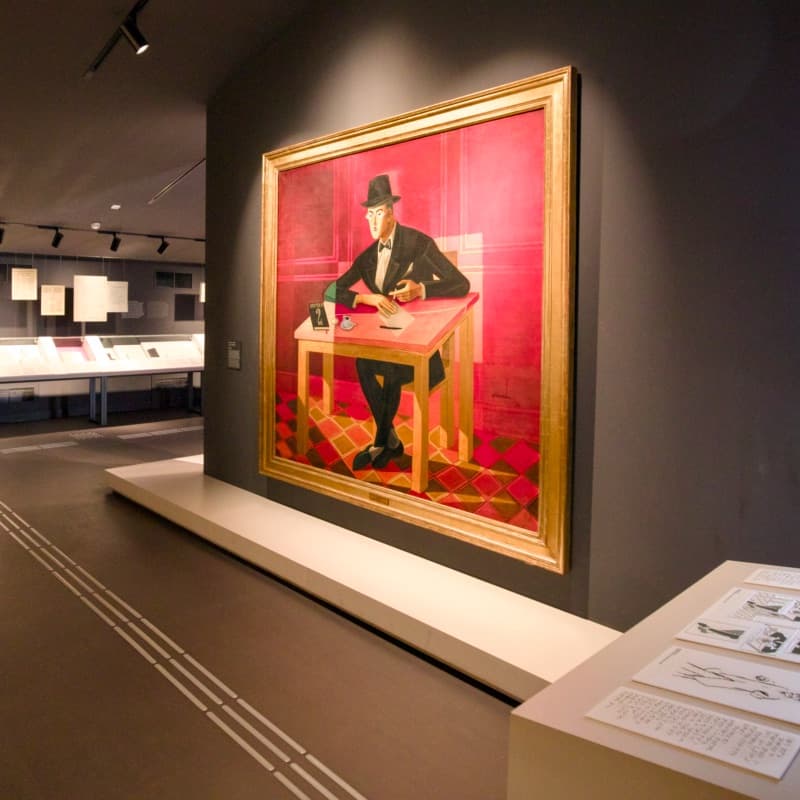
Casa Fernando Pessoa, in Lisbon, occupies the writer’s last home, where he lived with his family from 1920 until a few days before his death on 30 November 1935. The building was acquired by Lisbon City Council in the late 1980s, when it was in poor condition, and opened to the public on 30 November 1993. Rebuilt while preserving original elements, the House keeps personal objects, some furniture and a large part of the books that belonged to Pessoa. The long-term exhibition is organised around memory, literary creation, reading and home. Across three floors, it presents the heteronyms, documents, works of art and the Private Library, classified as a National Treasure. More than preserving a reconstructed bedroom, the House shows how reading nourished one of the most plural literary works of the 20th century.

Museu do Lactário4.9

Museu do Lactário

Museum • Lisboa, Lisboa

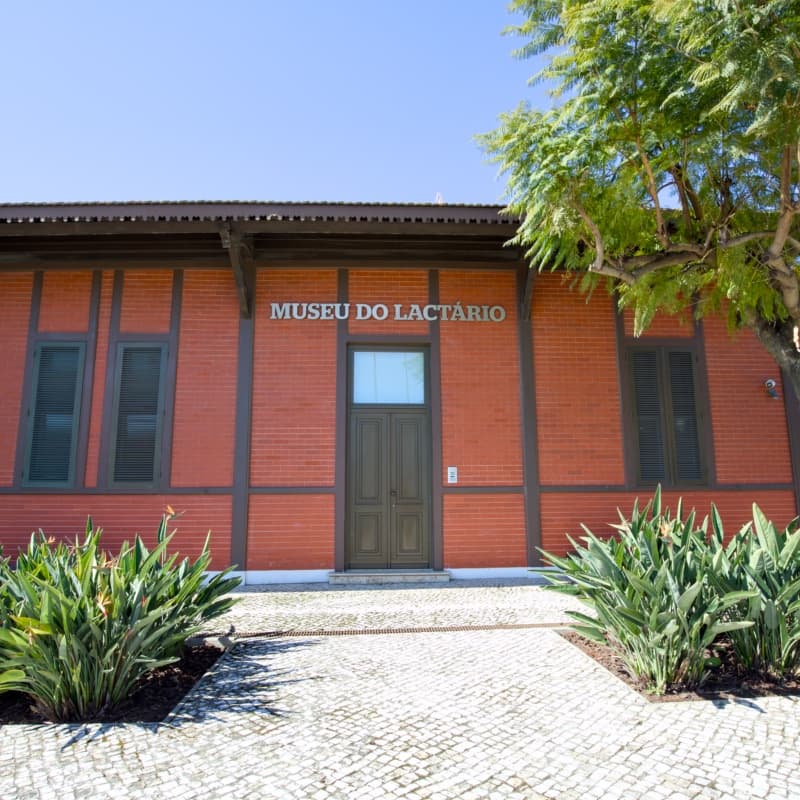
The Museu do Lactário, in Lisbon, preserves the memory of the first milk dispensary created in Portugal. Established in 2019 by the Fundação Aboim Sande Lemos, it tells the story of a social work begun in 1901 with the Associação Protectora da Primeira Infância. The Lactário began operating in 1903, supporting disadvantaged children from Alfama and their families. The help was daily and free: controlled-quality cow’s milk, paediatric care, hygienic, social and neonatal support. The museum brings together objects, documents, photographs, painting, sculpture, tilework and scientific and technical pieces linked to that activity. Among the most expressive items are four incubators for premature babies, acquired in 1903, Alexandre Lion models. By reconstructing services such as Lacticology, the Lactário, the Medical Service and the Social Service, the museum reveals a discreet history of care, science and child protection.

Showing 49-61 of 61

Discover by category

Take the LxDiscover App with you

Explore Portugal with a cultural guide for monuments, museums, gardens, palaces, viewpoints, and historic places in Lisbon, Porto, Sintra, and other regions.

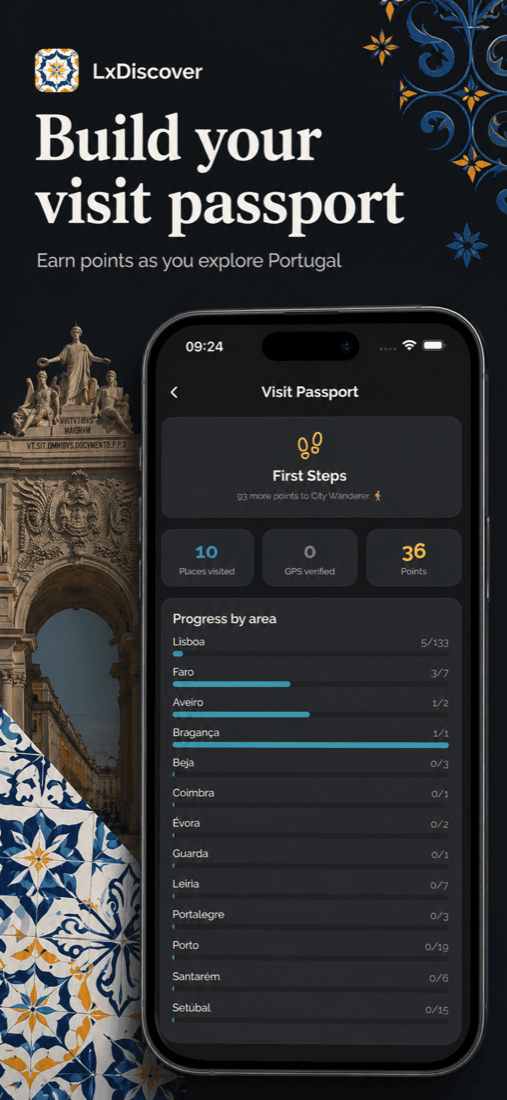
Use the map, follow cultural routes, read editorial context, save places, and track your visits with the visit passport.

Free features

  • Interactive map to discover places of interest
  • Detailed information about monuments, museums, and cultural sites
  • Favorites for the places you want to visit
  • Selected routes to start exploring

Premium subscription

  • Curated routes with ordered stops, duration, and difficulty
  • Thematic collections with editorial context for each area
  • Visit passport for progress, visited places, and achievements
  • Advanced map, planning, and proximity alert tools
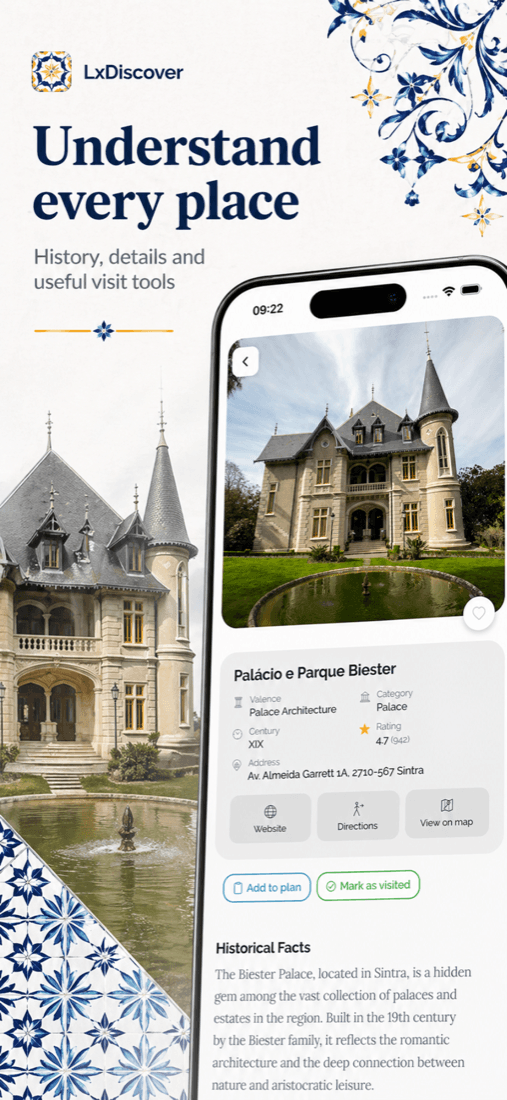
LxDiscover map screen
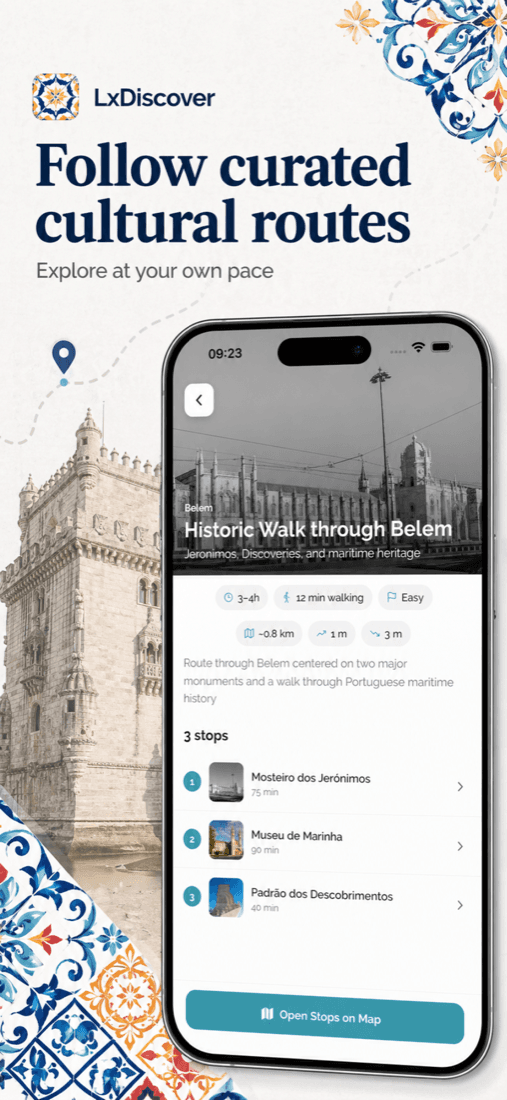
LxDiscover routes screen
LxDiscover visit passport screen