Explore Portugal by region

Regions

Porto

19 places across Porto.

Map
AquariumBotanical GardenChurchCultural CentreFortGardenHistoric HouseInterpretive CentreMuseumPalaceStadium
Estádio do Dragão4.7

Estádio do Dragão

Stadium • Porto, Porto

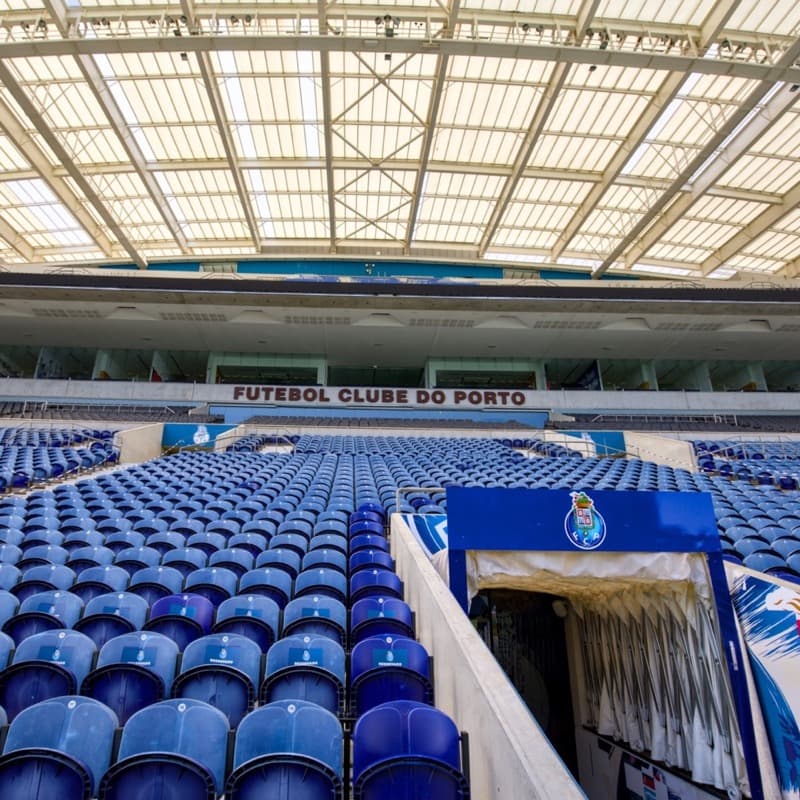
The Dragão Stadium conceals part of its size below ground level. Its pitch and lower tier were excavated, helping integrate the venue into the slope at Antas. Designed by Manuel Salgado’s team, the stadium opened in November 2003 with a planned capacity of around fifty thousand spectators. The eastern and western upper stands form separate volumes, while the northern and southern sides retain openings towards the city. Art also belongs to the complex, including a tile panel by Júlio Resende and Sobre Chamas by Alberto Carneiro. Beyond football, the building’s form tells a story of architecture and urban transformation.
Museu FC Porto4.7

Museu FC Porto

Museum • Porto, Porto

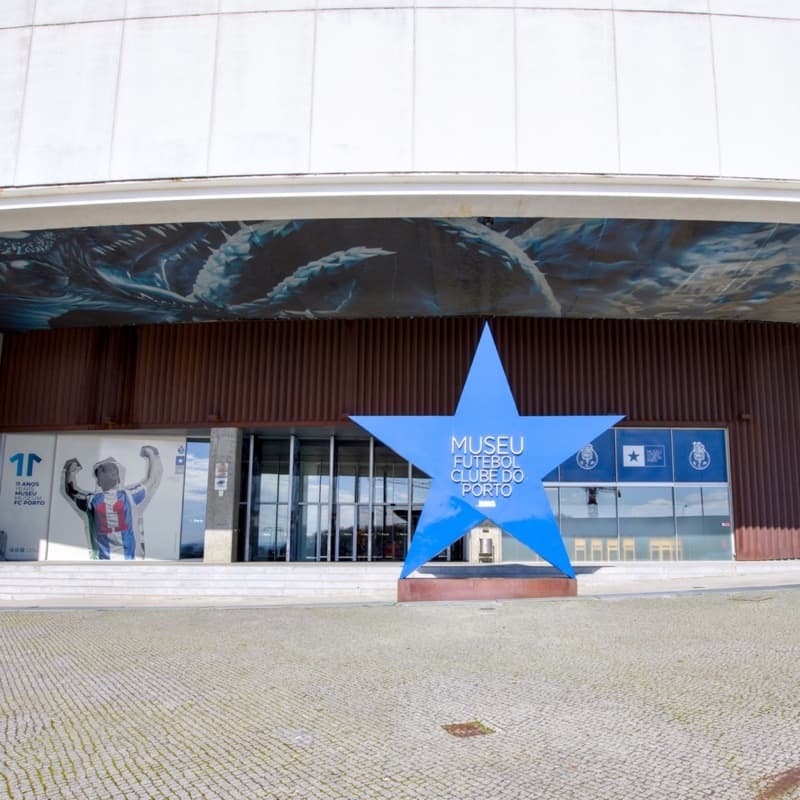
The FC Porto Museum tells the club’s story through trophies, objects and multimedia, linking sport with the city and its social and cultural life. Opened in September 2013, it is organised into twenty-seven themed areas. A trophy can mark an achievement, while images and other documents help explain what happened around it. Joana Vasconcelos’s Valquíria Dragão adds contemporary art to this setting. The museum also develops educational activities and includes the Espaço João Espregueira Mendes, devoted to art. Its approach offers different ways to discover the club, taking visitors beyond a simple sequence of results and into the contexts that give those moments meaning.

Sea Life4.2

Sea Life

Aquarium • Porto, Porto

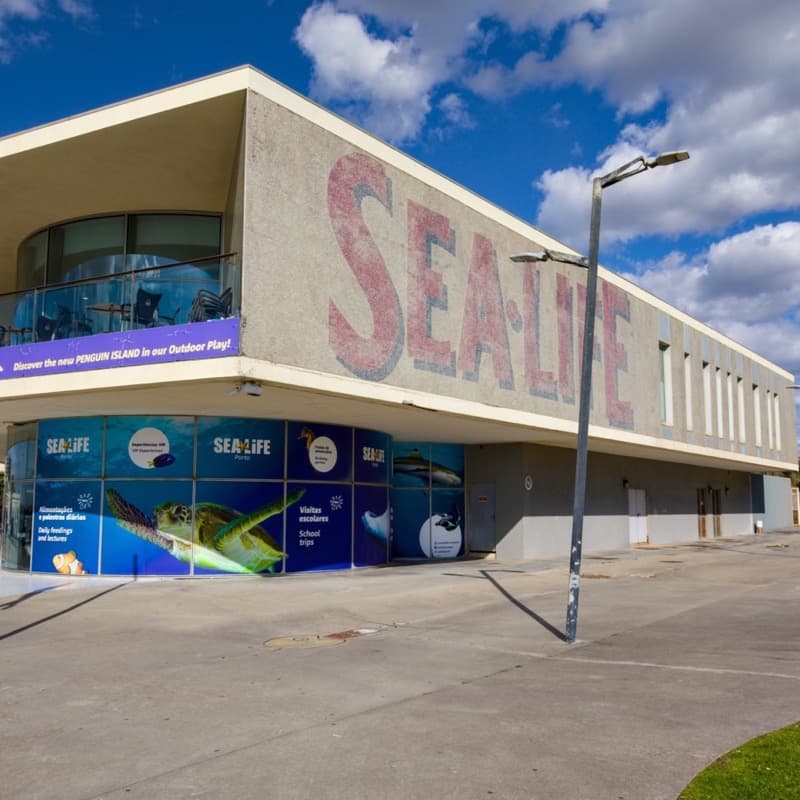
At SEA LIFE Porto, water leads through very different environments: rivers and streams, rock pools and ocean habitats. An underwater camera brings small coastal habitats closer, while the tunnel changes the scale of the experience. The Reino de Salácia presents rays and blacktip sharks, and Humboldt penguins add birds to the route. A nursery also propagates threatened corals for the SEA LIFE network and work associated with the SEA LIFE Trust. Among constructed settings and living organisms, the interest lies in recognising the diversity of habitats and understanding that conservation requires care continuing long beyond the moment of a visit.

Forte de São Francisco Xavier4.4

Forte de São Francisco Xavier

Fort • Porto, Porto

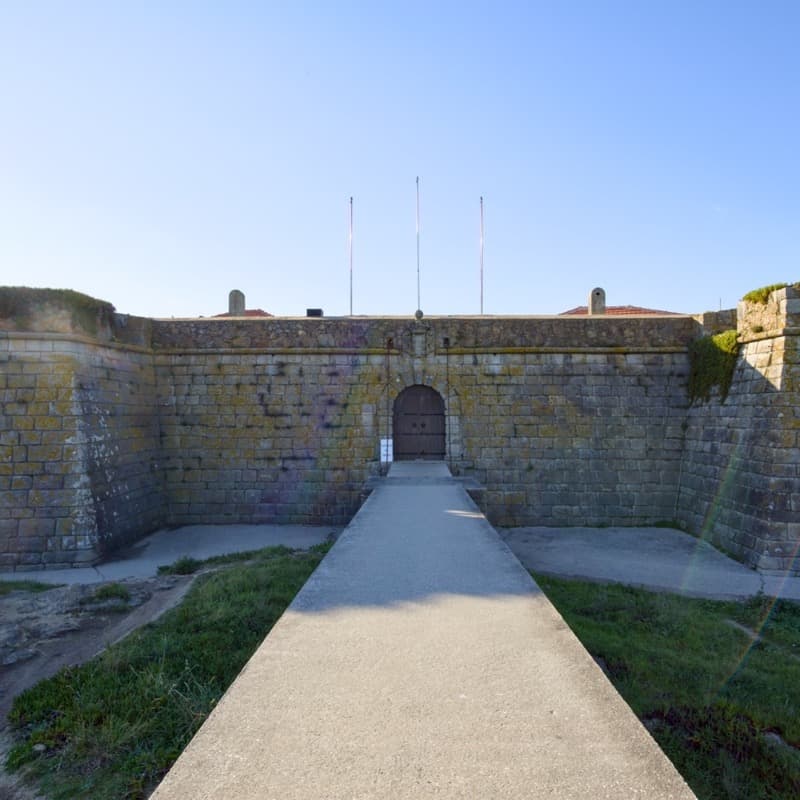
The Castelo do Queijo is actually the Fort of São Francisco Xavier. Tradition connects its nickname, Cheese Castle, with the rounded shape of the rock beneath it. Built around 1661 to a design by Miguel de L’École, it formed part of Porto’s coastal defences. In 1717, the council asked to deactivate it, but King João the Fifth refused. The moat, entrance bridge, gun embrasures and sentry boxes show how the enclosure worked. Inside, the governor’s house and former barracks recall garrison life. Restored for historical military use, the fort preserves a much more serious story than its popular nickname might suggest.

Palácio da Bolsa4.5

Palácio da Bolsa

Palace • Porto, Porto

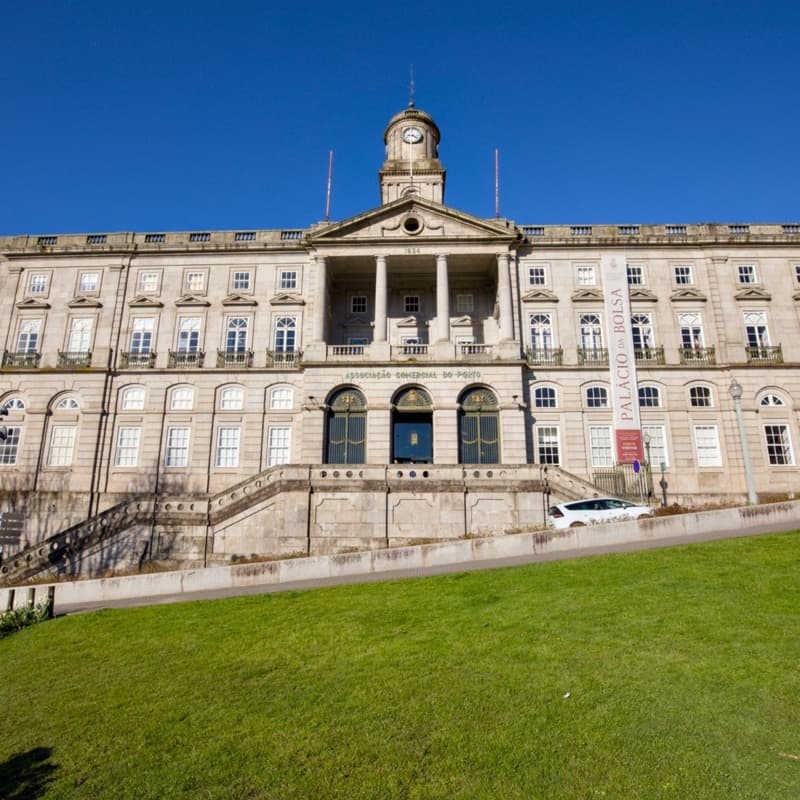
Porto’s Commercial Association built the Palácio da Bolsa to represent the city’s economic importance. Work began in 1842 on ruins of the São Francisco convent, and decoration continued until 1909. In the Hall of Nations, twenty coats of arms accompany an iron-and-glass dome. Upstairs, the General Assembly Room holds a surprise: what looks like wood is plaster worked to imitate it. The Arab Room, by Gustavo Adolfo Gonçalves de Sousa, presents another decorative language, with different woods in its floor. Between working spaces and ceremonial rooms, the palace reveals how merchants used architecture to present Porto and its business to the wider world.

Igreja e Museu de São Francisco4.4

Igreja e Museu de São Francisco

Church • Porto, Porto

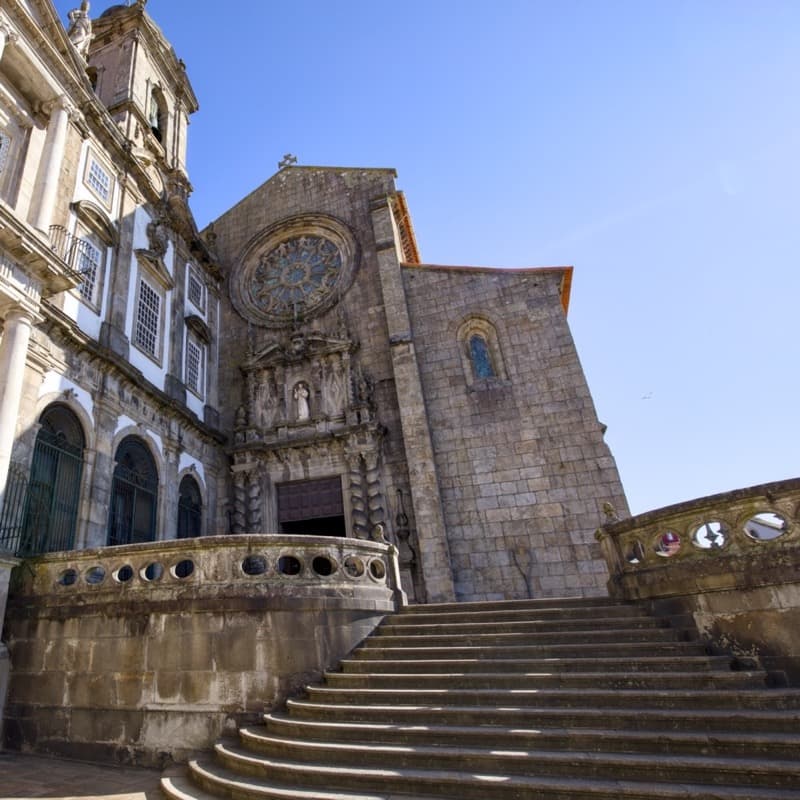
In the convent church of São Francisco, gilded woodcarving surrounds a Gothic nave and aisles. Decoration added during the seventeenth and eighteenth centuries brought figures and narratives into a medieval building. The Tree of Jesse shows that storytelling power: a genealogy grows from a reclining figure towards the Virgin and Child. The museum complex includes the Casa do Despacho, rebuilt by Nicolau Nasoni, and catacombs where benefactors were buried. Nearby stands the Church of the Third Order, a different and later church. Distinguishing them helps explain a place where architecture, institutional life and religious memory accumulated over many centuries.

Casa do Infante4.4

Casa do Infante

Historic House • Porto, Porto

Casa do Infante has a famous name and a history reaching far beyond it. Prince Henry’s birth here is considered presumed. Its uses as a customs house, mint and residence for royal visits, however, belong to the documented history of a complex built in 1325. Excavations in the 1990s also uncovered Roman remains, including mosaics suggesting a wealthy residence. The museum and archive connect these periods, while the Gabinete do Tempo presents other perspectives on Porto. Between surviving structures, vanished towers and archaeological discoveries, the house shows how one place can preserve several stories without all of them being known with equal certainty.

Museu da Misericórdia do Porto4.2

Museu da Misericórdia do Porto

Museum • Porto, Porto

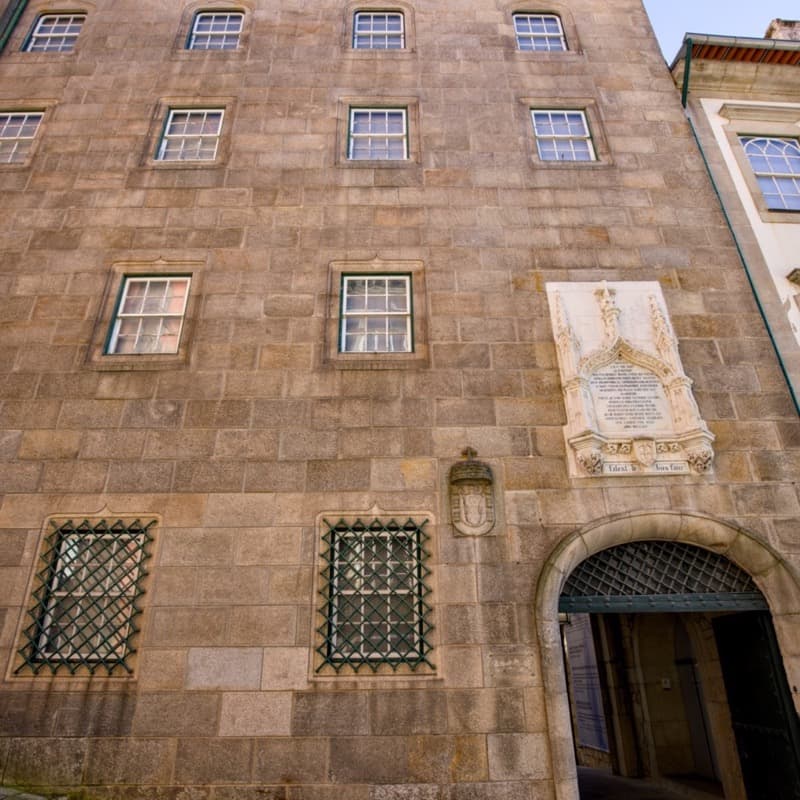
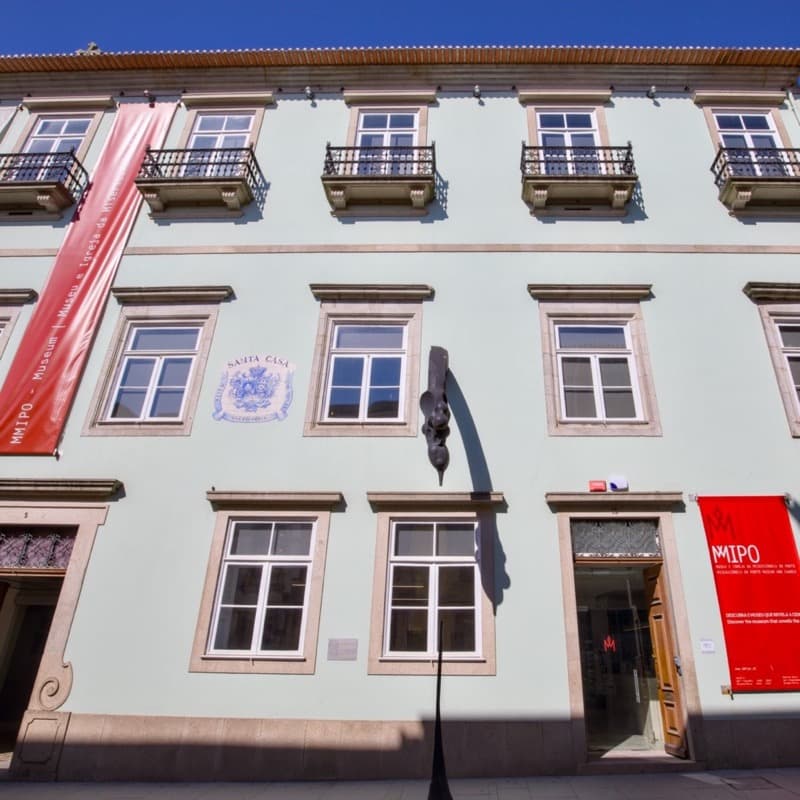
The Misericórdia Museum of Porto occupies the Santa Casa’s former headquarters, used from the mid-sixteenth century until 2013. Artworks and institutional objects help explain its history and mission. The itinerary includes the church, extensively remodelled in the eighteenth century, with a façade by Nicolau Nasoni and a chancel surviving from the earlier building. The Benefactors’ Gallery adds an iron-and-glass structure to the complex. Among the works associated with the Misericórdia is Fons Vitae, a sixteenth-century painting by an unknown artist. Building, collections and transformed spaces show how an institution preserved part of its memory through centuries of occupying the same house.

Torre e Igreja dos Clérigos4.6

Torre e Igreja dos Clérigos

Church • Porto, Porto

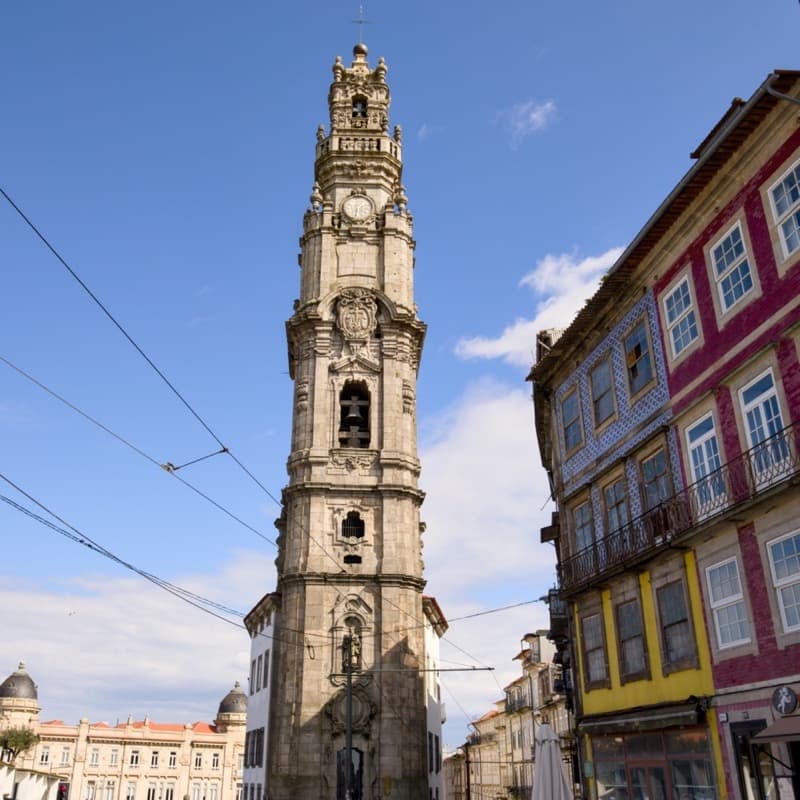
The Clérigos Tower belongs to a complex that began with a church designed by Nicolau Nasoni. Construction started in 1732, and its oval nave remains particularly distinctive. The tower followed between 1754 and 1763, opening views across Porto, Gaia and the Douro. In the chancel, two Iberian organs display horizontal trumpets and emblems of the sun and moon. The former Brotherhood’s house accommodates the museum, including the Christus collection in the old infirmary. Church, tower and institutional rooms tell different parts of one story: a brotherhood that left Porto an urban landmark and many details to discover at close range.

Igreja do Carmo4.5

Igreja do Carmo

Church • Porto, Porto

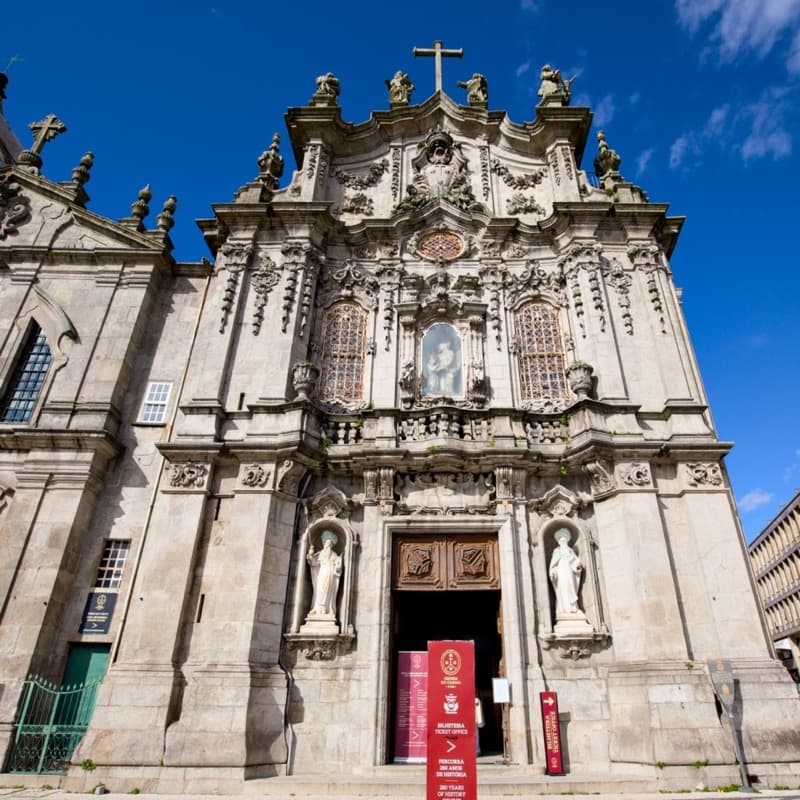
Carmo Church’s side-wall tiles are more recent than they may appear: they were installed in 1912, following Silvestro Silvestri’s designs. The church was begun in 1756 for the Third Order of Carmel, to a design by José de Figueiredo Seixas. Its chancel opened for worship before the rest was finished. Architecture and woodcarving follow Rococo forms, while the large exterior panel represents the Giving of the Scapular on Mount Carmel. The complex also includes the Narrow House and spaces preserving the order’s memory. It should be distinguished from the neighbouring Carmelitas Church: two churches stand close together, but retain separate histories.

World of Discoveries4.4

World of Discoveries

Interpretive Centre • Porto, Porto

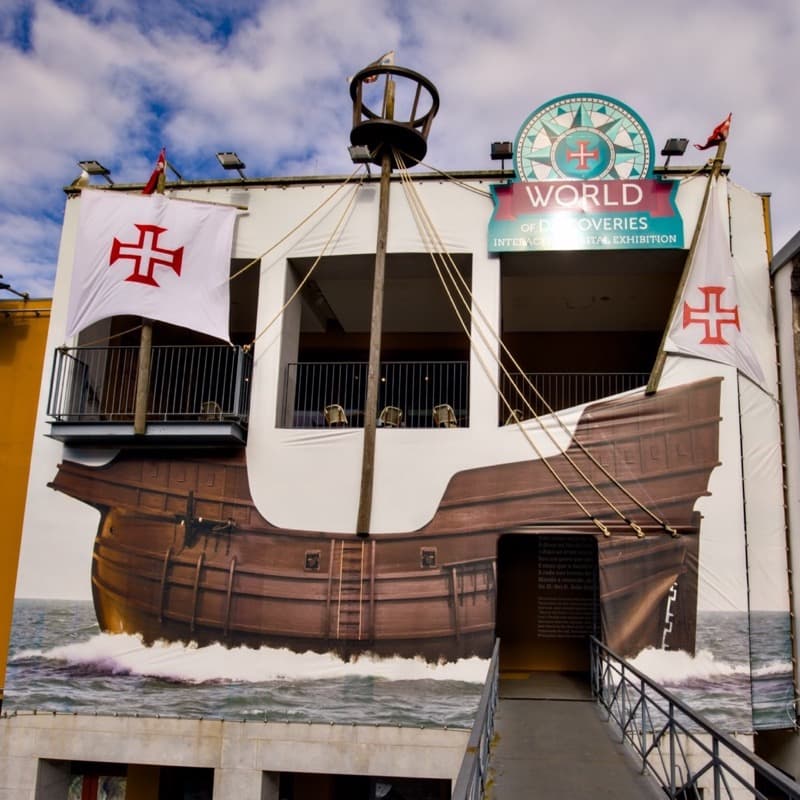
World of Discoveries presents Portuguese maritime voyages through an interactive exhibition and settings linked by an artificial water channel. The experience takes place inside the Porto attraction, rather than on a Douro river cruise. A recreated ship interior, spices and the conquest of Ceuta form part of the narrative. Adamastor adds a literary character who should be distinguished from historical events. The attraction combines learning and entertainment, using movement and scenery to spark curiosity about travel and trade. Its starting point is a contemporary interpretation of the past: constructed environments can encourage questions, but should not be mistaken for original remains.

Museu dos Transportes e Comunicações4.4

Museu dos Transportes e Comunicações

Museum • Porto, Porto

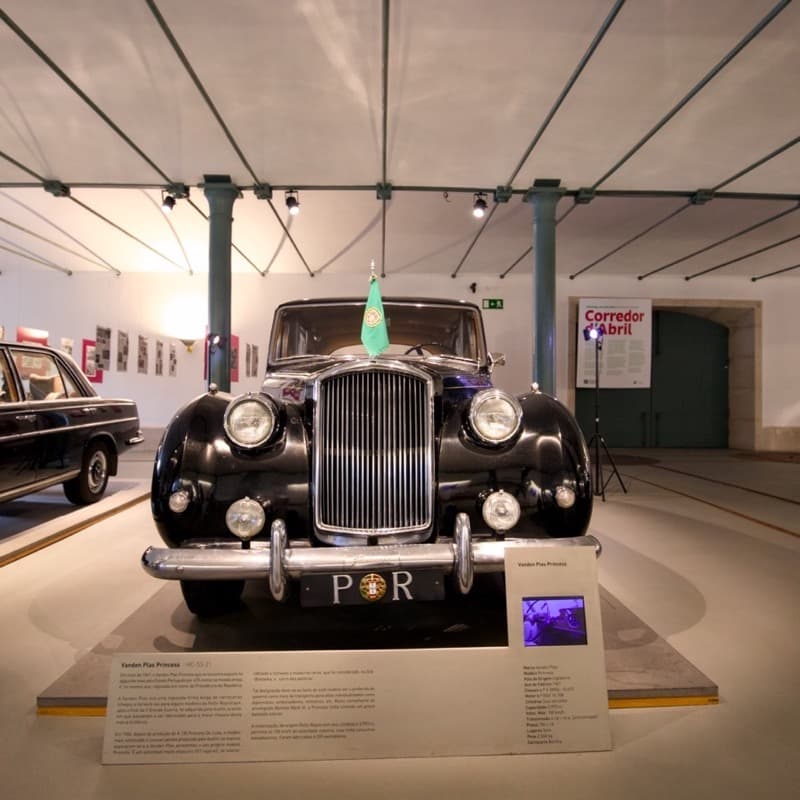
The Transport and Communications Museum occupies Porto’s New Customs House, opened in 1869 to receive goods carried along the Douro. Metamorfose de um Lugar recovers that activity through documents, furniture and working tools. In O Motor da República, presidential cars reveal changes in technology and representations of power. The museum also holds Júlio Resende’s study for Ribeira Negra, distinct from the ceramic mural outdoors elsewhere in the city. The building itself, with iron, stone and timber structures, belongs to the discovery. Here, transport and communications connect with Porto’s commercial, political and cultural history through objects, artworks and their original setting.

Jardim Botânico do Porto4.5

Jardim Botânico do Porto

Botanical Garden • Porto, Porto

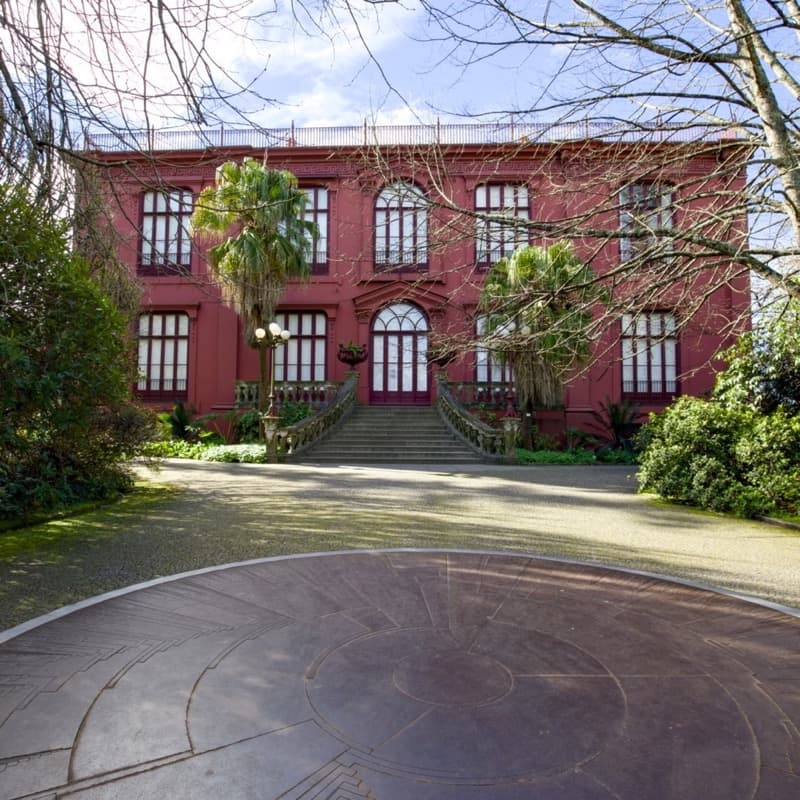
The University of Porto’s Botanical Garden occupies the former Quinta do Campo Alegre, covering more than four hectares with a late nineteenth-century layout. Casa Andresen retains the site’s connection with Sophia de Mello Breyner Andresen and Ruben A., while the Jardim dos Jota preserves the initials of their grandparents, Joana and João. Tall camellia hedges and areas devoted to succulents, schist or the bronze boy vary the walk. Casa Andresen houses the Biodiversity Gallery, bringing science communication into the former estate. The grounds offer plants and different ways of organising a landscape, while retaining small family memories still inscribed in the garden.

Fundação Serralves4.6

Fundação Serralves

Cultural Centre • Porto, Porto

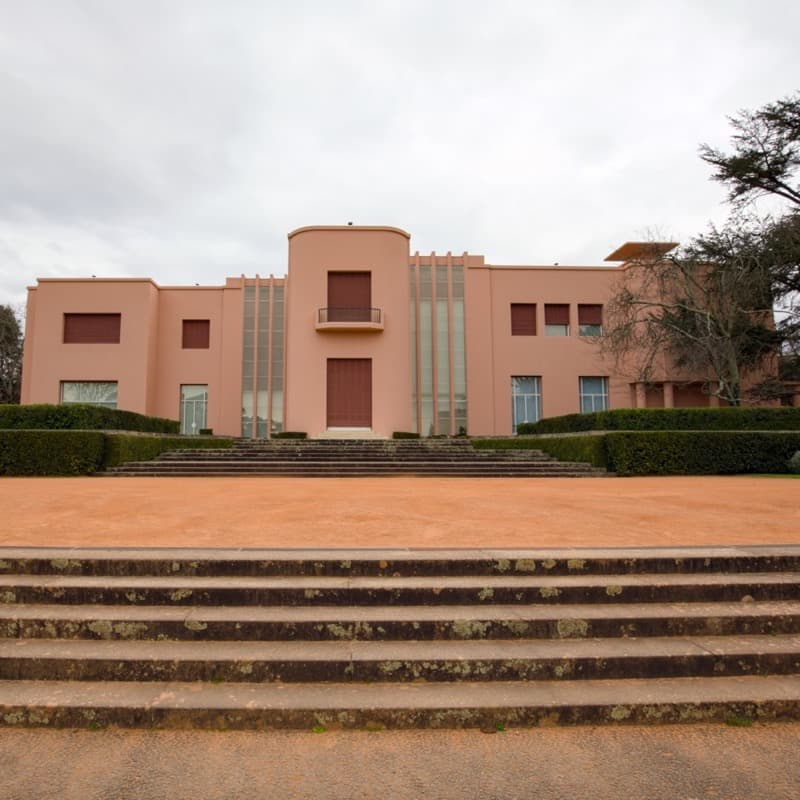
Serralves combines three related but different experiences: a contemporary art museum, an Art Deco house and an eighteen-hectare park. Álvaro Siza’s museum opened in 1999 within an estate whose house and principal gardens were designed in the 1930s. Commissions to Ruhlmann, Lalique and Brandt reveal the attention given to the interiors, although much of the original furniture was dispersed. Jacques Gréber’s park combines formal gardens, woodland and a farm, alongside sculptures from the collection. Between an exhibition room and an outdoor path, the visit changes scale, allowing architecture and landscape to be discovered with the same attention given to the artworks.

Jardins do Palácio de Cristal4.6

Jardins do Palácio de Cristal

Garden • Porto, Porto

The name of the Palácio de Cristal Gardens preserves a vanished building. An iron-and-glass palace opened in 1865 for an international exhibition, accompanied by Émil David’s gardens. Demolished in 1951, it was replaced by a sports pavilion, but the gardens remained part of Porto’s life. The walk alternates formal areas, woodland, camellias and sculptures, with several views over the Douro. The Carlos Alberto Chapel, built before the palace, recalls a king exiled in the city. Among elements from different periods, the landscape and smaller corners are as interesting as the history of what no longer stands here.

Sé do Porto4.6

Sé do Porto

Church • Porto, Porto

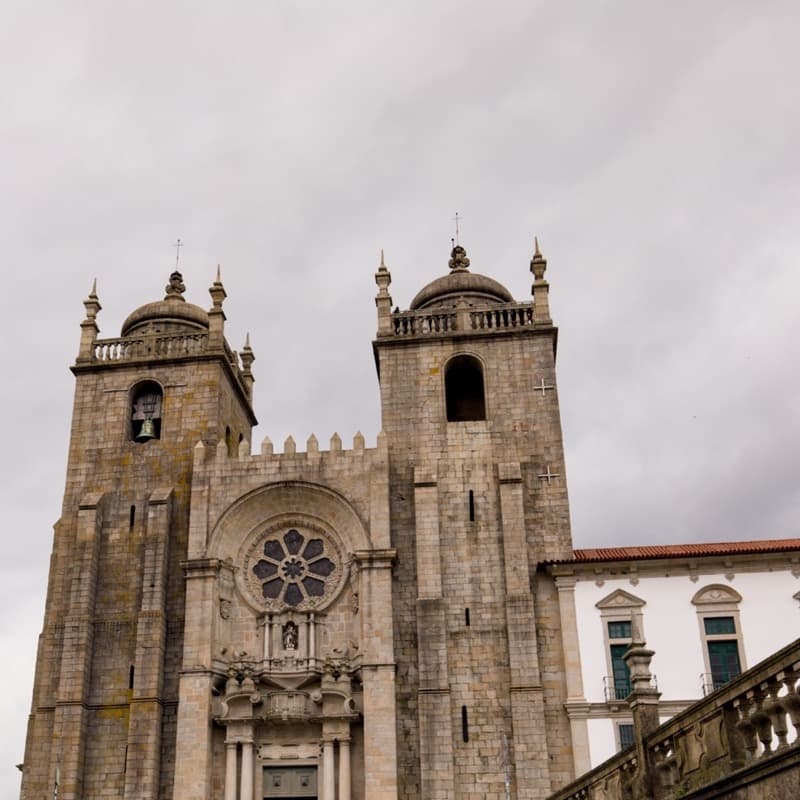
Porto Cathedral brings several ages together. Its Romanesque-Gothic structure from the twelfth and thirteenth centuries coexists with later alterations, including Nicolau Nasoni’s side loggia. Inside, the chancel was replaced and enriched, while work on the silver altar extended from 1632 into the nineteenth century. The medieval image of Our Lady of Vandoma recalls devotion to the city’s patron saint. In the Gothic cloister, later tiles present themes from the Song of Songs. Stone, silver and ceramics trace that continuity. The cathedral did not remain fixed at its origins: it adapted to worship, with new works joining existing structures and images.

Paço Episcopal do Porto4.4

Paço Episcopal do Porto

Palace • Porto, Porto

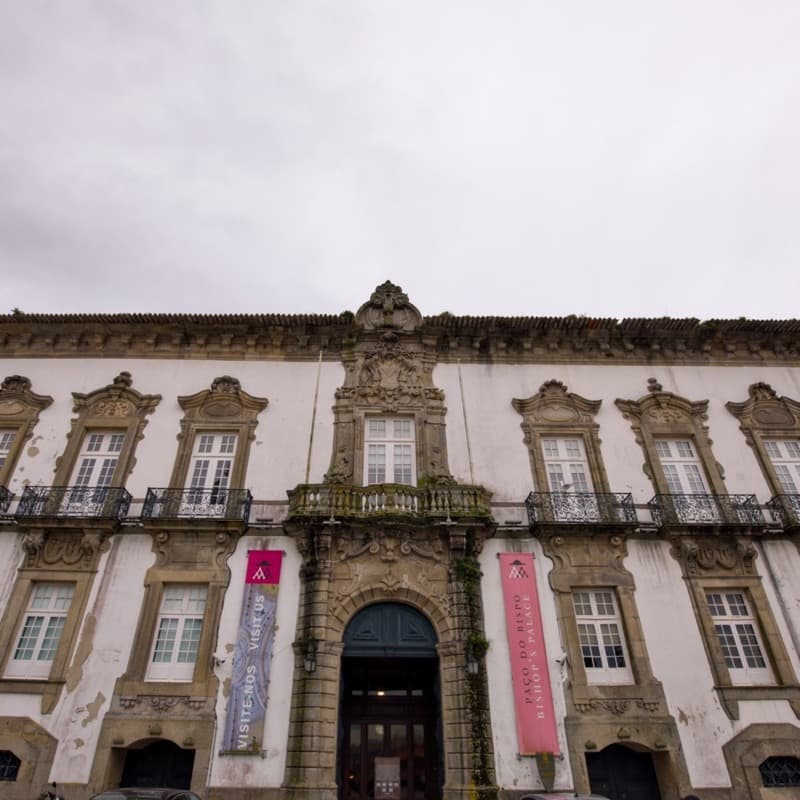
Porto’s Episcopal Palace has medieval roots, but its present building mainly results from eighteenth- and nineteenth-century work. A small old window beside the entrance recalls the bishops’ long presence here. Inside, the Neoclassical staircase combines painting with carved granite, while portraits include works by Henrique Medina and Júlio Resende. A recreated dining room presents the Manueline silver service, designed by Rafael Bordalo Pinheiro rather than made under King Manuel the First. The palace also housed the city council between 1916 and 1957. Today it combines diocesan and museum functions, preserving different ways of living, governing and representing the city beside its cathedral.

Museu de História Natural e da Ciência da Universidade do Porto4.4

Museu de História Natural e da Ciência da Universidade do Porto

Museum • Porto, Porto

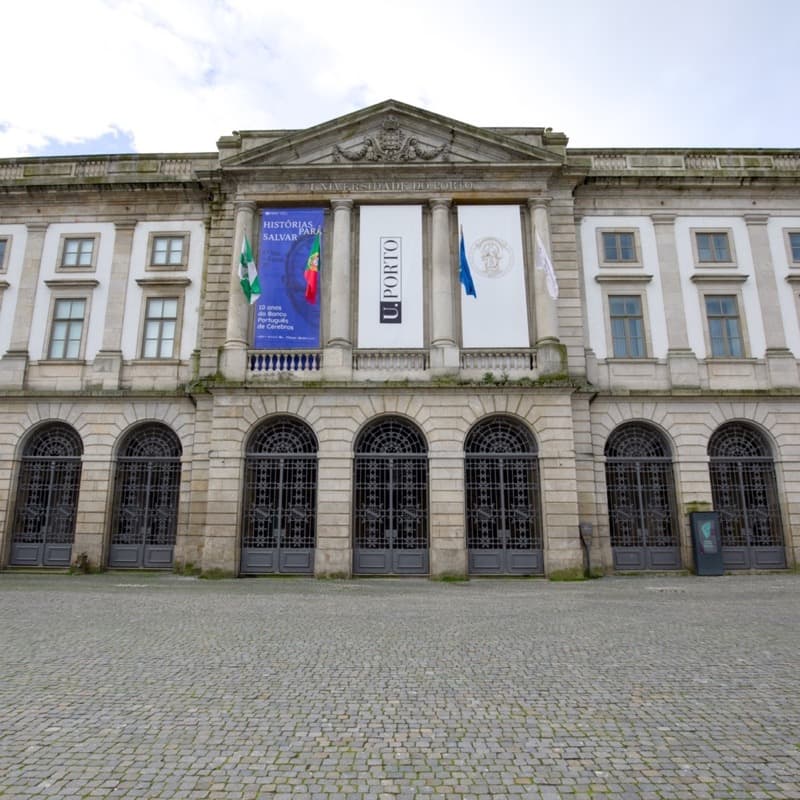
The University of Porto’s Natural History and Science Museum took its present form in 2015, but preserves collections connected with teaching since the eighteenth century. Its central branch occupies the historic Rectorate building, bringing together generations of research, acquisitions and bequests. The Ferreira da Silva Laboratory recovers its appearance from the 1930s and 1940s while remaining functional. The collections extend beyond the objects on display to include holdings kept for study and conservation. The Biodiversity Gallery and Botanical Garden stand elsewhere. Here, the focus is on university collections and the ways people have studied nature and culture.

Museu do Carro Eléctrico4.4

Museu do Carro Eléctrico

Museum • Porto, Porto

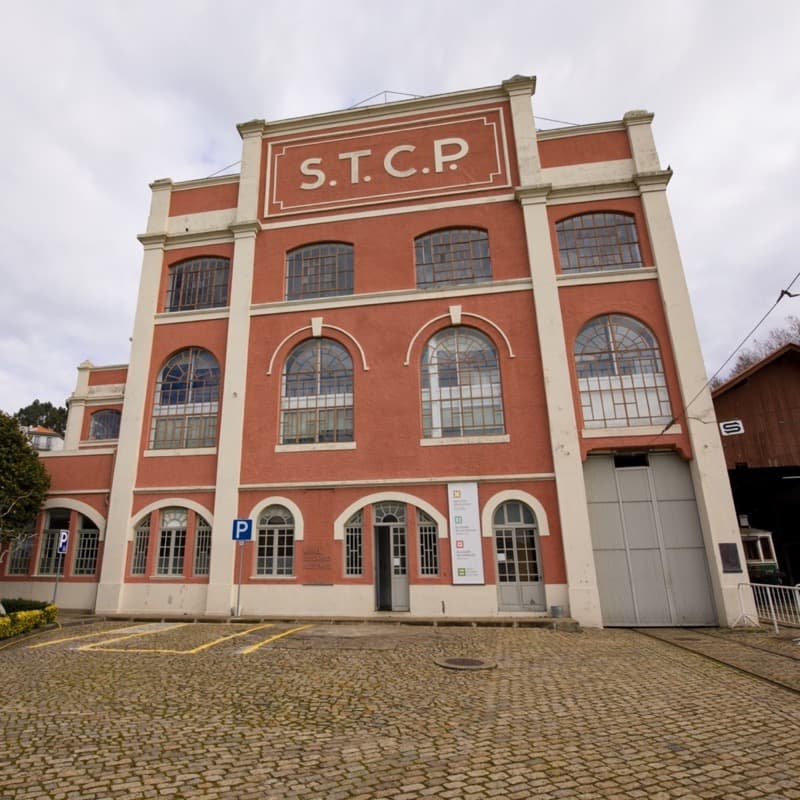
The Tram Museum occupies the former Massarelos power station, which supplied Porto’s electric trams. Built in 1911 and operating from 1915, it used coal and water from the Douro. The museum opened in 1992 after vehicles withdrawn from service were restored in STCP workshops. Its collection includes twenty-eight cars of different types, accompanied by tickets, travel passes, uniforms and photographs. Industrial machinery recalls the work needed to power the network. Here, building and collection explain one another: the vehicles show transport in the streets, while the station preserves some of the infrastructure that made those journeys possible.