Places

Cultural places in Portugal

Browse LxDiscover places across monuments, museums, palaces, viewpoints, gardens, churches and historic sites. Use this hub to start planning, then open the app for map-based routes, saved places and short cultural audio guides.

203 places

Featured cultural places

Explore on the map
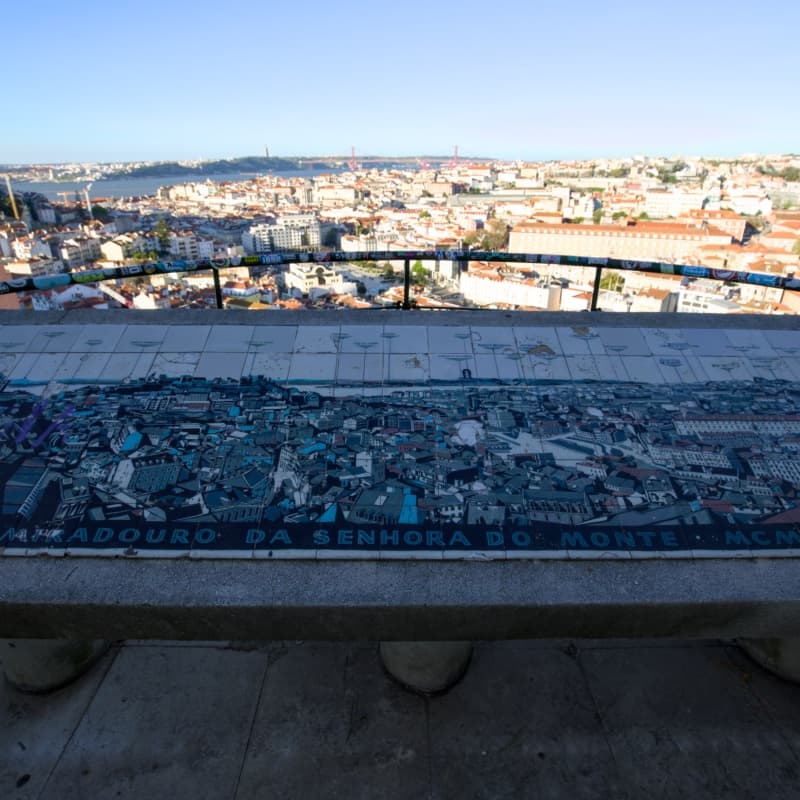
Miradouro da Senhora do Monte4.8

Miradouro da Senhora do Monte

Viewpoint • Lisboa, Lisboa

The Senhora do Monte Viewpoint, in Lisbon, opens beside the Chapel of Nossa Senhora do Monte, on the old Monte de São Gens. From this elevated balcony, the city appears in recognisable layers: São Jorge Castle, the River Tagus, the Pombaline Baixa, the hill of São Roque with the ruins of the Carmo Convent, Mouraria, the Castle Hill, the avenues and recent buildings stretching northwards, and several gardens. The proximity of the chapel adds an ancient devotional memory to the panorama: municipal sources place its origin in the time of the Christian reconquest, linked to the hermitage of the Calced Augustinians. Thus, the viewpoint is not only a high point from which to observe Lisbon. It brings together landscape, topography and religious tradition, showing how the city can be read both through the shape of its hills and through the places that remained upon them.
Miradouro Sophia de Mello Breyner Andresen4.2

Miradouro Sophia de Mello Breyner Andresen

Viewpoint • Lisboa, Lisboa

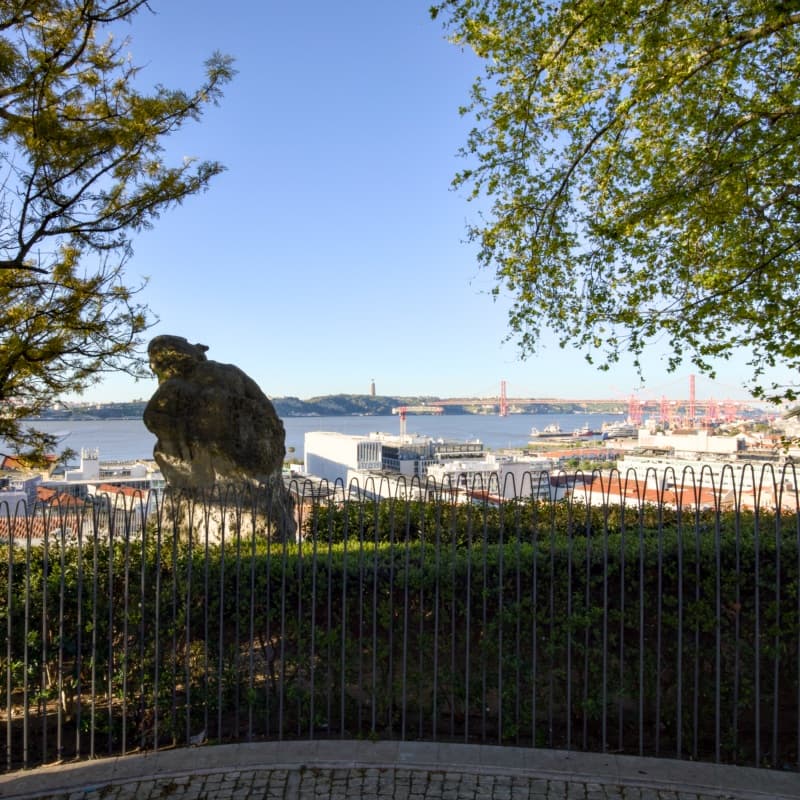
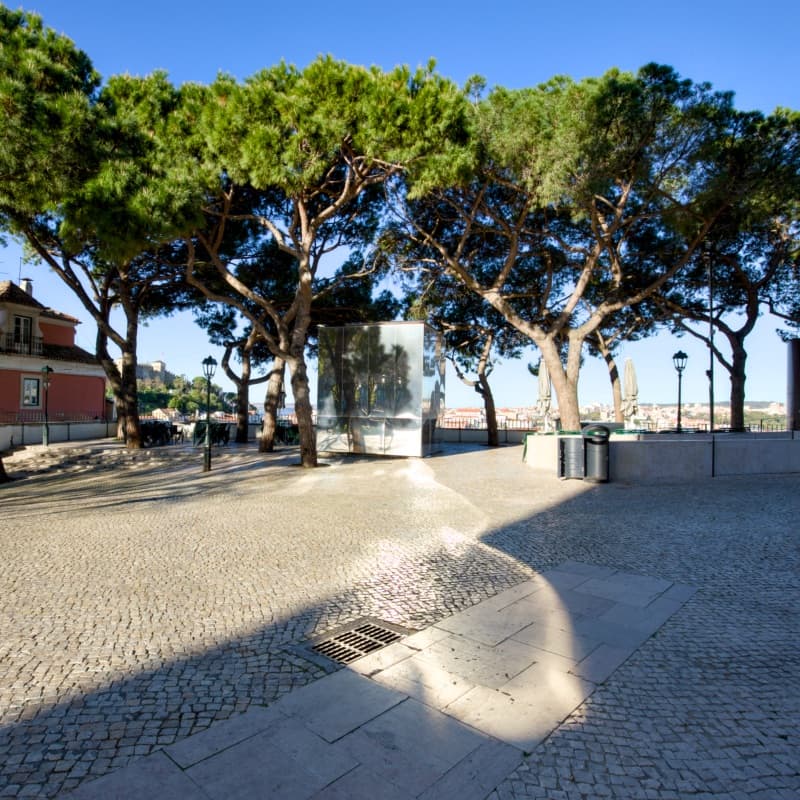
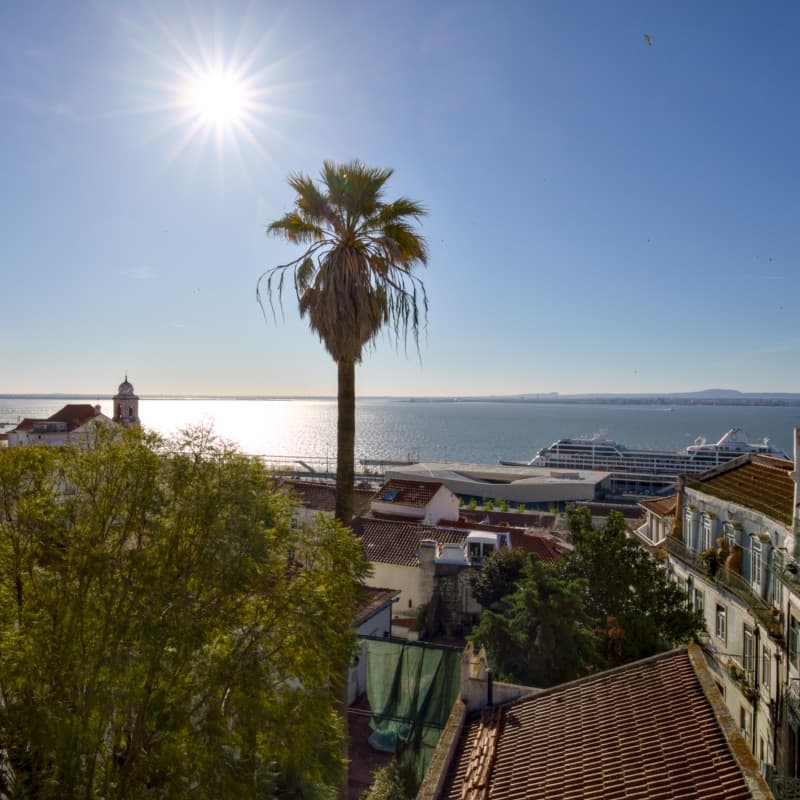
The Sophia de Mello Breyner Andresen Viewpoint, in Lisbon, is the former Graça Viewpoint and opens beside the Church and former Convent of Graça. The paved space, marked by the shade of stone pines, has benches that extend a slow reading of the landscape. From here, the eye travels along the Castle Slope, the rooftops of Mouraria, Martim Moniz Square, the Baixa, the ruins of the Carmo Convent and the São Pedro de Alcântara Viewpoint. Senhora do Monte, Avenidas Novas and more recent buildings can also be distinguished, reminding us that Lisbon grows in layers. Sophia’s bronze bust is a replica of a stone piece from the 1950s, by António Duarte. Between convent, city and poetry, the viewpoint turns the view into a serene form of memory.

Miradouro das Portas do Sol4.7

Miradouro das Portas do Sol

Viewpoint • Lisboa, Lisboa

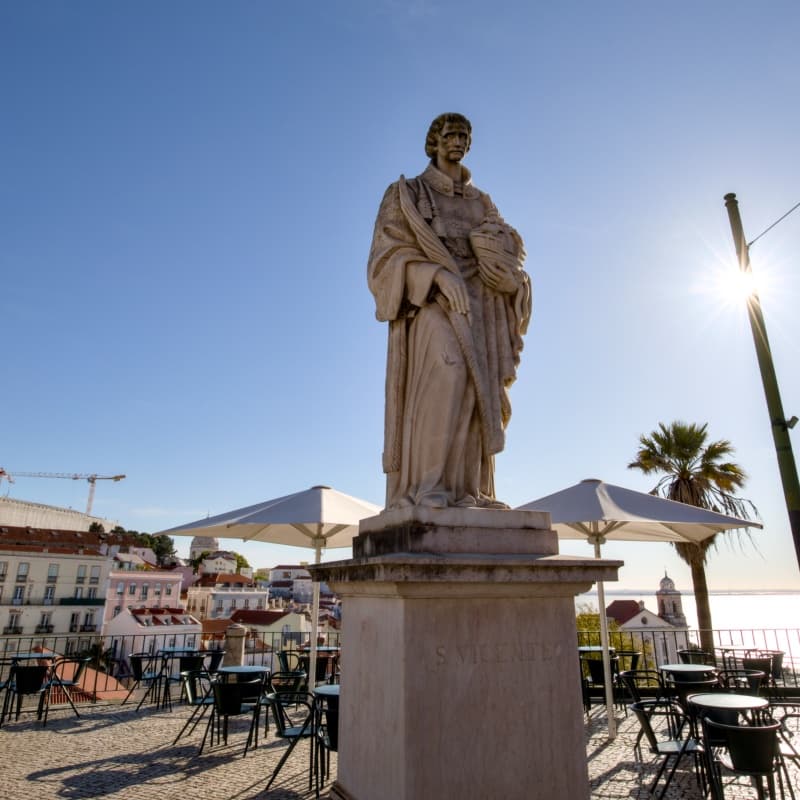
The Portas do Sol Viewpoint, in Lisbon, owes its name to an old city gate, facing east, that once stood on this site. Today, the place works as an open balcony over the historic slope of Alfama and the Tagus. From here, the National Pantheon, Azurara Palace, traces of the Moorish Wall and the Church of São Vicente de Fora can be distinguished, forming a clear reading of old Lisbon. In the centre of the space stands the statue of São Vicente, Lisbon’s patron saint, represented with the boat and two ravens that form part of the city’s symbols. Between vanished walls, houses descending the hill and monuments that still organise the horizon, the viewpoint shows how the urban landscape preserves names, devotions and memories much older than the present.

Miradouro de São Vicente4.6

Miradouro de São Vicente

Viewpoint • Lisboa, Lisboa

The São Vicente Viewpoint, beside Largo das Portas do Sol, in Lisbon, belongs to the group of balconies that open Alfama towards the Tagus. The place is connected to the old city entrance that gave its name to the Portas do Sol square and viewpoint, a gate facing east. From here, the eye crosses the rooftops and churches of Alfama and identifies the National Pantheon, Azurara Palace, traces of the Moorish Wall and the Church of São Vicente de Fora. The presence of São Vicente is marked by the statue placed and inaugurated in October 1970, a work associated with Raul Xavier. Lisbon’s patron saint appears with the boat and two ravens, symbols linked to the tradition of the translation of his relics to the city. Between old city, river and civic devotion, this viewpoint shows how the landscape preserves names that cross the centuries.

Museu do Lactário4.9

Museu do Lactário

Museum • Lisboa, Lisboa

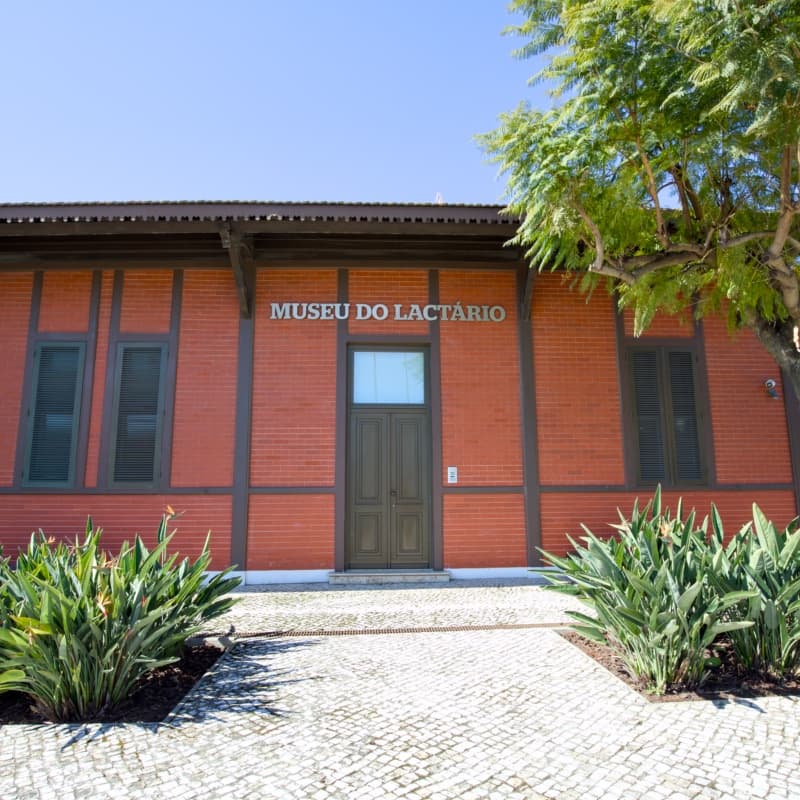
The Museu do Lactário, in Lisbon, preserves the memory of the first milk dispensary created in Portugal. Established in 2019 by the Fundação Aboim Sande Lemos, it tells the story of a social work begun in 1901 with the Associação Protectora da Primeira Infância. The Lactário began operating in 1903, supporting disadvantaged children from Alfama and their families. The help was daily and free: controlled-quality cow’s milk, paediatric care, hygienic, social and neonatal support. The museum brings together objects, documents, photographs, painting, sculpture, tilework and scientific and technical pieces linked to that activity. Among the most expressive items are four incubators for premature babies, acquired in 1903, Alexandre Lion models. By reconstructing services such as Lacticology, the Lactário, the Medical Service and the Social Service, the museum reveals a discreet history of care, science and child protection.

Palácio dos Condes de Tomar - Brotéria4.5

Palácio dos Condes de Tomar - Brotéria

Palace • Lisboa, Lisboa

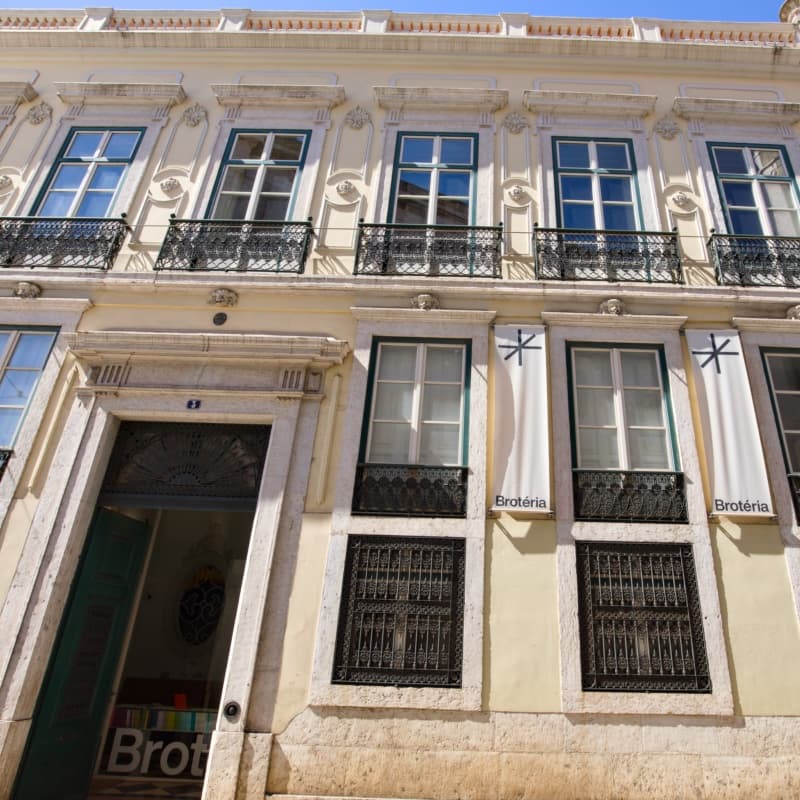
The Palace of the Counts of Tomar, in Lisbon, is today home to Brotéria, a cultural centre of the Society of Jesus. The building has its origins in 16th-century structures and gained its palatial form in the 19th century, linked to António Bernardo da Costa Cabral, first Count and Marquis of Tomar. Its history has passed through very different uses: it was an aristocratic residence, the headquarters of the Royal British Club and, for decades, Lisbon’s Municipal Newspaper and Periodicals Library. After being acquired by Santa Casa da Misericórdia de Lisboa and rehabilitated, it opened in 2020 as a house of culture. Brotéria brings together a magazine, library, gallery, bookshop, café and courtyard, bringing into the old palace a programme of thought, art and contemporary debate. The great central staircase and the interiors with Romantic decoration recall the building’s former life, now inhabited by books, exhibitions and public conversation.

Miradouro de Santa Luzia4.7

Miradouro de Santa Luzia

Viewpoint • Lisboa, Lisboa

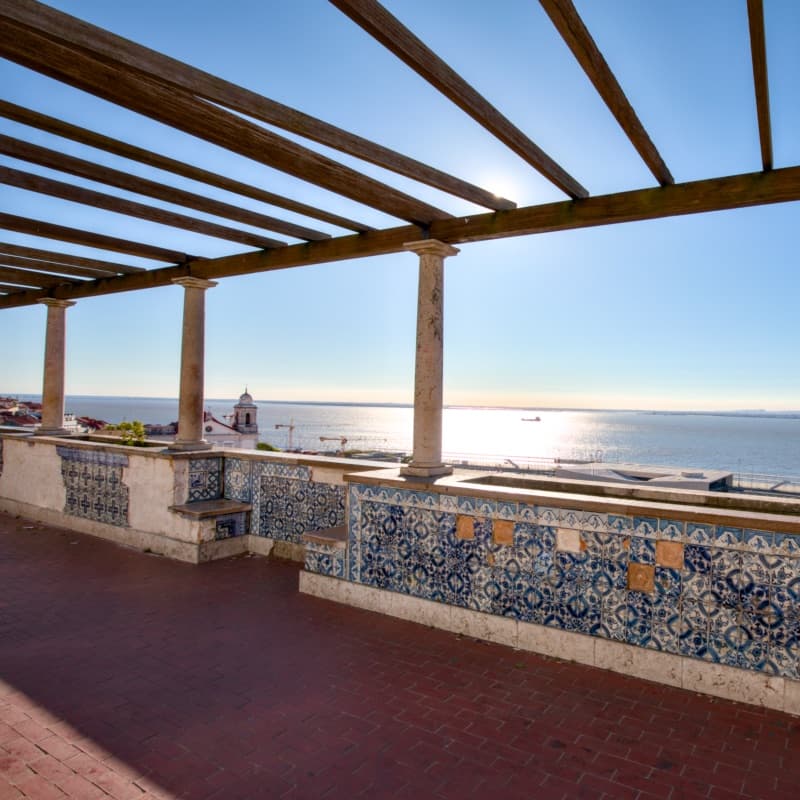
The Santa Luzia Viewpoint, in Lisbon, opens beside the Church of Santa Luzia and São Brás, over the neighbourhood of Alfama and the Tagus. Integrated into the Júlio de Castilho Garden, it combines the role of an urban balcony with a strong decorative presence. The façade and walls are covered with historic tiles, many produced by the Viúva Lamego Factory. On the southern wall, two panels by António Quaresma preserve episodes from Lisbon’s memory: Praça do Comércio before the 1755 earthquake and Christians attacking São Jorge Castle. Another figurative panel, made up of 20 by 80 tiles, occupies the lower level of the garden. Between the view over neighbourhood and river, and the narrative painted in tiles, the viewpoint turns Alfama into a landscape read in depth.

Miradouro de Santa Catarina4.6

Miradouro de Santa Catarina

Viewpoint • Lisboa, Lisboa

The Santa Catarina Viewpoint, in Lisbon, is also known as the Jardim do Alto de Santa Catarina or the Jardim do Adamastor. Built in 1883, it opens over the Tagus estuary, the 25 April Bridge and the rooftops of the former parish of São Paulo. The space combines a small garden with a wide terrace, where the city is observed towards the river. Its most striking presence is the sculpture of Adamastor, inaugurated on 10 June 1927 on the initiative of Lisbon City Council. The figure, created by Luís de Camões in “The Lusiads”, symbolises the Cape of Storms and the fears associated with Atlantic navigation. Between garden, literature and maritime horizon, the viewpoint turns a view over Lisbon into a visible memory of the Portuguese epic imagination.

Igreja de São Domingos4.7

Igreja de São Domingos

Church • Lisboa, Lisboa

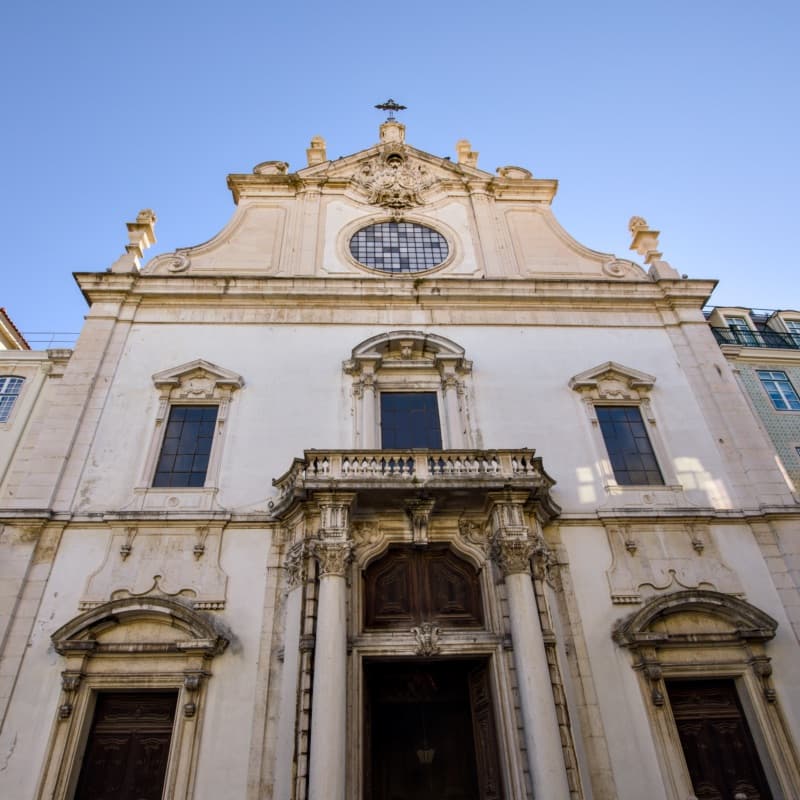
The Church of São Domingos, in Lisbon, is a place where history can be seen in stones marked by fire. The first stone was laid in 1241, in the former Dominican convent, and the building passed through successive building campaigns. Classified as a National Monument since 1918, it saw its chancel reformed in 1748 by João Frederico Ludovice; this would be the area spared by the 1755 earthquake. The later reconstruction, associated with Manuel Caetano de Sousa, incorporated the portal and balcony that came from the Royal Chapel of the Ribeira Palace. The Baroque church, with a Latin-cross plan and a single nave, preserves an interior scale marked by monumental columns and the polychromy of its marbles. On 13 August 1959, a fire destroyed much of the interior. Reopened in 1994, it keeps those marks visible, turning loss into material memory.

Convento dos Cardaes4.7

Convento dos Cardaes

Convent • Lisboa, Lisboa

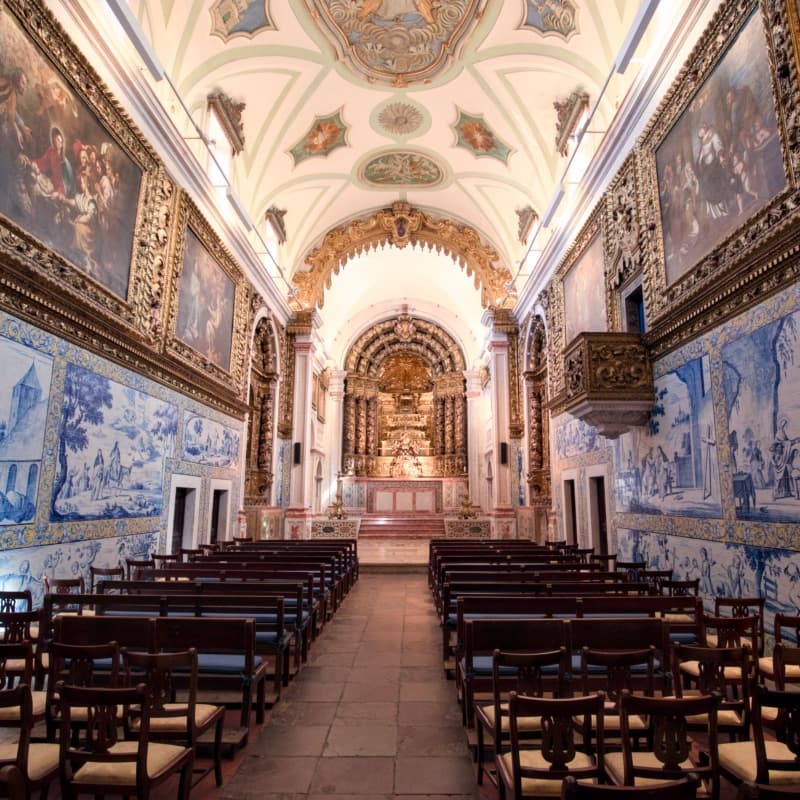
The Convent of Nossa Senhora da Conceição dos Cardaes, in Lisbon, was founded in 1681 by D. Luísa de Távora to house Discalced Carmelite nuns. Its history has crossed the city with little interruption: the 1755 earthquake caused little damage to the structure, allowing its seventeenth-century layout to be preserved. The sober exterior prepares a striking contrast with the interior, where the nave brings together gilded woodcarving, paintings and blue-and-white Dutch tile panels, signed by Jan van Oort of Amsterdam, showing episodes from the life of Saint Teresa of Ávila. In the chancel, the polychrome marble inlays, attributed to João Antunes, give the space depth and brilliance. After the death of the last Carmelite nun, the convent came to serve the Associação Nossa Senhora Consoladora dos Aflitos. Still today it is a monument, museum and inhabited home, linking Baroque art, religious memory and social mission.

Igreja de Santa Catarina4.7

Igreja de Santa Catarina

Church • Lisboa, Lisboa

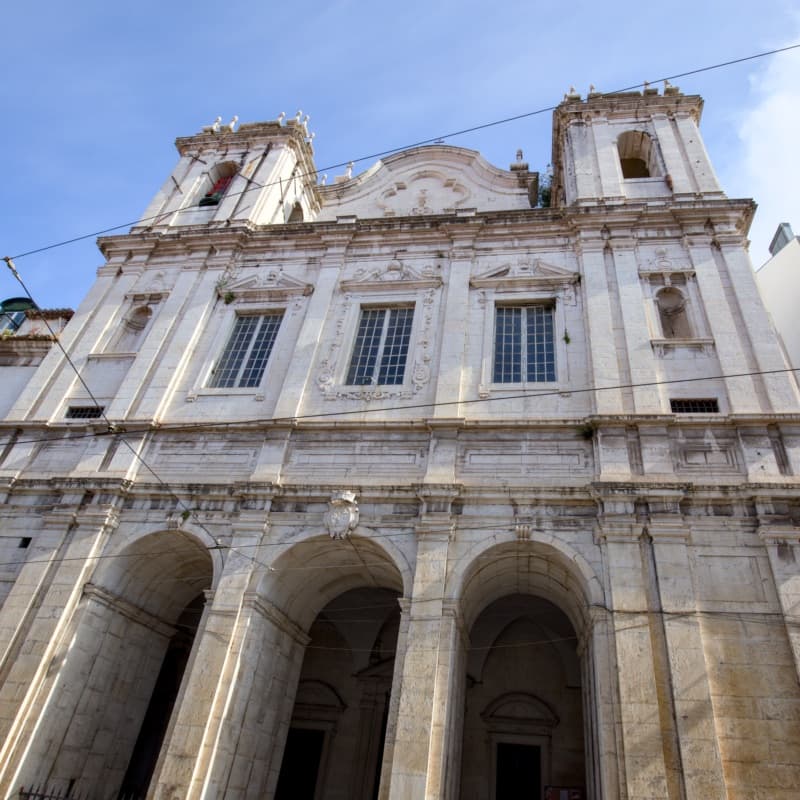
The Church of Santa Catarina, in Lisbon, was founded in 1654 in connection with the religious community of São Paulo da Serra de Ossa, beside the former Convent of the Paulists. First associated with the Blessed Sacrament, it came under the invocation of Saint Catherine in the nineteenth century, when the parish seat was transferred to this complex. Classified as a National Monument since 1918, it brings together Baroque and Rococo elements. The façade is arranged in three sections, with a triple arcade, a curved pediment and two bell towers decorated with balusters. Inside, the single nave leads to the chancel, where the Johannine gilded carving of the high altar stands out. The stuccowork by João Grossi, the side chapels, the carved wooden pulpits and the Portuguese organ complete a space in which convent architecture, parish devotion and artistic heritage remain closely linked.

Showing 193-203 of 203

Discover by category

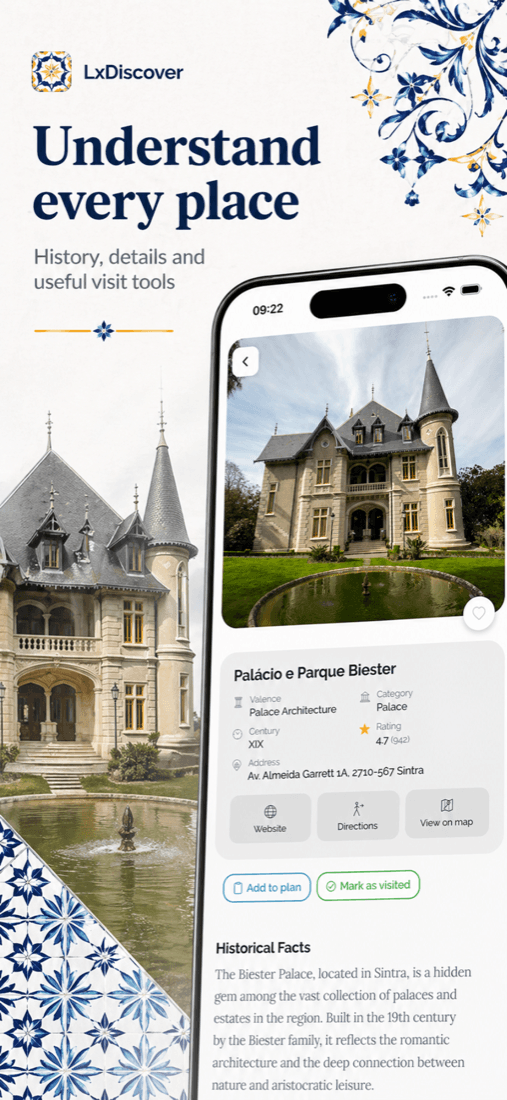
Take the LxDiscover App with you

Explore Portugal with a cultural guide for monuments, museums, gardens, palaces, viewpoints, and historic places in Lisbon, Porto, Sintra, and other regions.

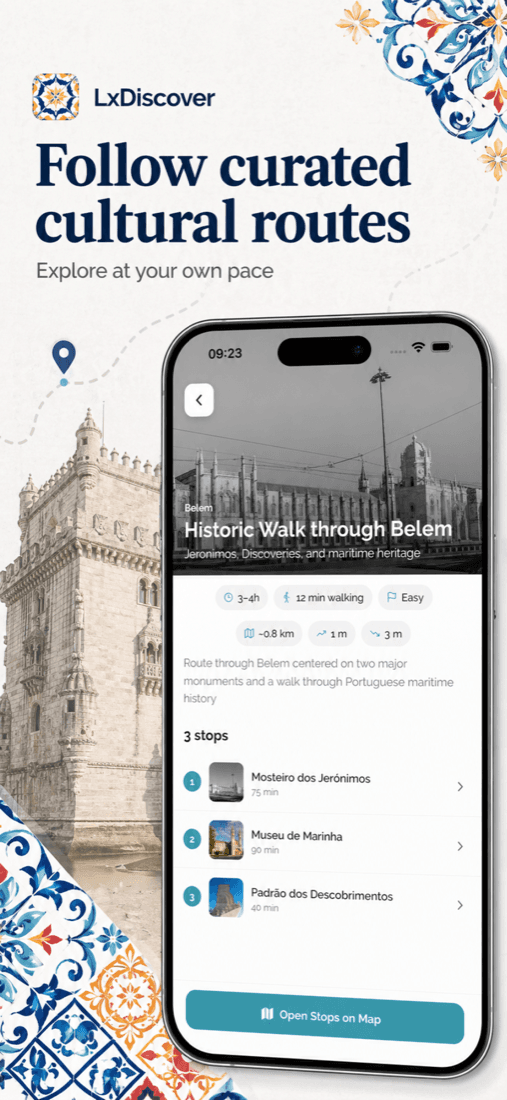
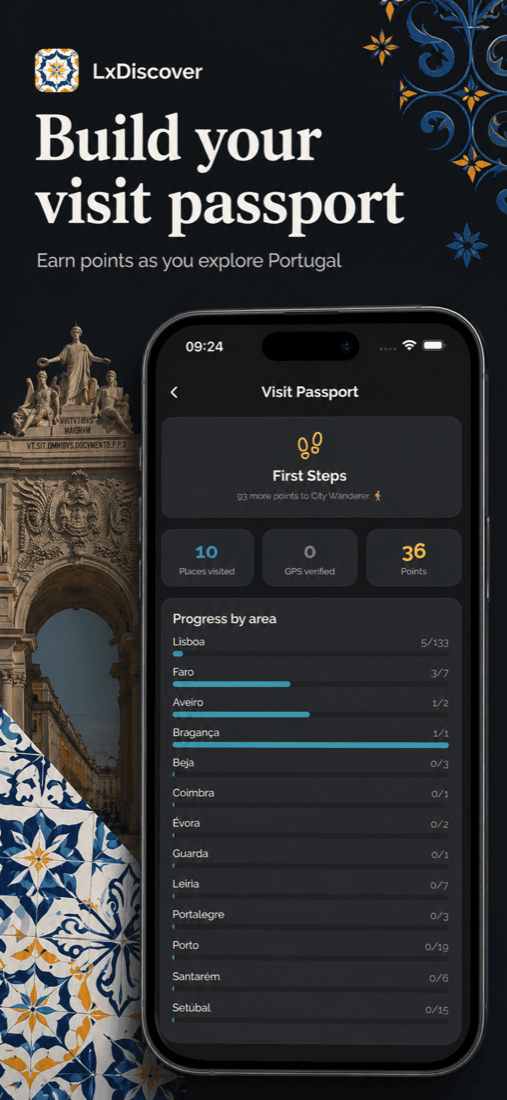
Use the map, follow cultural routes, read editorial context, save places, and track your visits with the visit passport.

Free features

  • Interactive map to discover places of interest
  • Detailed information about monuments, museums, and cultural sites
  • Favorites for the places you want to visit
  • Selected routes to start exploring

Premium subscription

  • Curated routes with ordered stops, duration, and difficulty
  • Thematic collections with editorial context for each area
  • Visit passport for progress, visited places, and achievements
  • Advanced map, planning, and proximity alert tools
LxDiscover map screen
LxDiscover routes screen
LxDiscover visit passport screen