Places

Cultural places in Portugal

Browse LxDiscover places across monuments, museums, palaces, viewpoints, gardens, churches and historic sites. Use this hub to start planning, then open the app for map-based routes, saved places and short cultural audio guides.

203 places

Featured cultural places

Explore on the map
Museu Nacional de Arte Contemporânea (MNAC)4.0

Museu Nacional de Arte Contemporânea (MNAC)

Museum • Lisboa, Lisboa

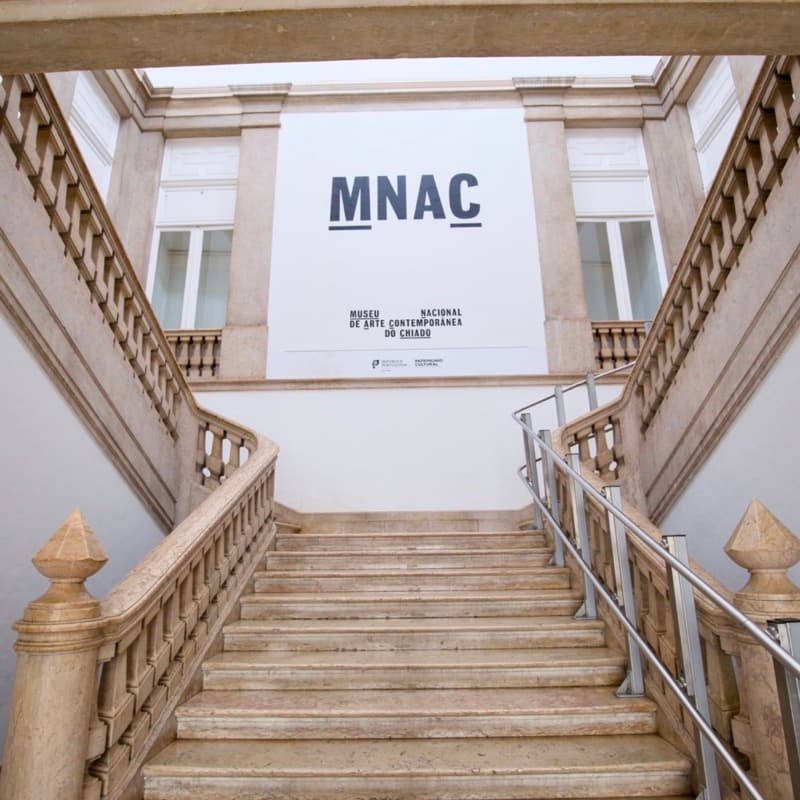
In the heart of Chiado, the National Museum of Contemporary Art – Museu do Chiado follows Portuguese art from 1850 to the present day. It was founded by decree of the Republic on 26 May 1911, when the former National Museum of Fine Arts was divided between art produced before 1850, assigned to the National Museum of Ancient Art, and later works, installed in the Convent of São Francisco. Its location links the museum to an area of Lisbon frequented by artists and intellectual circles from the generations represented in the collection. After the Chiado fire in 1988, the works were removed as a precaution, and the museum reopened on 12 July 1994, renovated by Jean-Michel Wilmotte. The collection brings together painting, sculpture, drawing, video, photography and installation, spanning Romanticism, Naturalism, Modernism and contemporary creation. Between building, collection and urban memory, the MNAC reads Lisbon through the history of Portuguese art.
Museu de Lisboa - Casa dos Bicos4.4

Museu de Lisboa - Casa dos Bicos

Museum • Lisboa, Lisboa

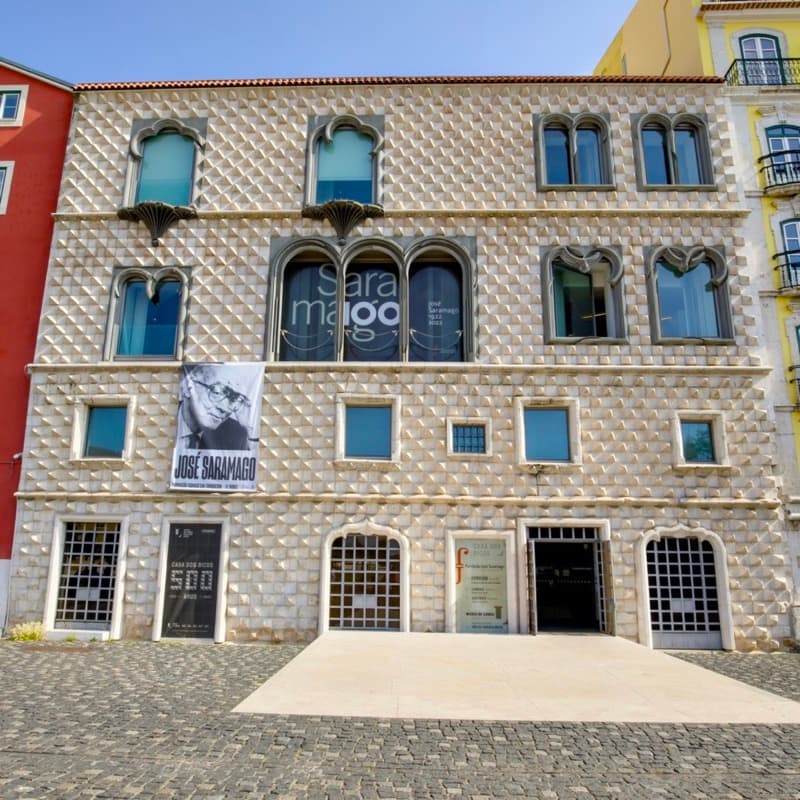
On Rua dos Bacalhoeiros, Casa dos Bicos is one of the five branches of the Museum of Lisbon and houses, on the ground floor, an archaeological centre devoted to the city’s history. The building was constructed in the 16th century by order of D. Brás de Albuquerque, inspired by Italian Renaissance models, among them the Palazzo dei Diamanti in Ferrara. The façade, classified as a National Monument, owes its name to the stones carved into diamond points, whose texture contrasts with the irregular arrangement of the openings. Inside, the remains reveal several layers of Lisbon, from the Roman occupation to the 18th century. Sections of wall, fish-salting tanks and everyday objects can be seen. On the upper floors, granted to the José Saramago Foundation, the house extends its cultural life. Between architecture, archaeology and urban memory, Casa dos Bicos shows Lisbon as a city built upon successive histories.

Museu da Polícia4.5

Museu da Polícia

Museum • Lisboa, Lisboa

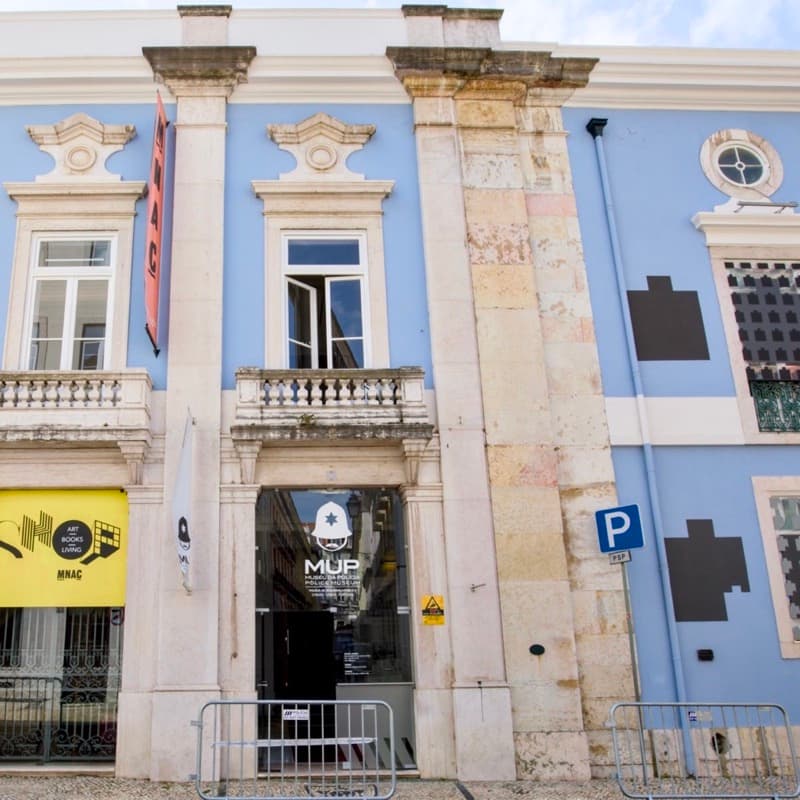
In Chiado, Lisbon, the MUP – Police Museum occupies part of the former Convent of São Francisco, a building that served as the headquarters of the PSP’s Lisbon Metropolitan Command. Inaugurated in July 2023, it presents the exhibition “The Public Security Police in History”, devoted to the PSP’s path from the creation of the civil police in 1867 to the present day. The museum grew out of the project “Public Security Police: History and Heritage”, developed in partnership between the PSP National Directorate and NOVA FCSH, with the aim of studying, organising and musealising the institution’s historical collections. The route connects the police’s organisational, functional and cultural evolution with the political and social history of contemporary Portugal. Among documents, photographs, objects, videos and multimedia resources, the idea of the “giro” stands out: the urban round that marked the police’s earliest duties in the streets of the cities.

Fundação José Saramago4.5

Fundação José Saramago

Cultural Centre • Lisboa, Lisboa

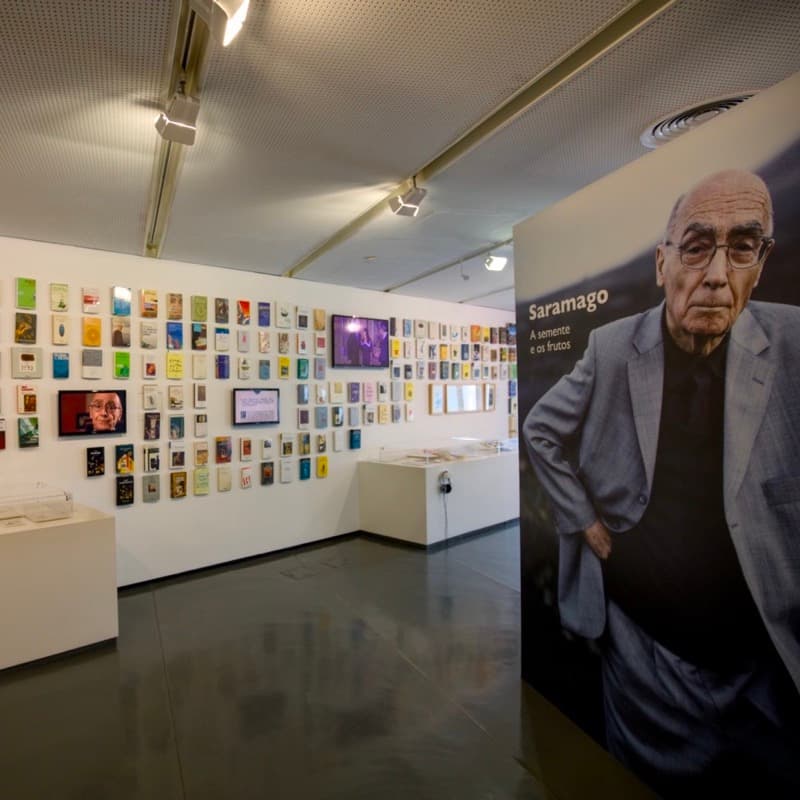
At the Casa dos Bicos, in Lisbon, the José Saramago Foundation brings together the writer’s memory and a long urban history. Established by José Saramago in June 2007, the foundation is dedicated to literature and culture in the Portuguese language, to promoting the Universal Declaration of Human Rights and to defending the environment. Since June 2012, it has been based in this building on Rua dos Bacalhoeiros, commissioned in 1523 by Brás de Albuquerque, son of Afonso de Albuquerque, after a journey to Italy. The façade, classified as a National Monument, is distinguished by stones carved into diamond points, in Renaissance taste, and by windows inspired by the Manueline language. The house has had private and public uses, was once used as a cod warehouse, and today hosts the permanent exhibition dedicated to Saramago’s life and work. On the ground floor, the archaeological centre reveals traces of Lisbon from the Roman occupation to the present day.

Museu da GNR4.6

Museu da GNR

Museum • Lisboa, Lisboa

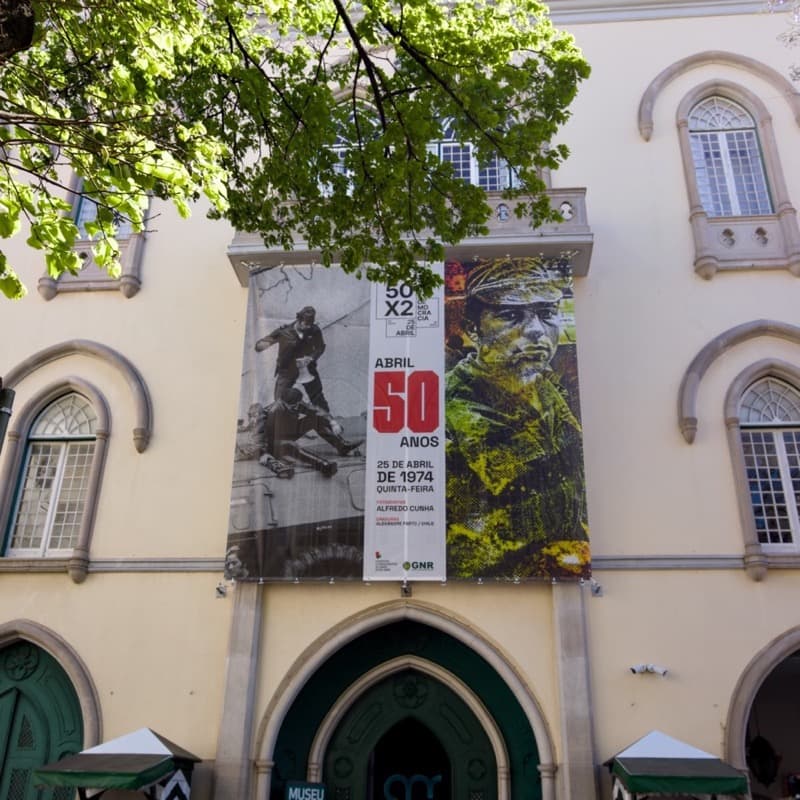
Housed on the ground floor of the Carmo Barracks, in Lisbon, the Museum of the Guarda Nacional Republicana occupies a place where institutional history intersects with the country’s political history. The barracks correspond to the former Carmo Convent, completed in 1423, and have been the headquarters of the military guard forces since 1845. It was also in this building that, on 25 April 1974, the transfer of power from Marcelo Caetano to General António de Spínola was completed. Prepared from 2005 onwards, the museum had its first section inaugurated in 2014 and opened regularly to the public in 2015. The exhibition follows a chronological route: it begins with D. Nuno Álvares Pereira and Carmo, moves through the former police guards and reaches the creation of the GNR, decreed in 1911. Objects, documents, uniforms and the recreation of a rural station show how security, memory and public service are inscribed in Portuguese everyday life.

Igreja da Graça4.6

Igreja da Graça

Church • Lisboa, Lisboa

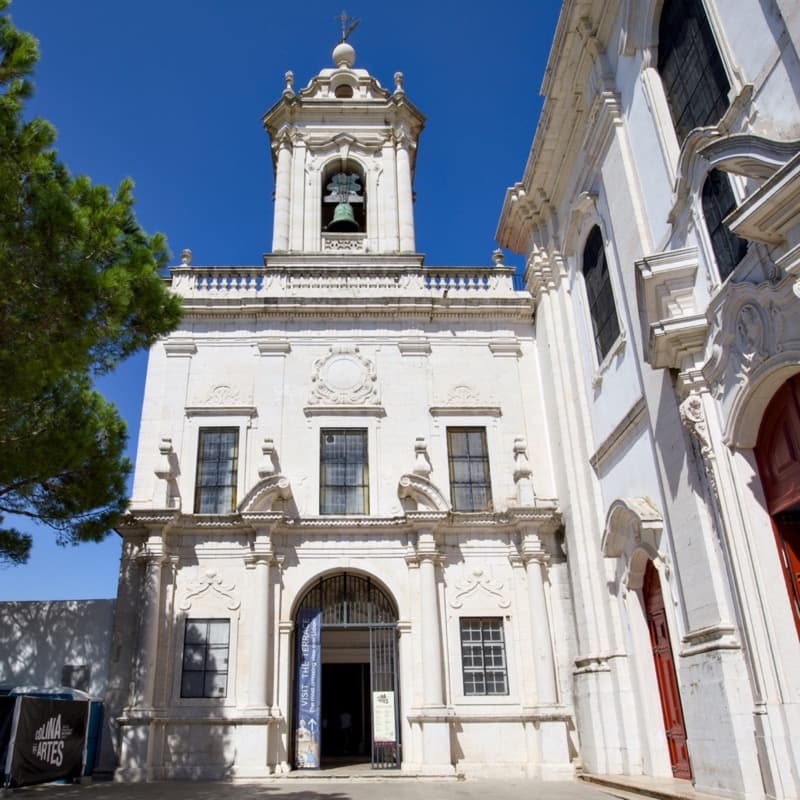
High on Graça hill, in Lisbon, the Church of Graça and the former Convent of Nossa Senhora da Graça preserve a history that spans more than seven centuries. Construction of the convent began in 1271, for the shod hermit friars of Saint Augustine, under the patronage of King Afonso III. The complex was rebuilt in the 16th century and suffered severe ruin in the 1755 earthquake, before being reconstructed with the late-Baroque character that marks the church today. The double façade brings together the church and the former convent entrance, above which rises the bell tower, dated 1738. Inside, the Rococo gilded-wood altars, tiles from several centuries and 18th-century sculptures stand out. The sacristy preserves Baroque decoration, the tomb of D. Mendo de Fóios and the allegorical ceiling by Pedro Alexandrino de Carvalho. The complex is classified as a National Monument.

Museu Banksy4.7

Museu Banksy

Museum • Lisboa, Lisboa

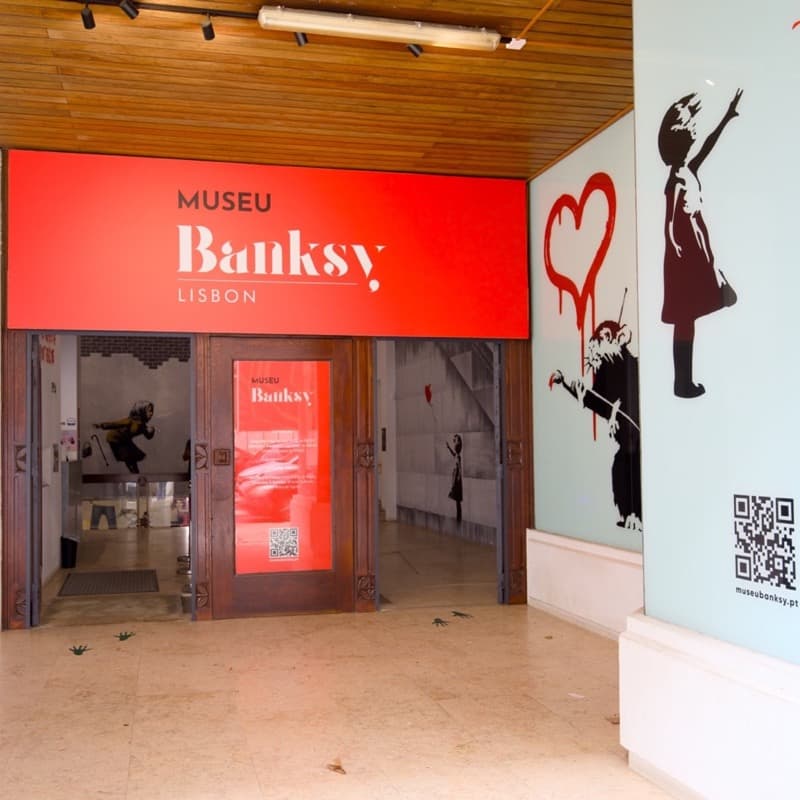
The Museu Banksy in Lisbon presents an immersive reading of Banksy’s work through more than 100 reproductions, arranged as video installations, graffiti, canvases, projections and murals. It is not a museum authorised by the artist: the exhibition itself states that it was organised without his involvement, a detail consistent with Banksy’s critical relationship with authorship, the market and institutions. The route brings together works associated with different geographies, from the United Kingdom to France, from the United States to Palestine/Israel and Ukraine, creating a kind of visual map of the political and social issues that run through his work. Instead of presenting originals, the space focuses on scale, staging and the contextualisation of the images, bringing the public closer to a language born in the street and marked by satire, denunciation and contrast. In Lisbon, the Museu Banksy acts as an entry point into an artistic universe that is recognisable, provocative and deliberately uncomfortable.

Fundação Ricardo do Espírito Santo Silva4.4

Fundação Ricardo do Espírito Santo Silva

Museum • Lisboa, Lisboa

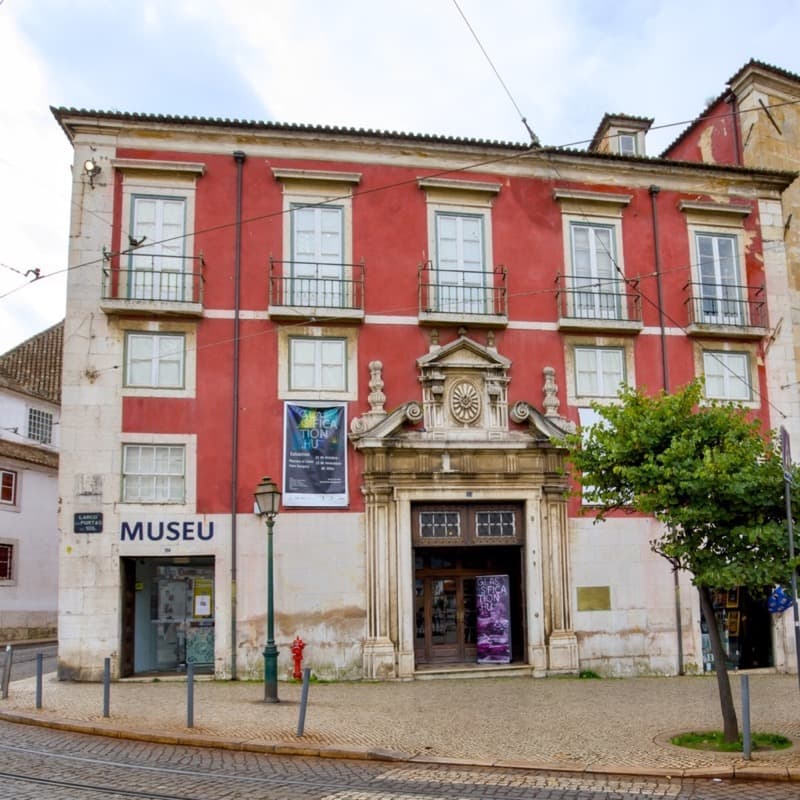
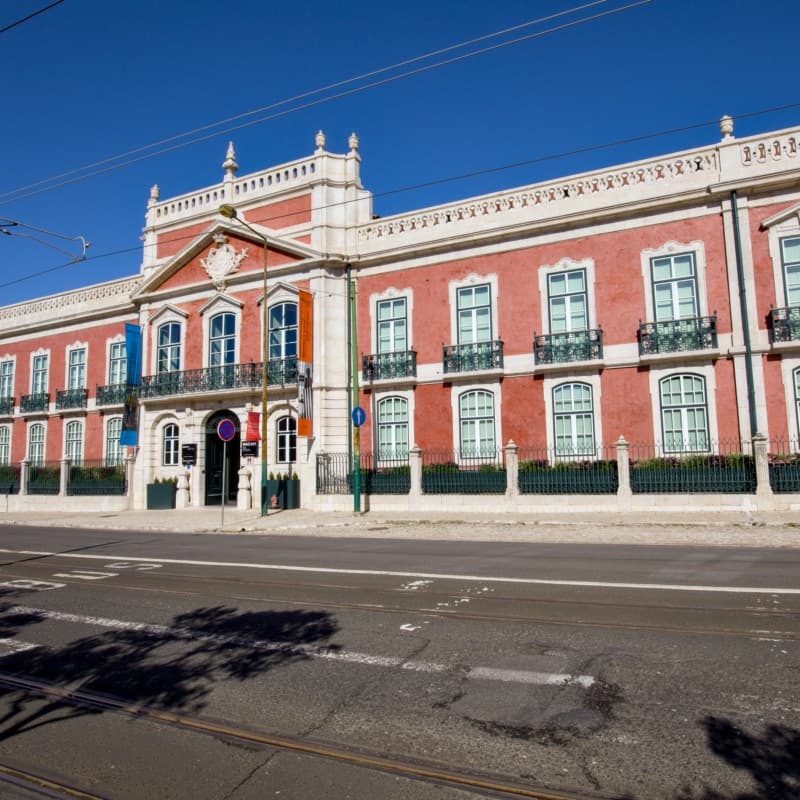
The Ricardo do Espírito Santo Silva Foundation occupies the Azurara Palace, in Largo das Portas do Sol, Lisbon. Created in 1953 by the banker and collector Ricardo do Espírito Santo Silva, it began as a Museum-School of Decorative Arts, based on the donation of the palace and a collection assembled by its founder. The building, classified as a Property of Public Interest, is a palace with a 17th-century character and was once home to noble families, having belonged to the Viscount of Azurara in the late 18th century. Inside, the Museum of Portuguese Decorative Arts guides visitors through decorative arts from the 15th to the 18th century, with sections devoted to furniture, textiles, silverware, Chinese porcelain, Portuguese faience, tiles, painting, sculpture and bookbinding. The foundation also maintains arts and crafts workshops, training, and conservation and restoration, preserving traditional techniques through transmission between masters, trainers and apprentices.

Museu de Lisboa - Santo António4.3

Museu de Lisboa - Santo António

Museum • Lisboa, Lisboa

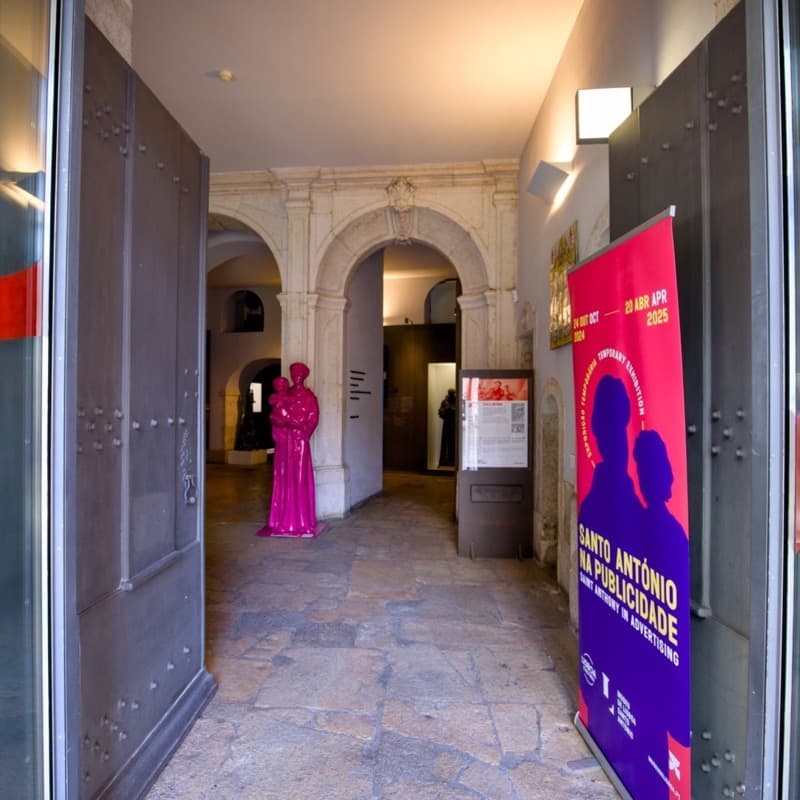
The Museu de Lisboa - Santo António stands in the historic centre, beside the church dedicated to the saint and close to the Cathedral. It is one of the five sites of the Museu de Lisboa and focuses on Saint Anthony, who was born in the city and lived here until the age of 20. The exhibition presents his relationship with Lisbon through iconography, devotion, popular traditions and the festivities that grew around him. Along the route, it becomes clear how the saint’s image was built over the centuries: the Franciscan preacher, the miracle-worker, the familiar presence in domestic devotions and in the celebrations of June. The museum includes a long-term exhibition area and a documentation centre. Small in scale, but dense in meaning, it brings together religious history, urban memory and popular culture around one of the most present figures in Lisbon’s imagination.

Museu de Lisboa - Teatro Romano4.4

Museu de Lisboa - Teatro Romano

Archaeological Site • Lisboa, Lisboa

The Museu de Lisboa - Teatro Romano reveals, on the slope of São Jorge Castle, one of the great remains of ancient Felicitas Iulia Olisipo. The theatre was built in the time of Emperor Augustus and remodelled in AD 57, during Nero’s rule. It is estimated to have held around four thousand spectators, a sign of the public importance of performances in the Roman city. Abandoned in the 4th century, it remained buried until 1798, when the ruins emerged during the reconstruction of Lisbon after the 1755 Earthquake. Only in the second half of the 20th century did the monument begin to be studied again through systematic archaeological campaigns. The present route brings together an exhibition area, an archaeological field and the ruins of the theatre, where parts of the orchestra, seating, stage front and stage can still be recognised. Between excavated stone and the urban fabric, the museum reveals a Lisbon older than the city’s own medieval memory.

Museu Benfica - Cosme Damião4.8

Museu Benfica - Cosme Damião

Museum • Lisboa, Lisboa

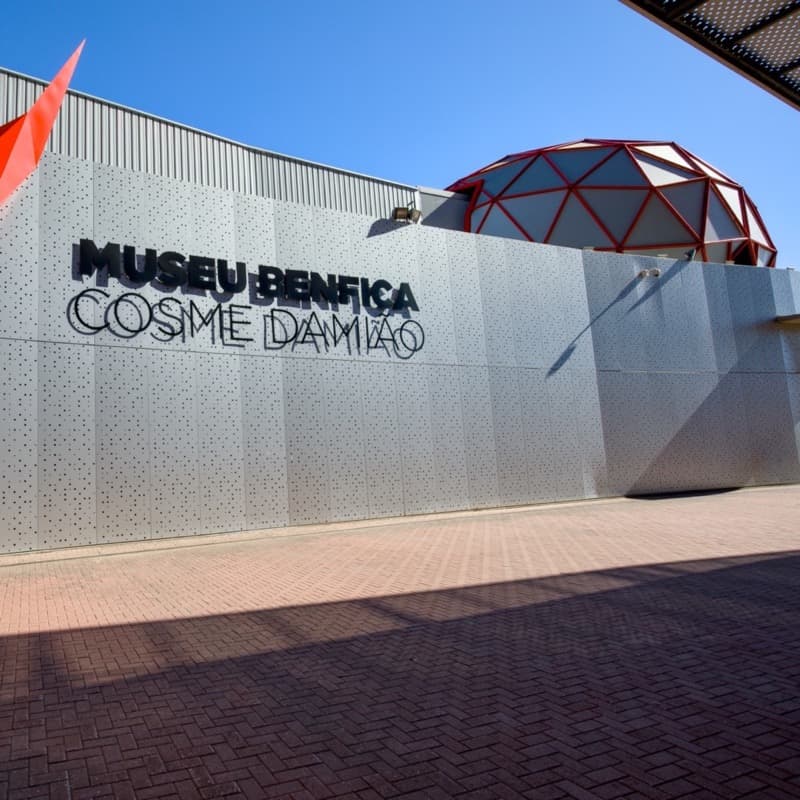
The Museu Benfica - Cosme Damião stands beside Estádio da Luz, in Lisbon, and turns the history of Sport Lisboa e Benfica into a large-scale museum route. Inaugurated in 2013, it was named after Cosme Damião, a central figure in the club’s history and often presented as its “father”. The exhibition links Benfica memory with the history of Lisbon, Portugal and the world, creating a broader setting for trophies, names, facts and images. With around 4,000 square metres, spread over three floors, the museum is organised into 29 thematic areas and uses interactivity and technology as an essential part of the visit. Around a thousand pieces from the club’s collection are on display. More than a gallery of victories, the museum shows how sport, collective identity and urban memory can meet in the same space.

Torre Vasco da Gama4.5

Torre Vasco da Gama

Viewpoint • Lisboa, Lisboa

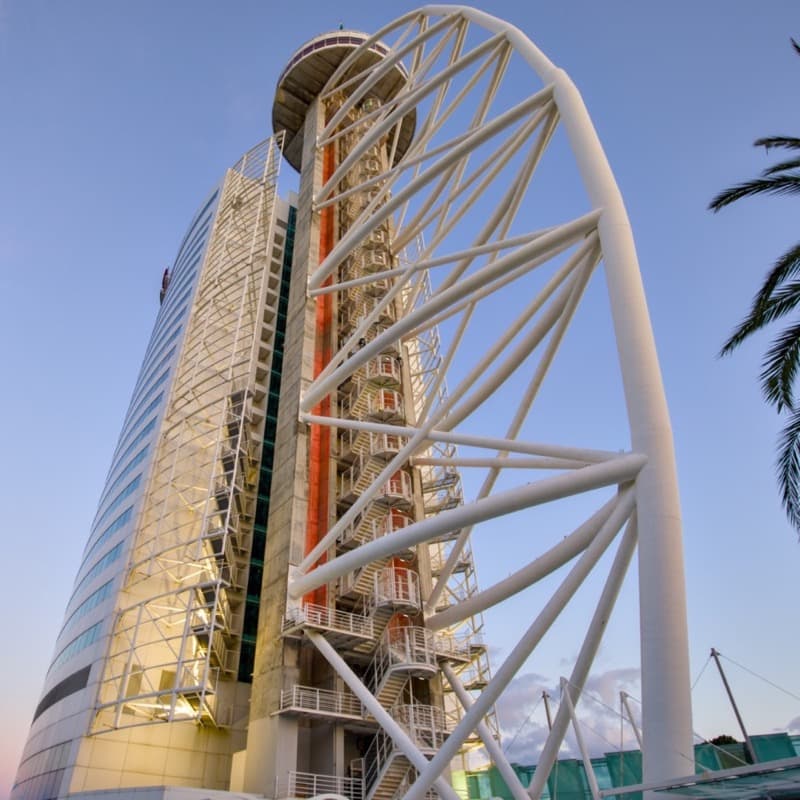
The Vasco da Gama Tower rises beside the Tagus, in Lisbon’s Parque das Nações, as one of the most visible traces of the former Expo’98. At 145 metres, it was built as part of the world exposition and housed the European Union Pavilion on its lower floors. Designed by the architects Leonor Janeiro and Nick Jacobs, it began as an observation tower, with panoramic lifts, a viewpoint and a restaurant at the top. Its silhouette was conceived as a nautical evocation: the vertical body suggests a mast and the metal structure recalls a sail, in dialogue with the name of Vasco da Gama and with the maritime theme of Expo’98. In 2012, the tower gained new life with the opening of the MYRIAD by SANA hotel, in a project by Nuno Leónidas that was integrated into the existing structure. Today, the elevated view over the river and eastern Lisbon continues to define its urban presence.

Palácio Fronteira4.5

Palácio Fronteira

Palace • Lisboa, Lisboa

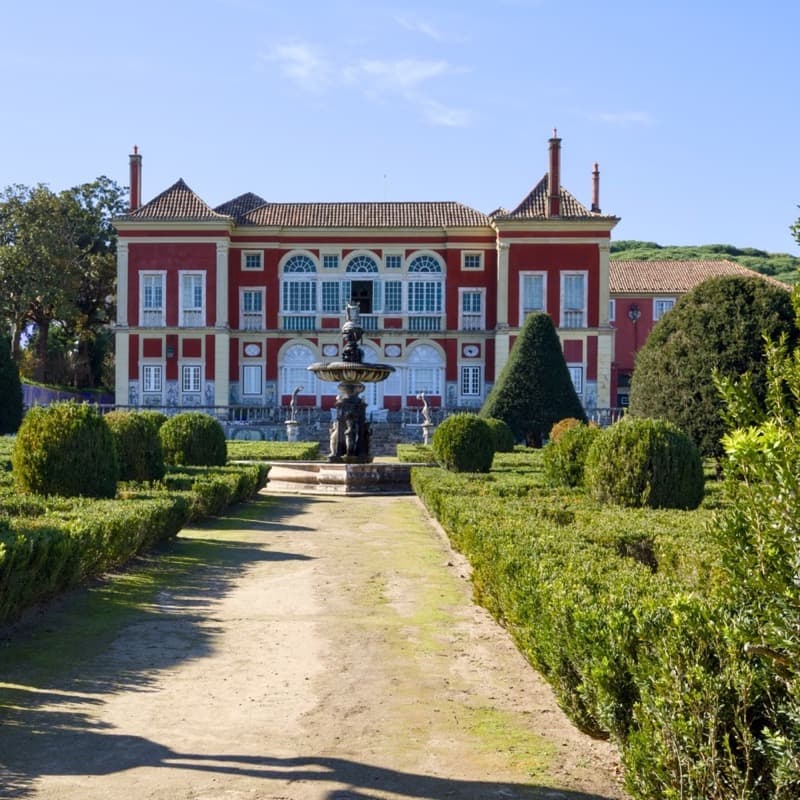
Palácio Fronteira is located in São Domingos de Benfica, Lisbon, on the former grounds of a recreational estate. Its main core was commissioned around 1670 by D. João de Mascarenhas, 1st Marquis of Fronteira, and D. Madalena de Castro, and was initially intended as a summer residence. After the 1755 Earthquake, the palace was enlarged and became the family’s main residence. Today it is still inhabited by the founder’s descendants and also functions as a house-museum. The complex, classified as a National Monument, brings together palace, gardens, vegetable garden and woodland. Its strength lies in the relationship between architecture, garden and tilework: the Tanque dos Cavaleiros, the Galeria dos Reis, the Formal Garden, the Garden of Venus, the Casa do Fresco and the Terrace of the Arts form a scenic route where water, sculpture and ceramics interact with rare continuity.

Palácio e Quinta de Beau-Séjour4.3

Palácio e Quinta de Beau-Séjour

Palace • Lisboa, Lisboa

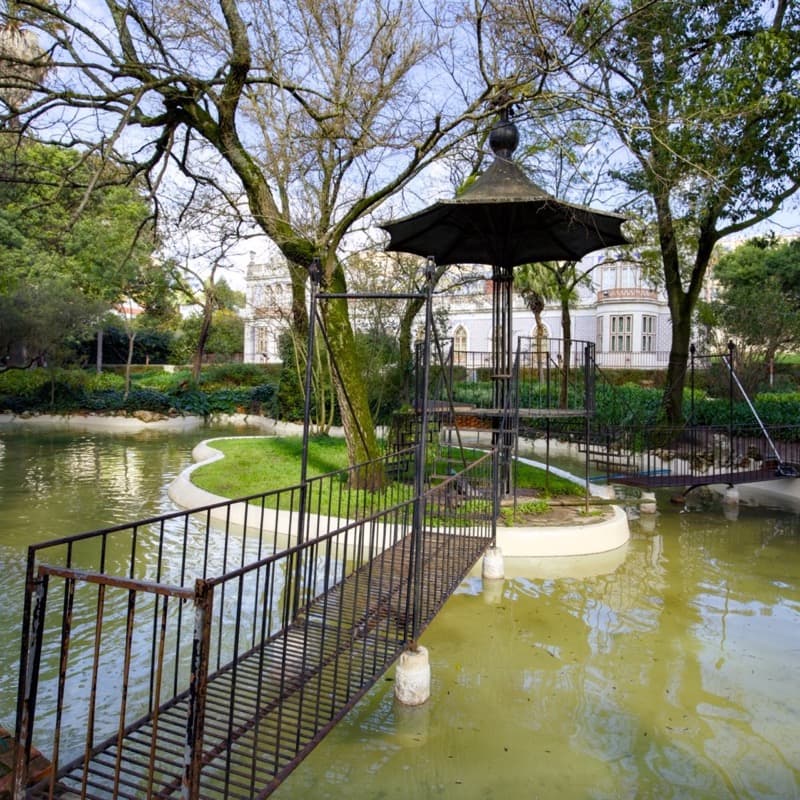
The Palácio e Quinta de Beau-Séjour is located in São Domingos de Benfica, Lisbon, on the former Quinta dos Loureiros. In 1849, D. Ermelinda Allen Monteiro de Almeida, Baroness and Viscountess of Regaleira, acquired the property, gave it the name Beau-Séjour and commissioned a summer house surrounded by exotic vegetation. In 1859, the estate was bought by António José Leite Guimarães, Baron of Glória, who introduced improvements, including the tile covering of the façade and the enlargement of the lake. Later, his nephews, José Leite Guimarães and Maria da Glória Leite, commissioned the interior decoration from artists connected to the Grupo do Leão. Classified as a Monument of Public Interest, the ensemble brings together a small palace, a romantic garden and agricultural memory. Today it houses the Gabinete de Estudos Olisiponenses, dedicated to the study of Lisbon’s history and culture.

Galerias Romanas da Rua da Prata4.5

Galerias Romanas da Rua da Prata

Museum • Lisboa, Lisboa

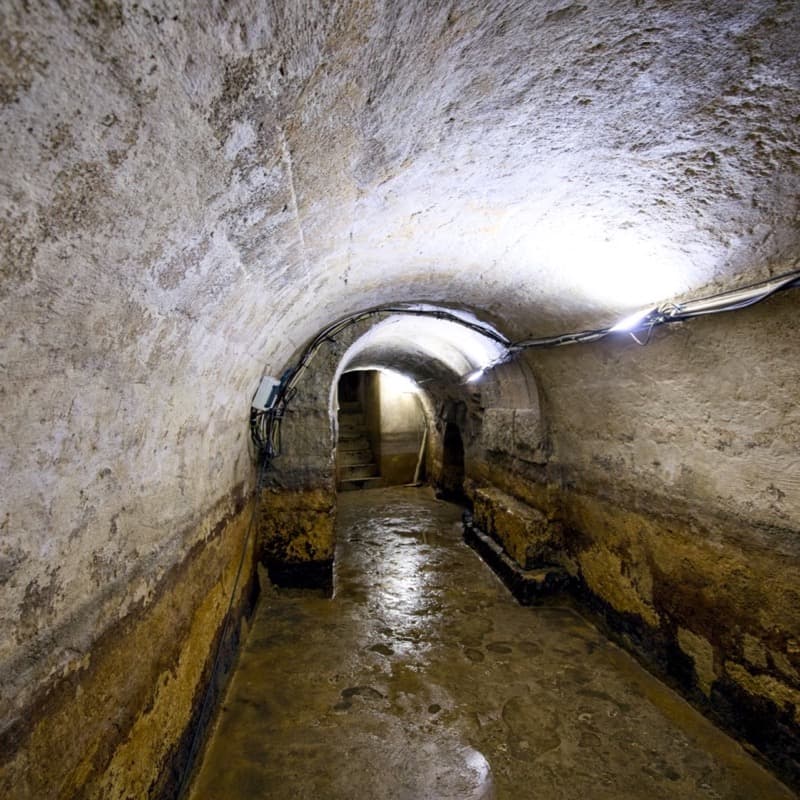
The Roman Galleries of Rua da Prata lie hidden beneath Lisbon’s Baixa, between Rua da Prata and Rua da Conceição, as one of the most discreet traces of ancient Olisipo. Dating from the 1st century AD, they are now interpreted as a cryptoporticus: a vaulted stone structure created to form a stable platform on which large buildings could stand. Their presence was identified in 1771, during the Pombaline reconstruction that followed the 1755 earthquake. Flooded by underground water, the galleries maintain a physical relationship with the damp ground of the riverside city. Inside, corridors, vaults and masonry walls reveal the technical scale of Roman construction. Beneath the regular grid of modern Lisbon, this space preserves an ancient, silent and essential layer of the city.

3D Fun Art Museum4.6

3D Fun Art Museum

Museum • Lisboa, Lisboa

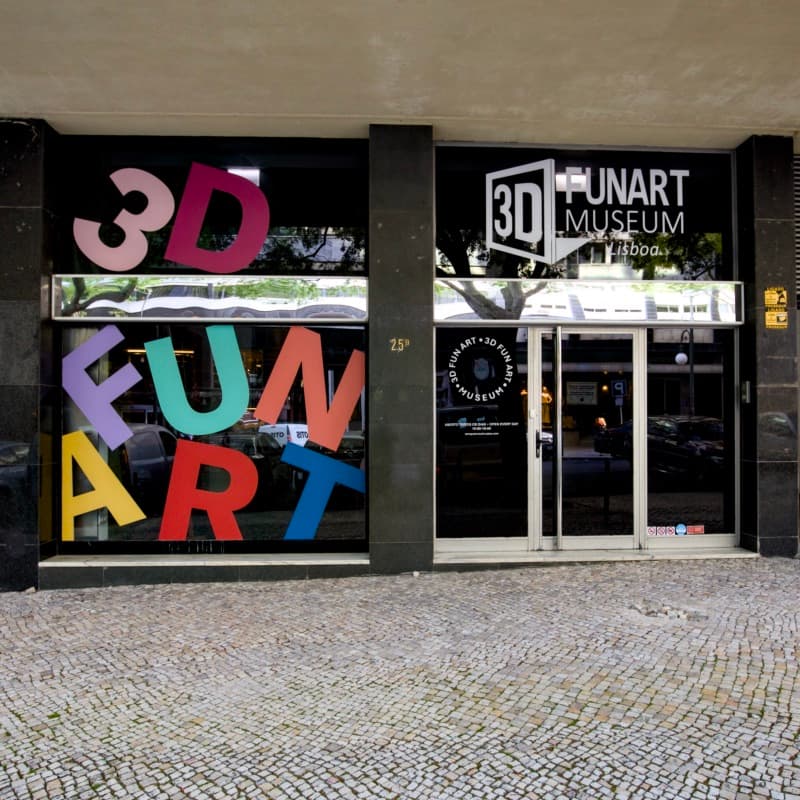
The 3D Fun Art Museum in Lisbon offers a light and participatory way of looking at images. The space brings together around 40 scenarios with 3D images and optical illusions, combining the science of visual perception with the play of illusion. Here, the artwork does not remain only in front of those who observe it: it asks for presence, movement and framing. The compositions are designed to integrate the body into the scene and turn photography into an essential part of the experience. Between trick-art paintings, illusion rooms and games of scale, unexpected situations appear, such as entering Van Gogh’s world, taking part in a safari or living alongside a dinosaur. The result is a contemporary and accessible museum, where perspective, depth and imagination meet in a sequence of images built in the moment.

MUDE - Museu do Design3.9

MUDE - Museu do Design

Museum • Lisboa, Lisboa

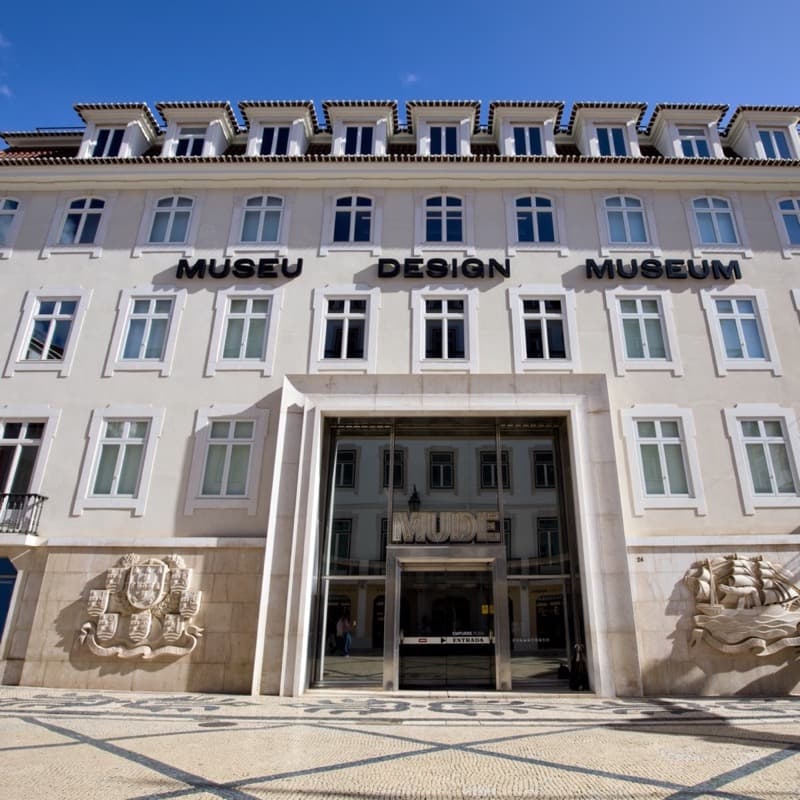
MUDE — Design Museum, in Lisbon, occupies a building that preserves the memory of the former headquarters of Banco Nacional Ultramarino. Today, that financial past coexists with a museum dedicated to the many expressions of design. The building itself is treated as a living archive: its movable and integrated heritage forms part of the collection, and its architectural evolution is understood as material to be read. The collection brings together documentary and museum inventory entries organised into areas such as graphic design, fashion, contemporary jewellery, product, editorial and stage design. The long-term exhibition “What are things for? Pieces from the MUDE Collection 1900-2020” proposes looking at design not only as form, but as process, use, communication and consumption. Between the display depot, specialised library and exhibition spaces, MUDE shows how objects also tell the history of ideas.

Palácio de Santos - Embaixada de França4.5

Palácio de Santos - Embaixada de França

Palace • Lisboa, Lisboa

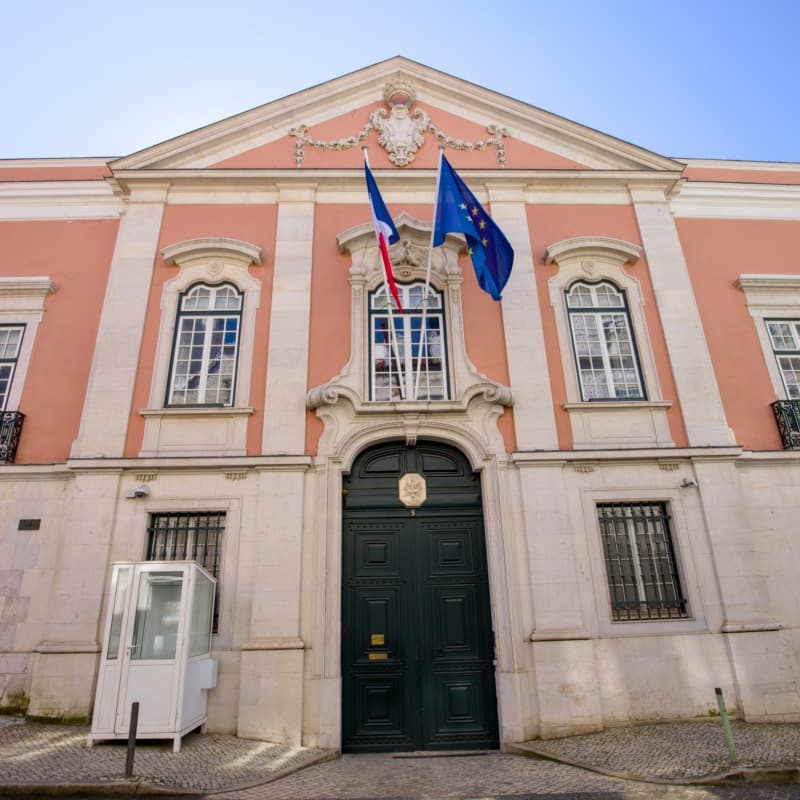
The Palácio de Santos, in Lisbon, is also known as the Palácio de Abrantes and today houses the French Embassy in Portugal. The memory of the site is much older than the palace: the history associated with the building links it to the martyrs Veríssimo, Máxima and Júlia; after the conquest of Lisbon in 1147, King Afonso Henriques ordered a new hermitage to be built here. The site became a convent and, in the 15th century, was transformed into a palatial residence. The form recognised today owes much to the Lancastre family, who commissioned a major building campaign from João Antunes in the 17th century. The building survived the 1755 earthquake and preserves interiors with a strong Baroque presence. Among them, the Porcelain Room stands out, with a carved wooden pyramidal ceiling filled with 267 Chinese porcelain plates. In the ceremonial rooms, painted ceilings and mythological decoration extend the palace’s history as a setting of power, taste and diplomacy.

Igreja de Santos-o-Velho4.5

Igreja de Santos-o-Velho

Church • Lisboa, Lisboa

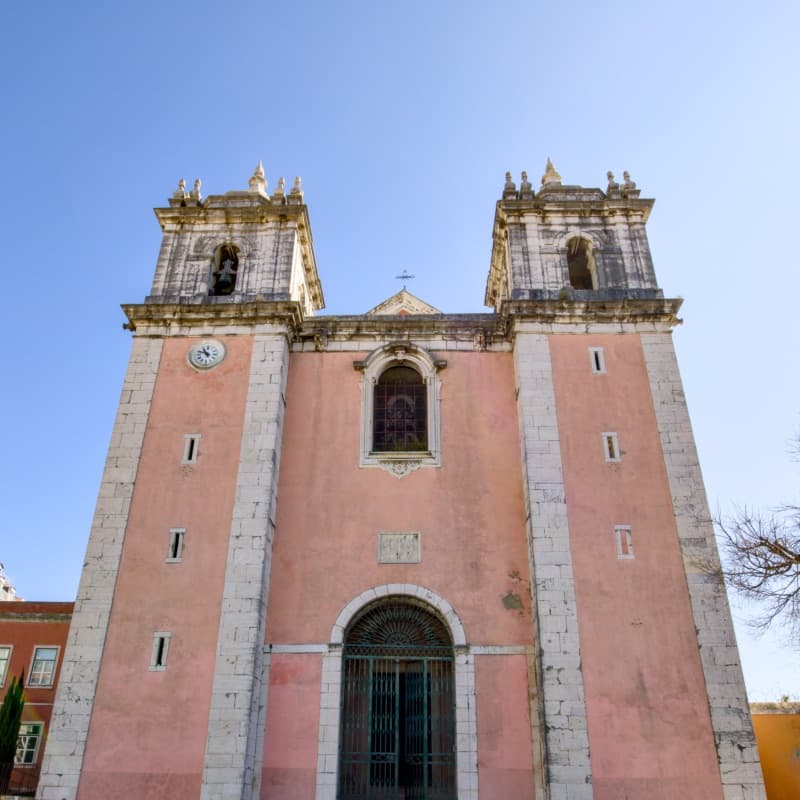
The Church of Santos-o-Velho, in Lisbon, holds a very ancient religious memory, associated with the Holy Martyrs Veríssimo, Máxima and Júlia. Municipal sources refer to remains on the site of a presumed Late Roman temple from the 4th century; in 1147, after the conquest of the city, King Afonso Henriques ordered a new church to be built there. The parish was established in 1566 by Cardinal Henrique, and the church was built during the reign of King Sebastião. Its present appearance results mainly from reconstructions carried out in the 17th and 19th centuries. The façade, flanked by two bell towers, opens through a portal with a relief of the martyrs and leads to a galilee. Inside the single nave, the false wooden barrel vault stands out, decorated with 72 painted and gilded panels on the Eucharist. Side chapels, a choir resting on corbels and a stucco chancel complete a space where devotion, memory and art overlap in discreet layers.

MACAM - Museu de Arte Contemporânea Armando Martins4.7

MACAM - Museu de Arte Contemporânea Armando Martins

Museum • Lisboa, Lisboa

MACAM — Armando Martins Contemporary Art Museum, in Lisbon, makes public the private collection assembled by Armando Martins over five decades. Opened to the public on 22 March 2025, it occupies the former Palace of the Counts of Vila Franca, later Counts of Ribeira Grande, a building with origins in the early 18th century. The history of the site remains legible in the long façade, the former chapel, the noble staircase and the traces recovered during the rehabilitation. The collection, begun in 1974, brings together more than 600 works, from the late 19th century to the present day, spanning painting, sculpture, drawing, photography, video and installation. The route places modern Portuguese art in dialogue with national and international contemporary creation. Between palace, museum and hotel, MACAM presents the private collection as public matter, open to observation and conversation.

Igreja de Nossa Senhora da Conceição Velha4.6

Igreja de Nossa Senhora da Conceição Velha

Church • Lisboa, Lisboa

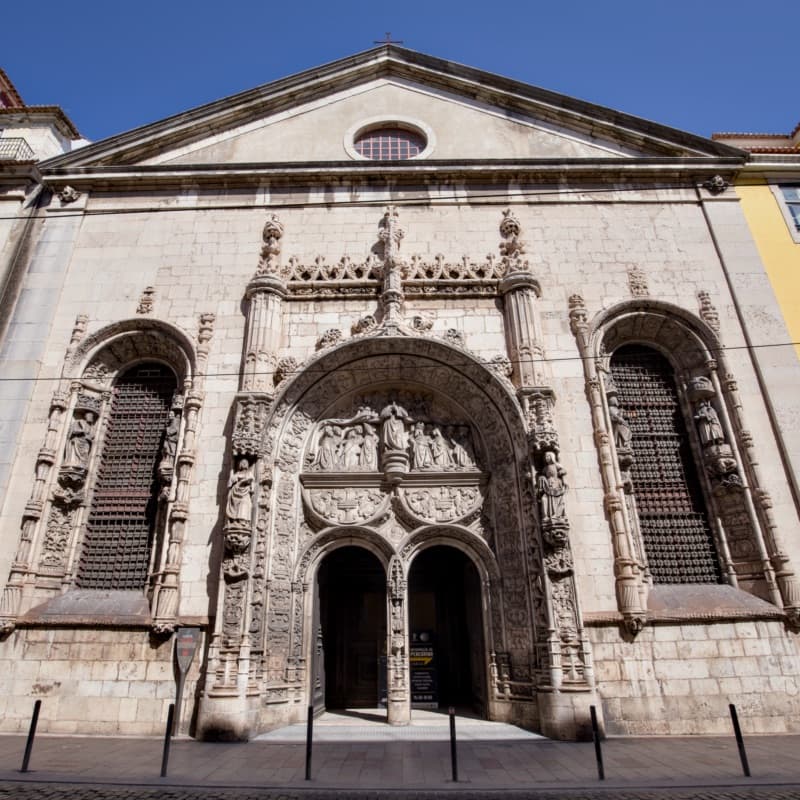
The Church of Nossa Senhora da Conceição Velha, in Lisbon, concentrates the memory of several churches in a single façade. The present building was born from the Pombaline reconstruction of the former Church of the Misericórdia, destroyed by the 1755 earthquake. That church had been the seat of the country’s first Misericórdia, a confraternity instituted in 1498 on the initiative of Queen Leonor and Frei Miguel Contreiras. In the 1770 rebuilding, led by Francisco António Ferreira with the collaboration of Honorato José Correia, surviving elements of the Manueline construction were incorporated. For this reason, the exterior preserves a richly ornamented portal, with a mullioned arch, armillary sphere, cross of the Order of Christ and a tympanum where Our Lady of Mercy shelters kneeling figures beneath her mantle. Inside the single nave, side chapels, tiles, 18th-century stucco and gilded woodwork extend the dialogue between devotion, catastrophe and reconstruction.

Centro Interpretativo da História do Bacalhau4.0

Centro Interpretativo da História do Bacalhau

Interpretive Center • Lisboa, Lisboa

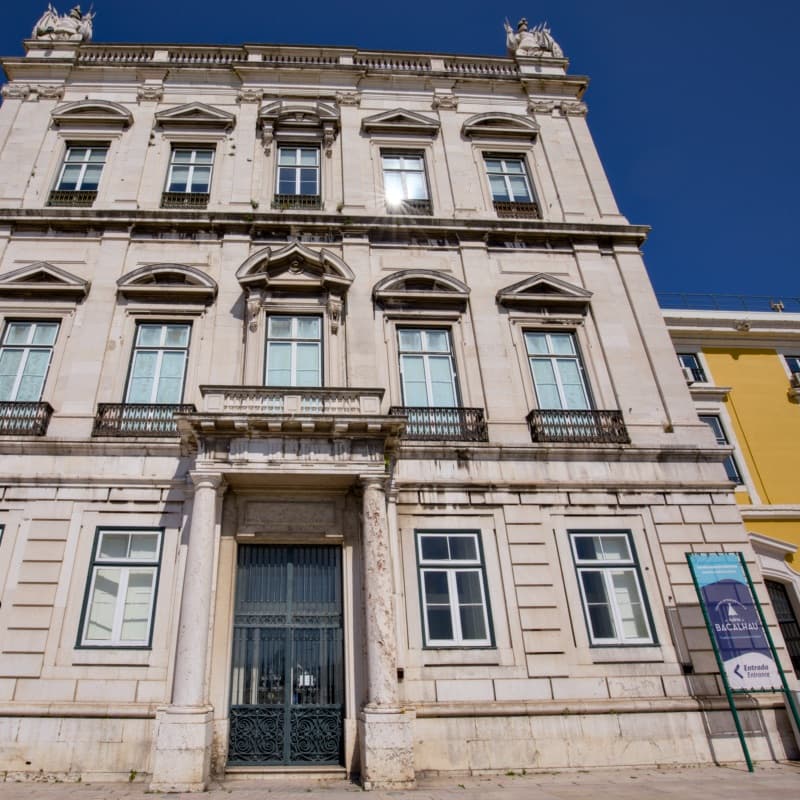
The Codfish History Interpretation Centre, in Lisbon, turns an everyday food into a theme of maritime and cultural memory. The exhibition presents cod as a symbol of Portuguese gastronomy, but also as the result of long voyages, hard work and Atlantic connections. The route is organised into two major sections, “The Sea” and “At the Table”, and combines images, films, animations and interactive experiences. In the rooms dedicated to the fishing saga appear the luggers, the dories, the White Fleet and life on board, including campaigns that could last around six months. The narrative also passes through the propaganda of the Estado Novo and the place of cod on the Portuguese table. In the end, “Cod 20.20” opens a reflection on marine resources, climate change and the future of fishing, showing that this history is still changing.

Museu da Saúde4.5

Museu da Saúde

Museum • Lisboa, Lisboa

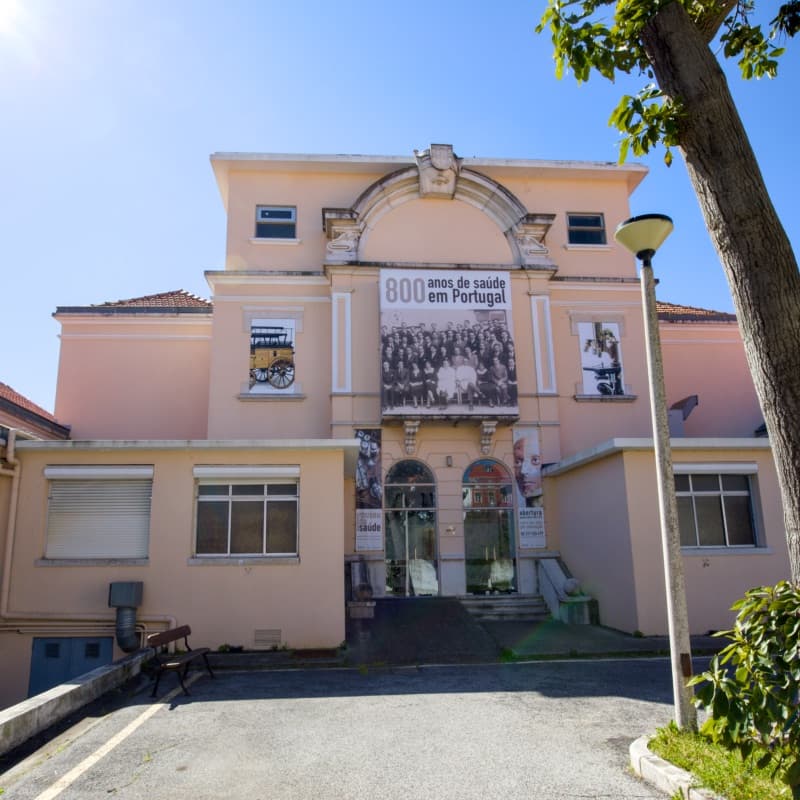
The Health Museum, in Lisbon, belongs to the National Institute of Health Doutor Ricardo Jorge and gives museological form to the memory of health in Portugal. Created by the Ministry of Health in 2007, it has been presented since April 2017 in the former Neurosurgery Service of Santo António dos Capuchos Hospital, with the exhibition “800 Years of Health in Portugal”. The route follows the history of health from the foundation of the nation to the creation of the National Health Service, bringing together around 400 pieces from its collections and from partner institutions. The narrative moves through the first medieval services, royal hospitals, pharmacopoeia, health policies, technical and scientific innovations and the fight against endemic diseases. The museum also preserves collections linked to tuberculosis, malaria, urology, psychology and anaesthesia, showing how science, care and heritage intersect in collective life.

Casa Fernando Pessoa4.5

Casa Fernando Pessoa

Museum • Lisboa, Lisboa

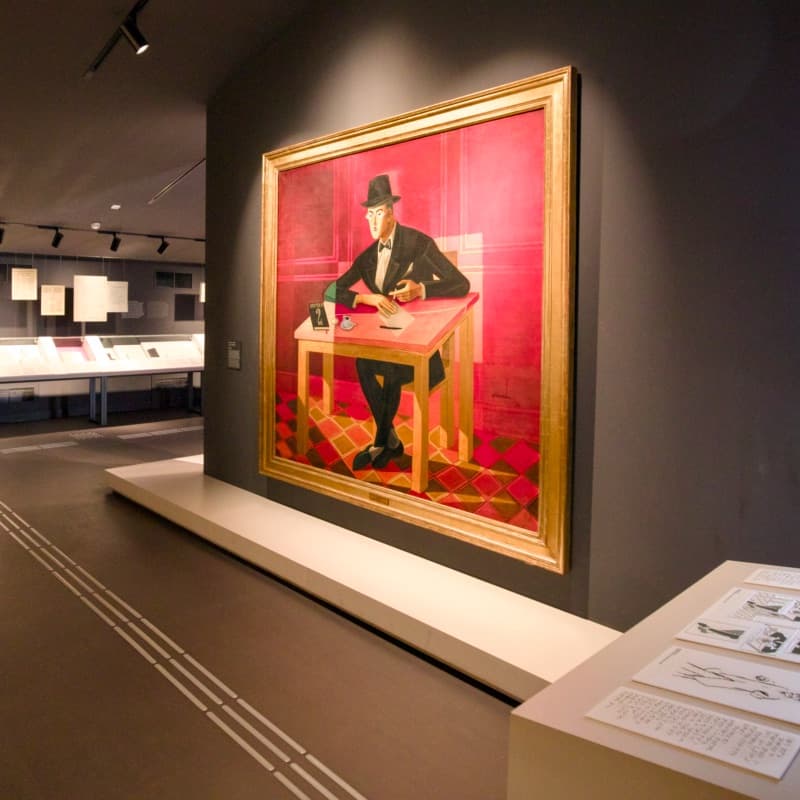
Casa Fernando Pessoa, in Lisbon, occupies the writer’s last home, where he lived with his family from 1920 until a few days before his death on 30 November 1935. The building was acquired by Lisbon City Council in the late 1980s, when it was in poor condition, and opened to the public on 30 November 1993. Rebuilt while preserving original elements, the House keeps personal objects, some furniture and a large part of the books that belonged to Pessoa. The long-term exhibition is organised around memory, literary creation, reading and home. Across three floors, it presents the heteronyms, documents, works of art and the Private Library, classified as a National Treasure. More than preserving a reconstructed bedroom, the House shows how reading nourished one of the most plural literary works of the 20th century.

Showing 169-192 of 203

Discover by category

Take the LxDiscover App with you

Explore Portugal with a cultural guide for monuments, museums, gardens, palaces, viewpoints, and historic places in Lisbon, Porto, Sintra, and other regions.

Use the map, follow cultural routes, read editorial context, save places, and track your visits with the visit passport.

Free features

  • Interactive map to discover places of interest
  • Detailed information about monuments, museums, and cultural sites
  • Favorites for the places you want to visit
  • Selected routes to start exploring

Premium subscription

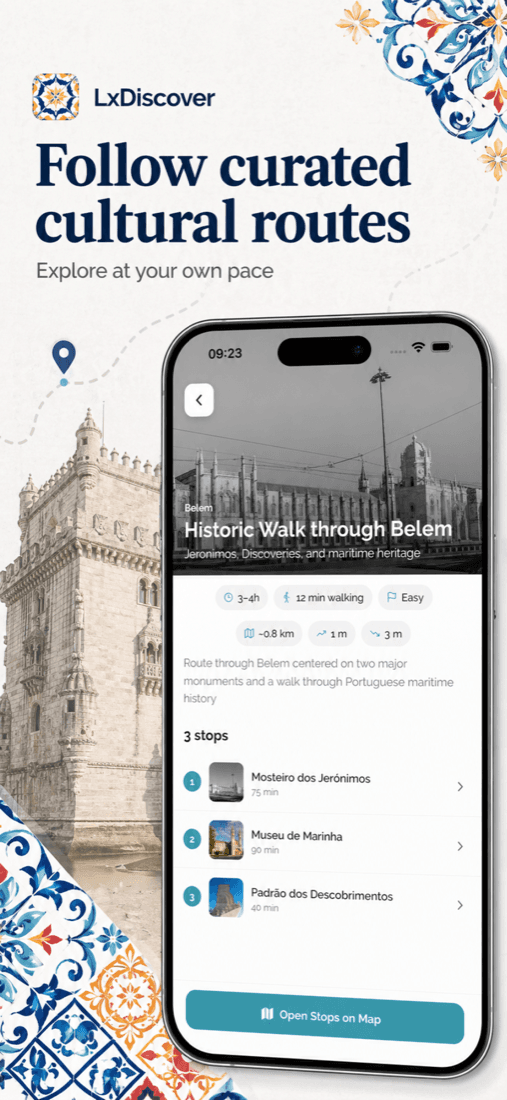
  • Curated routes with ordered stops, duration, and difficulty
  • Thematic collections with editorial context for each area
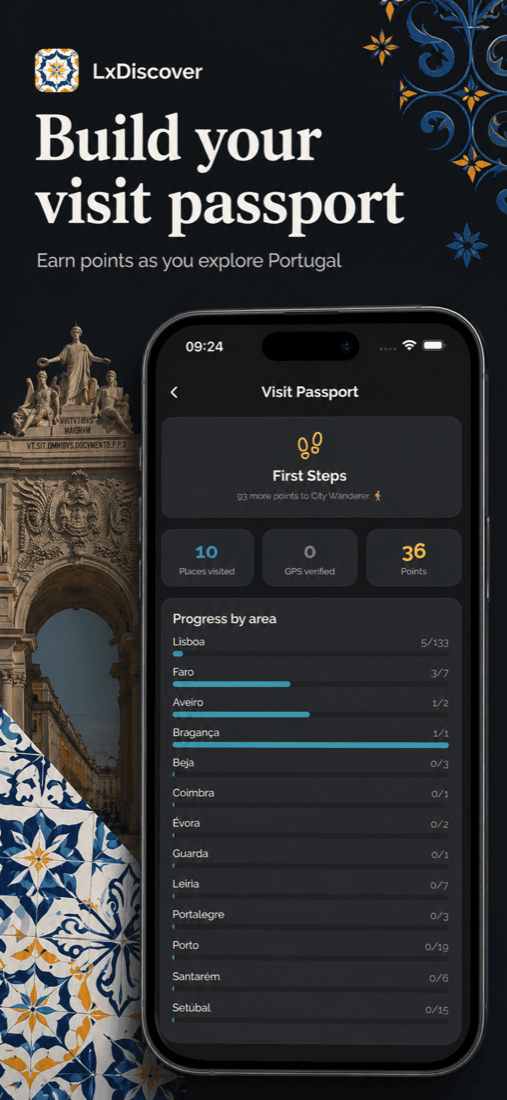
  • Visit passport for progress, visited places, and achievements
  • Advanced map, planning, and proximity alert tools
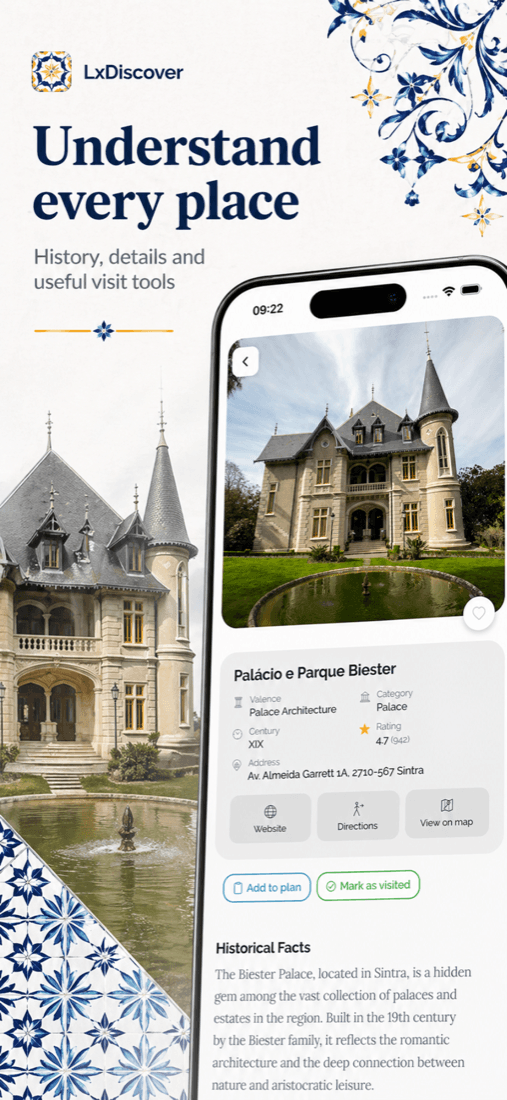
LxDiscover map screen
LxDiscover routes screen
LxDiscover visit passport screen