Places

Cultural places in Portugal

Browse LxDiscover places across monuments, museums, palaces, viewpoints, gardens, churches and historic sites. Use this hub to start planning, then open the app for map-based routes, saved places and short cultural audio guides.

203 places

Featured cultural places

Explore on the map
Badoca Safari Park4.4

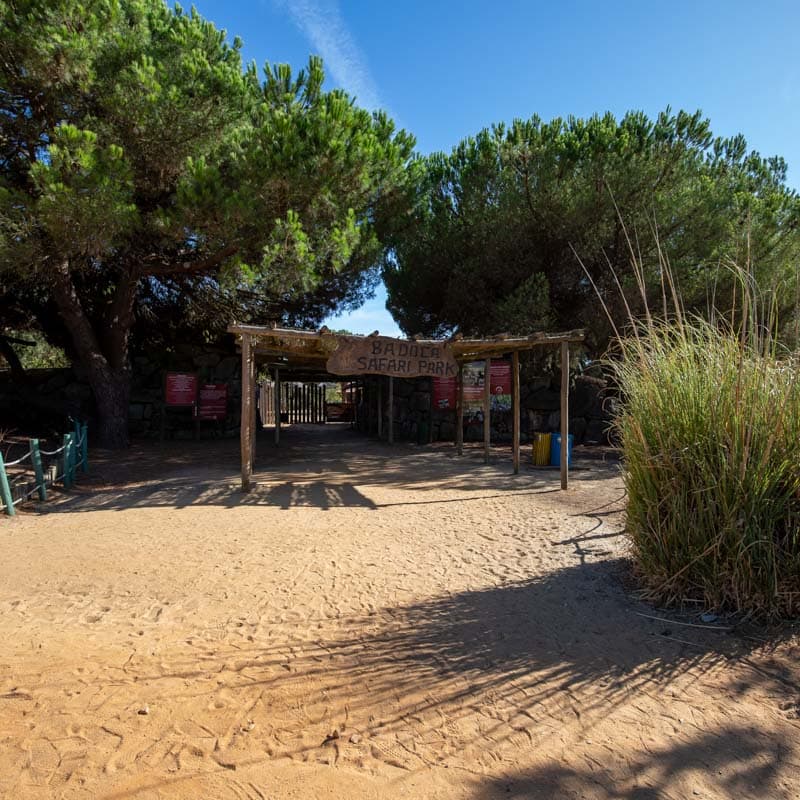
Badoca Safari Park

Garden/Park • Vila Nova de Santo André, Setúbal

On the Alentejo coast, between the plain and the sea, Badoca Safari Park creates an unexpected meeting with the savannah. Across 90 hectares, around 600 animals from more than 80 species live here, and the safari is the heart of the visit: along the route, zebras, giraffes, buffalo, oryx and wildebeest appear in a setting designed to bring visitors closer to wildlife. But the park is not only about the thrill of spotting animals. Conservation and environmental education lie at the centre of its project, through educational programmes, preservation partnerships and work focused on threatened species. That side is especially clear on Madagascar Island, where Badoca keeps lemurs and takes part in the European Association for the Study and Conservation of Lemurs; it is also the only zoological park in Portugal with red-bellied lemurs. Between the excitement of the safari and this steady work, the place gains depth and meaning.
Museu Nacional Ferroviário4.7

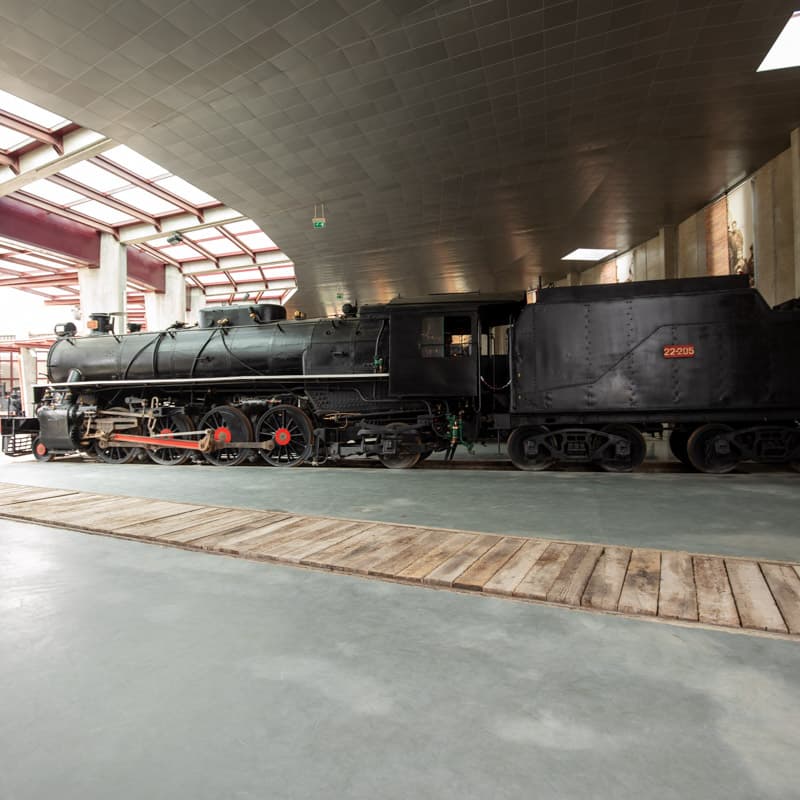
Museu Nacional Ferroviário

Museum • Entroncamento, Santarém

At the Entroncamento Railway Complex, the National Railway Museum tells more than 160 years of railway history in Portugal. Its headquarters are in Entroncamento, but the museum has a national scope and includes centres in several parts of the country. The collection brings together around 36,000 objects, from rolling stock, such as locomotives, carriages and wagons, to track, workshop, signalling, station, ticketing, safety, catering, health and documentary material. The route occupies historic buildings linked to the former railway complex, now transformed into exhibition spaces. Among its most evocative pieces are the Royal Train, the Presidential Train, the Steam Workshops and the Locomotive Roundhouse. Created in 2005, the Fundação Museu Nacional Ferroviário Armando Ginestal Machado safeguards this technical and social heritage, where machines, objects and memories show how the train transformed territories, work and everyday life.

Portugal dos Pequenitos4.3

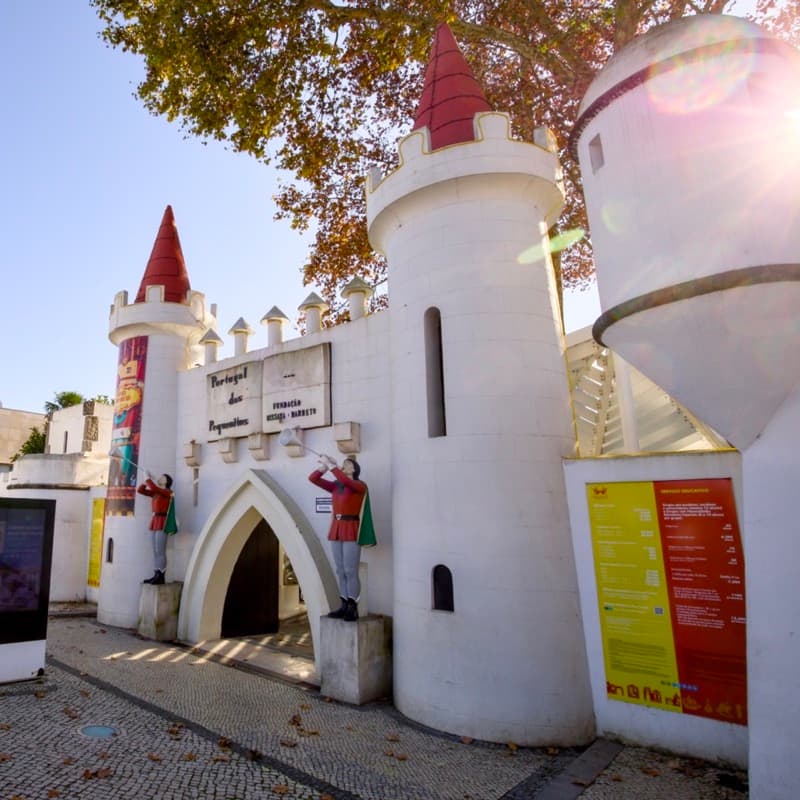
Portugal dos Pequenitos

Theme Park • Coimbra, Coimbra

In Coimbra, beside Rossio de Santa Clara, Portugal dos Pequenitos turns the scale of architecture into a pedagogical language. Conceived by Bissaya Barreto as part of his work in defence of children, it was created as a playful and educational extension of the Casa da Criança Rainha Santa Isabel, which still operates there today. The park-garden opened on 8 June 1940 and was designed by the architect Cassiano Branco. Its first phase brought together Portuguese regional houses; the following ones added areas dedicated to the country’s main monuments and to the ethnographic and monumental representation of the Portuguese-speaking African countries, Brazil, Macau, India and Timor. Among houses, pavilions, gardens and small volumes, the ensemble presents styles and typologies of Portuguese architecture, linked to regional characteristics and traditional crafts. It is a place designed for children, but also a visual synthesis of Portuguese material culture.

Castelo de Santarem4.5

Castelo de Santarem

Castle • Santarém, Santarém

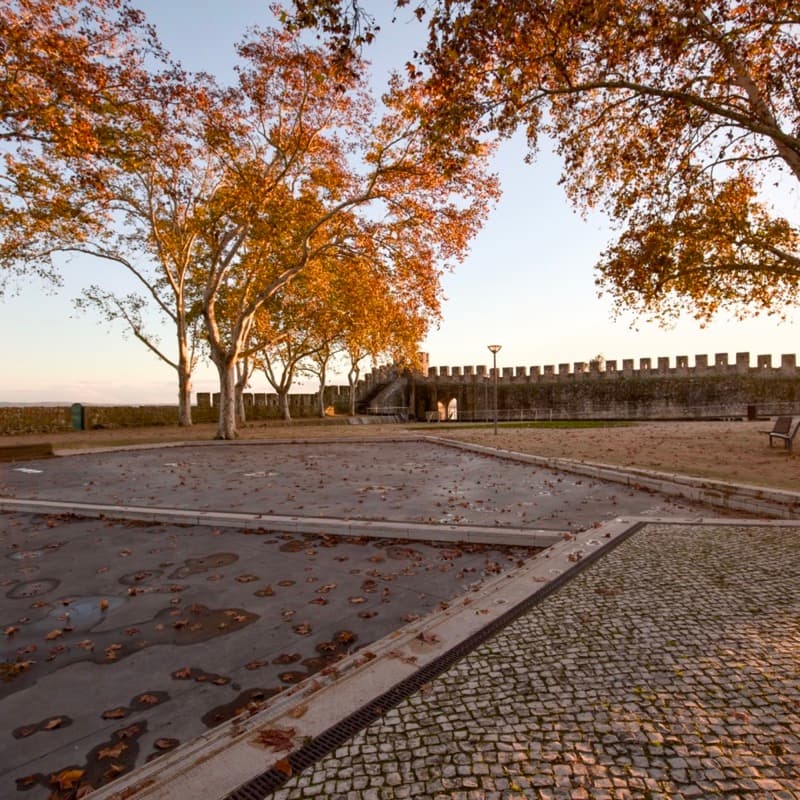
In Santarém, the so-called Castle of Santarém survives mainly in the remains of the walls and gates that surrounded the former citadel. The walled complex has its origins in the period of Muslim occupation and was consolidated and enlarged during the First Dynasty, after the Reconquest and in the reign of King Fernando. The stronghold was taken by King Afonso Henriques in 1147, a moment associated with the remodelling of its early structures. The castle included the Alcáçova enclosure and the walled perimeter of the town, with a partial barbican; its walls had gates and posterns that organised access. Today, at Portas do Sol, sections of wall, three towers and the former Porta do Sol remain, transformed into a panoramic balcony over the Tagus and the Lezíria. The Porta de Santiago, the castle’s main entrance, preserves its pointed arch and the city’s defensive memory. The complex is classified as a Property of Public Interest.

Grutas de Mira de Aire4.7

Grutas de Mira de Aire

Caves • Mira de Aire, Leiria

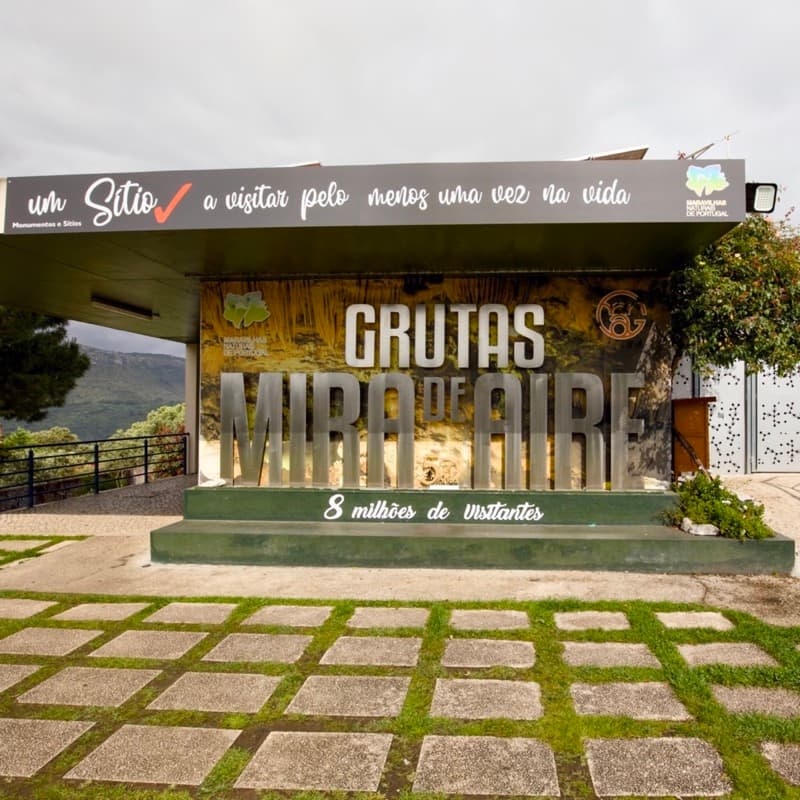
The Mira de Aire Caves, located in Mira de Aire, in the municipality of Porto de Mós, open to the public part of the underground world of the Gruta dos Moinhos Velhos, in the Estremenho Limestone Massif. The first documented descent took place on 27 July 1947; in 1955, the site was classified as a Property of Public Interest, and on 11 August 1974 it received its first visitors. The cave is the result of the slow action of rainwater on limestone, which opened galleries and shafts and formed stalactites, stalagmites and columns. With 11 known kilometres and only part open to visitors, the municipality presents them as the largest tourist caves in Portugal. Along the underground route, lighting highlights chambers, limestone forms and water, with names such as the Organ, the Black River and the Great Lake. In 2010, they were voted one of Portugal’s 7 Natural Wonders.

Sand City4.3

Sand City

Theme Park • Lagoa, Faro

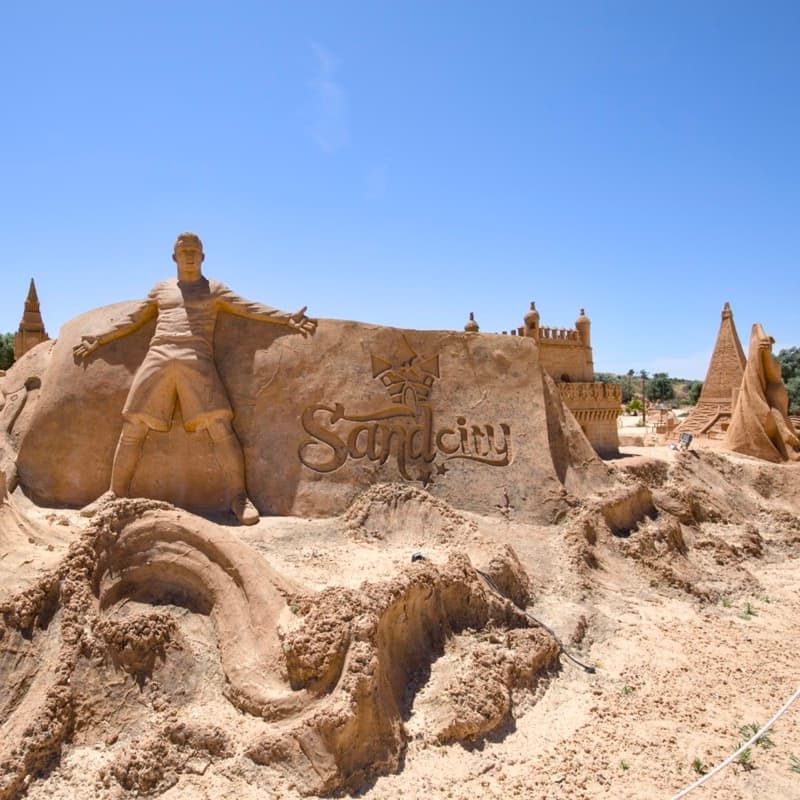
Sand City, in Lagoa, in the Algarve, turns sand into an open-air artistic space. Its origin is linked to FIESA — the International Sand Sculpture Festival — created in 2003; after more than two decades of themed exhibitions, the project moved from the Pêra area to its current site, next to the EN125. The grounds cover around 50,000 square metres and bring together more than 120 works sculpted by over 60 national and international artists. The current exhibition, “Around the World in Sand”, recreates scenes from everyday life around the world, well-known figures, pop culture, fantastic imagery and recognisable buildings. The sculptures are made by compacting sand with water; some reach five or six metres in height and weigh several tens of tonnes. In the open air, among paths of sand and gravel, the whole setting makes visible the scale, detail and firmness that the sun gives, over time, to a simple material.

Centro Ciência Viva de Lagos4.6

Centro Ciência Viva de Lagos

Science Centre • Lagos, Faro

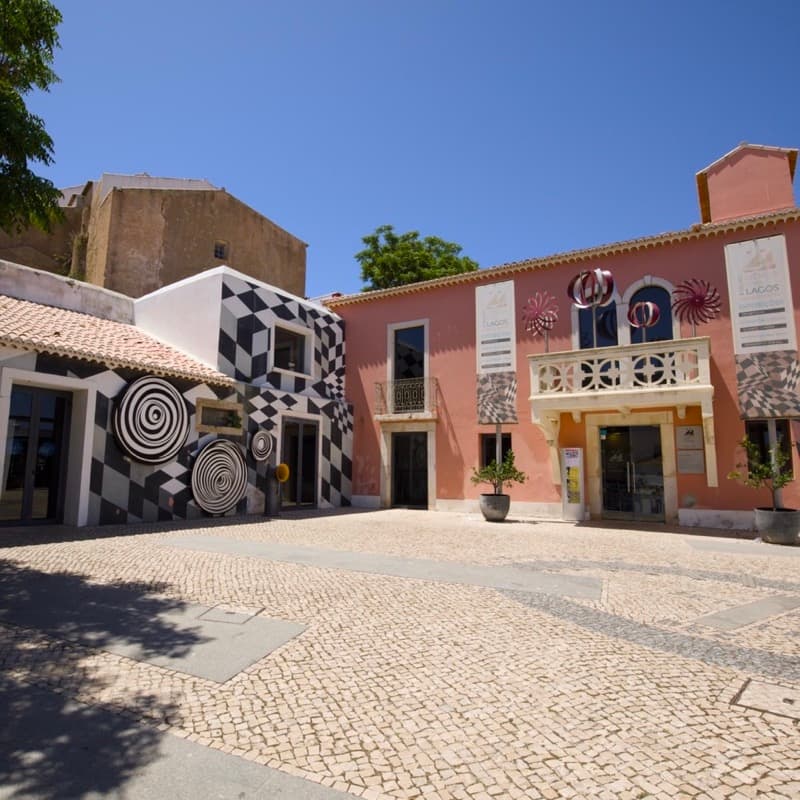
In the centre of Lagos, overlooking Avenida dos Descobrimentos, the Centro Ciência Viva de Lagos brings science close to the city’s maritime history. Housed in Casa Fogaça, an 18th-century manor house, it combines the memory of the building with a contemporary visual language, marked on the façades by cubes and illusion discs. The permanent exhibition, “From the Astrolabe to GPS”, links the great ocean voyages to the science of navigation, exploring themes such as cartography, shipbuilding and astronomy in the 15th and 16th centuries. In addition to its indoor galleries, the centre has almost 2,000 square metres of outdoor spaces dedicated to science, including the Lighthouse Garden and the Discoveries Garden, both facing the bay of Lagos. Among instruments, experiments and interactive modules, this is a place where the past of voyages becomes questioning, observation and discovery.

Castelo de Mertola4.5

Castelo de Mertola

Castle • Mértola, Beja

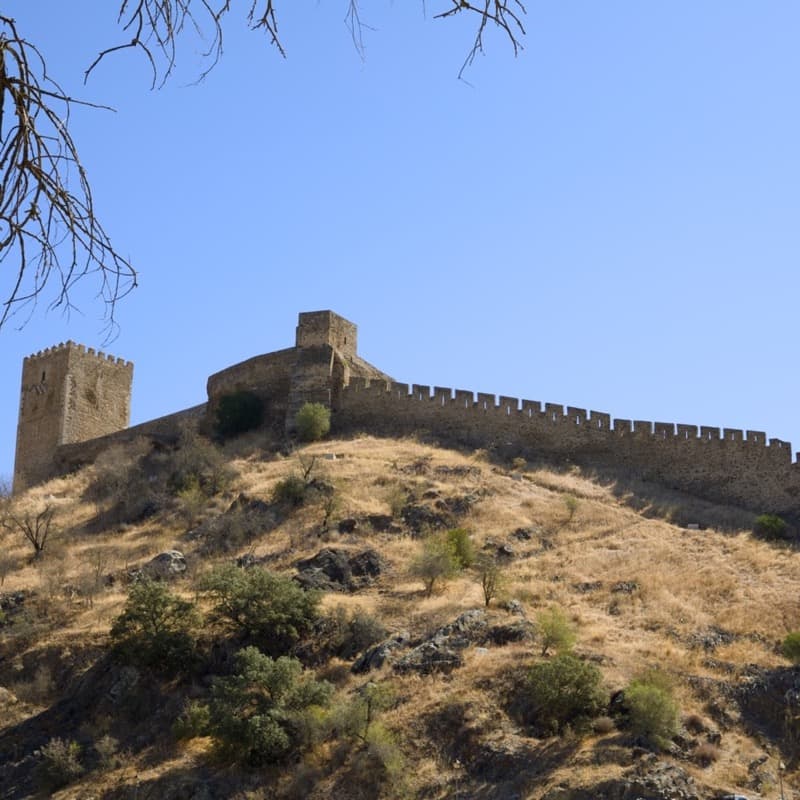
On the rocky height where the Oeiras stream meets the Guadiana, Mértola Castle preserves the defensive memory of a town shaped by the river. The beginnings of the fortification belong to the Islamic period, when Mértola was an important river port between Mérida and the Atlantic. In 1238, the knights of Santiago conquered the city and chose it as the seat of the Order in Portugal, a status it kept until 1316. The castle’s Gothic work is generally dated to 1292, the year inscribed on the Keep, built under the patronage of D. João Fernandes, master of Santiago. The fortress has a quadrangular, slightly trapezoidal plan, with towers at the corners, and the Keep rises to almost 30 metres. In the alcazaba, excavations begun in 1978 revealed a Late Medieval necropolis, an Islamic quarter and a palaeo-Christian religious complex. The castle has been a National Monument since 1951.

Castelo de Serpa4.5

Castelo de Serpa

Castle • Serpa, Beja

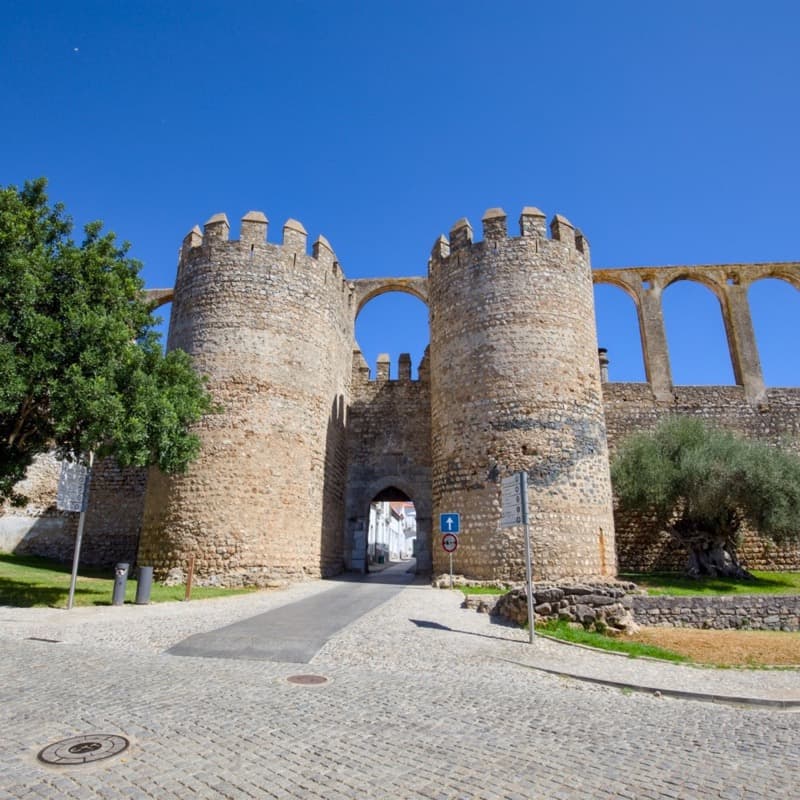
In the historic centre of Serpa, the castle and urban walls form one of the strongest defensive presences in the Baixo Alentejo. The first documented fortification on this site was Islamic, predating the Christian conquest of the town, and part of the alcazaba reused rammed-earth structures from that period. The major remodelling of the walls and the reconstruction of the castle were ordered by King Dinis from 1295, when Serpa was asserting itself as a frontier stronghold. The medieval enclosure surrounded the Church of Santa Maria and the present Clock Tower, within an oval-shaped wall strengthened by turrets and battlements. Among the original entrances, the Beja Gate and the Moura Gate stand out, still marked by towers. Along one stretch of the wall runs the aqueduct linked to the Palace of the Counts of Ficalho. Classified as a National Monument since 1954, the complex preserves the memory of a town shaped by defence, the frontier and time.

Castelo de Beja4.5

Castelo de Beja

Castle • Beja, Beja

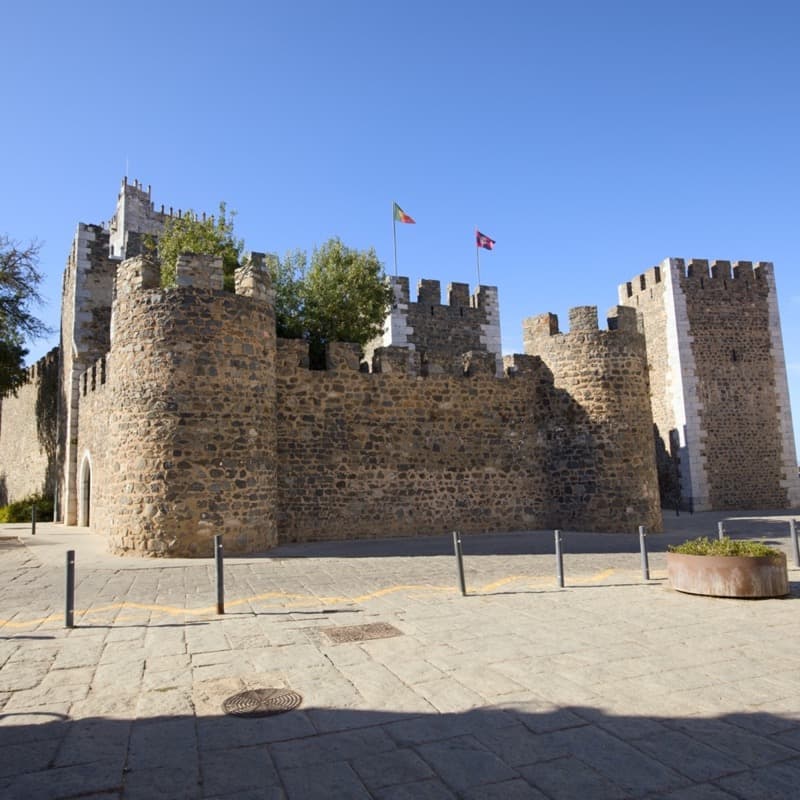
In the centre of Beja, Beja Castle rises above the vast plain of the Baixo Alentejo and gathers the city’s defensive memory. The monument, classified as a National Monument since 1910, was rebuilt during the reign of King Afonso III; the works continued in the time of King Dinis and, in 1372, King Fernando was still ordering interventions in the fortress. From the Afonso-Dinis alcazaba stands out the Keep, quadrangular and robust, built during the reign of King Dinis. Almost forty metres high, it is organised in three levels and crowned by a broad balcony resting on machicolations, above which run battlements. The urban wall was more extensive: it included more than forty towers and gates such as those of Évora, Mértola, Avis and Aljustrel. Between walls, wall-walks and pale stone, the castle conveys Beja’s former strategic importance.

Bacalhôa Buddha Eden4.7

Bacalhôa Buddha Eden

Garden/Park • Bombarral, Leiria

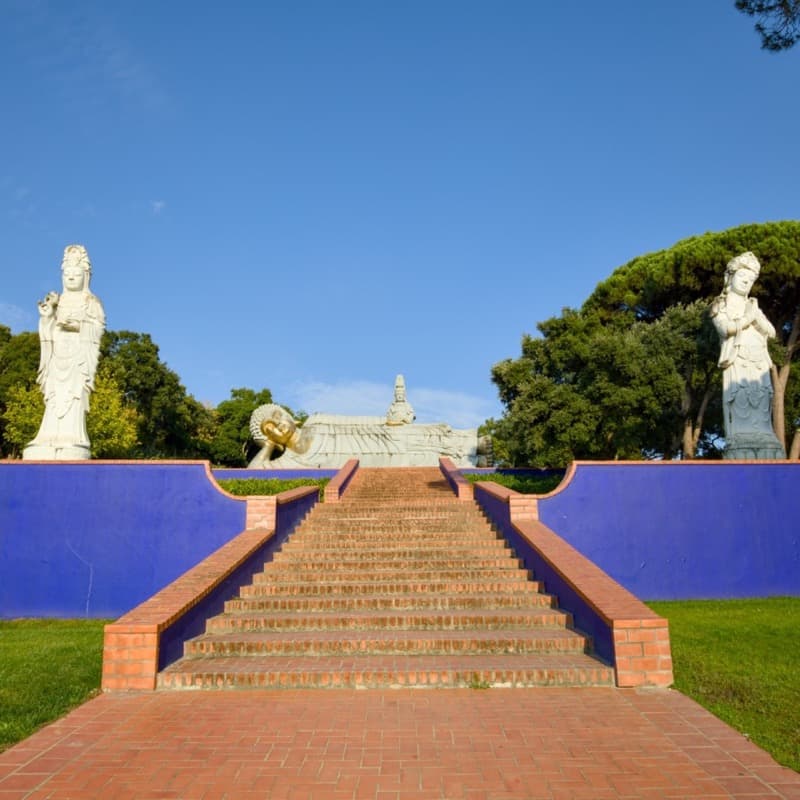
In Carvalhal, in the municipality of Bombarral, Bacalhôa Buddha Eden turns Quinta dos Loridos into a vast open-air sculpture garden. Created in response to the destruction of the giant Buddhas in Afghanistan, it covers around 35 hectares and is presented as the largest oriental garden in Europe. Among lakes, pagodas, sculpted dragons and large golden Buddhas, the route gathers sculptures spread across the landscape, for which more than six thousand tons of marble and granite were used. The site is not limited to Buddhist imagery: it also includes a modern and contemporary sculpture garden and another devoted to African Shona sculpture from Zimbabwe. The scale of the place and the alternation of water, vegetation and stone create a very distinctive landscape, where art and nature coexist with deliberate calm, in a place born from a cultural response to destruction.

Castelo de Montemor-O-Novo4.3

Castelo de Montemor-O-Novo

Castle • Montemor-o-Novo, Évora

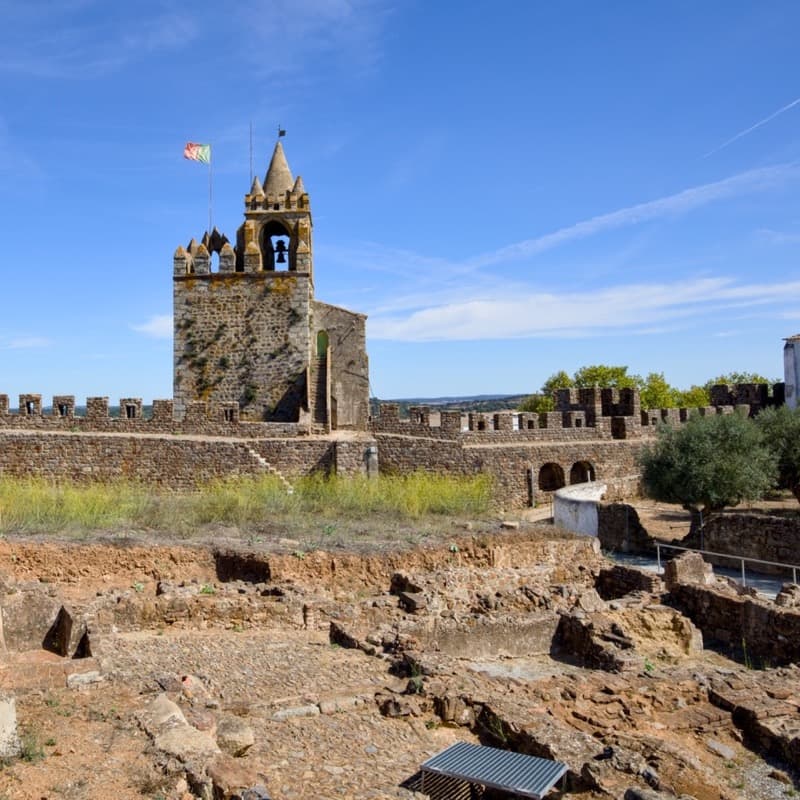
Montemor-o-Novo Castle preserves the original enclosure of the old town, high above this Alentejo city. The medieval fortification gained new momentum after the charter granted by King Sancho I in 1203, and major works were carried out under King Dinis, including the town wall. Later, in the time of King João I, Montemor-o-Novo became part of the lordship granted to Nuno Álvares Pereira. At the end of the 15th century, further works were directed by the master stonemason Afonso Mendes de Oliveira, and the castle hosted the Cortes of 1496. The complex, classified as a National Monument since 1951, preserves extensive walls, towers, cisterns, chapels and ruins that recall the former life within the walls. The Clock Tower watched over the Town Gate, the main entrance to an enclosure almost two kilometres in perimeter. From the 16th century onwards, the population gradually moved outside the walls, forming the present-day city.

Castelo de Arraiolos4.2

Castelo de Arraiolos

Castle • Arraiolos, Évora

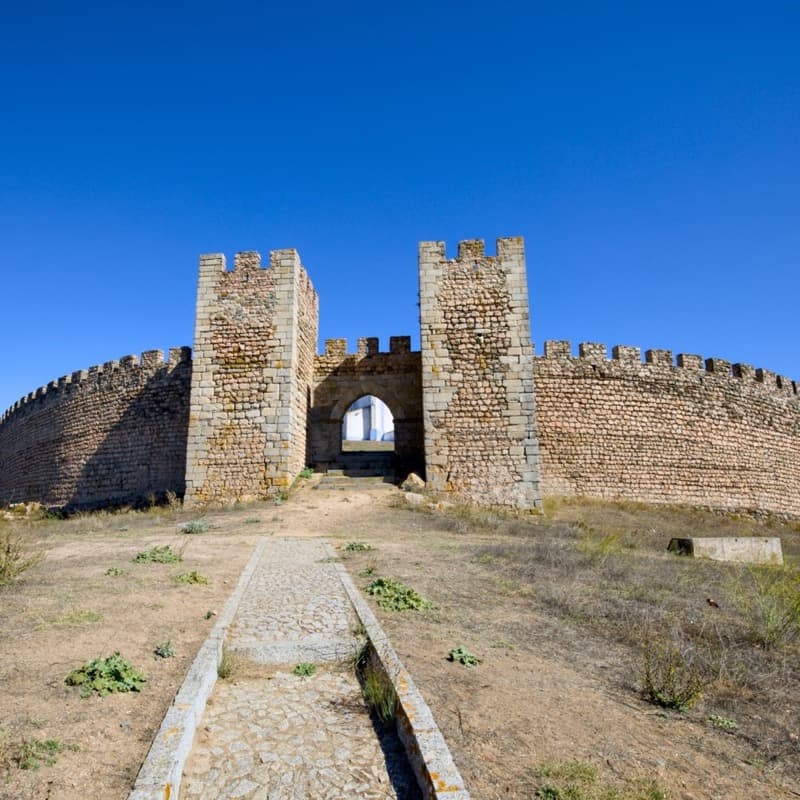
High on Monte de São Pedro, north of the town, Arraiolos Castle preserves the memory of the old walled settlement. Commissioned by King Dinis in the early 14th century, it was based on a contract signed in 1305 between the king, the mayor, the judges and the municipal council, to build the defensive enclosure. Construction began in 1306, and the complex includes the wall of the former settlement and the Paços dos Alcaides. Its elliptical form follows the gentle relief of the hill, creating a rare silhouette in the Alentejo landscape. Among the elements still recognisable are the Keep, the Gate of Santarém and, inside, the former Church of Salvador, from the 16th century. Classified as a National Monument since 1910, the castle also recalls Nuno Álvares Pereira, to whom King João I donated it in 1387.

Castelo de Santa Maria da Feira4.6

Castelo de Santa Maria da Feira

Castle • Santa Maria da Feira, Aveiro

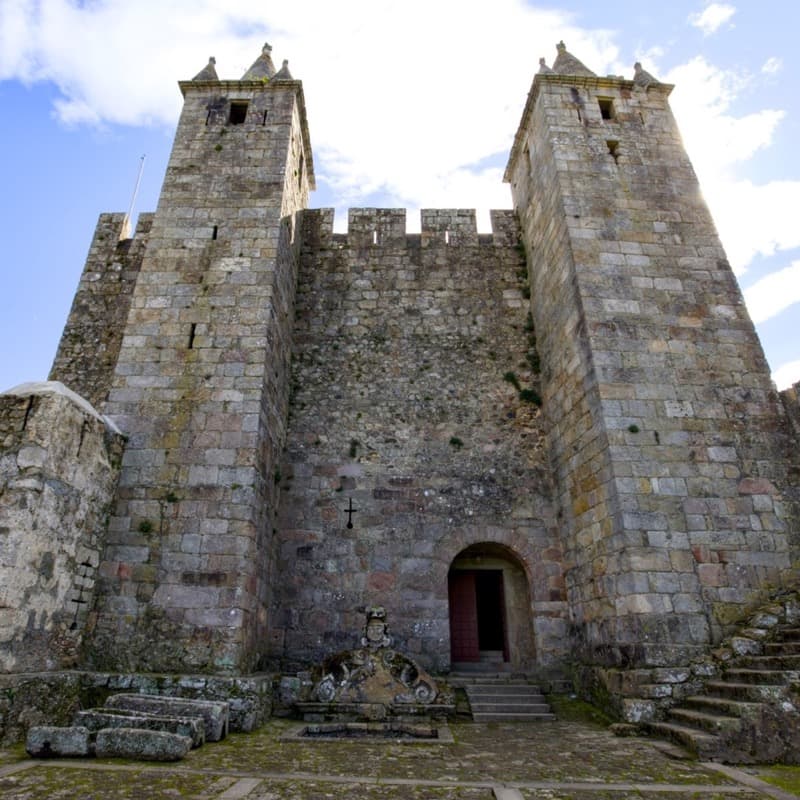
The Castle of Santa Maria da Feira rises in the municipality of Santa Maria da Feira, as a fortification linked to the former Terra de Santa Maria. Classified as a National Monument since 1910, it has its origins in the Reconquest, before the formation of the Portuguese nation, and served as the administrative and military seat of a vast region south of the Douro. The image that now defines the ensemble was shaped mainly in the 15th century, when King Afonso V handed it to Fernão Pereira with the task of restoring it. Inside the enclosure, the town gate protected by the barbican, the parade ground, the wall-walk, the keep, the well tower and the tenaille reveal successive military adaptations. Beside the barbican, the chapel and the chaplain’s house, ordered to be built in 1656, recall the coexistence of defence, noble residence and devotion.

Fábrica - Centro Ciência Viva de Aveiro4.5

Fábrica - Centro Ciência Viva de Aveiro

Science Centre • Aveiro, Aveiro

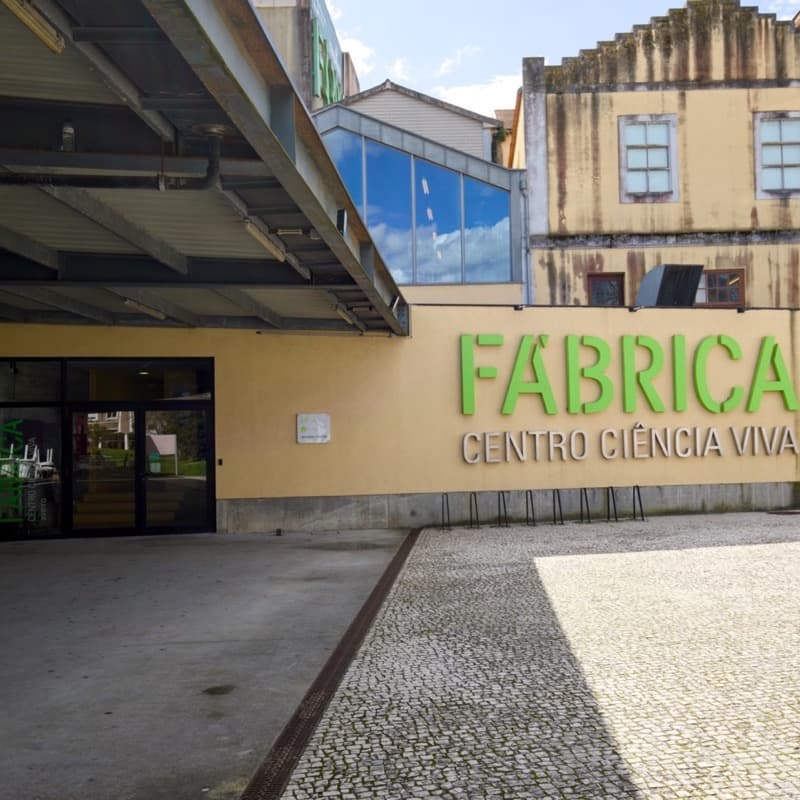
Fábrica — Centro Ciência Viva de Aveiro, in Aveiro, occupies the building of the former Companhia Aveirense de Moagens and transforms an industrial space into a place dedicated to scientific culture. Opened to the public in 2004, it results from a partnership between the University of Aveiro and Ciência Viva, bringing research, schools and the community closer together. The name “Fábrica” preserves the memory of the building, but also expresses its current function: producing curiosity, experiments and questions. The interactive exhibitions explore themes such as science in the kitchen, robotics and holography, with modules designed to be touched, tested and observed. Its activity also extends beyond the building, through educational programmes and collaborations with scientific institutions, companies, municipalities and teaching bodies. Between imagined machinery and science in action, the former mill has become a public workshop of knowledge.

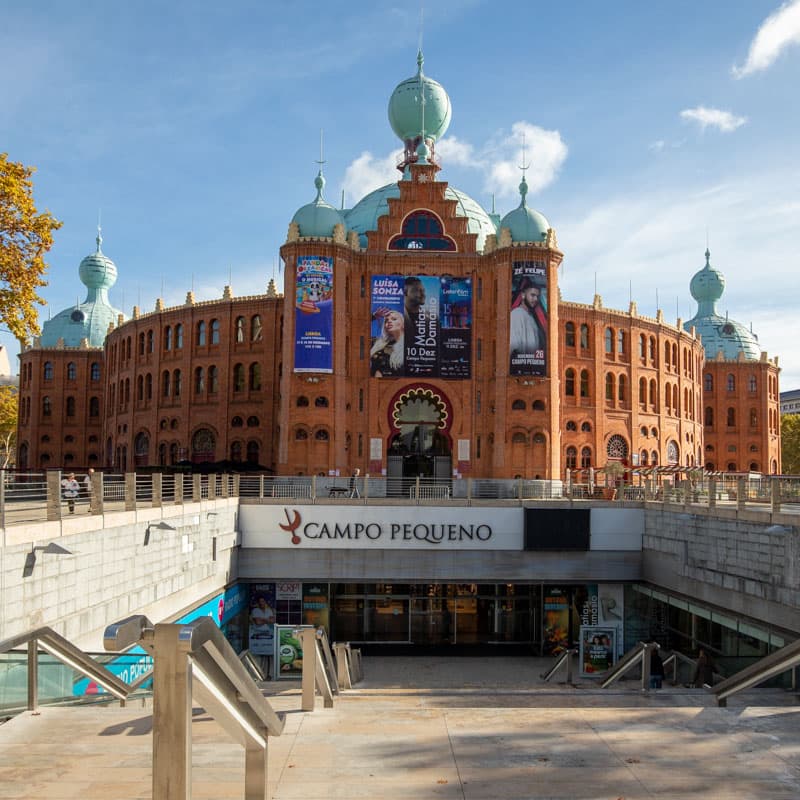
Praça de Touros do Campo Pequeno4.2

Praça de Touros do Campo Pequeno

Commercial Space • Lisboa, Lisboa

With its red-brick silhouette and neo-Moorish domes, Campo Pequeno seems to bring an unexpected imaginary world into Lisbon, yet its real strength lies in the way it gathers more than a century of urban life into one place. Opened in 1892 and designed by Dias da Silva, it was created as a bullring and soon became one of the city’s social stages, hosting a royal bullfight at the start of the twentieth century, rallies under the Estado Novo and, after the Carnation Revolution, major democratic gatherings. The renovation completed in 2006 preserved the building’s character and gave it a new life as a multi-purpose venue. It is worth noticing the arches, the exposed brick and the turrets, restored to their original turquoise blue. Today, between memory, tradition and reinvention, Campo Pequeno still shows how Lisbon changes without completely erasing its earlier traces.

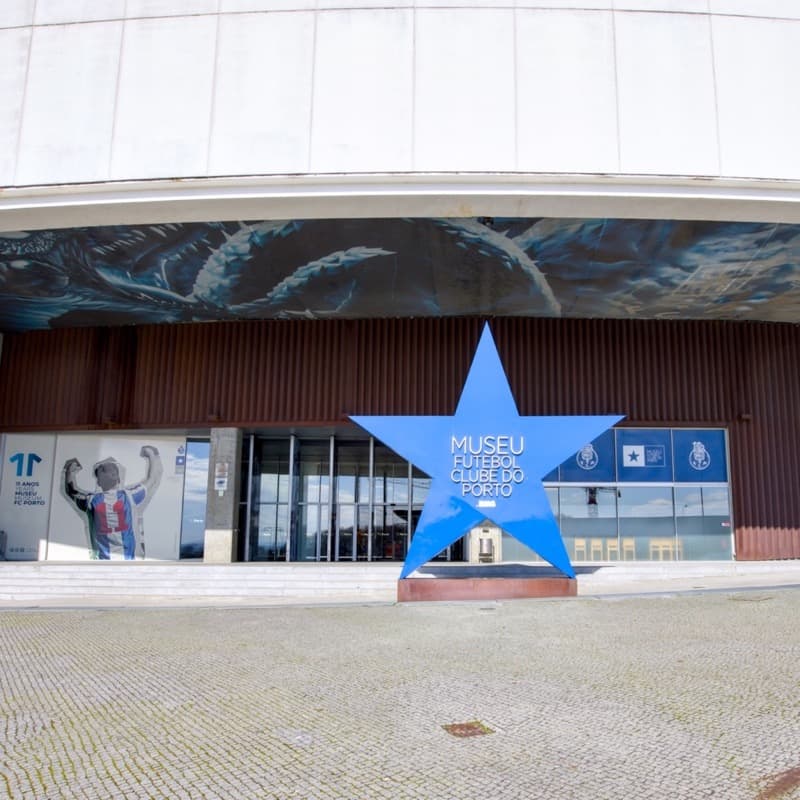
Museu FC Porto4.7

Museu FC Porto

Museum • Porto, Porto

The Museu FC Porto is located in Estádio do Dragão, in the eastern area of the city of Porto. Inaugurated on 28 September 2013, on the day when Futebol Clube do Porto marked 120 years, it occupies around 7,000 square metres dedicated to the history and heritage of the club. The permanent exhibition is spread across 27 thematic areas, where trophies, documents, images, objects and interactive resources build a narrative that brings together football, other sports, institutional memory and the life of the city. Among the most visible pieces is Valquíria Dragão, a work by Joana Vasconcelos installed in the reception area. The museum also presents temporary exhibitions, an educational service and spaces supporting its cultural programme. More than a celebration of sporting results, it offers an organised reading of collective identity, made of victories, symbols, protagonists and belonging.

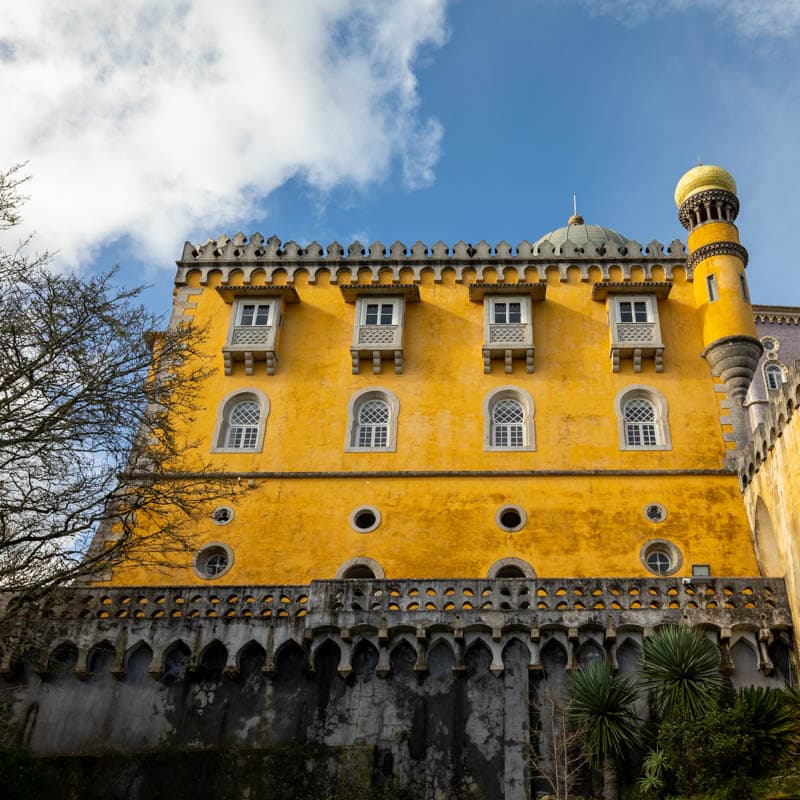
Palácio Nacional da Pena4.4

Palácio Nacional da Pena

Palace • Sintra, Lisboa

The National Palace of Pena rises above the hills as a romantic fantasy turned into stone. Dreamed up by Ferdinand the Second, the Artist King, it grew from the transformation of a former Hieronymite monastery into a summer palace for the royal family, where nineteenth-century taste blends medieval, Manueline, Moorish and Renaissance references without losing its harmony. Inside, the old church, cloister and apartments preserve the memory of a place once lived in; outside, Triton’s Terrace offers one of the palace’s most fascinating details, with its hybrid figure symbolically linking the aquatic and terrestrial worlds. From the Courtyard of Arches, too, the scenic ambition of Pena becomes clear, framing the hills, the park and the Atlantic as part of the palace itself. It was here that Queen Amélia received the news of the proclamation of the Republic. Few places tell so well the story of dream, power and the end of an era.

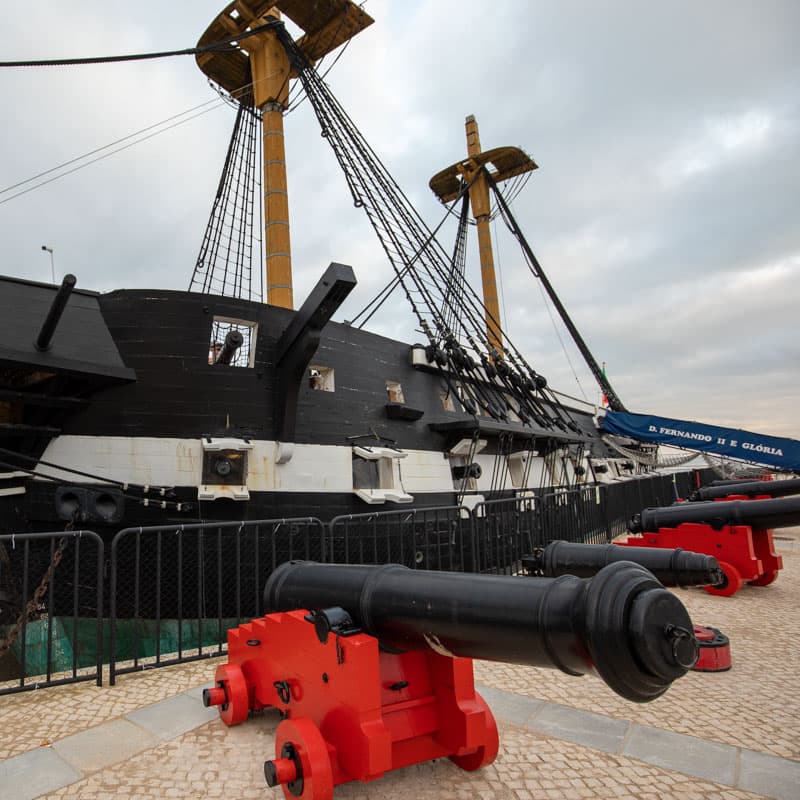
Fragata D. Fernando II e Glória4.7

Fragata D. Fernando II e Glória

Museum Ship • Almada, Setúbal

Some ships seem to contain an entire empire within them, and the frigate D. Fernando II e Glória is one of them. Built in Daman and launched in 1843, it was the last great ship of the Portuguese Navy to sail entirely under canvas and the last to serve the India Run. Over 33 years it covered more than 100,000 nautical miles in a succession of voyages linking Lisbon to Portugal’s overseas world. It later served as the Naval Artillery School, housed a social institution for disadvantaged boys and, in 1963, was nearly lost in a fire that left it half-submerged. Restored and opened to the public in 1998, it returned as a museum ship. During a visit, it is worth lingering on the main deck, the gun deck and the cabins: among the masts, the teak wood and the cramped spaces, the hardship and scale of life on board become easier to grasp. Remarkably, it never entered combat.

Palácio da Cidadela de Cascais4.6

Palácio da Cidadela de Cascais

Palace • Cascais, Lisboa

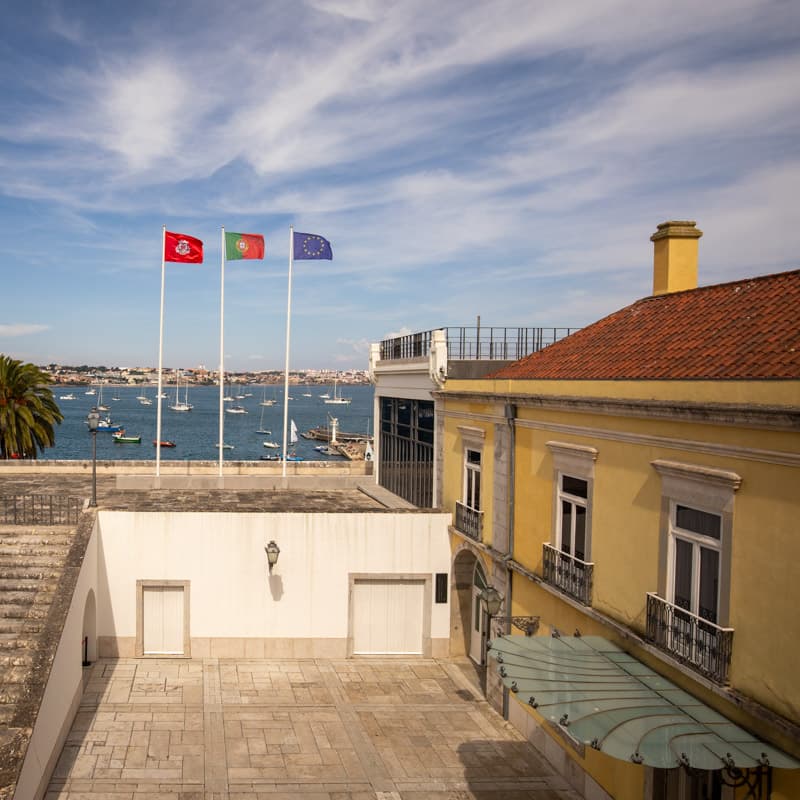
In the Citadel of Cascais, the palace shows how a place of maritime defence was transformed into a royal summer residence and later into a site of state memory. The former governor’s house of the fortress, part of a complex whose story begins in 1488, was adapted by King Luís in 1870 for the royal family. From then on, Cascais changed in scale: the court began to spend time in the town, King Carlos deepened its bond with the sea and, in 1878, one of Portugal’s earliest experiments with electric light illuminated the palace battery. Even today, between the courtyard of honour, the view over the bay, the Arab Room inspired by the Alhambra and the wood panelling from the time of Carlos, one senses that unusual blend of fortress, palace and lived residence. After the proclamation of the Republic, the building passed to the Presidency and, after rehabilitation in the twenty-first century, finally opened to the public.

Cabo Espichel4.5

Cabo Espichel

Church • Sesimbra, Setúbal

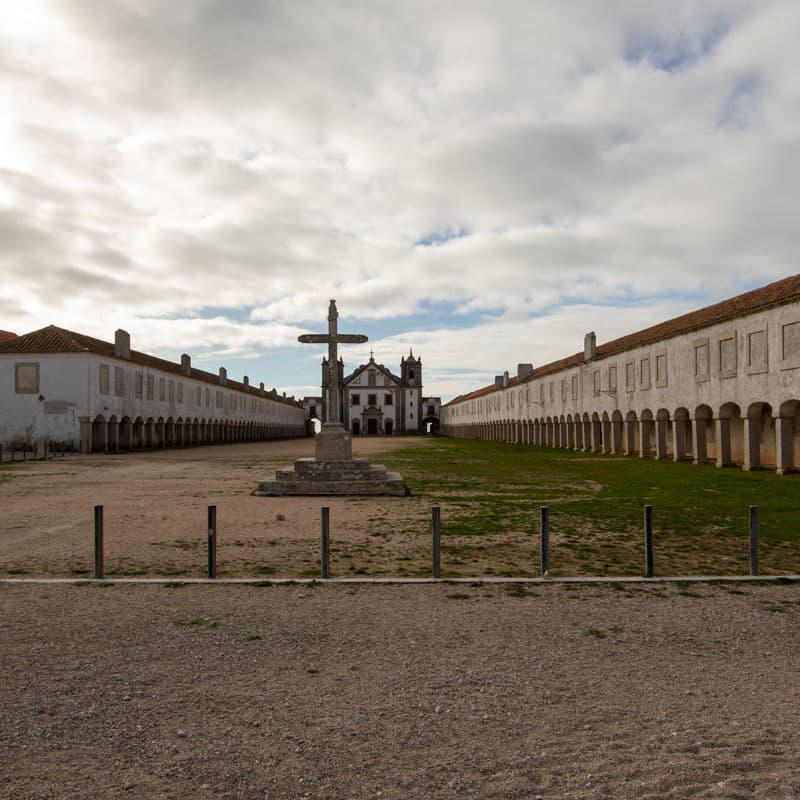
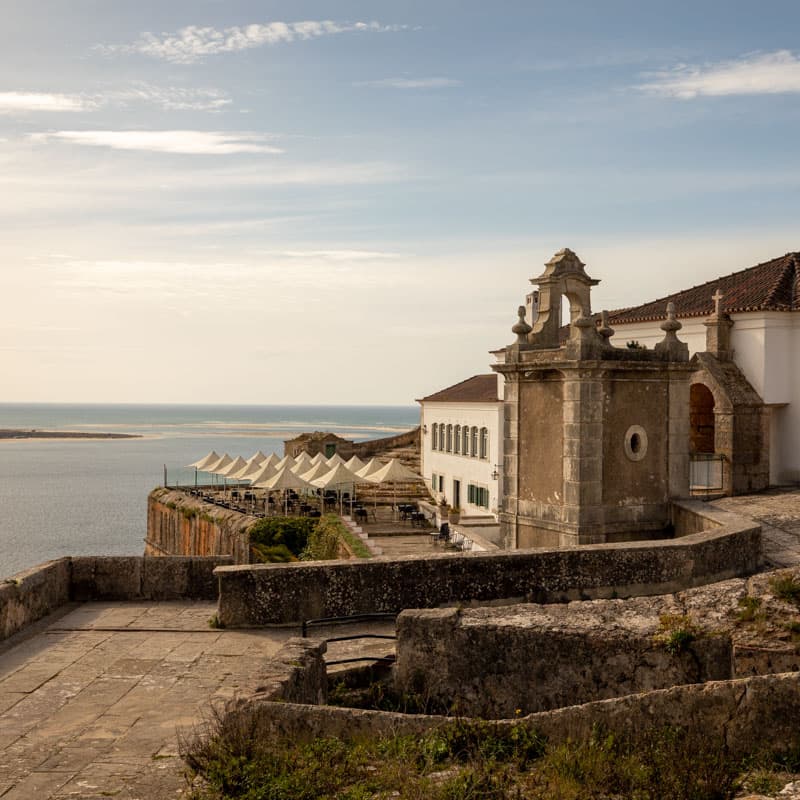
At the western edge of the municipality of Sesimbra, Cabo Espichel is striking for the way it brings together faith, vertigo and geological time. Devotion to Our Lady of the Cape is documented at least from 1366, and the sanctuary seen today, rare for its planned composition of church, forecourt and long pilgrims’ lodgings, took shape mainly between 1701 and 1770. The Ermida da Memória marks the place where, according to tradition, the image of the Virgin appeared in 1410, an episode that fed centuries of pilgrimages and cireos that are still alive today. But the cape does not speak only of pilgrims. On the limestone cliffs of Pedra da Mua, tracks of Jurassic sauropod dinosaur footprints survive, as if the landscape held a memory far older than the human one. Between the constant wind, the austere Baroque complex and the Atlantic stretching into the distance, Espichel feels like a place where devotion and nature enlarge one another.

Forte de São Filipe4.6

Forte de São Filipe

Fort • Setúbal, Setúbal

Perched on the hill above Setúbal, the Fort of São Filipe watches over both the Sado estuary and the city it was meant to keep under guard for centuries. It was commissioned by Philip I in the aftermath of the crisis of 1580, when the weakness of the town’s defences had become clear and control over Setúbal had gained new political importance. Its six-pointed star plan, fitted to the steep terrain, gives it the stern character of military architecture designed to deter. After the Restoration, the fort took on a different meaning and even served as a prison. Today, beyond the sweeping view over Setúbal, Tróia and the Arrábida hills, one detail deserves special attention: the small Baroque chapel, lined with blue-and-white tiles by Policarpo de Oliveira Bernardes, showing scenes from the life of Saint Philip. Few places reveal so clearly how war, power and landscape meet in a single setting.

Aldeia Museu José Franco4.6

Aldeia Museu José Franco

Museum • Mafra, Lisboa

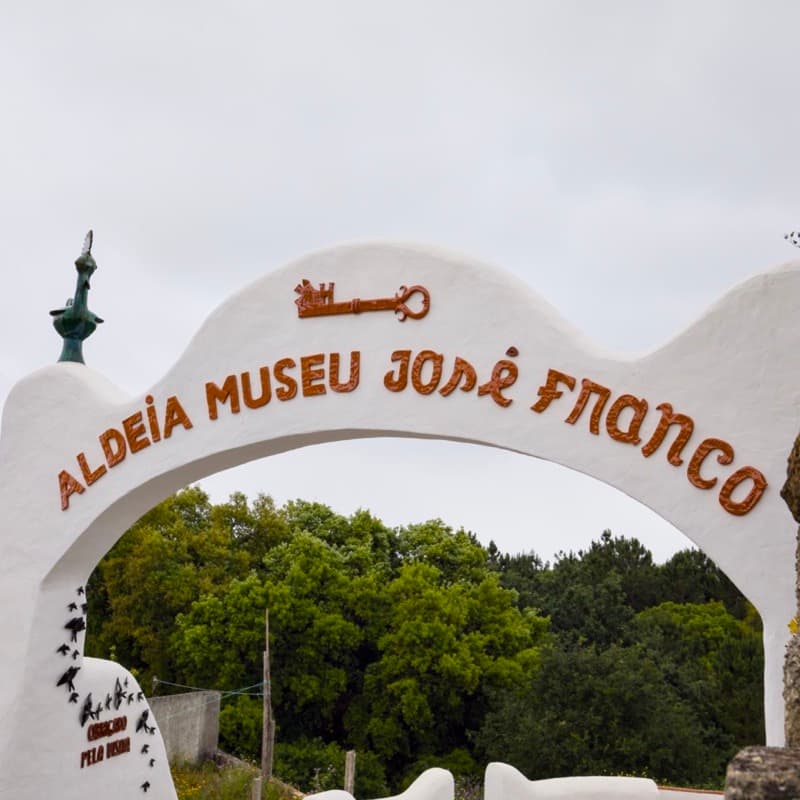
In Sobreiro, between Mafra and Ericeira, the José Franco Museum-Village recreates, in clay, stone and memory, the rural saloio life of former times. Also known as the José Franco Typical Village or Saloia Village, it was born from the dream of the potter and sculptor José Franco, who in the early 1960s wanted to turn his childhood memories into a space of ethnographic character. The village combines replicas of old workshops, shops and furnished houses with real objects, evoking the customs and work of the Mafra region. A windmill, watermill, blacksmith, threshing floor, tavern and carpentry workshop help identify trades that gradually disappeared. Beside this life-size world, miniatures appear, inhabited by small figures, with scenes of fields, schools, chapels, grocery shops and even a recreation of fishing Ericeira. The whole preserves, with artisanal simplicity, a collective memory shaped by the hands of a popular artist.

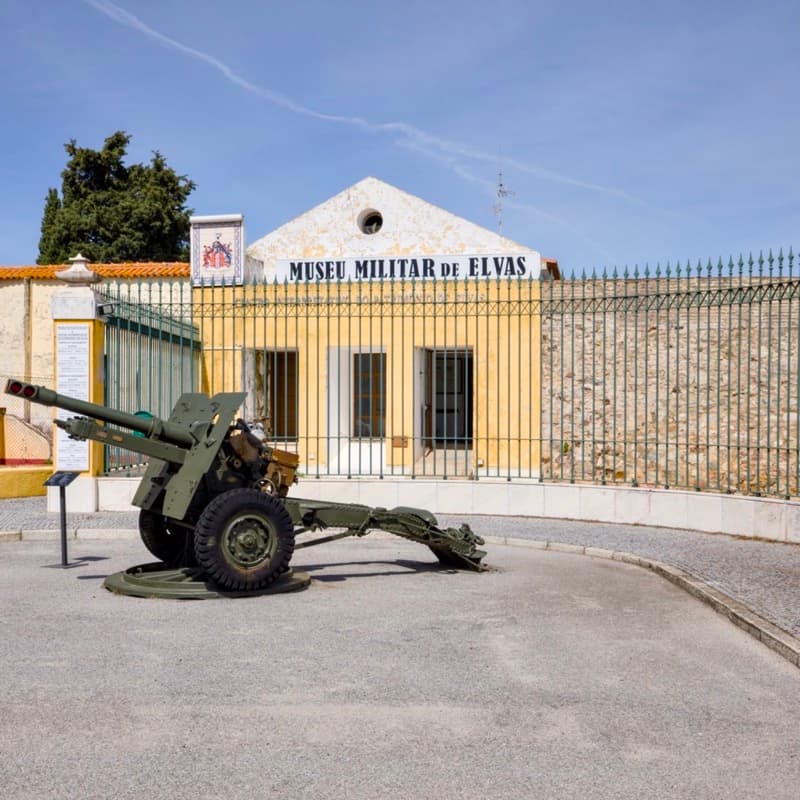
Museu Militar de Elvas4.6

Museu Militar de Elvas

Museum • Elvas, Portalegre

In Elvas, the Military Museum occupies the former premises of Infantry Regiment No. 8, in the Quartéis do Casarão and the São Domingos Barracks, a space made available by the Army restructuring completed in 2006. Its mission and staff structure were approved in 2007, the museological project in 2008, and the official inauguration took place on 29 October 2009. The building also preserves an earlier memory: it includes the Convent of São Domingos, the Fernandine Wall and part of the 17th-century wall, elements linked to the fortified system of Elvas, inscribed by UNESCO in 2012. The collections give form to the material history of the Portuguese Army, with sections dedicated to the Health Service, vehicles, horse-drawn equipment, harnesses, transmissions, heavy weapons and the Portuguese Colonial War. Since 2014, the museum has been part of the Portuguese Museum Network, strengthening its role as a place for preserving and studying military culture.

Showing 25-48 of 203

Discover by category

Get the app

Take LxDiscover with you

Explore Portugal with a cultural guide for monuments, museums, gardens, palaces, viewpoints, and historic places in Lisbon, Porto, Sintra, and other regions.

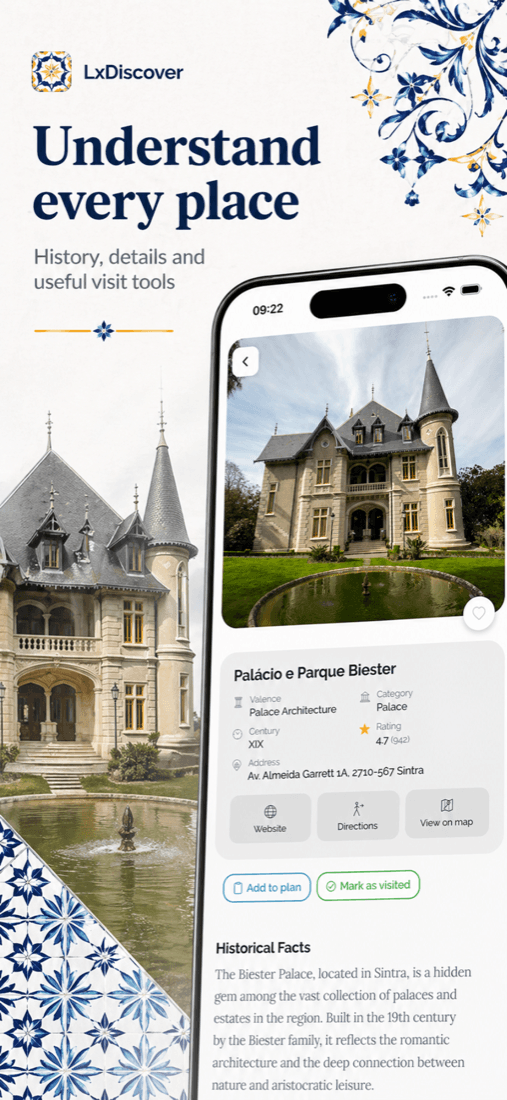
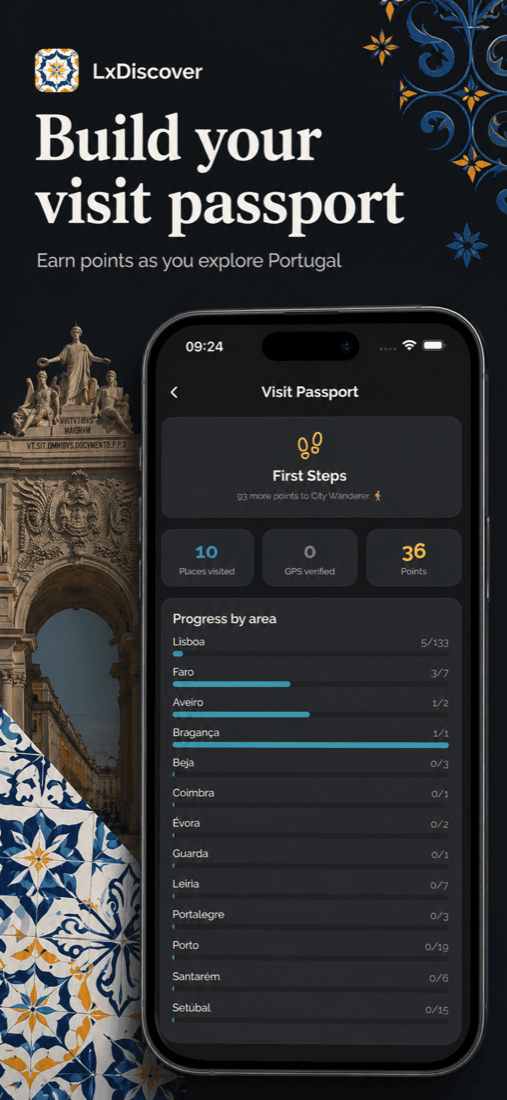
Use the map, follow cultural routes, read editorial context, save places, and track your visits with the visit passport.

Free features

  • Interactive map to discover places of interest
  • Detailed information about monuments, museums, and cultural sites
  • Favorites for the places you want to visit
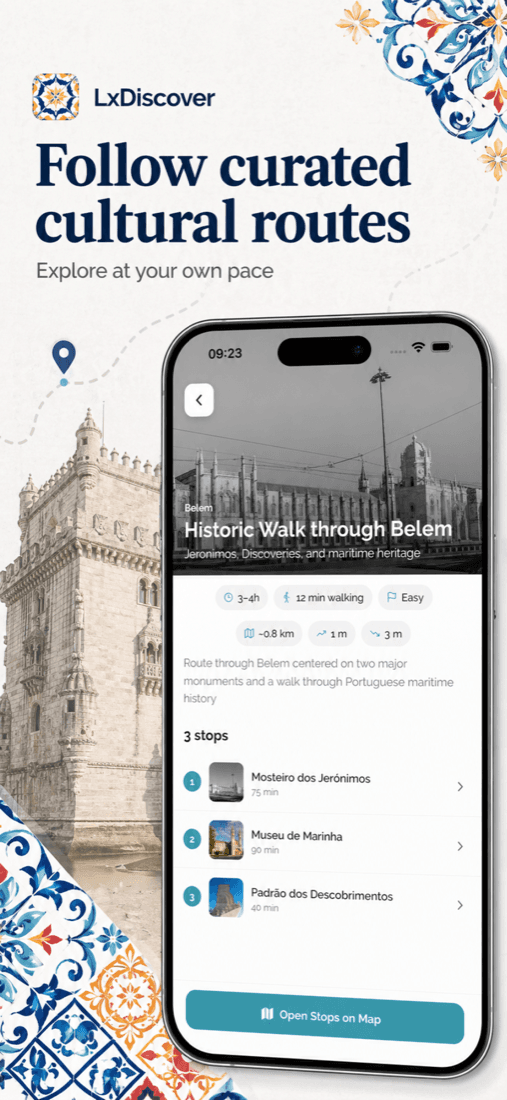
  • Selected routes to start exploring

Premium subscription

  • Curated routes with ordered stops, duration, and difficulty
  • Thematic collections with editorial context for each area
  • Visit passport for progress, visited places, and achievements
  • Advanced map, planning, and proximity alert tools
LxDiscover map screen
LxDiscover routes screen
LxDiscover visit passport screen