Places

Cultural places in Portugal

Browse LxDiscover places across monuments, museums, palaces, viewpoints, gardens, churches and historic sites. Use this hub to start planning, then open the app for map-based routes, saved places and short cultural audio guides.

98 places

Featured cultural places

Explore on the map
Museu Nacional de História Natural e da Ciência4.4

Museu Nacional de História Natural e da Ciência

Museum • Lisboa, Lisboa

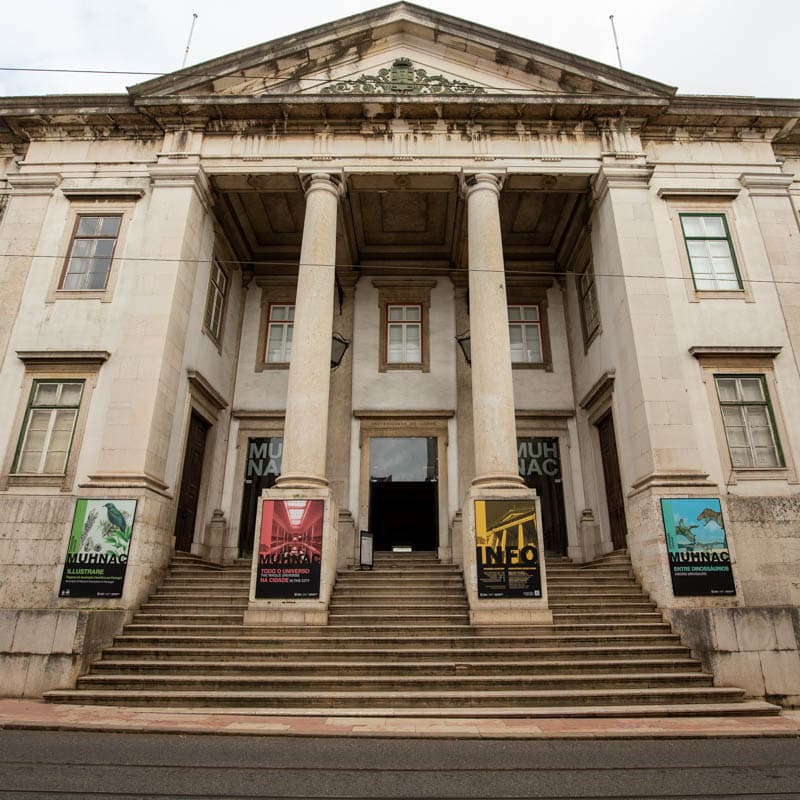
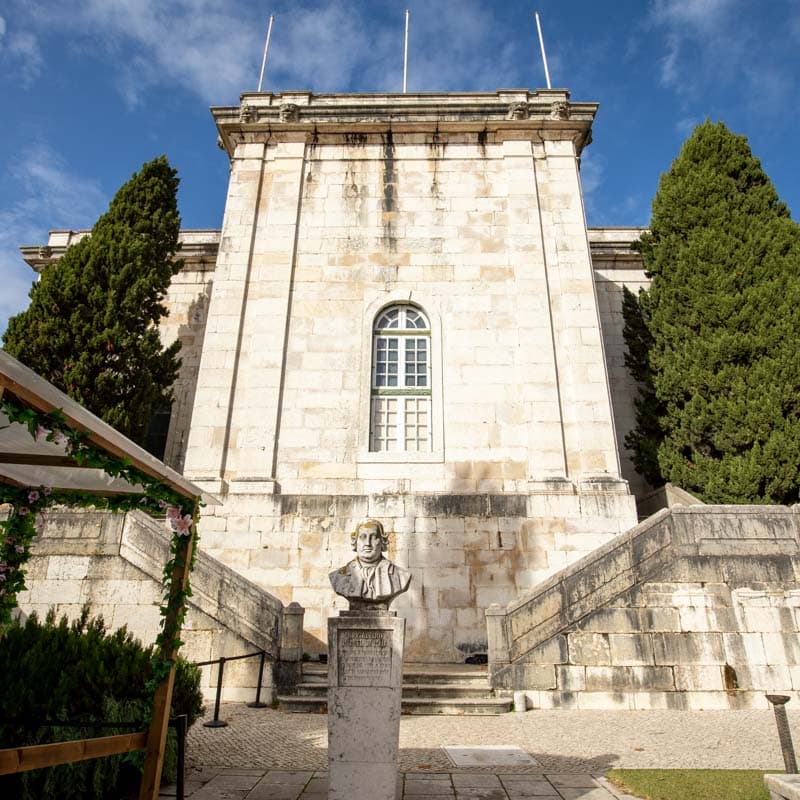
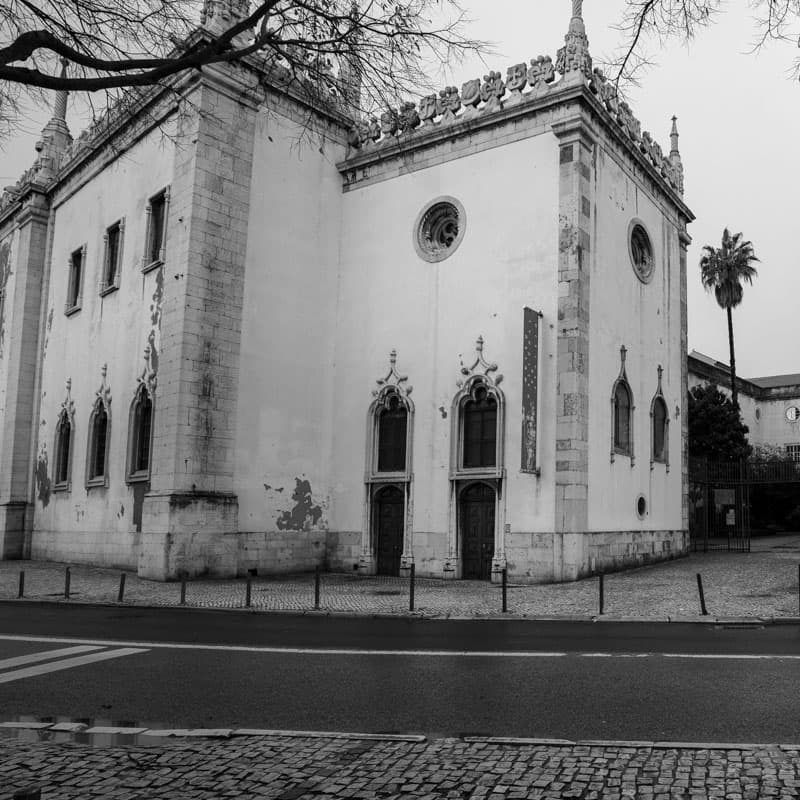
The National Museum of Natural History and Science is one of Lisbon’s most unexpected places: behind the solemn façade of the former Polytechnic School, the city opens itself to curiosity. Heir to the Royal Museum of Natural History and Botanical Garden created in the second half of the eighteenth century, the museum preserves more than 250 years of scientific activity and brings together collections with more than three million objects. Yet the visit never feels like stepping into a static archive. Between galleries, the Lisbon Botanical Garden, integrated into the complex, and the magnificent Laboratorio Chimico, you sense how knowledge was observed, classified and taught. It is worth lingering in that laboratory, a true historical and scientific jewel, where the scale of the space still makes you imagine lessons, experiments and wonder. Few museums show so clearly that science also has architecture, memory and imagination.
Reservatório da Mãe d'Água das Amoreiras4.6

Reservatório da Mãe d'Água das Amoreiras

Museum • Lisboa, Lisboa

The Mãe d’Água das Amoreiras Reservoir has the silent grandeur of a place built to protect what a city depends on. At the point where the Águas Livres Aqueduct enters Lisbon, it began to be designed by Carlos Mardel in the mid eighteenth century and was only completed in the following century, which helps explain the striking blend of sobriety and scale it still conveys today. Inside, the deep tank, the four sturdy pillars, the vaults and the water falling from the mouth of a dolphin create an unexpectedly solemn space, almost like a church devoted to engineering. It is also worth noticing the Casa do Registo, where the distribution of water to fountains, convents and noble houses was controlled. And on the terrace, Lisbon opens out with rare clarity. Few places show so well how urban history is also written through water.

Museu Nacional do Azulejo4.6

Museu Nacional do Azulejo

Museum • Lisboa, Lisboa

In the former Madre de Deus Convent, founded by Queen Leonor in 1509, the National Tile Museum shows how an apparently simple material became one of the most distinctive expressions of Portuguese culture. The route follows the history of the azulejo from the second half of the fifteenth century to the present day, helping visitors understand how this art decorated churches, palaces, houses and public spaces, while also preserving memory. Among the most striking spaces is the Church of Madre de Deus, where gilded woodcarving, painting and tiles create an interior of remarkable richness. There is also one work that holds the eye for a long time: the Grande Panorama de Lisboa, attributed to Gabriel del Barco, a monumental panel that shows the city before the 1755 earthquake. More than a museum visit, coming here feels like reading Lisbon and Portugal surface by surface, century by century.

Museu Nacional do Traje4.4

Museu Nacional do Traje

Museum • Lisboa, Lisboa

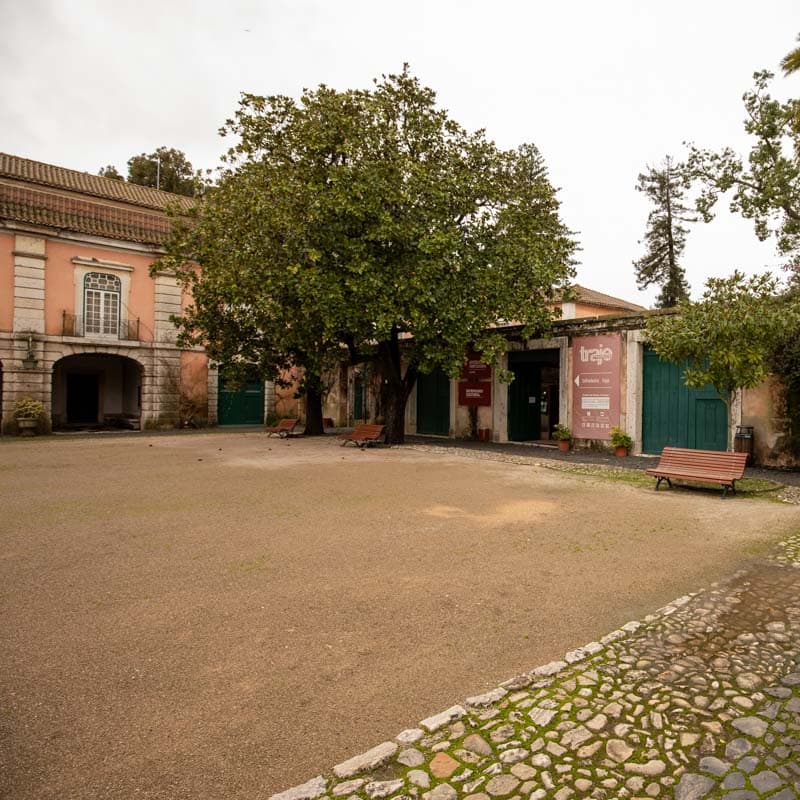
In the Angeja-Palmela Palace, a former leisure estate in Lumiar, the National Costume Museum shows how clothing can tell the story of a country. Opened in 1977, it brings together around forty thousand garments and accessories, from the eighteenth century to the present day, and follows above all the ways in which the aristocracy, the upper bourgeoisie and the middle classes dressed, represented themselves and changed over time. The original core came from the National Coach Museum and included pieces linked to the Royal Household, a detail that helps explain the richness of the collection. Yet the place does not end in the galleries: the museum extends into the Monteiro-Mor Botanical Park, created in the eighteenth century, with lakes, woodland, a kitchen garden and the first known araucaria in mainland Portugal. Here, costume stops being mere fashion and becomes a living reading of Portuguese society.

Museu Nacional do Teatro e da Dança4.3

Museu Nacional do Teatro e da Dança

Museum • Lisboa, Lisboa

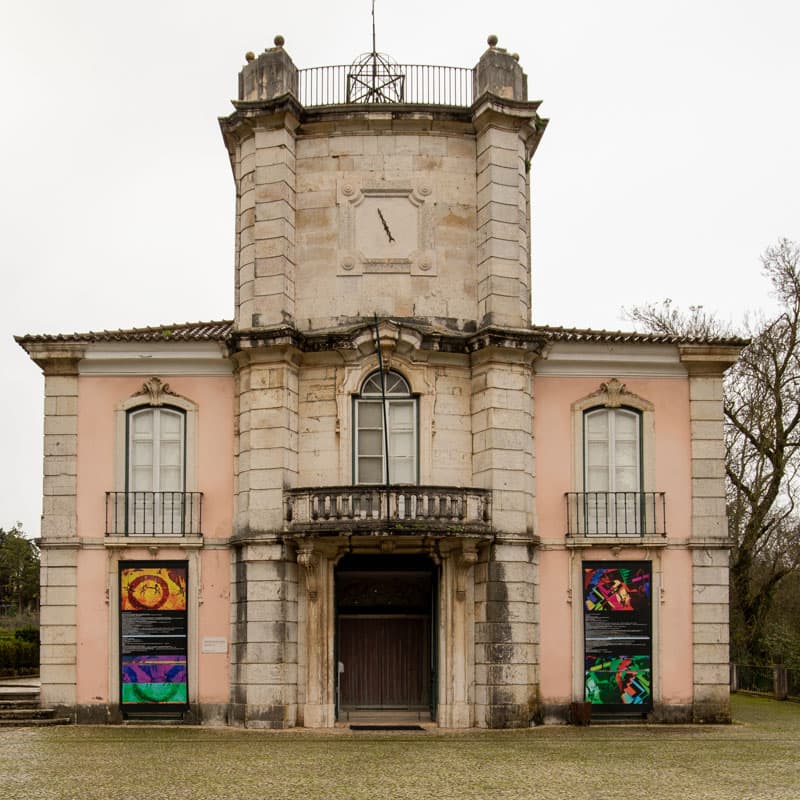
In Lumiar, the National Museum of Theatre and Dance keeps the living memory of the Portuguese stage. Housed in the eighteenth-century Monteiro-Mor complex, it brings together the country’s most extensive collection on the performing arts, with costumes, set models, props, posters, scores, photographs and archives that reveal centuries of creation, rehearsal and applause. The museum has the rare ability to show theatre not as distant art, but as work shaped by body, voice and imagination. Since the important donation made by José Sasportes in 2015, dance has gained an even more central place here, strengthening the museum’s very identity. During a visit, it is also worth noticing the atmosphere of old Monteiro-Mor: an eighteenth-century aristocratic setting linked to gardens with tropical species and exotic birds. Between memory, study and invention, this is a place that brings us closer to what happens before the curtain rises.
Fundação Calouste Gulbenkian4.8

Fundação Calouste Gulbenkian

Cultural Centre • Lisboa, Lisboa

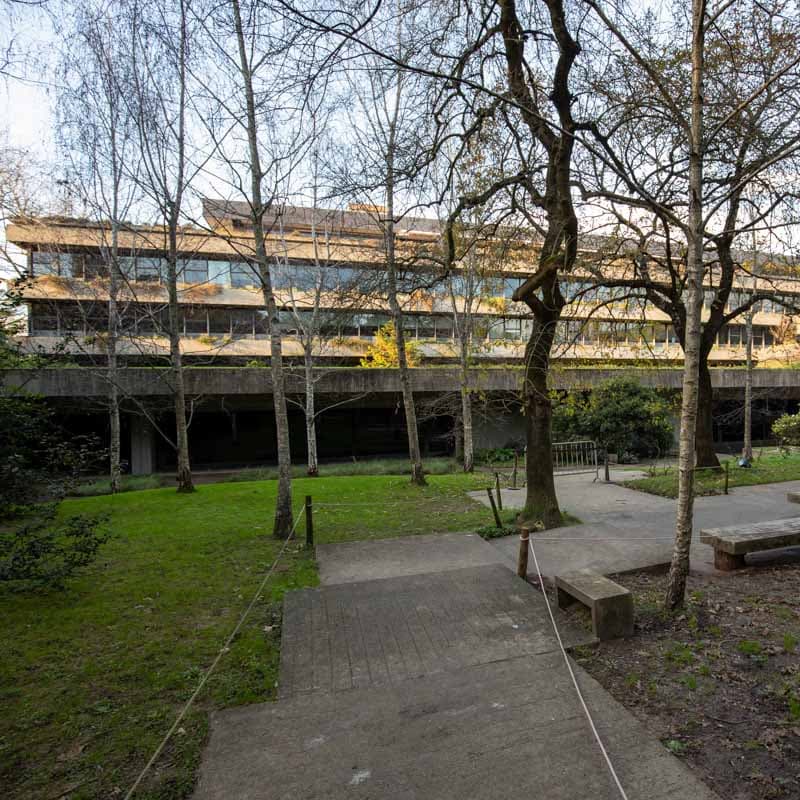
More than a museum or a foundation, Gulbenkian is a rare place where Lisbon seems to slow down. Created in 1956 through the will of Calouste Sarkis Gulbenkian, the collector and philanthropist of Armenian origin who chose Lisbon for the last years of his life, the institution brought together art, science, education and charity within a single cultural project. The complex of headquarters, museum and garden, inaugurated in 1969, is a landmark of Portuguese modernism: its restrained volumes of concrete and glass seem to rest upon the greenery, in constant dialogue with the garden designed by Gonçalo Ribeiro Telles and António Viana Barreto, one of the most emblematic modern gardens in Portugal. It is worth noticing that rare fusion of architecture, water, trees and silence. Not by chance, the complex received the Valmor Prize and was classified as a National Monument, becoming the first contemporary work to receive that protection in Portugal.

Casa Museu Dr. Anastácio Gonçalves4.4

Casa Museu Dr. Anastácio Gonçalves

Museum • Lisboa, Lisboa

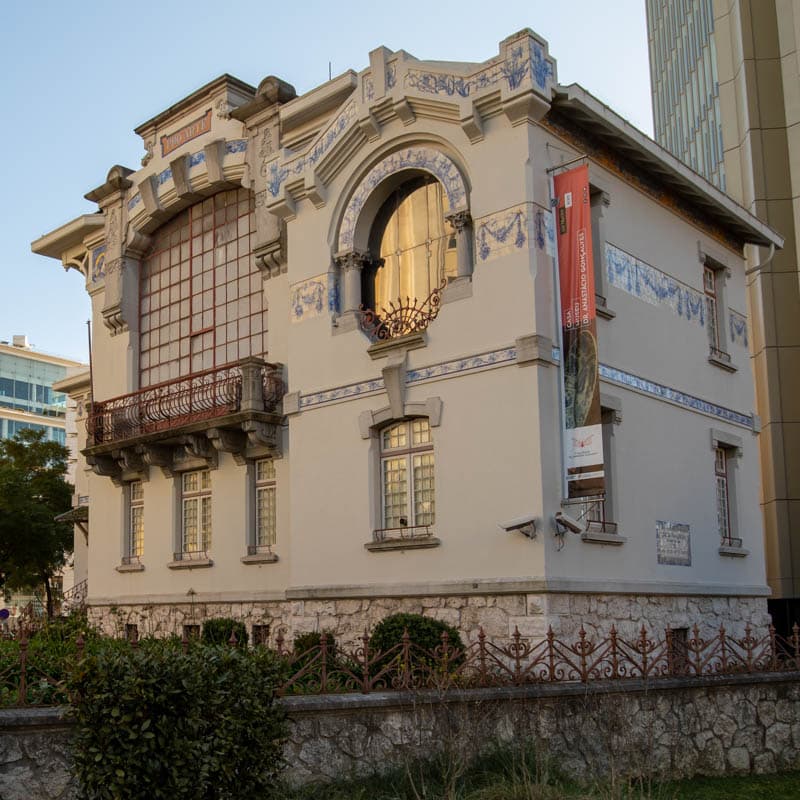
On Avenida Cinco de Outubro, the Dr Anastácio Gonçalves House-Museum has something rare about it: even before you step inside, it already feels like a work of art. Built in 1904 and 1905 as the home and studio of the painter José Malhoa, it was designed by Norte Júnior and became Lisbon’s first artist’s house, receiving the Valmor Prize as early as 1905. The façade, with the great window of the former studio, the tile friezes and the Art Nouveau details, reveals an architecture conceived for light, for creation and for the pleasure of looking. In 1932, the doctor and collector Anastácio Gonçalves bought the house and turned it into the setting for his remarkable collection, now numbering around three thousand works. During a visit, it is worth sensing that meeting between domestic intimacy and cultivated taste: Portuguese painting, Chinese porcelain, furniture and small objects live together here as though the house were still inhabited by art.

Museu Medeiros e Almeida4.7

Museu Medeiros e Almeida

Historic House • Lisboa, Lisboa

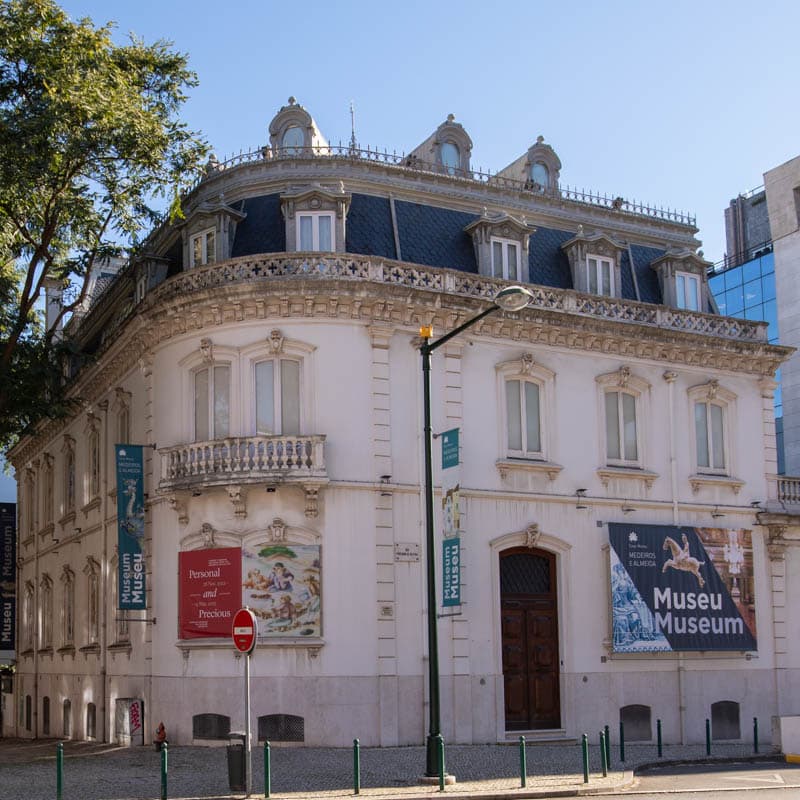
Hidden near Avenida da Liberdade, the Medeiros e Almeida Museum feels less like a museum than a house where taste still lives. António de Medeiros e Almeida began collecting in the 1930s and, to keep the whole ensemble together, created a foundation in 1972 and turned his own residence into a museum, which opened to the public in 2001. Today, the route runs through 27 rooms and around two thousand works, divided between the wing once lived in by the couple, preserved with domestic intimacy, and the extension built over the former garden, where grand decorative settings were recreated. The collection is deliberately eclectic, yet some groups stand out at once, such as the clocks, Chinese ceramics, silver and fans. It is also worth lingering in the Lake Room, conceived as an evocation of the lost garden: among tiles, marble and silence, one understands how this place turned a collector’s private passion into a rare experience of beauty and memory.

Estação Elevatória a Vapor dos Barbadinhos / Museu da Água4.3

Estação Elevatória a Vapor dos Barbadinhos / Museu da Água

Water Reservoir • Lisboa, Lisboa

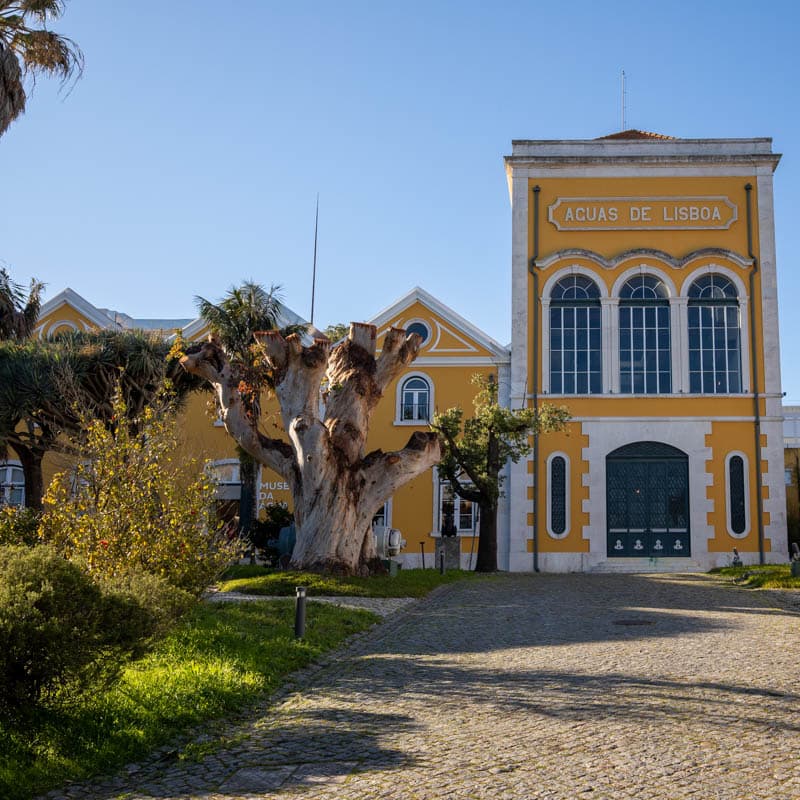
In Barbadinhos, the Water Museum occupies a place where engineering took on the scale of a monument. The former steam pumping station was inaugurated in 1880, beside the reservoir that received water from the Alviela aqueduct, and it was created to answer a very practical need: bringing more water to a growing Lisbon. For decades, it played a decisive role in the city’s supply system, lifting water to higher areas and allowing the domestic network to expand. Today, what makes the visit memorable is the striking Machine Hall, where four steam engines and their pumps are still preserved among iron structures, walkways and volumes that still convey the force of the industrial age. The building, classified as a Property of Public Interest ensemble, shows how a utilitarian infrastructure can become living heritage. Here, Lisbon is also told through water, coal and ingenuity.

Museu Militar de Lisboa4.6

Museu Militar de Lisboa

Museum • Lisboa, Lisboa

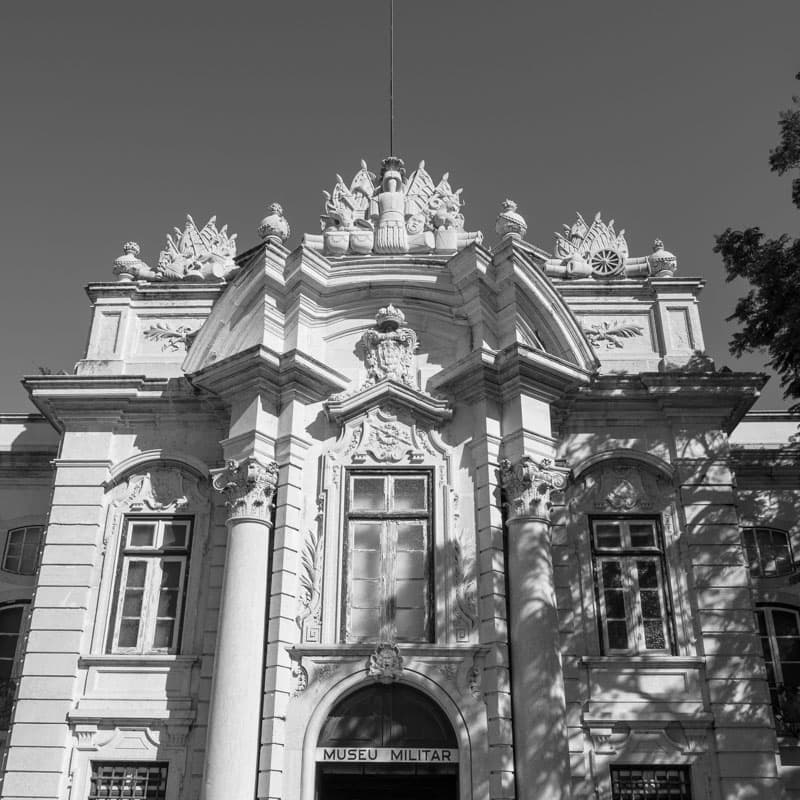
In Santa Apolónia, the Lisbon Military Museum is surprising because it is not only a museum of weapons: it is also a place where Portuguese military history meets art and the memory of the city. The institution began to take shape in 1842 and was created as the Artillery Museum in 1851, occupying a building linked to the former Royal Army Arsenal, rebuilt in the eighteenth century and later adapted for museum use. Its rooms, richly decorated with painting, carved wood and tilework, give the visit an unexpected solemnity, while collections of weapons, uniforms and military equipment live alongside painting and sculpture. Its collection of bronze artillery pieces is considered one of the most complete in the world. It is also worth lingering in the Plaster Room, where the mould of the statue of King José I in Praça do Comércio is kept. Here, war also appears as culture, image and representation.

Museu Arqueológico do Carmo4.5

Museu Arqueológico do Carmo

Convent • Lisboa, Lisboa

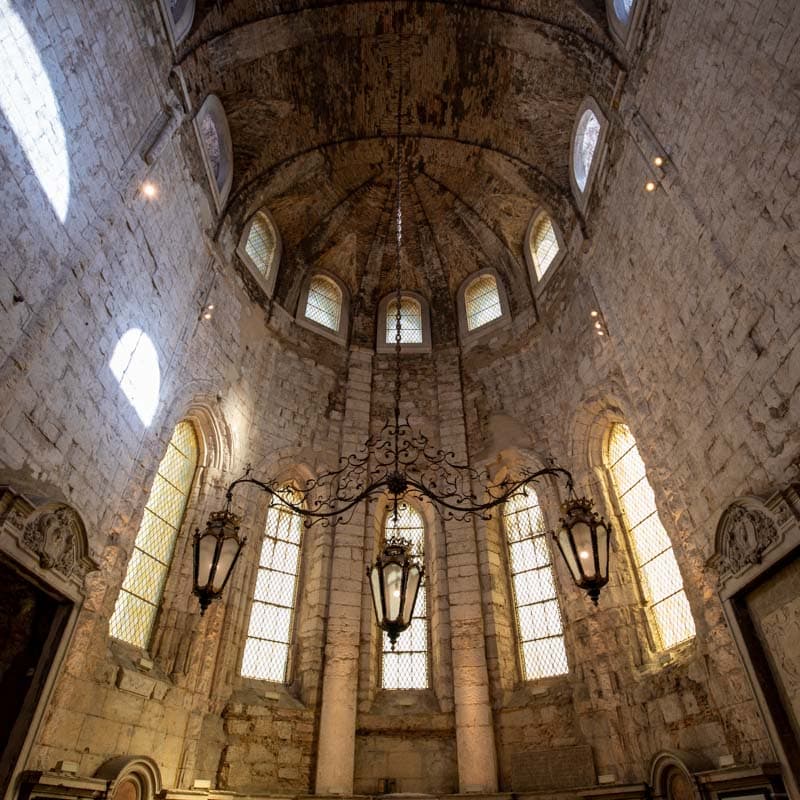
Few places in Lisbon bring together ruin and memory as eloquently as the Carmo Archaeological Museum. Housed in the former church of the convent founded by Nuno Álvares Pereira at the end of the fourteenth century, it preserves the great Gothic arches left open to the sky since the 1755 earthquake, making it one of the city’s most striking witnesses to the disaster. In 1864, Joaquim Possidónio Narciso da Silva created here the first museum of art and archaeology in Portugal, with the aim of saving endangered works and fragments of heritage. The result is a singular museum, where medieval tombs, Roman inscriptions, objects from the Castro de Vila Nova de São Pedro and pre-Columbian mummies coexist beneath the same wounded arches. Between the silence of the stone and the strangeness of the collection, Carmo seems to preserve more than objects: it preserves the very idea of Lisbon as a city shaped by loss, survival and reinvention.

Cinemateca Portuguesa - Museu do Cinema4.6

Cinemateca Portuguesa - Museu do Cinema

Theatre/Cinema • Lisboa, Lisboa

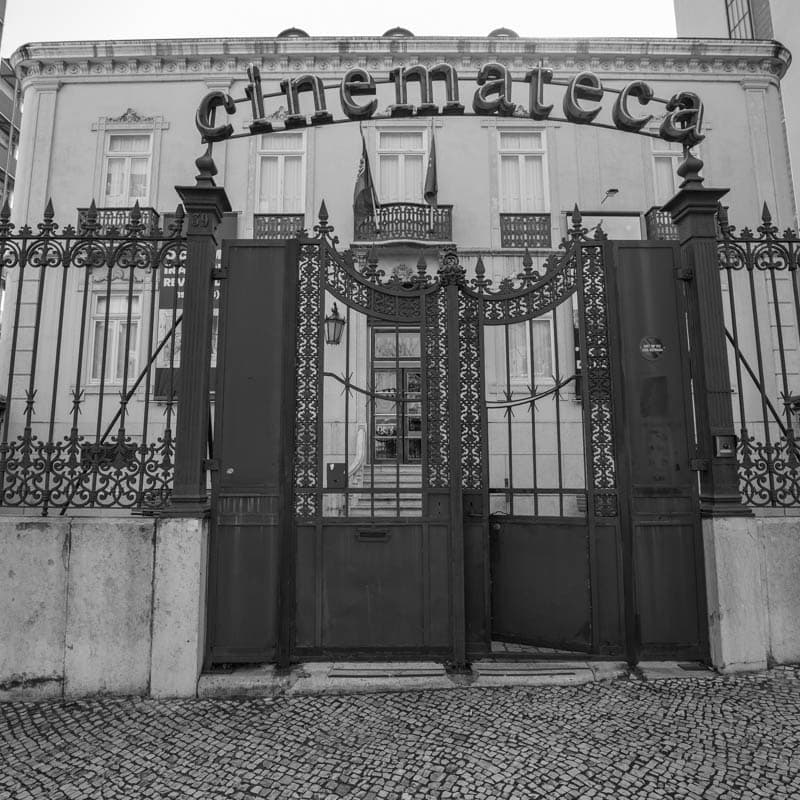
On Rua Barata Salgueiro, the Cinemateca Portuguesa - Museu do Cinema shows that cinema also has a home, a memory and a material presence. The institution was born in the late nineteen-forties and gained its identity through the drive of Manuel Félix Ribeiro; in the early nineteen-eighties it moved into an 1887 townhouse that still preserves stucco work, mythological frescoes and rooms with unexpected names, such as the Cupids and the Oaks. The major refurbishment completed in 2003 added two underground screening rooms and new museum spaces without erasing the building’s domestic character. That contrast helps define the place: it is not only an archive, nor only a cinema. In its collections are magic lanterns, cameras, projectors and other devices that trace the history of moving images, from pre-cinema to the twentieth century. Among objects, books and screenings, it becomes clear that films do not live only on the screen: they also live in the mechanisms that made them possible and in the patient work of preserving them for the future.

Museu de Arte Popular4.2

Museu de Arte Popular

Museum • Lisboa, Lisboa

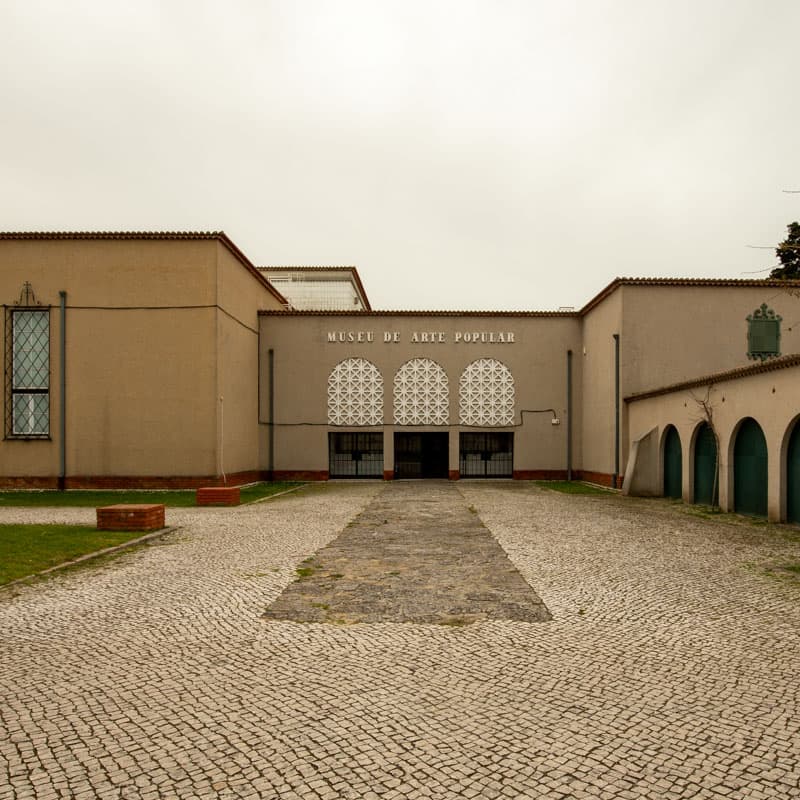
On the edge of the Tagus, the Popular Art Museum preserves one of the clearest images of how Portugal chose to represent itself in the twentieth century. The building grew out of the pavilions of the Popular Life Section of the 1940 Portuguese World Exhibition and opened as a museum in 1948, reshaped by Jorge Segurado from a programme defined by Francisco Martins Lage and Tomás de Mello. What makes it singular is not only its collection of ceramics, textiles, musical instruments and agricultural tools: it is also the mural compositions and the dialogue between modernism and tradition, designed to give form to a rural, colourful and idealised country. To step inside is therefore to encounter both an ethnographic collection and a historical document about the aesthetics and political vision of the Estado Novo. Beside the Espelho de Água and the Monument to the Discoveries, the building still suggests that popular memory can also be staged.

Museu Nacional de Etnologia4.2

Museu Nacional de Etnologia

Museum • Lisboa, Lisboa

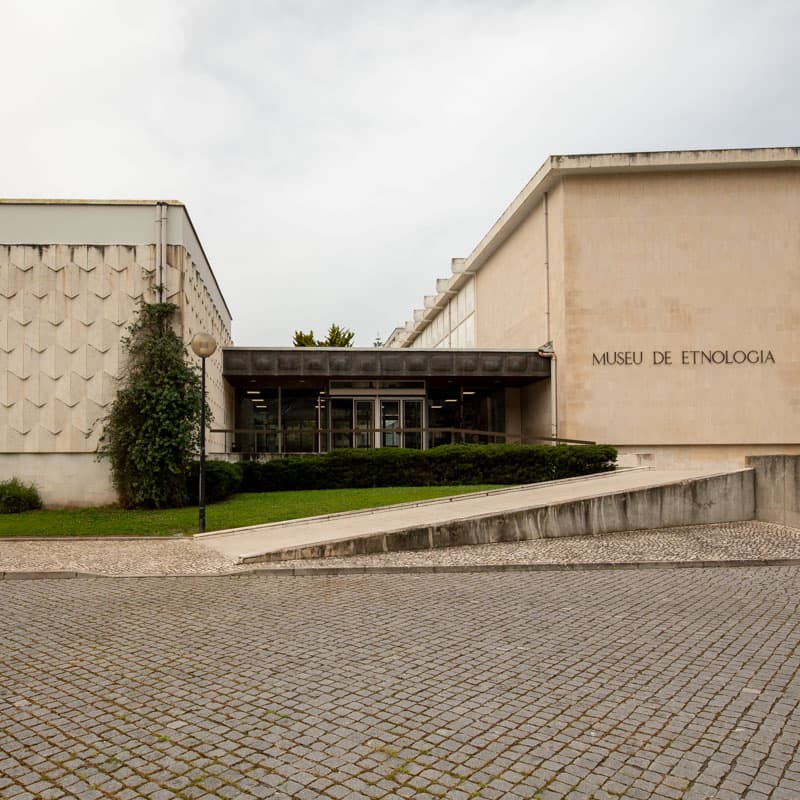
In Lisbon, the National Museum of Ethnology shows how a museum can preserve objects and, at the same time, the very history of Portuguese anthropology. Created in 1965 under the impetus of Jorge Dias and a decisive generation of researchers, it was born with an unusual ambition: to represent the cultures of the world without limiting itself to Portugal or to the former overseas territories. The current building, inaugurated in 1976, houses collections gathered through fieldwork and accompanied by photographic, film and sound archives that give them context and depth. More than a parade of rarities, the visit gains strength in the visible storage galleries and the small permanent displays, where rural tools, popular instruments, masks, puppets and dolls reveal very different ways of living, celebrating and imagining. Between the Rural Life Gallery, Amazonia and pieces from Indonesia, it becomes clear that this museum does not look at cultures as distant curiosities: it brings gestures, knowledge and memories closer together, and makes that closeness its true strength.

MAAT: Museu de Arte, Arquitetura e Tecnologia4.3

MAAT: Museu de Arte, Arquitetura e Tecnologia

Museum • Lisboa, Lisboa

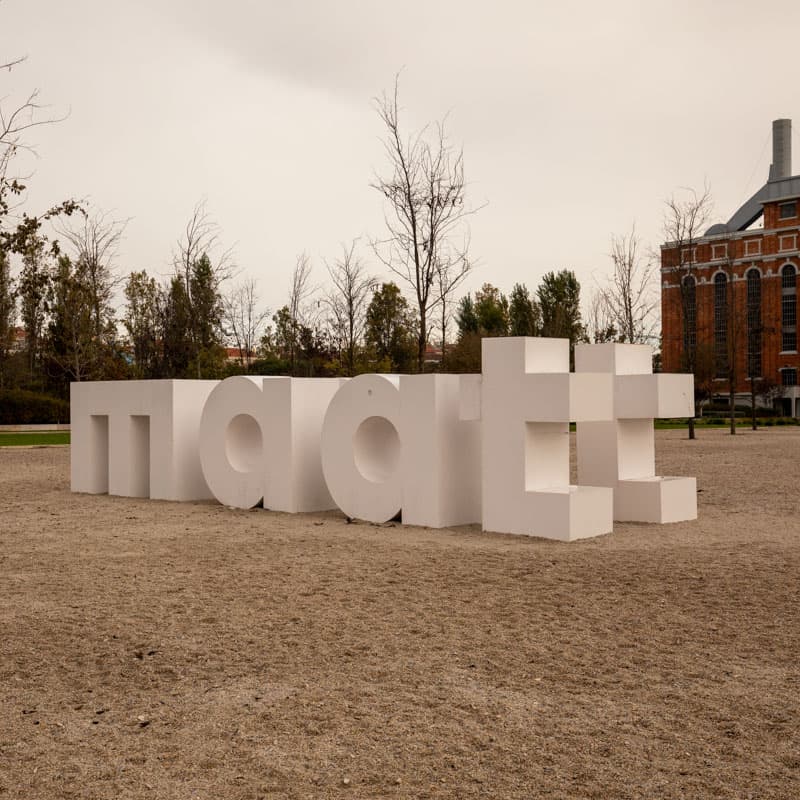
On the banks of the Tagus, in Belém, MAAT shows how the idea of the future can rise from the city’s industrial memory. Opened in 2016, the museum brings together the former Tejo Power Station, a thermoelectric plant built in 1908 that supplied Lisbon with electricity for decades, and MAAT Gallery, designed by Amanda Levete to open the building to the river and to the movement of pedestrians. Between the preserved machinery of The Electricity Factory and the temporary exhibitions of art, architecture and technology, the visitor encounters two very different modernities: that of the energy that powered urban expansion, and that of today’s questions about how we live, build and imagine the future. The accessible roof, conceived as an extension of public space, strengthens this rare idea of a museum that is crossed through as much as it is visited. Along the same route, the brick of the power station and the low profile of the gallery seem to speak to one another about light, labour and transformation.

Quake4.7

Quake

Museum • Lisboa, Lisboa

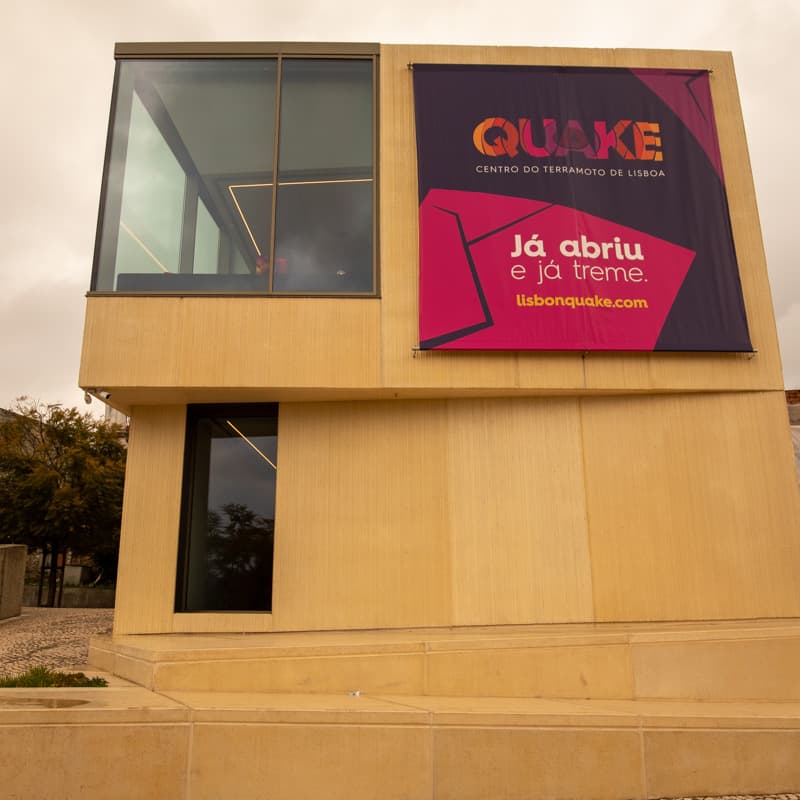
In Belém, Quake turns the most traumatic day in Lisbon’s history into an experience that brings together memory, science and imagination. Dedicated to the earthquake of 1755, it follows the chain of events that destroyed much of the city - the tremor, the tsunami and the fires - and shows how, from that ruin, a new Lisbon emerged, with the Pombaline rebuilding and the systematic use of anti-seismic solutions. Rather than simply displaying objects, the visit uses immersive rooms, simulators, video and interactive devices to convey the human and urban scale of the catastrophe. But Quake does not look only to the past. Its mission is also to explain seismic phenomena and to remind visitors that Portugal remains in an active zone, where preparation can make a difference. Between the lost city of the eighteenth century and the questions of the present, this is a place where the past appears not as a distant ruin, but as warning, knowledge and transformation.

Museu da Farmácia4.5

Museu da Farmácia

Museum • Lisboa, Lisboa

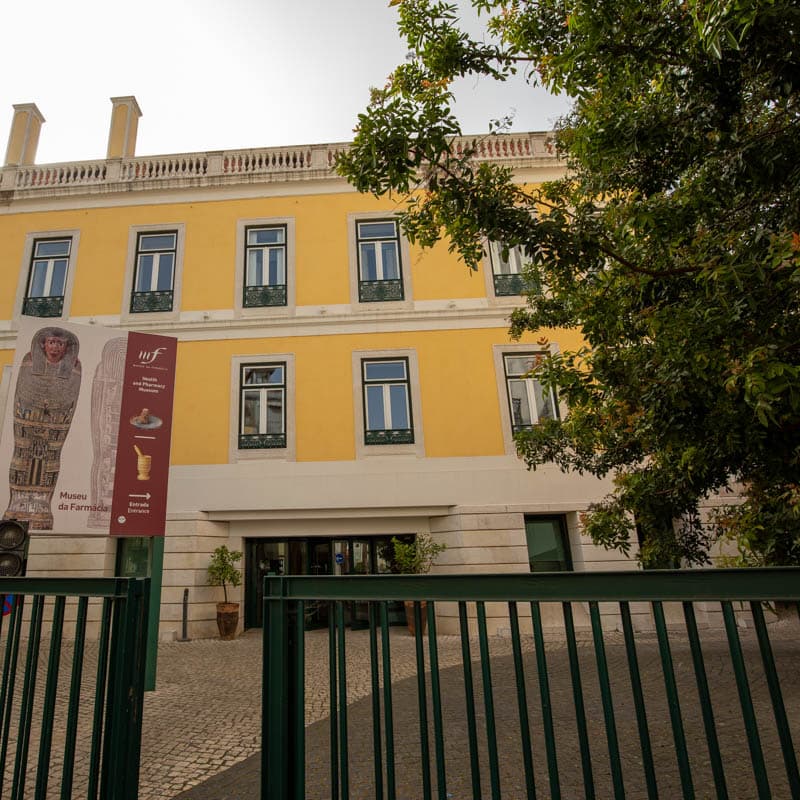
In the Palacete de Santa Catarina, the Pharmacy Museum tells the story of healthcare as a long human adventure. Opened in Lisbon in 1996 on the initiative of the Portuguese Pharmacies, it grew out of a collecting campaign launched in 1981 to save the objects, memories and techniques of a discreet yet essential profession. The visit is distinctive because it blends science, display and history: from the eighteenth-century apothecary to the Liberal Pharmacy of the early twentieth century, from a traditional pharmacy from Macao to the area devoted to military pharmacy, each reconstruction shows how ways of preparing, storing and trusting remedies have changed. Among pieces from very distant civilisations and objects linked to the Endeavour space shuttle and the Mir station, it becomes clear that the museum is not only about jars and formulas; it is about how each age tried to overcome pain, fear and disease.

Sport Lisboa e Benfica4.6

Sport Lisboa e Benfica

Stadium • Lisboa, Lisboa

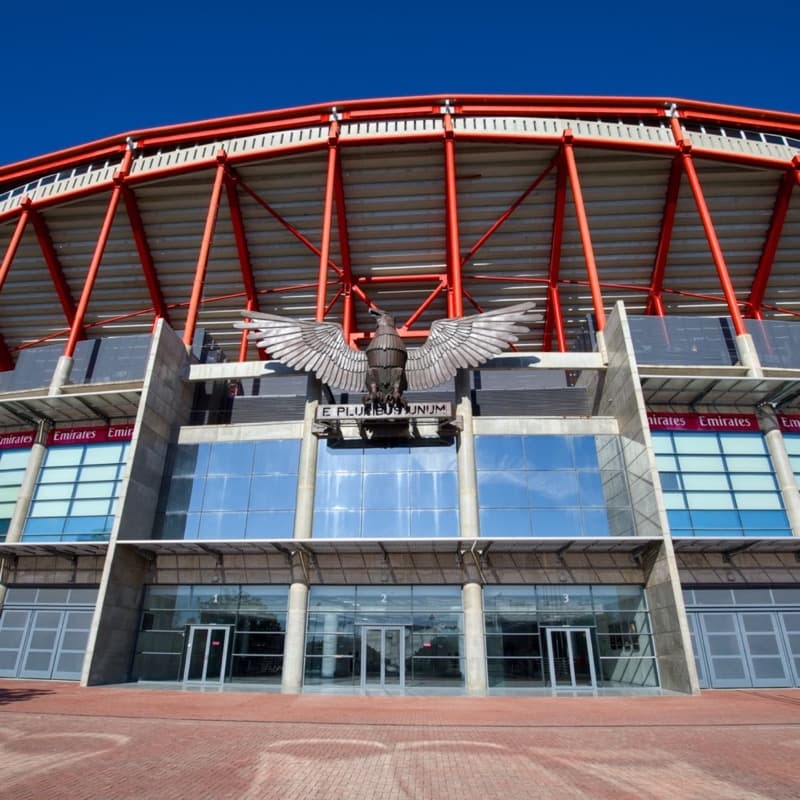
At Luz, the world of Sport Lisboa e Benfica shows how a club founded in 1904 grew beyond the pitch and became a place of memory in Lisbon. The current stadium, opened in 2003 beside the former ground of 1954, was built for Euro 2004 and quickly gained international weight: it hosted the final of that tournament and later staged the Champions League finals of 2014 and 2020. Its arched roof, designed to let light enter, helps explain why the space is experienced almost like a civic cathedral. Next door, the Benfica Museum Cosme Damião extends that story through trophies, documents and objects that tell more than a century of sporting history. Between the stands, the tunnel and the memory held here, it becomes clear that this is not only the home of a club: it is a place where collective passion, architecture and a sense of belonging have taken lasting form.

Sporting Clube de Portugal4.7

Sporting Clube de Portugal

Stadium • Lisboa, Lisboa

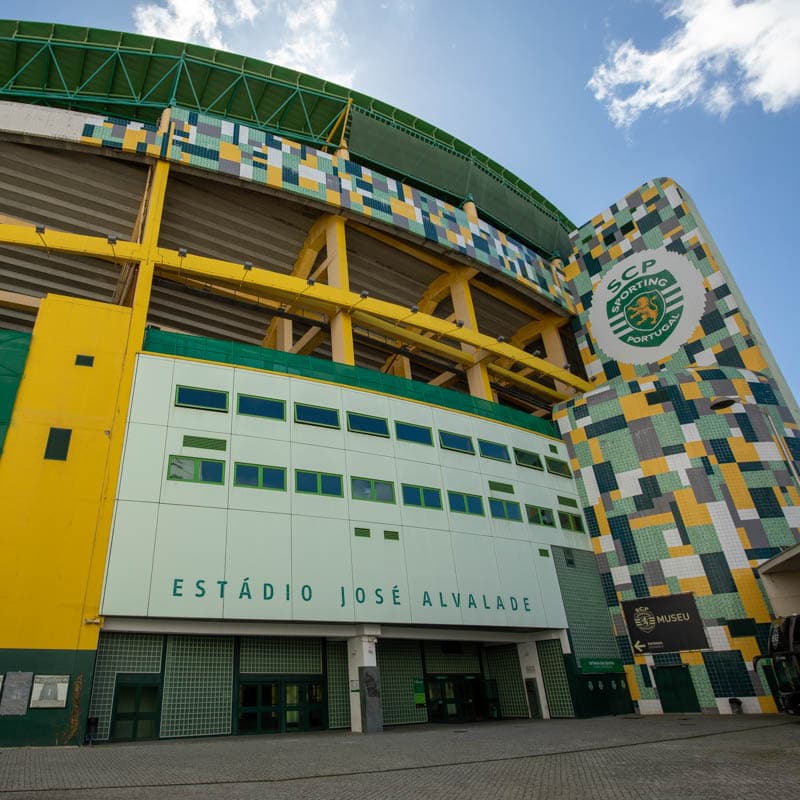
In Alvalade, the stadium of Sporting Clube de Portugal shows how football architecture can become part of a city’s memory. Opened in August 2003, next to the club’s former ground, it was created to give Sporting a home equal to its ambition, and it quickly gained international prominence by hosting five matches of Euro 2004 and, the following year, the UEFA Cup final. Yet what leaves the strongest impression is not only the calendar of major fixtures. It is the way the stands, the pitch and the inner corridors preserve the identity of a club founded in 1906 and deeply linked to the idea of sporting eclecticism. Between the dominant green, the closeness of the crowd and the memory of decisive nights, the stadium appears not only as a stage for competition: it stands as a place where belonging, emotion and collective history continue to find a very physical expression.

Lisboa Story Centre4.3

Lisboa Story Centre

Museum • Lisboa, Lisboa

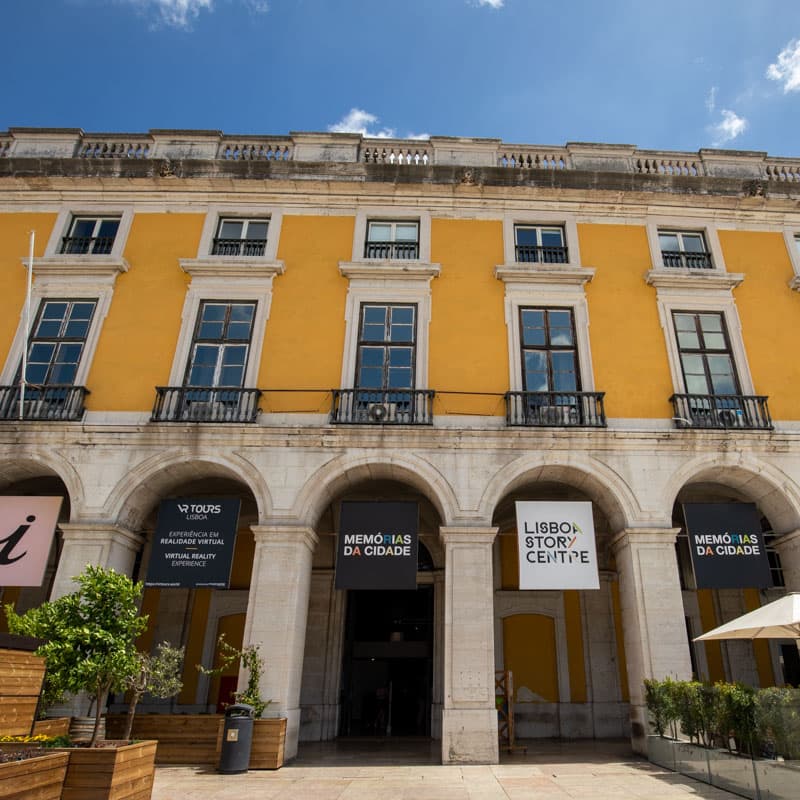
In Terreiro do Paço, Lisboa Story Centre tells the story of the city without display cases or excessive solemnity: here, Lisbon appears as a living narrative. The visit, organised into six areas and seventeen chapters, follows the city from its founding myths and early peoples to global Lisbon, the earthquake of 1755 and the Pombaline rebuilding, all guided through audio and scenic, visual and sensory devices. Its most striking moment is usually the immersive experience devoted to the earthquake, which gives visitors a sense of the shock’s violence and the scale of the destruction. But the centre is not confined to catastrophe. Ending beside Praça do Comércio, it recalls that this square was a stage for power, trade and public life, and that the city itself was shaped by successive layers of destruction, reinvention and memory. More than displaying objects, Lisboa Story Centre stages the biography of Lisbon.

Museu de Lisboa Palácio Pimenta4.6

Museu de Lisboa Palácio Pimenta

Museum • Lisboa, Lisboa

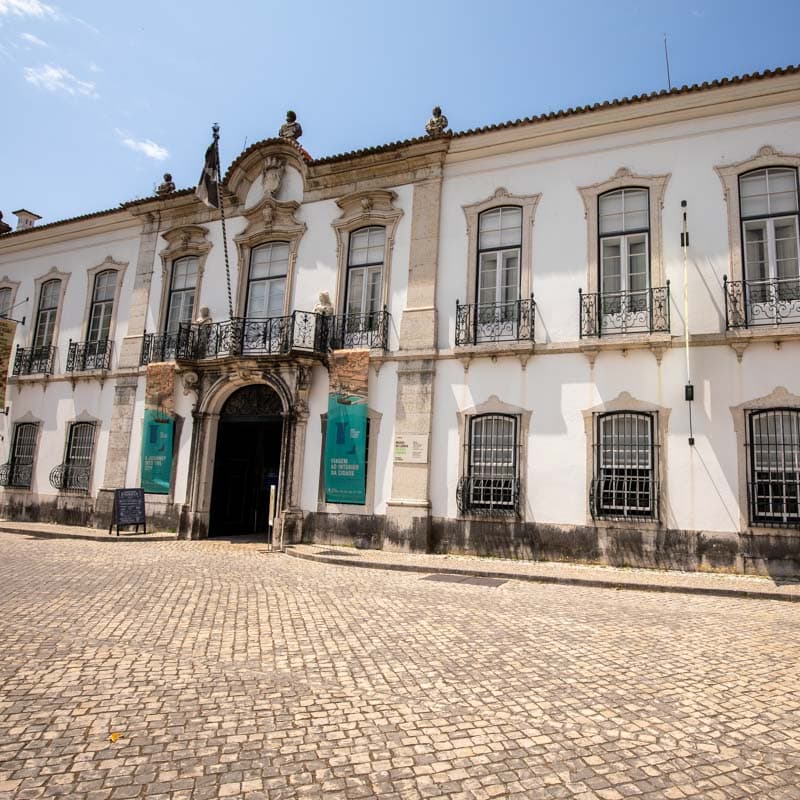
In Campo Grande, Palácio Pimenta reveals Lisbon from within a place that is itself already part of the city’s history. Built between 1744 and 1748 as an eighteenth-century summer residence, probably on the initiative of King João V, it still preserves the memory of the old estate and of the aristocratic taste for gardens and retreat beyond the centre. Since the building was adapted into a museum in the 1970s, it has become the headquarters of the Museum of Lisbon, with a journey that follows the city from prehistory and Roman times to Baroque, Pombaline and contemporary Lisbon. Among archaeology, painting, cartography, tiles and the great model of Lisbon before the 1755 earthquake, visitors sense that the city cannot be told through a single monument, but through successive layers of life, destruction and reinvention. Outside, the gardens extend that reading with an unexpected calm.

Museu Igreja de São Roque4.5

Museu Igreja de São Roque

Church • Lisboa, Lisboa

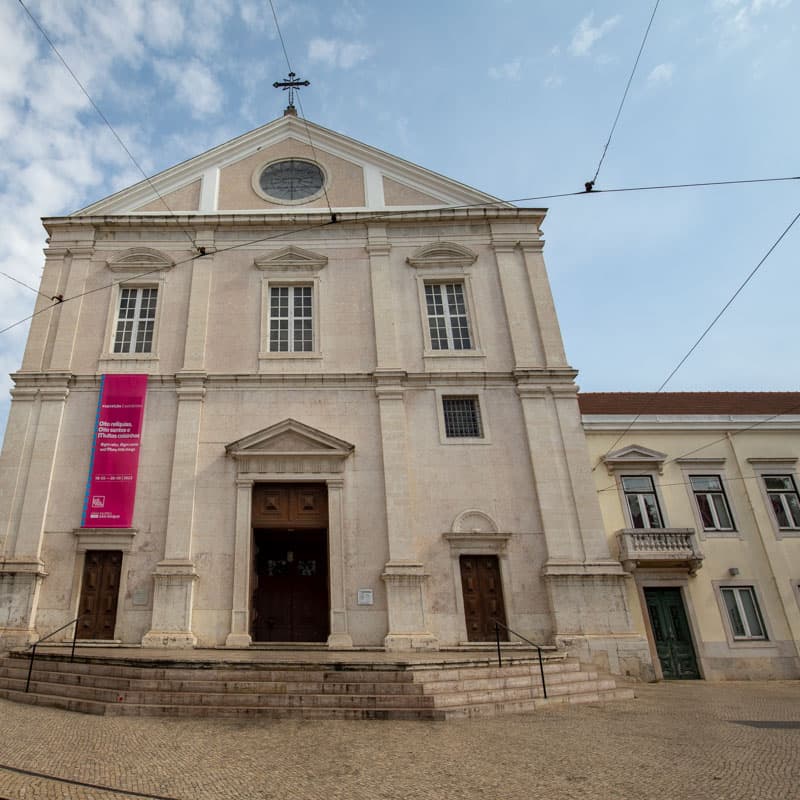
In Bairro Alto, the Church and Museum of São Roque show how a sober façade can conceal one of Lisbon’s greatest artistic surprises. Linked to the former Jesuit professed house, the church was the first Jesuit church in Portugal and one of the rare buildings in the city to survive the 1755 earthquake almost intact. Its single nave, designed for preaching, opens onto richly decorated side chapels filled with Mannerist tiles, painting and gilded woodwork. The most famous is the Chapel of St John the Baptist, commissioned by King João V in Rome, blessed by Pope Benedict XIV and brought to Lisbon in three ships, in an episode that gives the site an unexpectedly European scale. Next door, the São Roque Museum, founded in 1905, extends the visit with sacred art, objects from Asia and the treasure connected to the chapel, showing how faith, power and global circulation also shaped this Lisbon hill.

Museu do Tesouro Real4.5

Museu do Tesouro Real

Museum • Lisboa, Lisboa

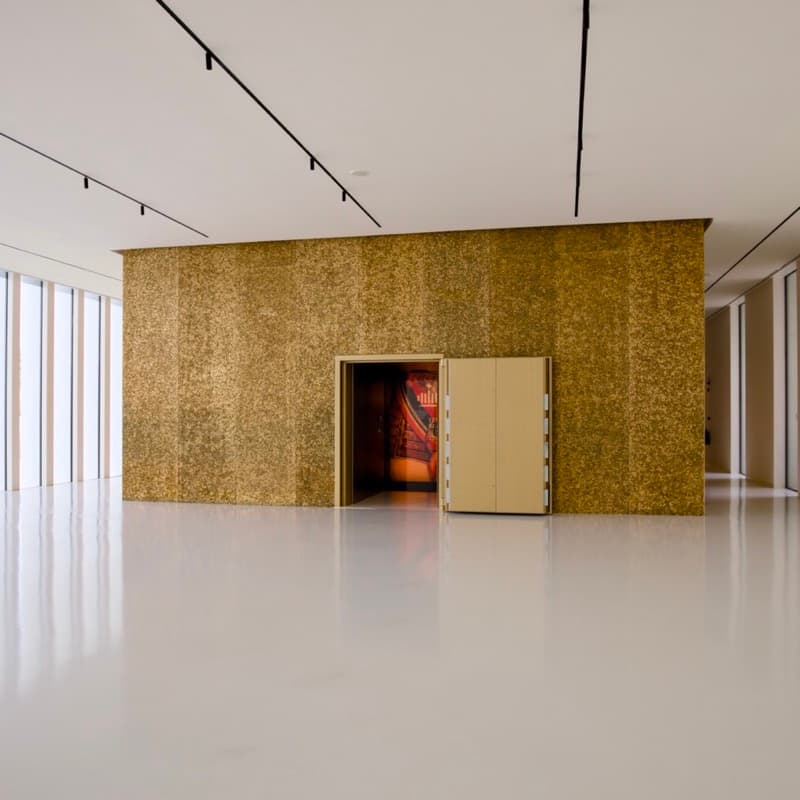
In the west wing of the National Palace of Ajuda, in Lisbon, the Royal Treasure Museum preserves an essential part of the material memory of the former Portuguese Royal House. Opened on 1 June 2022, it presents more than one thousand pieces, including Crown jewels, insignia, decorations, coins and works of civil and religious goldsmithery. The permanent exhibition is organised into eleven sections, arranged over three floors of a large vault, following themes such as the gold and diamonds of Brazil, Crown coins and medals, honorary orders, the Royal Chapel, the Royal Table and the journeys of the Treasure. The jewellery section recalls that the “Crown Jewels” were created in 1827, after the division of King João VI’s estate, and used by successive sovereigns until 1910. In the former palace of Portugal’s last kings, the brilliance of the pieces reveals power, ceremony and private life.

Museu Geológico4.5

Museu Geológico

Museum • Lisboa, Lisboa

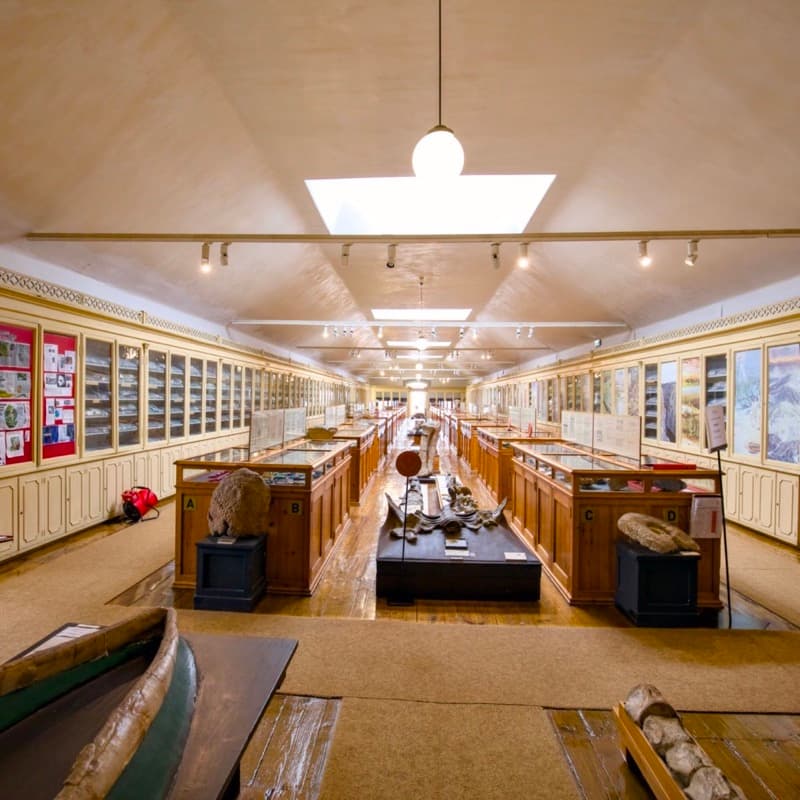
In the Convent of Nossa Senhora de Jesus, in Lisbon, the Geological Museum preserves a chapter of Portuguese scientific history. Its origins date back to 1859, when the Geological Commission of the Kingdom settled in this building and gathered specimens collected during the country’s geological work. Fossils, rocks, minerals and archaeological objects formed collections that remain connected to research, inherited from the Geological Commissions, the Geological Services of Portugal, the Geological and Mining Institute and today’s LNEG. Among the names associated with this early impulse are Carlos Ribeiro, Nery Delgado, Pereira da Costa and Paul Choffat. This is identified as the place where Portuguese Geology and Archaeology were born. The museum’s interest lies not only in its pieces: the arrangement of the collections, the display furniture and the interior architecture preserve the museological language of the 19th century. Part of the Portuguese Museum Network and classified in 2010 as a Property of Public Interest, it is also a rare testimony to the scientific museography of that time.

Showing 49-72 of 98

Discover by category

Take the LxDiscover App with you

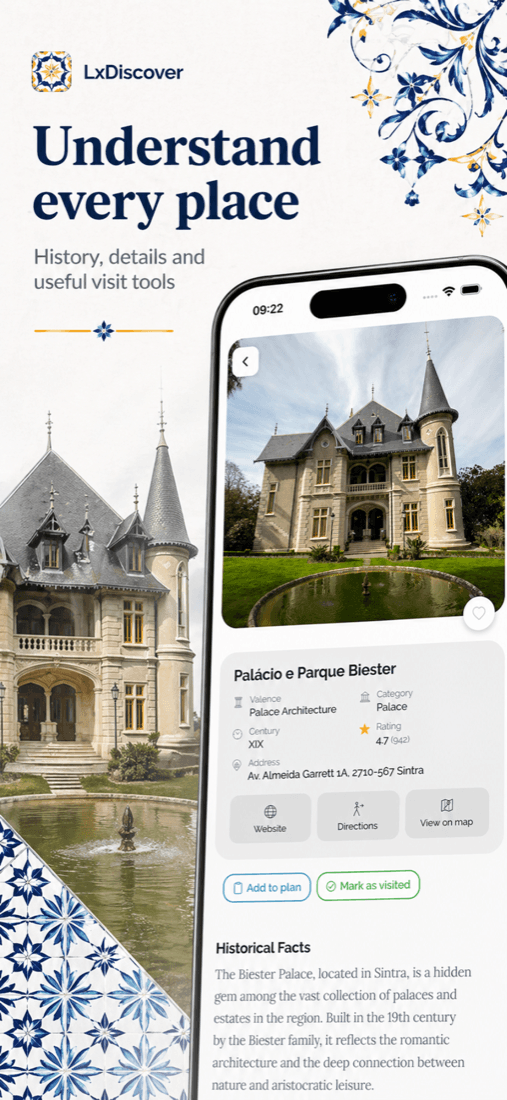
Explore Portugal with a cultural guide for monuments, museums, gardens, palaces, viewpoints, and historic places in Lisbon, Porto, Sintra, and other regions.

Use the map, follow cultural routes, read editorial context, save places, and track your visits with the visit passport.

Free features

  • Interactive map to discover places of interest
  • Detailed information about monuments, museums, and cultural sites
  • Favorites for the places you want to visit
  • Selected routes to start exploring

Premium subscription

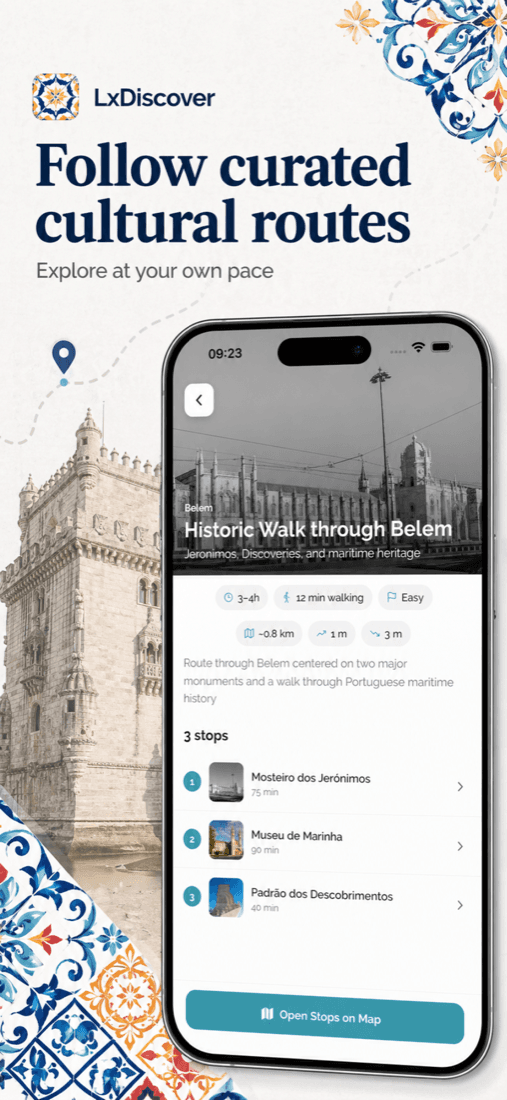
  • Curated routes with ordered stops, duration, and difficulty
  • Thematic collections with editorial context for each area
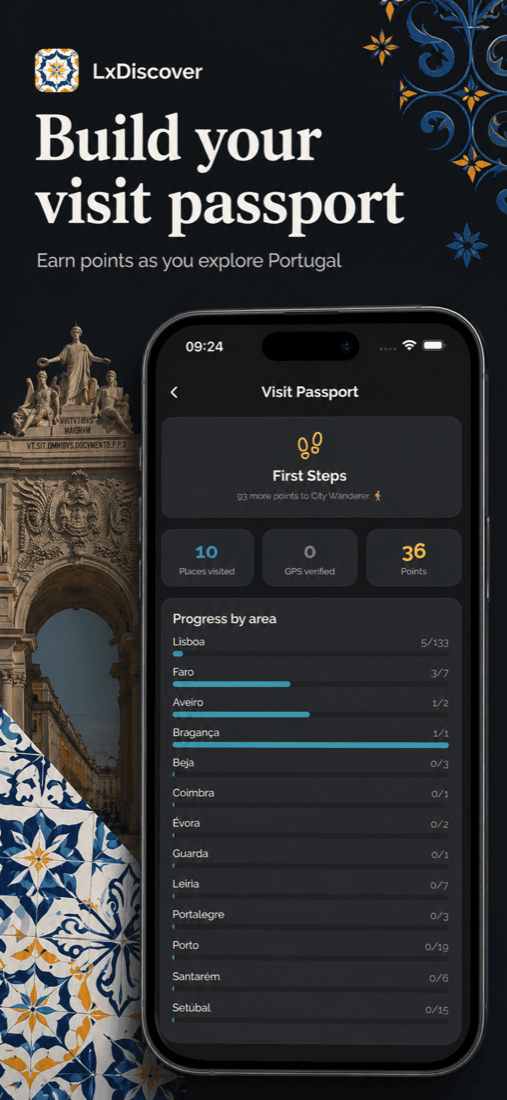
  • Visit passport for progress, visited places, and achievements
  • Advanced map, planning, and proximity alert tools
LxDiscover map screen
LxDiscover routes screen
LxDiscover visit passport screen