Places

Cultural places in Portugal

Browse LxDiscover places across monuments, museums, palaces, viewpoints, gardens, churches and historic sites. Use this hub to start planning, then open the app for map-based routes, saved places and short cultural audio guides.

203 places

Featured cultural places

Explore on the map
Palácio e Parque Biester4.7

Palácio e Parque Biester

Palace • Sintra, Lisboa

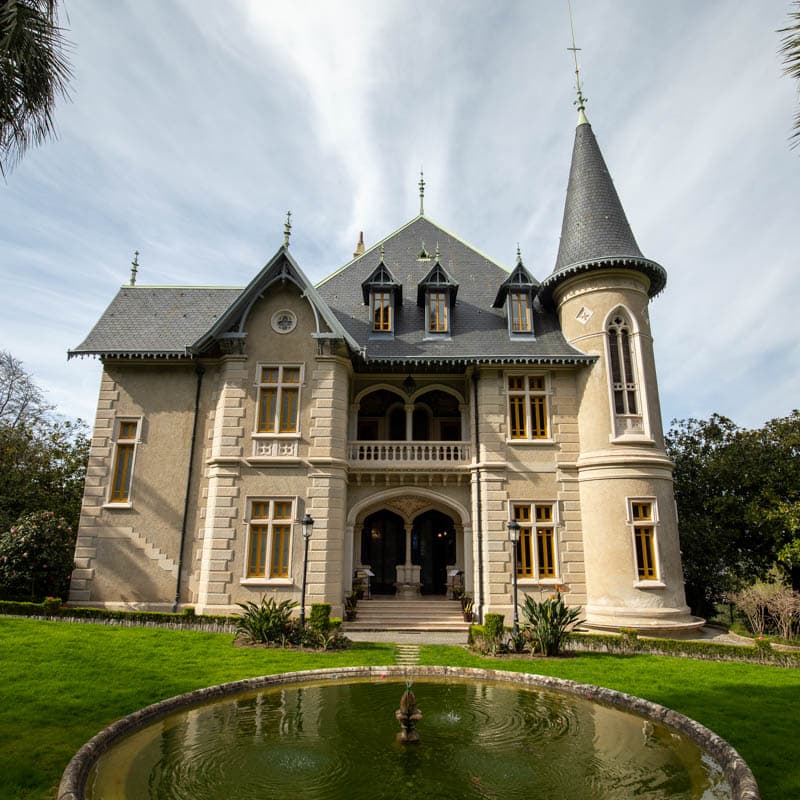
In Sintra, Palácio e Parque Biester show how late Romanticism could be both theatrical and intimate at the same time. Built in the last decade of the nineteenth century for the Biester family, the palace was designed by José Luiz Monteiro and enriched by Luigi Manini and Leandro Braga, in a dialogue of decorative painting, carved wood and revivalist forms that gives it an almost theatrical air. After a long private life, it opened to the public in 2022, finally allowing visitors to move through rooms shaped for domestic life yet filled with symbolic imagination. Outside, the park designed by the French landscaper François Nogré descends the hillside in terraces, with watercourses, exotic species and viewpoints towards the Moorish Castle and, farther away, the sea. Gruta da Pena, set into a rocky recess, deepens that blend of staged nature and mystery. Among turrets, ferns and winding paths, Biester helps one understand that in Sintra Romanticism was not only a style: it was a way of inhabiting the landscape.
Convento dos Capuchos4.5

Convento dos Capuchos

Convent • Almada, Setúbal

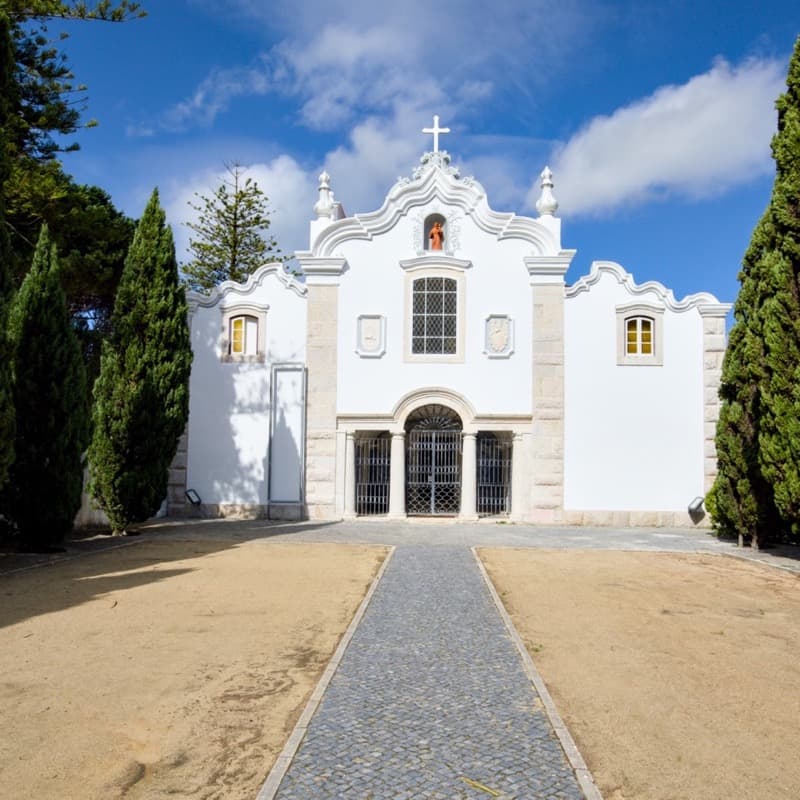
The Convento dos Capuchos is located in Caparica, in the municipality of Almada, within the area of the Protected Landscape of the Fossil Cliff of Costa de Caparica. Built in 1558 on the initiative of Lourenço Pires de Távora, it was intended for a community of friars of the Order of Saint Francis, under the invocation of Our Lady of Piety. Its architecture was designed for retreat, prayer and poverty: a modest, austere and stripped-back construction, with small cells on the upper floor and spaces connected to worship and daily life on the lower floor. Outside, the former enclosure included agricultural land, niches, a tank, a small hermitage dedicated to Saint Peter, a porch, a clock tower and a cemetery. Shaken by the 1755 Earthquake, the convent closed after the extinction of the religious orders in 1834. Acquired in ruins by Almada City Council in 1950, it was restored and integrated into the cultural life of the municipality.

Casa Sommer4.6

Casa Sommer

Museum • Cascais, Lisboa

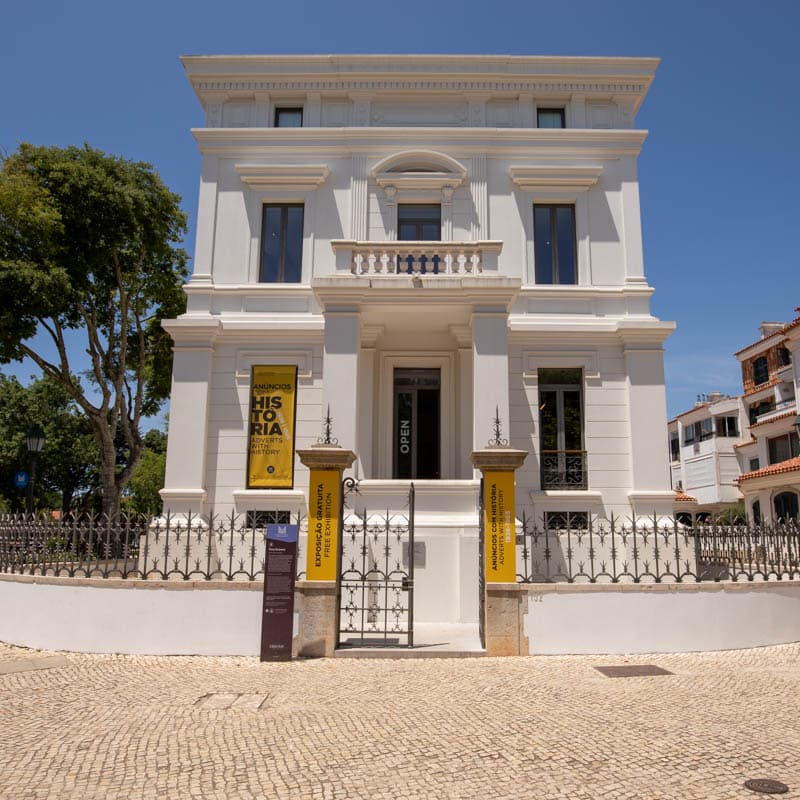
In Cascais, Casa Sommer reveals a side of the town that is less maritime and more urban, shaped by the elegance of the late nineteenth century. Commissioned by Henrique Sommer, this Neoclassical house with a square plan is described by the municipality as the most refined example of a private residence of its kind in Cascais, with symmetrical façades, pilasters, pediments and a noble balcony that give it an almost palatial dignity. For decades it remained a private home; later, it fell into neglect, until a major rehabilitation restored it, also incorporating the former stables and a new underground structure. Since 2016, it has housed the Municipal Historical Archive and the Municipal Bookshop, becoming not just a recovered building but a true centre of local memory. That transformation is what strikes most deeply: a house once meant to express social standing now preserves documents, stories and traces of centuries of municipal life, as if the architecture had found a second vocation in time itself.

Planetário de Marinha3.8

Planetário de Marinha

Science Centre • Lisboa, Lisboa

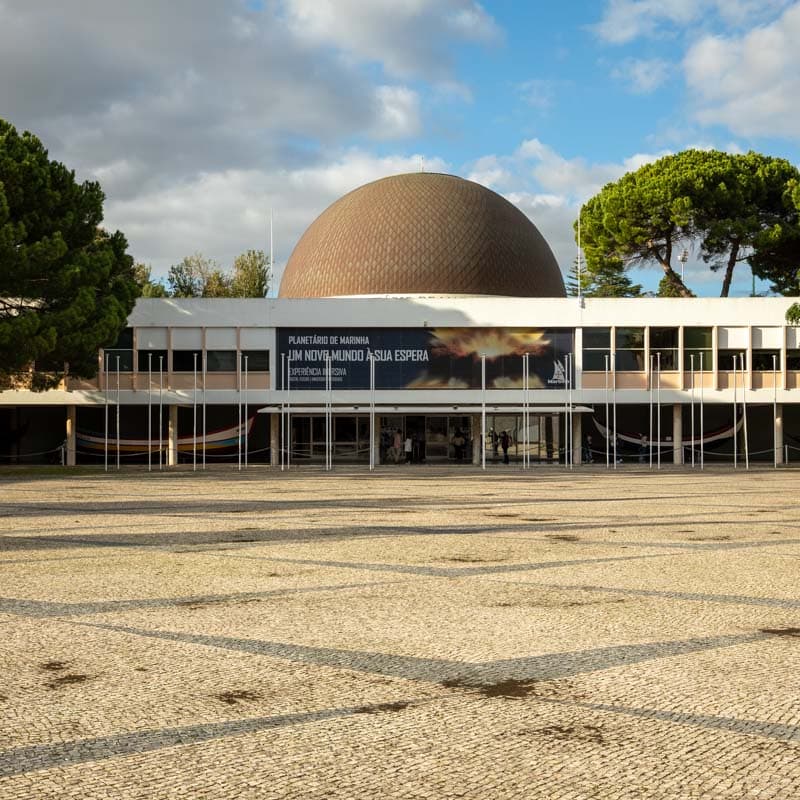
Beside the Jerónimos Monastery, the Navy Planetarium has the rare grace of places that still teach us to look up. Opened in 1965, from an idea by Commander Eugénio Conceição Silva and designed by the architect Frederico George, it was born from the meeting of scientific purpose, naval tradition and the support of the Calouste Gulbenkian Foundation. Its great dome turned it into a true theatre of the sky, where generations of visitors discovered constellations, nebulae and the old art of guiding a journey by the stars. The renovation at the start of the twenty-first century strengthened that immersive experience without erasing the building’s character. It is worth noticing the contrast between the sober exterior and the sense of scale inside the auditorium, where Lisbon seems to disappear for a while. In Belém, among monuments linked to the sea, this planetarium reminds us that navigation has always depended on reading the heavens.

Igreja e Museu de São Francisco4.4

Igreja e Museu de São Francisco

Church • Porto, Porto

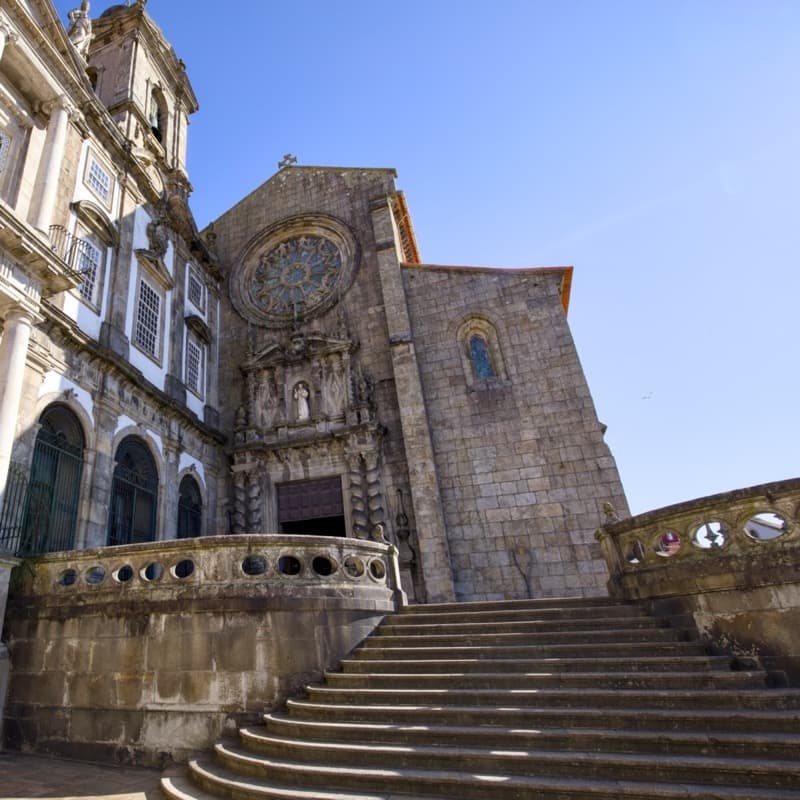
The Igreja e Museu de São Francisco are located on Rua da Bolsa, in Porto’s historic heart. The Church of the Convent of São Francisco, classified as a National Monument since 1910, began to be built in 1383, linked to the Franciscan presence in the city. Its Gothic architecture, with three naves, received over the centuries an interior decoration of great intensity, marked by Baroque gilded woodcarving from the 17th and 18th centuries. This contrast between the sobriety of the medieval structure and the ornamental brilliance is one of the ensemble’s strongest features. Among the works, the mural painting of Senhora da Rosa and the Tree of Jesse altarpiece stand out. The museum route continues in the Casa do Despacho, designed by Nicolau Nasoni and completed in 1749, with the Treasury Room, the Sessions Room and the Catacomb Cemetery. Stone, gold and funerary memory reveal here several layers of Porto’s religious and artistic history.

Palácio e Quinta da Regaleira4.7

Palácio e Quinta da Regaleira

Palace • Sintra, Lisboa

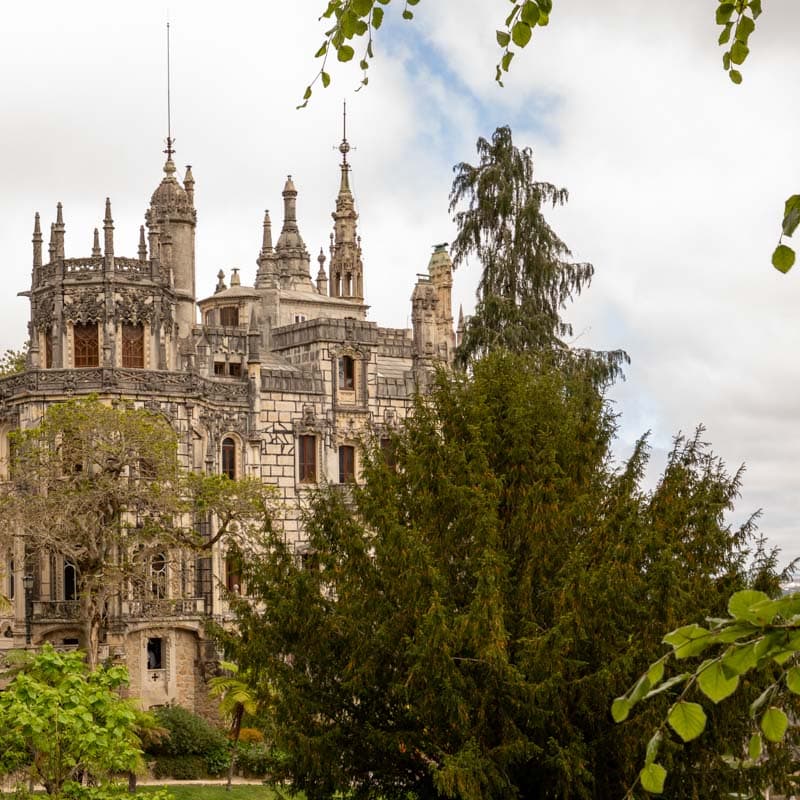
In Sintra, the Palace and Quinta da Regaleira feel less like a country house than like a world imagined in stone, water and vegetation. António Augusto Carvalho Monteiro bought the property in 1892 and, with Luigi Manini, transformed it between 1904 and 1910 into a theatrical ensemble where Neo-Manueline, Gothic, Renaissance and Classical forms meet with almost operatic freedom. The palace and chapel rise like parts of a larger enigma: in the park, lakes, grottoes, tunnels and the famous Initiation Well create a landscape charged with symbolic allusions, some linked to Masonic, Templar and Rosicrucian imagery. It is no surprise that people in Sintra called it the “Wedding Cake”. Yet Regaleira also impresses through its harmony with the hills and the way each corner seems designed to be discovered slowly. Part of the Cultural Landscape of Sintra, it shows how late Romanticism could turn a garden into a narrative and a visit into an experience of mystery.

Solar dos Zagallos4.4

Solar dos Zagallos

Palace • Almada, Setúbal

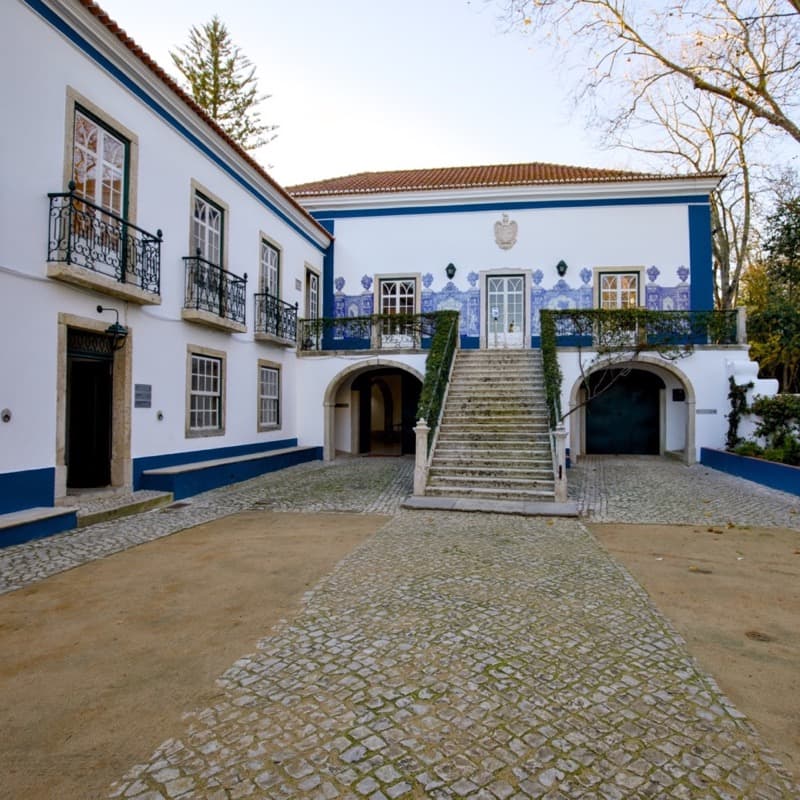
The Solar dos Zagallos is located in Sobreda, in the municipality of Almada, and preserves the memory of an old manor estate. Construction began in the 18th century, linked to the Zagallo family and to the Morgado da Sobreda, established in 1745. The house, with the character of a small palace, brings together civil and religious architecture, with Baroque, Rococo, Pombaline, Neoclassical and modern elements. Inside, the two noble halls, the courtyard, the chapels and a remarkable set of tile panels stand out, appearing in corridors, religious spaces and passage areas. Outside, the gardens, avenue, ponds, orchard and Casa da Água extend the reading of the former agricultural property. Restored by Almada City Council in 1994, while preserving its original character, the solar is now a cultural space, where family history, architecture and contemporary creation meet on an intimate scale.

Museu do Mar Rei Dom Carlos I4.5

Museu do Mar Rei Dom Carlos I

Museum • Cascais, Lisboa

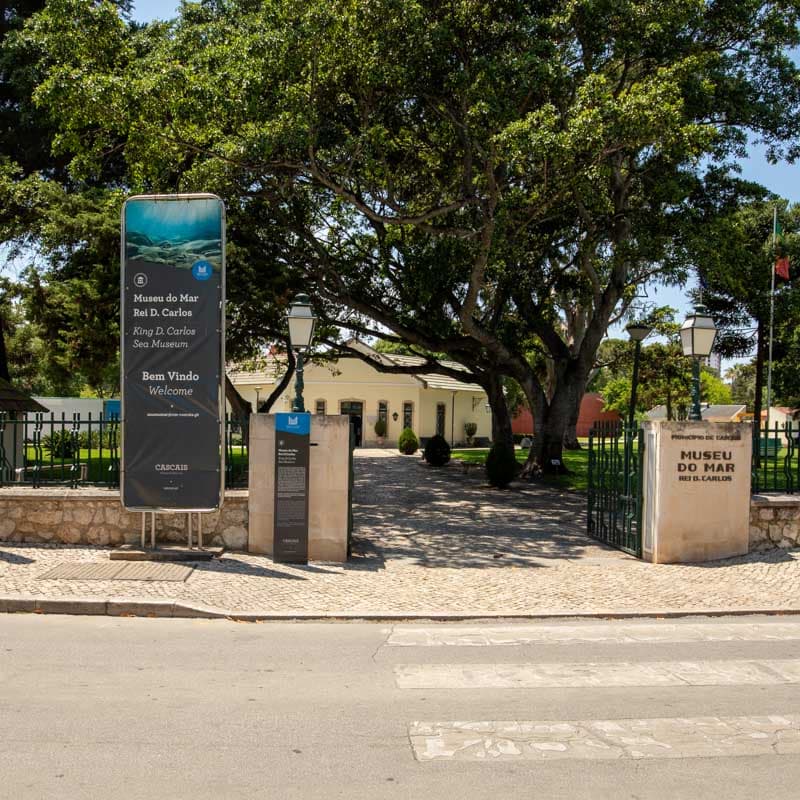
In Cascais, the King D. Carlos Sea Museum tells the story of the town through what shaped it most deeply: the sea. Housed in the former Sporting Club de Cascaes, founded in 1879 on the initiative of the then Prince Carlos, the museum was created in 1976 and opened to the public in 1992, turning a nineteenth-century leisure venue into a place of maritime memory. Its name is more than a tribute: it recalls the king who made Cascais the base for his oceanographic campaigns and helped bring science closer to the observation of the ocean. Inside, the old Octagonal Room stands alongside collections of natural history, underwater archaeology, fishing ethnography and navigation, forming a broad portrait of a town of kings and fishermen. More than gathering shells, boats or nets, this museum shows how the sea was labour, knowledge, risk and imagination, and how it still defines the identity of Cascais.

Praça do Comércio e Cais das Colunas4.7

Praça do Comércio e Cais das Colunas

Square • Lisboa, Lisboa

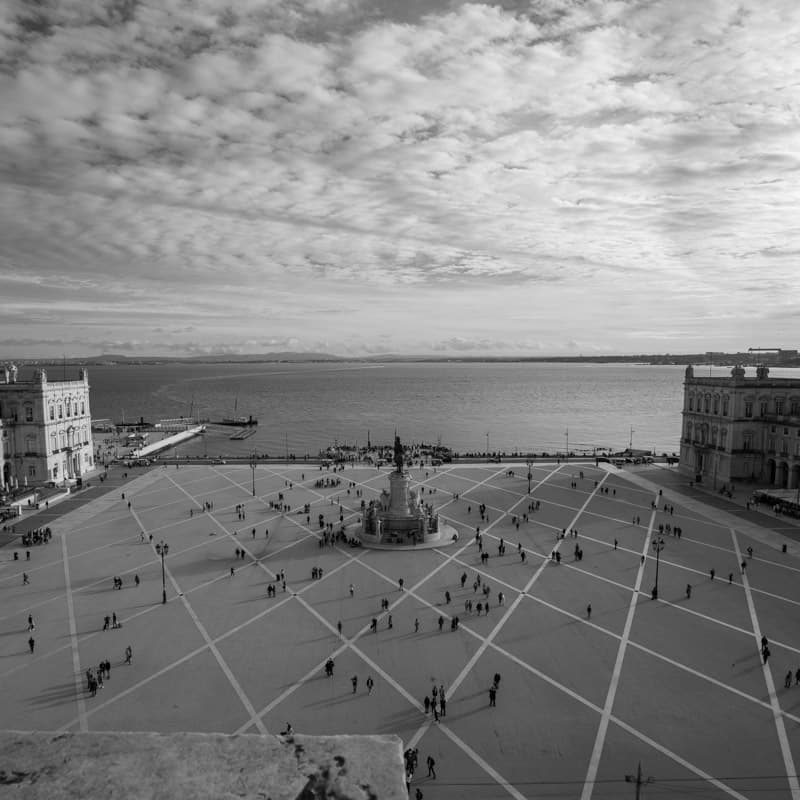
Few places explain Lisbon as clearly as Praça do Comércio and Cais das Colunas. Before the 1755 earthquake, the Ribeira Palace stood here; after the catastrophe, the Pombaline reconstruction turned the old Terreiro do Paço into a regular square open to the Tagus, expressing the capital’s new commercial and political role. The long arcades, the towers and the equestrian statue of King José the First give the whole ensemble the solemnity of a great urban stage, yet it is by the river that the place gains a different intensity. Cais das Colunas, conceived within this new bond between city and water, served as Lisbon’s ceremonial landing place for those arriving by river. Today, between the square’s luminous geometry, the broad horizon of the estuary and the steps that almost touch the Tagus, this ensemble still shows that Lisbon has always understood itself best when facing the river.

Casa do Infante4.4

Casa do Infante

Historic House • Porto, Porto

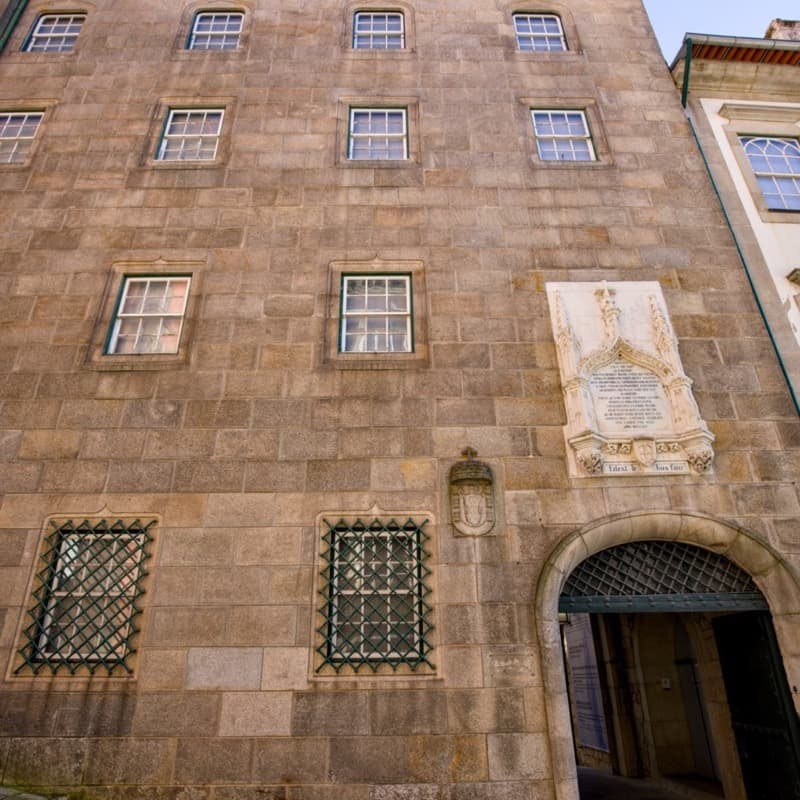
Casa do Infante is located on Rua da Alfândega, in Porto’s riverside area. Also known as Casa da Rua da Alfândega Velha, it is one of the city’s oldest buildings and preserves the memory of royal services installed beside the Douro. Over the centuries, it housed the former Customs House, the Mint and functions connected to the administration of the Crown. Its name became associated with the tradition that Prince Henry the Navigator was born here in 1394. Classified as a National Monument since 1924, the house reveals a history built in layers: medieval structures, later enlargements and archaeological remains of Roman occupation, including mosaic floors. Today it forms part of the Museu do Porto and contains permanent exhibitions, the Gabinete do Tempo and the Municipal Historical Archive. Between stone, documents and excavated ruins, the building brings together trade, royal power and urban memory.

Museu do Ar4.7

Museu do Ar

Museum • Sintra, Lisboa

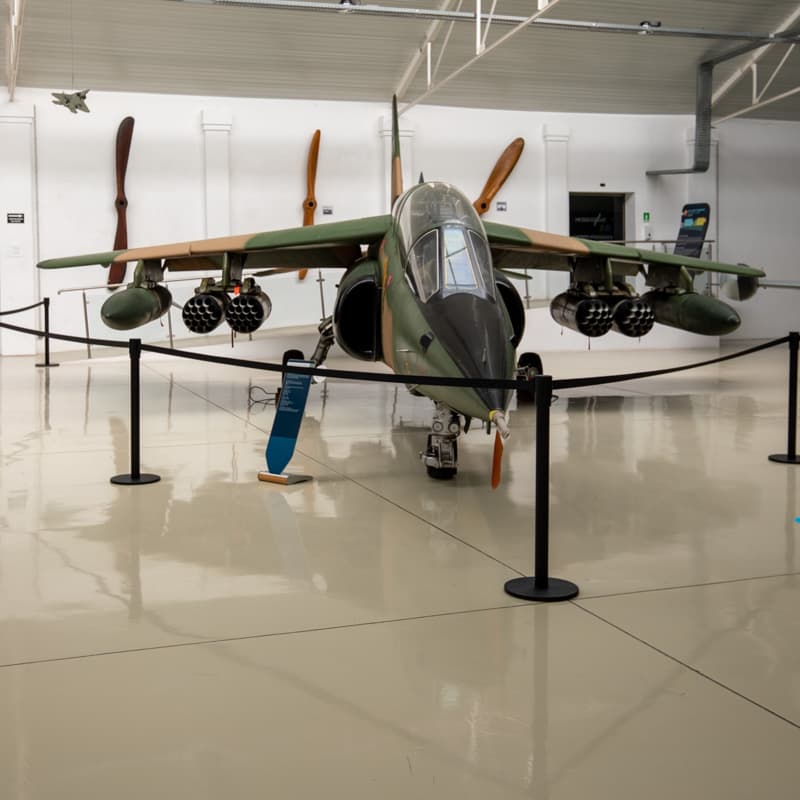
At Granja do Marquês, near Sintra, the Air Museum preserves the Portuguese history of flight as a blend of ingenuity, risk and imagination. The idea of creating an aviation museum dates back to the early twentieth century, but the museum opened to the public in 1971, in Alverca, before gaining a new scale in its present Sintra site, inaugurated in 2009. Between spacious hangars and aircraft from different periods, the visit links military and civil aviation and shows how flying changed the country, from the feats of the pioneers to the era of TAP and ANA. One of its most curious details is the replica of Santos Dumont’s 14-bis, presented as the second one in the world. More than a technical collection, the museum preserves a deeply physical memory of the human desire to rise into the air and turn that ambition into history.

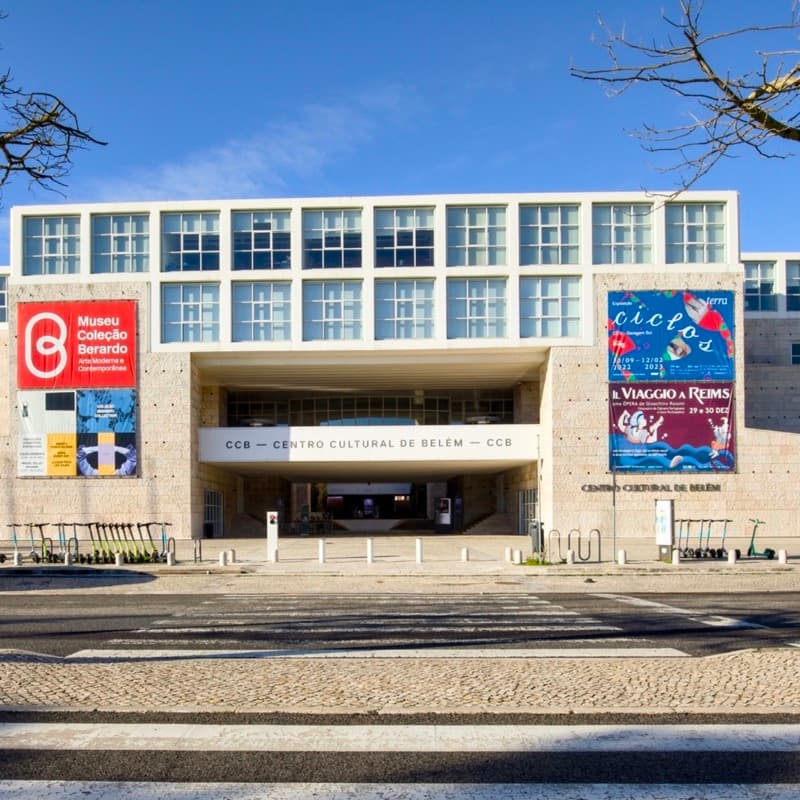
Centro Cultural de Belém4.6

Centro Cultural de Belém

Cultural Centre • Lisboa, Lisboa

Among Belém’s great historic symbols, the Belém Cultural Centre marks the moment when Lisbon decided to inscribe its modernity too into the city’s monumental landscape. Its construction was decided in 1988, in the context of Portugal’s European presidency in 1992, and the project by Vittorio Gregotti and Manuel Salgado imagined a kind of open city, made of buildings, streets, squares and bridges, in dialogue with Praça do Império, the Jerónimos Monastery and the Tagus. During a visit, it is worth exploring the outdoor spaces as much as the auditoriums and exhibition rooms, because the CCB is not understood only from within: it also lives in the light, the voids and the relationship between pale stone and the river. Today, listed as a Monument of Public Interest, it remains one of the places where Lisbon shows, with remarkable ease, that contemporary architecture can also create memory.
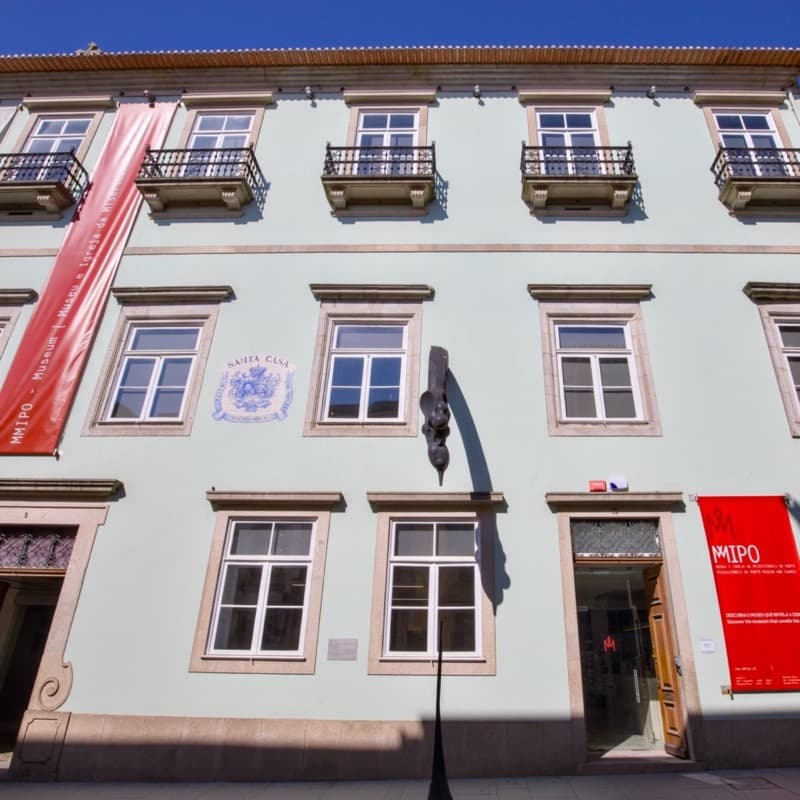
Museu da Misericórdia do Porto4.2

Museu da Misericórdia do Porto

Museum • Porto, Porto

The Museu da Misericórdia do Porto, or MMIPO, is located on Rua das Flores, in Porto’s Historic Centre, in the building that served as the headquarters of the Santa Casa da Misericórdia do Porto from the mid-16th century until 2013. The institution, founded in 1499, is linked to a long history of assistance, charity and artistic heritage. The museum presents this memory through collections of painting, sculpture, sacred art and objects related to the work of the Misericórdia. The route includes the Igreja da Misericórdia, a 16th-century construction deeply transformed in the 18th century by Nicolau Nasoni, and the Galeria dos Benfeitores, marked by iron-and-glass architecture. Among the works on display, Fons Vitae stands out, an oil painting on oak panel, attributed to Colijn de Coter and dated to around 1515-1517. Between devotion, assistance and art, the museum makes visible a long-standing institutional memory in Porto.

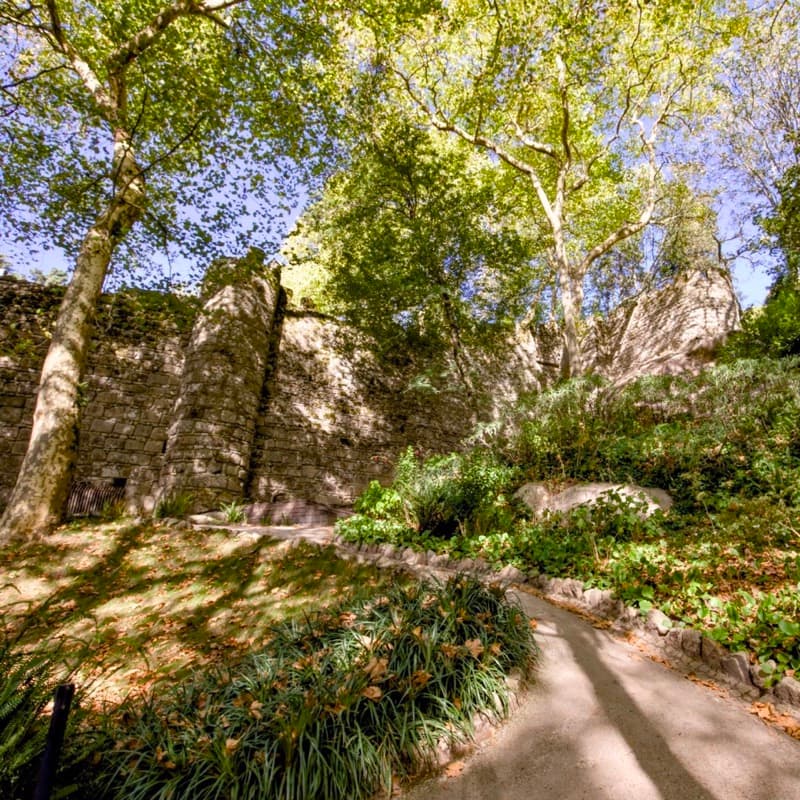
Castelo dos Mouros4.6

Castelo dos Mouros

Castle • Sintra, Lisboa

On one of the peaks of the Sintra Mountains, the Moorish Castle follows the rocky relief with granite walls that adapt to the mountain. The fortification, of Muslim foundation, dates back to the 10th century and occupied a strategic position in the defence of the territory of Sintra and the maritime approaches to Lisbon. Within and around the walls there was a settlement, today identified as the Islamic Quarter; silos carved into the rock can still be seen, used to preserve foodstuffs such as cereals. In 1147, after the conquest of Lisbon and Santarém, Sintra was handed over to King Afonso Henriques. With Christian settlement, the space gave way to a medieval village, which included the Church of São Pedro de Canaferrim. In the 19th century, King Fernando II promoted restoration works according to Romantic taste. Since 1995, it has formed part of the Cultural Landscape of Sintra, a UNESCO World Heritage Site.

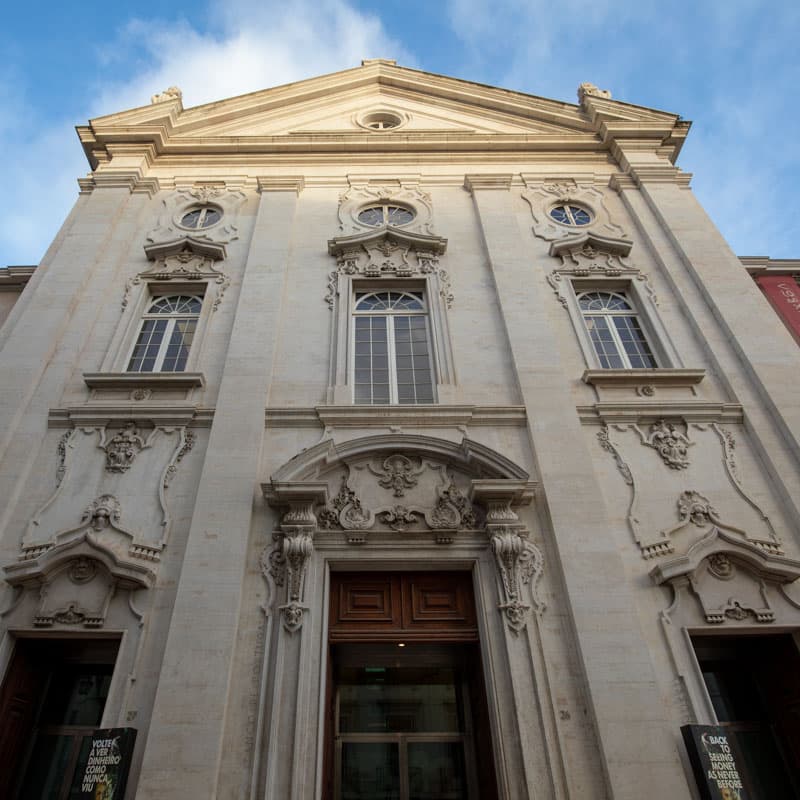
Museu do Dinheiro4.6

Museu do Dinheiro

Museum • Lisboa, Lisboa

Set inside the former church of Saint Julian, the Money Museum is one of those places where Lisbon reveals itself in layers. Open to the public since 2016, it occupies a building restored as part of the rehabilitation of the Bank of Portugal’s headquarters, and that long biography gives depth to a museum devoted to money, its history and the ways people exchange value. Along the route, coins, banknotes, machines and multimedia displays show how money has shaped trade, power and everyday life, without losing sight of the human scale. Yet two details make the visit especially memorable: the Wall of King Dinis, preserved within the museum, and the gold bar that visitors can touch. Between medieval remains, the old nave of Saint Julian and contemporary museography, the place achieves something rare: it speaks about economics without coldness and shows that behind every coin there is always a story of city, power and imagination.

Torre e Igreja dos Clérigos4.6

Torre e Igreja dos Clérigos

Church • Porto, Porto

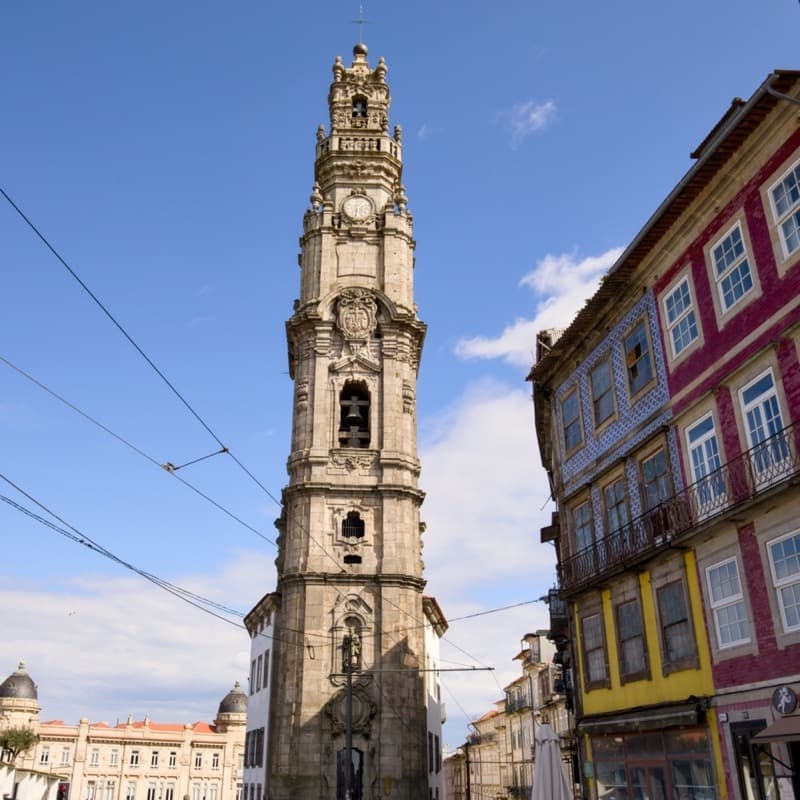
The Torre e Igreja dos Clérigos rise in the heart of Porto, between Rua dos Clérigos, Rua de São Filipe de Nery and Rua da Assunção. The ensemble was designed by the Italian architect Nicolau Nasoni for the Irmandade dos Clérigos, founded in 1707. The first stone of the church was laid in 1732, and construction of the tower began in 1754, being completed in 1763. Classified as a National Monument since 1910, the ensemble is one of Nasoni’s most prominent works in northern Portugal. The church reveals an elliptical plan and a Baroque façade with a strong scenic quality. The granite tower rises in six storeys to a height of 75 metres, with 225 steps to the top. Between the verticality of stone, Baroque decoration and the view over the Douro, the Clérigos condense Porto’s architecture, devotion and urban image.

Museu de História Natural de Sintra4.5

Museu de História Natural de Sintra

Museum • Sintra, Lisboa

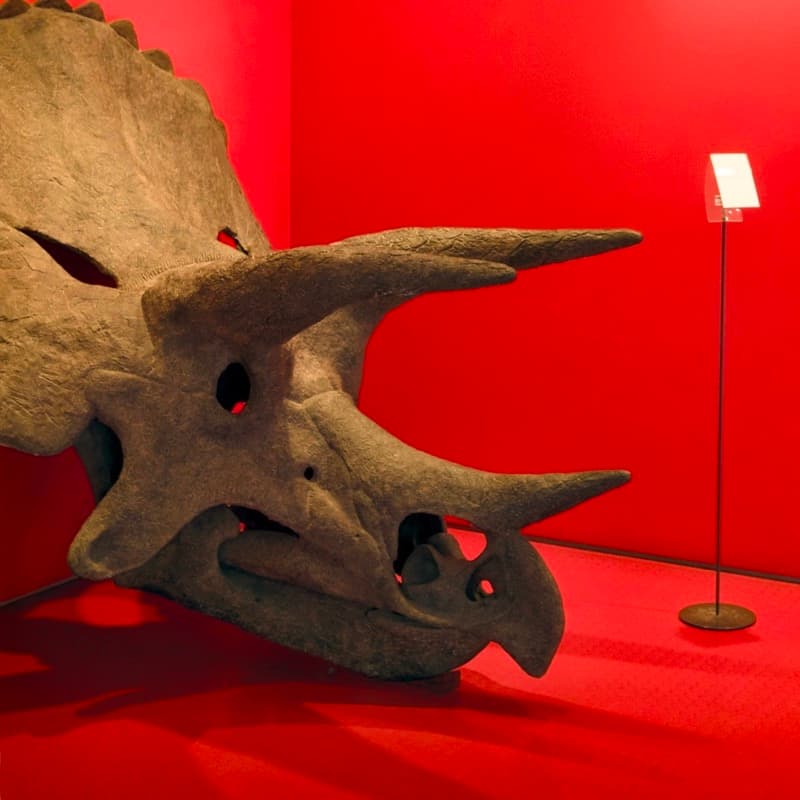
The Museu de História Natural de Sintra is located on Rua do Paço, in the Historic Centre of Sintra’s Old Town, in a building dating from 1893. Inaugurated on 1 August 2009, it grew out of the collection assembled over around 50 years by Miguel Barbosa and his wife, Fernanda Barbosa, later donated to the Municipality of Sintra. The long-term exhibition follows the formation of the Earth and the evolution of life, from the Precambrian to the Quaternary, through the municipal collections of palaeontology, mineralogy, malacology and petrography. Among fossils, minerals, shells, rocks and meteorites, the museum displays pieces from different continents. One of its most relevant elements is the type specimen of a pterosaur whose scientific name honours Miguel Barbosa. Small in urban scale, the museum opens in Sintra an unexpected window onto the deep history of the planet.

Museu da Marioneta4.6

Museu da Marioneta

Museum • Lisboa, Lisboa

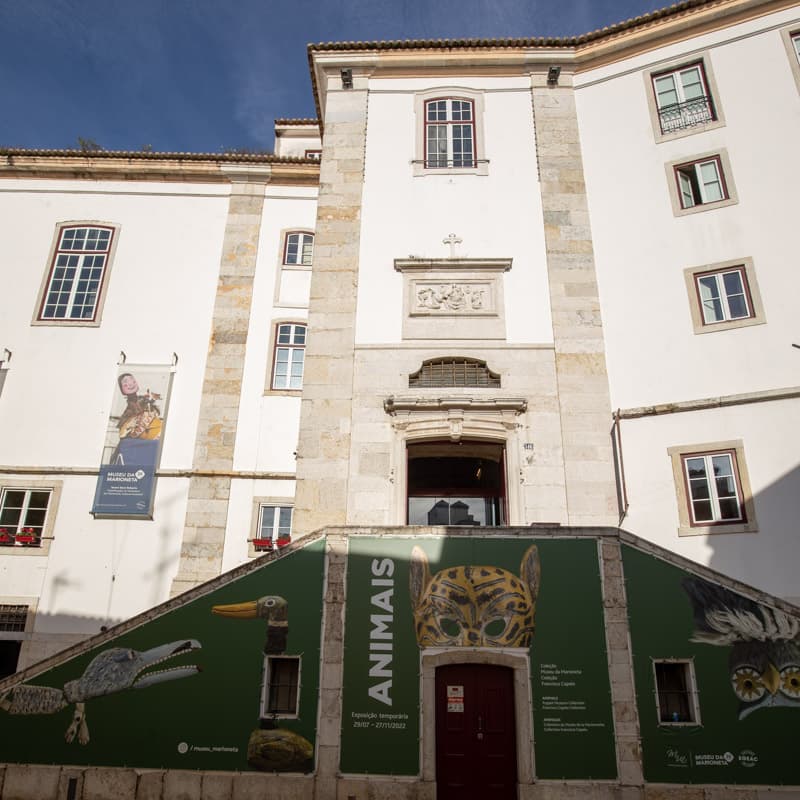
In the Convento das Bernardas, in Madragoa, the Puppet Museum shows how a small object can hold an entire world. Founded in 1987, it was the first museum in Portugal entirely devoted to puppetry and, since 2001, it has been housed in this former seventeenth-century convent, almost destroyed by the 1755 earthquake and later rebuilt. The collection brings together more than 3,000 pieces across different places, techniques and periods, yet the heart of the visit beats most strongly in the Portuguese traditions, from the Robertos to the Bonecos de Santo Aleixo. Along the way appear shadow puppets, string puppets, rod puppets, African and Asian masks, and even a section linked to animation cinema. It is also worth slowing down to feel the building itself: the cloister, the adapted former church and the atmosphere suspended between theatre and retreat. It is a museum that speaks of childhood, certainly, but also of memory, artifice and the old human desire to give soul to things.

Igreja do Carmo4.5

Igreja do Carmo

Church • Porto, Porto

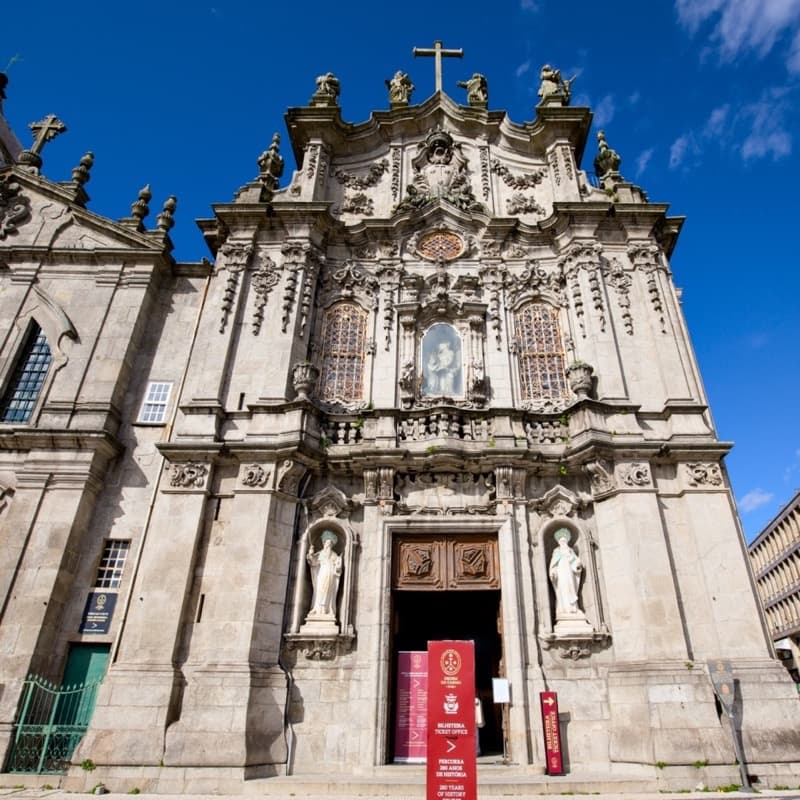
The Igreja do Carmo, in Porto, stands beside the Igreja dos Carmelitas, between Rua do Carmo and Praça de Carlos Alberto. The church belongs to the Venerable Third Order of Our Lady of Mount Carmel, established in 1736. The first stone was laid in 1756, with a design by José de Figueiredo Seixas, and the church was completed in 1762, after Nicolau Nasoni had endorsed the architectural plan. Part of the ensemble classified as a National Monument in 2013, it is distinguished by its Rococo façade, full of decorative movement, with images of the prophets Elijah and Elisha, Saint Anne and the four Evangelists. Inside, the gilded woodcarving of the chapels and high altar extends the ornamental richness. The side façade, covered with blue and white tiles in 1907 and 1912, represents Carmelite devotion and has become one of the city’s most recognisable surfaces.

Museu da Água e Resíduos de Sintra4.3

Museu da Água e Resíduos de Sintra

Museum • Sintra, Lisboa

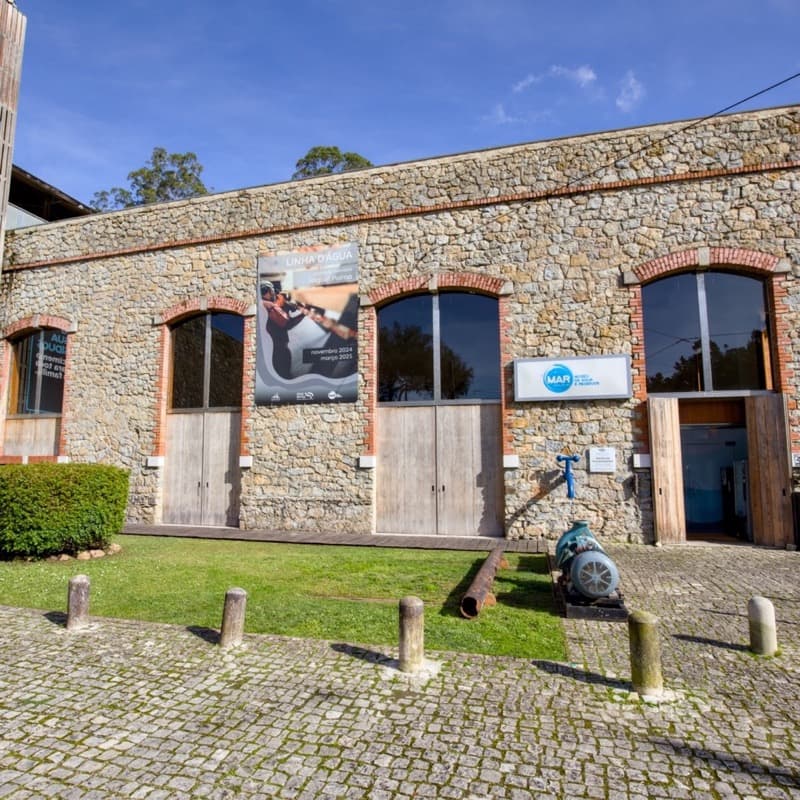
The Museu da Água e Resíduos, in Ribeira de Sintra, is managed by SMAS de Sintra and is dedicated to environmental education and awareness. Installed in the former tram garage, it occupies a building linked to the history of the line that connected Sintra to Colares and Praia das Maçãs. Its technical memory remains visible: essential parts of the structure have been integrated into interactive modules, such as the original pulley system, once used to lift coal wagons and heavy materials. The route combines indoor and outdoor areas, bringing themes such as the urban water cycle, recycling, waste and sustainability closer through games, models and tactile experiences. Among the most expressive elements are the interactive model of the urban water cycle, the modules on waste separation and the outdoor tank reused for water-related experiments. The museum turns infrastructure and pedagogy into a practical reading of environmental heritage.

Museu Nacional de Arte Antiga4.6

Museu Nacional de Arte Antiga

Museum • Lisboa, Lisboa

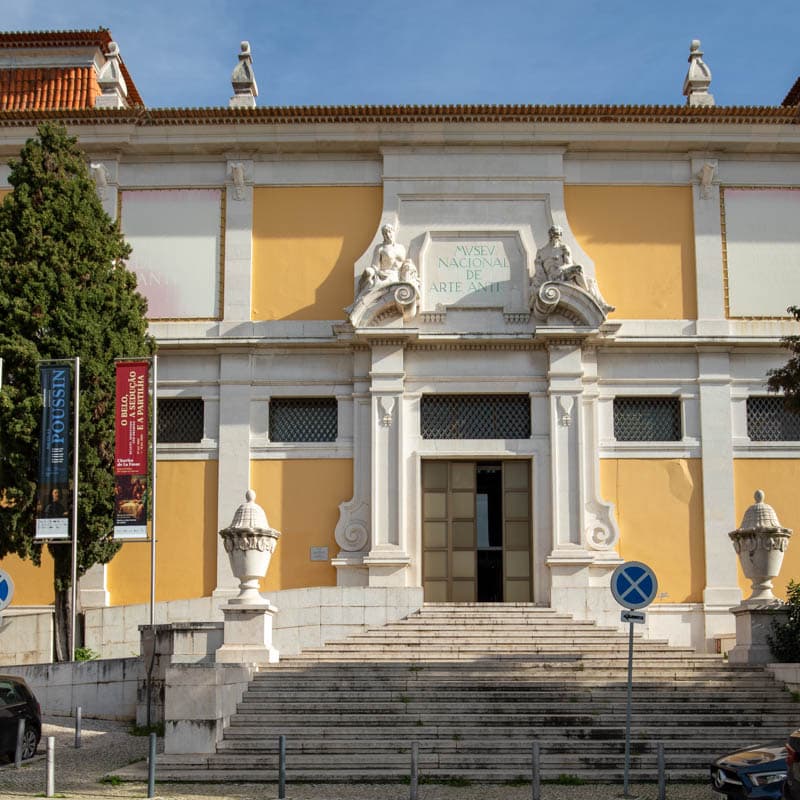
High on Rua das Janelas Verdes, the National Museum of Ancient Art is one of those places where Portugal seems to tell its own story with unusual clarity. Opened in 1884, to give a home to many works that came from convents and monasteries after the extinction of the religious orders, it was installed in the former Palace of the Counts of Alvor and became the country’s great house of ancient art. Its collection crosses centuries and geographies, from painting to goldsmithing, from sculpture to works from Europe, Africa and the East, yet some encounters ask for real pause: the Panels of Saint Vincent, the Belém Monstrance, the Namban screens. During a visit, it is also worth slowing down in the garden facing the Tagus, where the city seems to breathe differently. Between palace, collection and horizon, the museum leaves a rare impression: that history, when well kept, remains alive.

World of Discoveries4.4

World of Discoveries

Museum • Porto, Porto

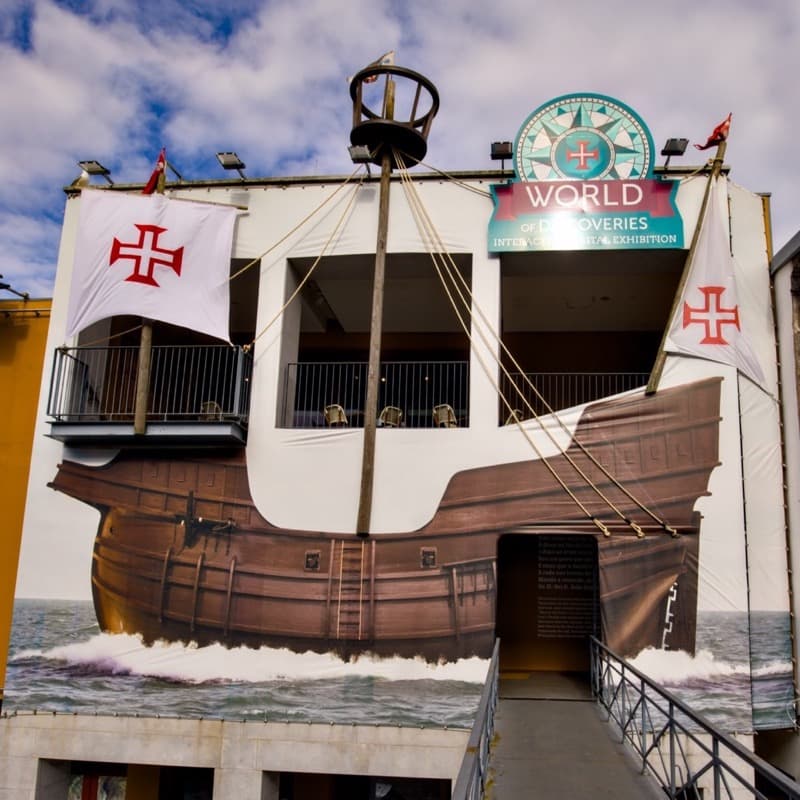
World of Discoveries is located in Porto’s riverside area, a few metres from the Douro and the Alfândega. Inaugurated in 2014, it presents itself as an interactive museum and theme park dedicated to the Portuguese Discoveries. The route combines exhibition, scenography and immersive experience to recreate episodes of Portuguese navigation, maritime routes and encounters with other territories. Among the proposed moments are the Conquest of Ceuta, the figure of Adamastor, the exploration of the inside of a vessel and the evocation of spices. One of its distinctive components is the journey along a water channel, designed to follow, in a staged setting, routes associated with Portuguese maritime expansion. With multilingual content, audio guides and an educational service, the space brings history, adventure and pedagogy together in an accessible format. More than presenting old objects, it seeks to transform the narrative of the Discoveries into a visual, sound and participatory experience.

Vila Sassetti4.6

Vila Sassetti

Palace • Sintra, Lisboa

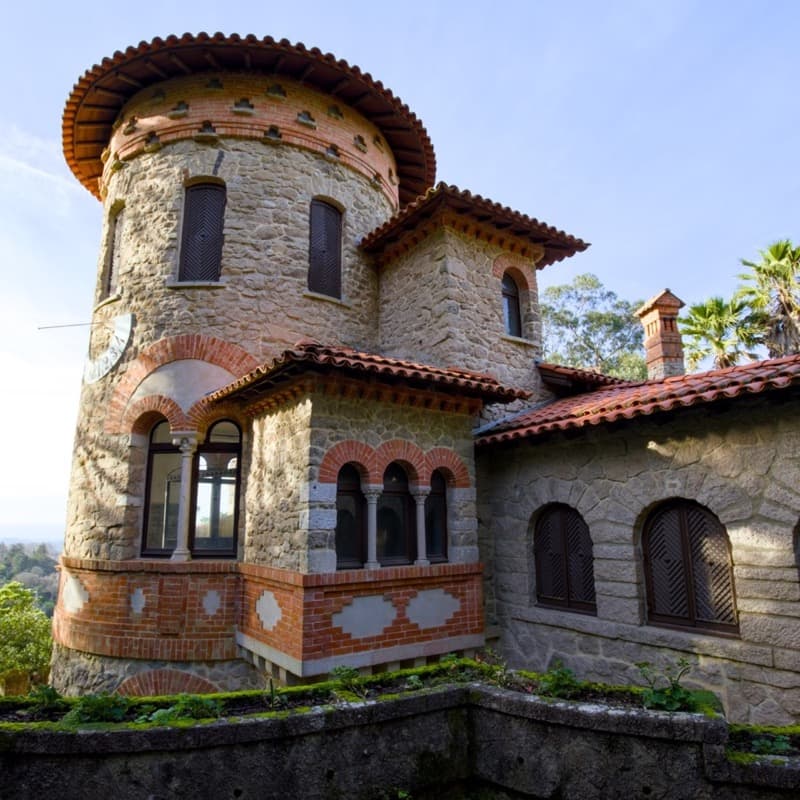
Vila Sassetti is located on the northern slope of the Serra de Sintra, between the Historic Centre and the path that climbs towards the Moorish Castle and Pena Park. The property began to take shape in 1885, when Victor Carlos Sassetti, born in Sintra and the owner of hotels in Lisbon and in the town, acquired the land to build a leisure residence there. Work began in 1890, with a design by the architect and set designer Luigi Manini. Inspired by the castles of Lombardy, the building is distinguished by its central three-storey circular tower, irregular volumes and the use of Sintra granite on the exterior cladding. The garden, also designed by Manini, develops along a winding path crossed by an artificial watercourse. Between architecture, vegetation and small tanks, Vila Sassetti reveals the most scenic side of Sintra Romanticism.

Padrão dos Descobrimentos4.6

Padrão dos Descobrimentos

Monument • Lisboa, Lisboa

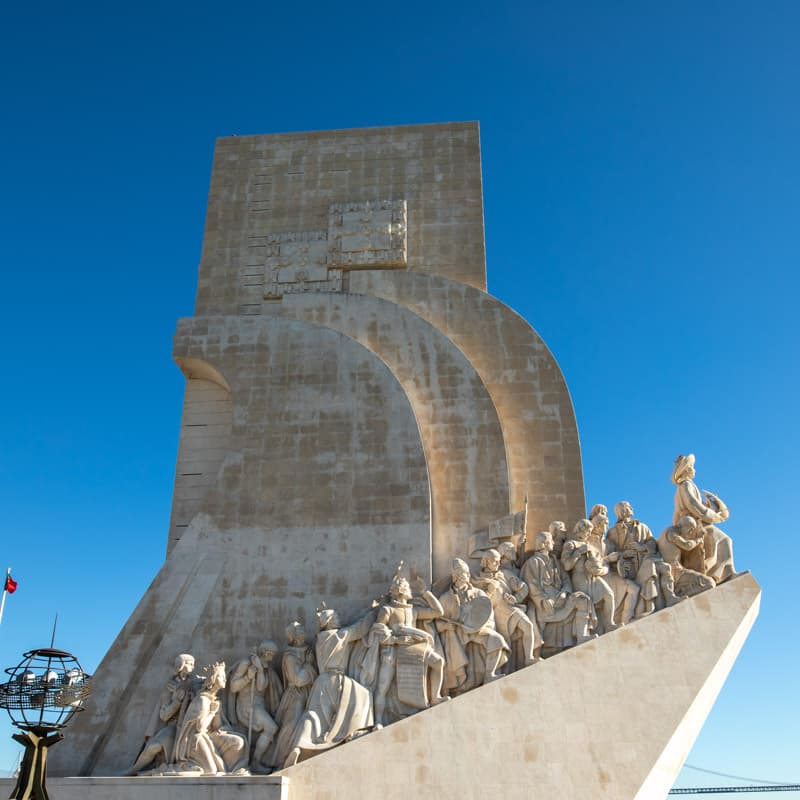
Facing the Tagus, the Monument to the Discoveries has the theatrical force of a ship ready to depart, yet it speaks as much about Portuguese memory in the twentieth century as about the voyages of the fifteenth and sixteenth centuries. It was first built as an ephemeral structure for the Portuguese World Exhibition of 1940 and rebuilt in 1960, for the fifth centenary of the death of Prince Henry the Navigator, the figure who advances at the prow of this stone caravel. Behind him come navigators, cartographers, missionaries and men of culture, in a sculptural procession conceived by Cottinelli Telmo and Leopoldo de Almeida. It is worth seeing the monument from a distance, to feel its scale and forward thrust, and then noticing the Compass Rose on the ground, a gift from South Africa. From the viewpoint, the panorama over Belém, the Tagus and the monumental riverfront helps explain why this is a place where landscape, history and memory meet with rare clarity.

Showing 73-96 of 203

Discover by category

Take the LxDiscover App with you

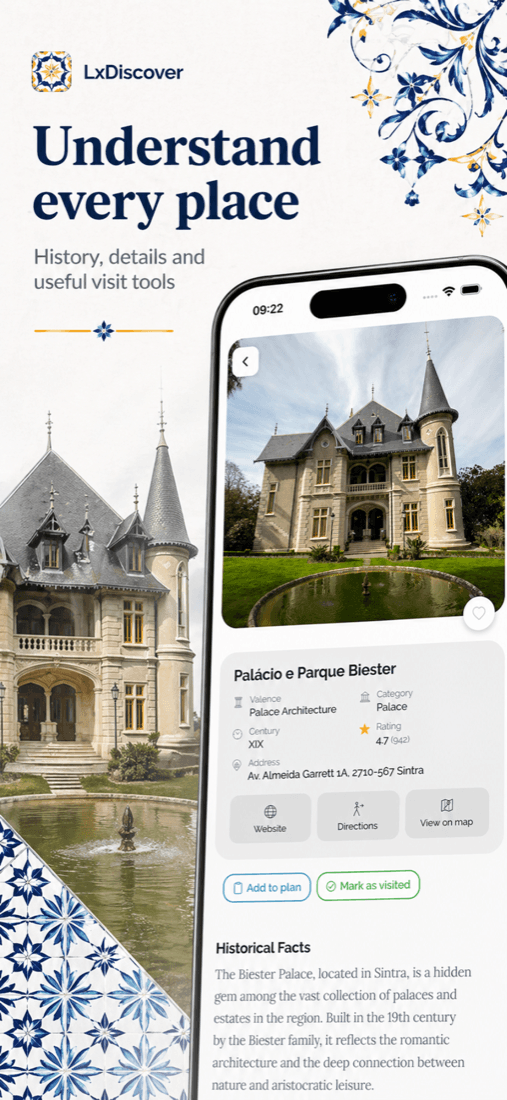
Explore Portugal with a cultural guide for monuments, museums, gardens, palaces, viewpoints, and historic places in Lisbon, Porto, Sintra, and other regions.

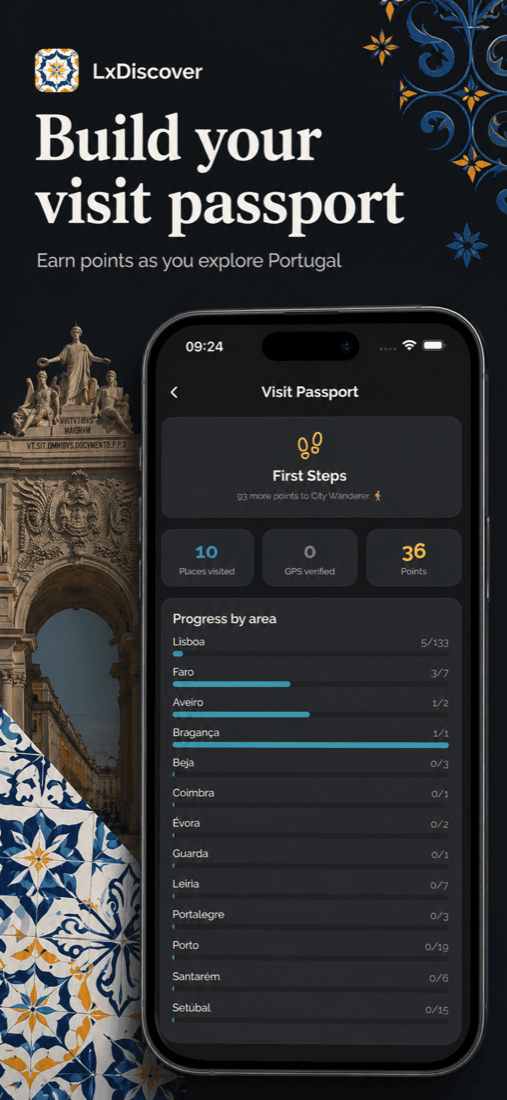
Use the map, follow cultural routes, read editorial context, save places, and track your visits with the visit passport.

Free features

  • Interactive map to discover places of interest
  • Detailed information about monuments, museums, and cultural sites
  • Favorites for the places you want to visit
  • Selected routes to start exploring

Premium subscription

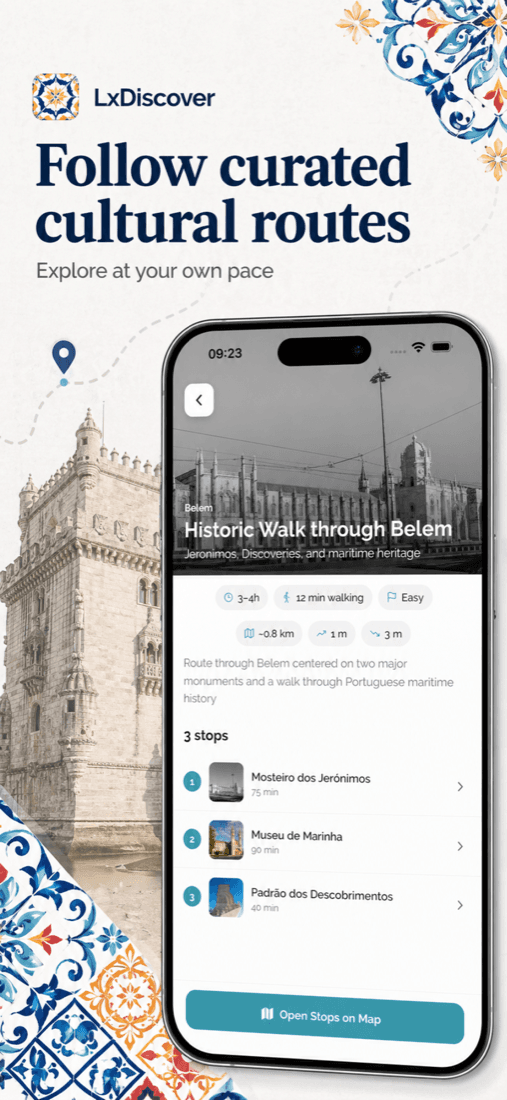
  • Curated routes with ordered stops, duration, and difficulty
  • Thematic collections with editorial context for each area
  • Visit passport for progress, visited places, and achievements
  • Advanced map, planning, and proximity alert tools
LxDiscover map screen
LxDiscover routes screen
LxDiscover visit passport screen