Places

Cultural places in Portugal

Browse LxDiscover places across monuments, museums, palaces, viewpoints, gardens, churches and historic sites. Use this hub to start planning, then open the app for map-based routes, saved places and short cultural audio guides.

203 places

Featured cultural places

Explore on the map
Museu dos Transportes e Comunicações4.4

Museu dos Transportes e Comunicações

Museum • Porto, Porto

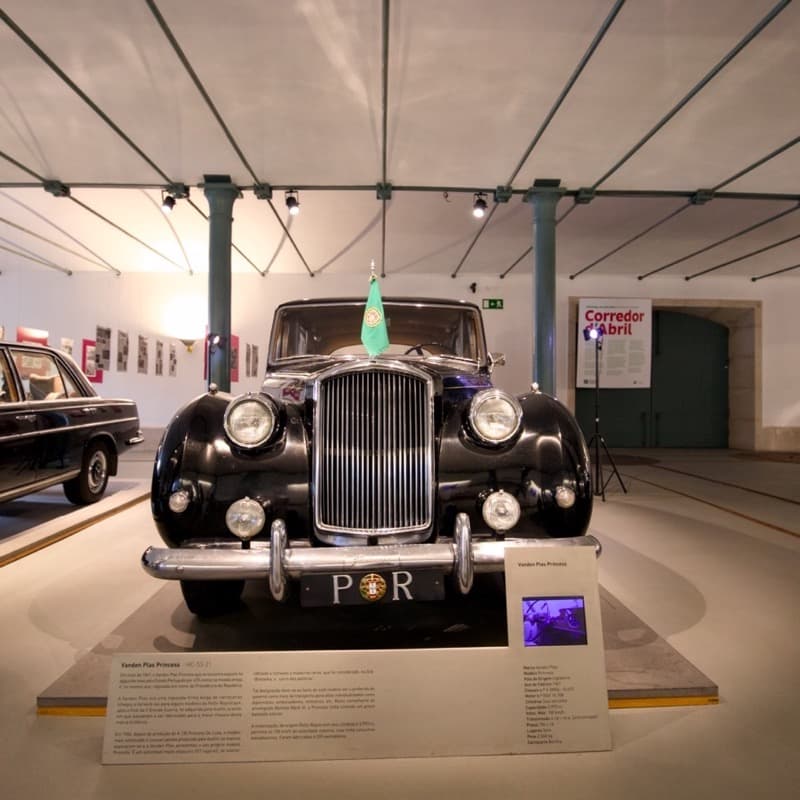
The Museu dos Transportes e Comunicações occupies the Alfândega Nova do Porto, on Rua Nova da Alfândega, beside the right bank of the Douro. The building, designed by the French architect Jean F. G. Colson, began to be built in 1859 on the former Praia de Miragaia and was inaugurated in 1869. Its neoclassical architecture, marked by the combined use of iron, stone, brick and wood, served the city’s customs activity for more than a century. In 1987 it was decided that it would house the future museum, and the requalification was guided by Eduardo Souto de Moura. Today, the museum preserves the memory of the Customs House and interprets the role of transport and communications in modern society. Among its sections are Metamorfose de um Lugar, O Motor da República and the panel Ribeira Negra, by Júlio Resende.
Sintra Mitos e Lendas3.6

Sintra Mitos e Lendas

Museum • Sintra, Lisboa

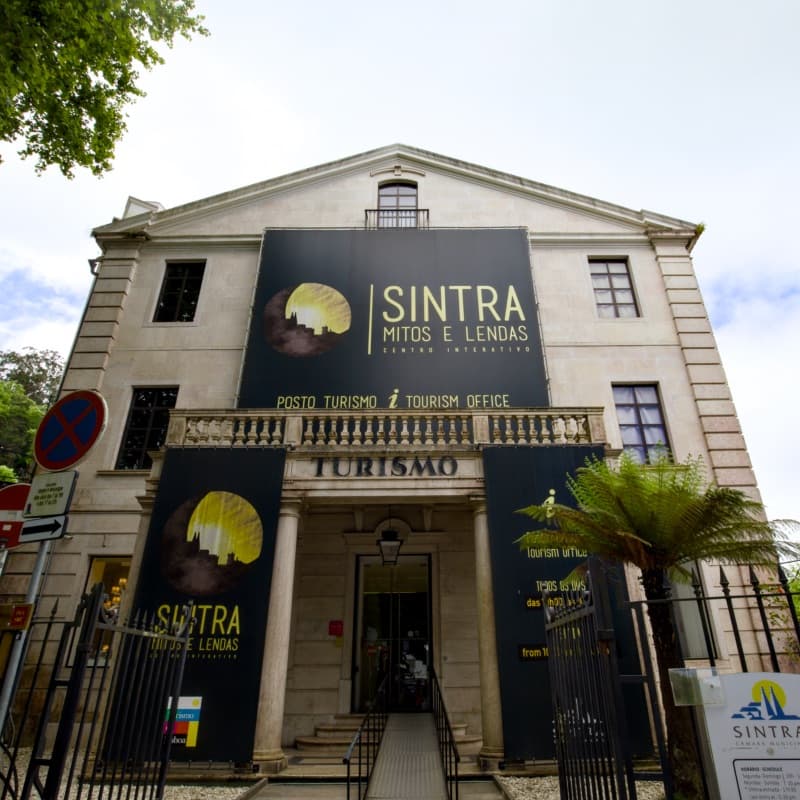
The Sintra Myths and Legends Interactive Centre, in Sintra, presents the town’s imaginative dimension through an immersive language. Opened in 2015, it proposes a journey through time and space, where myths and legends are historically framed and placed in dialogue with music, literature and local memory. The route is spread across 17 spaces and crosses reality and fiction through set design, multimedia and sensory experiences. Technology appears as a narrative medium: there are touchscreens, video mapping, augmented reality, 3D films, sensory effects and holograms. Among the stories evoked are the Creation of the Crags, the Tomb of the Two Brothers and the Seven Sighs. The centre reveals a Sintra made not only of palaces and landscape, but also of narratives transmitted, reinvented and staged to show the cultural force of its imagination.

Museu do Oriente4.5

Museu do Oriente

Museum • Lisboa, Lisboa

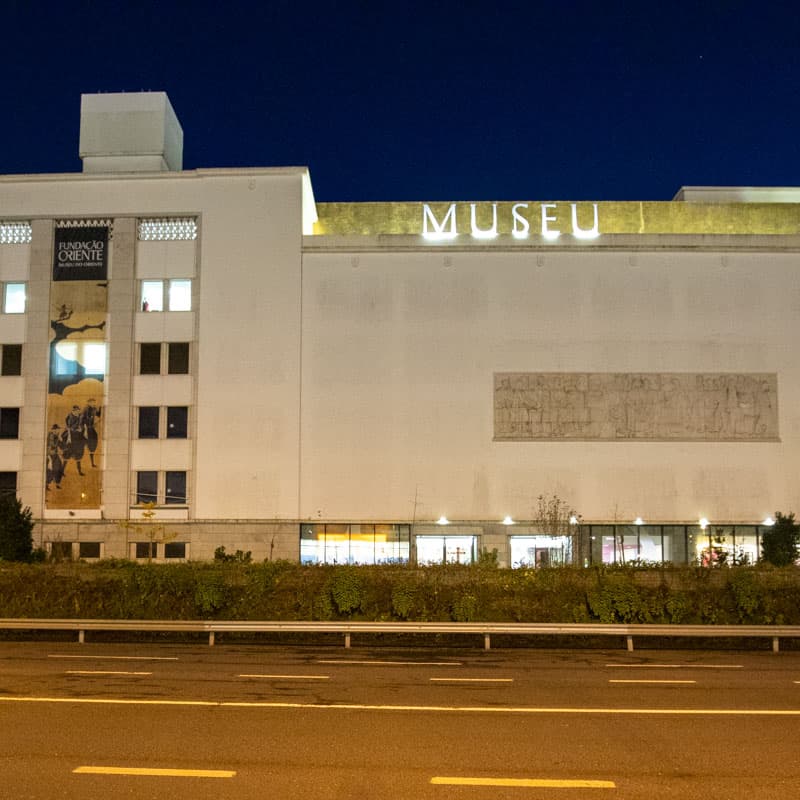
On Alcântara’s waterfront, the Orient Museum shows how a former dockside warehouse can become a place where worlds meet. Opened in 2008 inside the modernist building of the former refrigerated cod warehouses, designed from 1939 onwards, it holds two collections that define its character with unusual clarity. On one side, Portuguese Presence in Asia brings together thousands of objects and reveals the fascination, exchange and curiosity that shaped the relationship between Portugal and the East. On the other, the Kwok On collection, regarded as one of the most representative of its kind in Europe, opens a path into the performing arts, rituals and popular religions of a much wider Asia. During a visit, it is worth noticing the contrast between the building’s industrial sobriety and the richness of puppets, masks, folding screens, ivories and ritual objects. Few museums in Lisbon manage to feel at once so calm, so layered and so open to dialogue.

Jardim Botânico do Porto4.5

Jardim Botânico do Porto

Botanical Garden • Porto, Porto

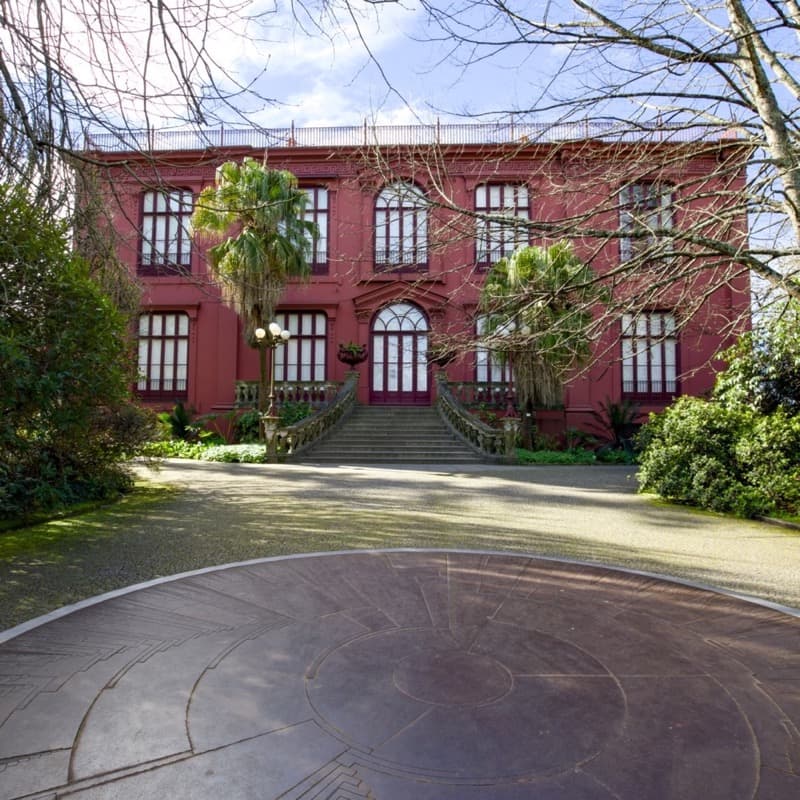
The Jardim Botânico do Porto is located on Rua do Campo Alegre, in the former Quinta do Campo Alegre, now part of the Museum of Natural History and Science of the University of Porto. With more than four hectares and a layout defined in the late 19th century, it preserves the memory of a recreational estate transformed into a scientific space. In 1895, João Henrique Andresen and Joana Lehmann Andresen acquired the property and altered the gardens and the small palace, creating the Jardim dos Jotas, the Rose Garden and the former tennis court, now the Jardim do Xisto. As the grandparents of Sophia de Mello Breyner Andresen and Ruben A., they also connected the place to Portuguese literature. In 1949, the State bought the estate, and in 1951 the Botanical Garden was installed here. Among camellias, groves, lakes, greenhouses, cacti, succulents and arboretum, the garden brings together a living collection, family memory and botanical knowledge.

Museu da Carris4.5

Museu da Carris

Museum • Lisboa, Lisboa

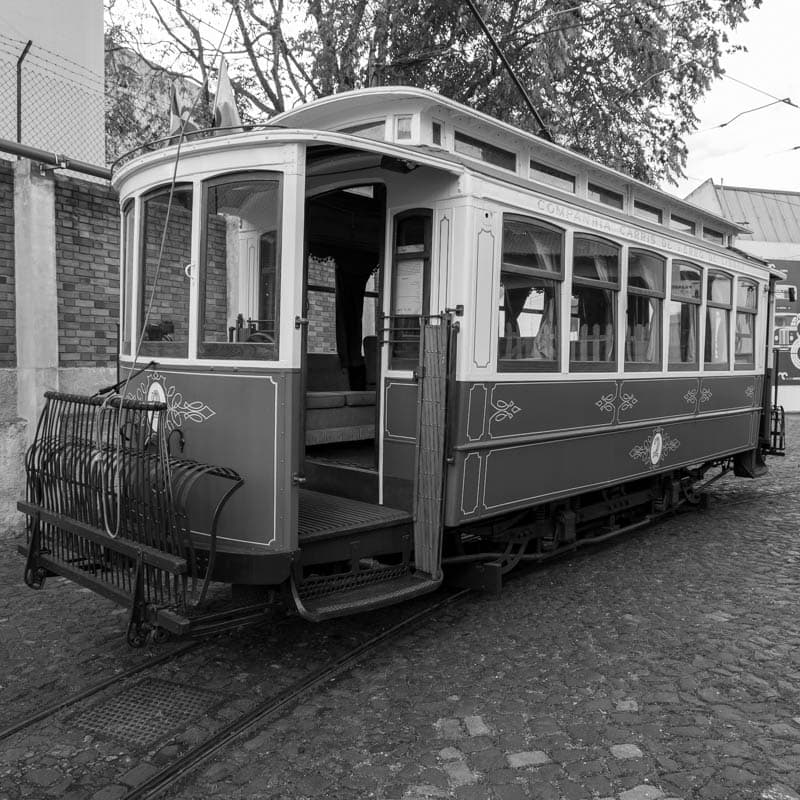
Stepping into the Carris Museum is like understanding Lisbon in motion. Housed in Santo Amaro Station, Carris’s first station, the museum preserves the memory of a company founded in 1872, intriguingly in Rio de Janeiro, before it transformed the way the capital expanded and overcame its hills. Here, the history of public transport meets the history of the city itself: from horse-drawn streetcars to the funiculars, from the electrification of the network to twentieth-century buses. Among photographs, uniforms, tickets, machinery and historic vehicles, visitors follow the technical, social and urban changes that shaped everyday life in Lisbon. One of the most memorable moments is the journey between the two exhibition areas on a tram from 1901, which gives the visit a rare sense of authenticity. More than a transport museum, this is a place where Lisbon can be seen growing along its rails.

Fundação Serralves4.6

Fundação Serralves

Cultural Centre • Porto, Porto

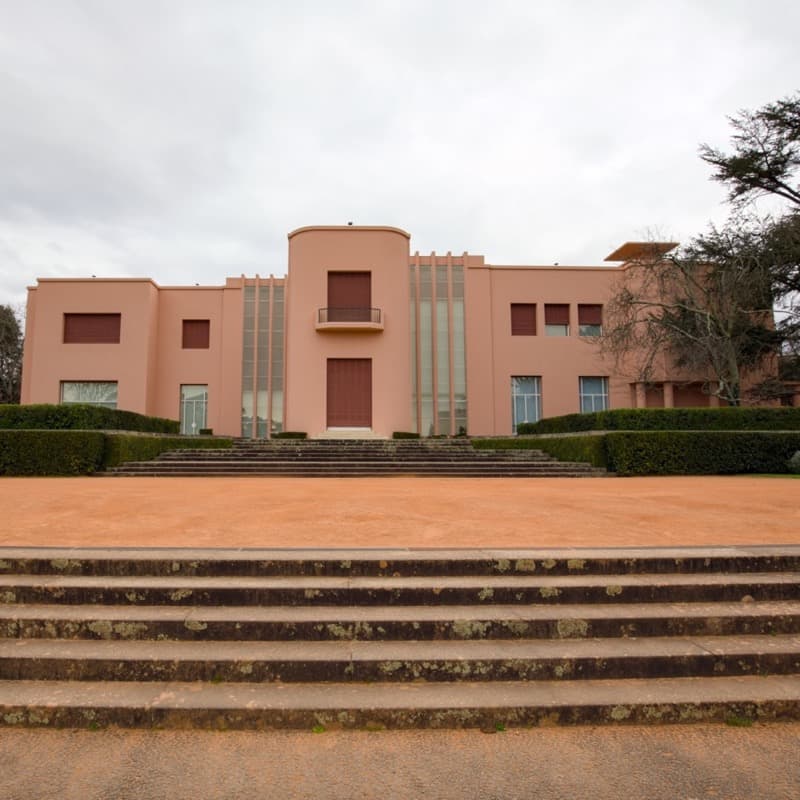
The Serralves Foundation, in Porto, brings together contemporary art, architecture, cinema and landscape in a heritage ensemble classified as a National Monument in 2012. The property was acquired by the State in December 1986, and the House and Park opened to the public on 29 May 1987. Created in 1989, the Foundation gave institutional structure to this cultural project. The Museum of Contemporary Art, designed by Álvaro Siza, began in 1991 and opened its new building in 1999. The Serralves House preserves the Art Deco language of the 1930s, while the Park, designed by Jacques Gréber, extends over 18 hectares of formal gardens, woodland and a traditional farm. Between lioz-stone interiors, exhibition spaces and tree-lined paths, Serralves shows how historic heritage and contemporary creation can inhabit the same place.

Basílica da Estrela4.6

Basílica da Estrela

Church • Lisboa, Lisboa

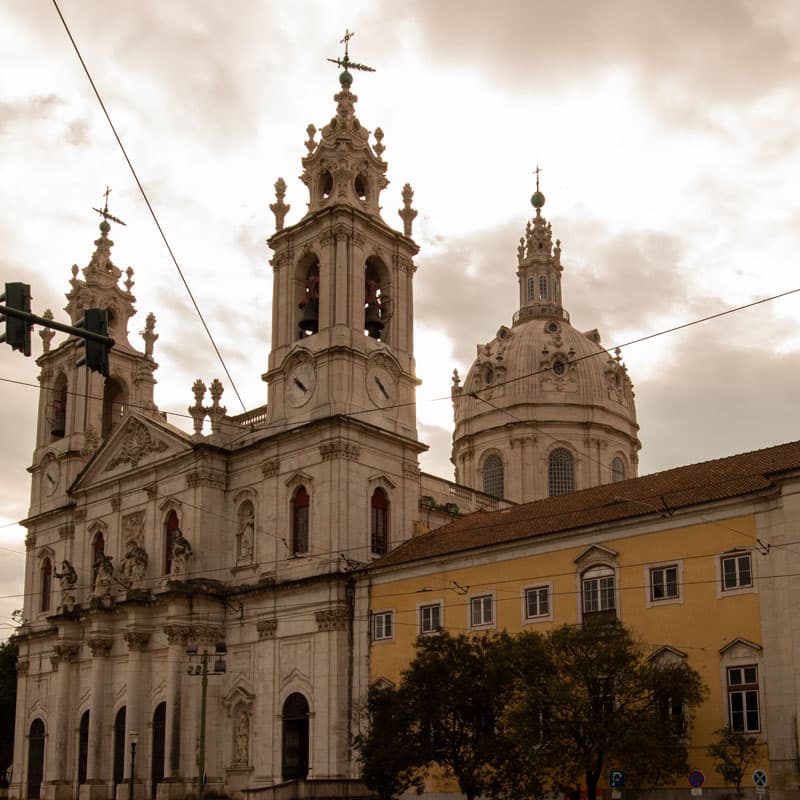
The Basilica da Estrela rises above the hill as a serene, luminous presence, one of those places that seem to shape Lisbon’s skyline. Born from a vow made by Queen Maria the First in the late eighteenth century, it became the first church in the world dedicated to the Sacred Heart of Jesus. Inside, its grandeur never feels heavy: the coloured marbles, the broad nave and the light falling from the dome create a clear, almost musical solemnity. It is worth pausing at the queen’s tomb and at one of the basilica’s most unexpected treasures, the nativity scene by Machado de Castro, made up of hundreds of terracotta and cork figures, where the sacred and everyday life meet with remarkable delicacy. And if you climb to the dome, the visit takes on another scale: Lisbon opens out all around you, as if the whole city were answering the harmony of this place.

Jardins do Palácio de Cristal4.6

Jardins do Palácio de Cristal

Garden • Porto, Porto

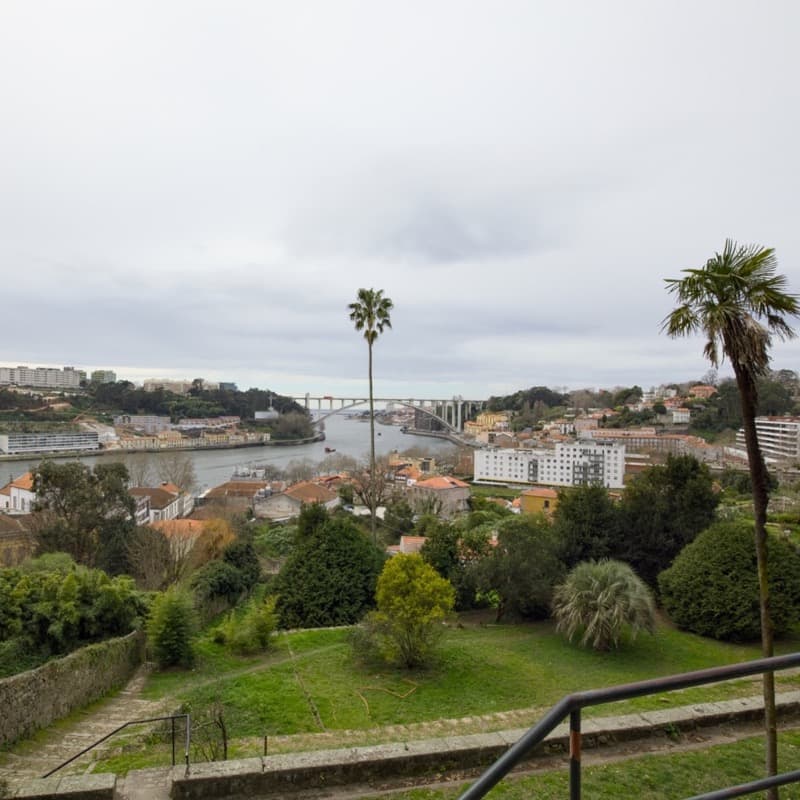
The Jardins do Palácio de Cristal, in Porto, preserve the memory of a place that has changed its face several times. The former Campo da Torre da Marca, known since 1542 for a tower used as a reference point for ships at the Douro bar, received the Palácio de Cristal Portuense in the 19th century. Inaugurated by D. Luís in 1865 for the Portuguese International Exhibition, the iron-and-glass building was designed by Thomas Dillens Jones; the romantic gardens were entrusted to Émile David. The palace was demolished in 1951 and replaced by the Sports Pavilion, today the Pavilhão Rosa Mota. From the original design, the Émile David Garden, the Lime and Plane Tree avenues, the woodland and the terraces over the Douro still remain. Among camellias, fountains, sculptures and viewpoints, the garden keeps alive the bond between city, leisure and landscape.

Jardim da Estrela4.6

Jardim da Estrela

Garden/Park • Lisboa, Lisboa

Jardim da Estrela has the rare calm of a romantic garden that still feels like the city’s living room. Commissioned in 1842 and inaugurated in 1852, opposite the basilica, it created a refuge of winding paths, lakes and shade where Lisbon also learned how to stroll. Its English-style layout, varied vegetation and wrought-iron bandstand of 1884 give it elegance, yet what lingers most is the way it brings together nature and urban life: ducks and carp on the water, readers at the library kiosk, families on the grass and concerts that restore the garden’s old public vocation. There is also a particularly charming detail: the white chalet of Casa do Jardim da Estrela, now a cultural venue, opened in 1882 as the first kindergarten in Portugal, joining nature and education in an idea far ahead of its time. To walk here is to feel Lisbon soften, almost held in suspension.

Sé do Porto4.6

Sé do Porto

Church • Porto, Porto

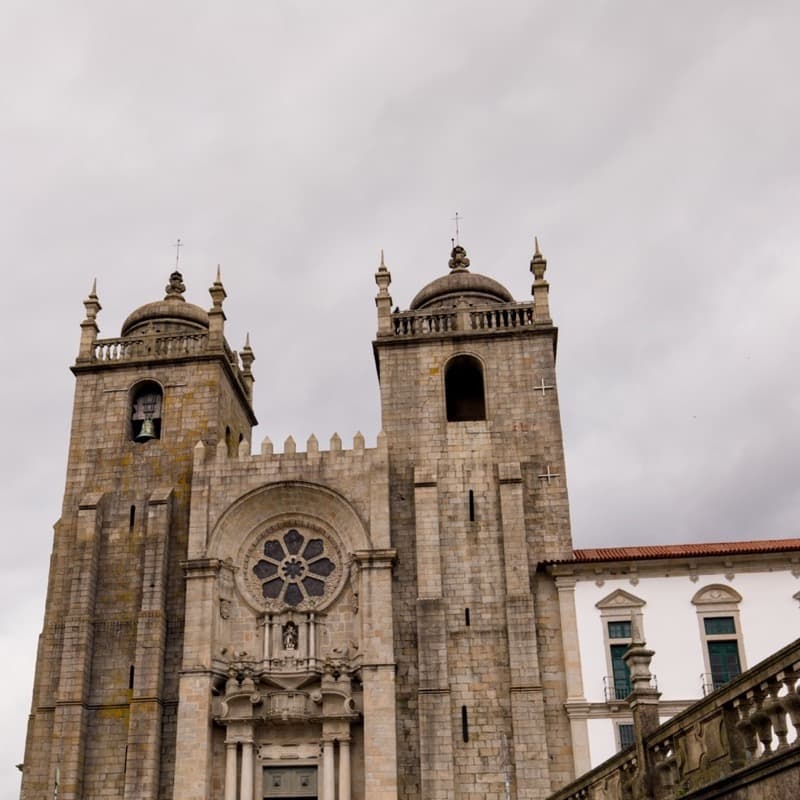
Porto Cathedral rises on the Terreiro da Sé, in the historic heart of the city, as a Romanesque-Gothic cathedral marked by successive transformations. Classified as a National Monument in 1910, it preserves traces of the Romanesque building begun in the first half of the 12th century and continued until the early 13th century. Its fortress-church silhouette, with a façade flanked by two towers, battlements and a rose window, reveals the austere strength of the medieval construction. The building received Mannerist and Baroque alterations, among them the lateral galilee of 1736, by Nicolau Nasoni, facing the city. The Gothic cloister, associated with the time of King João I, contains 18th-century tile panels. Between ancient stone, gilded woodcarving and open views over Porto, the Cathedral shows the city’s religious, artistic and urban continuity.

Museu de Marinha4.5

Museu de Marinha

Museum • Lisboa, Lisboa

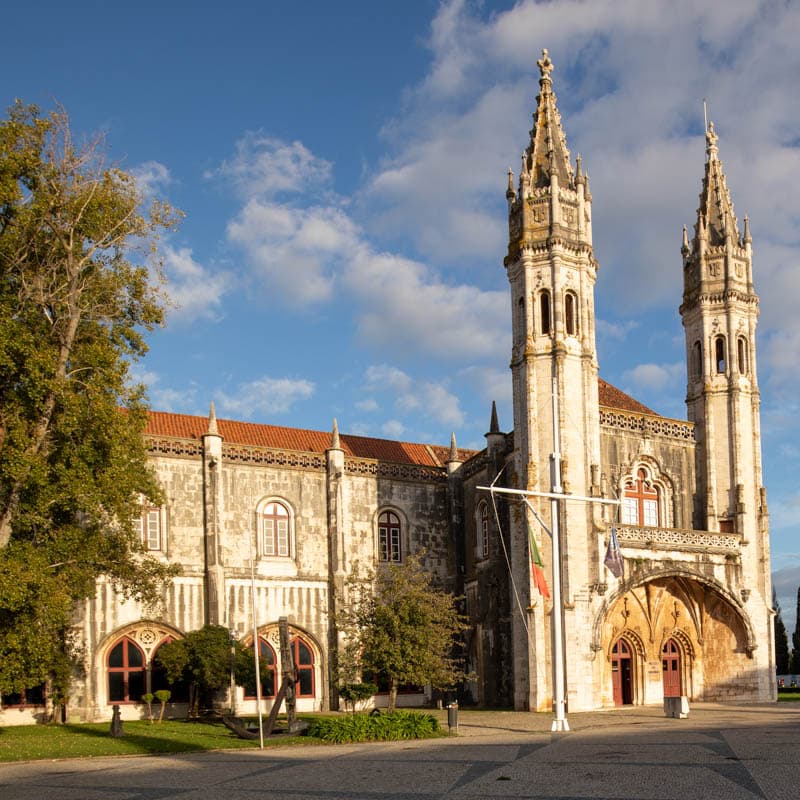
The Maritime Museum, housed since 1962 in the wings of Jerónimos Monastery, does more than display vessels: it tells the long intimacy between Portugal and the sea. Created on the initiative of King Luís in 1863, it began with a didactic purpose, yet today the visit feels like a journey through time. Among models, charts, instruments and paintings, visitors sense how the ocean was a route for trade, science, war and imagination. The most striking moment awaits in the Barge Pavilion, built to house full-size boats. There, the Royal Brig stands out for its gilded carving, mythological figures and the Venetian mirrors in its stern cabin, but also for its story: in 1808 it carried the royal family to the squadron that sailed to Brazil and, already in the twentieth century, it returned to the water for the official visit of Queen Elizabeth the Second. Few places show so clearly how the sea helped shape Portuguese power and memory.

Paço Episcopal do Porto4.4

Paço Episcopal do Porto

Palace • Porto, Porto

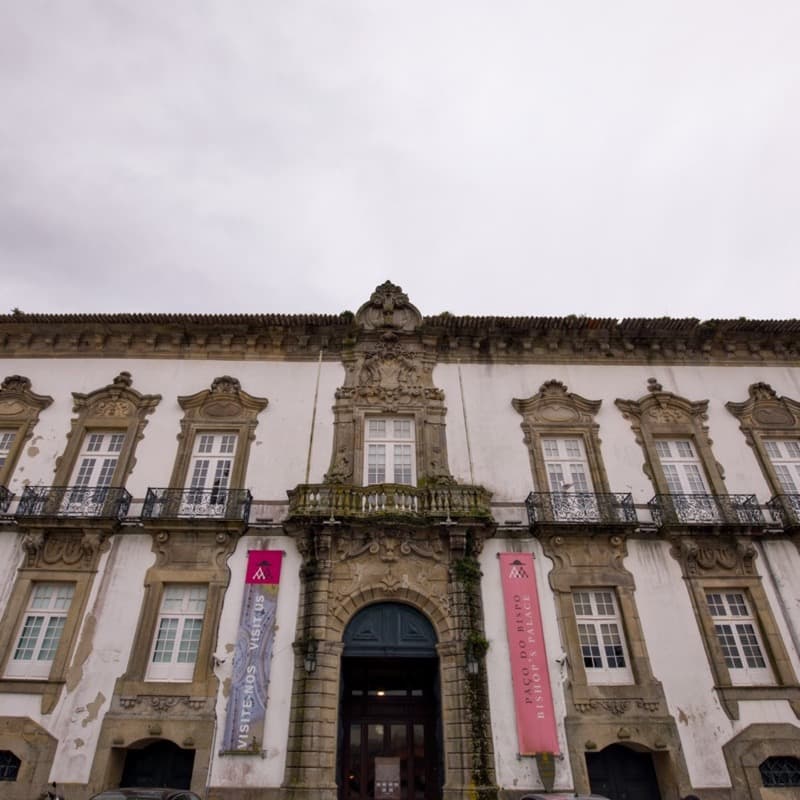
The Episcopal Palace of Porto, on the Terreiro da Sé, rises beside the cathedral and follows the history of religious power in the city. Classified as a National Monument in 1910, it occupies the site of former episcopal residences, with medieval traces still recognisable; in the medieval palace, in 1386, the wedding of King João I and Philippa of Lancaster was celebrated. Its present image results above all from the Baroque reconstruction of the 18th century. Nicolau Nasoni was paid in 1734 for the palace plan, but the works, more intense from 1737 onwards, continued for many years and altered the initial design. On the façade, the central portal, the noble balcony and the arms of Bishop Rafael de Mendonça organise the ensemble. Inside, the vestibule, the courtyard and the monumental staircase reveal a building that brought together episcopal residence, administrative services and, during part of the 20th century, municipal functions.

Museu Nacional dos Coches4.6

Museu Nacional dos Coches

Museum • Lisboa, Lisboa

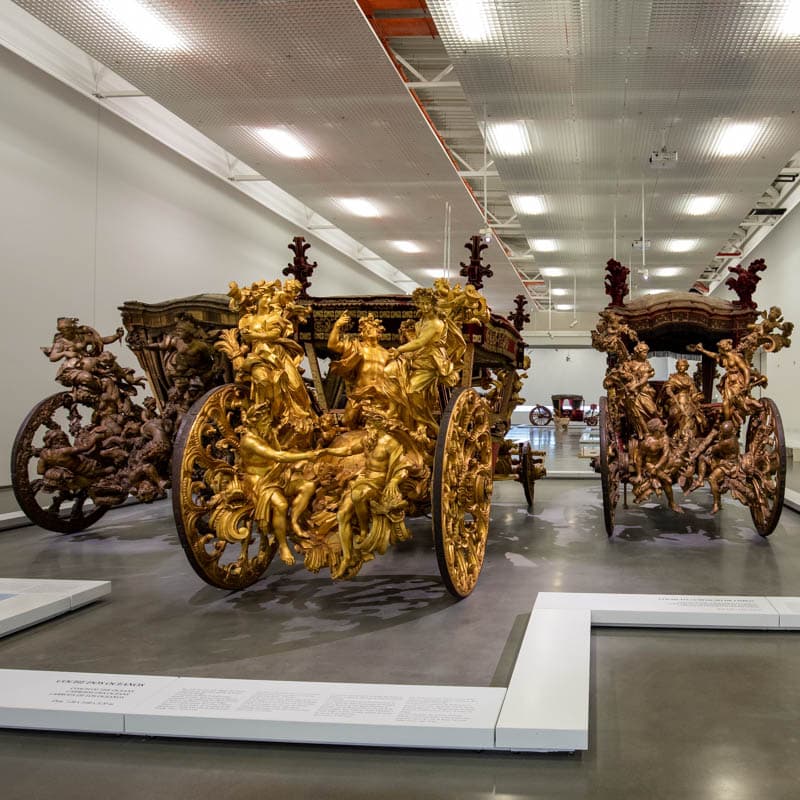
The National Coach Museum is one of those places where history seems to pass before your eyes in procession. Created on the initiative of Queen Amélia in 1905 to gather and preserve the royal vehicles scattered across different palaces, it began in the former Royal Riding School of Belém and, more than a century later, gained a new building designed by Paulo Mendes da Rocha. The collection, regarded as unique in the world, shows how power was displayed on wheels, through luxury, ceremony and diplomacy. Among coaches, berlins and litters, the eye is drawn to the celebrated Coach of the Oceans, one of the museum’s treasures, built for the embassy sent by King João the Fifth to Pope Clement the Eleventh in 1716. Its exuberant carving and allegories linked to the sea and the Discoveries reveal the grand image Portugal wished to project. Visiting this museum is like stepping into a theatre of splendour where memory moves at the solemn pace of horses.

Museu de História Natural e da Ciência da Universidade do Porto4.3

Museu de História Natural e da Ciência da Universidade do Porto

Museum • Porto, Porto

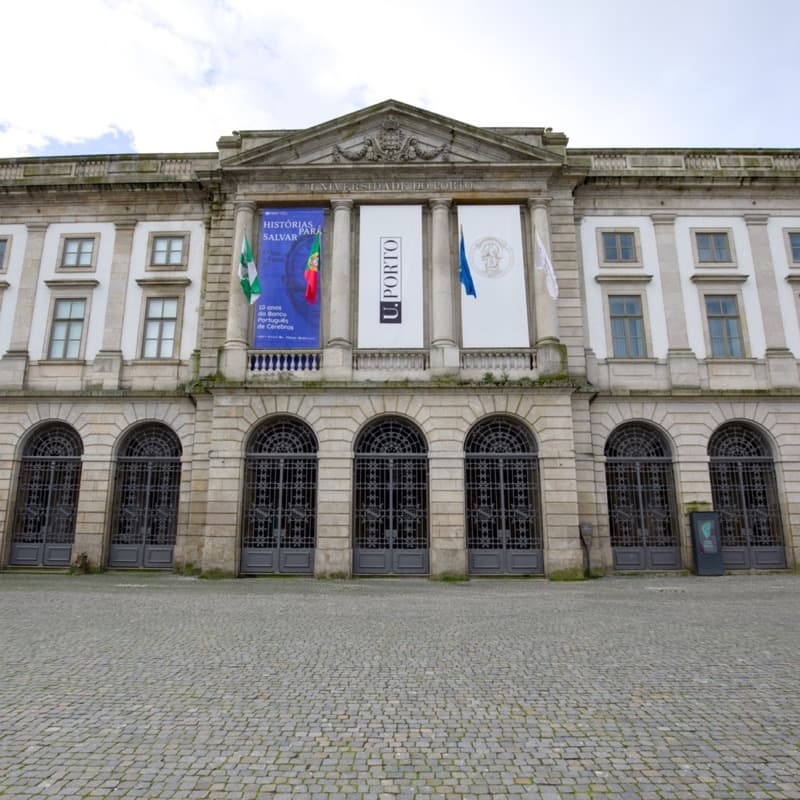
The Natural History and Science Museum of the University of Porto, brings together the University’s scientific memory and brings it closer to the public through a multipolar structure. Formally created at the end of 2015, it resulted from the merger of the Natural History Museum of the University of Porto with the Science Museum of the University of Porto / Faculty of Sciences Centre. Its Central Hub occupies the Historic Building of the Rectorate, next to the Jardim da Cordoaria, and houses collections of geology, palaeontology, zoology, archaeology and ethnography, scientific instruments, documentary and audiovisual archives, and the Herbarium of the University of Porto. The museum also includes the Biodiversity Gallery – Ciência Viva Centre and the Botanical Garden of Porto. Its collections comprise around 850,000 specimens, distributed across 17 collections, with material dating from the mid-19th century to the present day.

MAAT Central4.6

MAAT Central

Museum • Lisboa, Lisboa

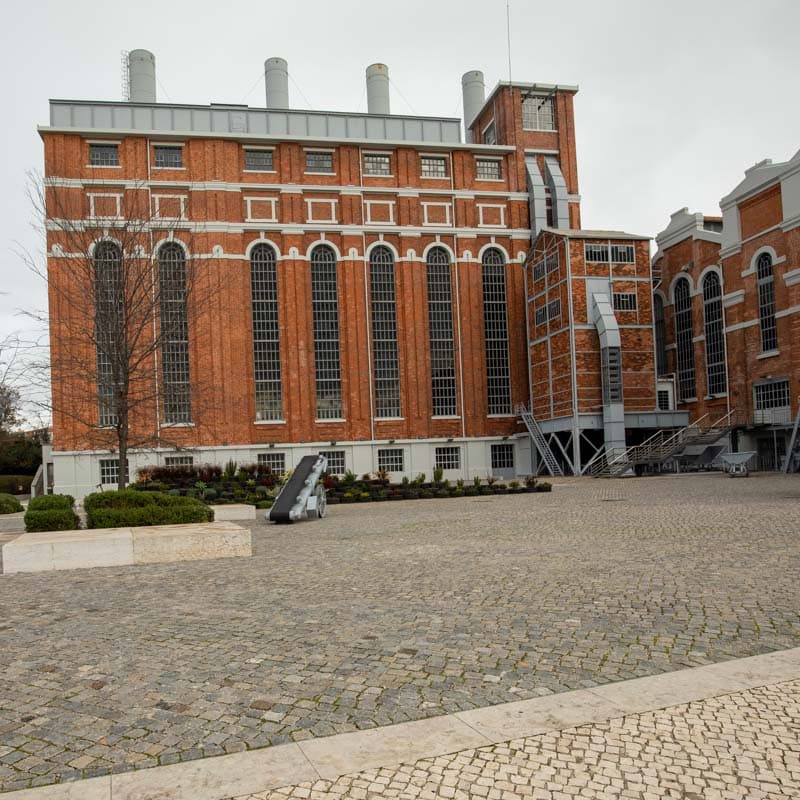
MAAT Central is one of those places where Lisbon can be understood as a modern city. Formerly the Tejo Power Station, this thermoelectric plant began operating in 1909 and supplied the capital for decades, first continuously and later as a reserve station, before being reborn as a museum space. The building, with its red brick, iron and vast windows, is one of the landmarks of Portuguese industrial architecture, yet what impresses most is stepping inside and finding the original machinery still in place. In the exhibition The Electricity Factory, boilers, turbo-alternators and walkways reveal the almost theatrical scale of energy production and recall the time when coal helped to light Lisbon. Today, as part of the MAAT campus, the former plant has gained a new life without losing its raw force. It is a rare place, where technology, memory and city still speak to one another.

Museu do Carro Eléctrico4.4

Museu do Carro Eléctrico

Museum • Porto, Porto

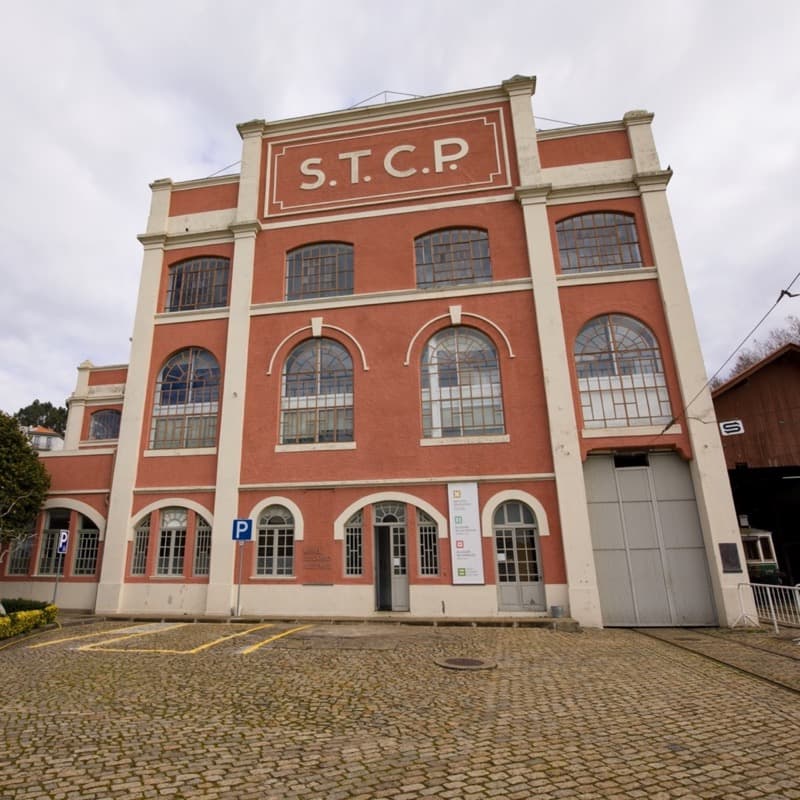
The Museu do Carro Eléctrico, in Porto, occupies part of the former Massarelos Thermoelectric Power Station and preserves the memory of the city’s urban rail transport. The idea of creating a museum emerged in the 1980s, when the electric traction network was losing ground to buses and the car. On 18 May 1992, it opened to the public with vehicles restored by STCP. The building, completed in 1911 and fully operational from 1915, produced and transformed energy to power the trams. Inspired by French industrial structures, it had two production naves and a chimney connected to coal combustion. Today, the collection brings together 28 vehicles, technical equipment, uniforms, transport tickets and documentation. Among rails, machines and restored bodies, the museum tells a story in which energy, city and mobility move forward side by side.

Torre de Belém4.5

Torre de Belém

Monument • Lisboa, Lisboa

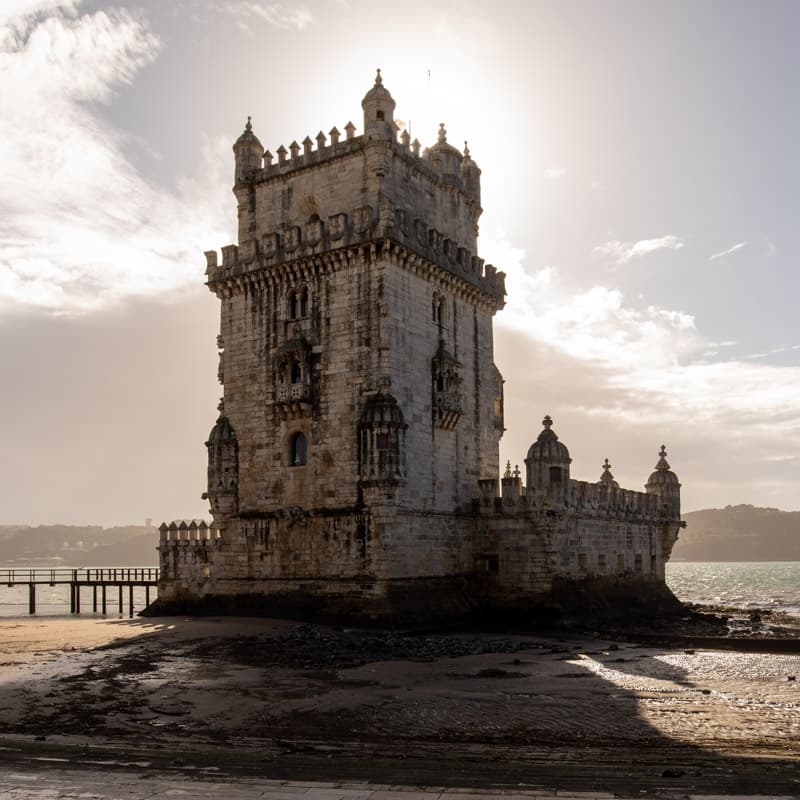
Belém Tower has the grace of a Manueline jewel and the firmness of a fortress built to guard the entrance to the Tagus. Raised in the reign of King Manuel the First, from 1514 onwards, and designed by Francisco de Arruda, it grew closely tied to the port of Lisbon, Jerónimos Monastery and the imagination of the Discoveries. Its form combines a medieval-looking tower with a modern bulwark, while the exterior is covered with ropes, knots, armillary spheres, crosses of the Order of Christ and other motifs that make the stone feel almost like lace. It is worth lingering over the balcony facing the river and one surprising detail: the small rhinoceros carved into one of the façades. From above, the Tagus and Belém come into sharper focus. It then becomes clear why this tower has become one of Lisbon’s great symbols and a UNESCO World Heritage site.

Museu Nacional de História Natural e da Ciência4.4

Museu Nacional de História Natural e da Ciência

Museum • Lisboa, Lisboa

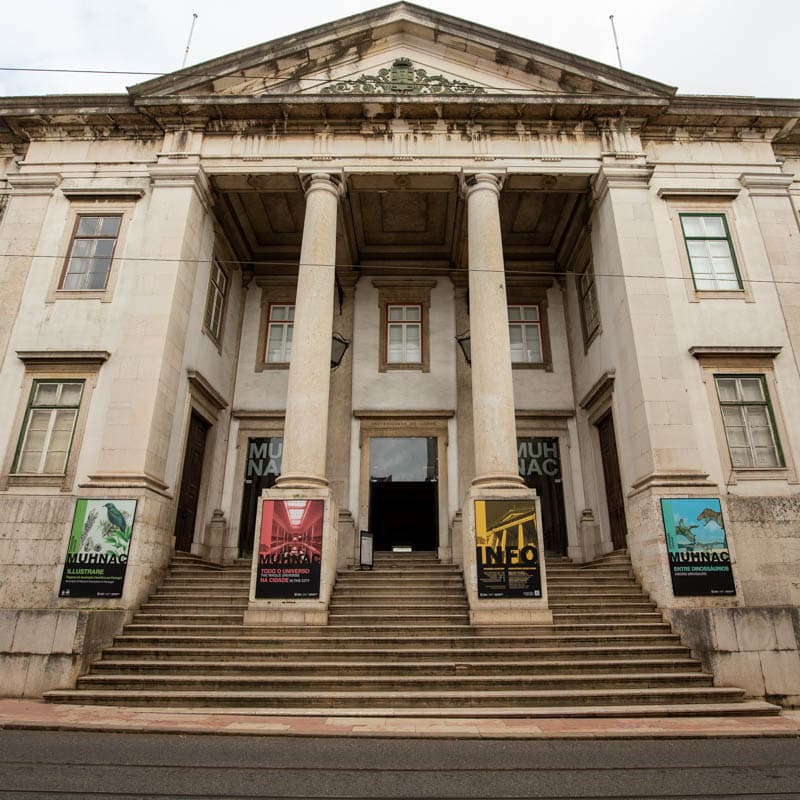
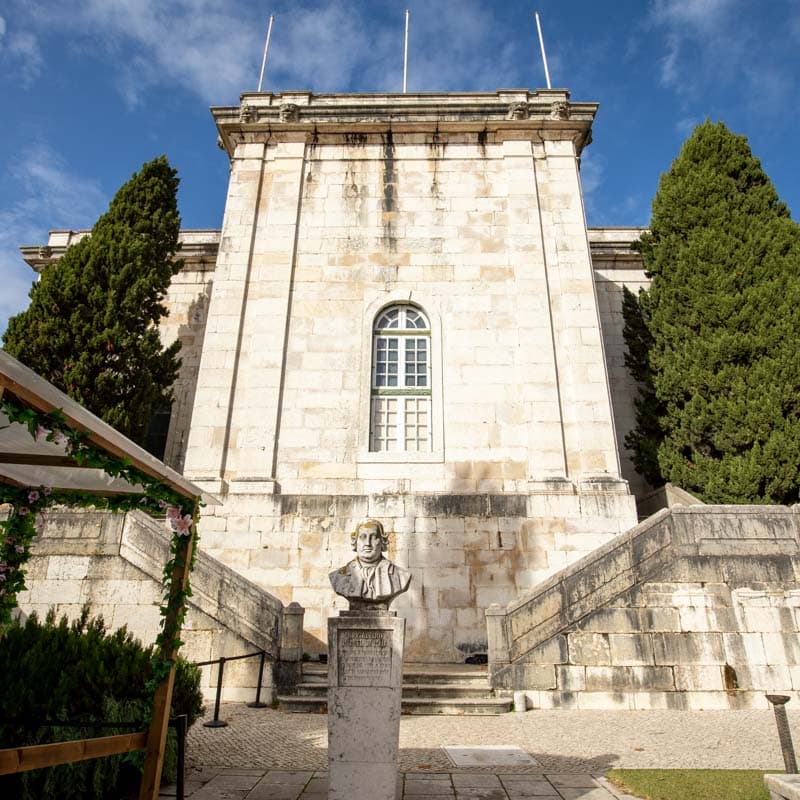
The National Museum of Natural History and Science is one of Lisbon’s most unexpected places: behind the solemn façade of the former Polytechnic School, the city opens itself to curiosity. Heir to the Royal Museum of Natural History and Botanical Garden created in the second half of the eighteenth century, the museum preserves more than 250 years of scientific activity and brings together collections with more than three million objects. Yet the visit never feels like stepping into a static archive. Between galleries, the Lisbon Botanical Garden, integrated into the complex, and the magnificent Laboratorio Chimico, you sense how knowledge was observed, classified and taught. It is worth lingering in that laboratory, a true historical and scientific jewel, where the scale of the space still makes you imagine lessons, experiments and wonder. Few museums show so clearly that science also has architecture, memory and imagination.

Jardim Botânico de Lisboa4.0

Jardim Botânico de Lisboa

Botanical Garden • Lisboa, Lisboa

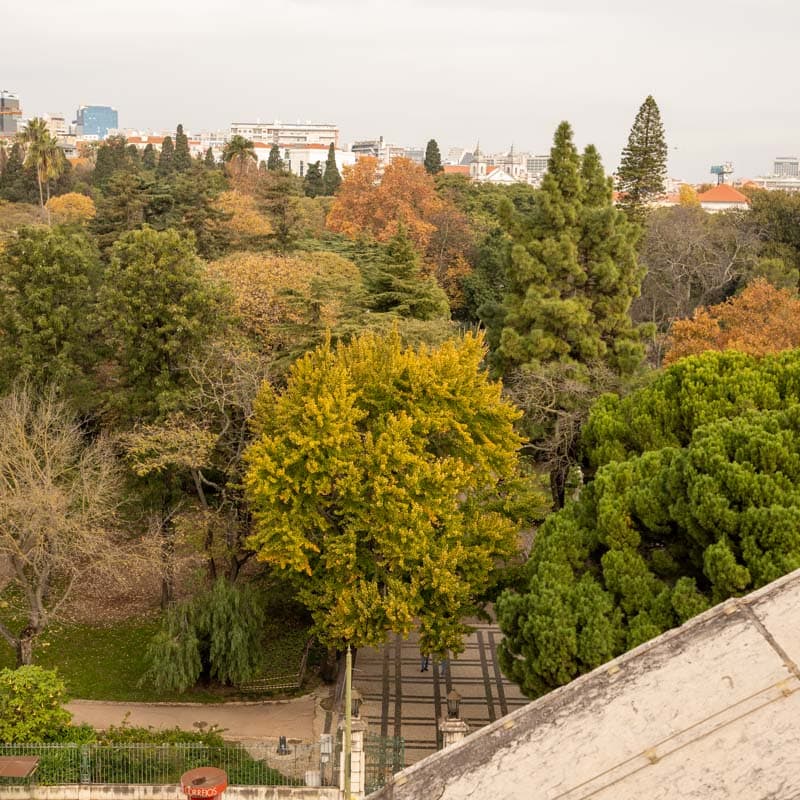
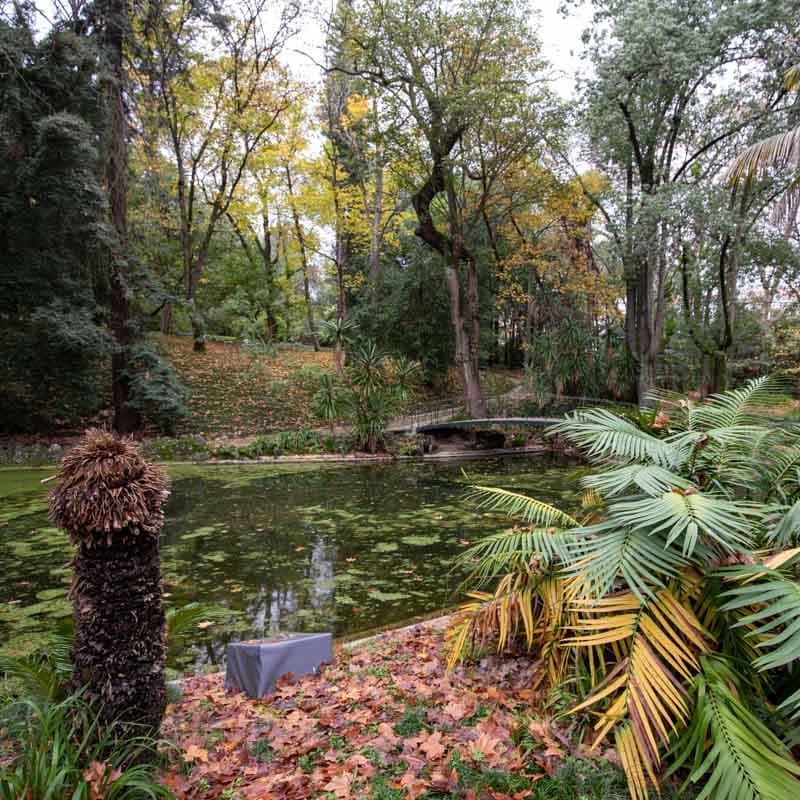
The Botanical Garden of Lisbon is an unexpected refuge in the heart of the city, yet it was born with a very clear scientific purpose. Designed in the mid nineteenth century to support the teaching and study of botany at the Polytechnic School and inaugurated in 1878, it still retains the charm of a garden created to observe, learn and wonder. The more geometric upper area, known as the Classe, opens out with order and light; then the ground falls into the Arboreto, darker and more immersive, where the Avenue of Palms deepens the feeling of stepping away from the city’s noise. Among species from many parts of the world, the collections of cycads, araucarias, palms and tropical figs deserve particular attention, giving the walk a rare botanical richness. Classified as a National Monument, it is a place where Lisbon seems to breathe more slowly.

Reservatório da Mãe d'Água das Amoreiras4.6

Reservatório da Mãe d'Água das Amoreiras

Museum • Lisboa, Lisboa

The Mãe d’Água das Amoreiras Reservoir has the silent grandeur of a place built to protect what a city depends on. At the point where the Águas Livres Aqueduct enters Lisbon, it began to be designed by Carlos Mardel in the mid eighteenth century and was only completed in the following century, which helps explain the striking blend of sobriety and scale it still conveys today. Inside, the deep tank, the four sturdy pillars, the vaults and the water falling from the mouth of a dolphin create an unexpectedly solemn space, almost like a church devoted to engineering. It is also worth noticing the Casa do Registo, where the distribution of water to fountains, convents and noble houses was controlled. And on the terrace, Lisbon opens out with rare clarity. Few places show so well how urban history is also written through water.

Estação do Rossio4.3

Estação do Rossio

Station • Lisboa, Lisboa

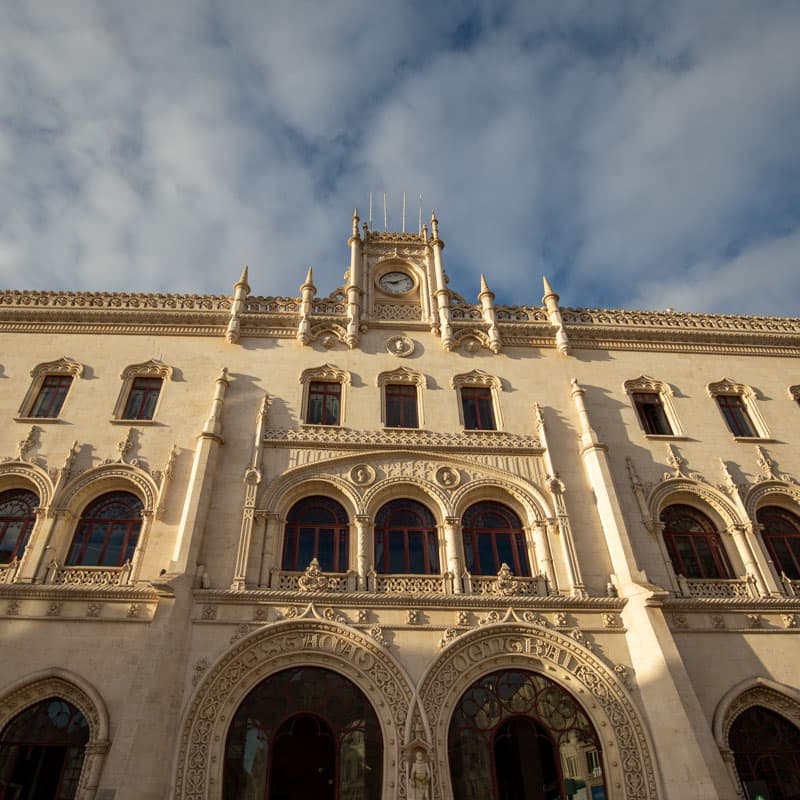
Rossio Station does something rare: it turns a train arrival into a memorable first meeting with Lisbon. Opened in 1890 to serve as the city’s Central Station, it was designed by José Luís Monteiro in the Neo-Manueline style, and one look at the façade explains why: carved arches, lace-like stonework, armillary spheres, sculpture and the clock tower give the building the solemnity of an urban palace. Yet its beauty is not only decorative. The station solved the site’s steep difference in level with great ingenuity and connects to Campolide through a tunnel more than two and a half kilometres long, a decisive work of nineteenth-century railway engineering. It is worth stepping inside and looking up at the iron-and-glass structure above the platforms, or seeking out the famous Sala do Rei. Few places show so clearly that, in Lisbon, even departure can carry grandeur, memory and imagination.

Jardim do Torel4.6

Jardim do Torel

Garden/Park • Lisboa, Lisboa

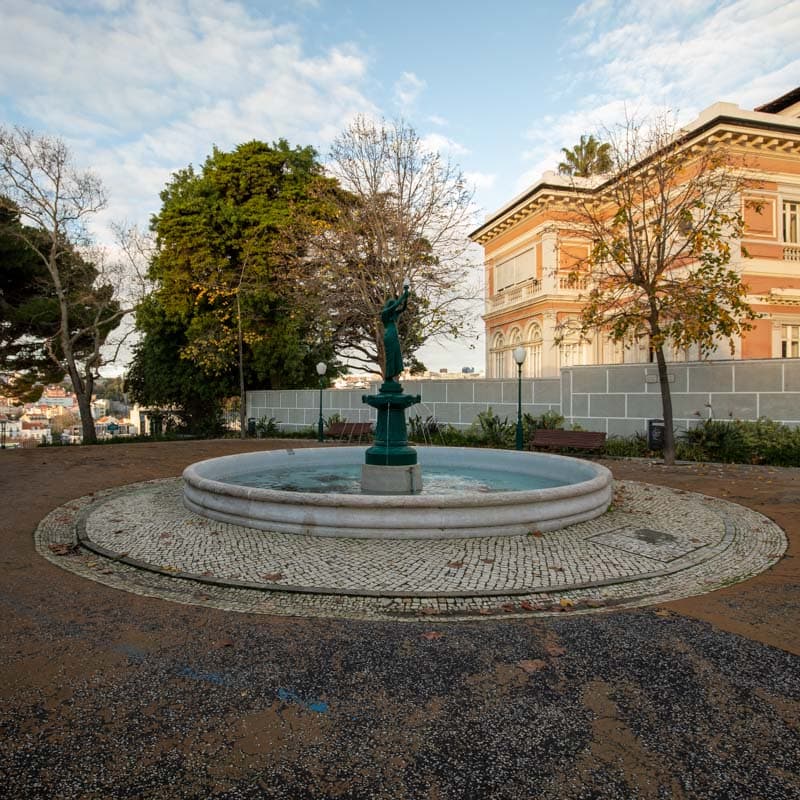
Jardim do Torel has the discretion of places that do not impose themselves and, for that very reason, stay in the memory. Born on the grounds of an early eighteenth-century estate, it takes its name from the magistrate Cunha Thorel and became a public garden and viewpoint when the site was handed to the City Council in 1928. Today, among trees, shade and a sheltered atmosphere, it opens onto a broad view over the valley of Avenida da Liberdade, the hill of São Roque and part of old Lisbon. Around it, the noble houses of the eighteenth and nineteenth centuries deepen the feeling of an urban retreat, almost secret. Reaching it by the Lavra funicular or by Rua do Telhal is part of the charm: the approach prepares the surprise. More than a simple viewpoint, Torel keeps the quiet elegance of a less hurried Lisbon, where the city seems to reveal itself slowly.

Miradouro de São Pedro de Alcântara4.6

Miradouro de São Pedro de Alcântara

Viewpoint • Lisboa, Lisboa

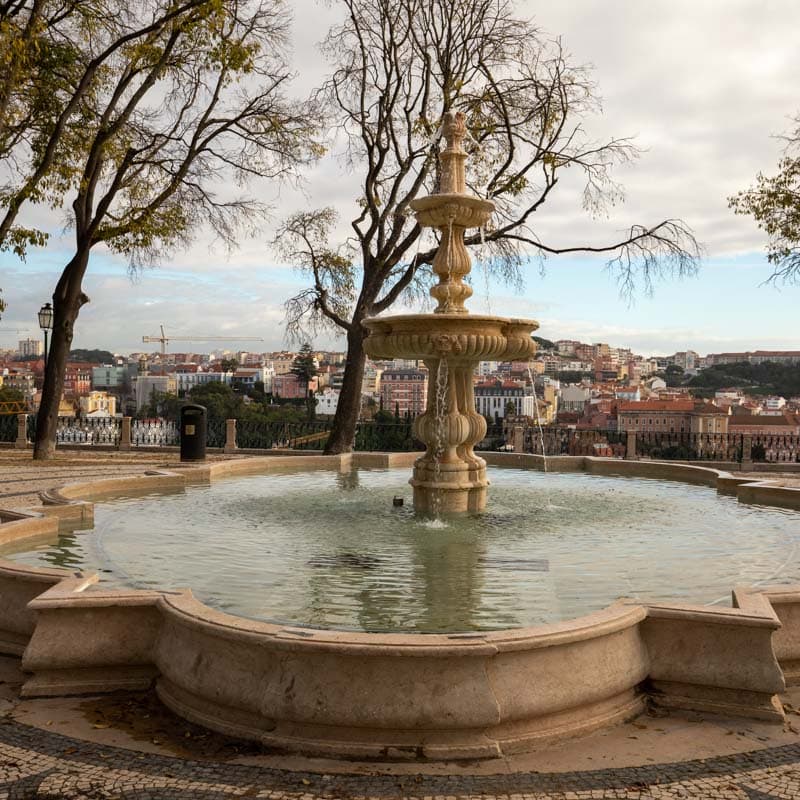
From the top of the São Pedro de Alcântara Viewpoint, Lisbon opens out like a city built in layers. Part of António Nobre Garden, this romantic space is arranged on two terraces linked by stairs and offers one of the broadest panoramas in the capital, from São Jorge Castle and the Cathedral to Baixa, Graça and the valley of Avenida da Liberdade. The power of the place lies both in the view and in the way it frames it. On the upper terrace, among trees and a central fountain, a tile panel designed by Fred Kradolfer helps visitors identify the main landmarks in the landscape. On the lower level, geometric flowerbeds and busts of historical figures and characters from classical mythology extend the atmosphere of romantic Lisbon. More than a viewing point, this is a place that invites you to pause, direct your gaze and understand the city with time and attention.

Museu Nacional do Azulejo4.6

Museu Nacional do Azulejo

Museum • Lisboa, Lisboa

In the former Madre de Deus Convent, founded by Queen Leonor in 1509, the National Tile Museum shows how an apparently simple material became one of the most distinctive expressions of Portuguese culture. The route follows the history of the azulejo from the second half of the fifteenth century to the present day, helping visitors understand how this art decorated churches, palaces, houses and public spaces, while also preserving memory. Among the most striking spaces is the Church of Madre de Deus, where gilded woodcarving, painting and tiles create an interior of remarkable richness. There is also one work that holds the eye for a long time: the Grande Panorama de Lisboa, attributed to Gabriel del Barco, a monumental panel that shows the city before the 1755 earthquake. More than a museum visit, coming here feels like reading Lisbon and Portugal surface by surface, century by century.

Showing 97-120 of 203

Discover by category

Take the LxDiscover App with you

Explore Portugal with a cultural guide for monuments, museums, gardens, palaces, viewpoints, and historic places in Lisbon, Porto, Sintra, and other regions.

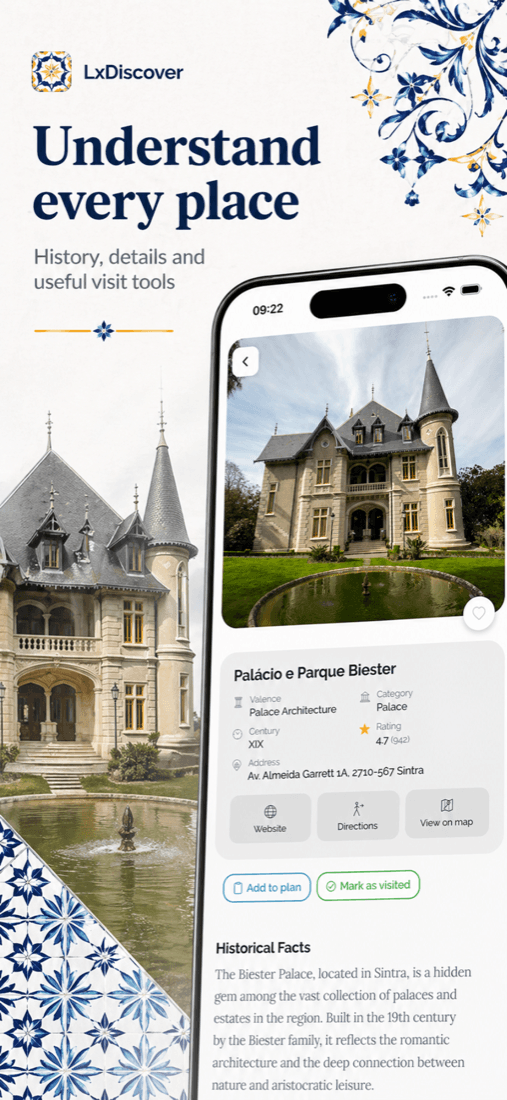
Use the map, follow cultural routes, read editorial context, save places, and track your visits with the visit passport.

Free features

  • Interactive map to discover places of interest
  • Detailed information about monuments, museums, and cultural sites
  • Favorites for the places you want to visit
  • Selected routes to start exploring

Premium subscription

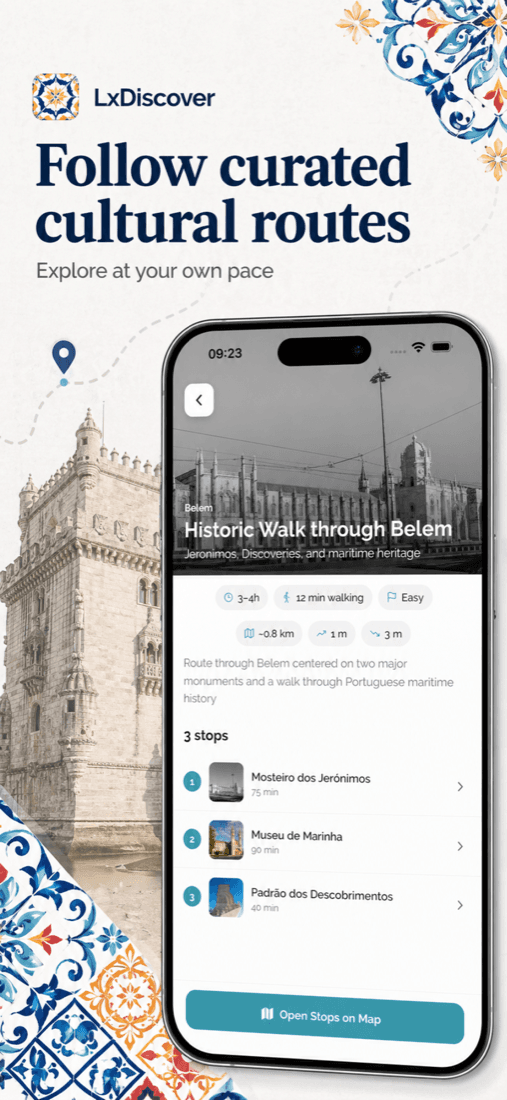
  • Curated routes with ordered stops, duration, and difficulty
  • Thematic collections with editorial context for each area
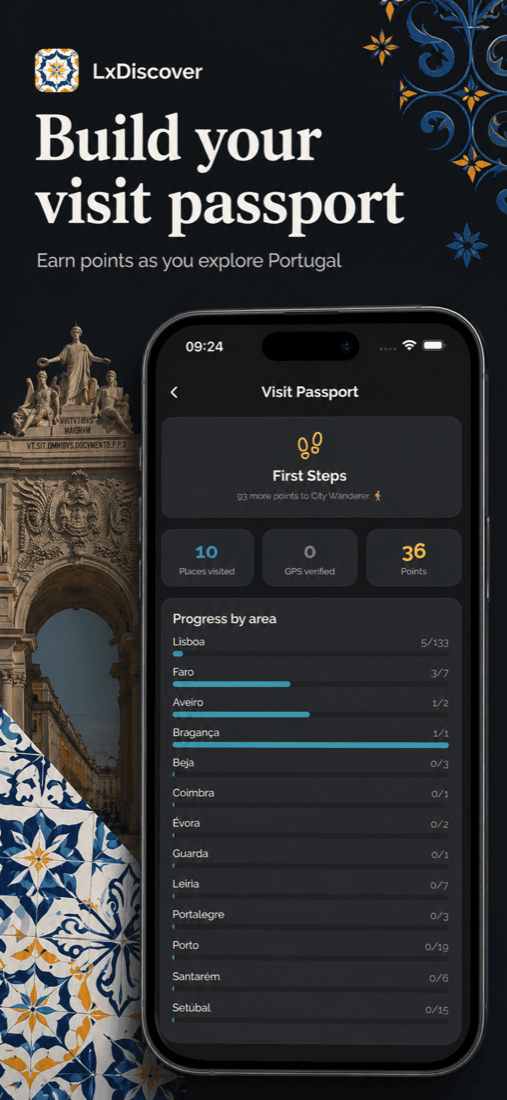
  • Visit passport for progress, visited places, and achievements
  • Advanced map, planning, and proximity alert tools
LxDiscover map screen
LxDiscover routes screen
LxDiscover visit passport screen