Places

Cultural places in Portugal

Browse LxDiscover places across monuments, museums, palaces, viewpoints, gardens, churches and historic sites. Use this hub to start planning, then open the app for map-based routes, saved places and short cultural audio guides.

203 places

Featured cultural places

Explore on the map
Museu Nacional do Traje4.4

Museu Nacional do Traje

Museum • Lisboa, Lisboa

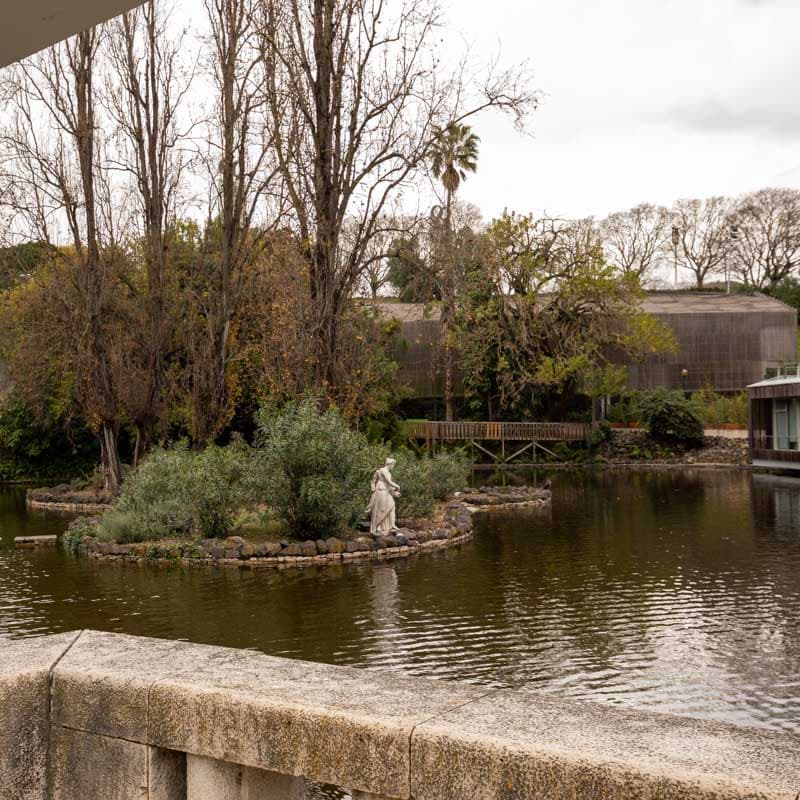
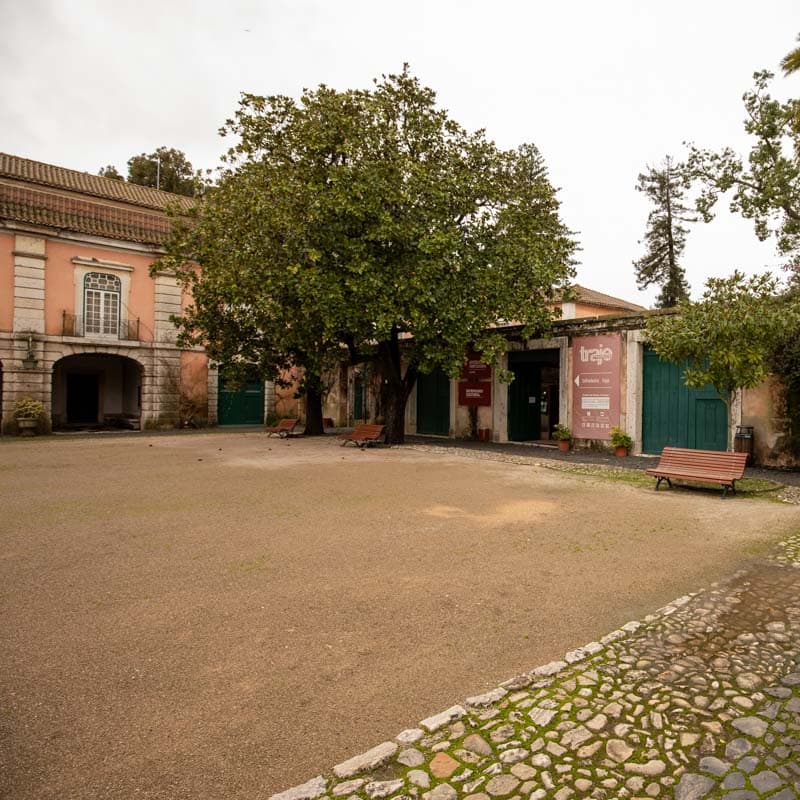
In the Angeja-Palmela Palace, a former leisure estate in Lumiar, the National Costume Museum shows how clothing can tell the story of a country. Opened in 1977, it brings together around forty thousand garments and accessories, from the eighteenth century to the present day, and follows above all the ways in which the aristocracy, the upper bourgeoisie and the middle classes dressed, represented themselves and changed over time. The original core came from the National Coach Museum and included pieces linked to the Royal Household, a detail that helps explain the richness of the collection. Yet the place does not end in the galleries: the museum extends into the Monteiro-Mor Botanical Park, created in the eighteenth century, with lakes, woodland, a kitchen garden and the first known araucaria in mainland Portugal. Here, costume stops being mere fashion and becomes a living reading of Portuguese society.
Museu Nacional do Teatro e da Dança4.3

Museu Nacional do Teatro e da Dança

Museum • Lisboa, Lisboa

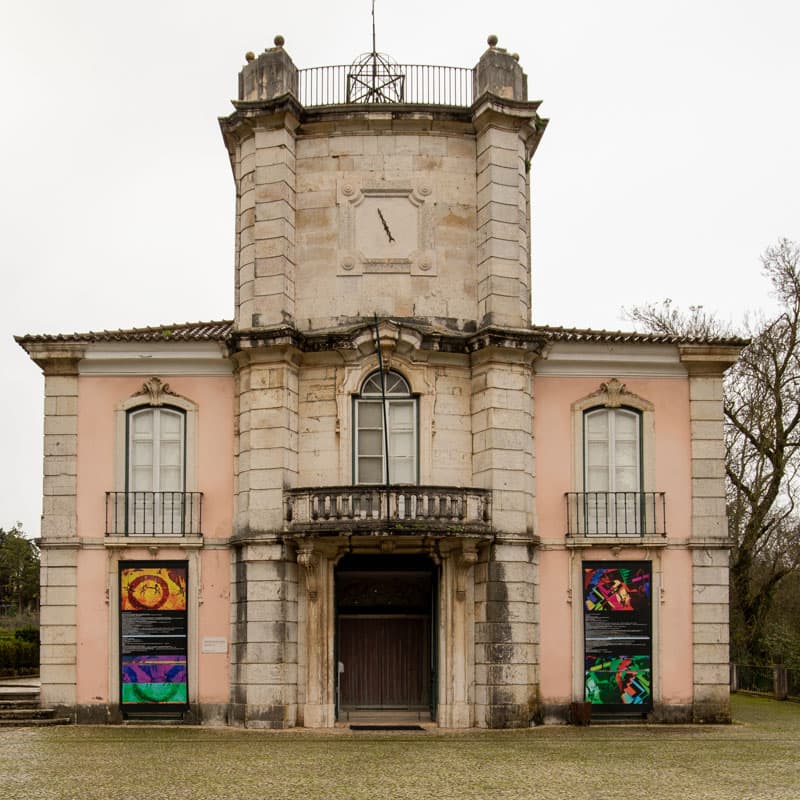
In Lumiar, the National Museum of Theatre and Dance keeps the living memory of the Portuguese stage. Housed in the eighteenth-century Monteiro-Mor complex, it brings together the country’s most extensive collection on the performing arts, with costumes, set models, props, posters, scores, photographs and archives that reveal centuries of creation, rehearsal and applause. The museum has the rare ability to show theatre not as distant art, but as work shaped by body, voice and imagination. Since the important donation made by José Sasportes in 2015, dance has gained an even more central place here, strengthening the museum’s very identity. During a visit, it is also worth noticing the atmosphere of old Monteiro-Mor: an eighteenth-century aristocratic setting linked to gardens with tropical species and exotic birds. Between memory, study and invention, this is a place that brings us closer to what happens before the curtain rises.

Fundação Calouste Gulbenkian4.8

Fundação Calouste Gulbenkian

Cultural Centre • Lisboa, Lisboa

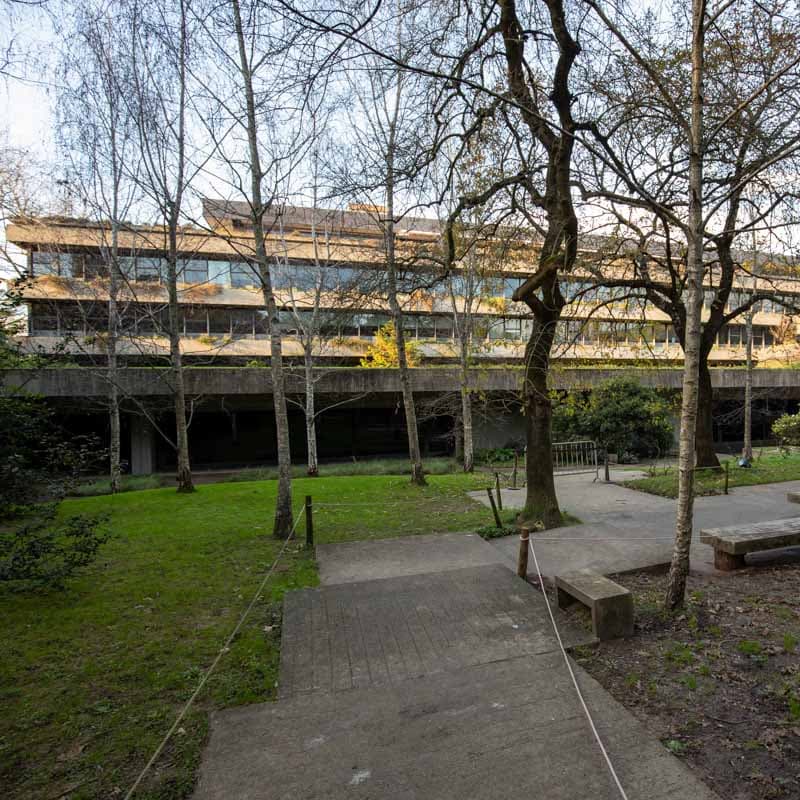
More than a museum or a foundation, Gulbenkian is a rare place where Lisbon seems to slow down. Created in 1956 through the will of Calouste Sarkis Gulbenkian, the collector and philanthropist of Armenian origin who chose Lisbon for the last years of his life, the institution brought together art, science, education and charity within a single cultural project. The complex of headquarters, museum and garden, inaugurated in 1969, is a landmark of Portuguese modernism: its restrained volumes of concrete and glass seem to rest upon the greenery, in constant dialogue with the garden designed by Gonçalo Ribeiro Telles and António Viana Barreto, one of the most emblematic modern gardens in Portugal. It is worth noticing that rare fusion of architecture, water, trees and silence. Not by chance, the complex received the Valmor Prize and was classified as a National Monument, becoming the first contemporary work to receive that protection in Portugal.

Panteão Nacional4.5

Panteão Nacional

Church • Lisboa, Lisboa

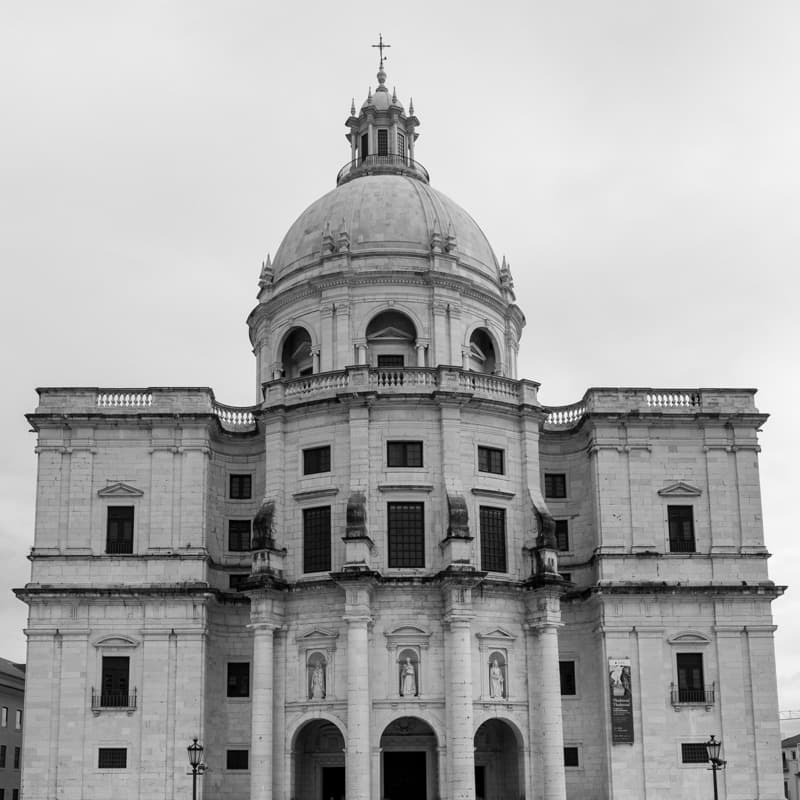
High above Santa Clara, the National Pantheon stands over Lisbon like a monument of stone memory. The building was originally intended to be the church of Santa Engrácia and began to rise in the late seventeenth century, to a design by João Antunes, but it took so long to be completed that it gave rise to the famous Portuguese expression “works of Santa Engrácia”, used for something that never seems to end. Only in the twentieth century was it adapted into the National Pantheon and finally completed, with its great dome and restored interior. Today, among coloured marbles, curved walls and a central space of striking scale, it honours major figures of Portuguese history and culture, including Almeida Garrett, Sophia de Mello Breyner Andresen and Amália Rodrigues. It is well worth climbing to the terrace, where the view over Alfama, the Tagus and Lisbon’s rooftops shows why this place feels both solemn and open to the city.

Estufa Fria4.7

Estufa Fria

Botanical Garden • Lisboa, Lisboa

Hidden on the slope of Eduardo VII Park, the Estufa Fria is one of Lisbon’s most unexpected refuges. It was created from an old basalt quarry, transformed into a sheltered garden and opened to the public in 1933, a fine example of how the city reinvented a scar in the landscape. Today it is divided into the cold, hot and sweet greenhouses, bringing together more than 300 species from several continents, including tree ferns, camellias, begonias and rare or threatened plants. Yet what makes the visit especially memorable is its atmosphere: damp paths, ponds, shade and a silence that feels almost improbable in the middle of the city. There is even a detail that captures the spirit of the place: in the cold greenhouse, the wooden slatted cover lets the rain fall through. It is worth walking slowly and noticing how water, stone and vegetation seem to have found a natural balance here.

Estação Ferroviária de Santa Apolónia4.3

Estação Ferroviária de Santa Apolónia

Station • Lisboa, Lisboa

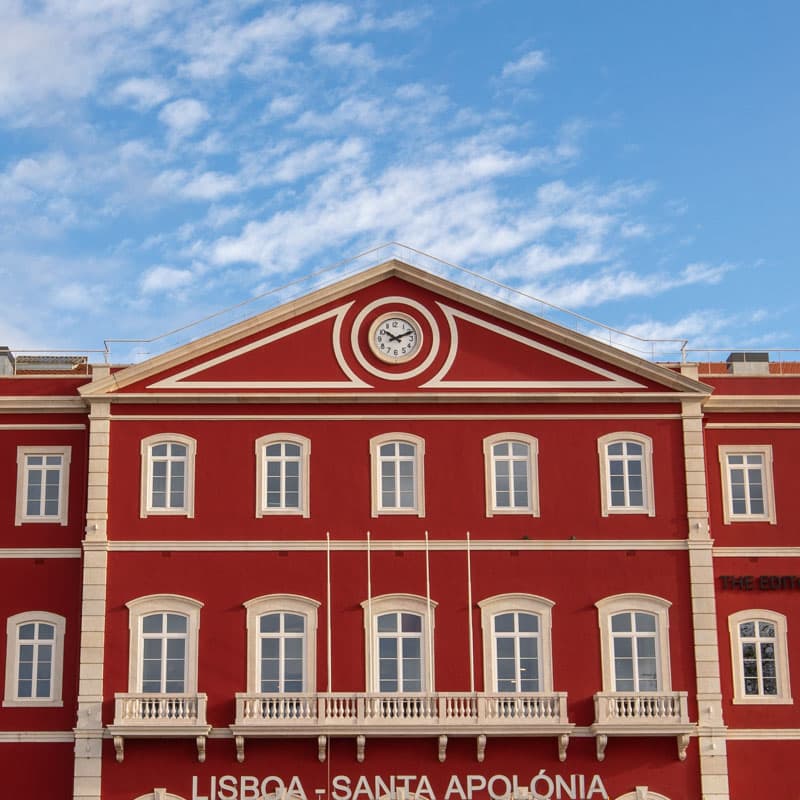
Few places show Lisbon’s entry into modernity as clearly as Santa Apolónia Railway Station. It was here that Portugal’s first train journey departed in 1856, still from temporary facilities in the former convent of Santa Apolónia. The building we see today, with its neoclassical design and U-shaped plan, opened in 1865, fitted into a narrow strip between the houses and the Tagus, like a true railway gateway to the capital. Over generations, it has received departures, returns and farewells; one of its most symbolic moments came in 1974, when Mário Soares arrived from exile and addressed the crowd from the station balcony. During a visit, it is worth noticing the long nave and the relationship with the river, which still gives the whole place the feeling of an urban quay. Between railway, city and political memory, Santa Apolónia still tells the story of Lisbon in motion.

Teatro Nacional Dona Maria II4.7

Teatro Nacional Dona Maria II

Theatre/Cinema • Lisboa, Lisboa

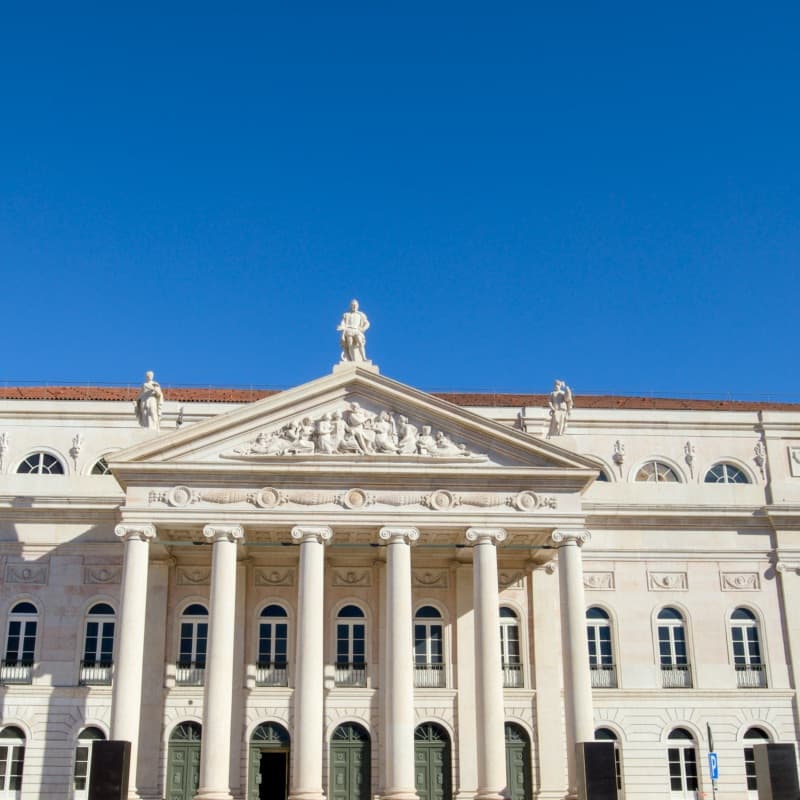
In Rossio, the National Theatre Dona Maria II is far more than a famous façade: it is a symbol of the very idea of public theatre in Portugal. Its origins are tied to the cultural reform of 1836, when Passos Manuel asked Almeida Garrett to conceive a national theatre; the building, designed by Fortunato Lodi, rose between 1842 and 1846 on the site of the former Palácio dos Estaus, once the seat of the Inquisition. Its neoclassical front, with a portico of six Ionic columns brought from the former Convent of São Francisco da Cidade, gives Rossio the air of an urban stage. In 1964, a fire destroyed almost all the interior, but the theatre was rebuilt and reopened in 1978. Today it still brings memory and creation together, and it is worth taking time to look at it: few buildings tell so clearly how Lisbon turned a place of power and surveillance into a space for art and imagination.

Elevador de Santa Justa4.1

Elevador de Santa Justa

Elevator • Lisboa, Lisboa

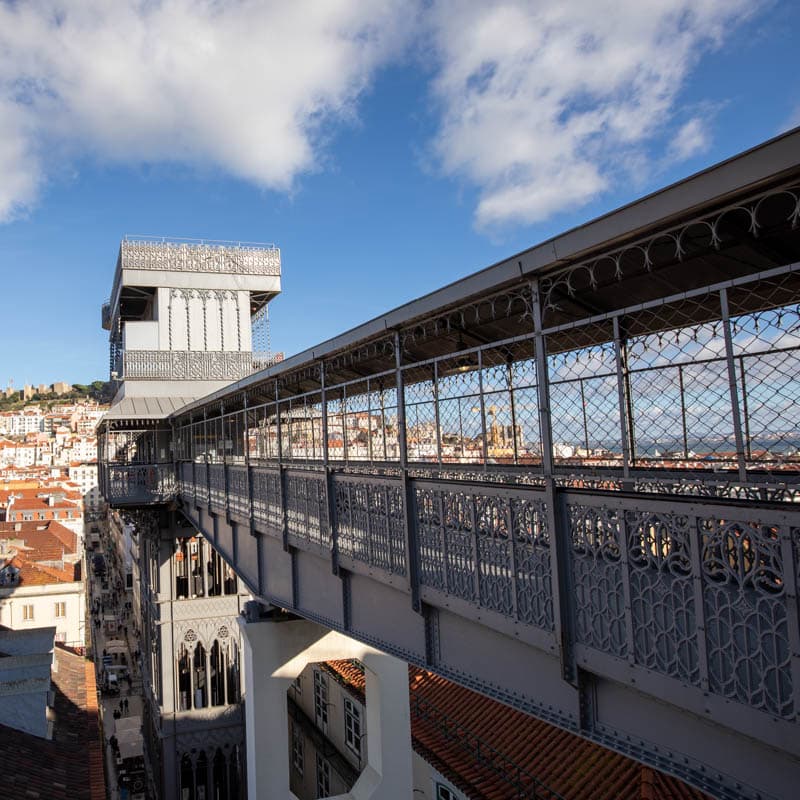
In the heart of Baixa, the Santa Justa Lift shows how Lisbon turned an urban problem into beauty. Opened in 1902 to overcome the steep difference in level between Rua do Ouro and Largo do Carmo, it was designed by Raoul Mesnier du Ponsard and first operated by steam before changing to electricity in 1907. Its iron structure, laced with neo-Gothic arches, makes it far more than a means of transport: it is a rare piece of Lisbon’s industrial architecture and the only vertical lift the city still preserves. During a visit, it is worth noticing the wood-lined cabins, the delicacy of the metal decoration and the suspended walkway leading to Carmo. From the top, among rooftops, ruins and hills, it becomes clear why this monument remains one of Lisbon’s most distinctive images.

Parque da Quinta do Monteiro-Mor4.5

Parque da Quinta do Monteiro-Mor

Palace • Lisboa, Lisboa

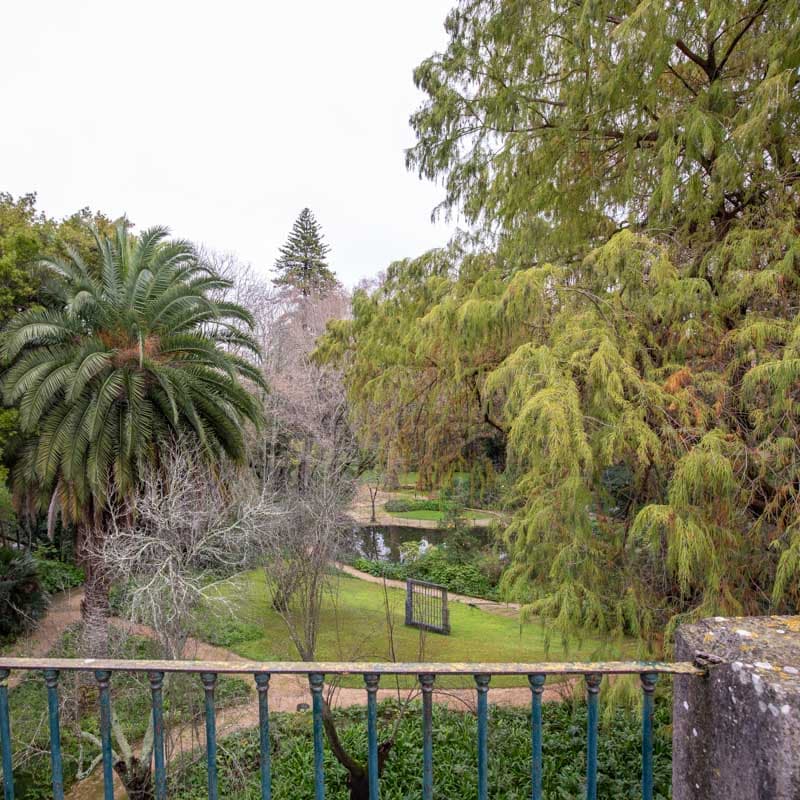
In Lumiar, the Quinta do Monteiro-Mor Park, now known as the Monteiro-Mor Botanical Park, is one of those places where Lisbon seems to gain time and depth. Created in the eighteenth century as part of an aristocratic leisure estate and associated with Vandelli, it still preserves the logic of a historic garden, orchard, vegetable garden, woodland and water corners spread across about eleven hectares. As you walk through it, you can still sense the site’s old botanical and collecting vocation, marked by rare species and by very different settings unfolding from one area to the next. It is no coincidence that the first known Araucaria heterophylla in mainland Portugal is found here. The park extends the memory of the Monteiro-Mor palaces and is in dialogue with the museums installed on the estate, yet what lingers most is the atmosphere: stairways, pools, deep shade and an almost unexpected serenity. It is a garden best discovered slowly, between science, landscape and memory.

Praça Dom Pedro IV4.6

Praça Dom Pedro IV

Square • Lisboa, Lisboa

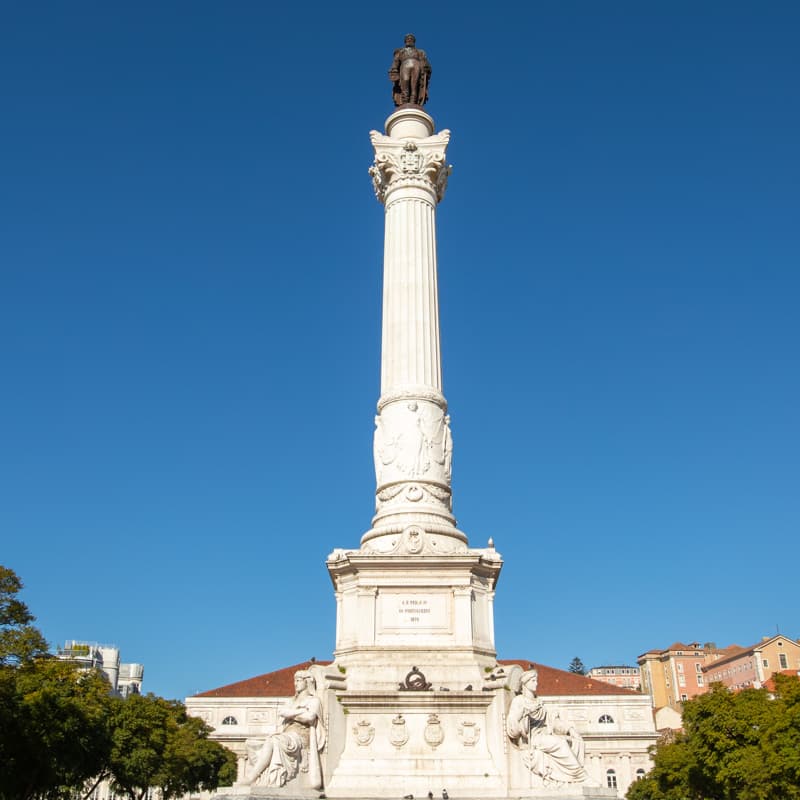
Few places sum up Lisbon’s public life as well as Praça Dom Pedro IV, which everyone still calls Rossio. For centuries it was a market, a stage for festivities, conspiracies and everyday encounters; after the earthquake of 1755, it took on the ordered shape that still structures the Baixa today. At its centre rises, since 1870, the column of D. Pedro IV holding the Constitutional Charter, as if the whole square were also a civic theatre. It is worth looking down at the pavement: the undulating pattern of the calçada, the “wide sea” of light and dark stone, has become one of Lisbon’s most recognisable images. There is also an almost invisible detail that makes the place even more fascinating: beneath Rossio, remains of the Roman circus of Olisipo have been identified. Between the murmur of cafés, the façade of the National Theatre and the flow of passers-by, this square remains an urban heart where Lisbon appears both ancient and vividly alive.

Amoreiras 360° Panoramic View4.5

Amoreiras 360° Panoramic View

Viewpoint • Lisboa, Lisboa

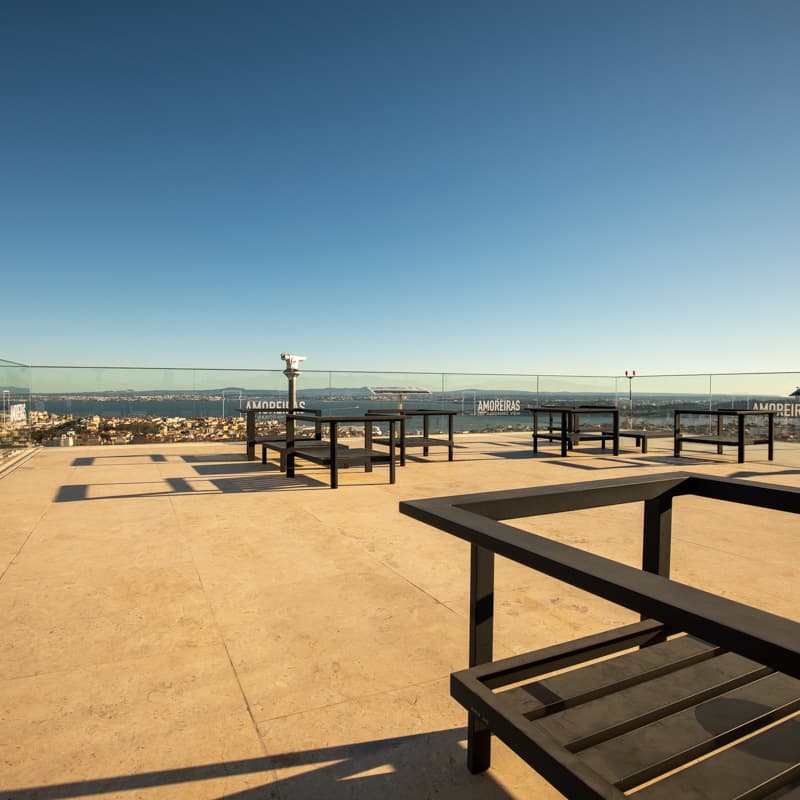
At the top of the Amoreiras Towers, the Amoreiras 360° Panoramic View reveals Lisbon in a way the city rarely allows itself to be seen: whole, wide and surprisingly legible. At 174 metres above sea level, on one of the highest points in the city, this viewpoint offers a continuous reading of the Tagus, São Jorge Castle, the Águas Livres Aqueduct, the Estrela Basilica and the rolling shape of Lisbon’s hills. More than a simple lookout, it is a place that helps you understand the scale and variety of the capital, between old neighbourhoods, major monuments and areas of urban expansion. Set within the Amoreiras Towers complex, opened in 1985 and awarded the Valmor Prize, it has earned a distinctive place in the city’s skyline. It is worth using the viewing scopes and following the maps slowly: from above, Lisbon seems to arrange itself before your eyes, as if the whole city became, for a moment, clearer.

Casa Museu Dr. Anastácio Gonçalves4.4

Casa Museu Dr. Anastácio Gonçalves

Museum • Lisboa, Lisboa

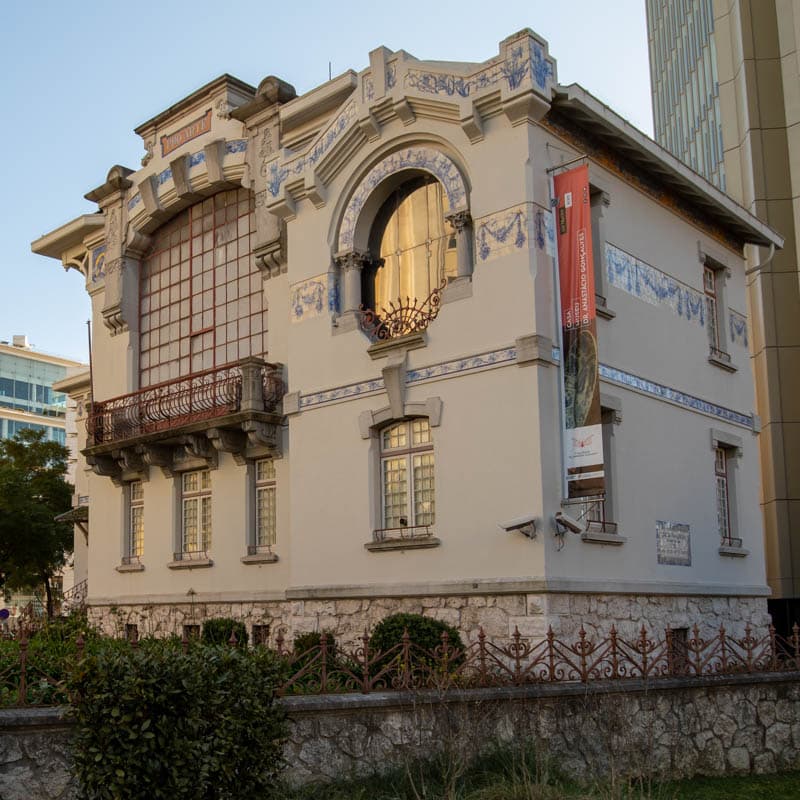
On Avenida Cinco de Outubro, the Dr Anastácio Gonçalves House-Museum has something rare about it: even before you step inside, it already feels like a work of art. Built in 1904 and 1905 as the home and studio of the painter José Malhoa, it was designed by Norte Júnior and became Lisbon’s first artist’s house, receiving the Valmor Prize as early as 1905. The façade, with the great window of the former studio, the tile friezes and the Art Nouveau details, reveals an architecture conceived for light, for creation and for the pleasure of looking. In 1932, the doctor and collector Anastácio Gonçalves bought the house and turned it into the setting for his remarkable collection, now numbering around three thousand works. During a visit, it is worth sensing that meeting between domestic intimacy and cultivated taste: Portuguese painting, Chinese porcelain, furniture and small objects live together here as though the house were still inhabited by art.

Pilar 7 - Experiência Ponte3.5

Pilar 7 - Experiência Ponte

Tourist Attraction • Lisboa, Lisboa

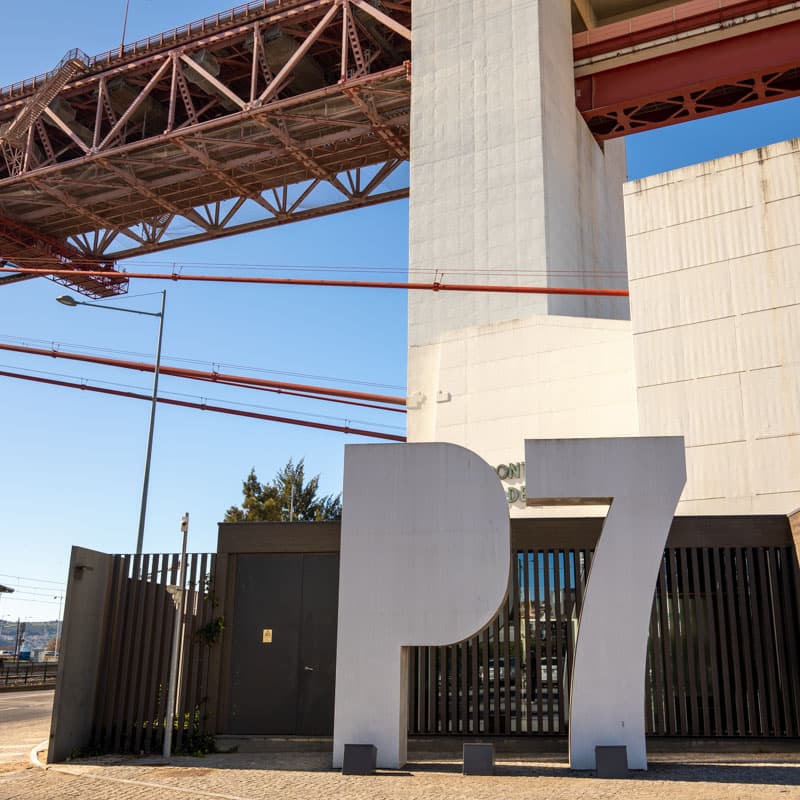
In Alcântara, Pilar 7 - Bridge Experience invites you inside one of Lisbon’s great pieces of machinery. Installed in one of the main pillars of the 25 de Abril Bridge, it was born during the bridge’s conservation works and opened to the public in 2017, turning a technical structure into a place of discovery. The route begins beside the anchorage blocks and continues through an interpretive centre with multimedia displays, the memory of the workers of the 1960s and the story of this crossing, inaugurated in 1966. Then the lift rises to road-deck level and reveals what is rarely seen: the bridge from within, the scale of steel and concrete, the constant sound of traffic and Lisbon opening onto the Tagus. From above, between Alcântara, Belém and the opposite bank, it becomes clear that this is more than a panoramic viewpoint. It is an unexpected way of understanding how the city connects, grows and imagines itself.

Museu Medeiros e Almeida4.7

Museu Medeiros e Almeida

Historic House • Lisboa, Lisboa

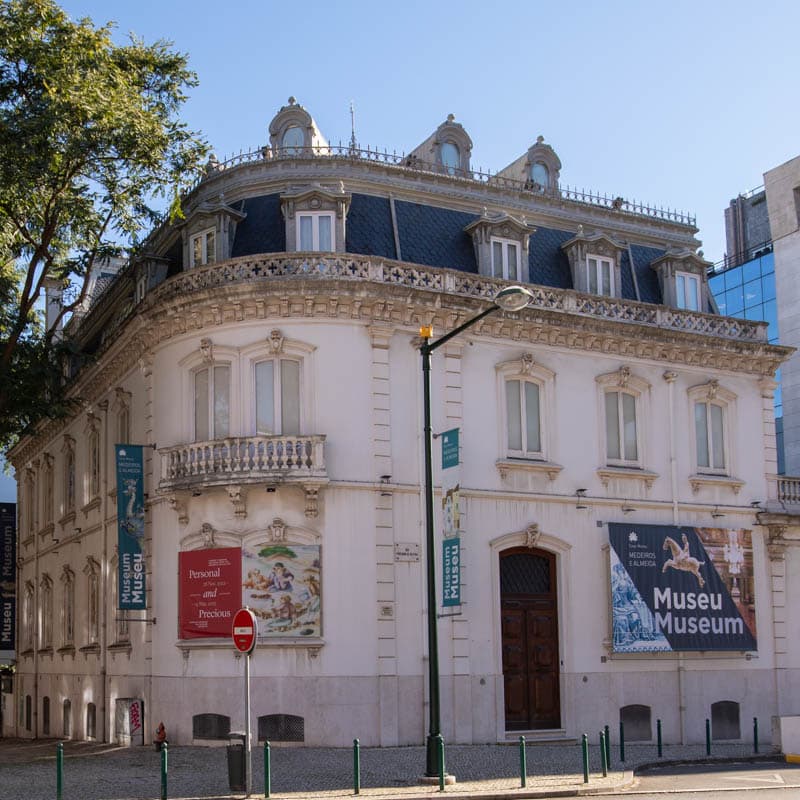
Hidden near Avenida da Liberdade, the Medeiros e Almeida Museum feels less like a museum than a house where taste still lives. António de Medeiros e Almeida began collecting in the 1930s and, to keep the whole ensemble together, created a foundation in 1972 and turned his own residence into a museum, which opened to the public in 2001. Today, the route runs through 27 rooms and around two thousand works, divided between the wing once lived in by the couple, preserved with domestic intimacy, and the extension built over the former garden, where grand decorative settings were recreated. The collection is deliberately eclectic, yet some groups stand out at once, such as the clocks, Chinese ceramics, silver and fans. It is also worth lingering in the Lake Room, conceived as an evocation of the lost garden: among tiles, marble and silence, one understands how this place turned a collector’s private passion into a rare experience of beauty and memory.

Aqueduto das Águas Livres4.5

Aqueduto das Águas Livres

Aqueduct • Lisboa, Lisboa

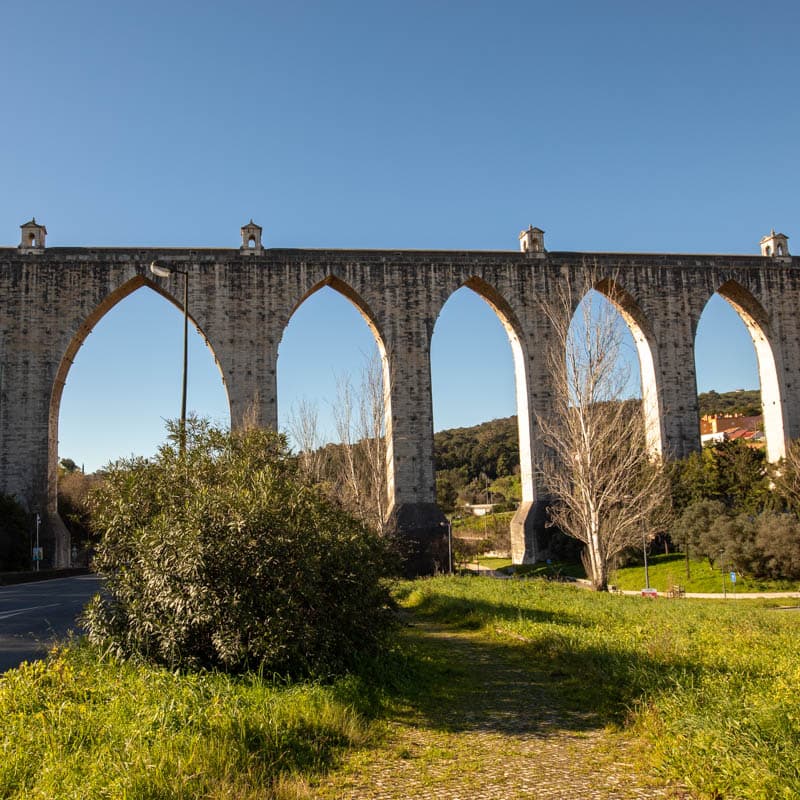
More than a monumental work, the Águas Livres Aqueduct is Lisbon’s grand answer to an old problem: the lack of water. Commissioned by King João V in 1731, the system brought into the city water collected in the Belas area and, throughout the eighteenth century, supplied reservoirs, galleries and fountains that transformed urban life. Its most famous stretch is the one crossing the Alcântara valley: 35 arches over 941 metres, with the largest pointed stone arch in the world, so solid that it survived the earthquake of 1755. During a visit, what impresses most is not ornament but the intelligence of the engineering and the feeling of walking suspended above Lisbon. Between the austerity of the stonework, the scale of the valley and the memory of water entering the capital, it becomes clear why this is one of the city’s most extraordinary monuments.

Estação Elevatória a Vapor dos Barbadinhos / Museu da Água4.3

Estação Elevatória a Vapor dos Barbadinhos / Museu da Água

Water Reservoir • Lisboa, Lisboa

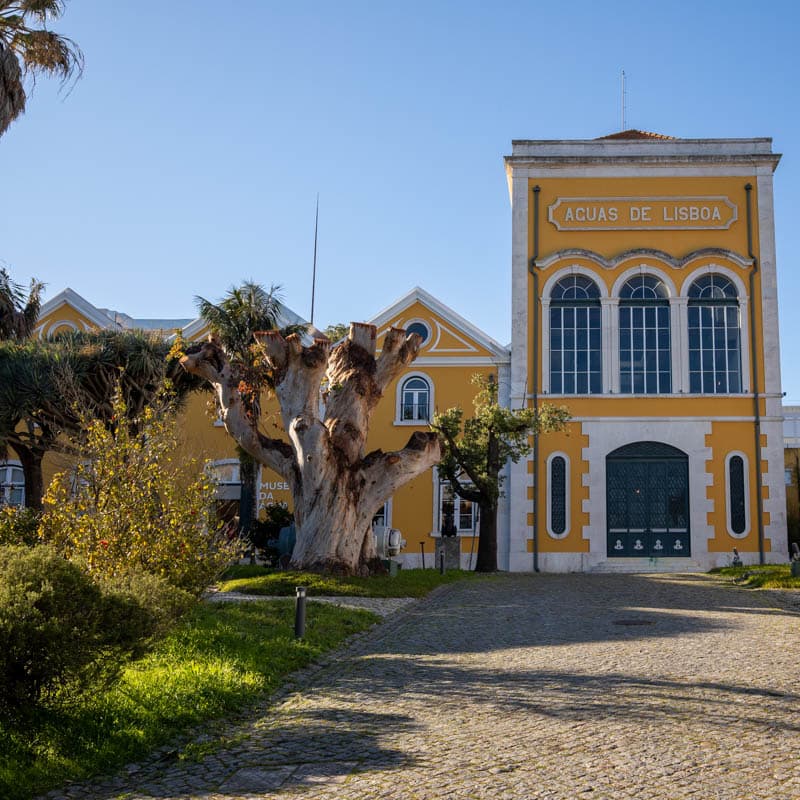
In Barbadinhos, the Water Museum occupies a place where engineering took on the scale of a monument. The former steam pumping station was inaugurated in 1880, beside the reservoir that received water from the Alviela aqueduct, and it was created to answer a very practical need: bringing more water to a growing Lisbon. For decades, it played a decisive role in the city’s supply system, lifting water to higher areas and allowing the domestic network to expand. Today, what makes the visit memorable is the striking Machine Hall, where four steam engines and their pumps are still preserved among iron structures, walkways and volumes that still convey the force of the industrial age. The building, classified as a Property of Public Interest ensemble, shows how a utilitarian infrastructure can become living heritage. Here, Lisbon is also told through water, coal and ingenuity.

Museu Militar de Lisboa4.6

Museu Militar de Lisboa

Museum • Lisboa, Lisboa

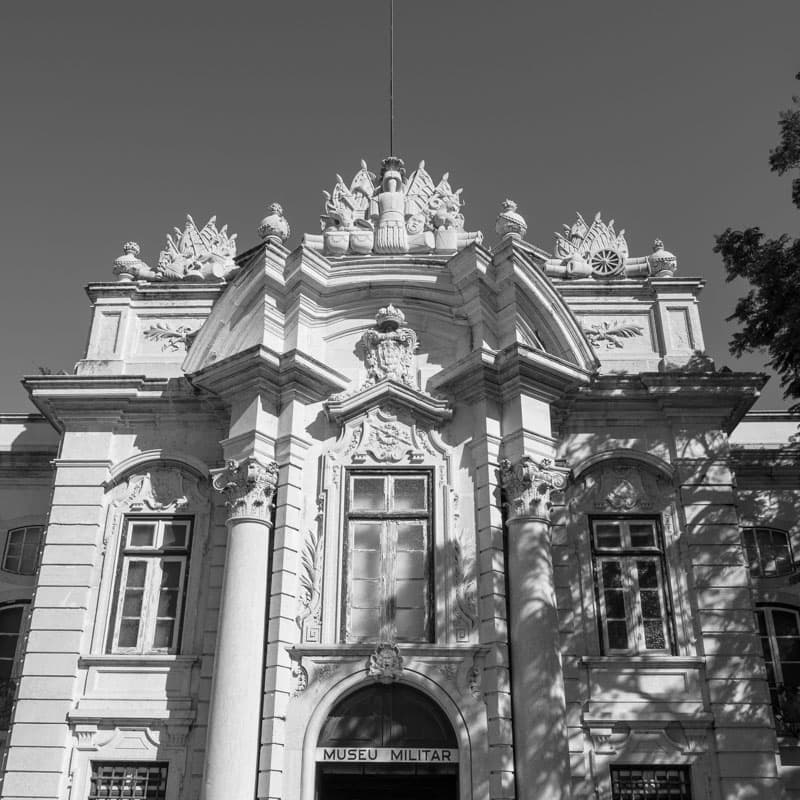
In Santa Apolónia, the Lisbon Military Museum is surprising because it is not only a museum of weapons: it is also a place where Portuguese military history meets art and the memory of the city. The institution began to take shape in 1842 and was created as the Artillery Museum in 1851, occupying a building linked to the former Royal Army Arsenal, rebuilt in the eighteenth century and later adapted for museum use. Its rooms, richly decorated with painting, carved wood and tilework, give the visit an unexpected solemnity, while collections of weapons, uniforms and military equipment live alongside painting and sculpture. Its collection of bronze artillery pieces is considered one of the most complete in the world. It is also worth lingering in the Plaster Room, where the mould of the statue of King José I in Praça do Comércio is kept. Here, war also appears as culture, image and representation.

Oceanário de Lisboa4.7

Oceanário de Lisboa

Aquarium • Lisboa, Lisboa

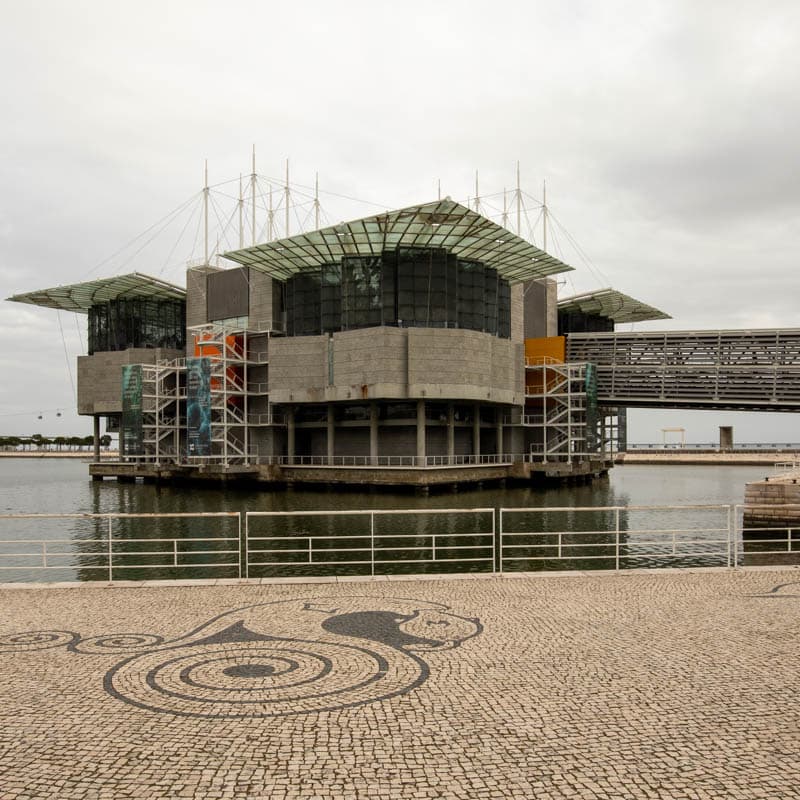
Over the Doca dos Olivais, the Lisbon Oceanarium looks like a motionless ship ready to depart, and that may be the best image for a place that lets you travel without leaving the city. Opened in 1998 as part of Expo ’98, it kept alive the idea of the oceans as a heritage for the future and became one of Lisbon’s most memorable experiences. The visit is shaped around a simple and powerful concept: one single ocean. At the centre, a vast aquarium with around five million litres of salt water brings together, through an illusion of perspective, four distinct marine habitats, allowing landscapes and species from different parts of the planet to coexist. It is worth pausing before the great windows and letting time slow down: between the half-light, the silent movement of the animals and the scale of the space, the Oceanarium becomes at once a spectacle, a place of knowledge and an invitation to care for the sea.

Museu Arqueológico do Carmo4.5

Museu Arqueológico do Carmo

Convent • Lisboa, Lisboa

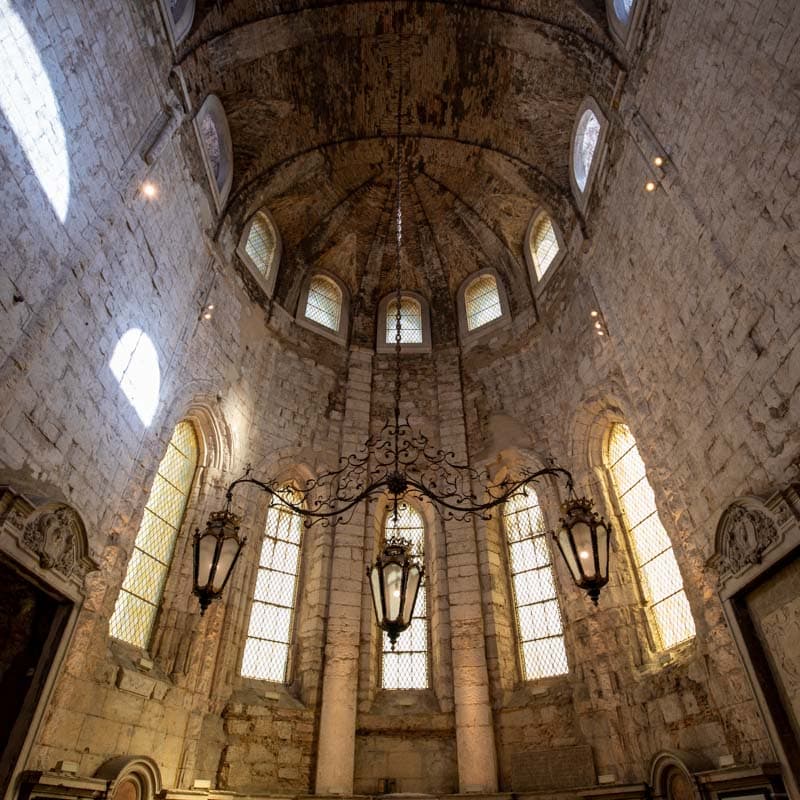
Few places in Lisbon bring together ruin and memory as eloquently as the Carmo Archaeological Museum. Housed in the former church of the convent founded by Nuno Álvares Pereira at the end of the fourteenth century, it preserves the great Gothic arches left open to the sky since the 1755 earthquake, making it one of the city’s most striking witnesses to the disaster. In 1864, Joaquim Possidónio Narciso da Silva created here the first museum of art and archaeology in Portugal, with the aim of saving endangered works and fragments of heritage. The result is a singular museum, where medieval tombs, Roman inscriptions, objects from the Castro de Vila Nova de São Pedro and pre-Columbian mummies coexist beneath the same wounded arches. Between the silence of the stone and the strangeness of the collection, Carmo seems to preserve more than objects: it preserves the very idea of Lisbon as a city shaped by loss, survival and reinvention.

Cinemateca Portuguesa - Museu do Cinema4.6

Cinemateca Portuguesa - Museu do Cinema

Theatre/Cinema • Lisboa, Lisboa

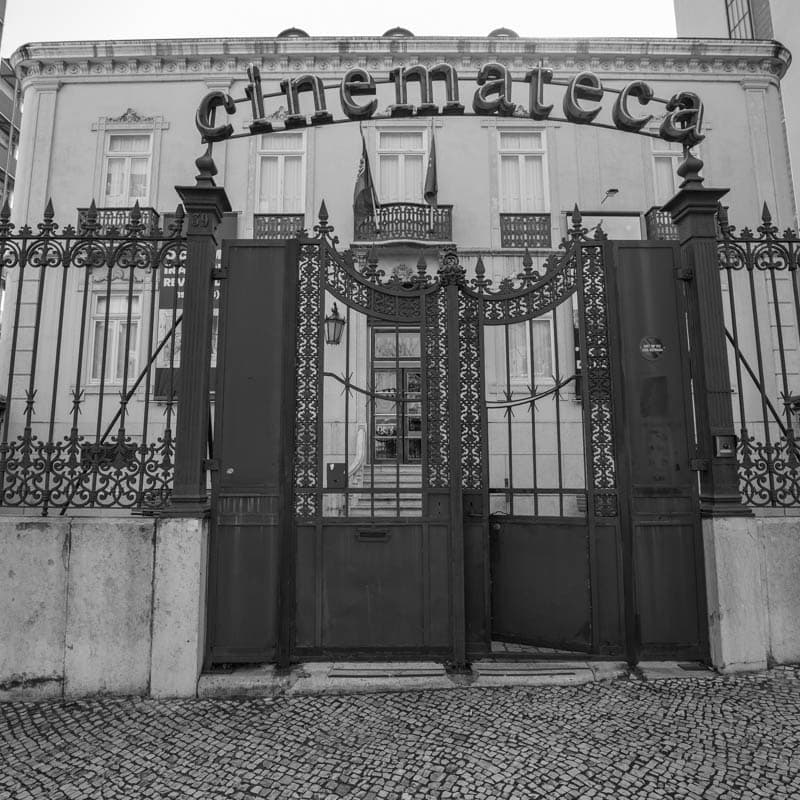
On Rua Barata Salgueiro, the Cinemateca Portuguesa - Museu do Cinema shows that cinema also has a home, a memory and a material presence. The institution was born in the late nineteen-forties and gained its identity through the drive of Manuel Félix Ribeiro; in the early nineteen-eighties it moved into an 1887 townhouse that still preserves stucco work, mythological frescoes and rooms with unexpected names, such as the Cupids and the Oaks. The major refurbishment completed in 2003 added two underground screening rooms and new museum spaces without erasing the building’s domestic character. That contrast helps define the place: it is not only an archive, nor only a cinema. In its collections are magic lanterns, cameras, projectors and other devices that trace the history of moving images, from pre-cinema to the twentieth century. Among objects, books and screenings, it becomes clear that films do not live only on the screen: they also live in the mechanisms that made them possible and in the patient work of preserving them for the future.

Sé de Lisboa4.4

Sé de Lisboa

Church • Lisboa, Lisboa

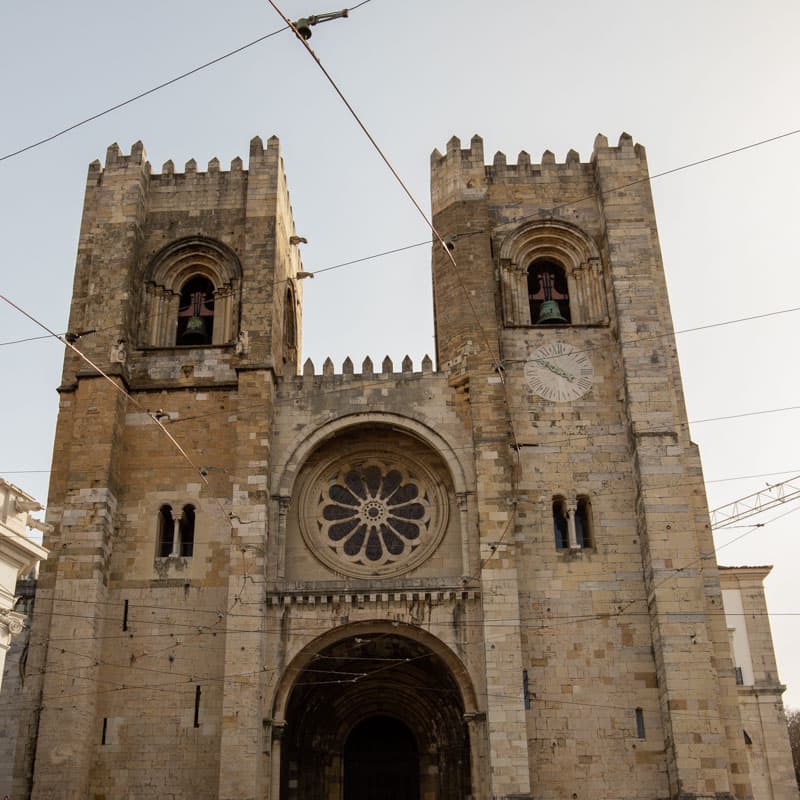
Between Alfama and the Baixa, Lisbon Cathedral seems to gather whole centuries of the city into a single building. Construction began in 1147, just after the Christian conquest of Lisbon, and the Romanesque church changed over time with the same upheavals that shaped the capital itself. To the Gothic cloister commissioned by King Dinis was added, in the fourteenth century, the ambulatory chevet ordered by Afonso IV to receive pilgrims coming to venerate the relics of Saint Vincent, a rare solution that still sets the cathedral apart. The 1755 earthquake destroyed important parts of the complex, and the restorations of the twentieth century gave it the Neo-Romanesque appearance we know today, with the rose window and twin towers dominating the square. Inside, medieval stone lives alongside traces of other periods; and in the baptistry, one is reminded that Saint Anthony was baptised here, a detail that links the Sé not only to Lisbon’s history, but also to its most intimate devotion.

Jardim Botânico Tropical4.3

Jardim Botânico Tropical

Botanical Garden • Lisboa, Lisboa

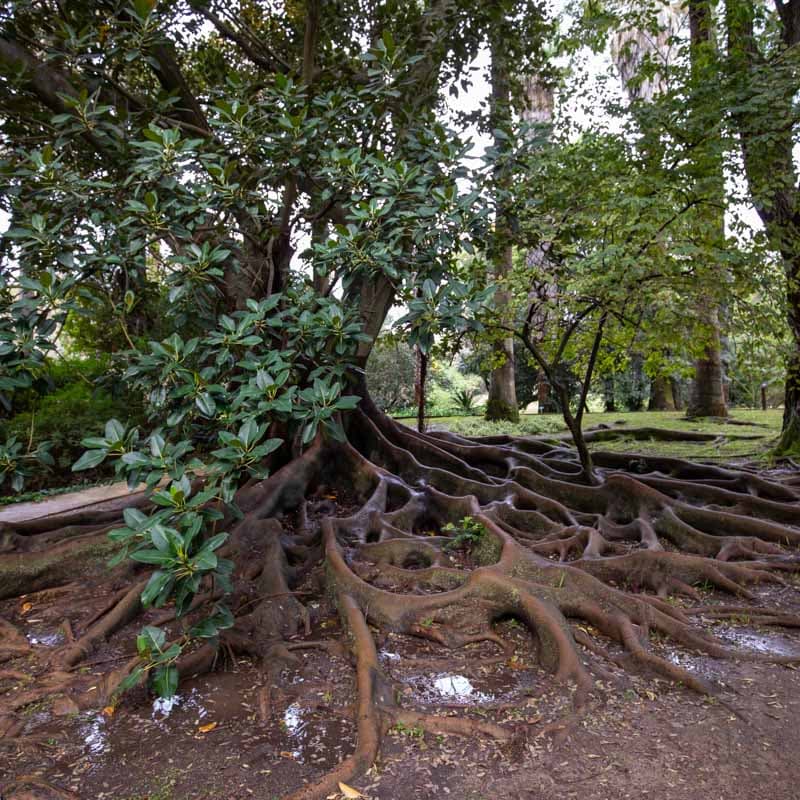
In Belém, the Tropical Botanical Garden brings together, in a single place, the elegance of an old royal estate and the more complex memory of Portugal’s colonial past. The landscape still bears traces of the eighteenth century, when King João V acquired these grounds, but the scientific garden was born in 1906 as the Colonial Garden, created for teaching and experimentation in tropical agriculture, and moved here a few years later. In 1940, the Portuguese World Exhibition left marks that are still visible, such as the Macau Arch and the fourteen busts scattered through the grounds, recalling another layer of its history. Between the long avenue of palm trees, the lakes, the greenhouses and around six hundred tropical and subtropical species, the walk feels both exuberant and meditative. What makes this garden singular is not only its botanical collection: it is the way nature, science, art and memory meet in a place that shows, quietly, that gardens too can tell the story of a country.

Museu de Arte Popular4.2

Museu de Arte Popular

Museum • Lisboa, Lisboa

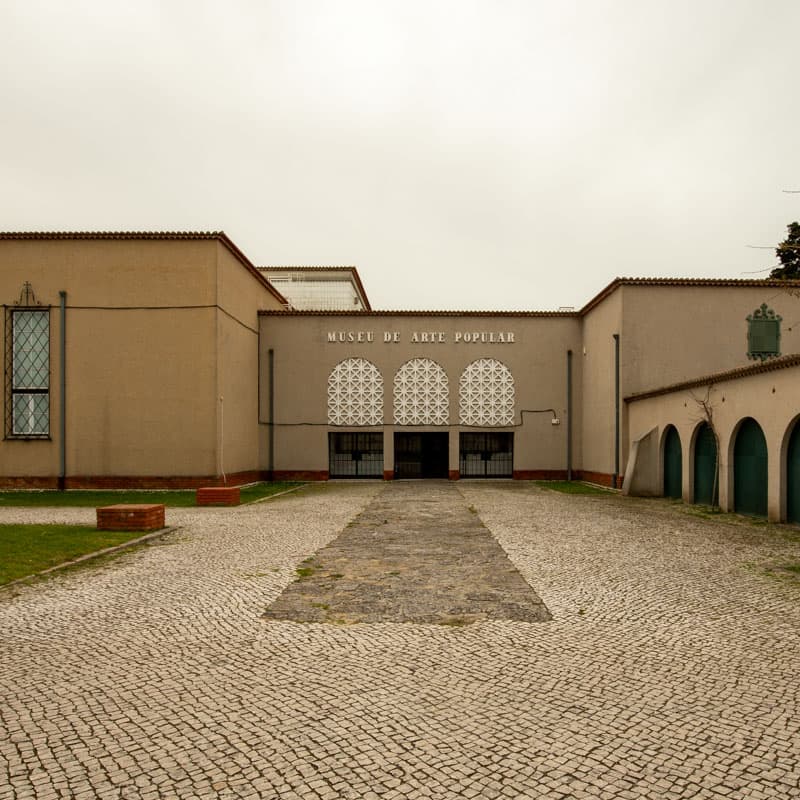
On the edge of the Tagus, the Popular Art Museum preserves one of the clearest images of how Portugal chose to represent itself in the twentieth century. The building grew out of the pavilions of the Popular Life Section of the 1940 Portuguese World Exhibition and opened as a museum in 1948, reshaped by Jorge Segurado from a programme defined by Francisco Martins Lage and Tomás de Mello. What makes it singular is not only its collection of ceramics, textiles, musical instruments and agricultural tools: it is also the mural compositions and the dialogue between modernism and tradition, designed to give form to a rural, colourful and idealised country. To step inside is therefore to encounter both an ethnographic collection and a historical document about the aesthetics and political vision of the Estado Novo. Beside the Espelho de Água and the Monument to the Discoveries, the building still suggests that popular memory can also be staged.

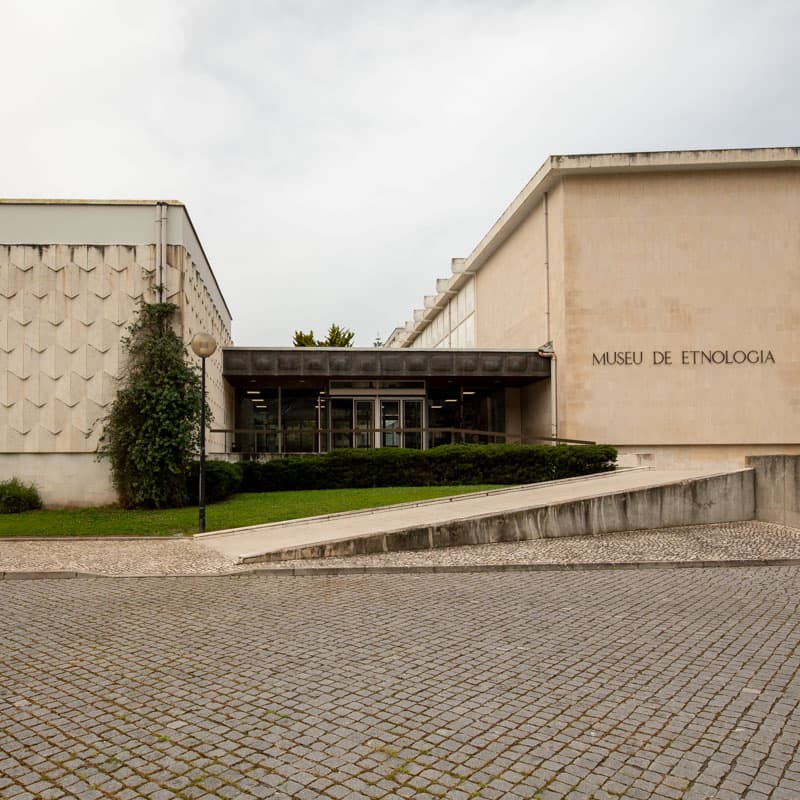
Museu Nacional de Etnologia4.2

Museu Nacional de Etnologia

Museum • Lisboa, Lisboa

In Lisbon, the National Museum of Ethnology shows how a museum can preserve objects and, at the same time, the very history of Portuguese anthropology. Created in 1965 under the impetus of Jorge Dias and a decisive generation of researchers, it was born with an unusual ambition: to represent the cultures of the world without limiting itself to Portugal or to the former overseas territories. The current building, inaugurated in 1976, houses collections gathered through fieldwork and accompanied by photographic, film and sound archives that give them context and depth. More than a parade of rarities, the visit gains strength in the visible storage galleries and the small permanent displays, where rural tools, popular instruments, masks, puppets and dolls reveal very different ways of living, celebrating and imagining. Between the Rural Life Gallery, Amazonia and pieces from Indonesia, it becomes clear that this museum does not look at cultures as distant curiosities: it brings gestures, knowledge and memories closer together, and makes that closeness its true strength.

Showing 121-144 of 203

Discover by category

Take the LxDiscover App with you

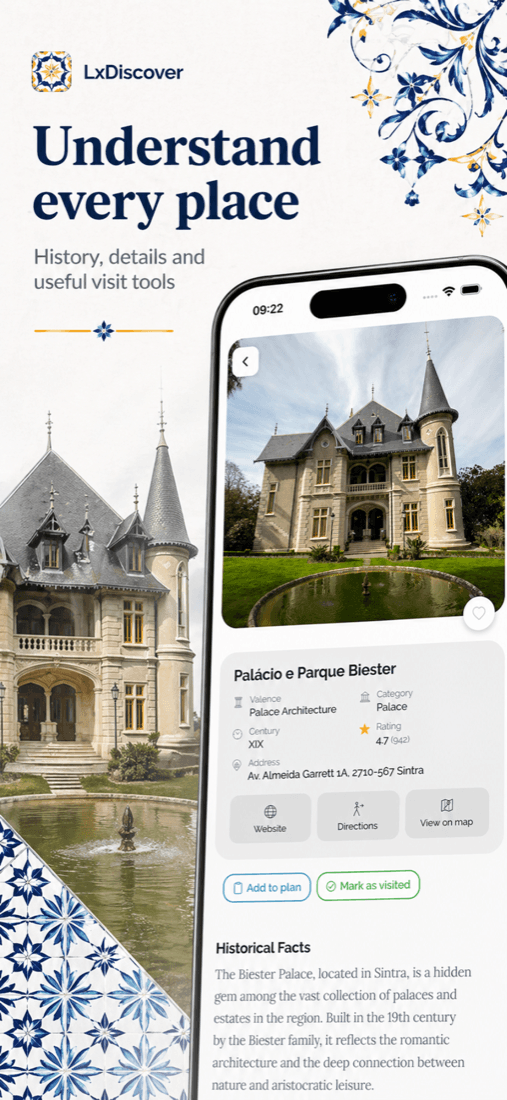
Explore Portugal with a cultural guide for monuments, museums, gardens, palaces, viewpoints, and historic places in Lisbon, Porto, Sintra, and other regions.

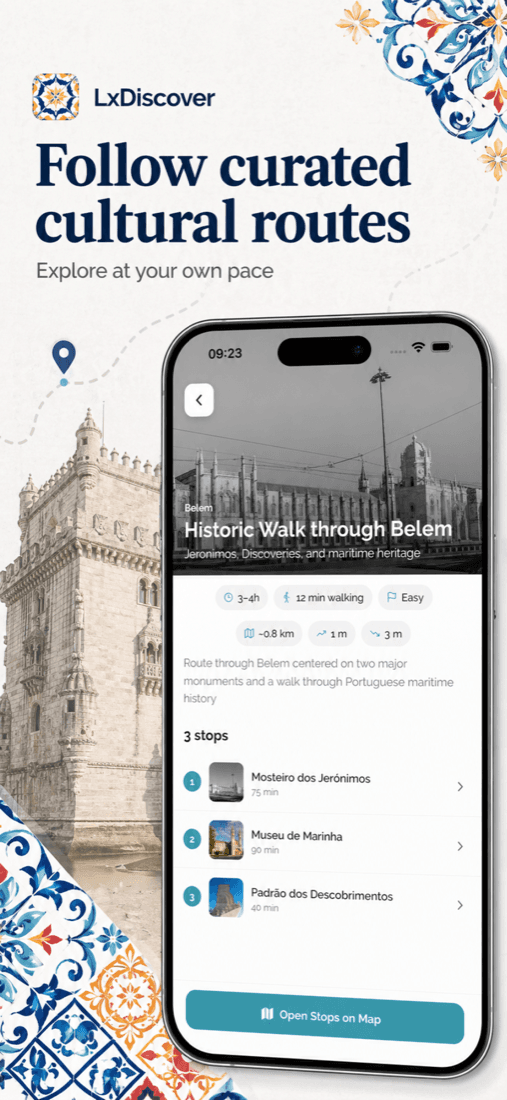
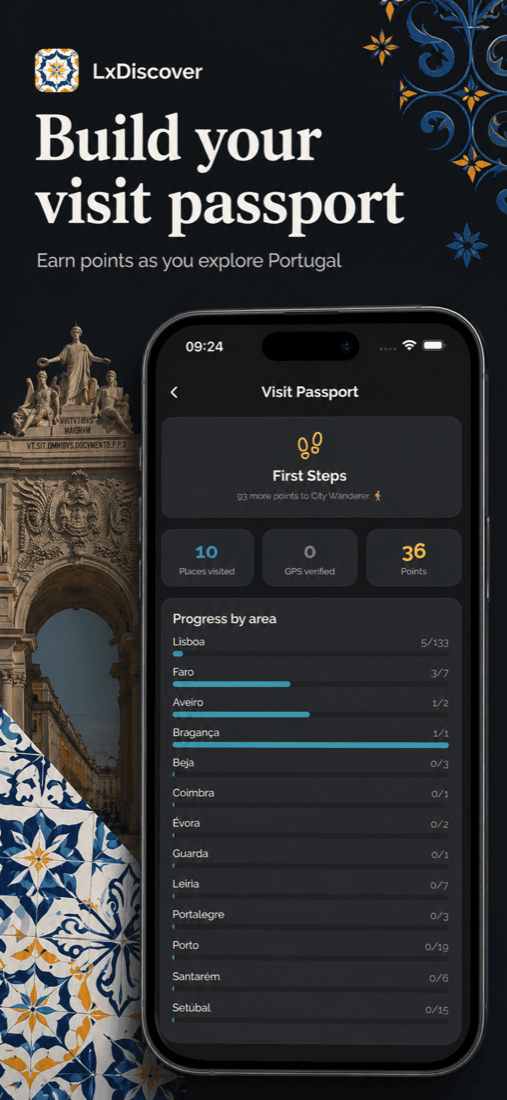
Use the map, follow cultural routes, read editorial context, save places, and track your visits with the visit passport.

Free features

  • Interactive map to discover places of interest
  • Detailed information about monuments, museums, and cultural sites
  • Favorites for the places you want to visit
  • Selected routes to start exploring

Premium subscription

  • Curated routes with ordered stops, duration, and difficulty
  • Thematic collections with editorial context for each area
  • Visit passport for progress, visited places, and achievements
  • Advanced map, planning, and proximity alert tools
LxDiscover map screen
LxDiscover routes screen
LxDiscover visit passport screen